


Technical guide · 2026-10-16
HOCl Generator Selection: Understanding Flow, FAC and pH
Learn how output volume, available chlorine and pH work together when defining an equipment requirement.

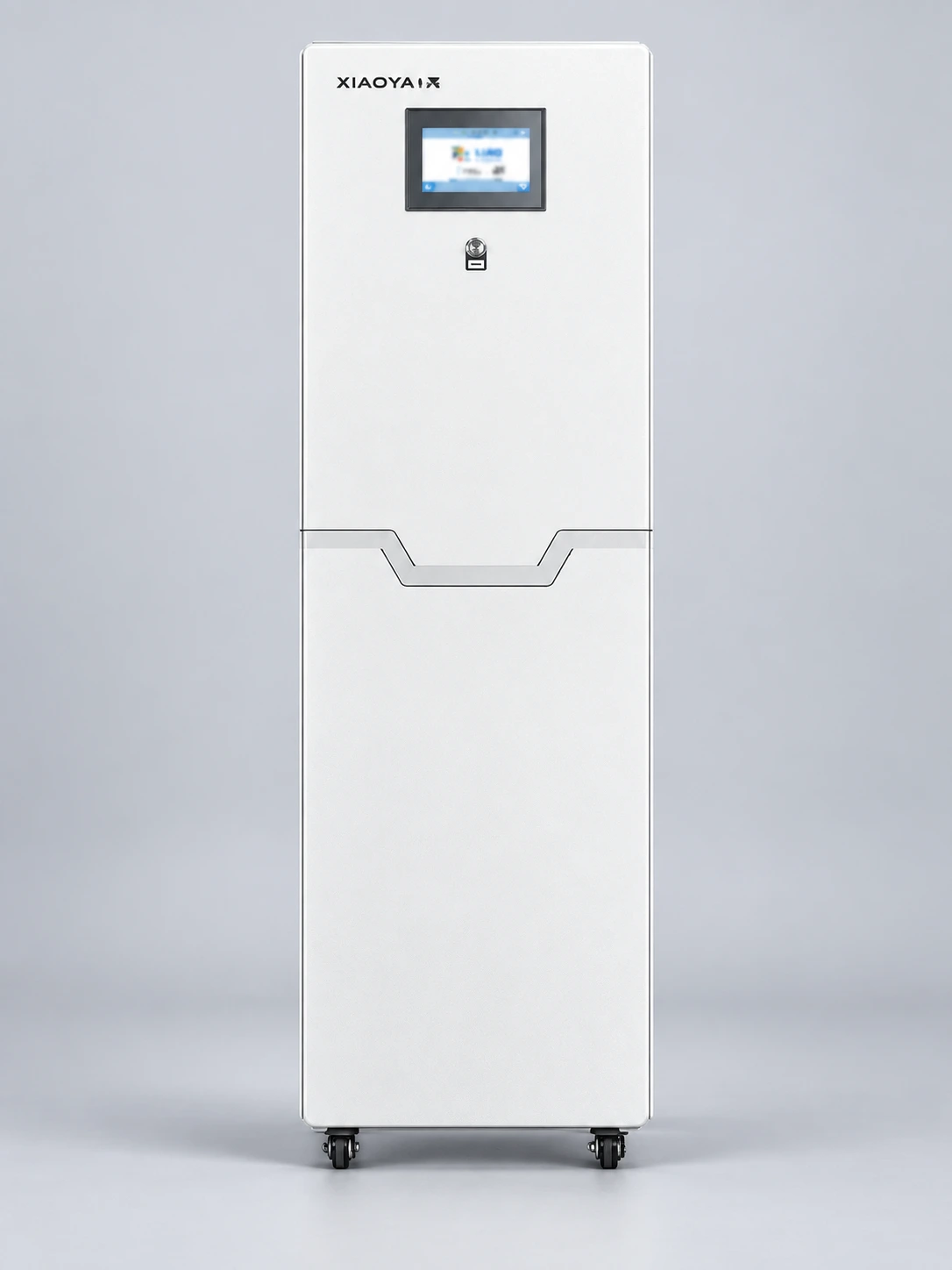
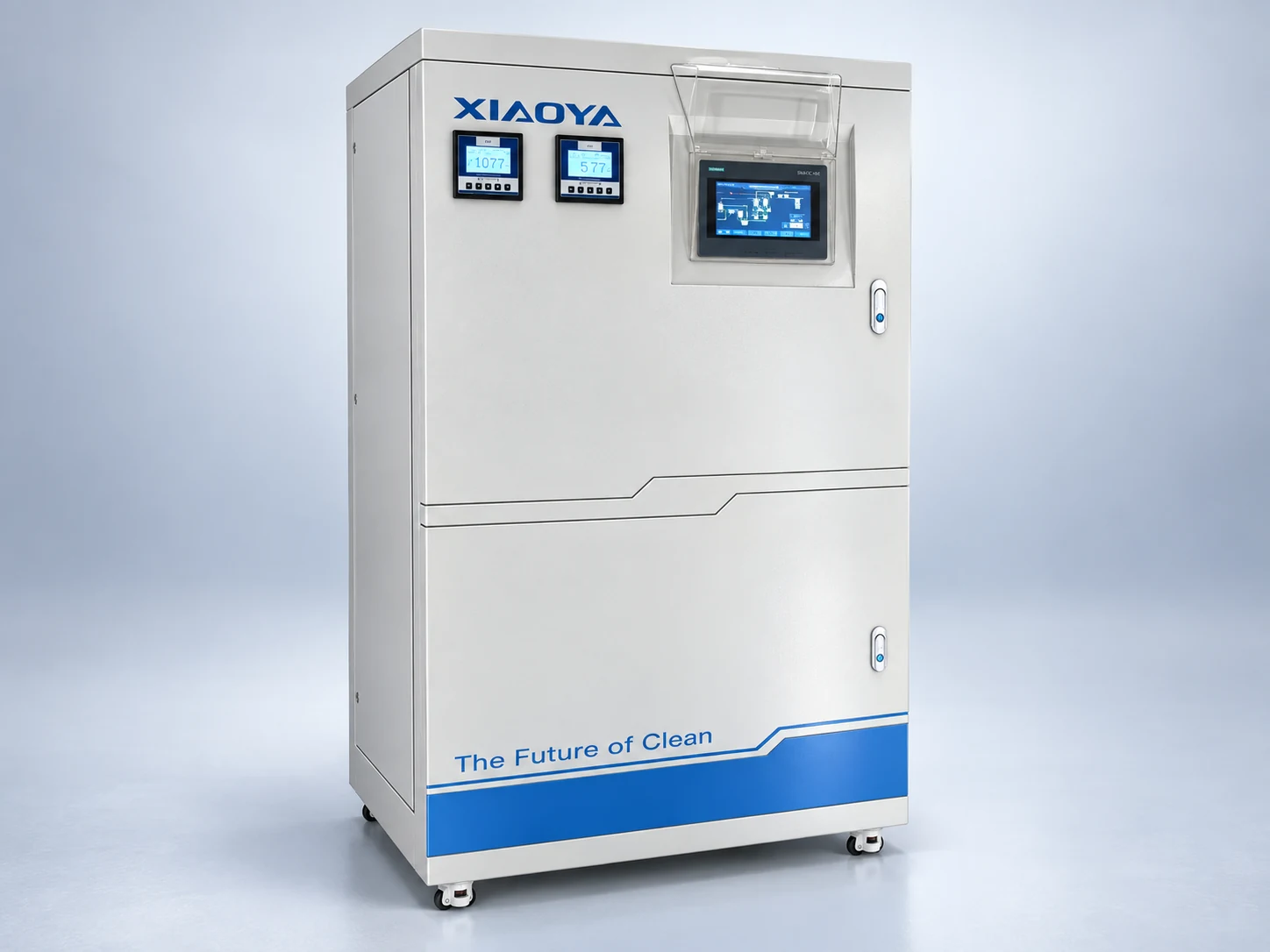
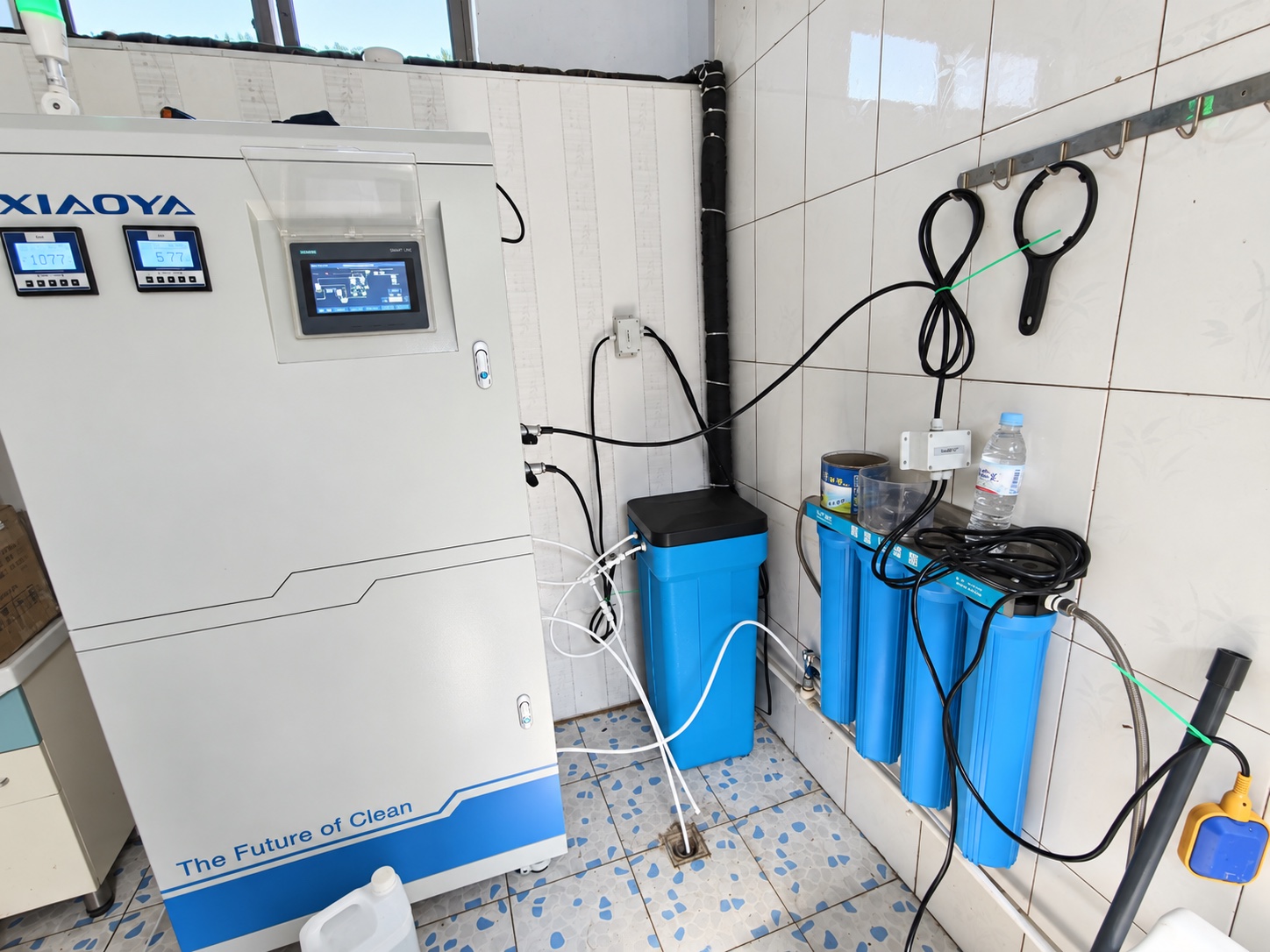
An HOCl generator should be selected around a defined operating point. Flow tells you how much solution is produced, available chlorine describes the measured disinfectant concentration, and pH influences the balance of chlorine species in water. These parameters should be reviewed together.
Express solution demand in litres per hour and litres per day. Record when demand occurs, including short peaks. Daily average demand can hide a large peak that may require buffer storage or a different equipment arrangement.
Available chlorine is commonly reported in mg/L or ppm for dilute aqueous solutions. Specify the sampling location and measurement method with the target value. For supply systems with storage and distribution, check requirements at the generator outlet and at the point of use.
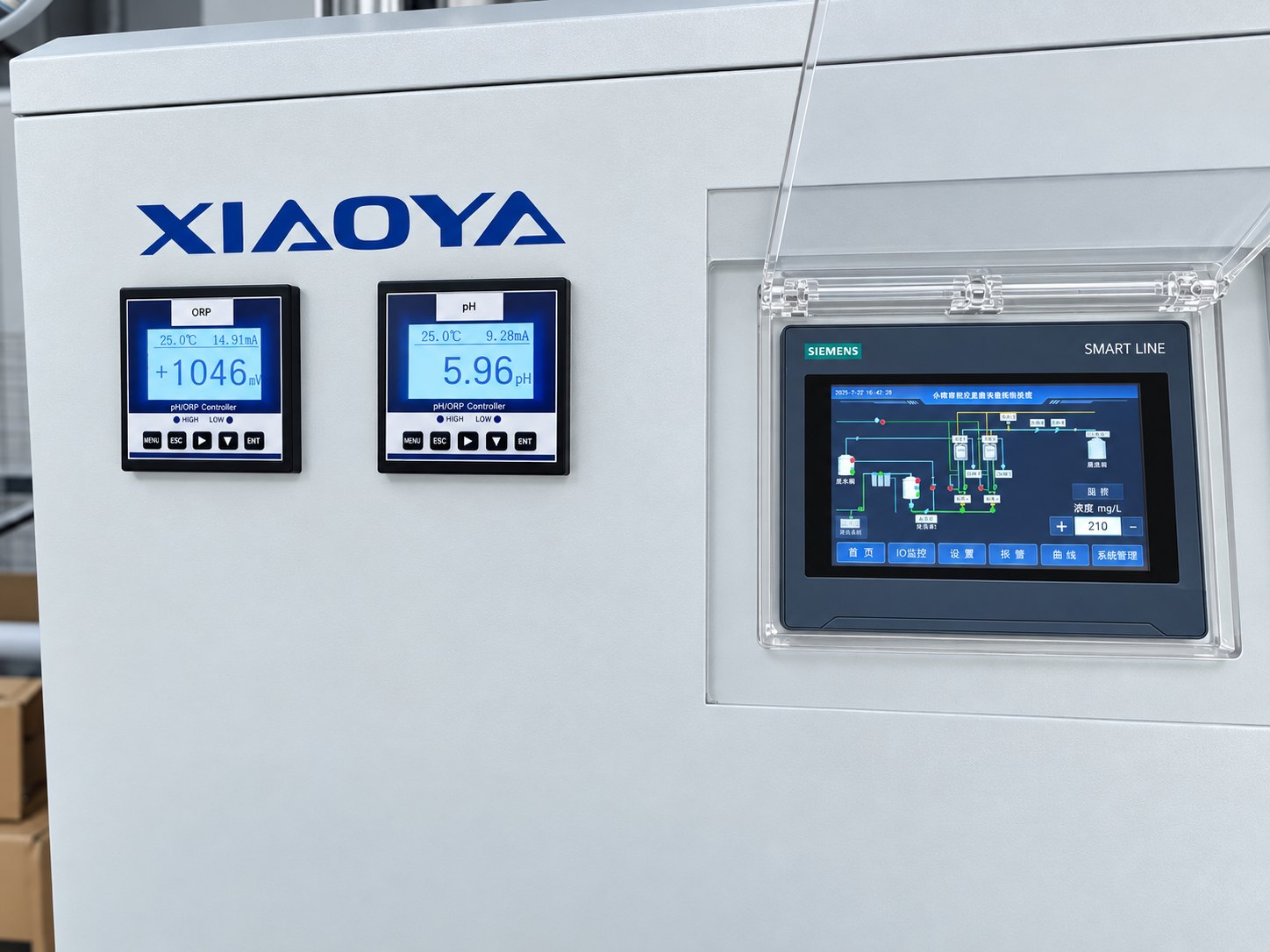
pH describes acidity or alkalinity. Source-water chemistry and equipment configuration affect the generated solution. If your project requires a customized pH, ask Xiaoya to review that target together with concentration and output. A broad customization range does not mean one HOCl composition remains unchanged throughout the range.
ORP is a supporting measurement of oxidation-reduction potential. Use it alongside the required available-chlorine and pH checks rather than treating an ORP number as a direct chlorine-concentration result.
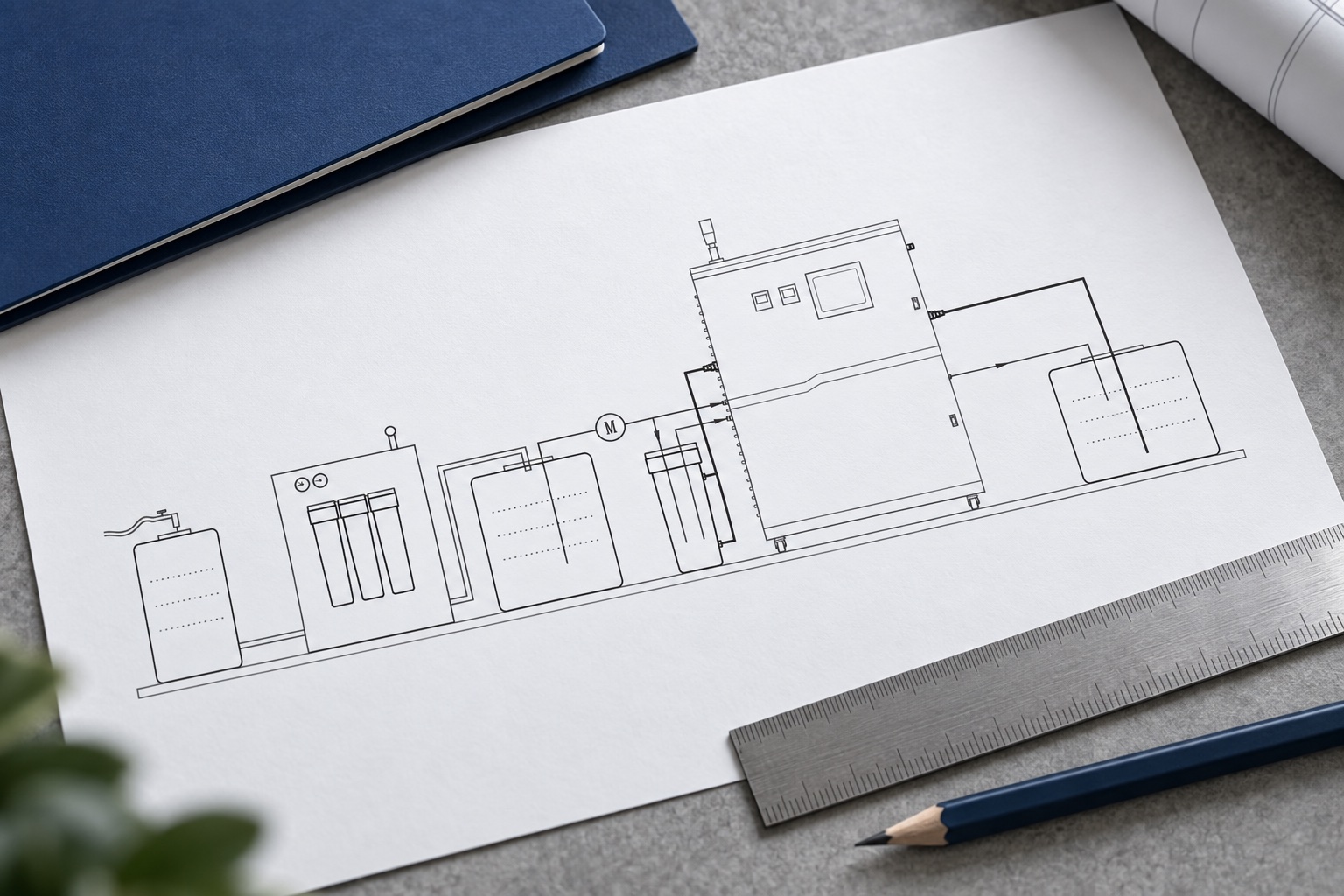
Provide your application, output, target FAC, target pH, water supply and operating schedule. Xiaoya can then evaluate the proposed equipment and control functions for your project.
Discuss your project ↗