





System integration · 2026-10-21
Connecting an HOCl Generator to Multiple Use Points
Map concurrent demand, distribution responsibilities and sampling locations before selecting a generator for several work areas.
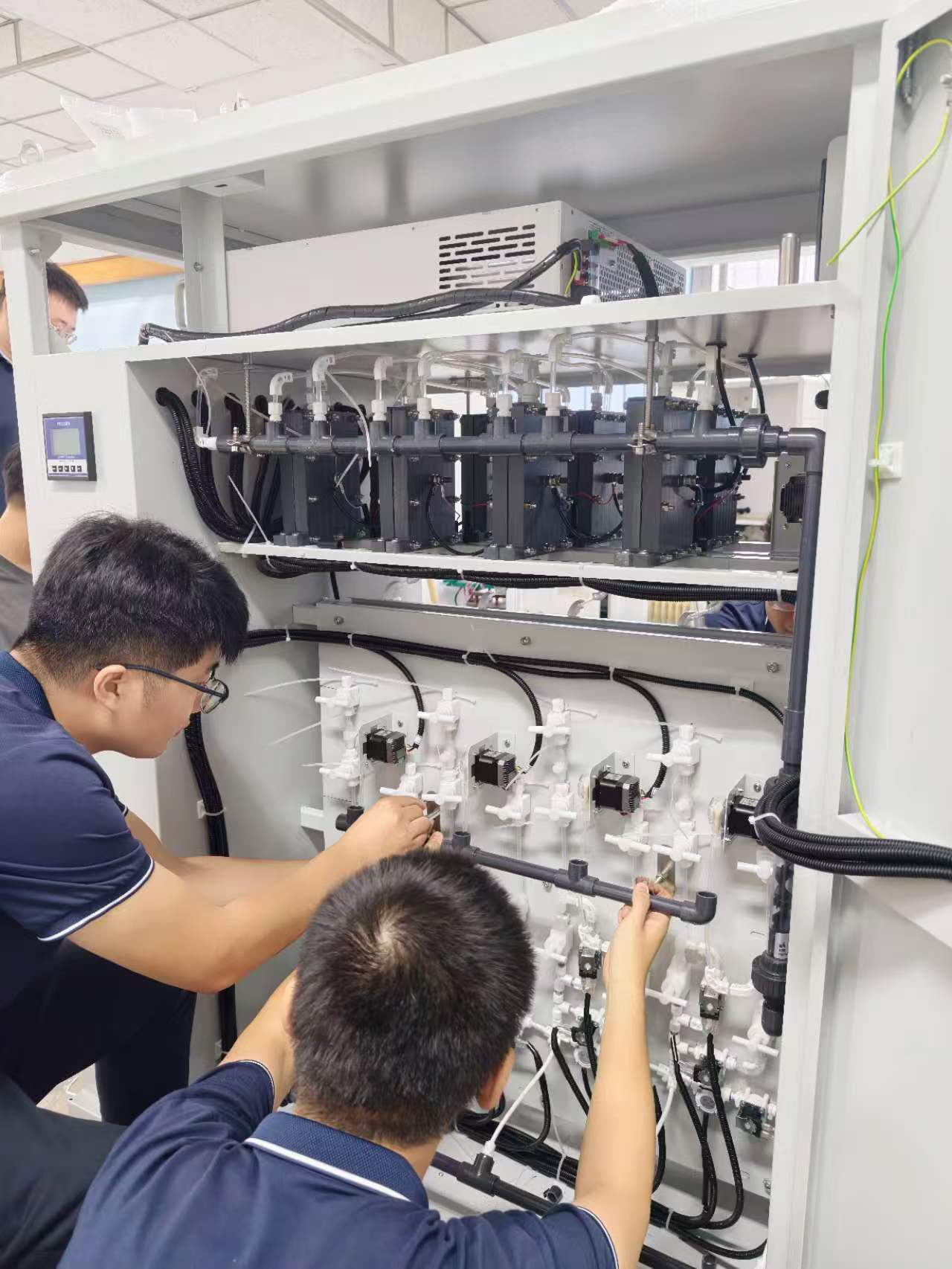
Supplying several work areas from one HOCl generator requires more than adding their daily solution volumes. Each use point has its own operating times, delivery needs and quality requirements. A simple use-point schedule helps turn those differences into a practical system brief.
Make a use-point map
List each location that will receive solution and describe the task performed there. Record whether the solution is collected in containers or delivered through fixed equipment. Include the approximate distance and elevation between the generator and each use point, along with any existing pipework or pumping equipment.
Keep different application requirements visible. A shared supply arrangement should not be assumed suitable when work areas need different concentrations, procedures or restrictions. Identify those requirements early so the proposed system can separate or manage them appropriately.
Record when demand overlaps
Daily volume is useful for production planning, but it does not show the busiest period. Record when each station operates and which stations may draw solution at the same time. Include short cleaning peaks, shift changes and any collection periods before production starts.
The generator’s production rate and the delivery system’s flow are different considerations. A buffer tank may help organize supply where demand rises above the generation rate for a limited period. Whether it is appropriate depends on the demand profile, holding conditions and complete equipment arrangement.
Define the distribution equipment
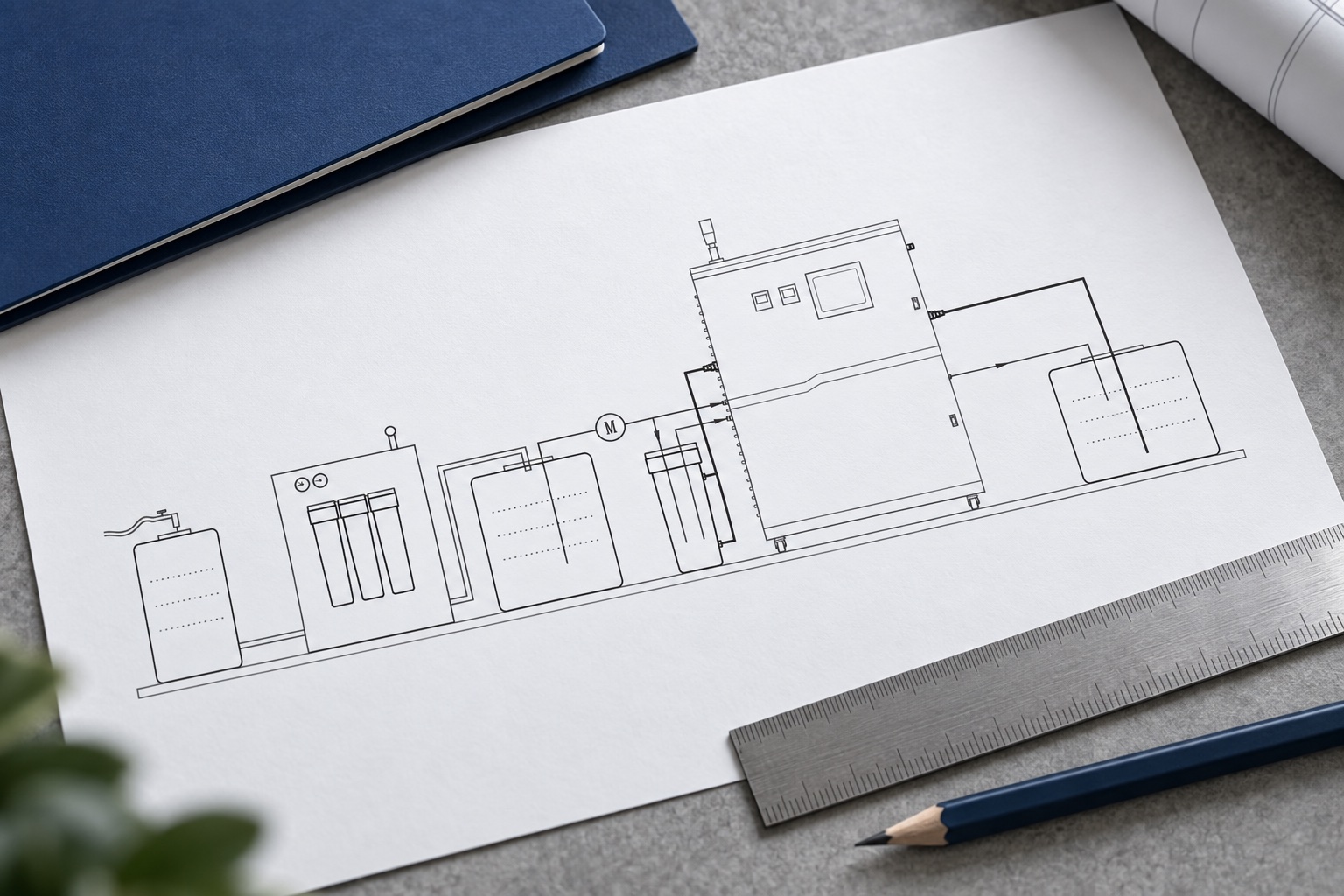
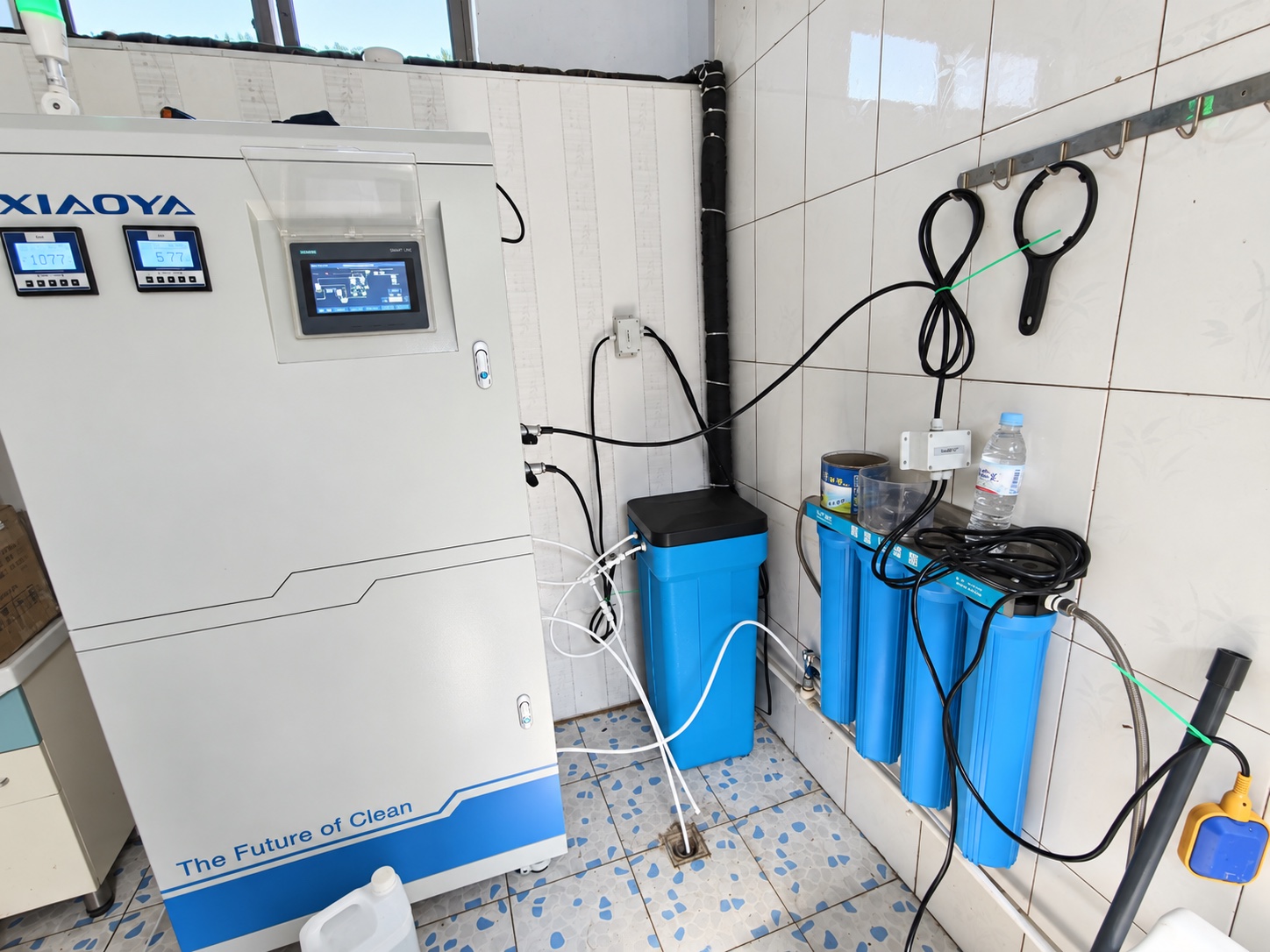
Ask which tanks, pumps, valves, instruments and connection components are included in the proposal. Identify the items supplied by the site or its installer. Where an existing line will be reused, share its material, size and condition rather than assuming it can remain unchanged.
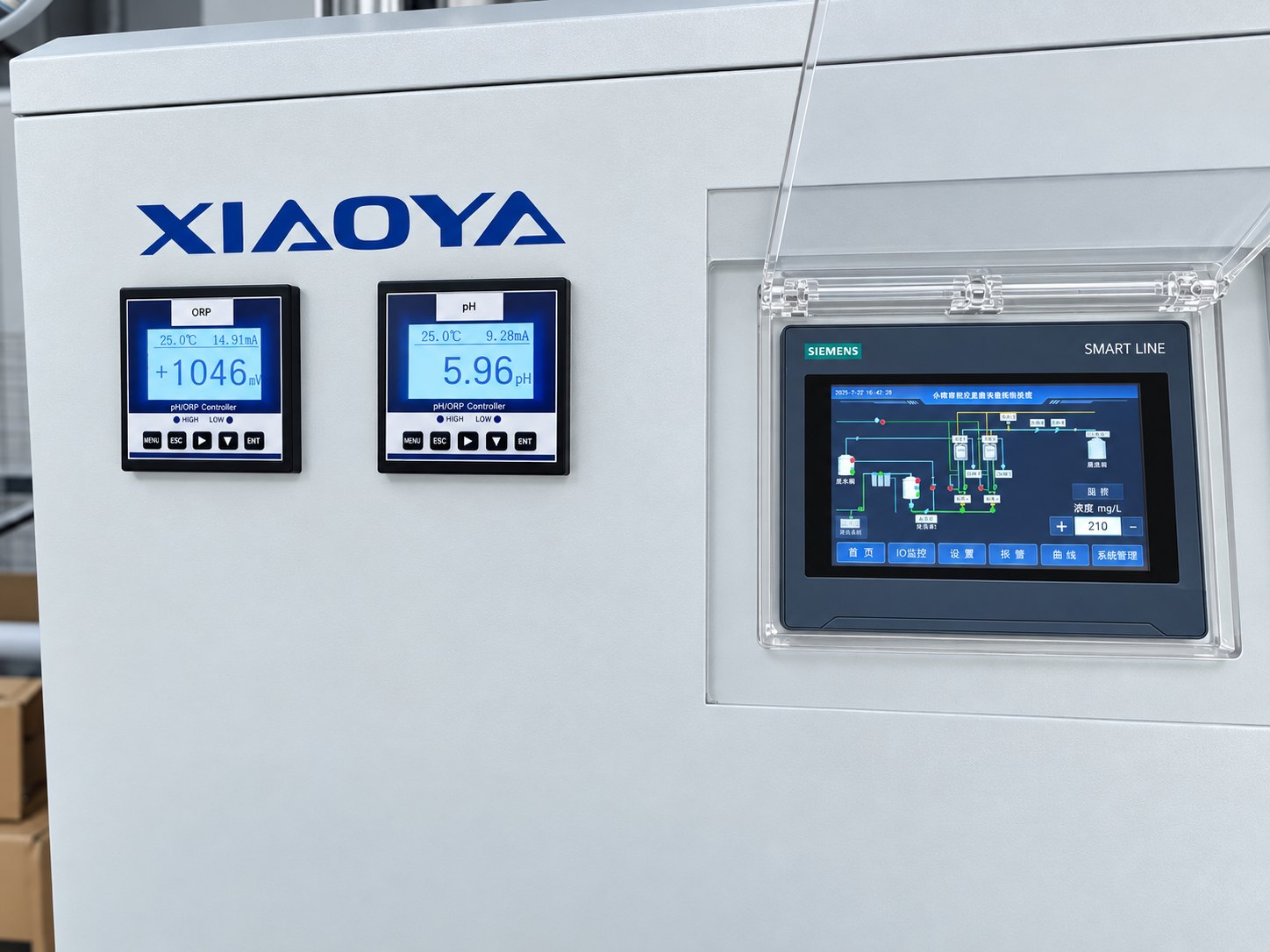
Agree how the system starts, stops and responds to a full tank, low solution level or other relevant conditions. If a customer control system is involved, provide the required signals and operating sequence. Local display, remote visibility and automatic control should each be specified clearly.
Place checks where they support operation
Decide which checks belong at the generator outlet, after storage and at representative use points. The sampling plan should support the intended application and site procedure. Record the result, unit, time and location so the team can distinguish generation issues from storage or distribution changes.
Assign responsibility for routine checks and the response to an out-of-range result. This is particularly useful when several departments receive solution but a different team operates the generator. A clear handover reduces uncertainty about who maintains the supply and who releases solution for use.
Send a complete system brief
Provide the use-point map, demand schedule, target solution requirements and available utilities to Xiaoya. Add details of any existing tanks, pumps and controls. These inputs help define the generator and supporting system together while keeping the quotation scope understandable.
Discuss your project ↗