




Solution handling · 2026-10-21
Planning HOCl Storage: Containers, Turnover and Quality Checks
Plan storage around your actual demand, suitable containers and checks at the point of use, rather than selecting a tank by volume alone.
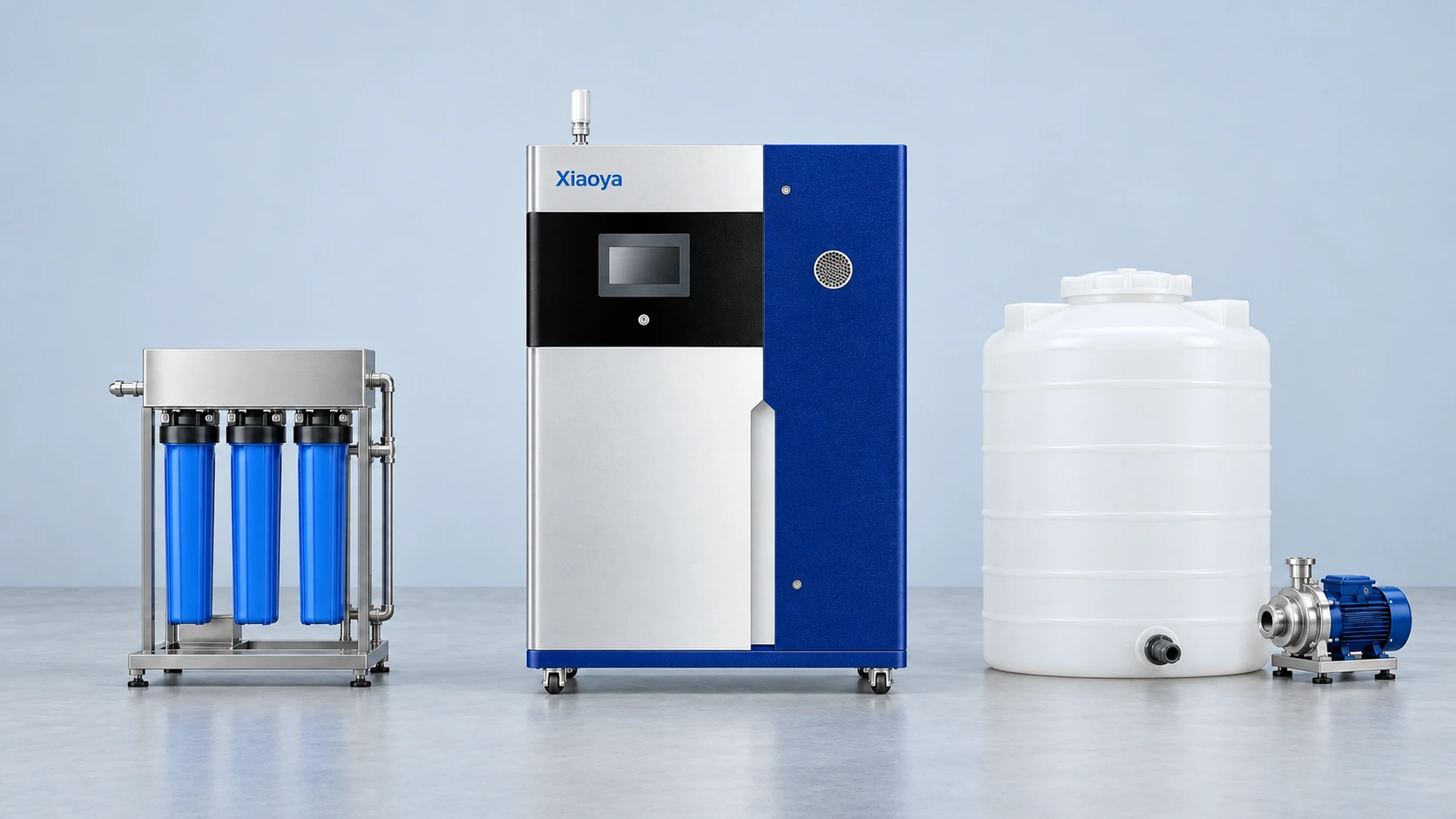
A storage tank can help connect steady HOCl generation with changing demand at a facility. It can also add holding time, extra wetted materials and another sampling location. A useful storage plan therefore starts with how the solution will be used, when it will be needed and how its quality will be checked.
Define the purpose of the tank
Explain whether the tank is intended to collect a production batch, supply several use points or support short periods of higher demand. These purposes lead to different requirements for usable volume, delivery flow and operating controls. Record the expected daily use and the periods when consumption rises. Include any solution that remains from the previous operating period in the discussion.
An oversized tank is not automatically a better buffer. If turnover is slow, solution can remain in storage for longer than planned. A small tank, on the other hand, may not cover the operating peak. Xiaoya can review generation, storage and delivery together when the demand profile is available.
Review every material in contact with the solution
The tank body is only one part of the storage arrangement. Review the lid, outlet fittings, seals, pipes, pump and sampling components as well. Tell the supplier the proposed solution concentration, pH, temperature and contact duration so the materials can be assessed for that duty.
Use a container intended for the agreed solution and handling conditions. Keep it identifiable and protect the contents from unintended mixing or contamination. Do not use an unlabelled container simply because its capacity is convenient. Follow the equipment instructions and the facility’s chemical-handling procedures when locating or connecting the tank.
Plan turnover and operating responsibilities
Define who checks the tank level, replenishes the supply, cleans the tank and records the checks. Agree how a full tank affects generator operation and how low-level conditions affect the delivery pump. Automatic level control, alarms and other functions should be identified in the equipment scope.
Consider planned shutdowns as well as normal production. A facility that stops for weekends or changes shifts needs a clear plan for solution left in storage. Holding conditions and acceptable reuse should follow the agreed application procedure and relevant product guidance.
Verify at the location that matters
A result measured at the generator outlet does not describe every downstream use point. Where storage and distribution are included, agree where to sample, what to measure and who responds when a result is outside the site’s limits. Include available chlorine and pH where required by the intended use. Record the time and location with the result so later comparisons are meaningful.
Information to send to Xiaoya
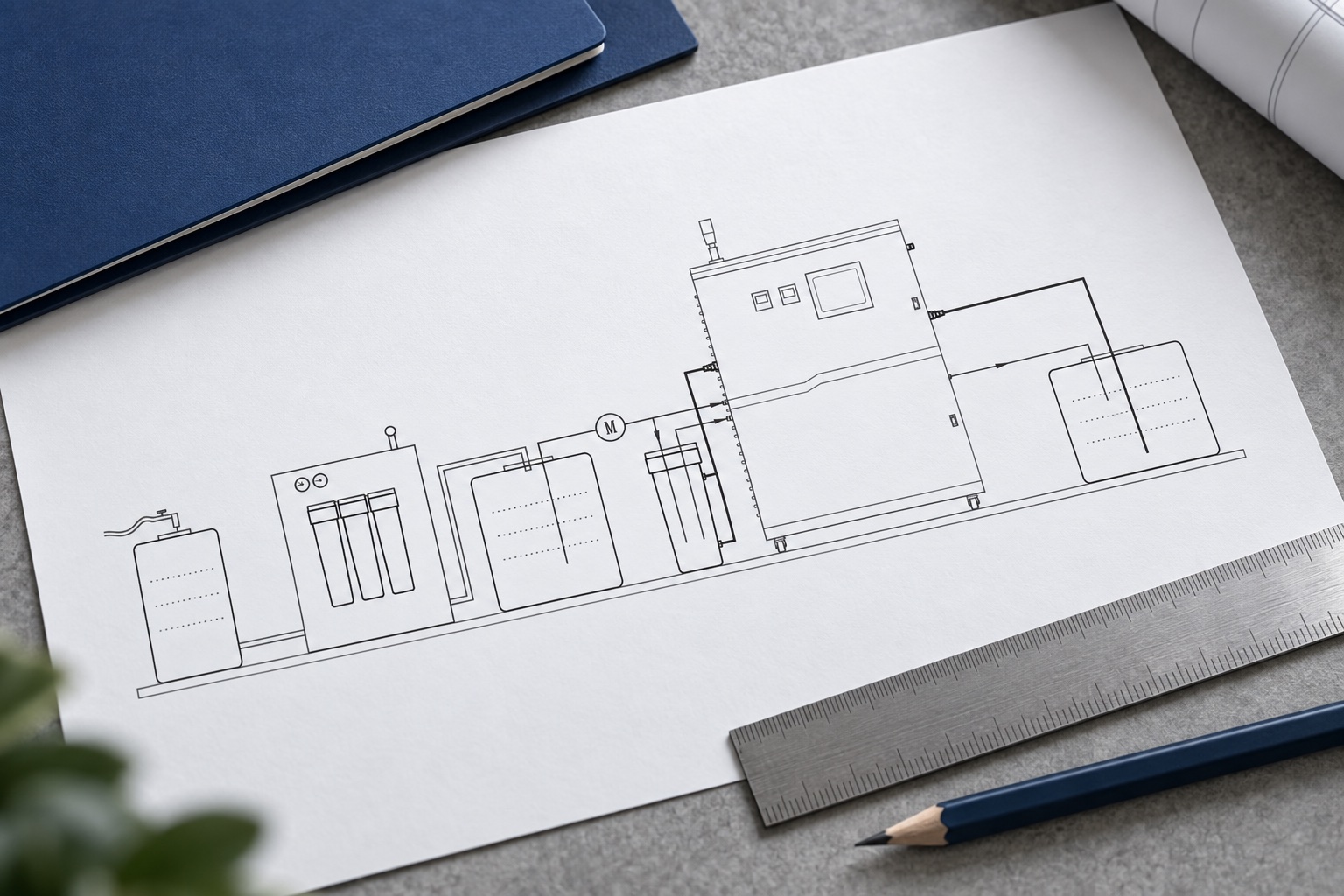
Provide the intended application, expected volume by operating period, proposed holding time, available space and any existing tank or pump details. These inputs help define whether buffer storage is appropriate and which supporting components belong in the proposal. The final equipment list should make the storage and delivery scope clear.
Discuss your project ↗