



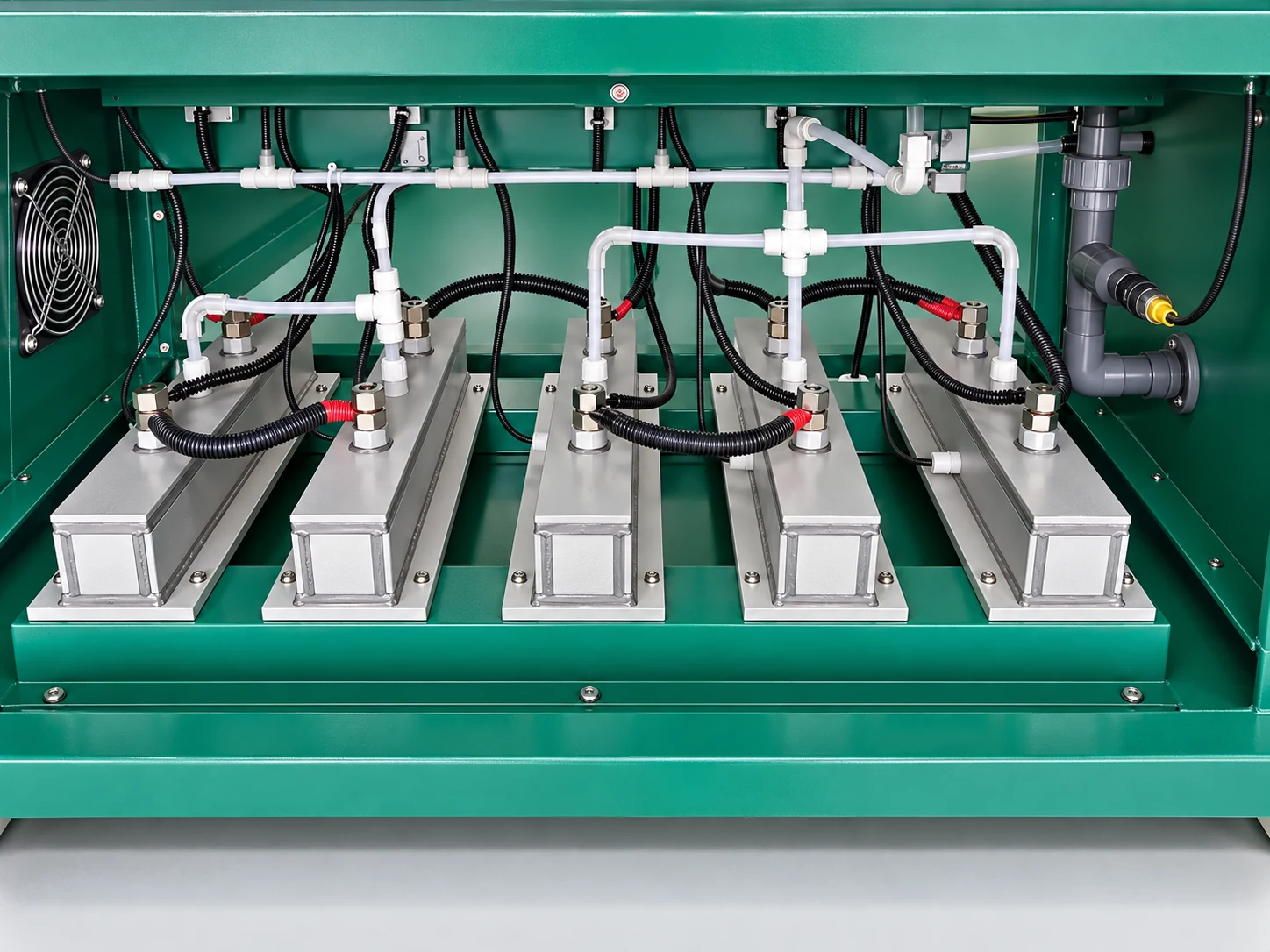
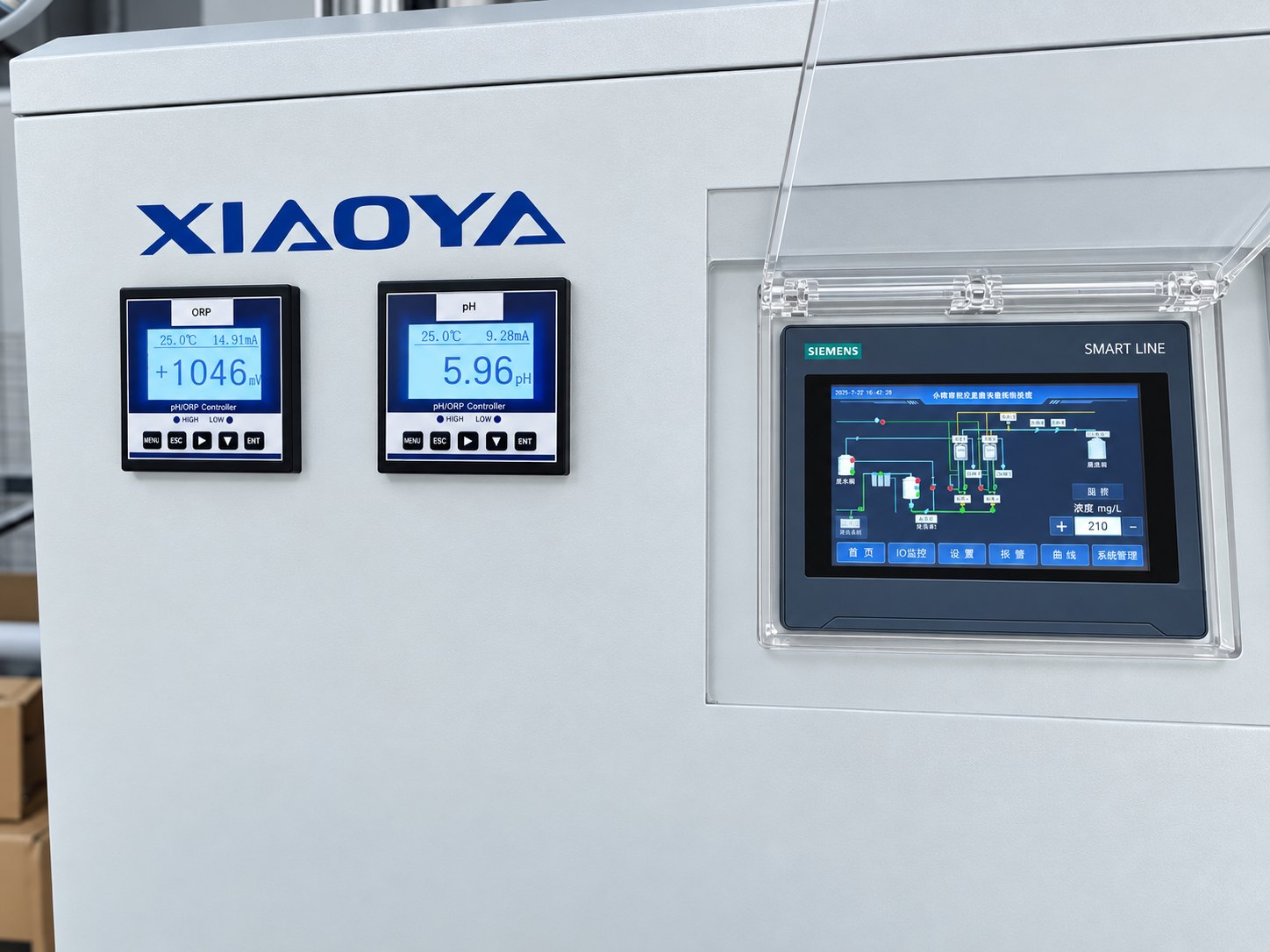
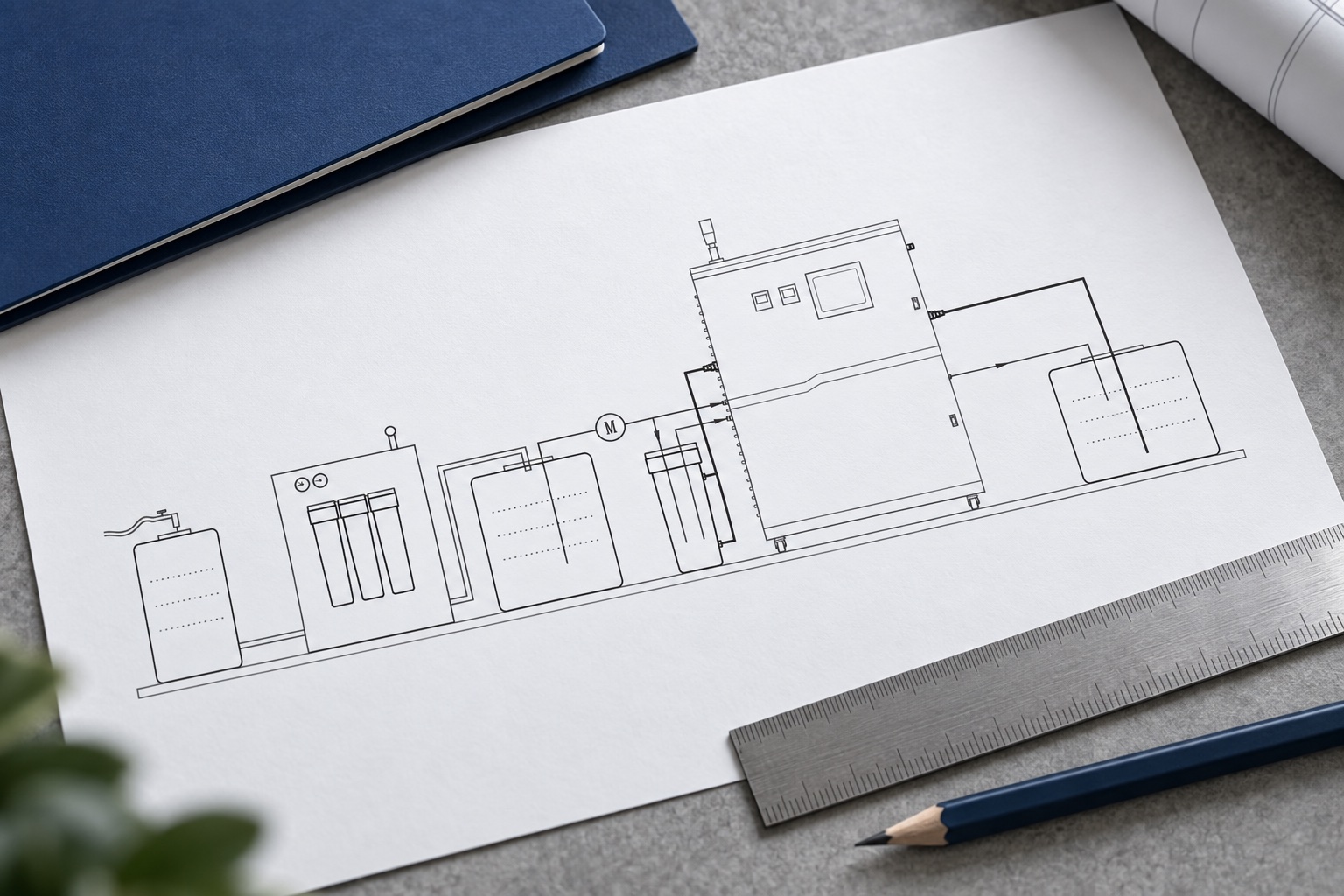
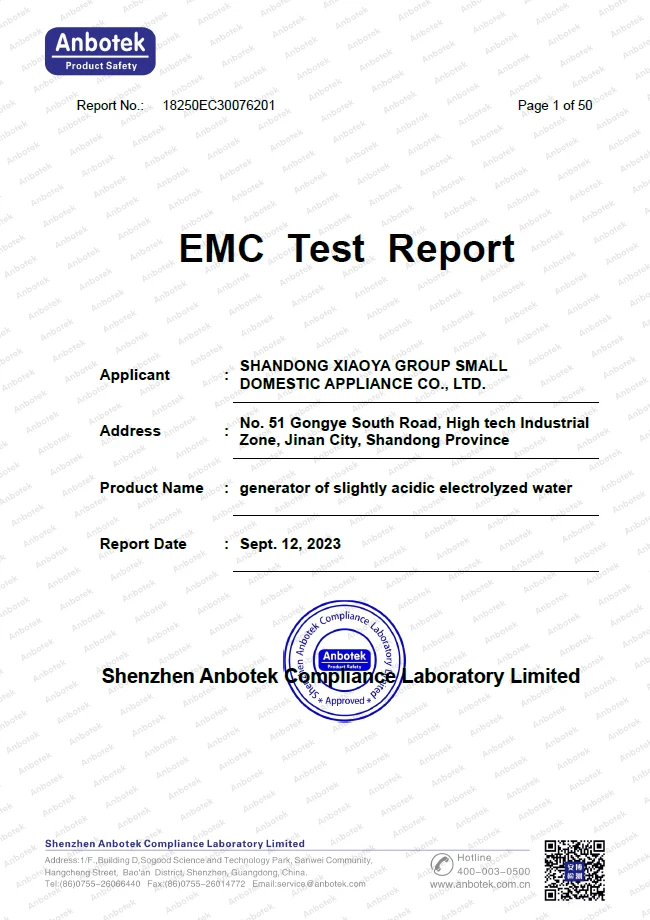
How does the cell work?
A flow-through electrolysis process describes the generation method. It does not, by itself, define the daily operating schedule.
PRODUCTION PLANNING
Make production fit your operating schedule.
Compare when you generate, when you draw solution and how much flexibility your facility needs between the two.
Compare demand patternsSTART WITH THE RIGHT DISTINCTION
A flow-through electrolysis process describes the generation method. It does not, by itself, define the daily operating schedule.
Production can be planned around collection periods or a longer operating window. Confirm permitted run time, pauses and restart requirements for the configuration.
Use points may draw intermittently or throughout a shift. Storage can separate production from demand, within agreed volume and holding conditions.
SAME DAILY VOLUME · DIFFERENT TIMING
These hypothetical shifts use the same volume at the same target concentration. The collection pattern changes what must be ready, and when.
Two collection periods: 400 L in each highlighted hour.
100 L drawn in every hour of the same eight-hour shift.
Concentrated collection: discuss advance production and available stored volume, or a generation rate that can meet the collection window.
Distributed draw: discuss the operating window, usable output at the target FAC and what happens during production pauses.
COMPARE THE ARRANGEMENTS
Worth considering when collection times and quantities are predictable.

Allow time for production, checking and any required maintenance. Define suitable containers and holding conditions.
Worth considering when solution is used throughout the shift.

Continuous supply does not automatically mean 24-hour generator operation. Automatic replenishment and monitoring must be specified.
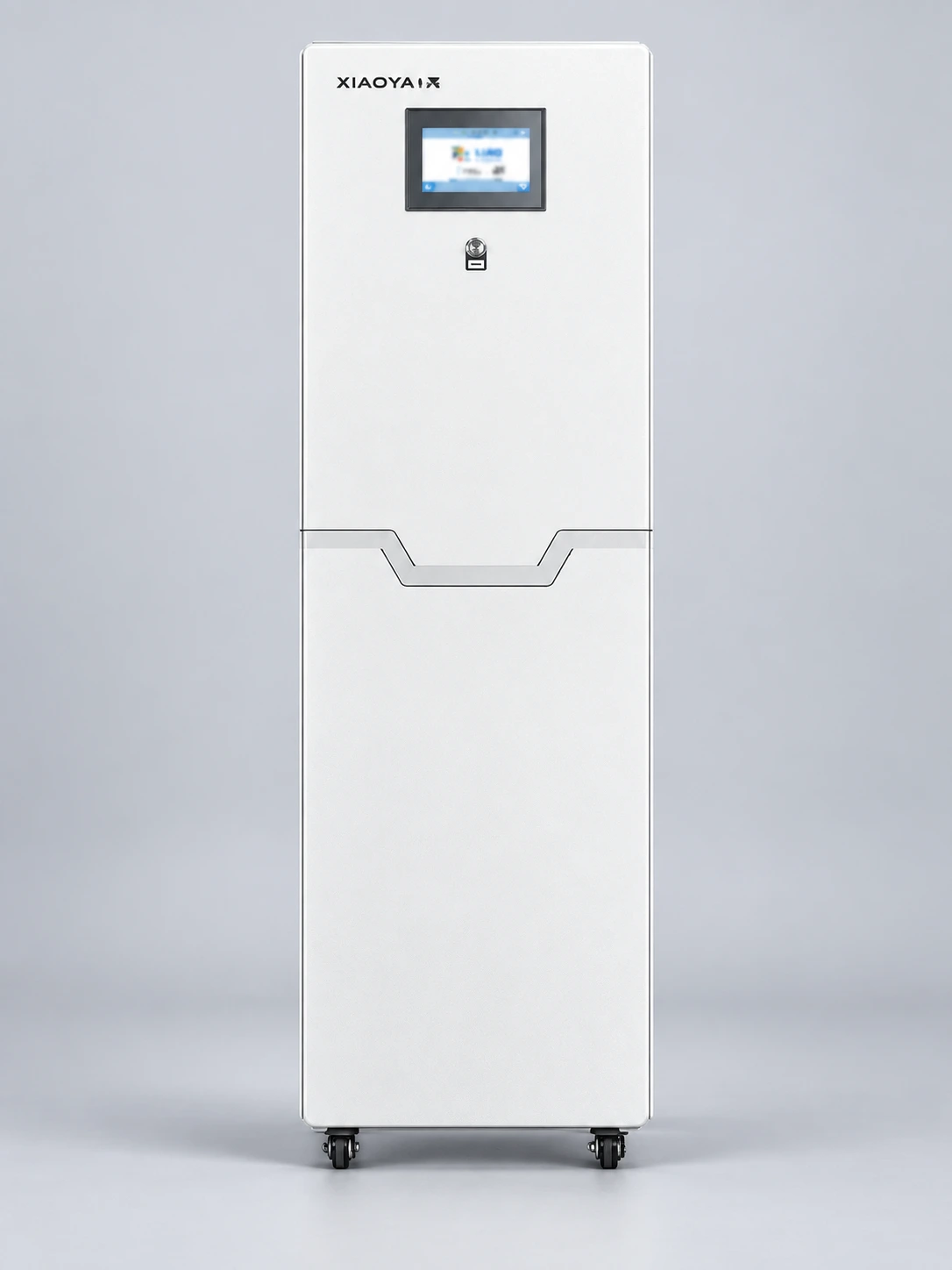
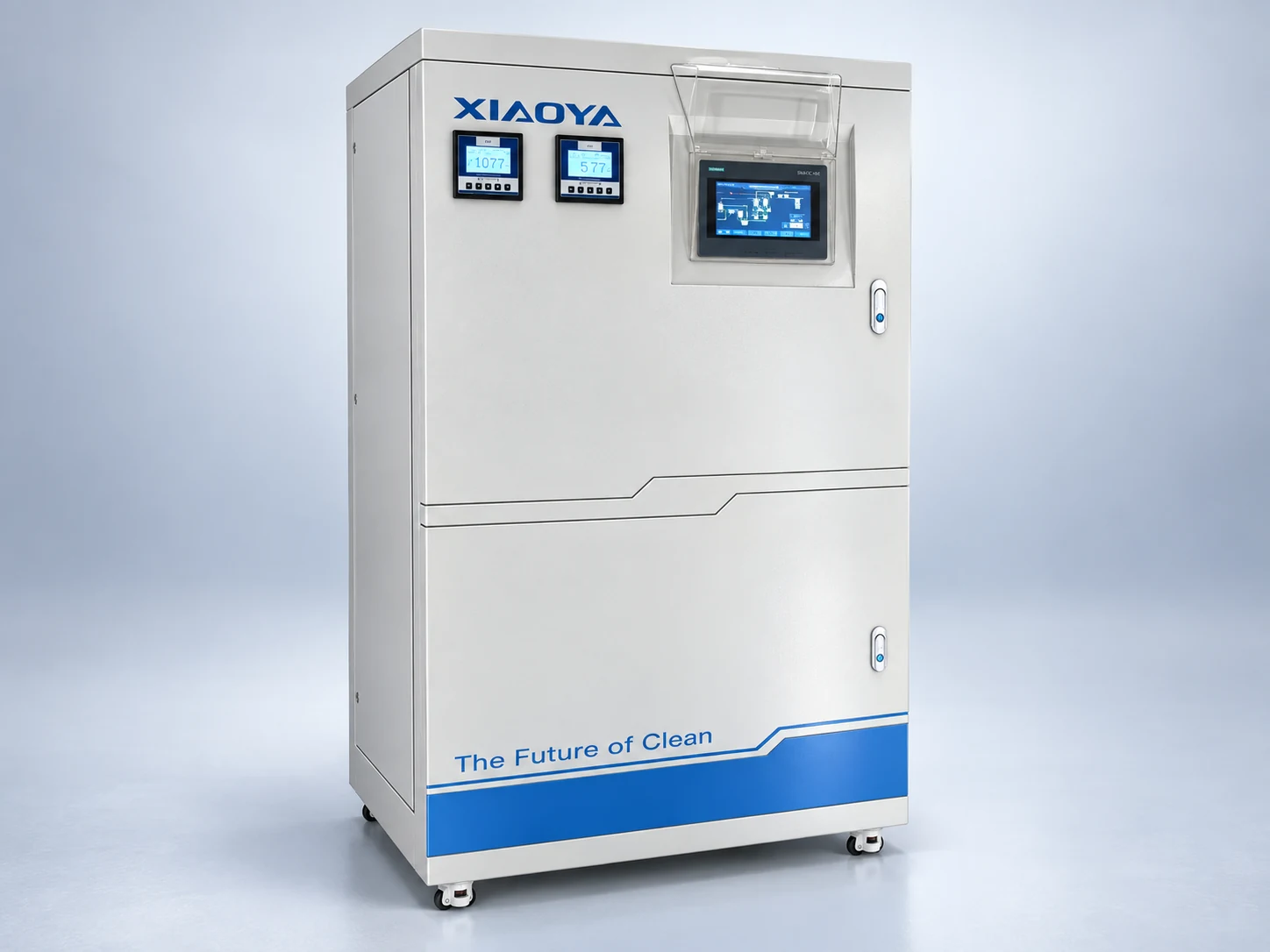
Xiaoya offers PLC programming, optional storage functions, timed operation, and auxiliary equipment. The proposal should clearly specify which functions are included, how these functions operate, and which components must be provided by the client on-site.
Explore the system scope ↗BEFORE YOU COMPARE QUOTATIONS
Ask for usable flow at the required FAC and feed-water conditions. Separate a published flow range from a confirmed operating point.
Confirm allowable run duration, cooling or maintenance pauses, restart checks and operator attendance for the selected configuration.
Separate tank capacity from usable inventory. Agree holding conditions, turnover and solution checks at the point of use.
Define what operators should do if production stops or solution does not meet the agreed criteria. A tank offers limited inventory, not unlimited backup.
PLAN THE SHIFT BEFORE THE EQUIPMENT
Share your collection times, quantities, target FAC and acceptable supply interruptions. Xiaoya can review the generation and storage requirements with your team.
Discuss your production schedule