

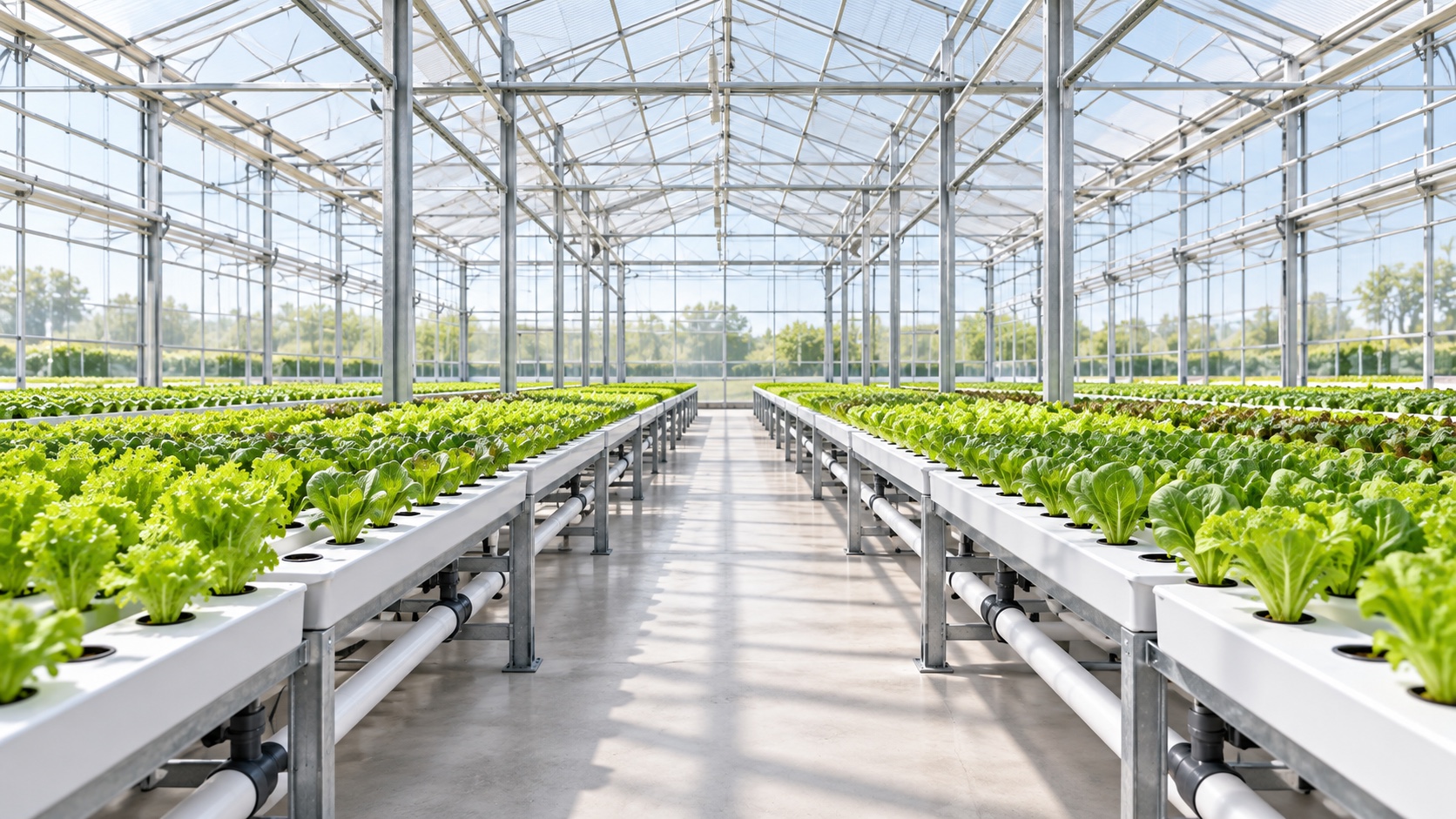
Illustrative bright hydroponic greenhouse with leafy crops and white growing channels

HOCl for greenhouse
& hydroponic hygiene.

Plan on-site hypochlorous acid supply for between-crop cleaning and defined water-hygiene tasks.

Discuss your growing system Explore the two operating modes
START WITH THE OPERATING MODE

One facility.
Two different hygiene tasks.

When treatment takes place matters as much as where it connects. Separate production-period requirements from between-crop sanitation.

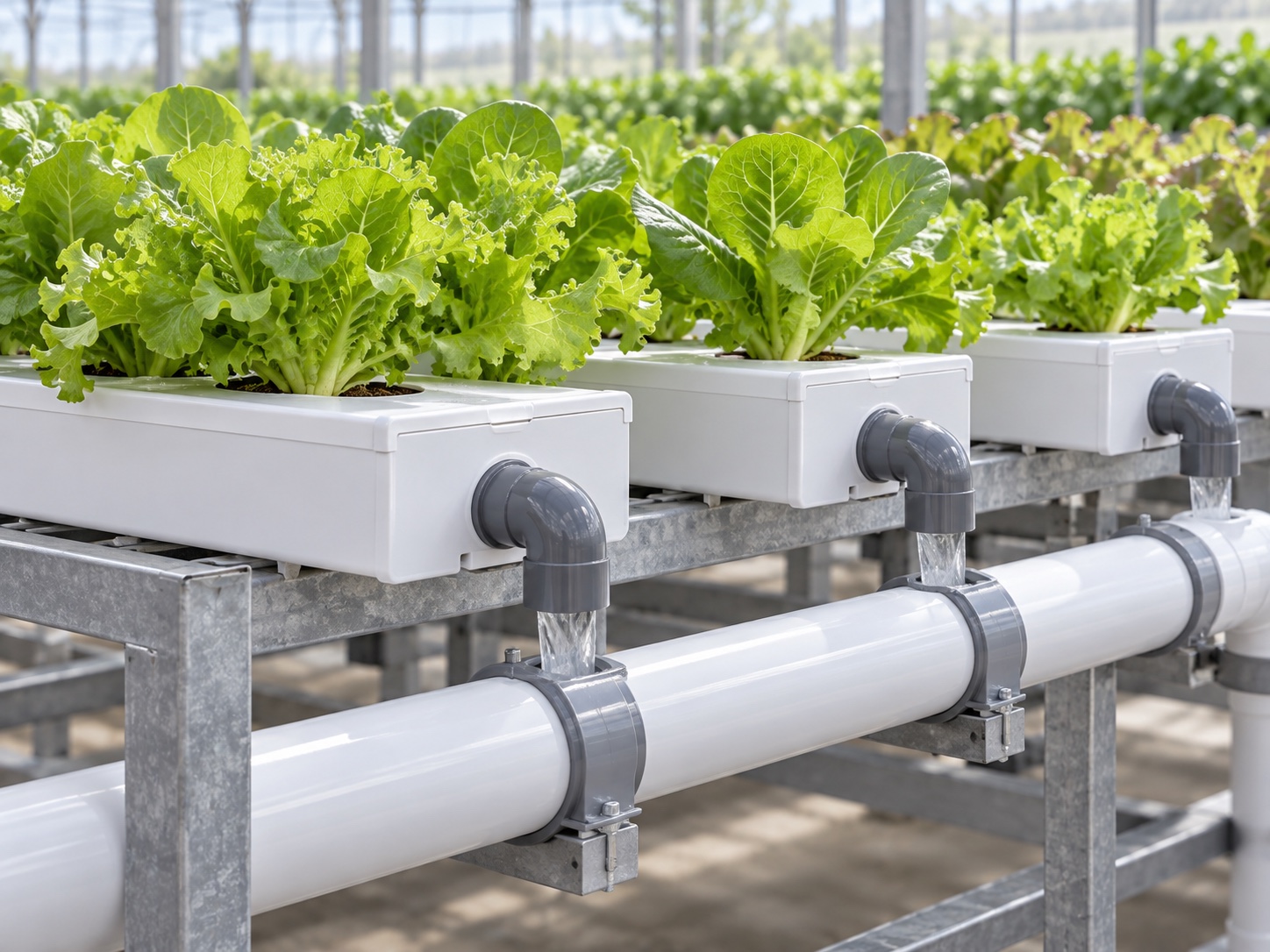
Illustrative leafy crops in hydroponic channels with visible water-return infrastructure
CROPS PRESENT

While the system is growing.

Review water chemistry, nutrients, crop stage and recirculation before defining any treatment conditions.

Start with
Water and process data
Agree before use
Monitoring and stop conditions
BETWEEN CROPS

When the system is empty.

Plan cleaning and sanitation for empty channels, trays, tools and accessible surfaces before the next growing cycle.

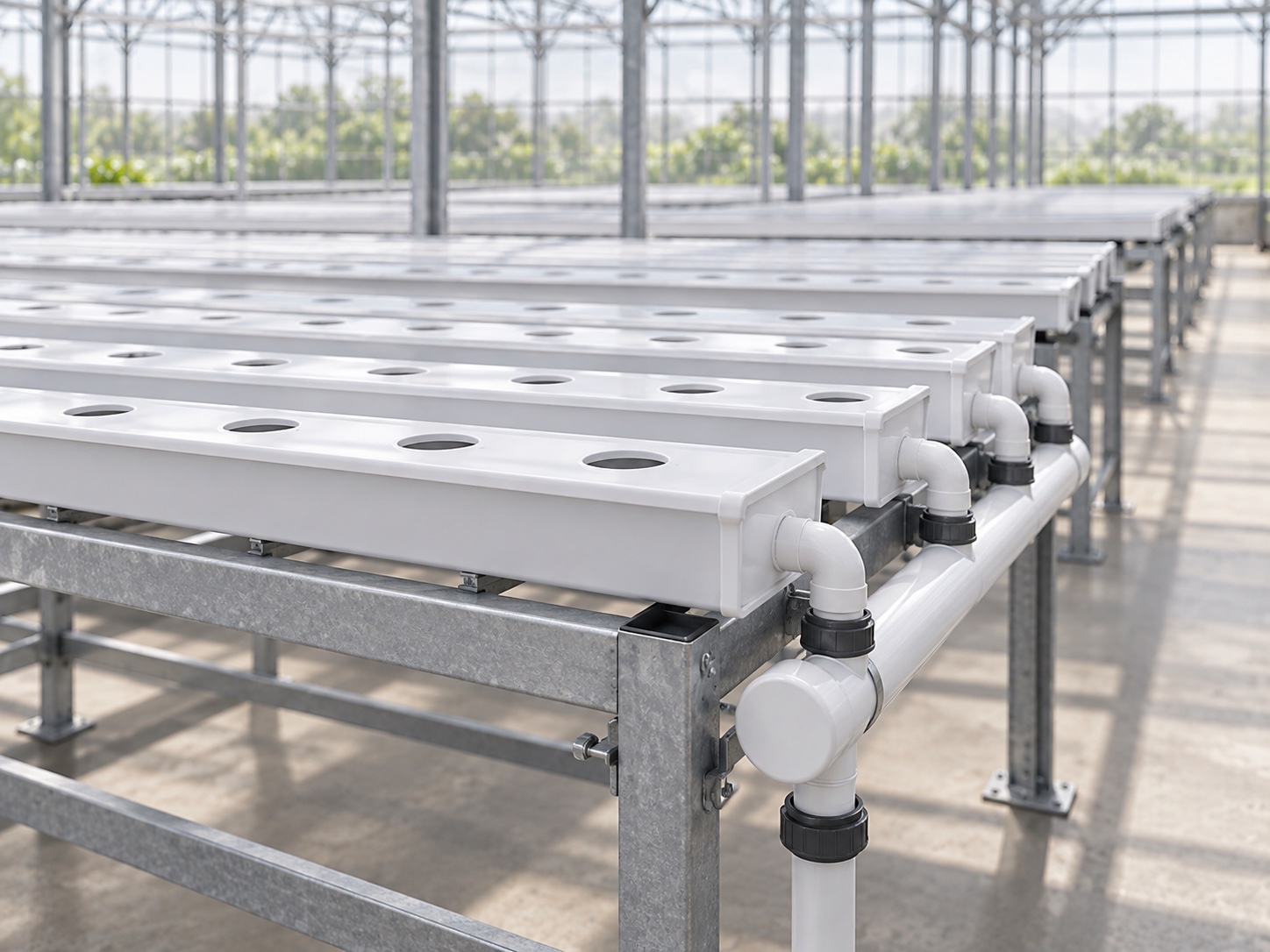
Illustrative empty hydroponic channels between growing cycles

Define the cleaning, contact, flushing and release procedure for the equipment involved.

Use one project brief to map both tasks. Define their operating requirements separately.

Map the interfaces
SYSTEM INTEGRATION

See the connections.
Ask the right questions.

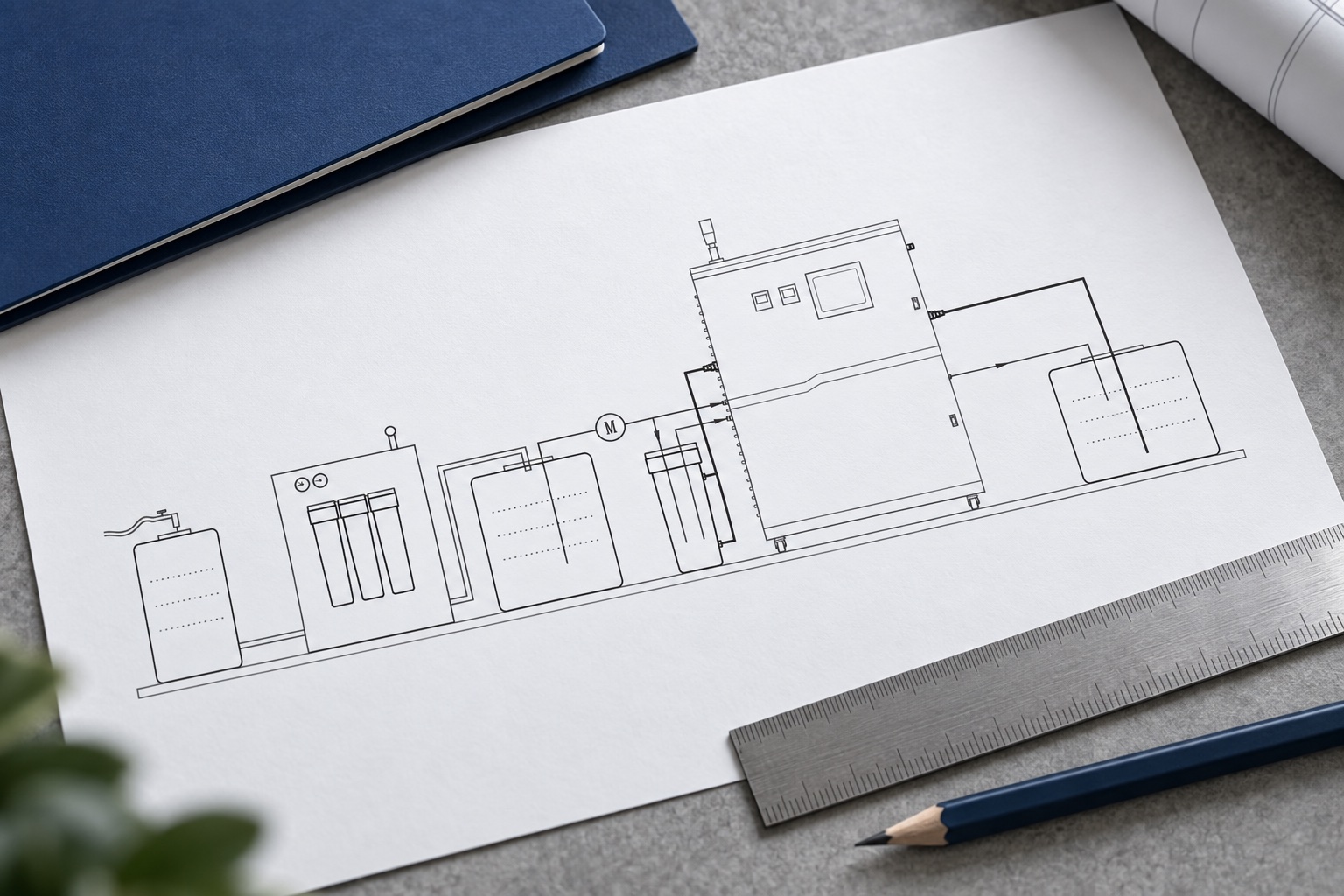
Review where water, nutrients and return flows meet before choosing an HOCl connection point. For distribution and remote outlets, review water and line hygiene.

Conceptual process mapSelect a highlighted point to review
Growing areaCrop & root-zone contact

Return route and any further water preparation depend on the actual facility.

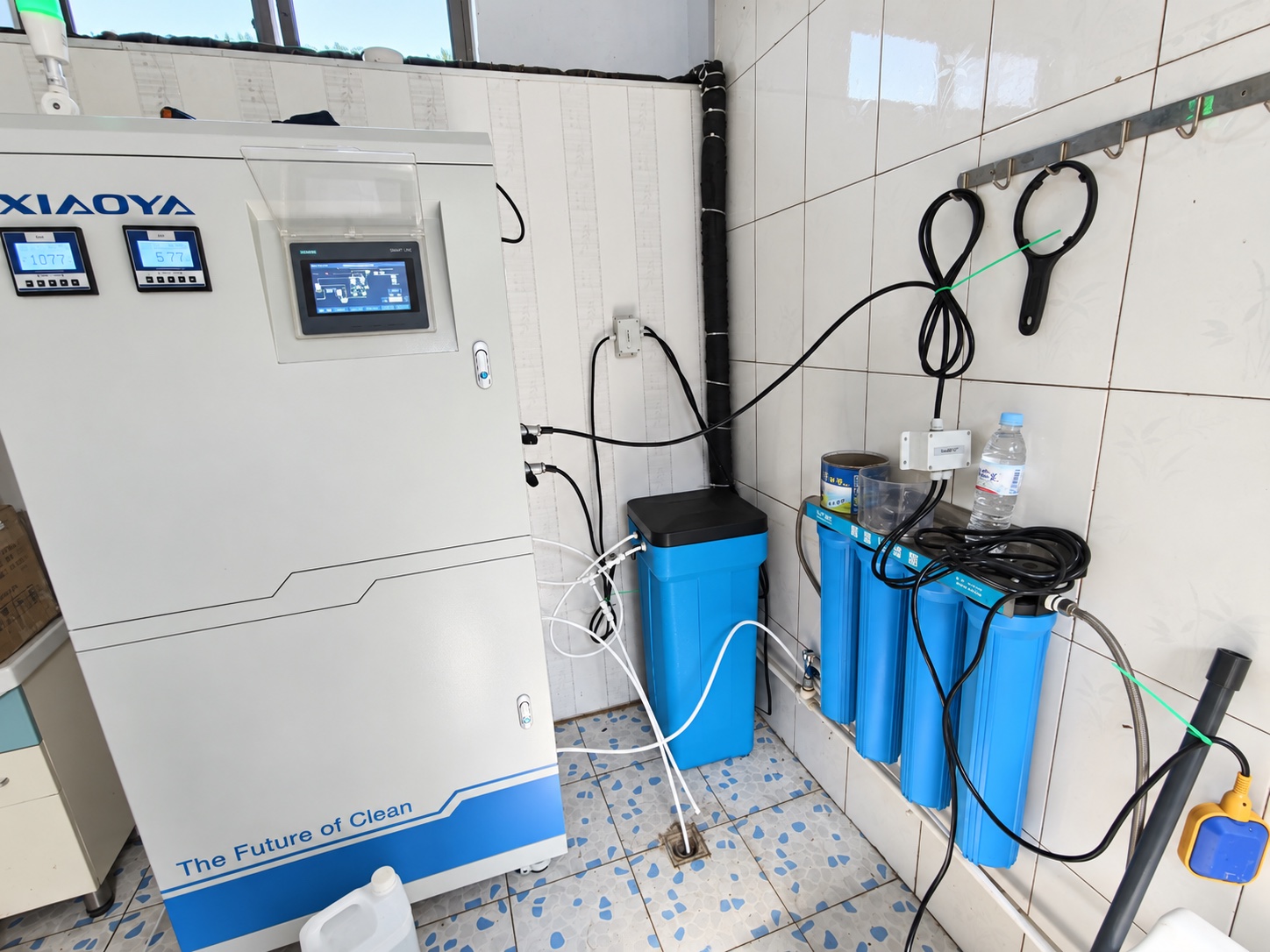
On-site HOCl supply

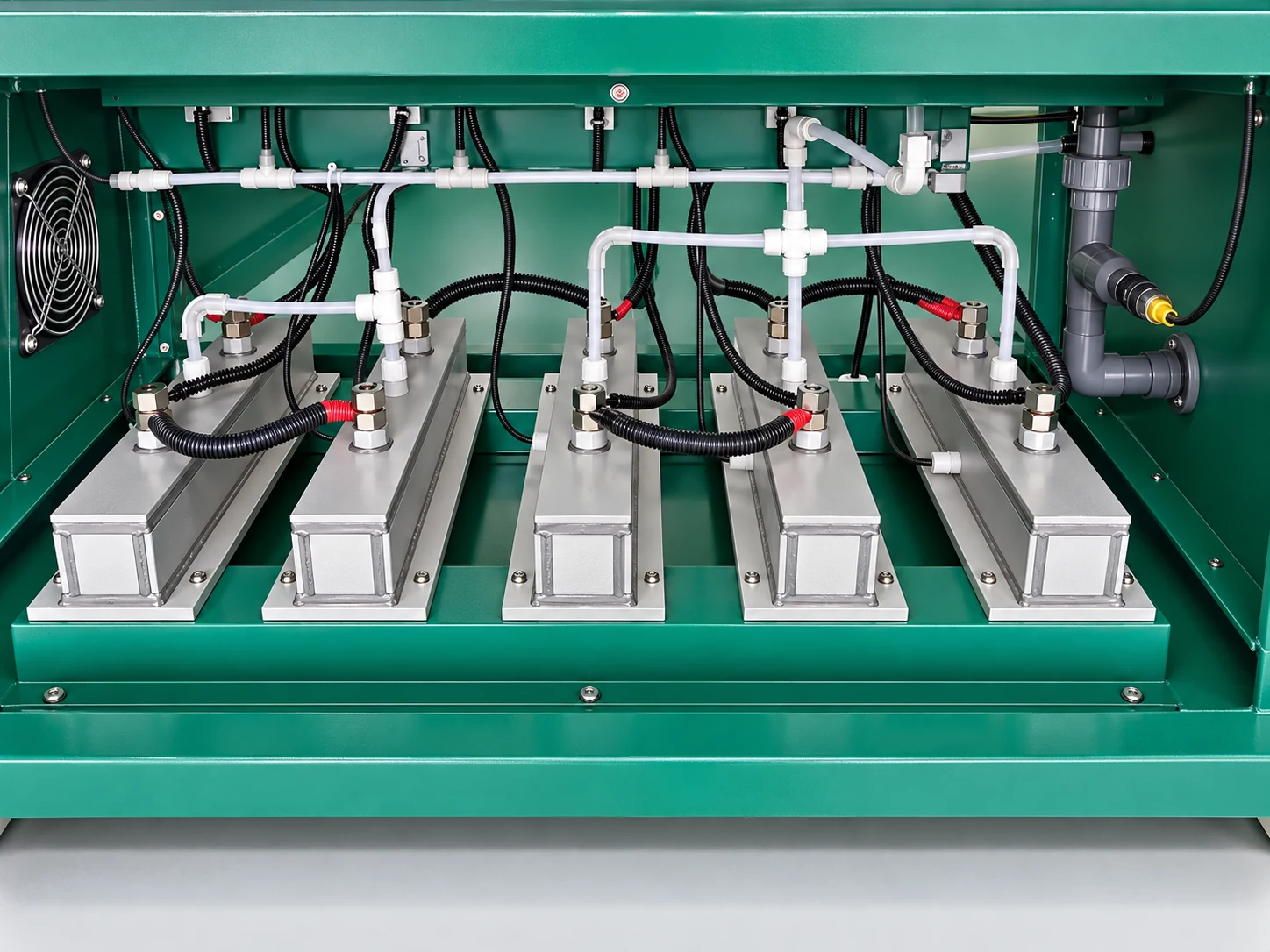
Generation, verification and any buffer or dosing equipment are scoped around the selected use. Connection points shown above are review areas, not dosing instructions.

01 / WATER

Start with the water analysis.

Review source-water chemistry, organic load and any pretreatment. Define the proposed treatment point and how conditions will be verified before downstream use.

Discuss the water conditions

Separate facility tasks: empty lines, trays, tools and greenhouse surfaces follow their own cleaning, sanitation, drain and release procedure. Review tray and tool turnaround.

Know what reaches
the point of use.

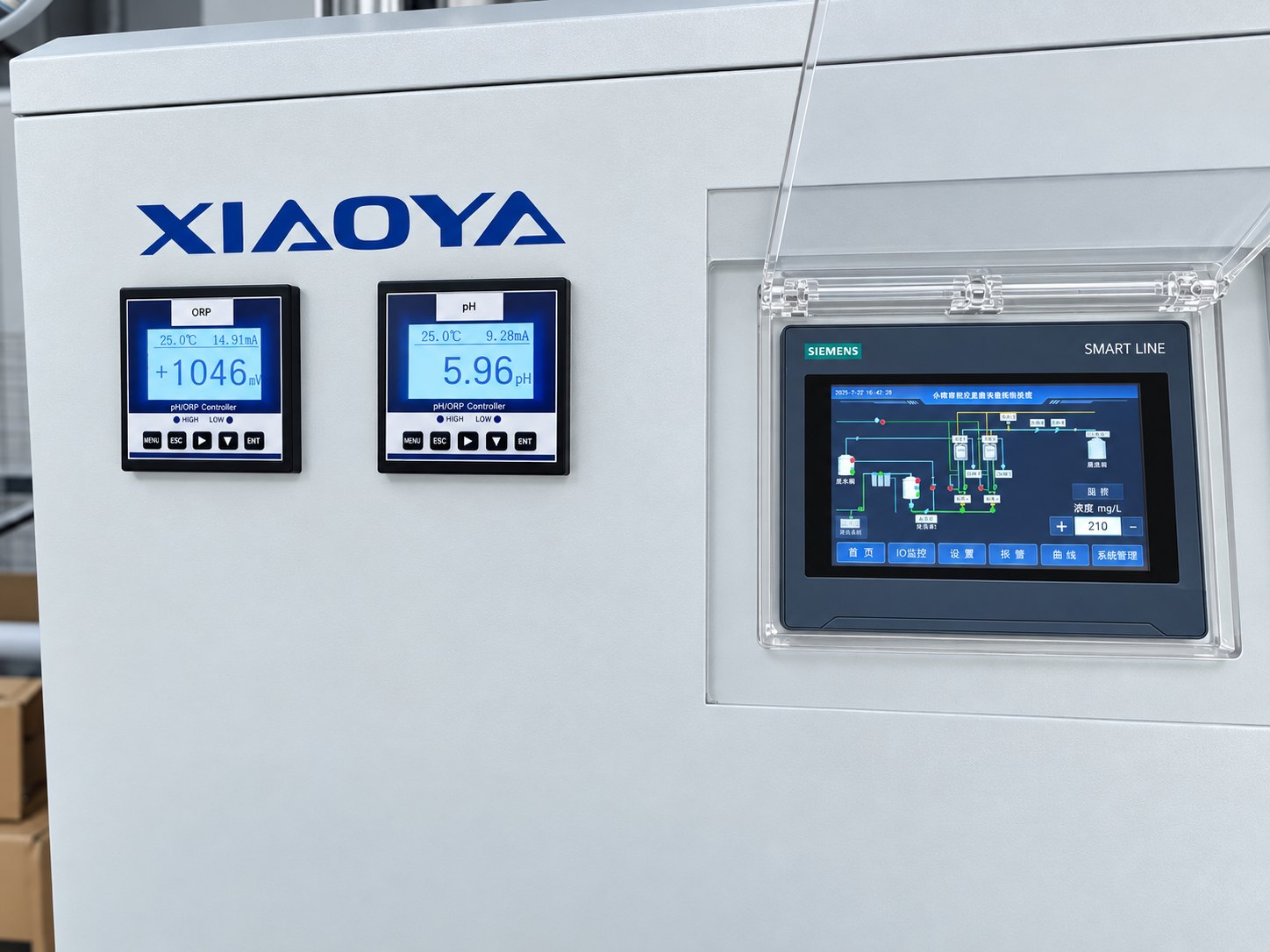
Generator readings are only the beginning. Agree where to sample, what to measure and when the system must stop.

Connection

Confirm the operating state

Review injection flow, the active zone and nutrient-dosing interlocks at the proposed connection.

Return / use point

Check actual conditions

Sample representative crop zones and return water separately, recording the location, operating state and time. Compare each result with its agreed limits; generator readings do not establish conditions throughout the facility.

Sampling locations, instruments and interlocks are project requirements to agree—not a statement that every generator includes the same controls.

A MEASURED START

Start in one zone.
Build on what you verify.

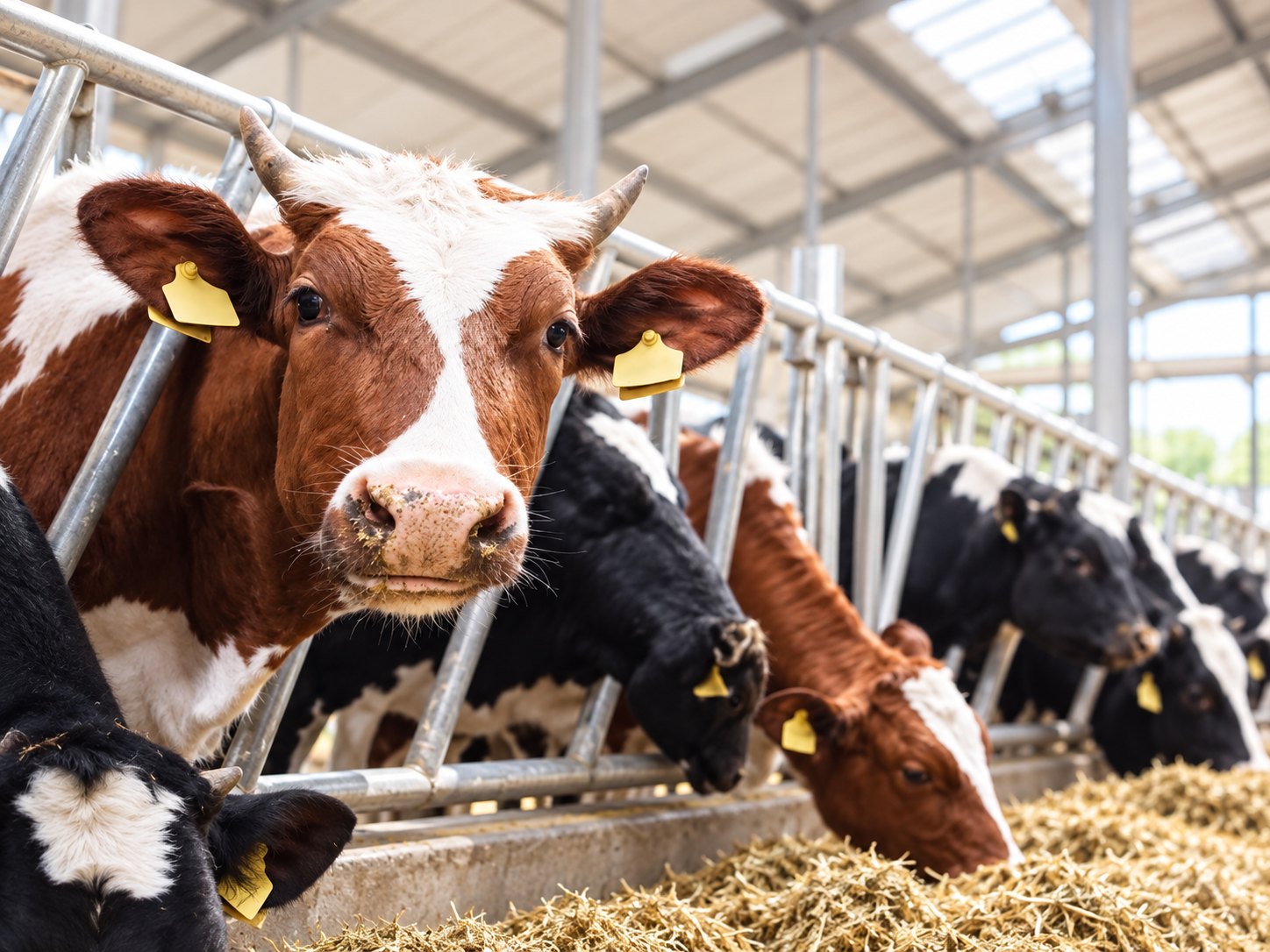
Xiaoya provide greenhouse spraying and hydroponic fodder. A nutrient-recirculation proposal needs a separate review for the actual crop, water and operating mode.

Agree acceptance and stop criteria before the trial. Record the conditions as carefully as the results.

  1. 01

    Check the empty system

    Confirm materials, hydraulics, cleaning steps, sampling access, drainage and flushing before crop contact.

  2. 02

    Trial a representative zone

    Use an agreed crop stage and nutrient program. Define monitoring, bypass and stop arrangements.

  3. 03

    Review water and crop response

    Track use-point chemistry, crop observations, line pressure and relevant microbiological or biofilm indicators.

  4. 04

    Expand within agreed limits

    Extend only after acceptance criteria are met. Review the plan when water sources, crops or nutrient recipes change.

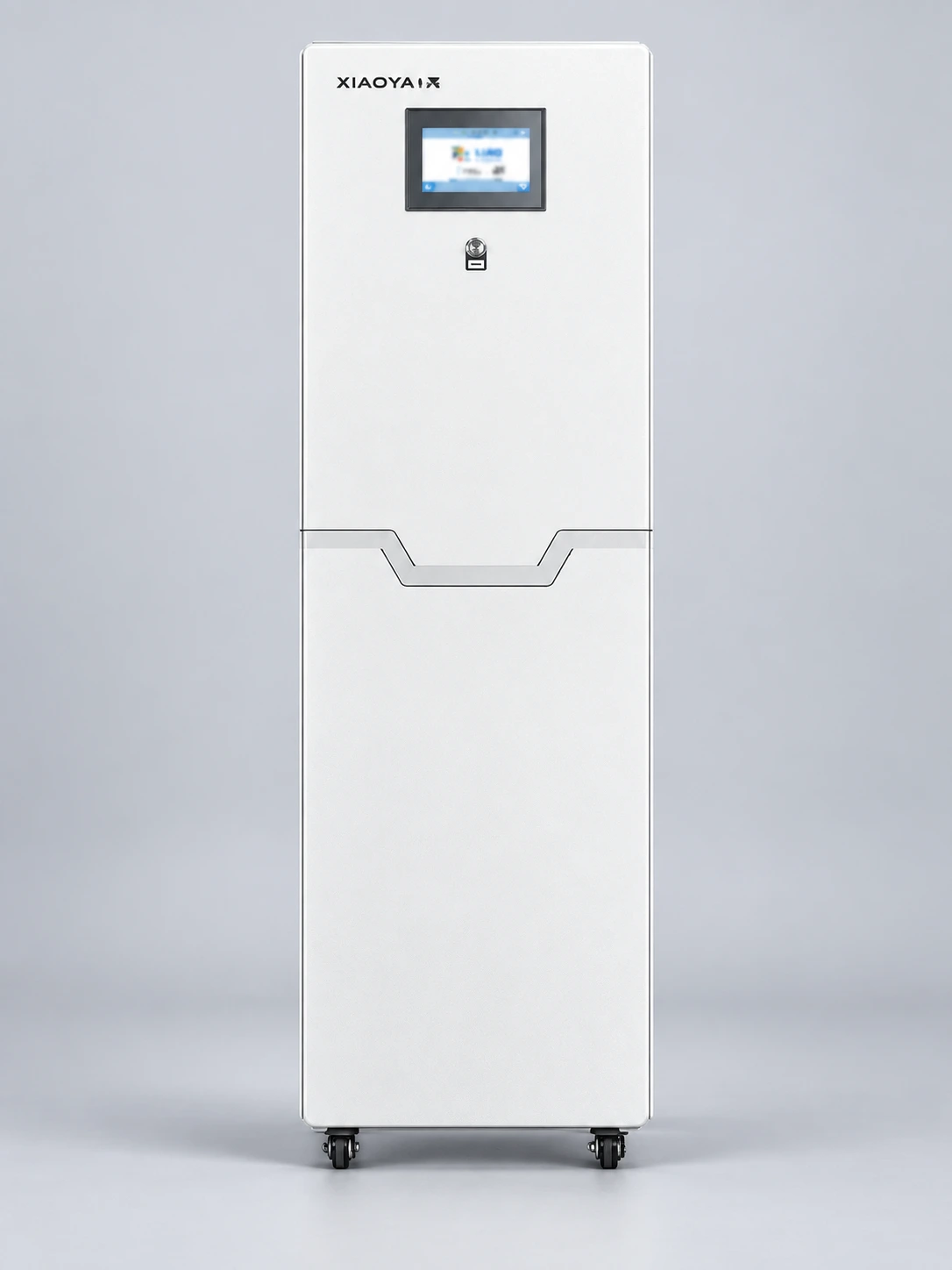
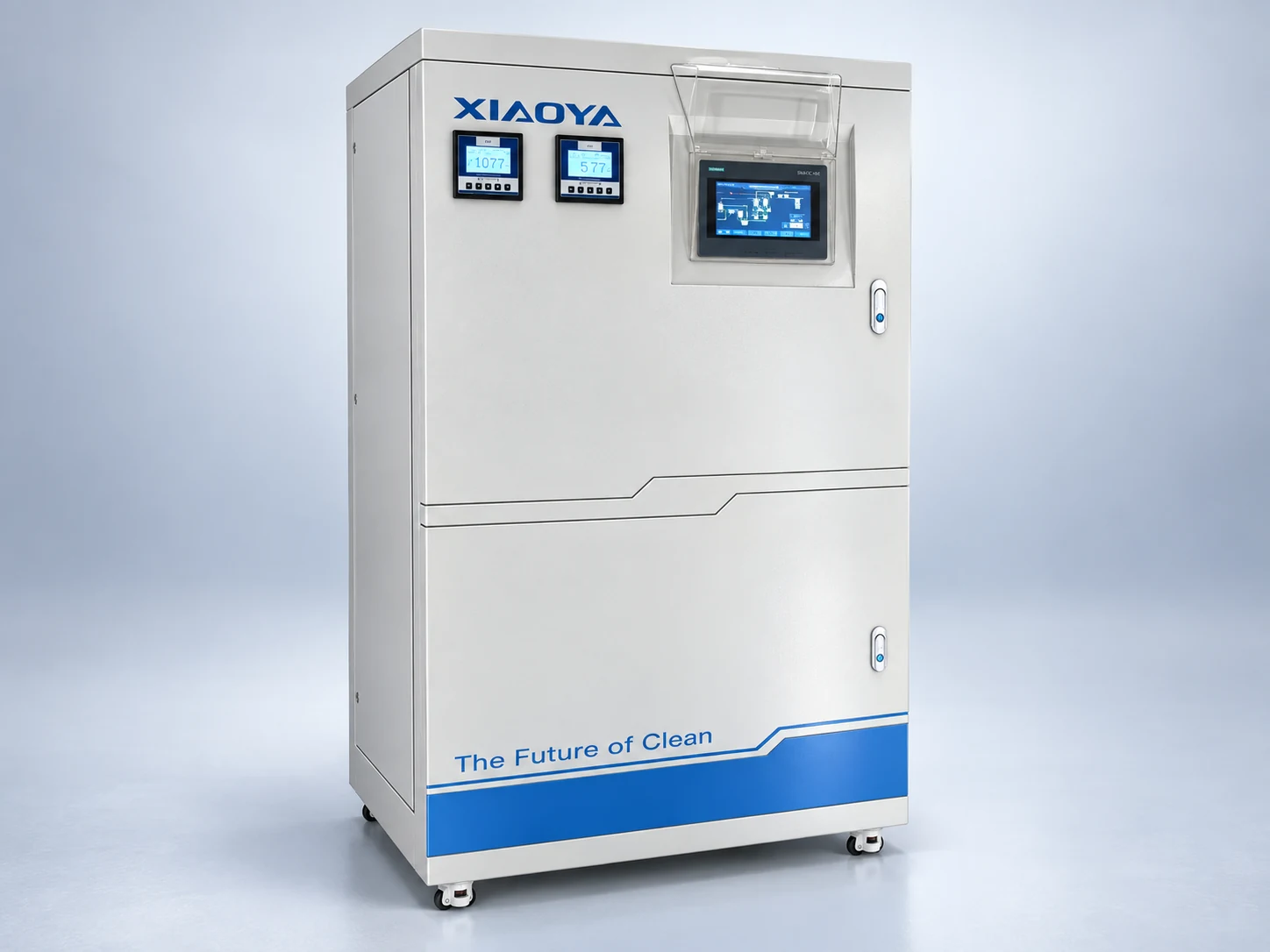
Choose the generator.
Then define its system.

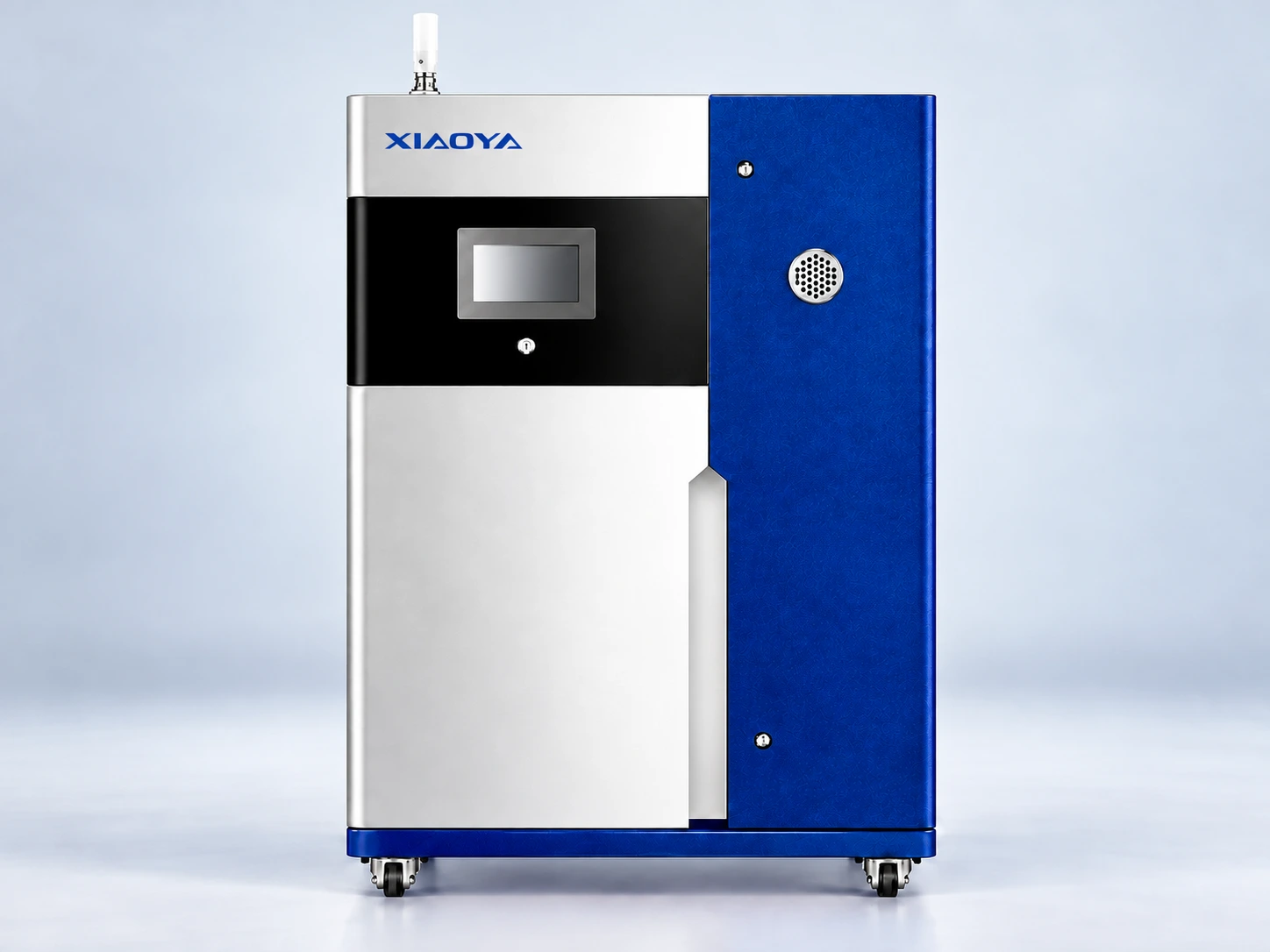
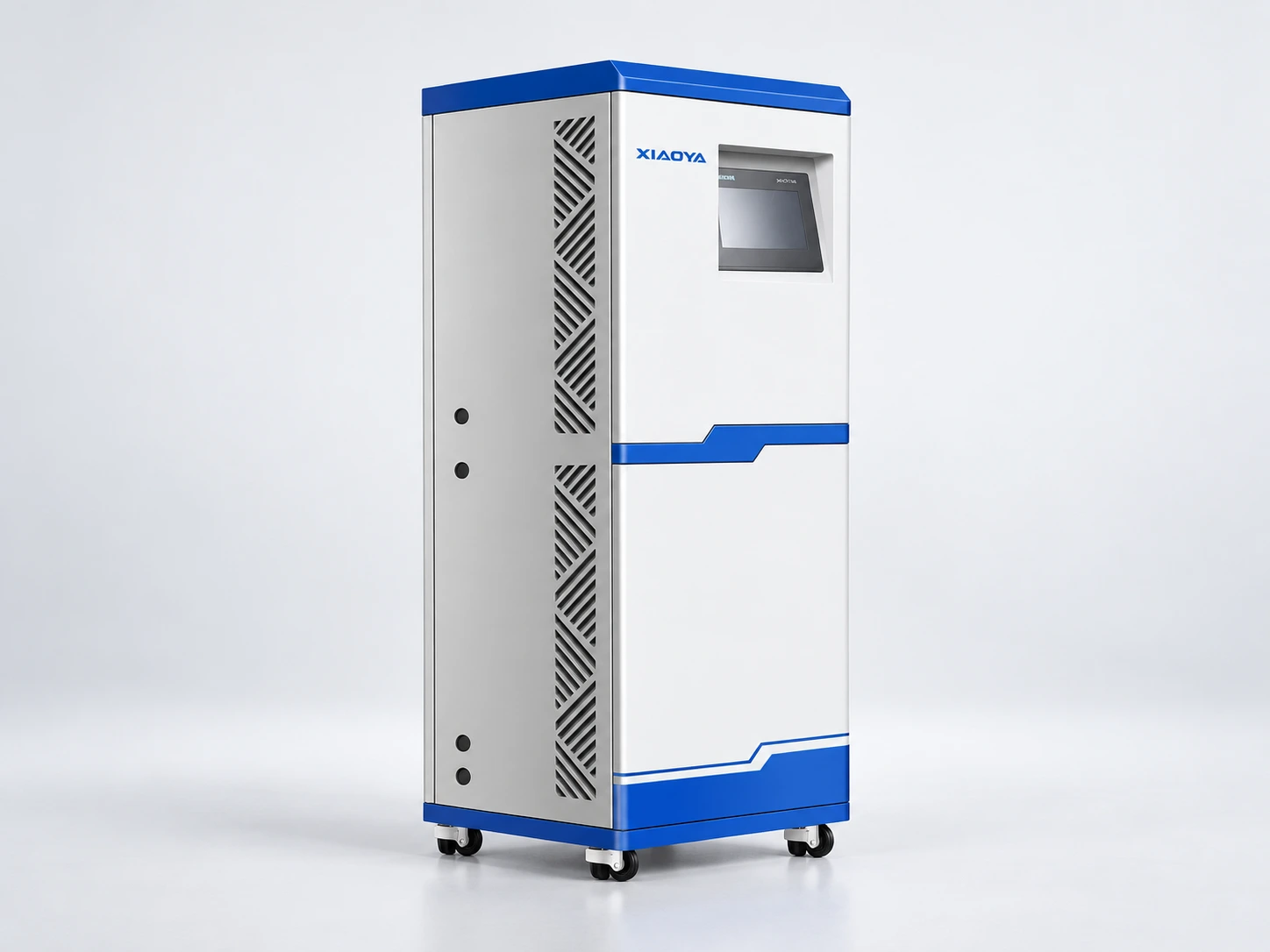
Compare both generator families against the required solution output, feed supply, operating hours and site provisions.

What belongs around the generator?

Water preparation, buffer storage, zoned distribution, dosing and monitoring are included only where the project requires them.

Explore integrated systems
Recirculation flow ≠ generator output.

Size solution production around the treatment arrangement, required strength, daily and peak demand, and available operating hours.

Review the sizing guide

Bring the system into focus.

Start with the information you have. A water report and a simple flow sketch are more useful than a guessed generator capacity.

Your greenhouse project brief

One checklist for your growing team, engineering team and procurement.

Facility & crops
Growing method, crop and stage, zones, empty-system or production-period task.
Water & hydraulics
Water analysis, system volume, makeup water, recirculation and peak flows.
Nutrients & contact
Nutrient recipes, biological inputs, materials, crop-contact points and current cleaning procedure.
Site & acceptance
Country, utilities, layout, controls, discharge conditions and validation requirements.
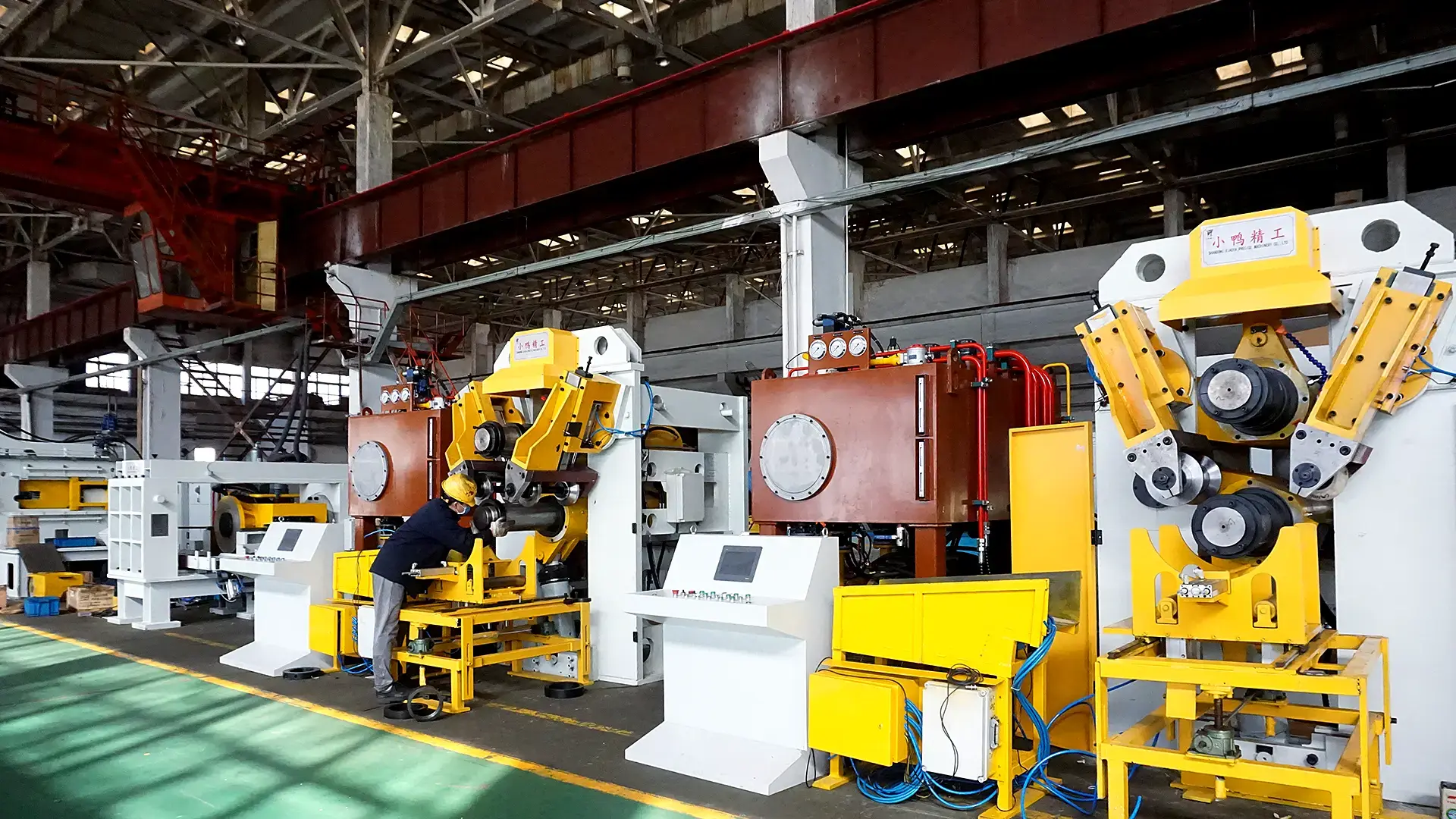
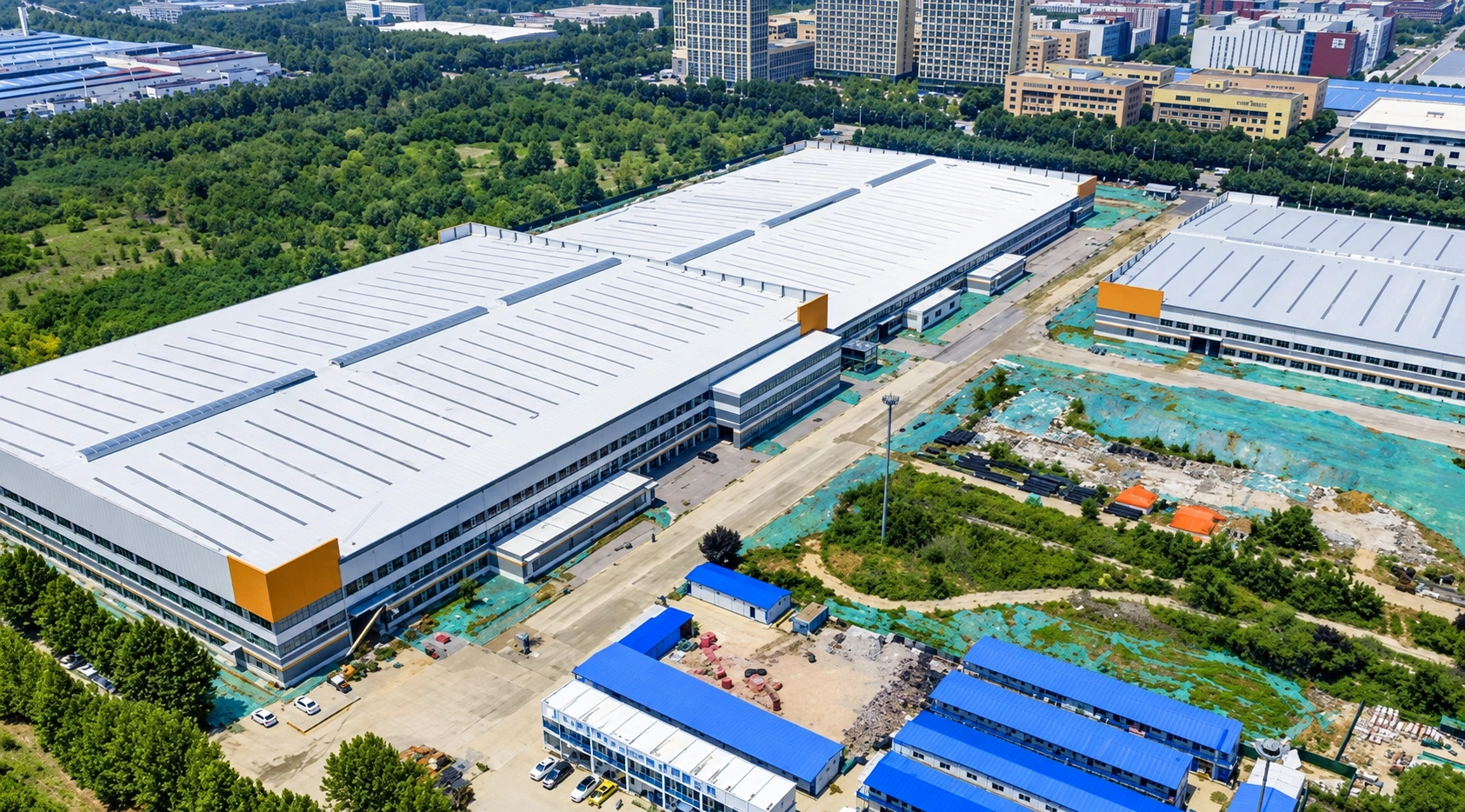
Xiaoya Group manufacturing facilities
XIAOYA GROUP

Equipment, handover
and ongoing support.

Work with Xiaoya Group to define the supply and after-sales scope before ordering.

Agree the boundaries

Identify who supplies the generator, site piping, utilities, controls and installation work.

Agree acceptance

Specify factory and site checks, documentation and the process-validation responsibilities.

Prepare the team

Discuss commissioning, operator training, maintenance guidance and spare-parts needs.

Explore Xiaoya Group’s manufacturing strength

Before you specify.

Can HOCl run continuously in a hydroponic loop?

Yes, HOCl can be used continuously in recirculating hydroponic systems, with proper concentration control. Recommended maintain concentration: 5–15 ppm in circulating water.

Does HOCl replace system cleaning?

No. Existing deposits and biofilm may require mechanical or chemical cleaning and flushing. Define sanitation as part of the complete cleaning and hygiene procedure.

Can one system serve several growing rooms?

This can be evaluated using simultaneous demand, pipe distances, zone schedules and crop differences. Each use point needs suitable verification; a shared supply does not mean identical operating settings.

What if we use beneficial microbes or change nutrients?

Beneficial microbes and HOCl cannot exist together at the same time in the same water. HOCl is an oxidizer; it will kill beneficial bacteria/fungi if they are mixed directly.