


Facilities & tools
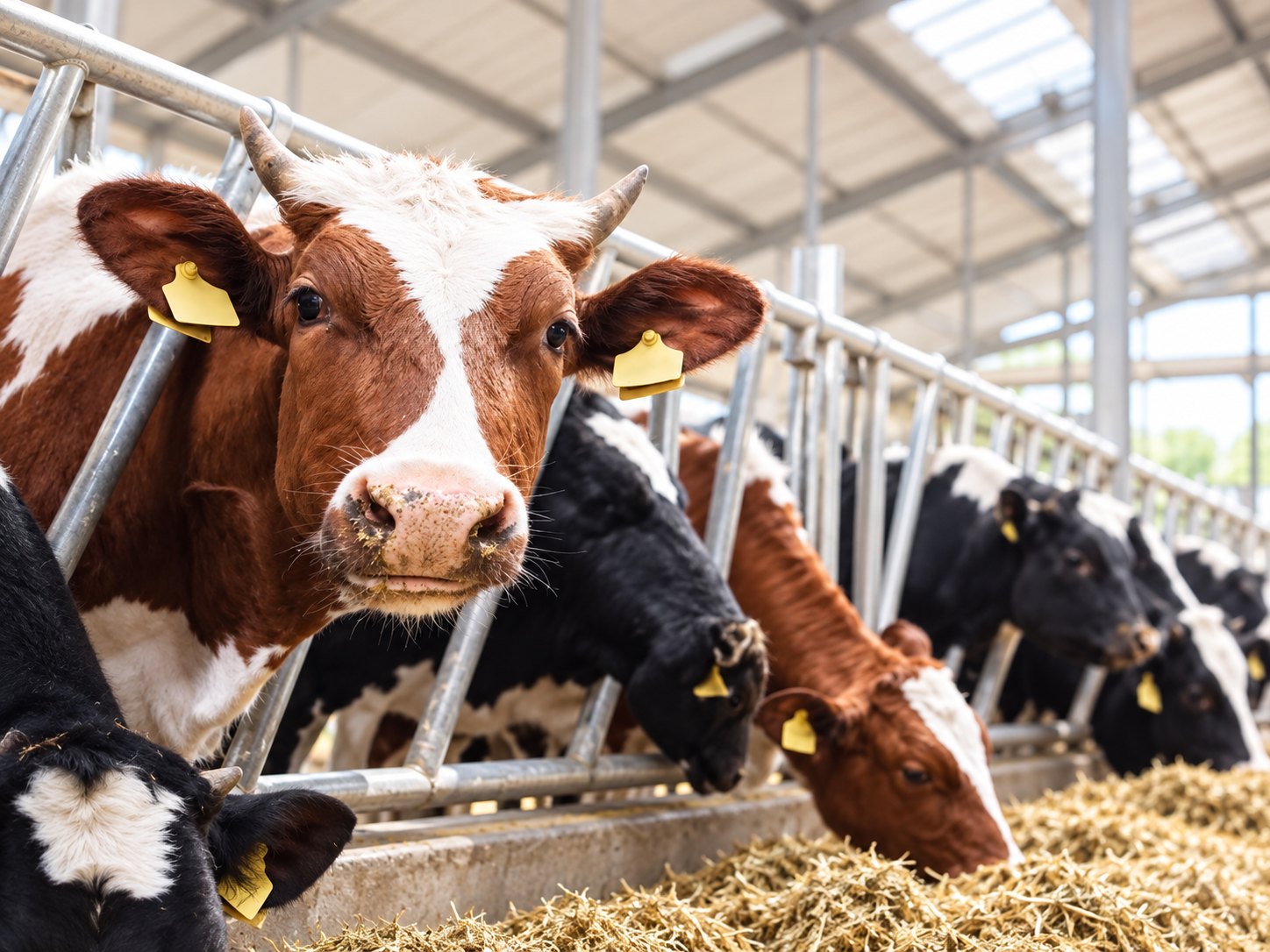
Discuss selected cleaned housing surfaces, tools and non-milk-contact working areas.
- State the surface and material.
- Describe the existing cleaning procedure.
- Define solution demand and the work window.
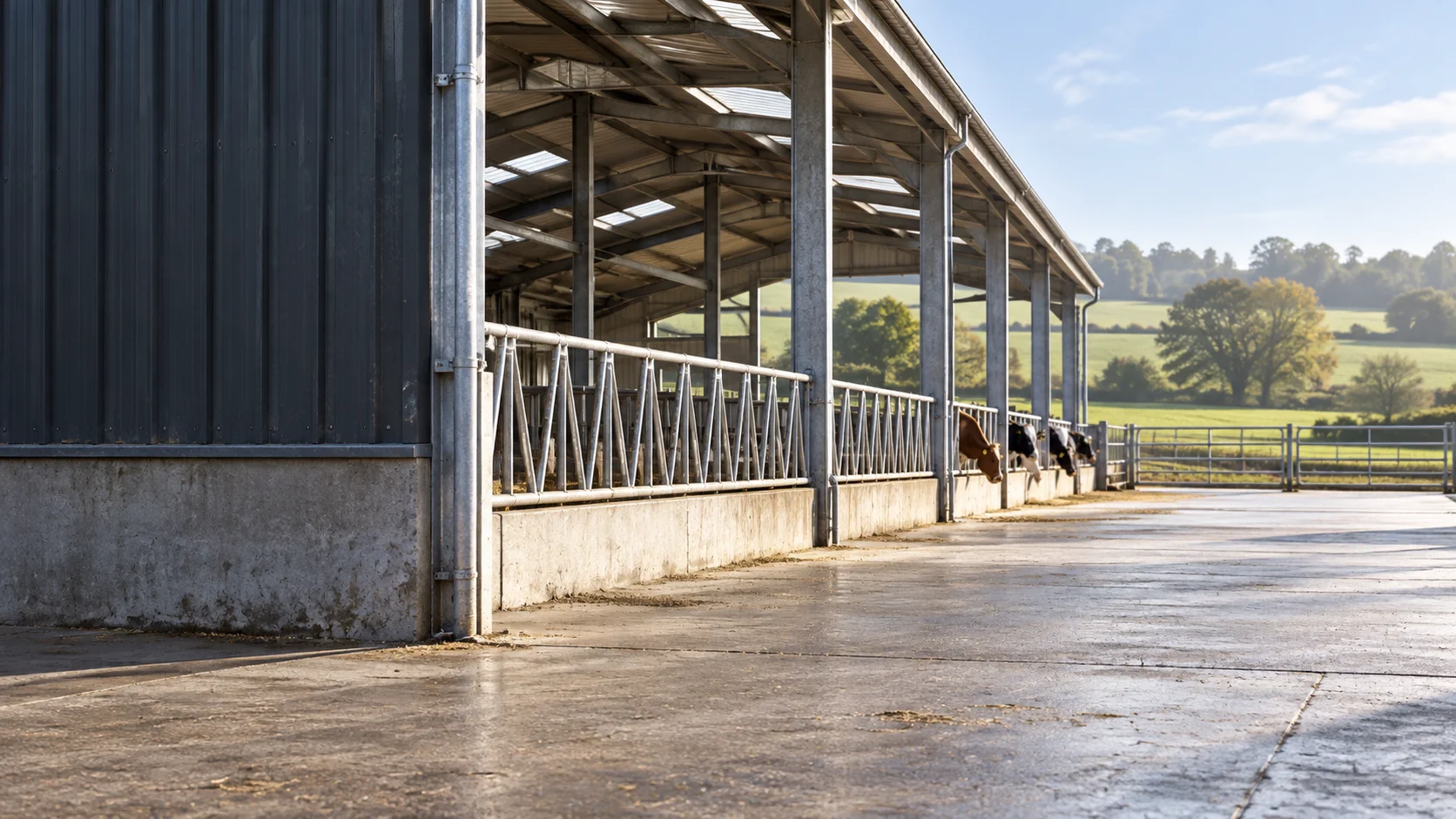
Start with the surface, the task and the working window. Define a facility-hygiene supply requirement before selecting equipment.
A barn surface, a milk line and an animal-contact use are different project briefs. They should not share an assumed procedure.
Discuss selected cleaned housing surfaces, tools and non-milk-contact working areas.
Milk lines, tanks and CIP need their own equipment, process and food-contact review. This page does not establish a replacement for the existing cleaning programme.
Do not extend a facility-surface brief to teat care, animal treatment or drinking-water use. Those uses are not recommended by this overview.
Describe a selected housing, tool or non-milk-contact area task using these inputs.
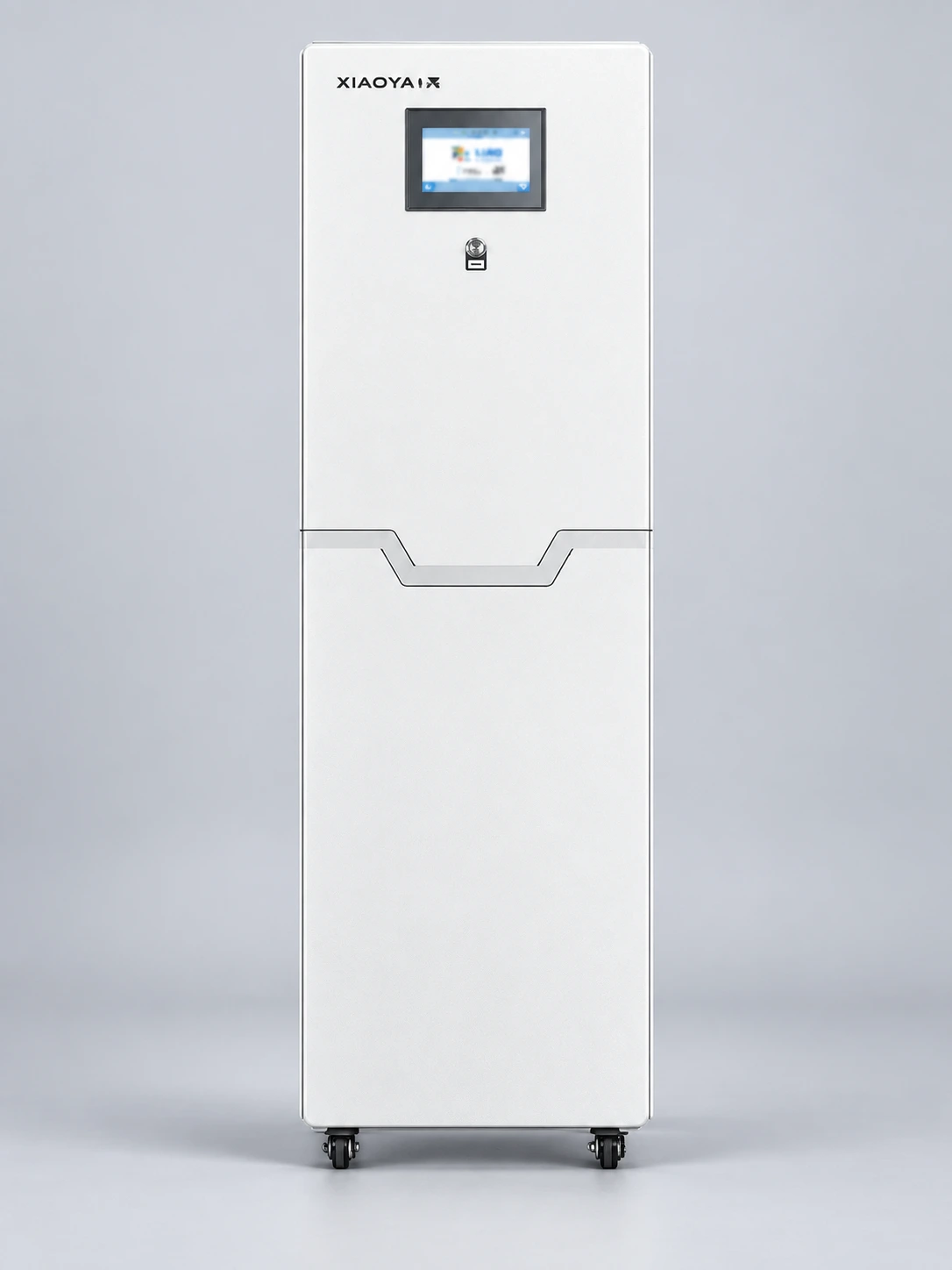
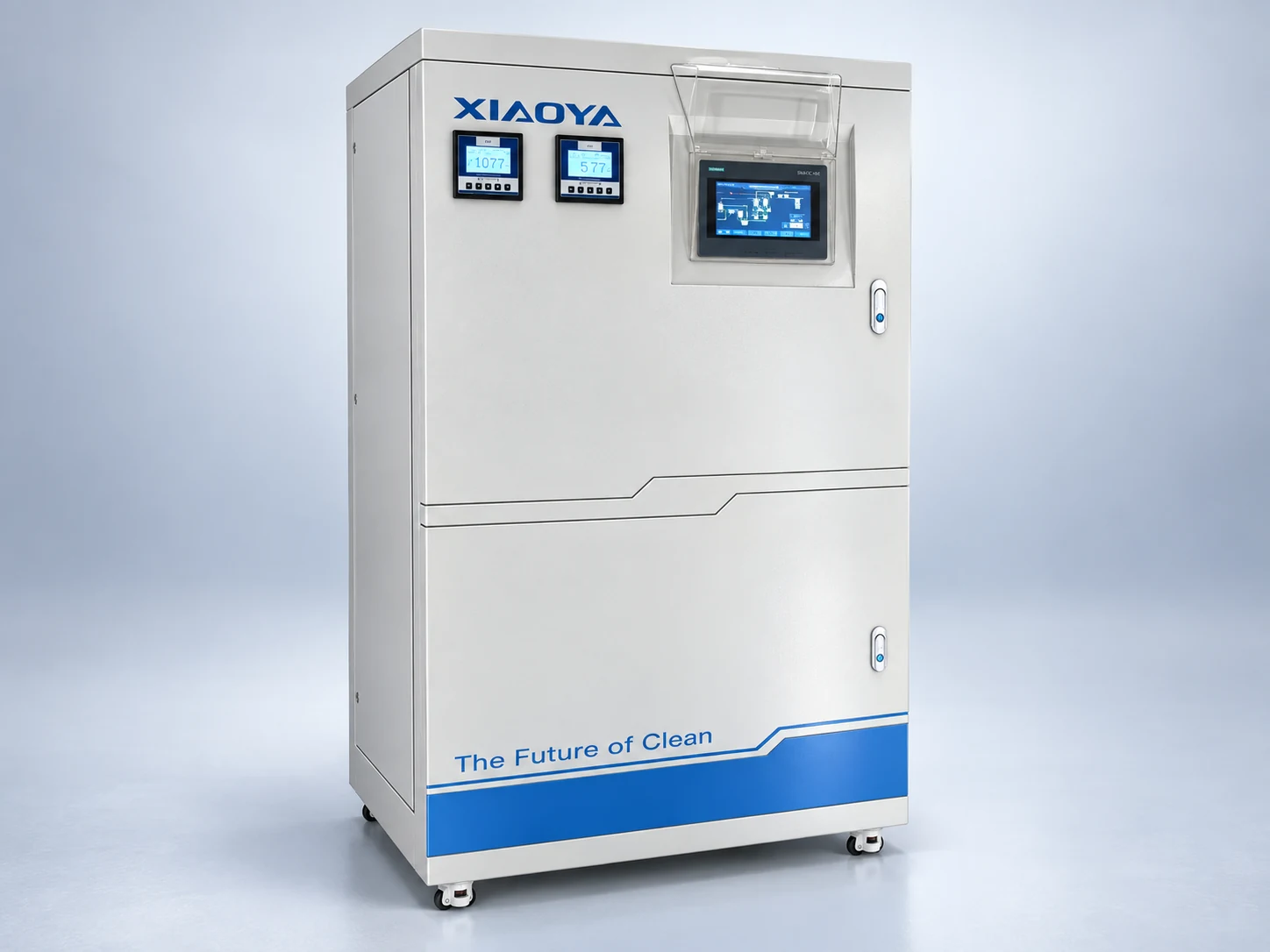
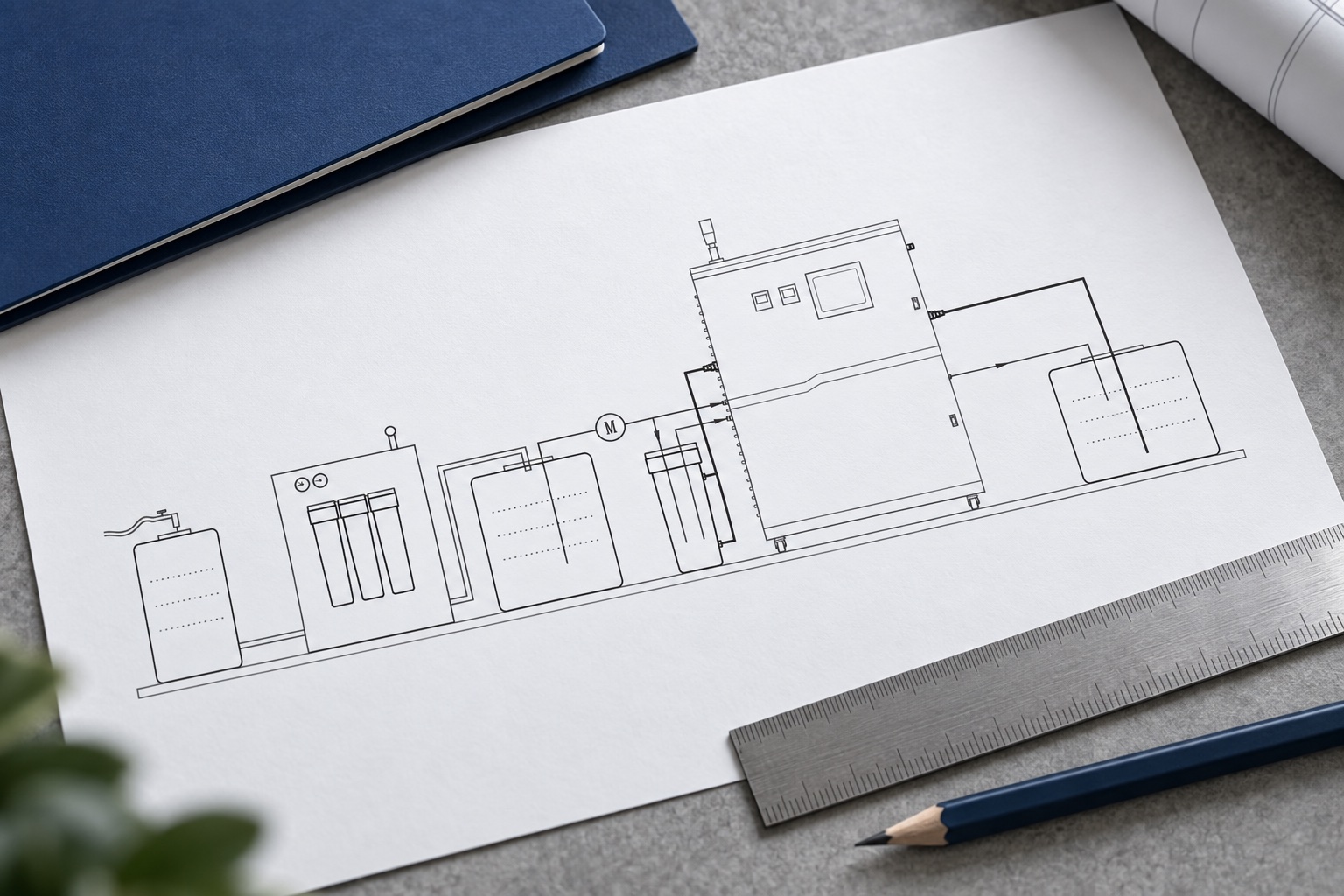
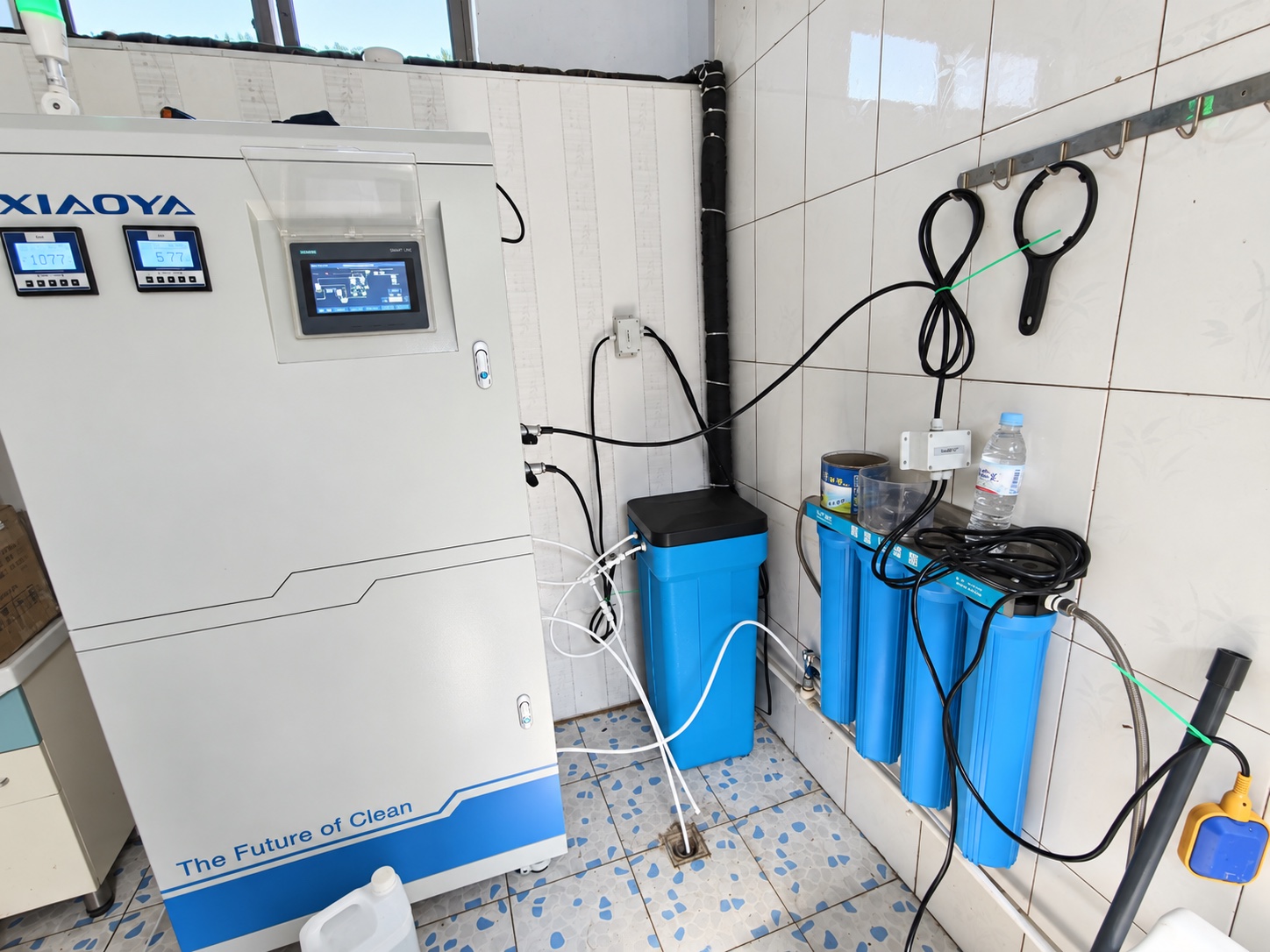
Specify each part of the supply arrangement, including equipment already on site. The diagram is a planning sequence, not a standard package.
Confirm water conditions, any preparation and local feed availability.
Agree flow and concentration at the same operating point.
Define whether storage, pumps or containers are needed and who supplies them.
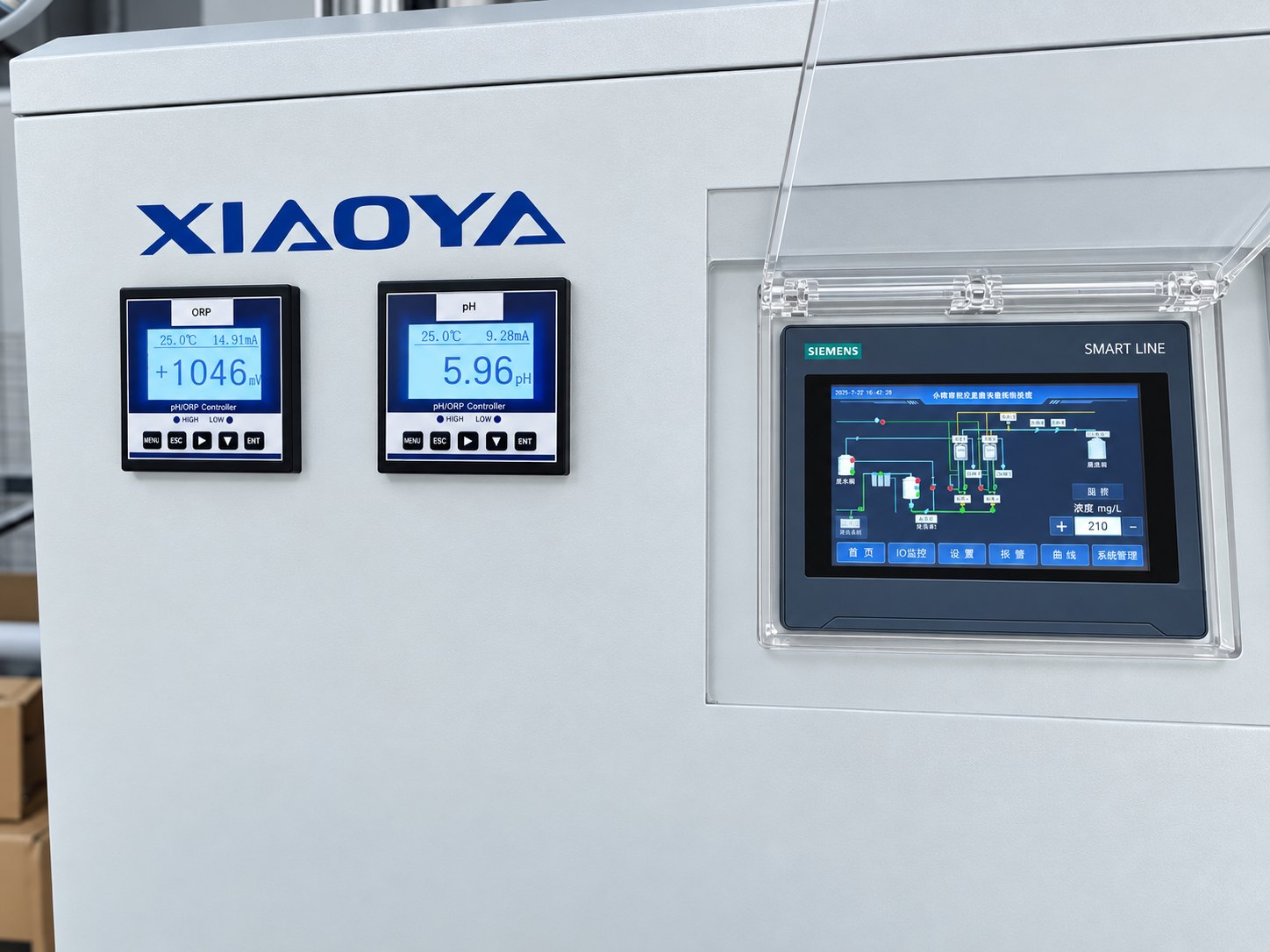
Agree the relevant measurements and procedure before routine use.
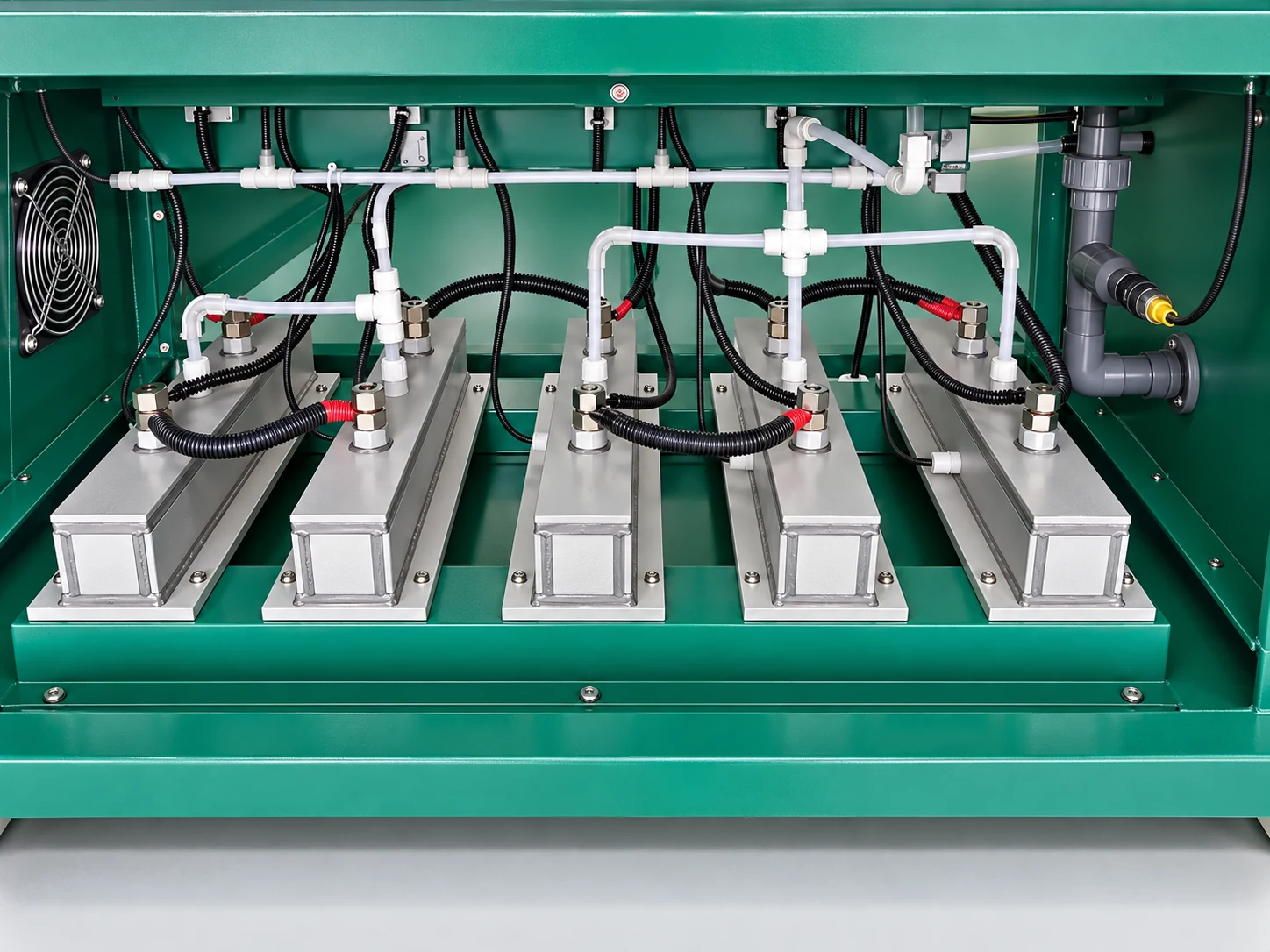
Compare HCl-fed and salt-fed generators against your operating point and site services. Herd size alone does not select the model.
Review the interfaces with the people responsible for facilities, equipment and the operating procedure.
List the existing products and steps, then identify the proposed HOCl task. Do not assume it replaces soil removal, an acid/alkali cleaning stage or an established CIP process.
Assess the actual surface, coating, seals and exposure conditions. Use the material compatibility guide to organise the review, not as approval for every material.
Separate task solution use from total farm water consumption. Check production hours, collection peaks and any suitable holding arrangement. See the capacity planning guide.
Agree utilities, installation scope, startup checks, operator guidance and service responsibilities with Xiaoya. Start with installation planning and maintenance requirements.
Yes, the proposal can cover both milk processing environment disinfection and animal-contact applications. But we need to clarify two points: 1. For milk-related uses: it applies to surface disinfection of milk tanks, pipelines and dairy facilities, not for direct addition into milk. 2. For animal-contact uses: it includes livestock housing disinfection, surface cleaning, and low-concentration drinking water disinfection for animals. The product must be controlled within safe ppm range and comply with local animal health regulations.
Share your country, dairy or beef operation, selected surfaces, existing cleaning steps, task volume and working window. Include available water, power and equipment; unknown details can be discussed.
Discuss My Facility Task