
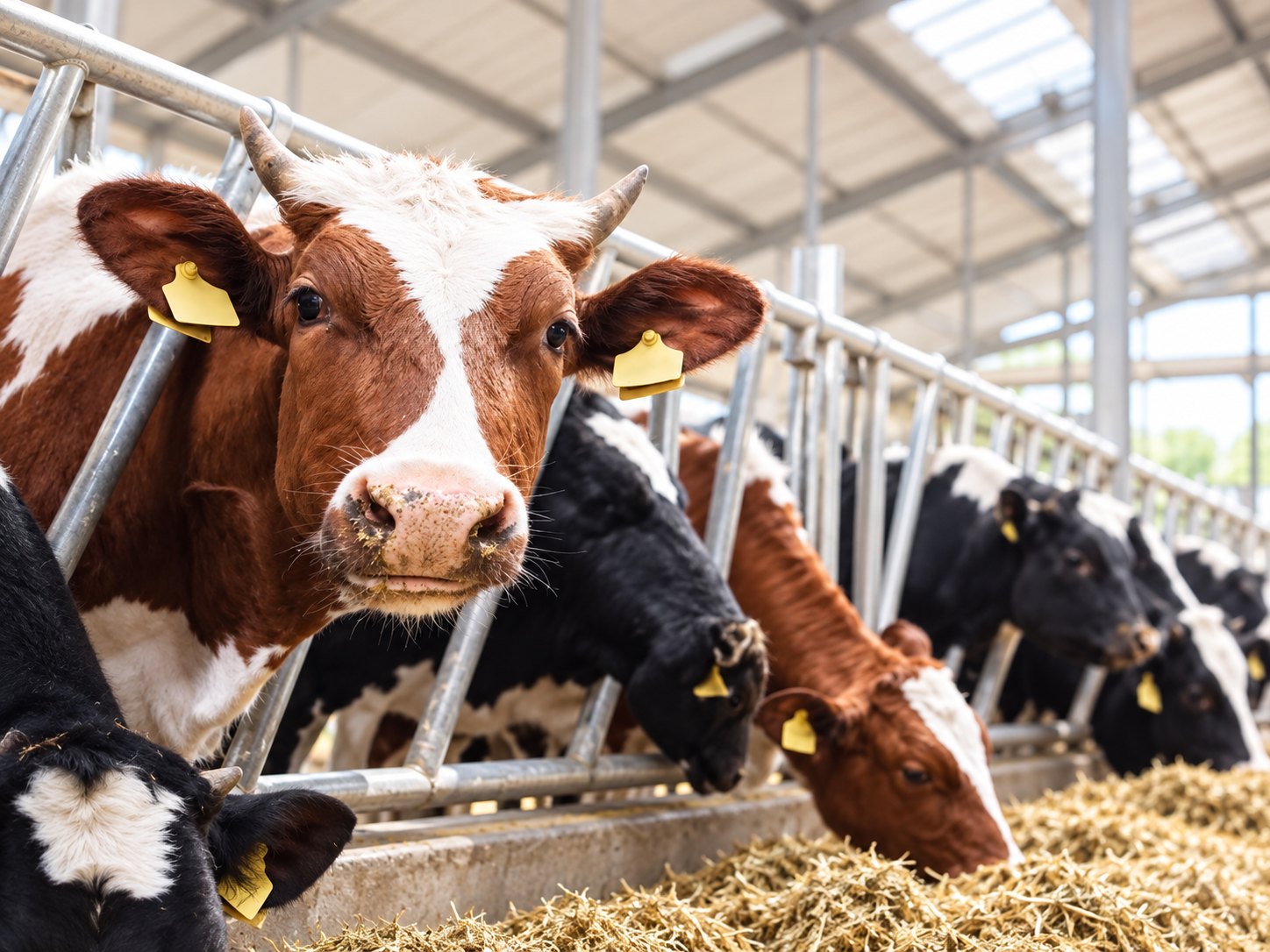


Barn exhaust
Identify the fans or collected air stream, changing airflow and the available space for a reviewed contact stage.
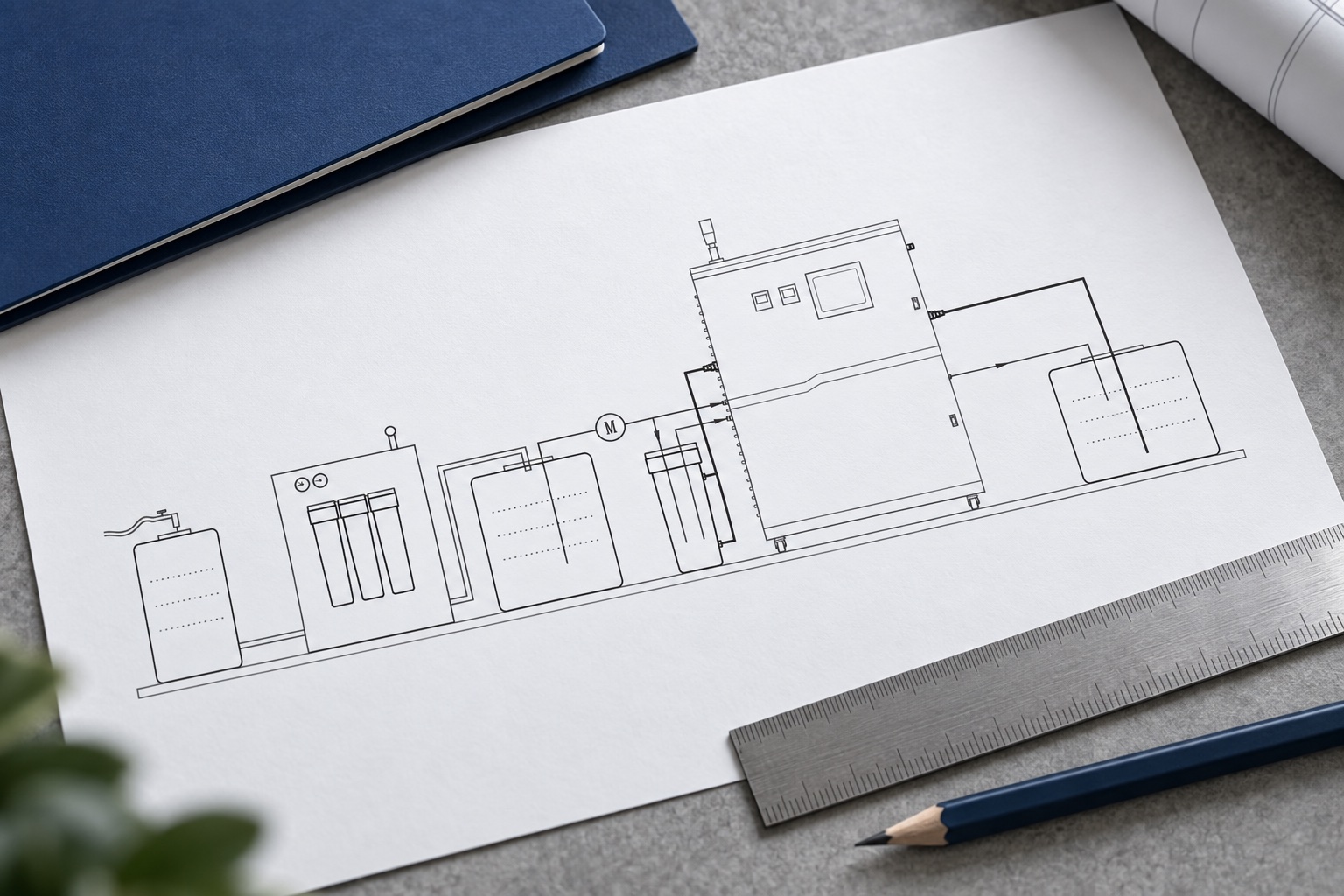
Follow the air and liquid routes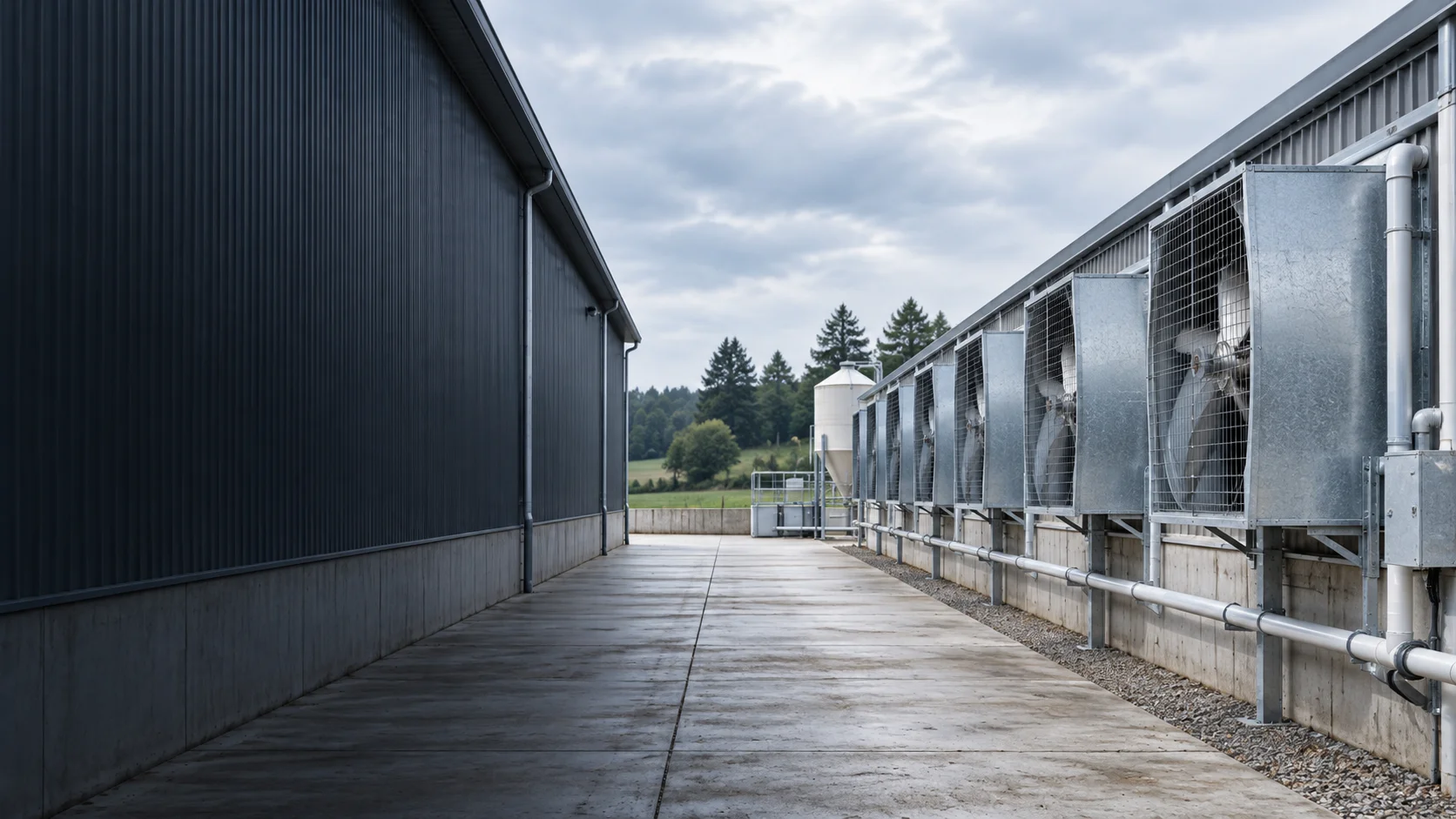
Define the treatment point, liquid supply and system interfaces before choosing a generator.
Keep manure removal, moisture management and ventilation in the operating plan. Then identify a specific point for technical review.
Identify the fans or collected air stream, changing airflow and the available space for a reviewed contact stage.
Follow the air and liquid routesDescribe the source, handling schedule and current controls. A surface task and an air-treatment task need different specifications.
Map the existing collection and treatment equipment, drainage and site responsibilities before discussing additions.
These are locations to assess, not a recommendation to spray every area or an occupied barn.
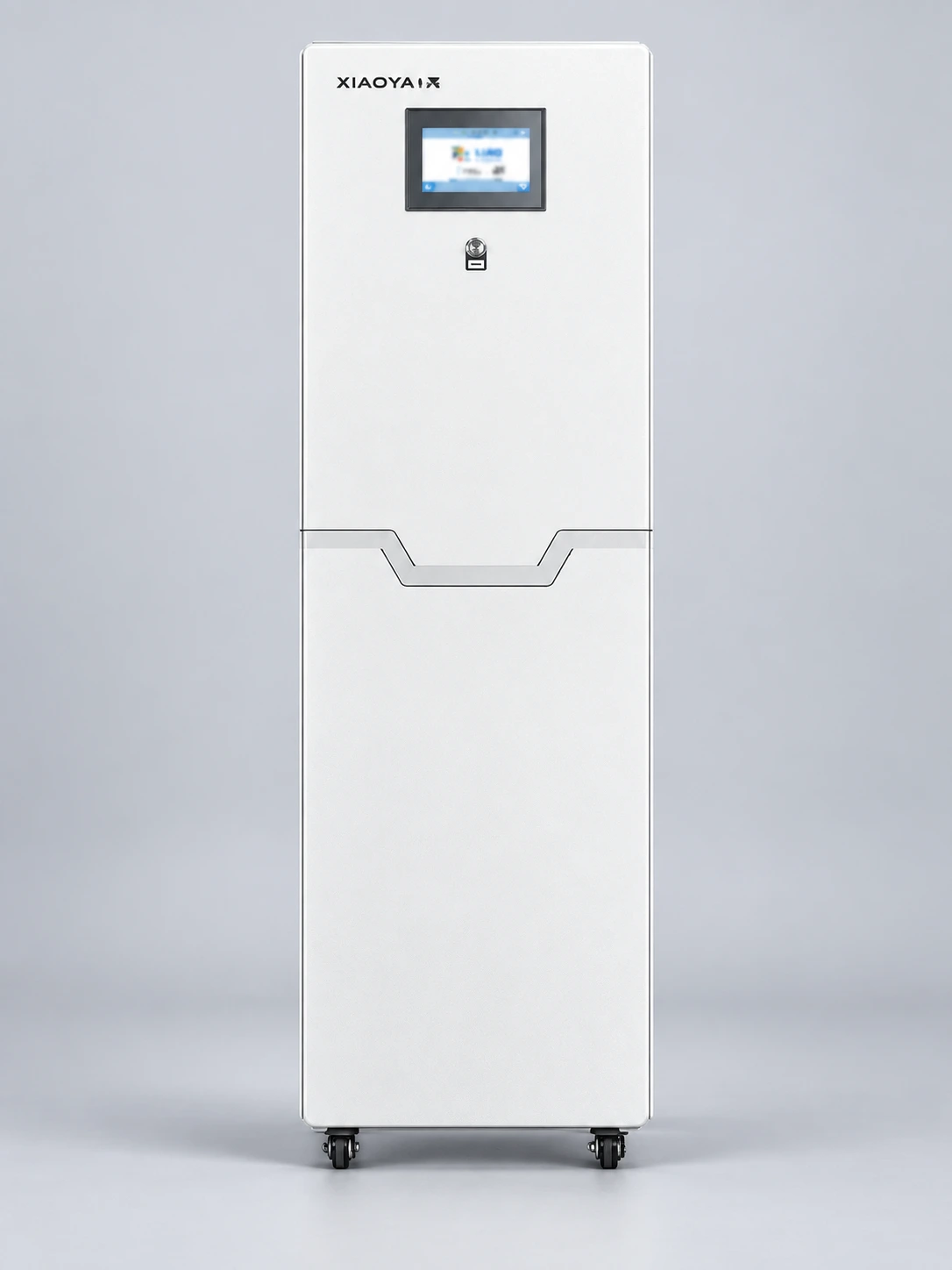
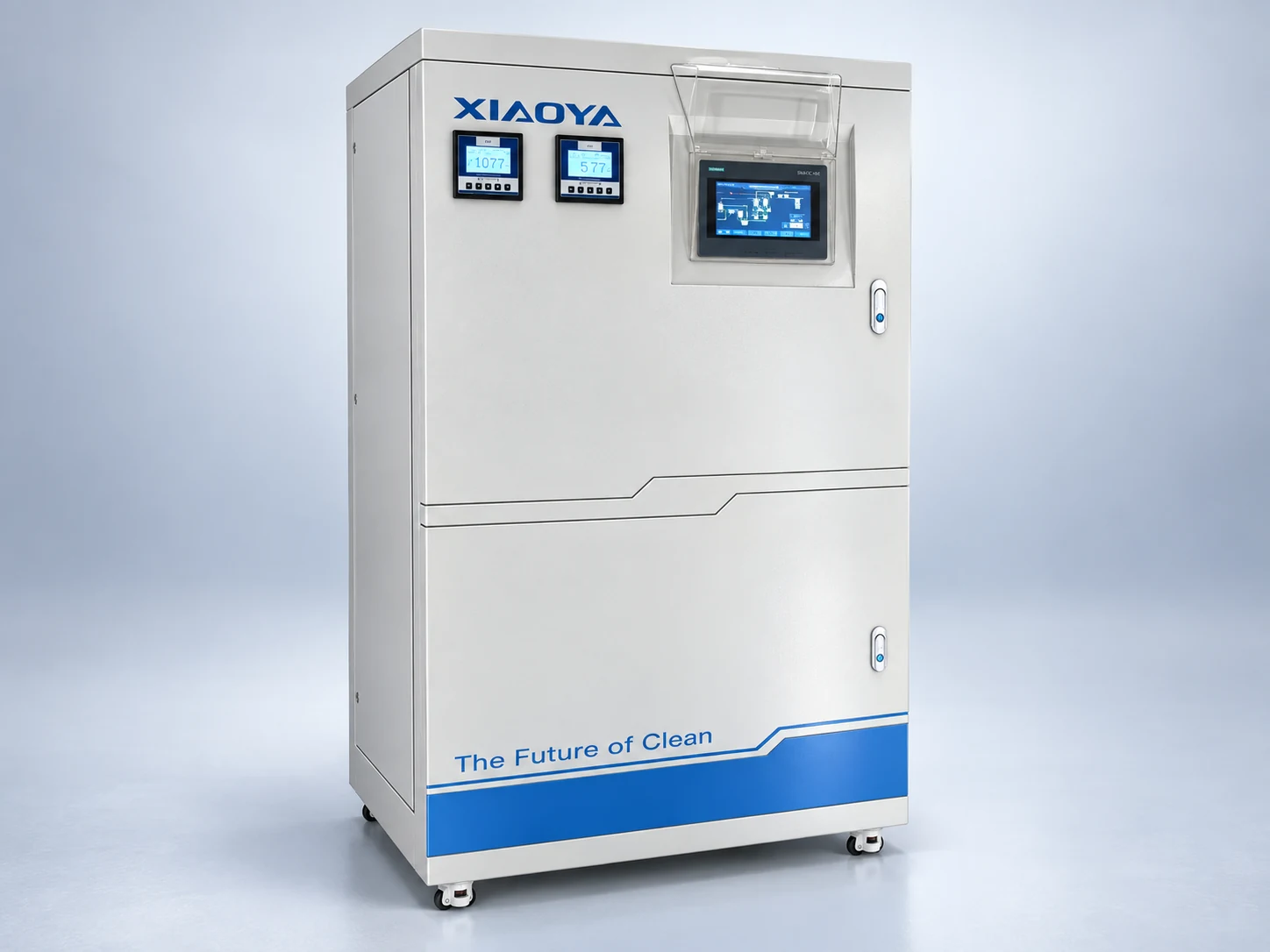
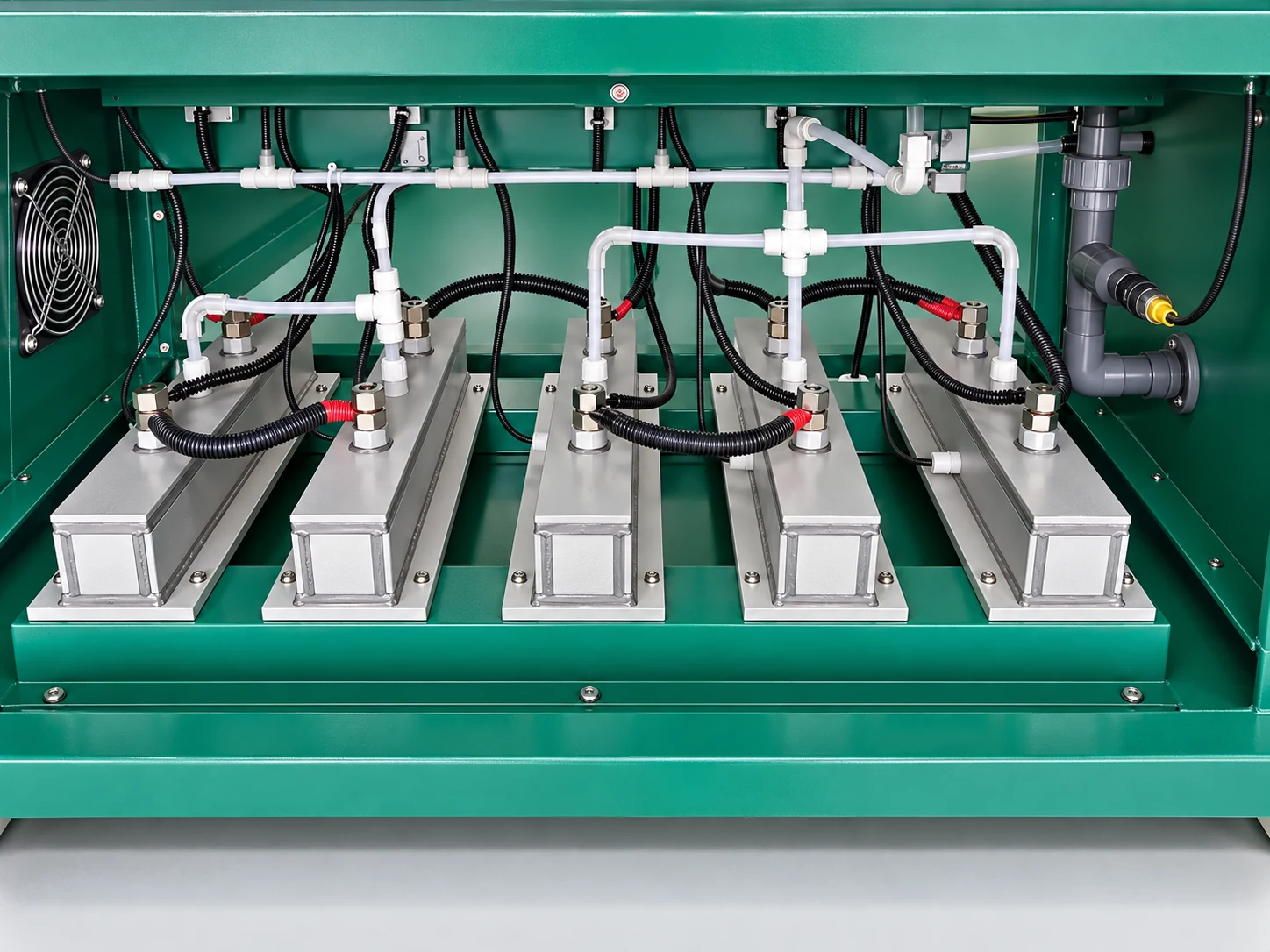
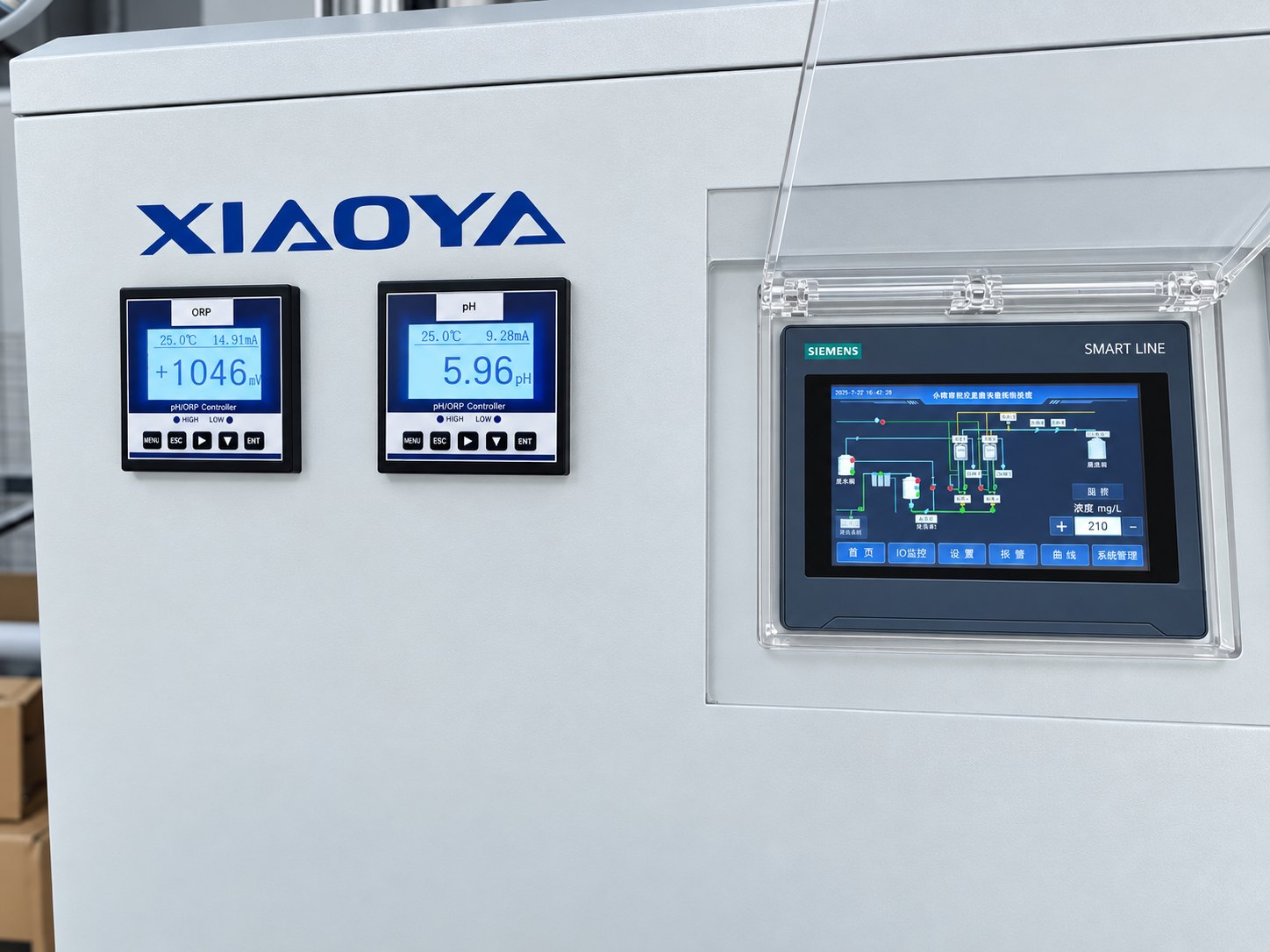
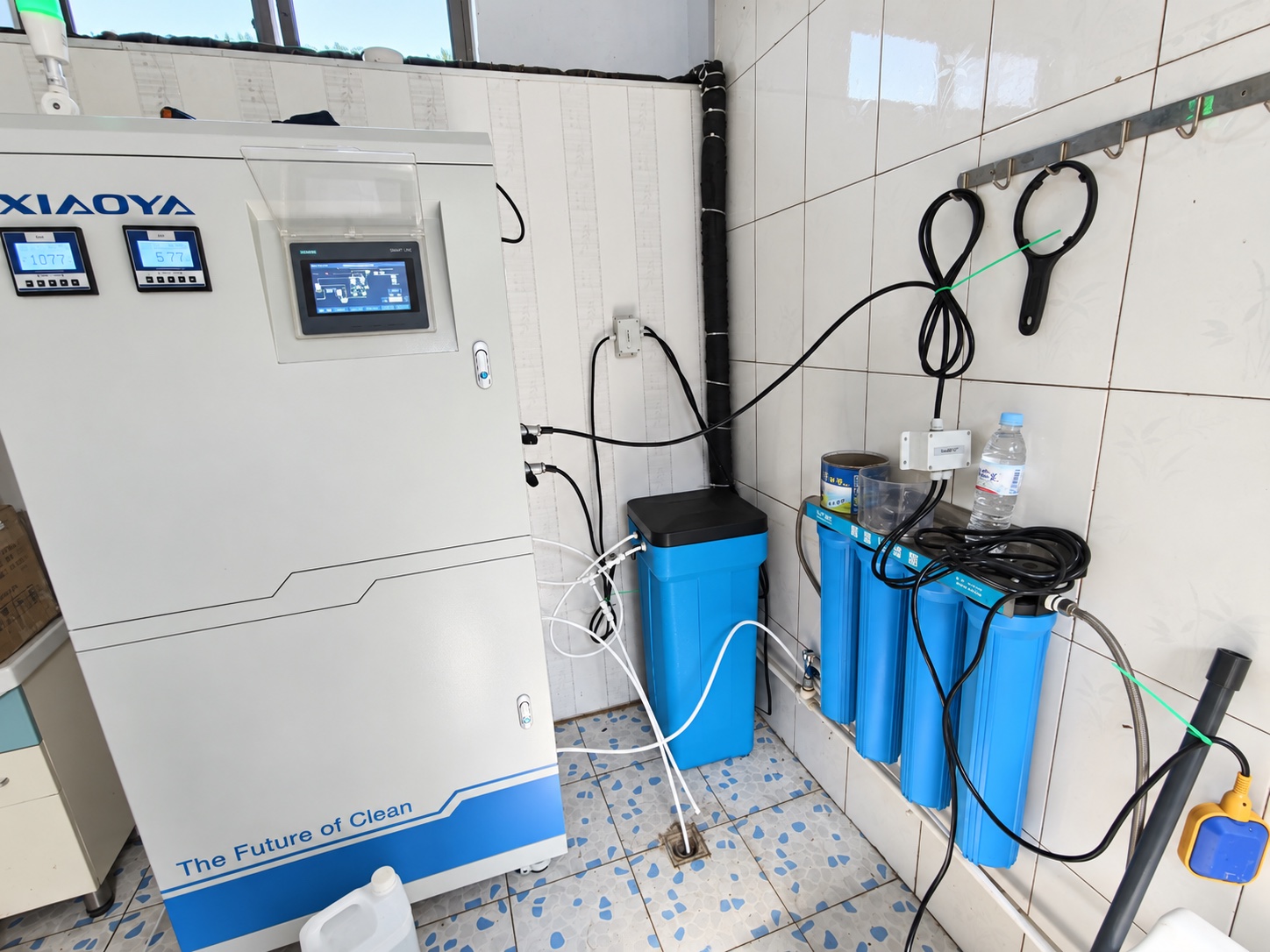
The generator supplies solution. Air handling, the contact stage and liquid management need their own engineering definition.
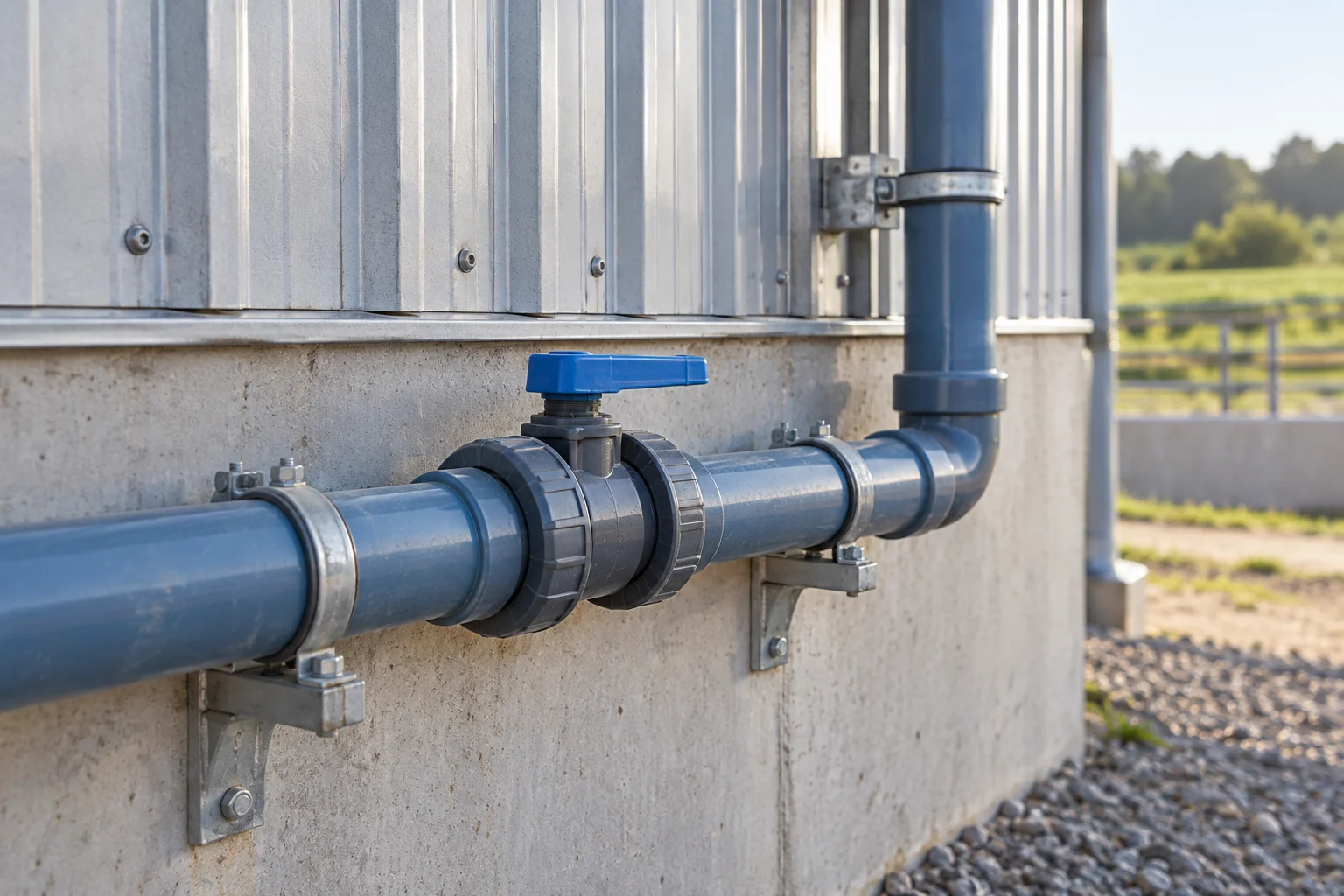
Agree what Xiaoya supplies, what stays on site and what the ventilation or application contractor provides.
Set the measurement plan before a trial. A perceived change in smell is not a complete performance assessment.
Distinguish ammonia or another specified compound from overall odor. Record sampling points, methods and initial conditions.
Track airflow, temperature, humidity, operating mode and solution use so the comparison can be interpreted.
Review repeat measurements, liquid demand, maintenance, exposure and discharge against agreed acceptance criteria.
Airflow alone does not give a generator capacity. Start with the solution demand established for the proposed application.
No. Define source management and ventilation first. HOCl supply is a component to assess within a wider project.
Xiaoya can provide odor reduction based on proper system design, but we cannot guarantee a fixed odor-removal rate unconditionally. The odor removal performance depends on inlet odor concentration, air flow, contact time and pollutant composition. We can conduct calculation and simulation according to your site data to estimate the expected reduction level. As for emissions: Our generator only produces hypochlorous acid water. No harmful exhaust gas will be generated during normal operation. The effluent meets common environmental discharge requirements when used as instructed.
First review its materials, pressure, liquid flow, controls, drainage and intended contact conditions. Physical connection alone does not establish compatibility or suitability for occupied-space spraying.
Agree responsibility for generator checks, feed supply, application equipment, liquid management and site operation in the project scope. Review maintenance planning with the relevant suppliers.
Share your country, livestock operation, target area, existing equipment and operating hours. Include any airflow or measurement data; unknown details can be discussed.