


Keep circulation distinct.
Account for pedestrian movement and the facility’s access arrangements when scheduling a selected task.

Plan solution supply around work zones, cleaning teams and service windows.
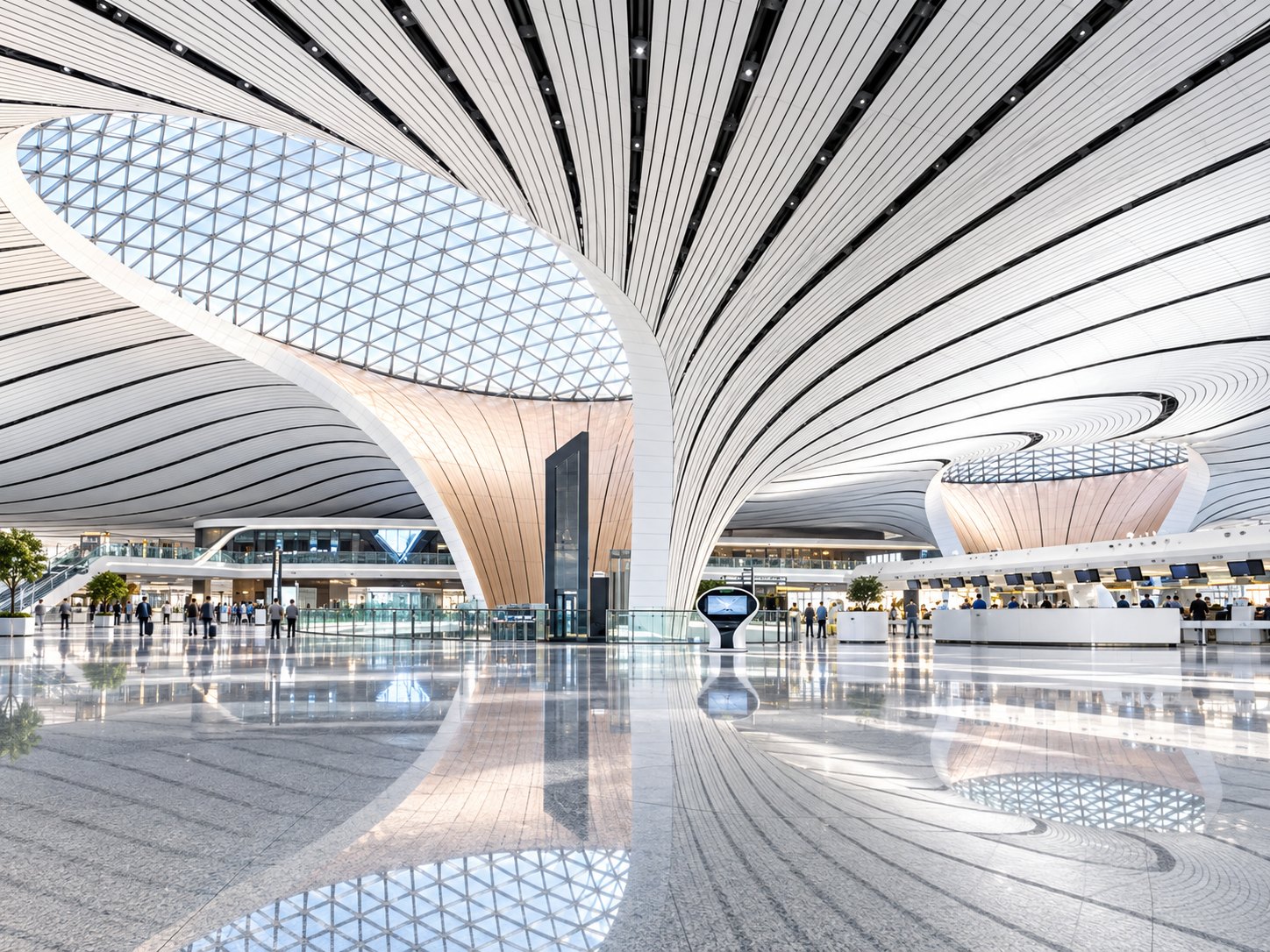
A terminal is not one treatment area. Define the selected surface task and the staff route before planning where HOCl is generated and collected.
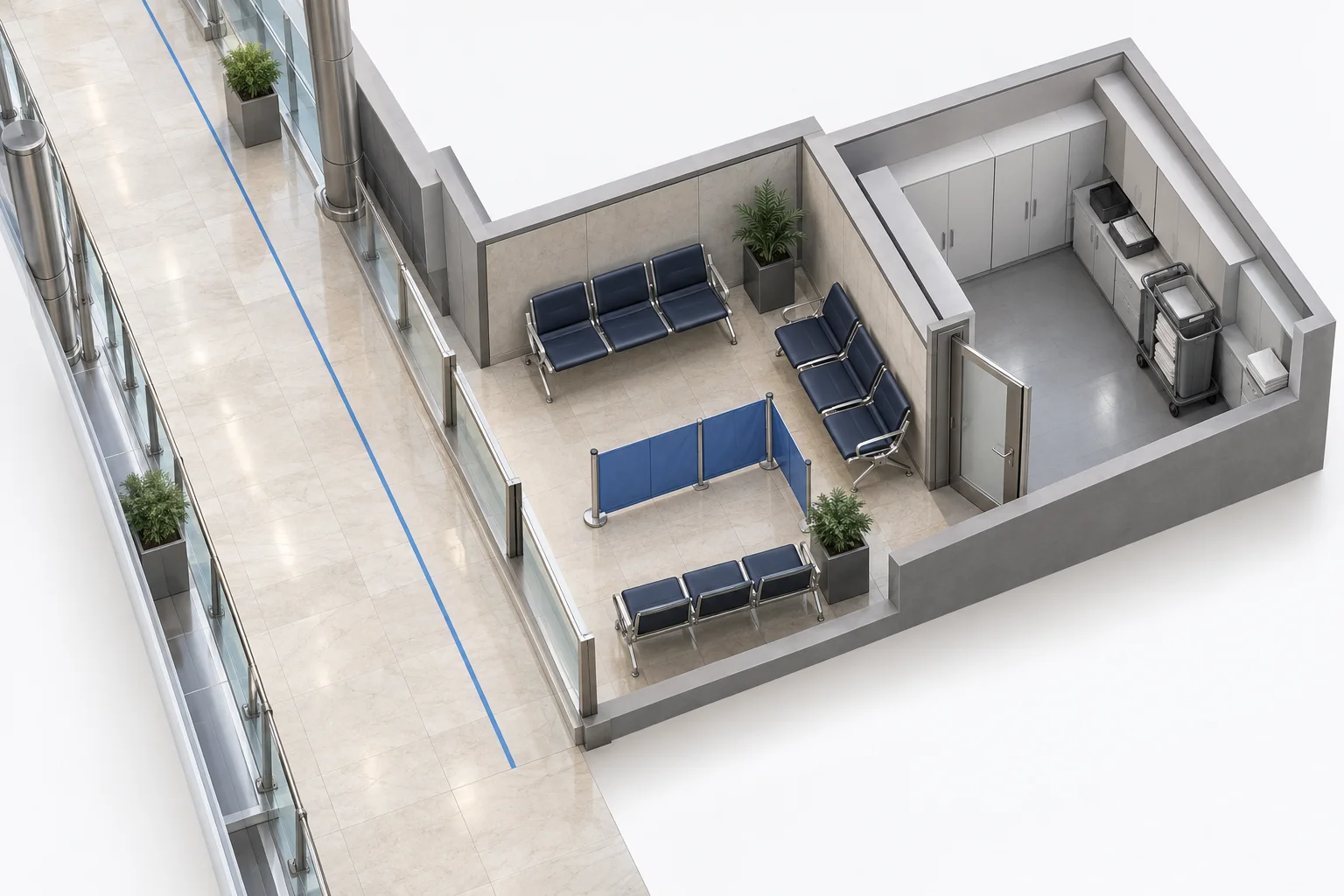
Account for pedestrian movement and the facility’s access arrangements when scheduling a selected task.
Describe the floor, handrail or other hard surface, its material and the applicable procedure.
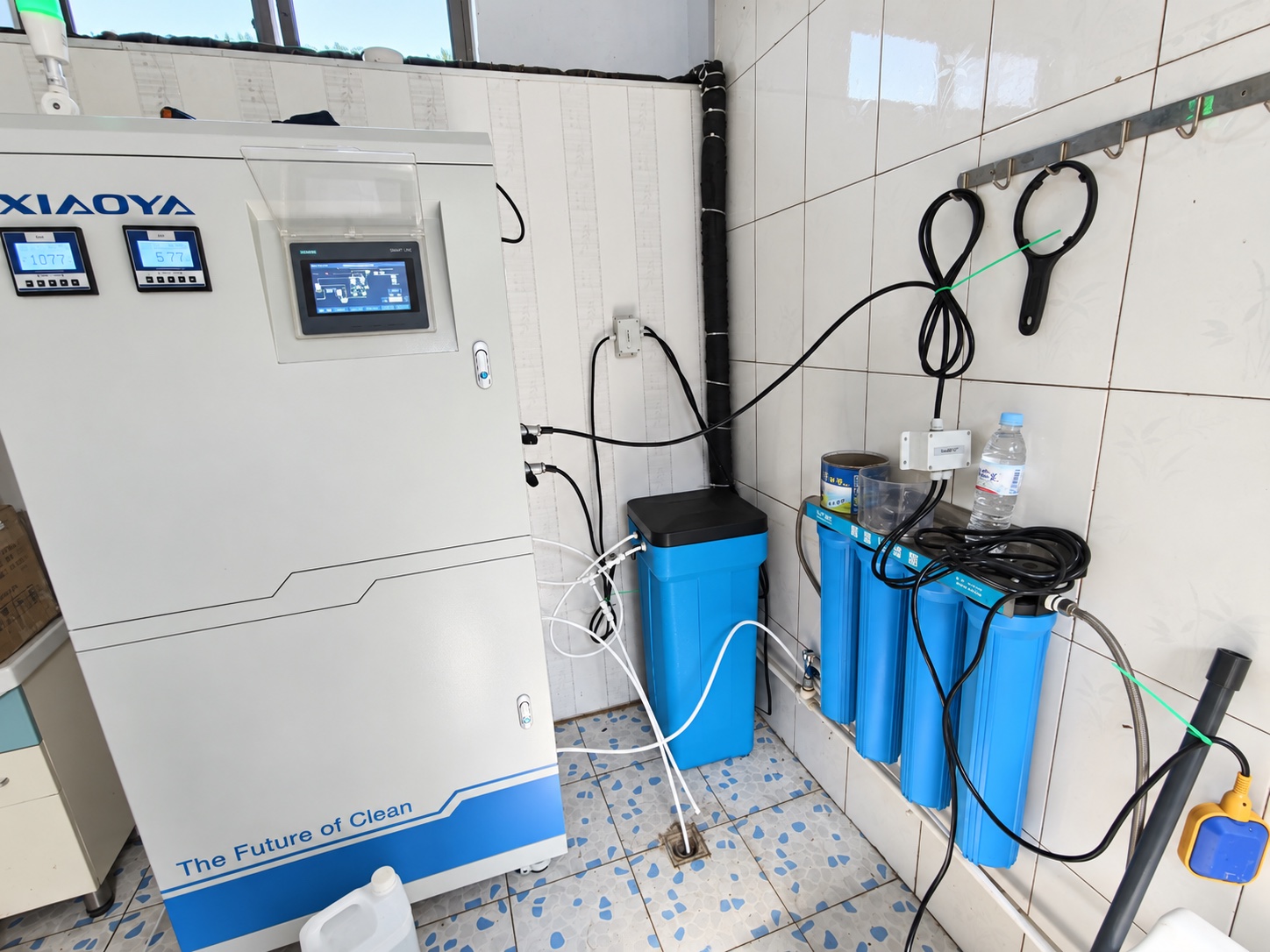
Place equipment and labelled solution collection in a suitable staff-controlled location with utility and maintenance access.
A short service window does not shorten the treatment’s required contact time. Use the facility’s procedures to manage access and reopening.
Identify suitable work windows, the responsible cleaning team and how solution reaches the task.
Control access, complete cleaning and the specified treatment, then follow the required checks before reopening.
In-house staff and contractors need a shared understanding of what has been prepared, who collects it and which task it serves.
Include solution identification and use conditions in the operating plan. Agree the records your team needs before equipment selection.
A specific work area gives you a clearer starting point than passenger numbers alone. Extend the supply plan once task demand and operating responsibilities are understood.
Material, application procedure, actual solution use and available working time.
Staff access, travel to the task, collection points and any planned holding period.
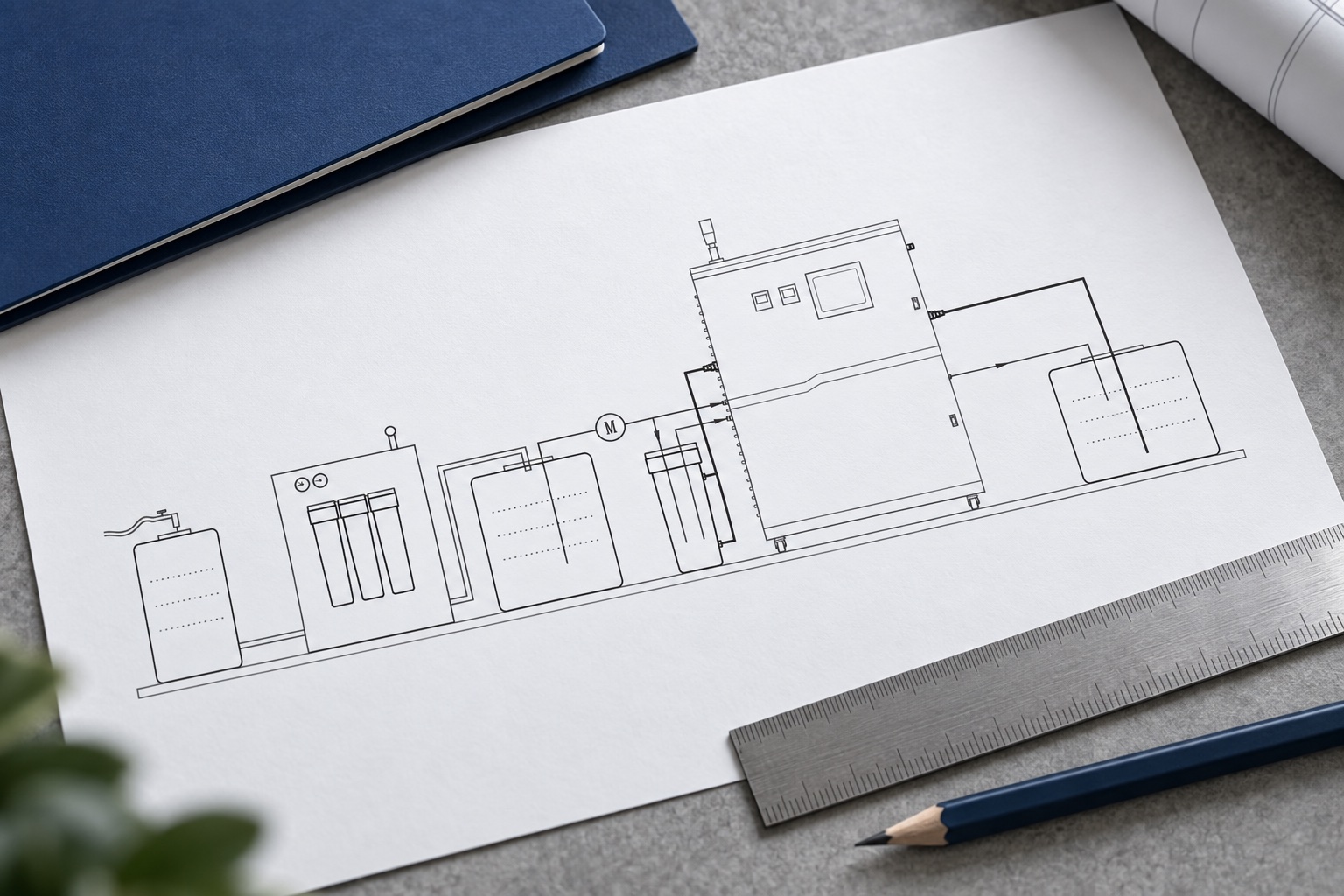
Required concentration and volume, water and power, equipment location and maintenance access.
Any tank, pump, distribution line or application equipment must be identified in the supply scope. Equipment selection does not establish approval for every surface or application.
Start with your country, facility type and intended tasks. If demand is unknown, describe a work zone and the cleaning routine.
Request a facility proposalShare the machine specification, wetted materials, operating method and solution requirements. Compatibility must be confirmed; a generator does not make every cleaning machine suitable.
Identify who operates the generator, checks and issues solution, performs the task and retains records. Include access and maintenance responsibility in the project brief.
Potentially, depending on actual demand, delivery distance, collection timing and solution holding conditions. Compare shared generation with separate points using those inputs.
This content focuses on selected airport and station facility use cases. Aircraft cabins, train interiors, upholstery and electronic equipment need to comply with independent material requirements and asset owner regulations.