


Clear the waste first.
Separate waste movement from scheduled cleaning. Identify hard surfaces and access windows for subsequent hygiene work.
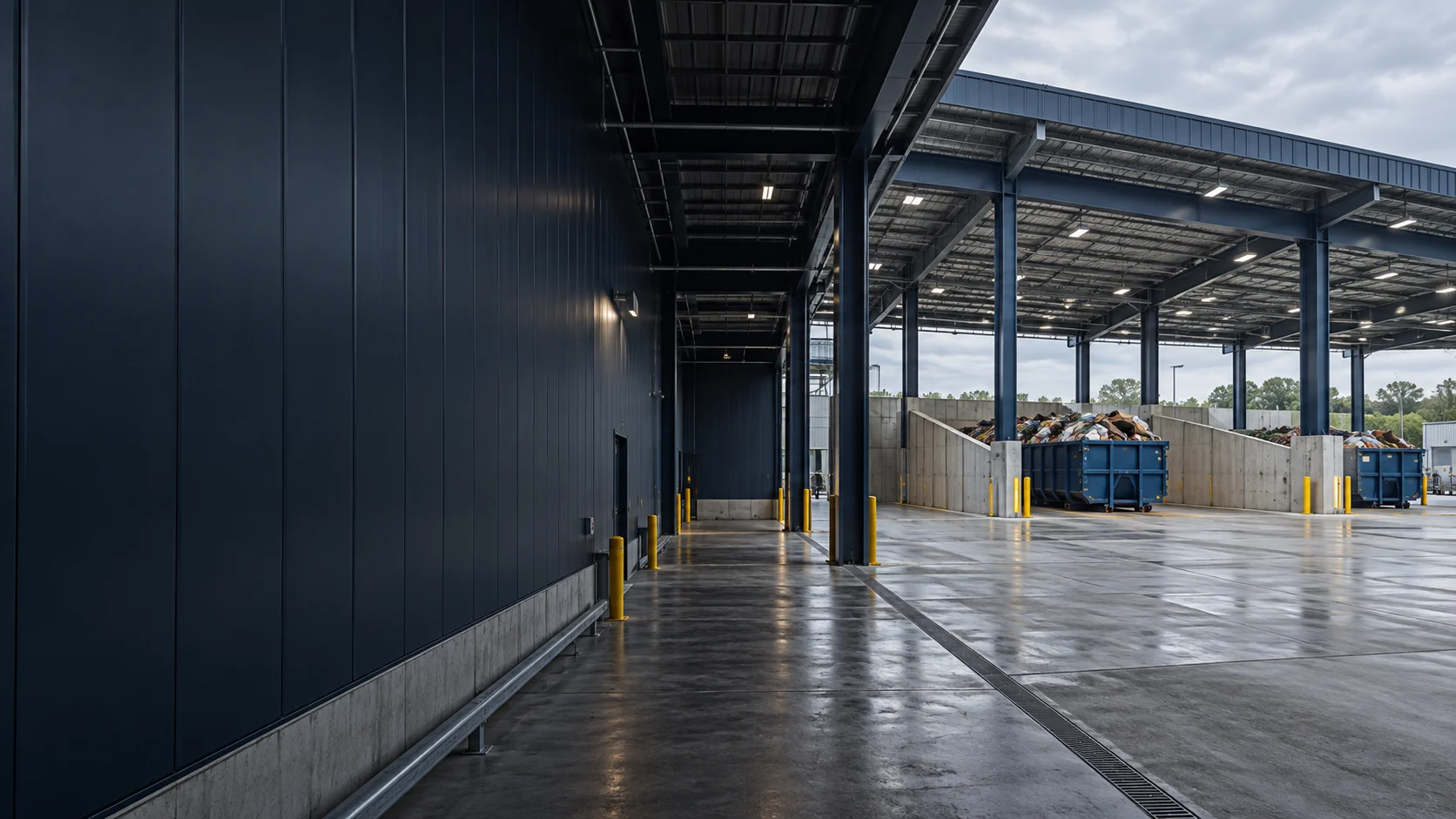
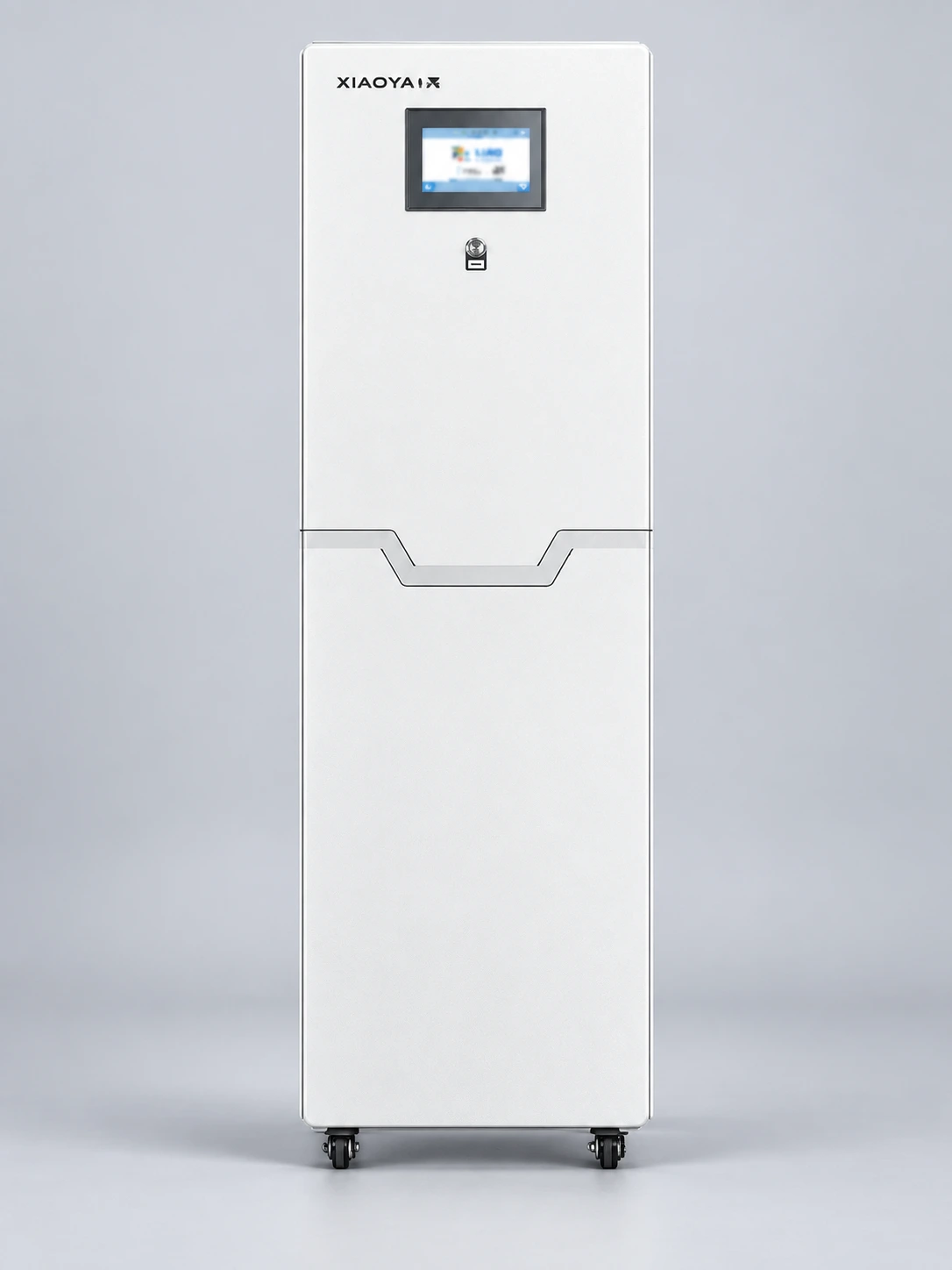
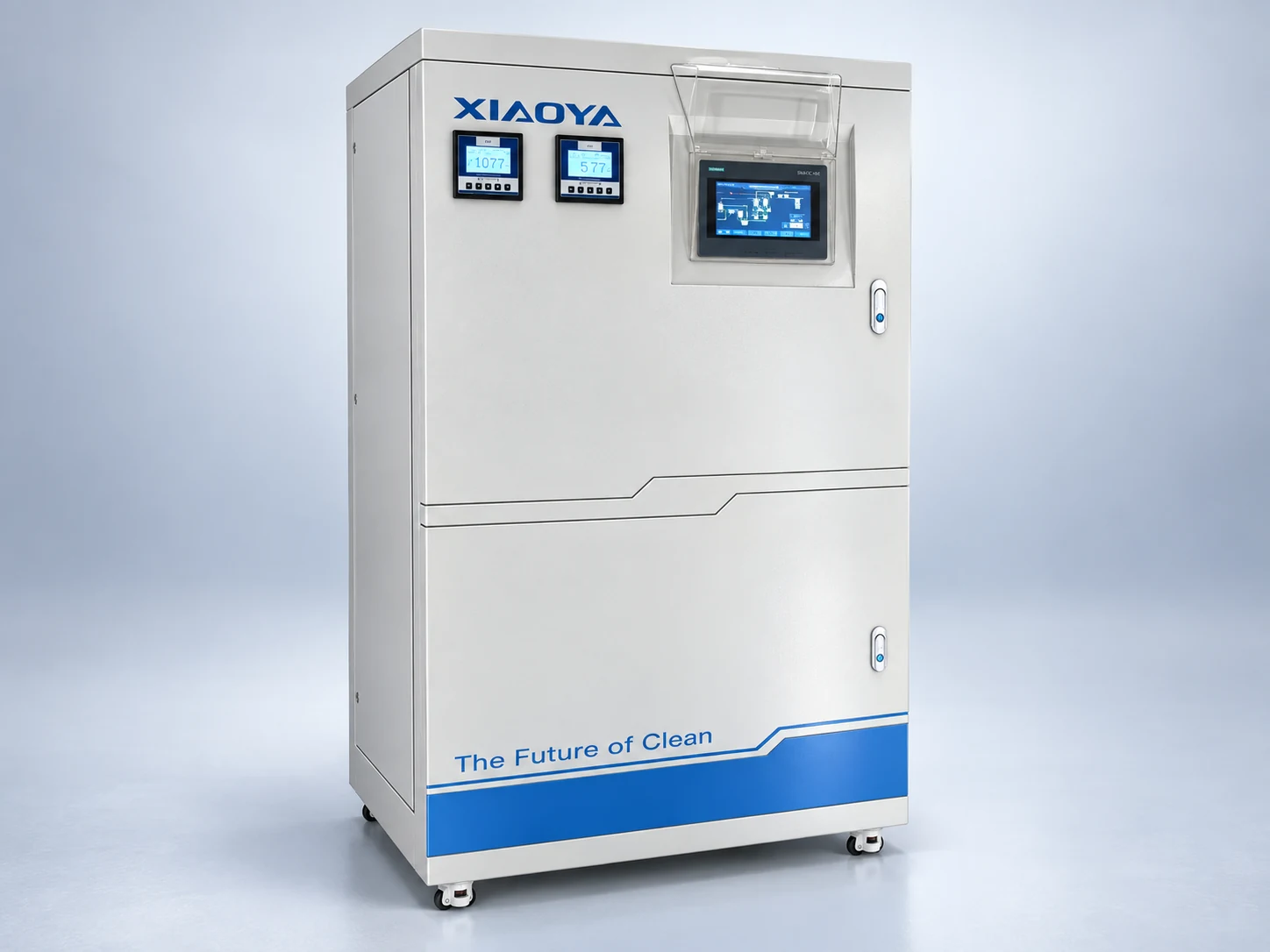
Bring solution generation closer to your facility’s cleaning and hygiene operations.
Plan on-site HOCl supply for waste-transfer and municipal sanitation work. Connect the solution specification to the tasks your team performs.
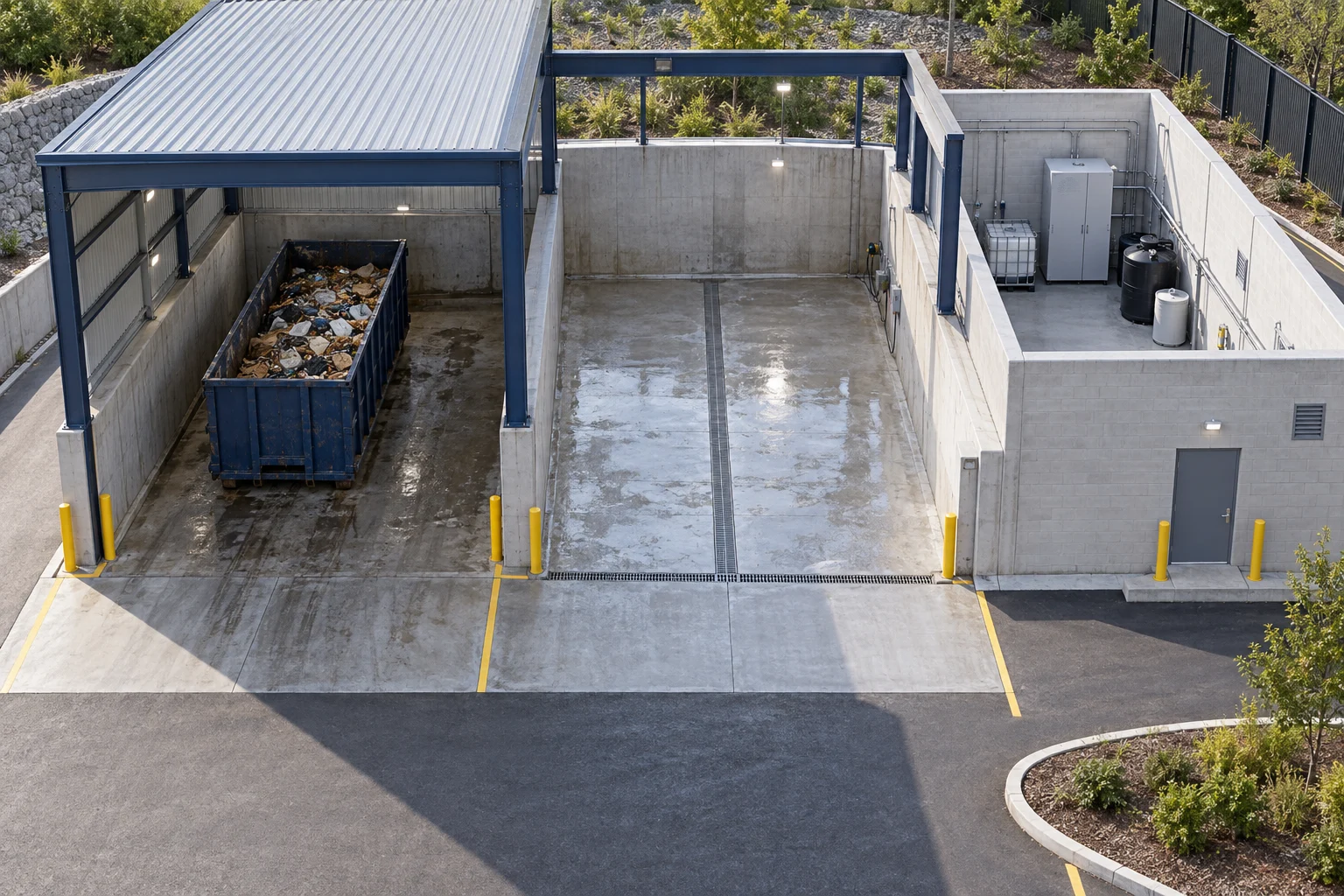
Separate waste movement from scheduled cleaning. Identify hard surfaces and access windows for subsequent hygiene work.
Specify the floor, container or equipment surface, material and applicable treatment procedure.
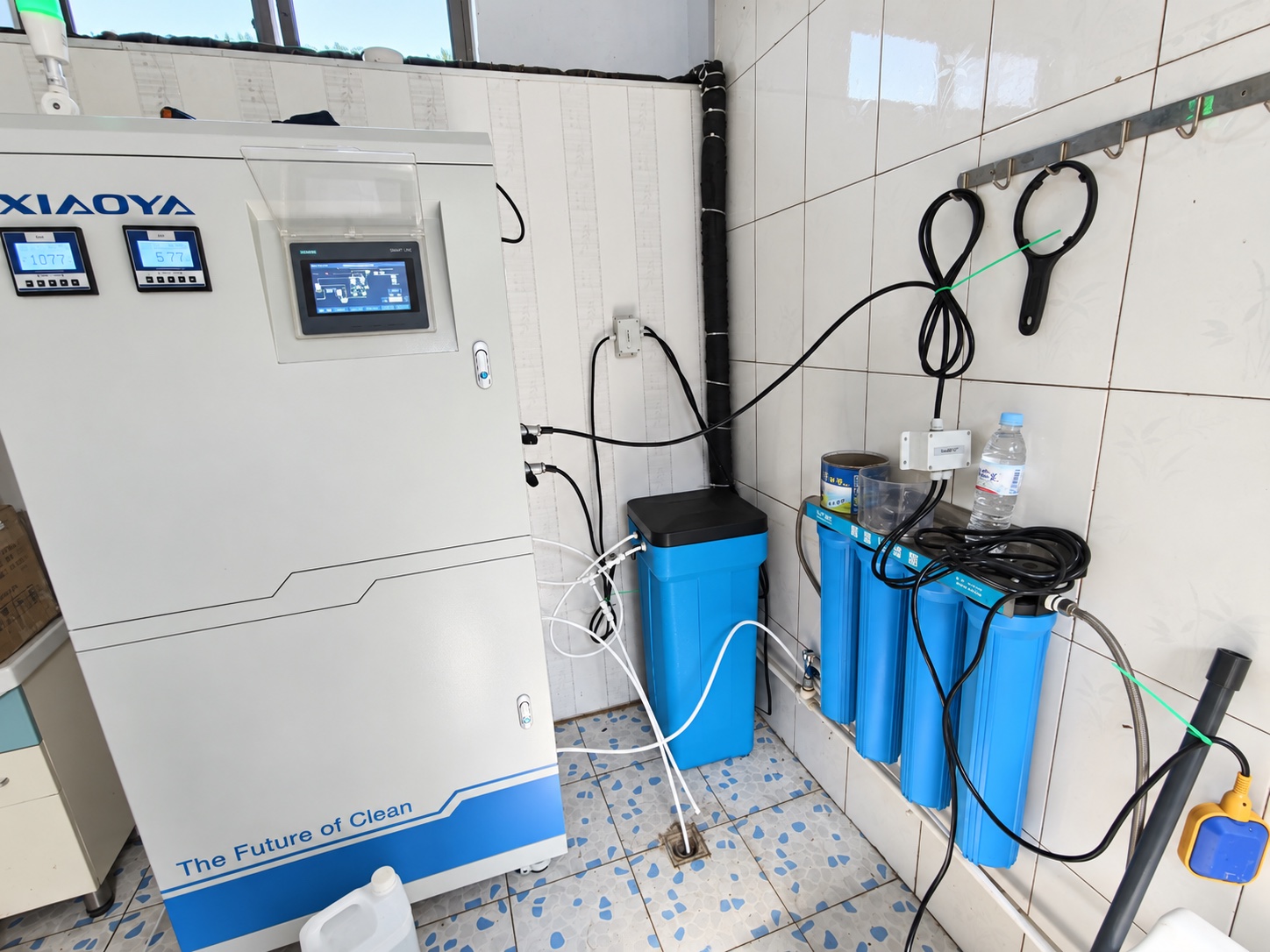
Locate generation and collection around utilities, operator access and the route to each use point.
On-site generation supports a defined hygiene step. It does not replace waste removal or physical cleaning.
Remove waste and debris. Release the area for the cleaning team.
Remove soil using the site’s cleaning procedure and manage washwater.
Apply suitable HOCl solution to the selected surface using the specified method and contact time.
Complete any required rinse or drainage step, record the work and reopen the area.
A daily total can hide a short, heavy draw. Tell us when your team collects solution and how many tasks overlap.
See the generator selection guidePeriodic collection for selected tools, containers or work areas.
Record task volume, available work time and simultaneous demand.
Allow for generation time, solution checks and equipment maintenance.
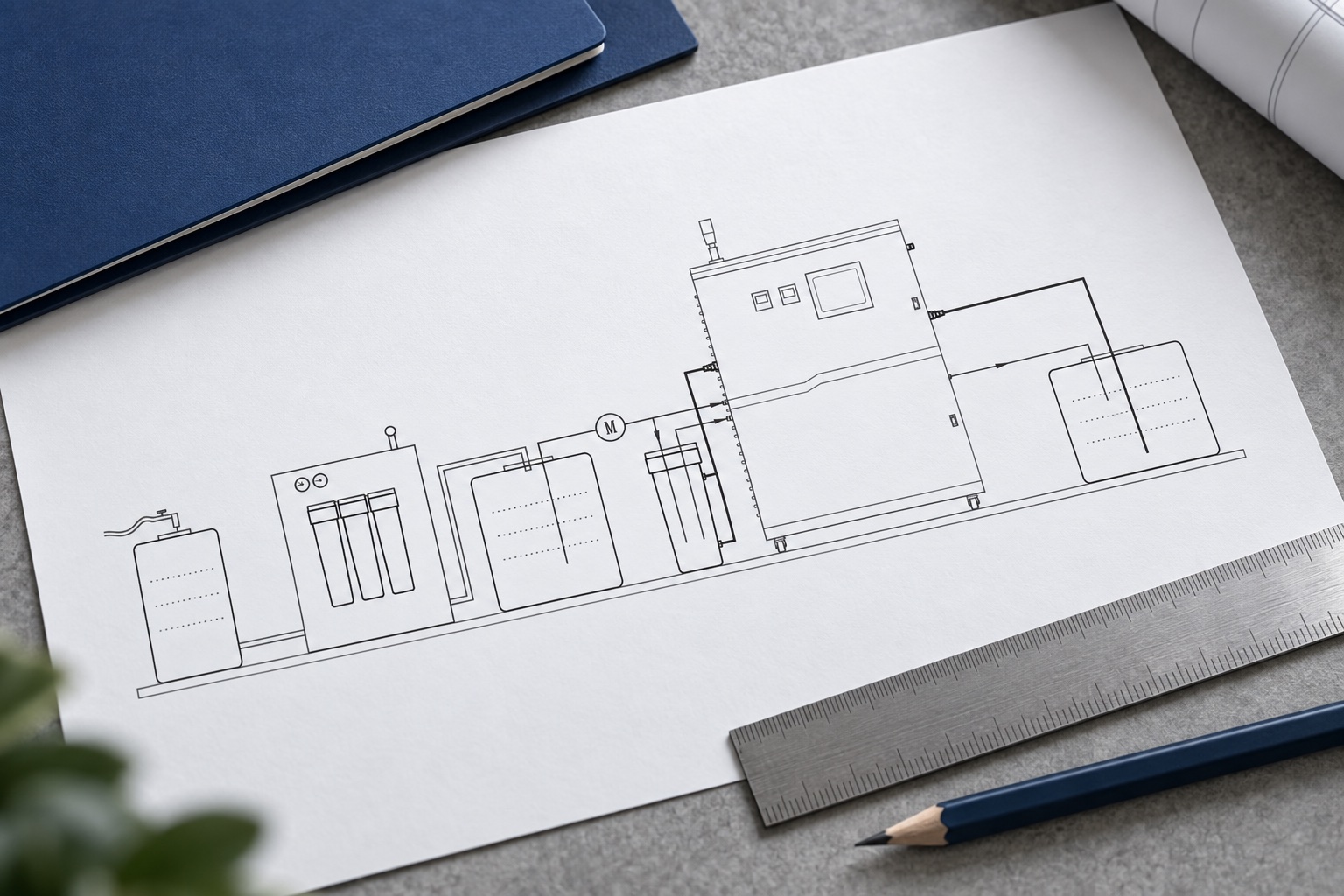
Build the quotation around a clear equipment boundary, from available utilities to the point where your operators collect or apply solution.
Water quality, electrical supply and locally available feed.
Model, output specification and controls selected for the project.
Explore generatorsHolding, pumping and delivery equipment, where required.
Agree who supplies tanks, pumps, pipework and application equipment. These items are not automatically included with the generator.
Discuss an integrated systemDiscuss HOCl supply for odor-related tasks at waste-transfer and municipal sanitation facilities. Start with where the odor arises and how the site operates.
A container, receiving area or another defined point? Include waste type, residence time and current cleaning arrangements.
Distinguish a surface-hygiene task from a specific odor objective. Agree how any proposed odor application would be evaluated.
Describe ventilation, drainage and application equipment. A generator quotation does not establish complete exhaust-gas or leachate treatment.
Send your country, facility type, selected tasks, work windows and current equipment. If you do not know the flow rate, start with your operating routine.
Request a waste-facility proposalFloor area alone is insufficient. The proposal needs task solution volume, use time, overlapping demand and the required output specification.
Describe its materials, method, flow and operating pressure. Compatibility and the interface with the proposed supply system need to be established.
The generator supplies HOCl for odor-control applications. Storage tanks, transfer pumps, sprayers and other treatment equipment are listed separately in the quotation scope.
Identify the waste stream at the enquiry stage. This page concerns ordinary waste-handling hygiene; it does not establish suitability for hazardous, medical or unknown chemical waste.