
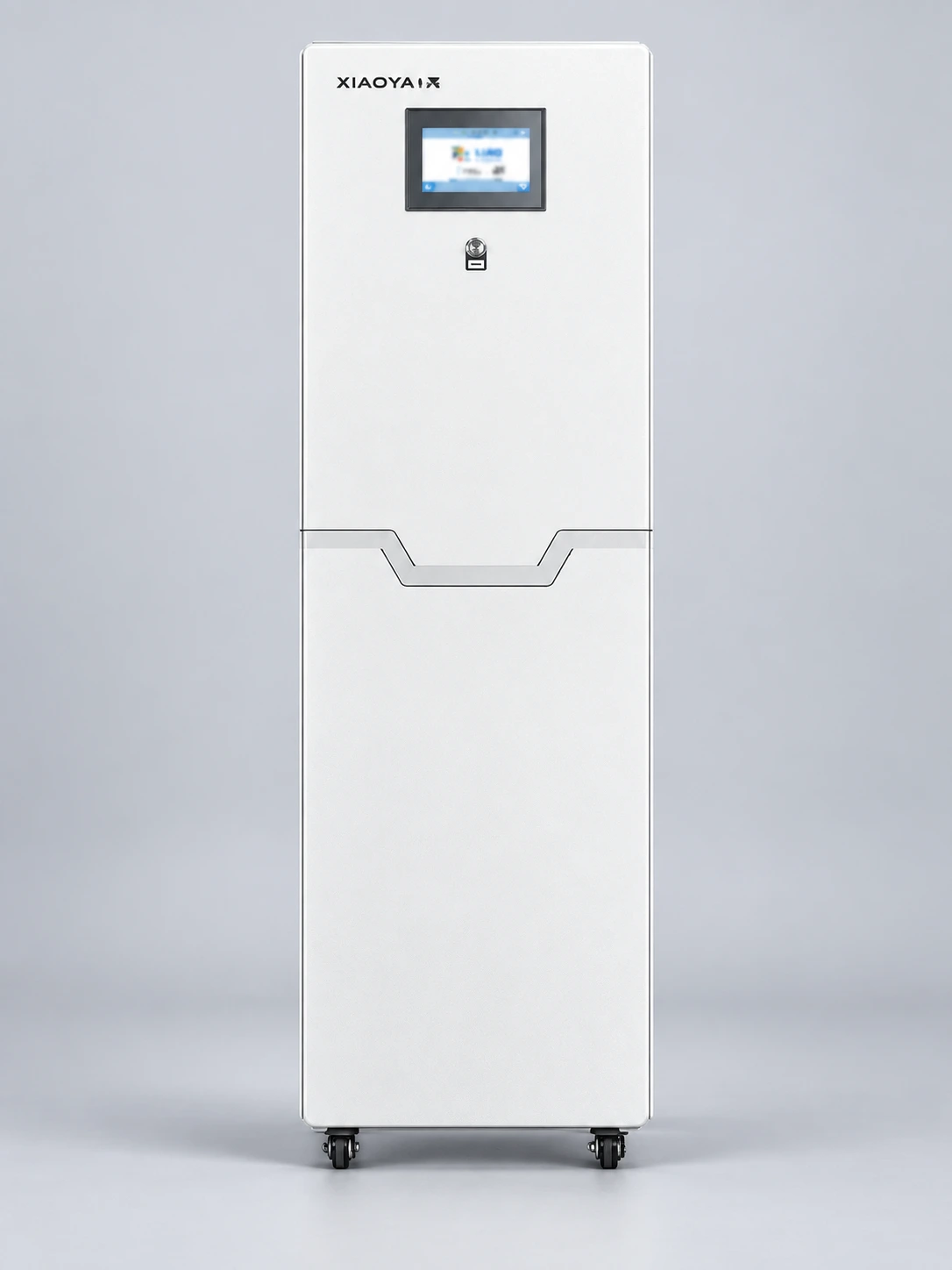
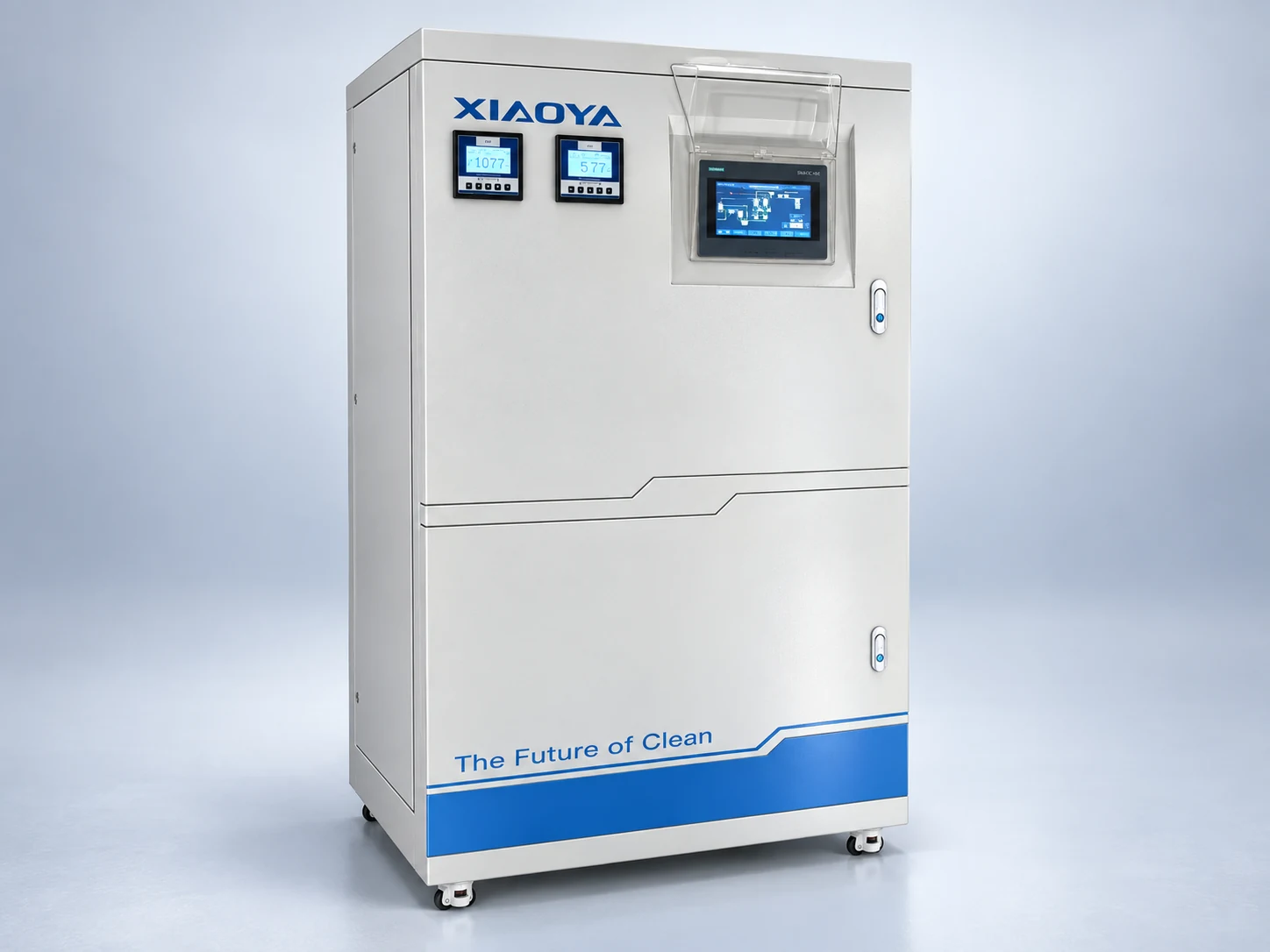



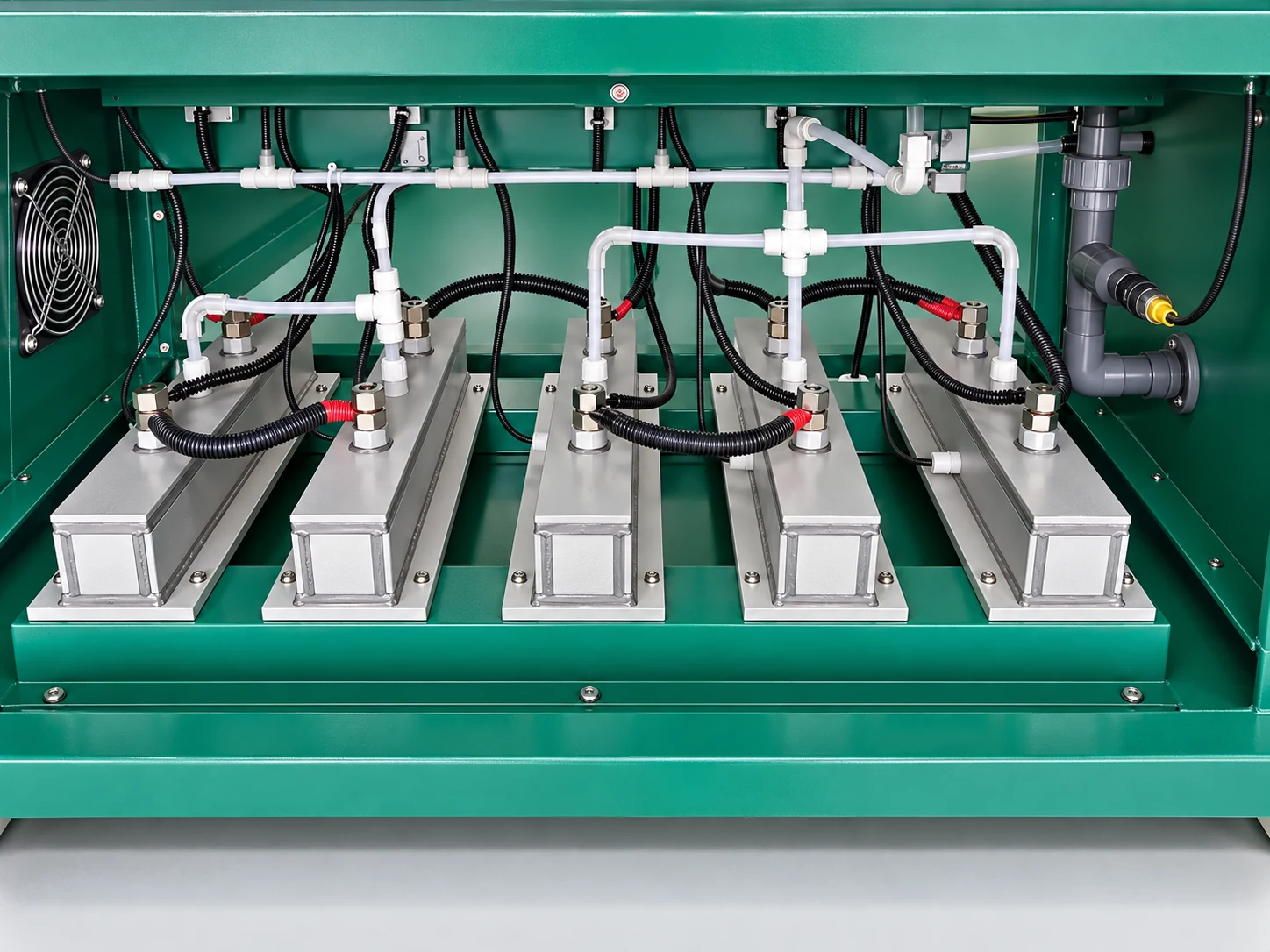
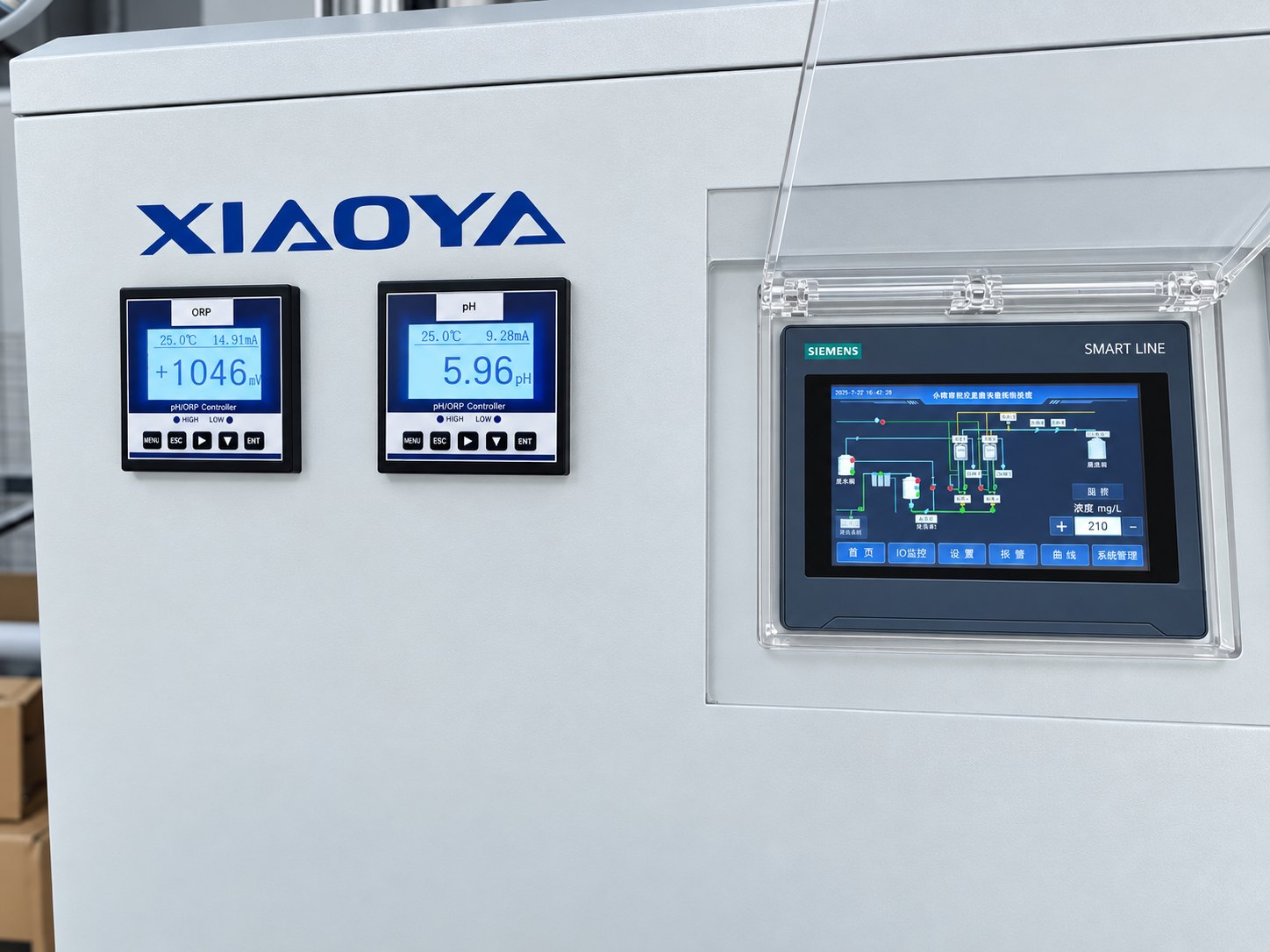
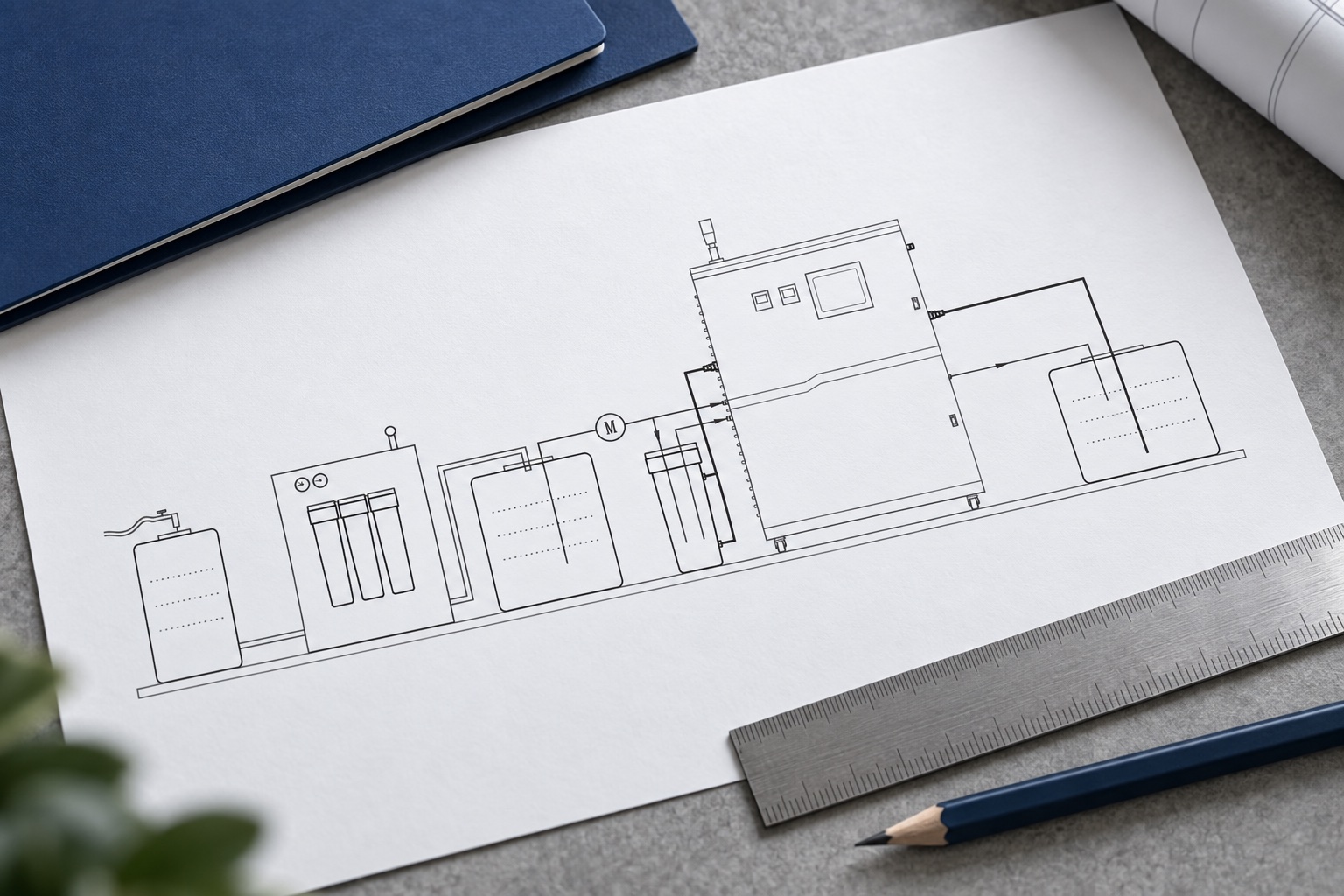
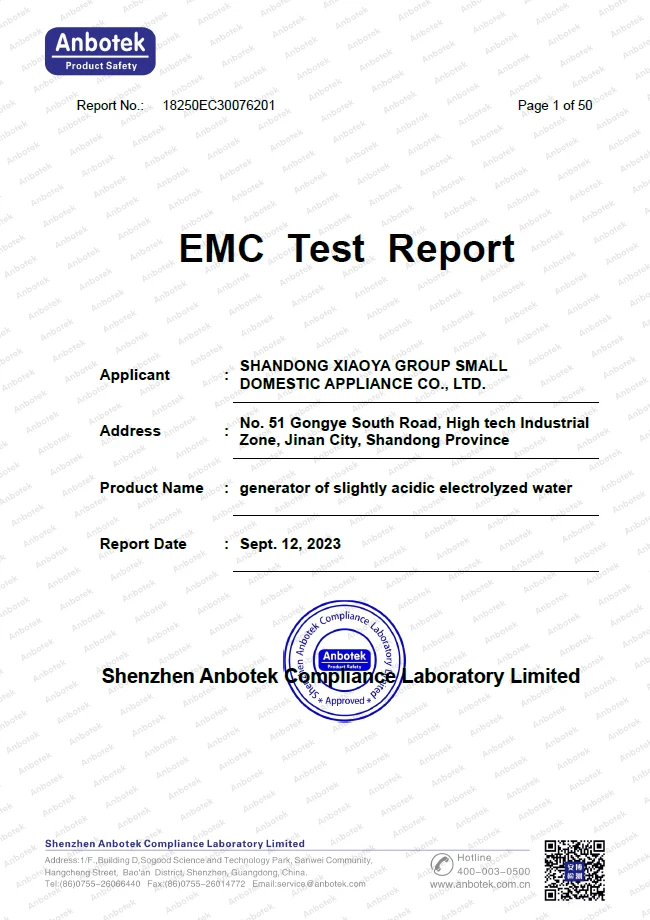
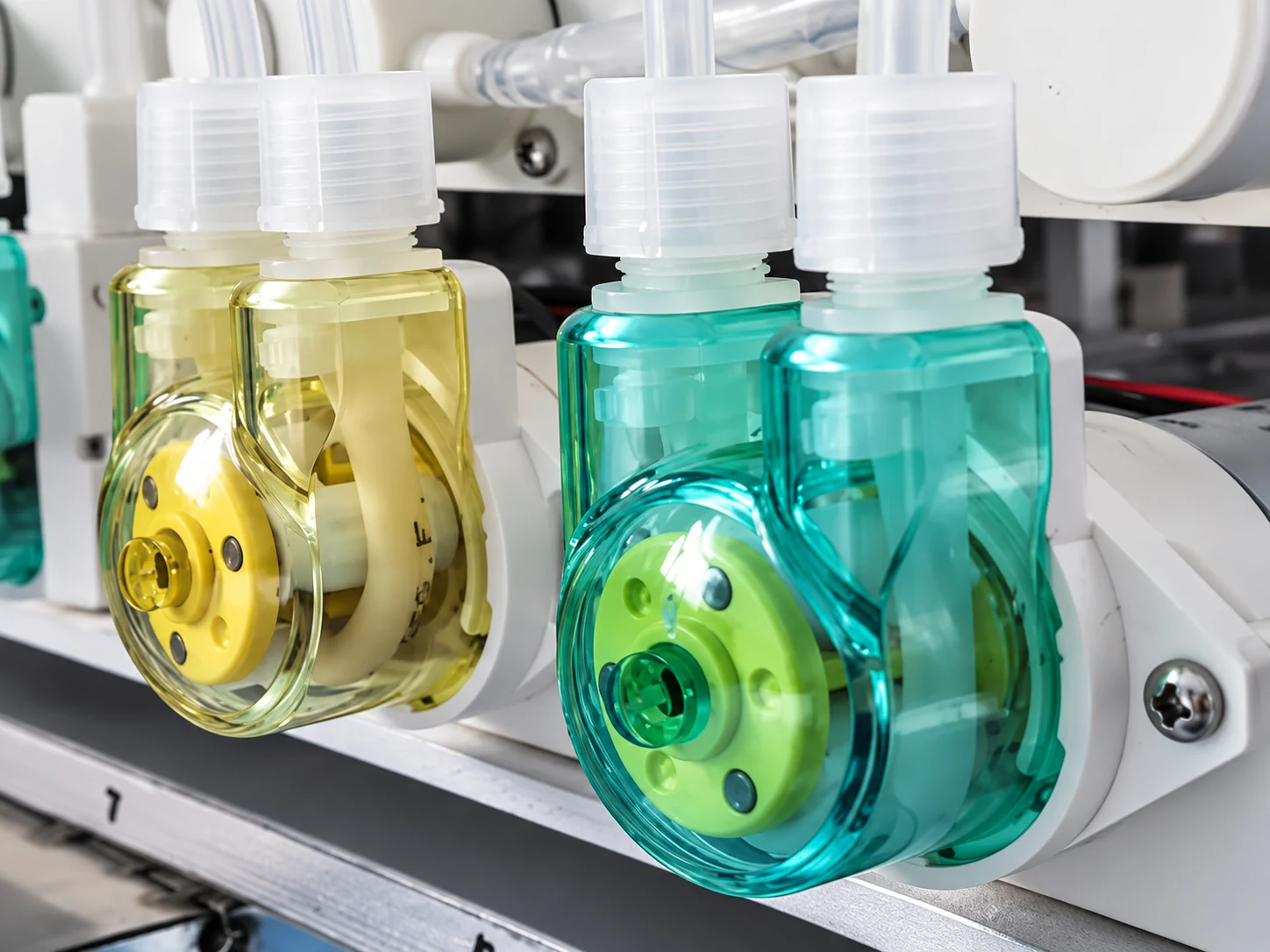
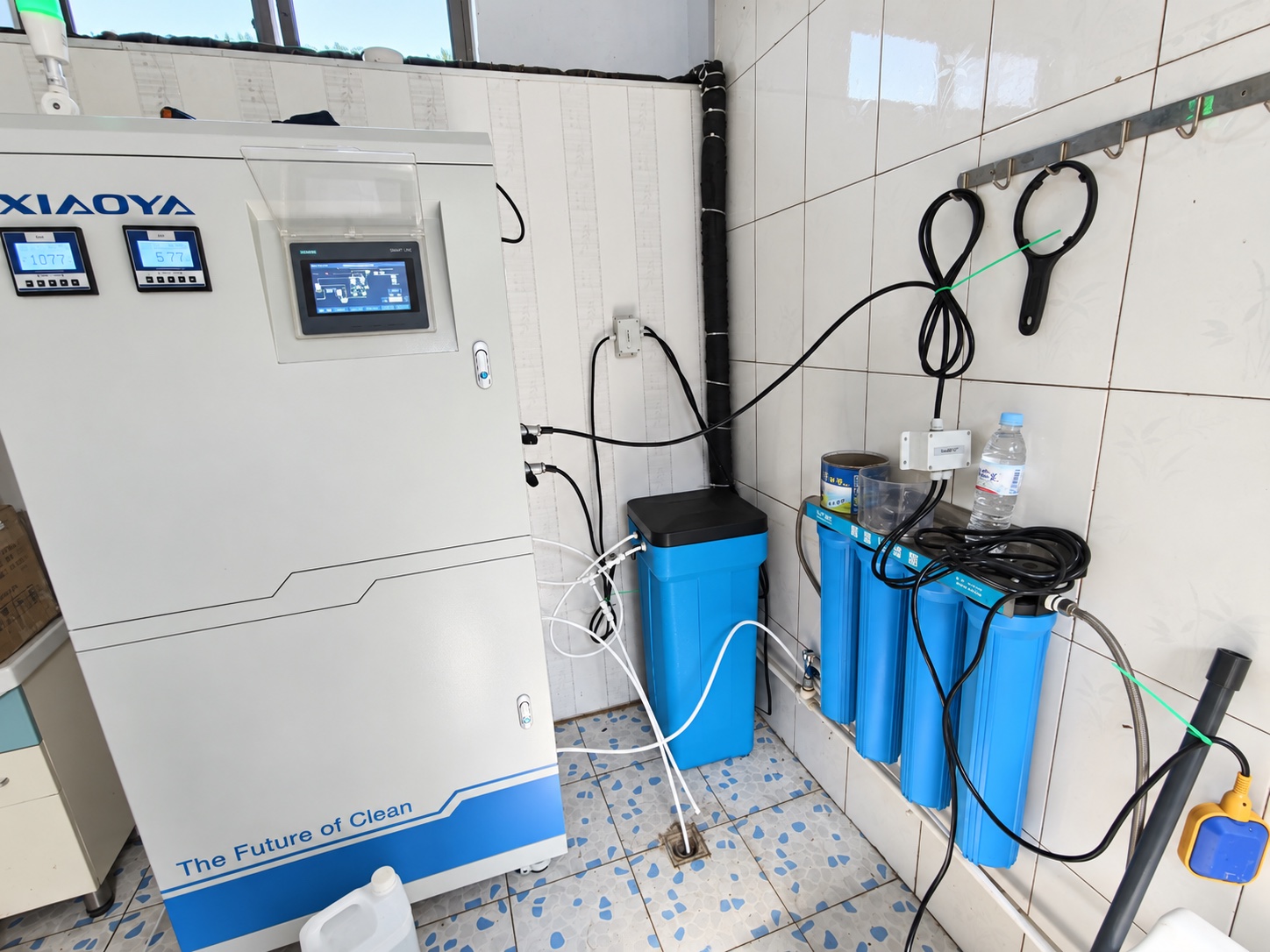
The complete unit
Confirm the identity of the electrolysis unit selected for the generator and the scope supplied with it.

Learn about the core component of a generator—the electrolytic cell—and the factors that affect its service life.
The assembly, its electrodes and a membrane describe different parts of a specification. Review them together.
The complete system and its operating requirements
Confirm the identity and version selected for the generator.
Describe the electrode and its surface.
Describe the separation component.
Confirm the identity of the electrolysis unit selected for the generator and the scope supplied with it.
Xiaoya’s conventional HOCl generators use ruthenium–iridium-coated titanium electrodes.
Salt-fed training material describes a plate-type composite-membrane design. Confirm the structure in the proposed model.
Turn the available construction information into focused questions about operation and future service.
Which electrode and electrolytic cell version will be supplied with your generator?
Which membrane and electrolytic cell arrangement applies to the selected salt-fed configuration?
Can the relevant component be serviced separately, or is a complete assembly required?
A useful service life specification should link a specific electrolytic cell to established operating conditions and clearly defined performance limits.
Operating hours are not calendar years.
A service-life figure is not a warranty period.
Information to agree for the proposed equipment
A lower reading does not, by itself, mean that the electrolytic cell has reached the end of its life. Review the equipment and conditions together.
Note conditions, symptoms and available readings. Identify the generator and electrolytic cell configuration.
Review water, feed, flow, measurement and control conditions with appropriate technical support.
Arrange inspection or maintenance for the identified issue, using the procedure for the actual equipment.
Check performance before normal operation resumes. If the issue remains, agree the next repair or replacement step.
Consider what happens when the electrolytic cell needs service, as well as how long it may operate.
Confirm against the generator model and electrolytic cell version.
Confirm whether the quotation covers a complete Electrolyzer or a specific serviceable component.
Agree who will carry out the work, the parts lead time, planned downtime and the checks before operation resumes.
Plan Maintenance & Spare PartsReplacement scope, quotation and availability need to be confirmed for the equipment concerned.
Share your application, planned output, daily operating hours, water source and available feed material.
These details help Xiaoya review the equipment and electrolytic cell requirements together.
Discuss My Generator Requirements Already operating Xiaoya equipment? Request service support.