
Adjustment of disinfection division in aquatic workshop: Addition of high-frequency contact link to hypochlorous acid generator
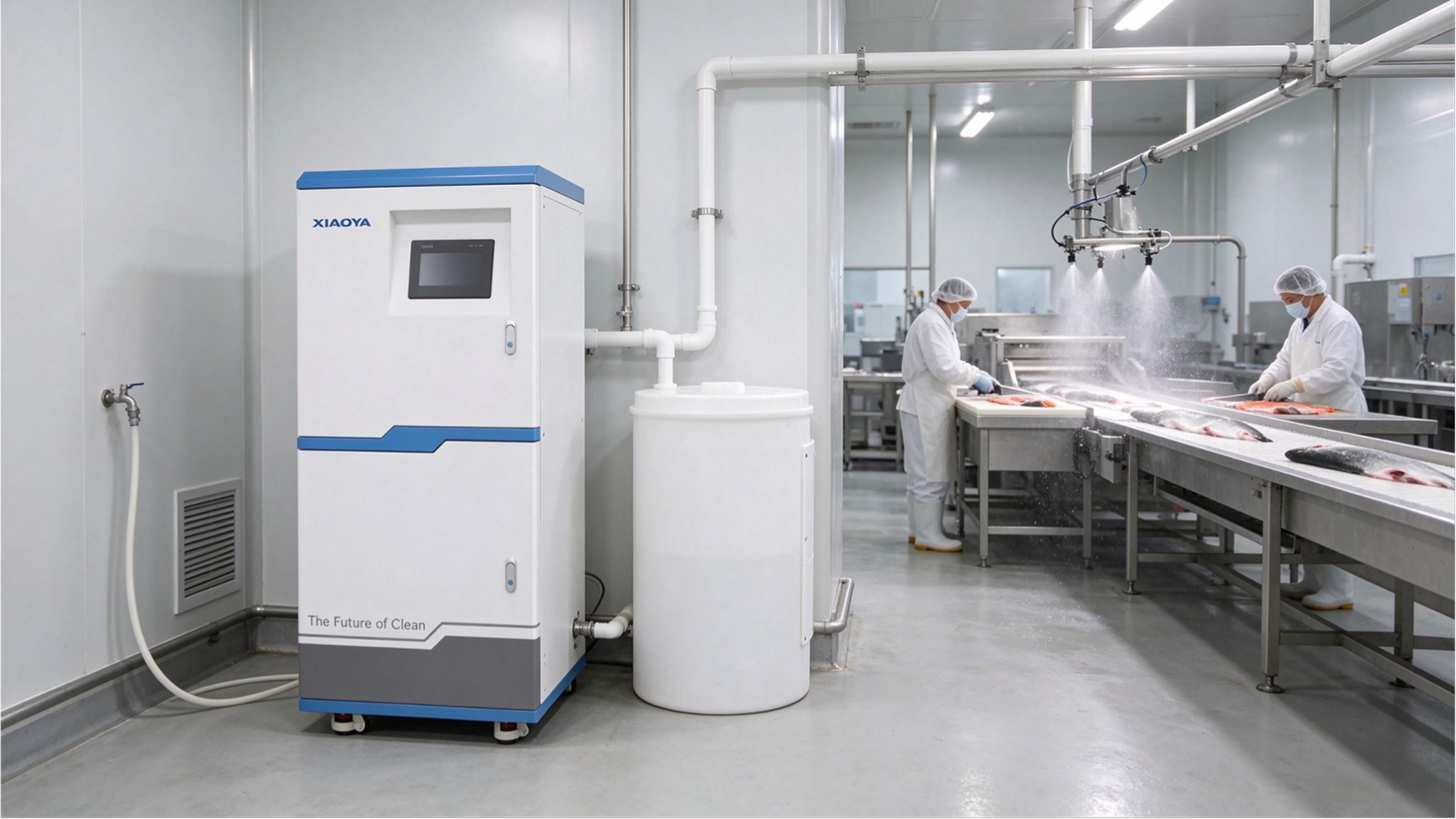
As we all know, for aquatic processing plants, employees come in and out every day, and the processed aquatic products are also transported back and forth on conveyor belts. As for food disinfection, it is necessary. So next, I will explain to you how one of my aquatic processing plants does a good job of disinfection.
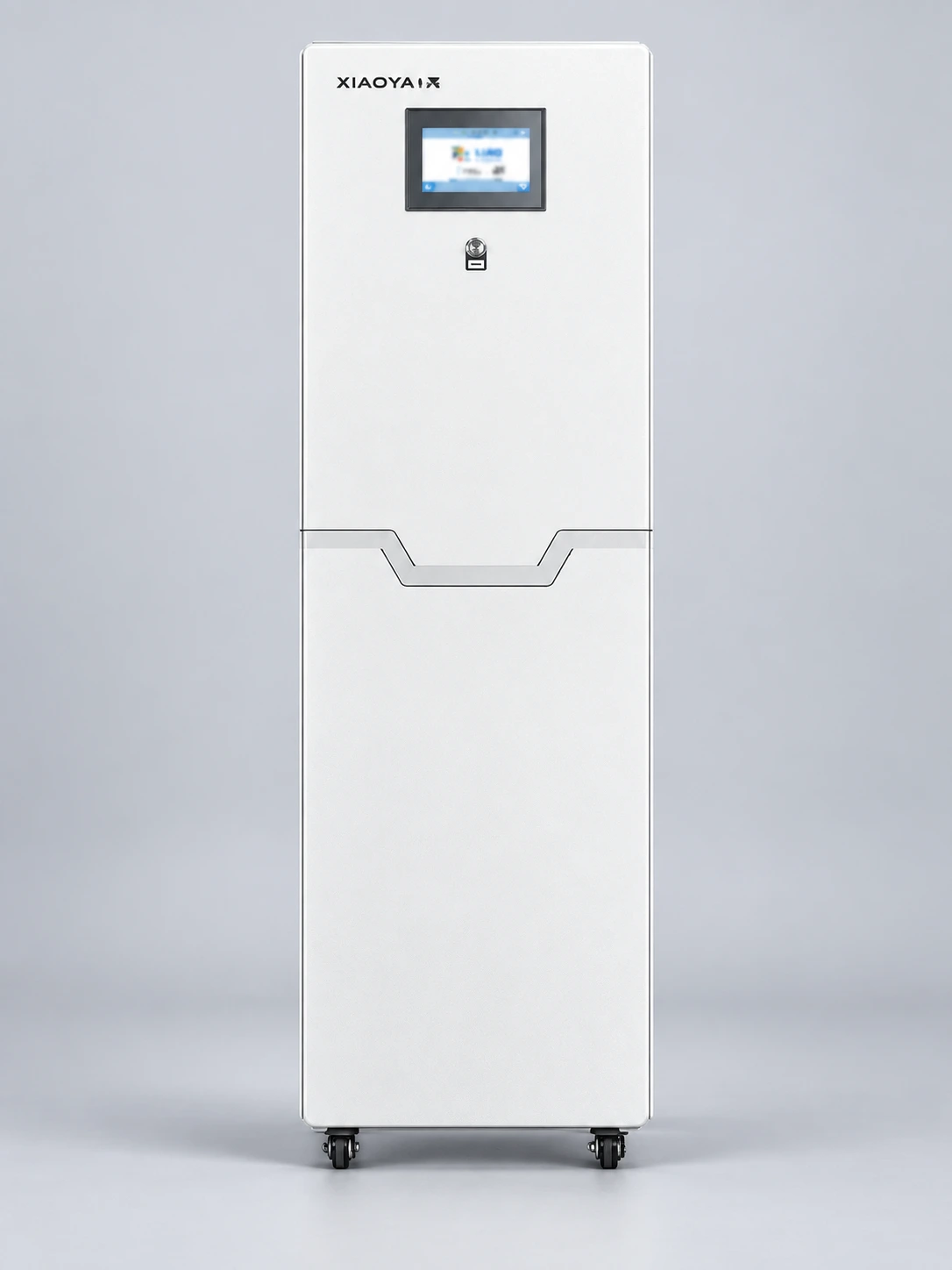
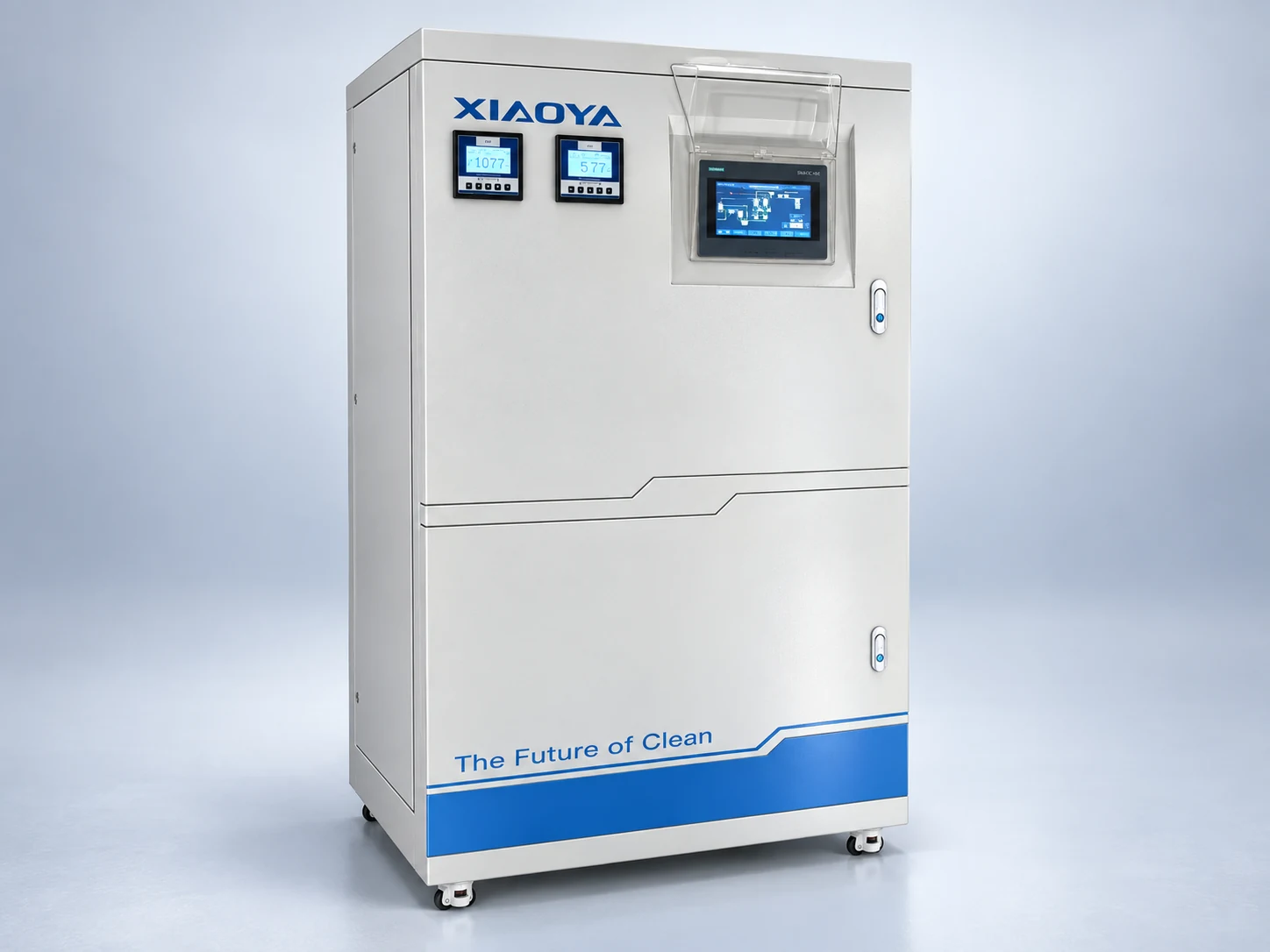
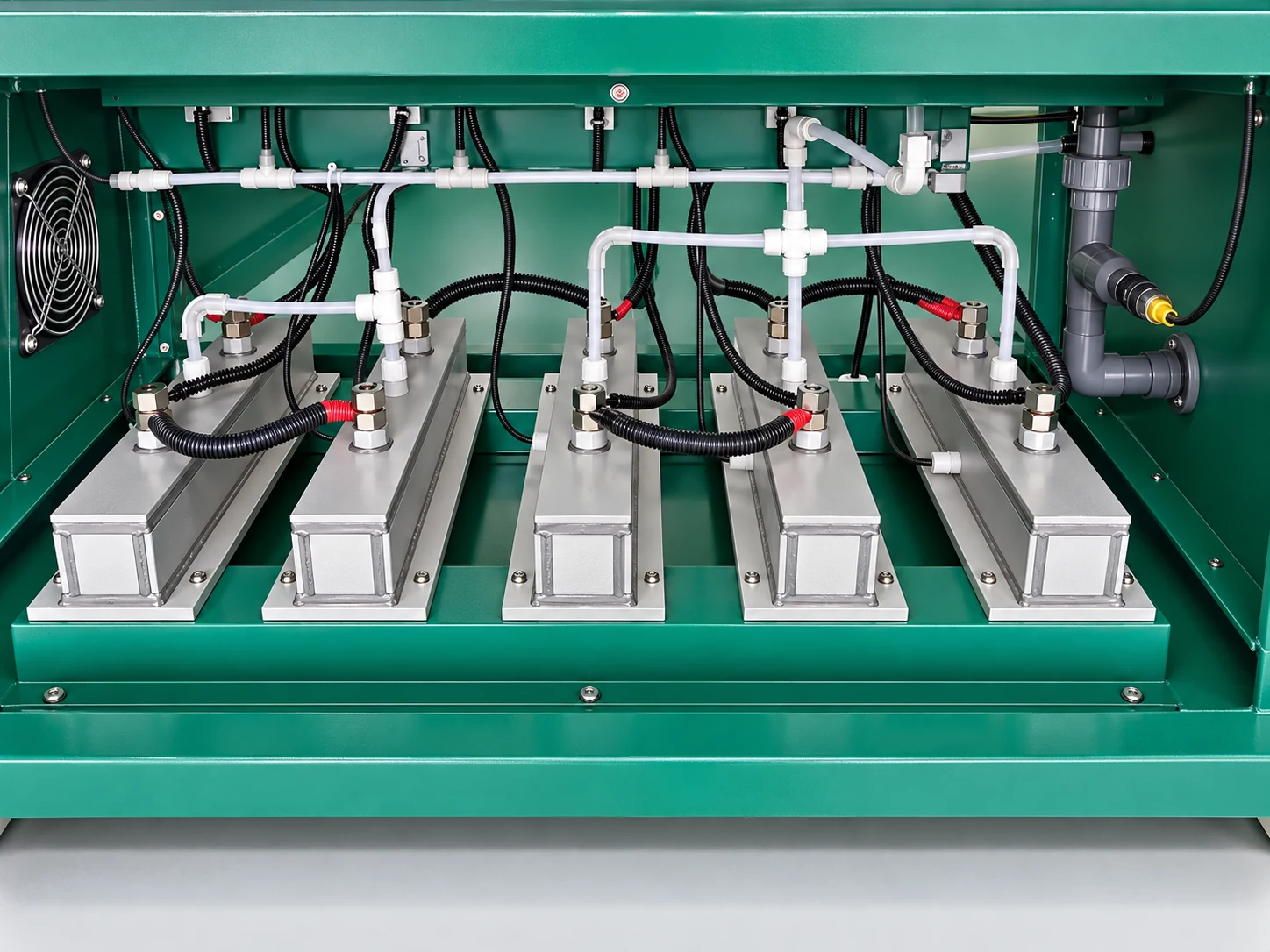
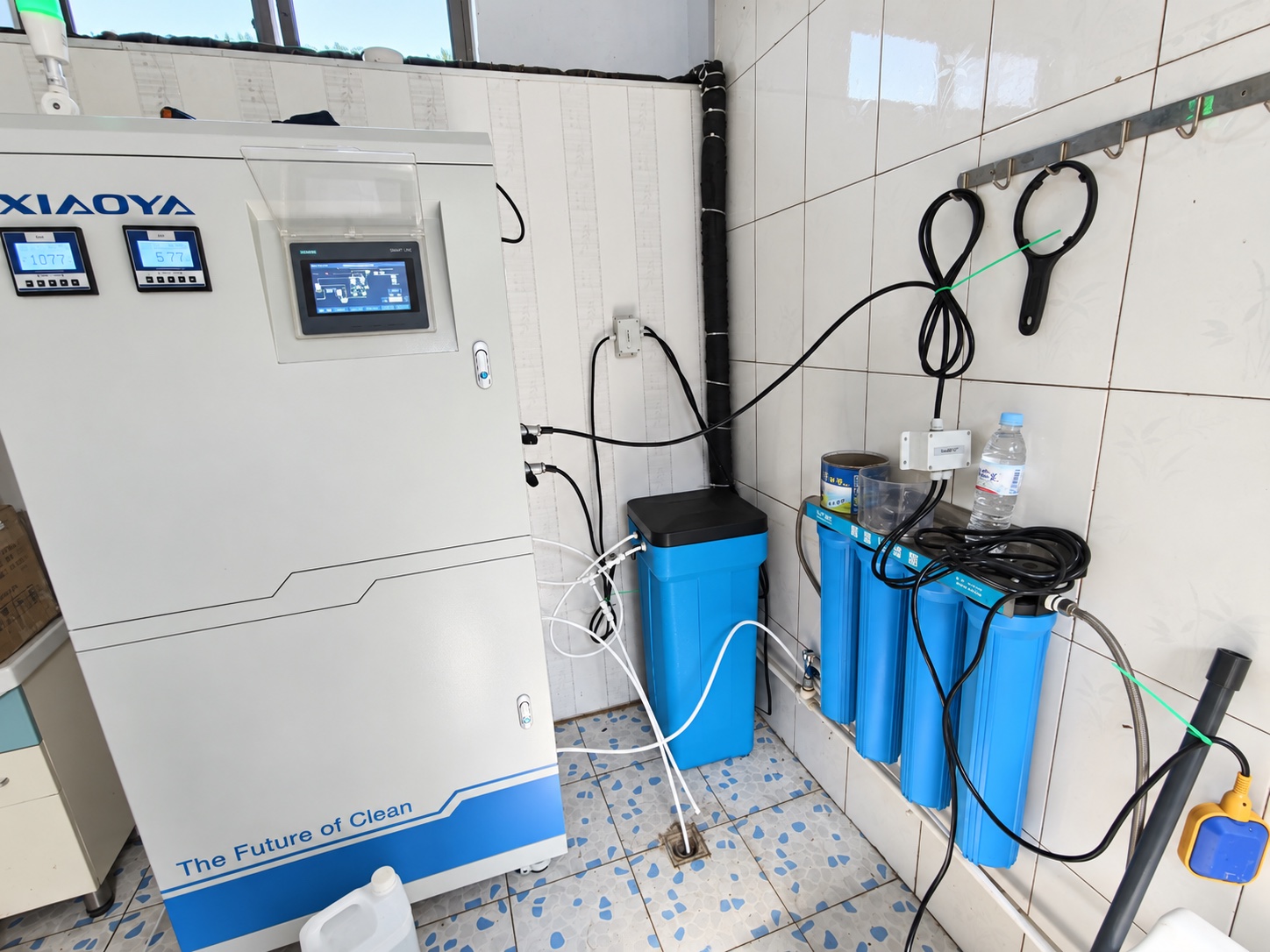
Walking into the disinfection room of a seafood processing workshop in Vietnam, you will find that sodium hypochlorite, chlorine dioxide, and a hypochlorous acid generator each occupy a corner of the workshop. This seafood processing workshop used to rely mainly on the first two disinfection methods, but sodium hypochlorite has a strong pungent odor and obvious residue, and chlorine dioxide is difficult to activate and requires extremely high concentration control. Later, this seafood processing factory took the initiative to consult us after seeing our website. With our professional technical guidance, they recommended a salt based hypochlorous acid generator for disinfection of food surfaces. The customer did not have to abandon the previous two disinfection methods. Based on this, we adjusted the division of labor for their workshop disinfection and ultimately solved the customer’s disinfection problem perfectly, saving a lot of costs.
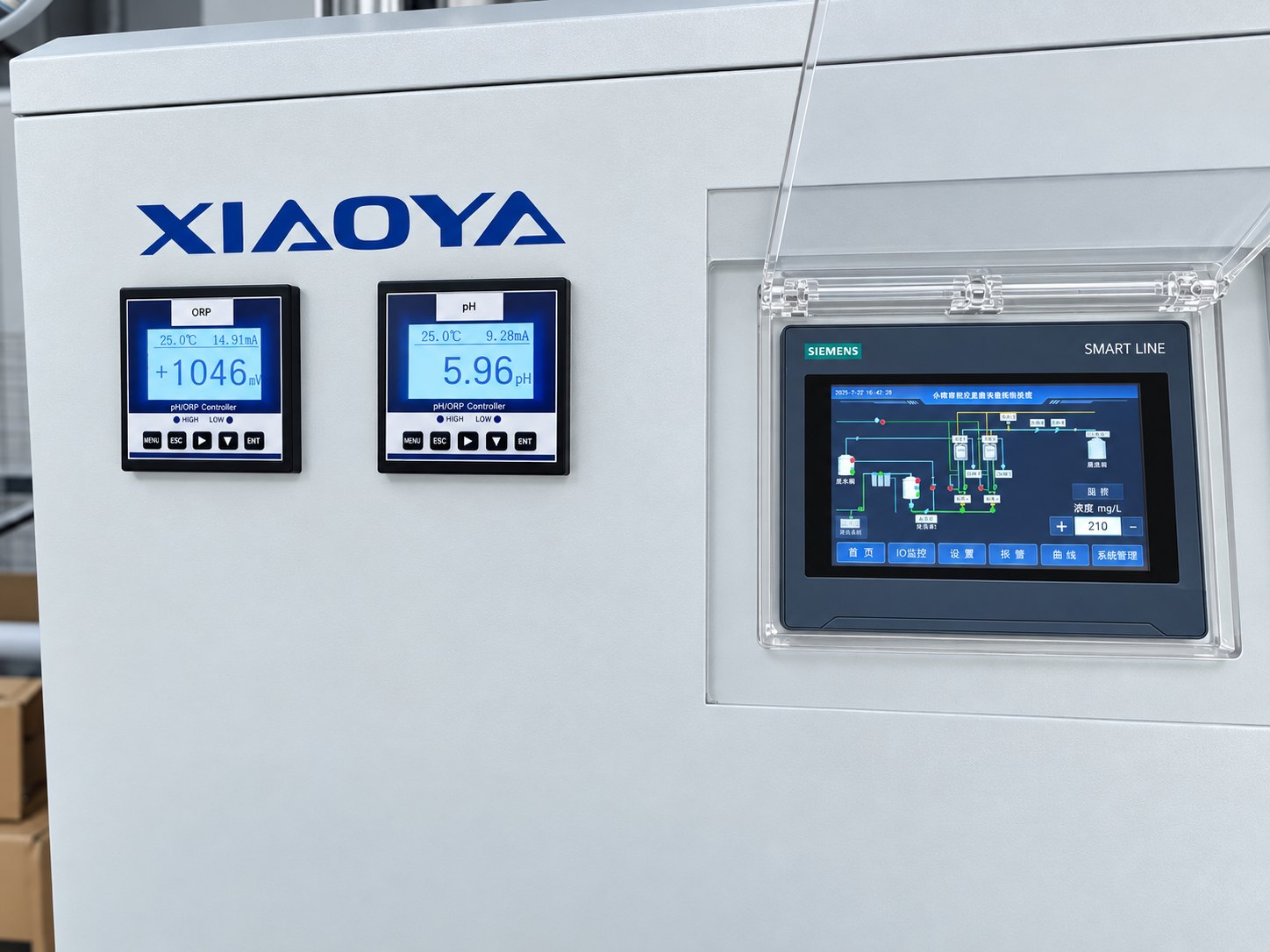
We mainly allocate different disinfection methods based on the area and contact surface of the customer’s workshop. We suggest that customers still use diluted sodium hypochlorite in rough areas such as ground drainage ditches and turnover boxes. This not only reduces costs but also ensures sufficient cleaning. Another example is pipeline and long-term wet dead corner. We recommend that customers use chlorine dioxide for deep disinfection and sterilization treatment. In this area, chlorine dioxide can penetrate the biofilm more stably. The key point is that we recommend our customer’s hypochlorous acid generator to produce mild hypochlorous acid water, which is mainly used for soaking workers’ hands, washing tables, spraying cutting tools and sorting tables, as well as spraying bacteria on the surface of raw fish. The advantage of a hypochlorous acid generator is that the produced hypochlorous acid water can be produced and used immediately, without worrying too much about a decrease in concentration after storage. The most important thing is that the effluent is neutral, and the effective chlorine concentration can be stable at 50-80ppm. Workers can wash their hands without feeling nauseous, and there is no need to repeatedly rinse the table with clean water after spraying, which also saves a lot of flushing water costs.
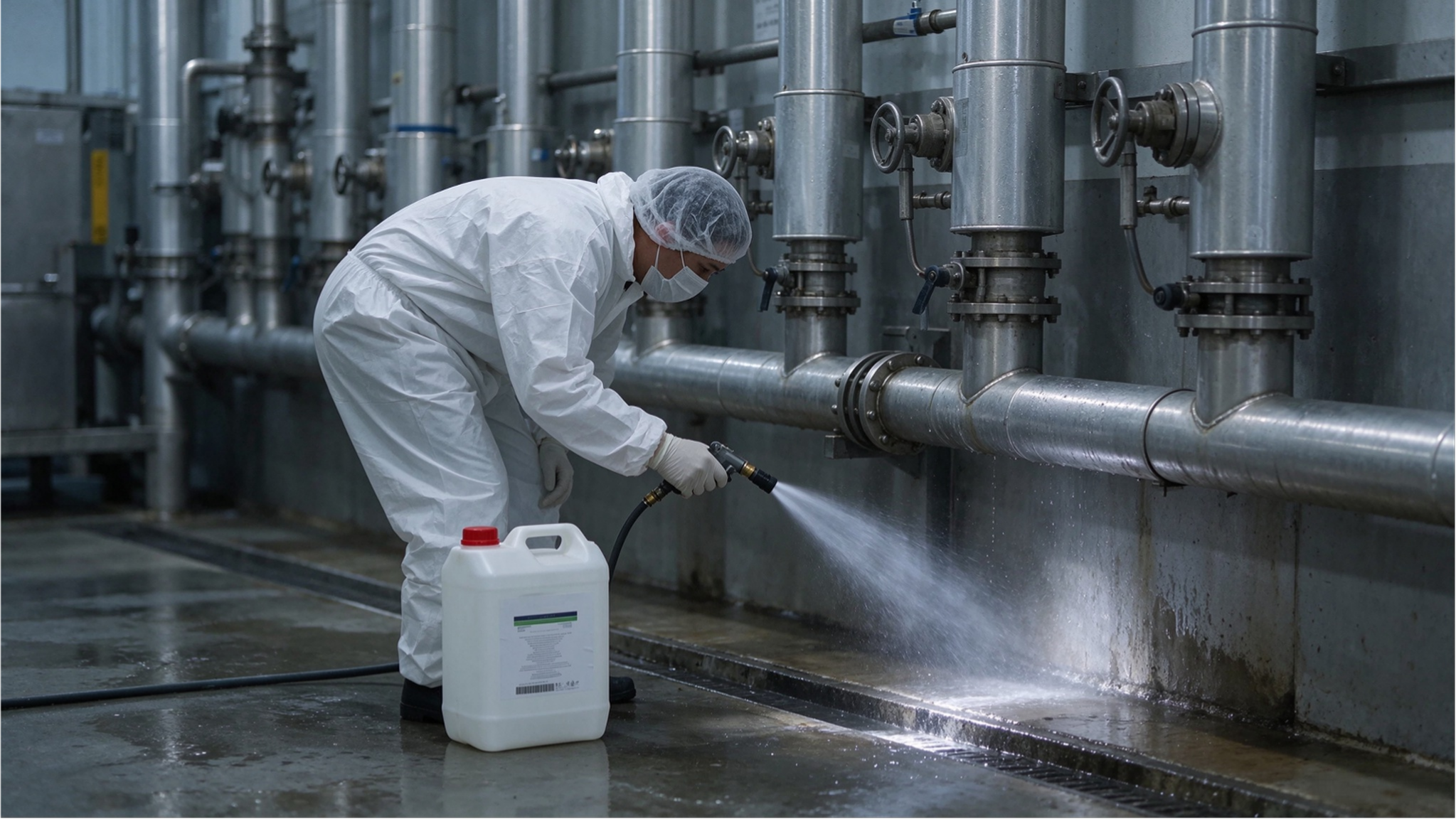
In fact, the key to division of labor is to place suitable disinfection products in suitable scenarios. Although sodium hypochlorite is cheap and has a wide spectrum of sterilization, its strong irritant properties make it unsuitable for surface contact with food. Chlorine dioxide is more suitable for periodic deep treatment, while hypochlorous acid has a lower water temperature but decomposes quickly, making it more suitable for high-frequency direct contact disinfection of food surfaces. The workers of this aquaculture company used to find it troublesome and did not disinfect frequently, but now they spray indiscriminately and the execution rate has increased. Recently, I heard feedback from the aquaculture company again that the total number of bacterial colonies on the counter and hands during the latest internal sampling has decreased by one order of magnitude compared to before. This result is what we, as professional manufacturers of hypochlorous acid generators, are most willing to hear, which can provide customers with practical solutions to problems.
Although we are a specialized manufacturer of hypochlorous acid generators, we do not recommend our generators without considering the actual application scenarios and costs of our customers. The owner of this aquaculture company is very grateful for our loyal suggestions and took the initiative to recommend some of his peers to purchase our Little Duck hypochlorous acid generator.