



The "subtraction" approach to disinfectants in CIP cleaning at dairy plants: reduce dosage and prioritize solid process control
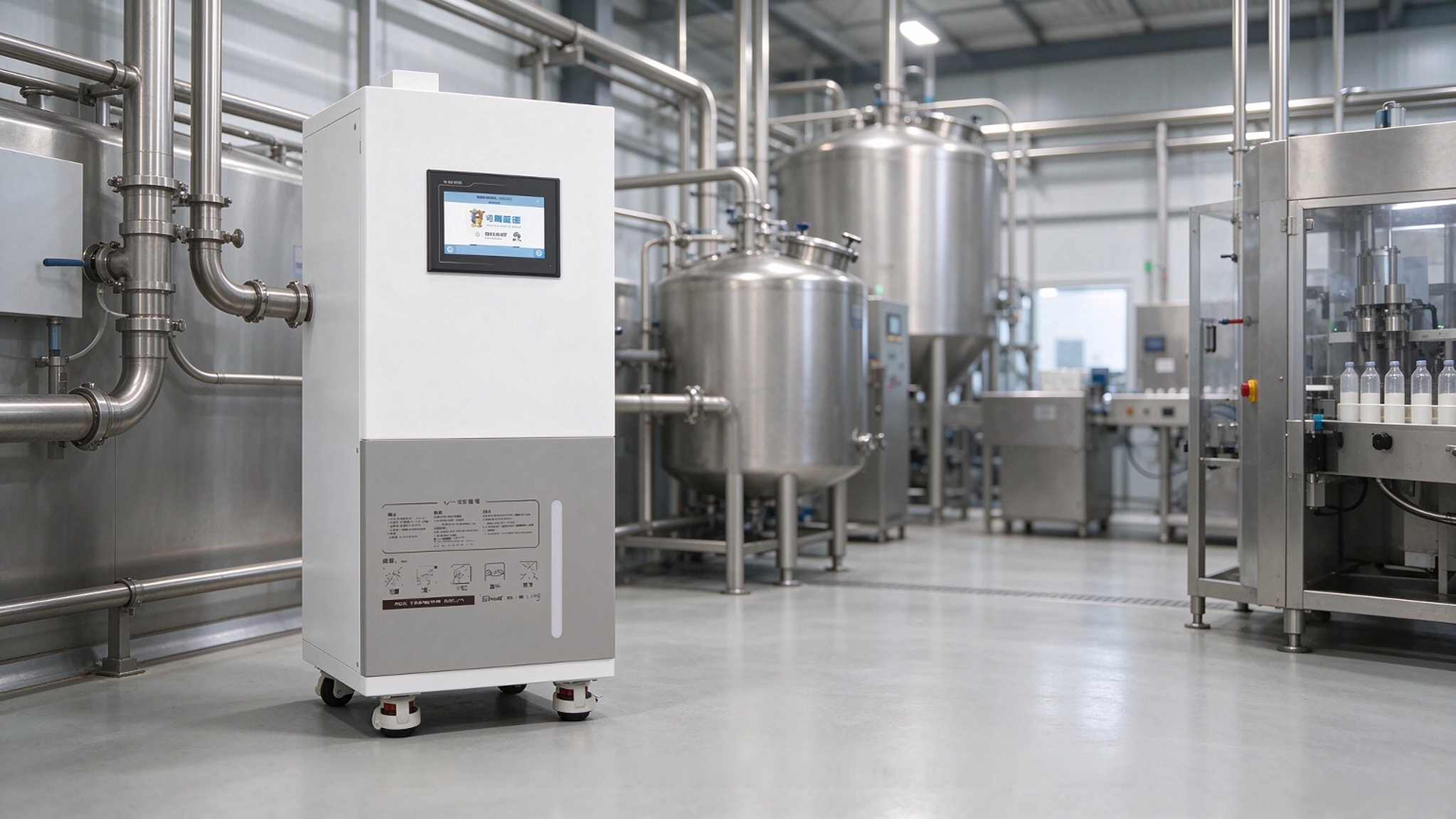
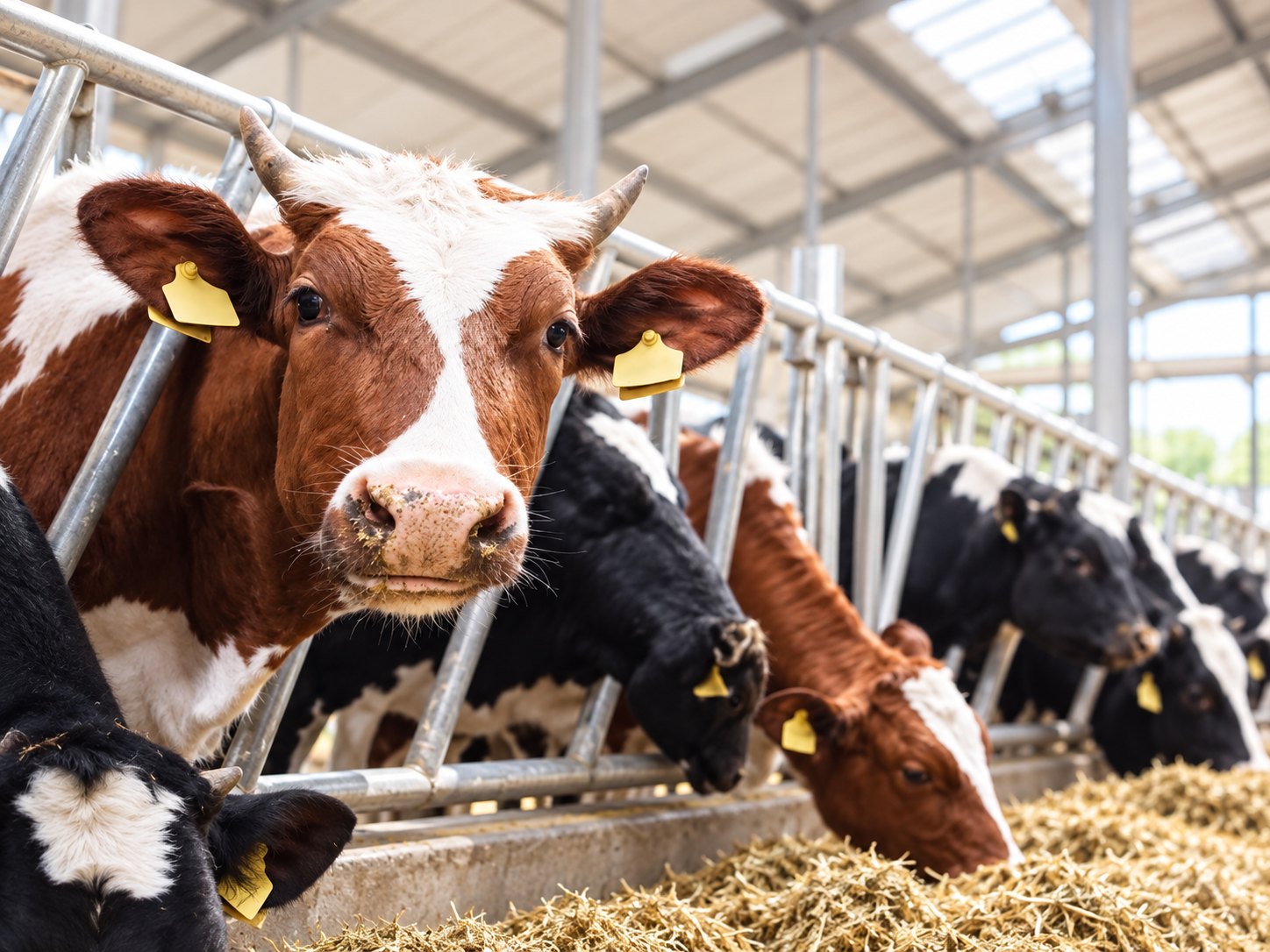
I have been deeply involved in the production of hypochlorous acid generators for many years, and I have had many customer cases. However, the most impressive one for me is that the CIP cleaning and disinfection in the dairy factory only involves addition. I have a domestic dairy factory customer who inquired about my hypochlorous acid generator. They told me that their previous CIP method was to pre rinse for eight minutes, alkali wash for twenty minutes, then rinse with a large amount of water in the middle, followed by acid washing for fifteen minutes, and finally disinfect with 200 ppm sodium hypochlorite for ten minutes. Before coming into contact with the hypochlorous acid generator, their cleaning and disinfection methods were always like this.
This customer told me that many dairy manufacturers still follow this fixed cleaning and disinfection mode. Once they notice fluctuations in microbial results, the first thing they think of is to add more disinfectant to it. But what they didn’t know was that the extra disinfectant didn’t solve the problem at the root, instead increasing the residual chlorine and even masking the previous cleaning deficiencies.
The subtraction of disinfectants is not about superficially removing disinfection, but about removing the ineffective addition caused by insufficient cleaning. Imagine if there is still milk fat and protein on the stainless steel surface of a dairy production line after several rounds of washing, then the disinfectant is not facing a completely clean surface. In this case, even if the concentration is increased, it may not be able to completely disinfect bacteria.
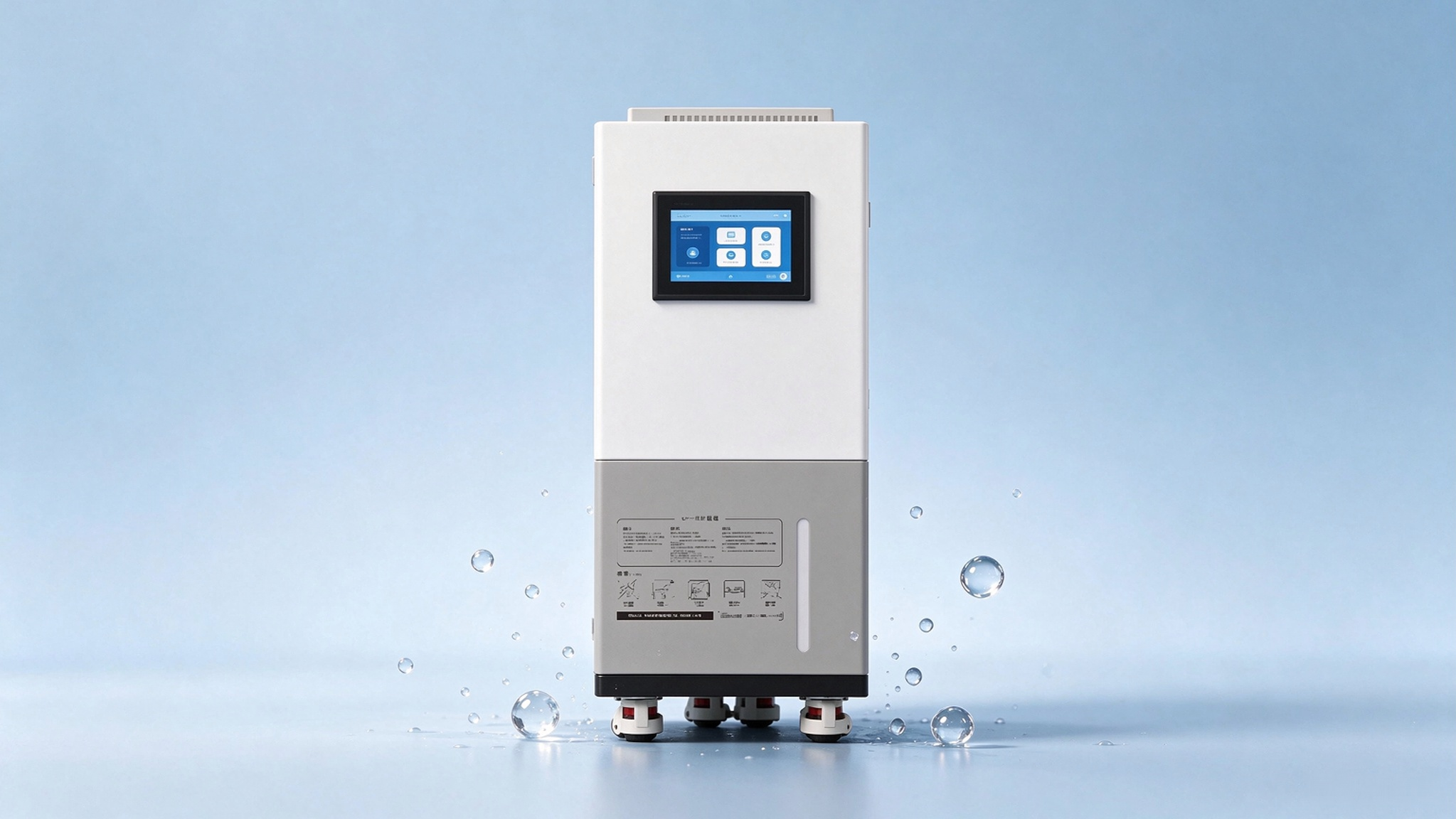
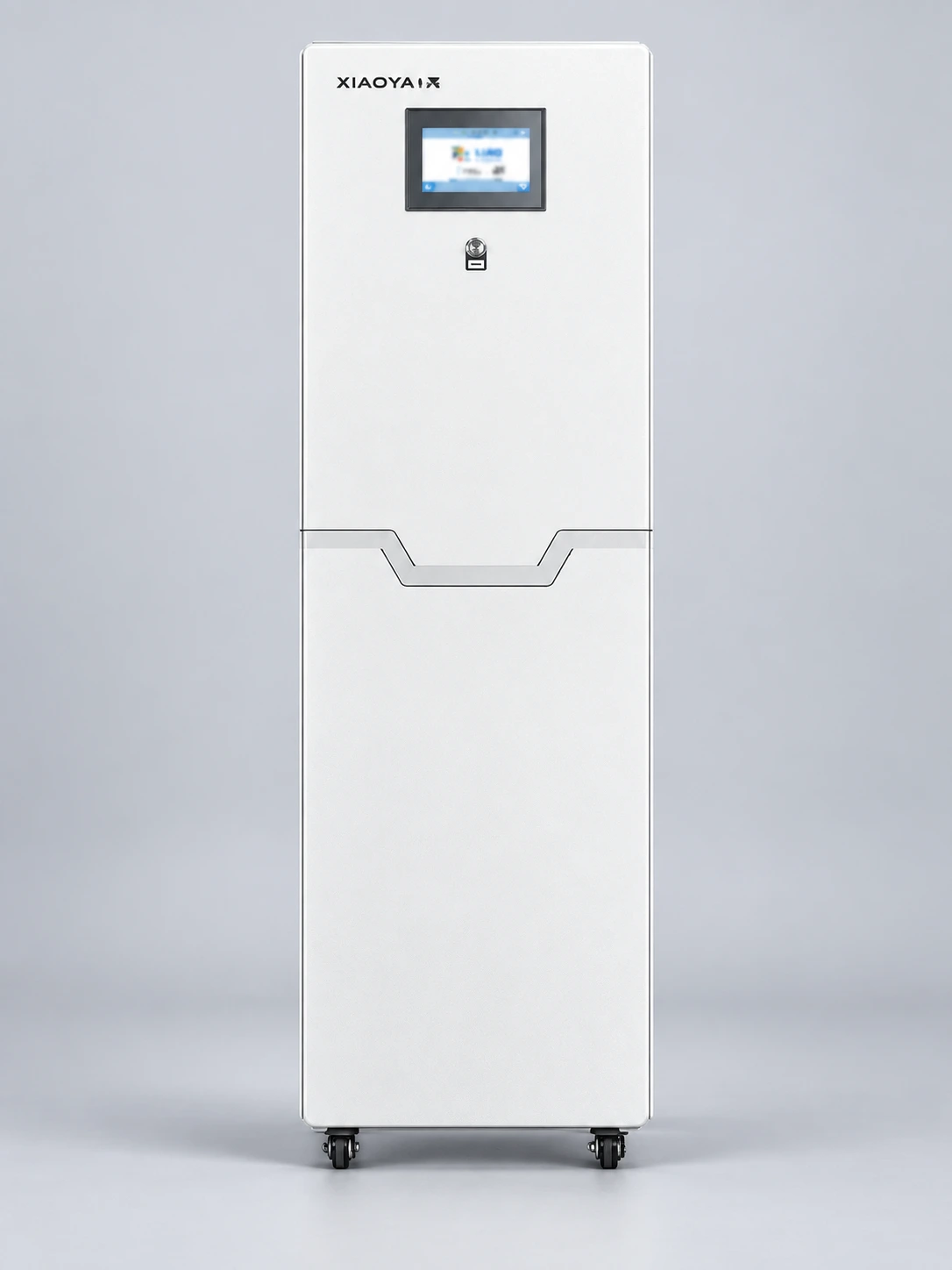
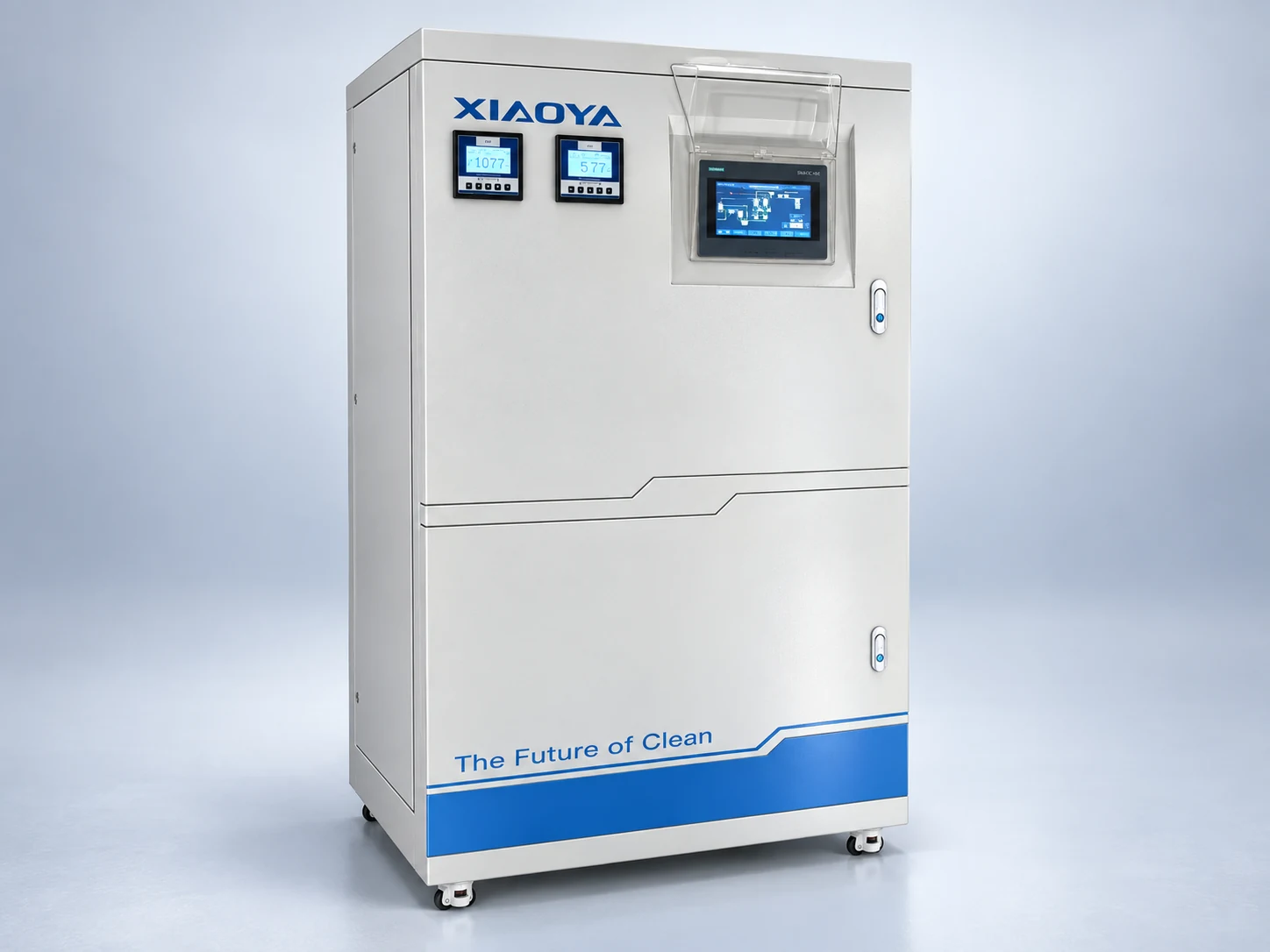
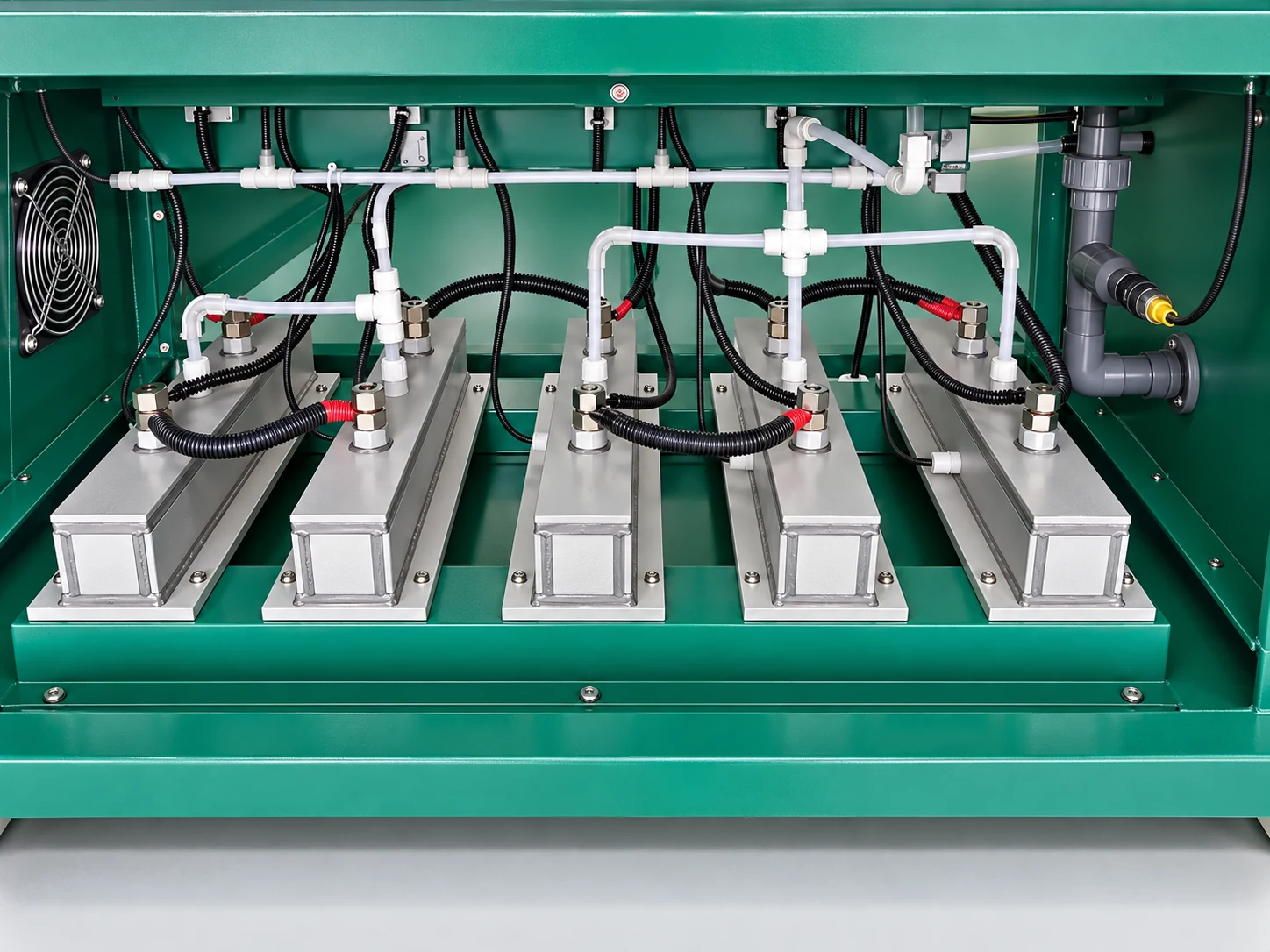
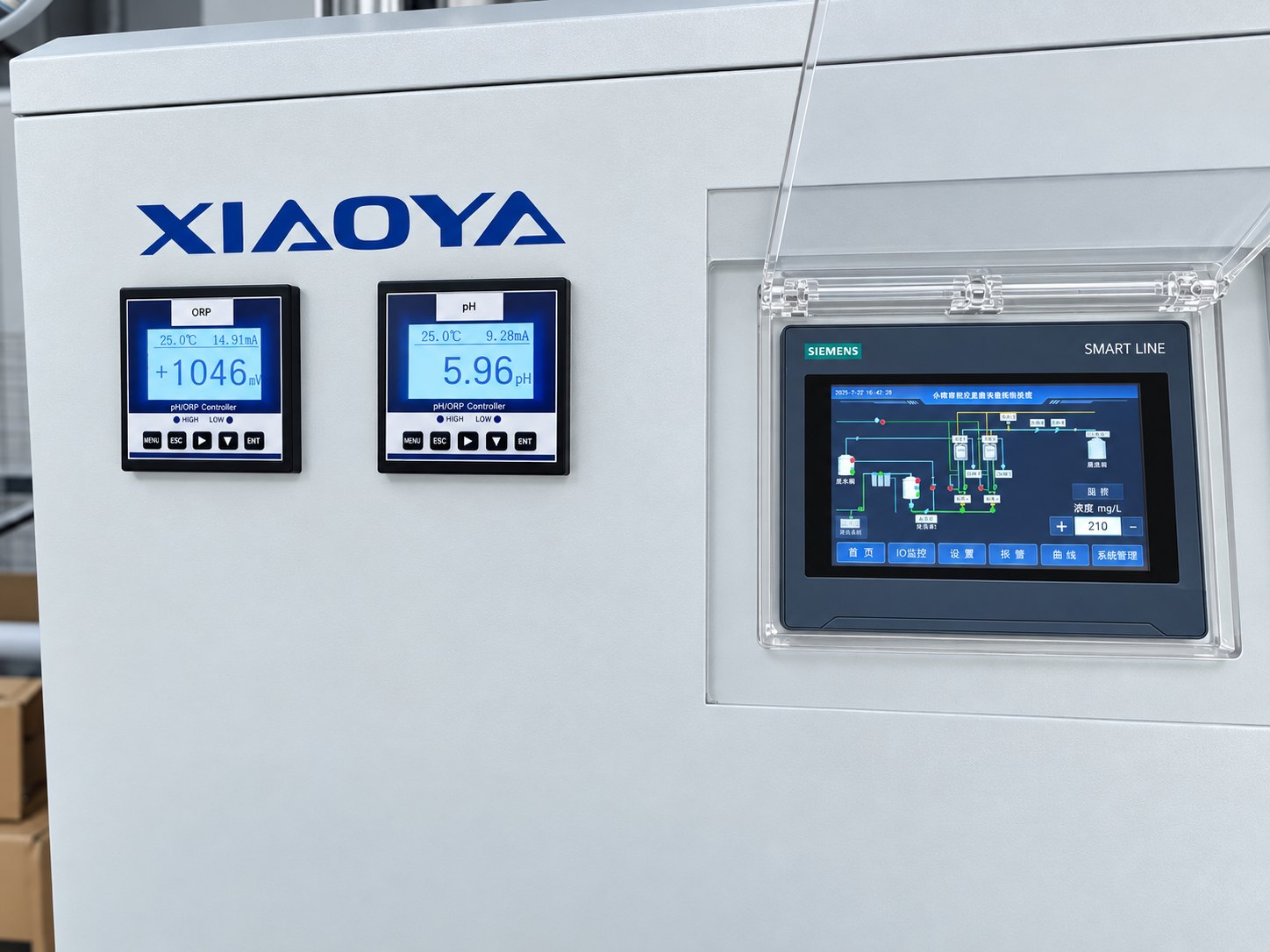
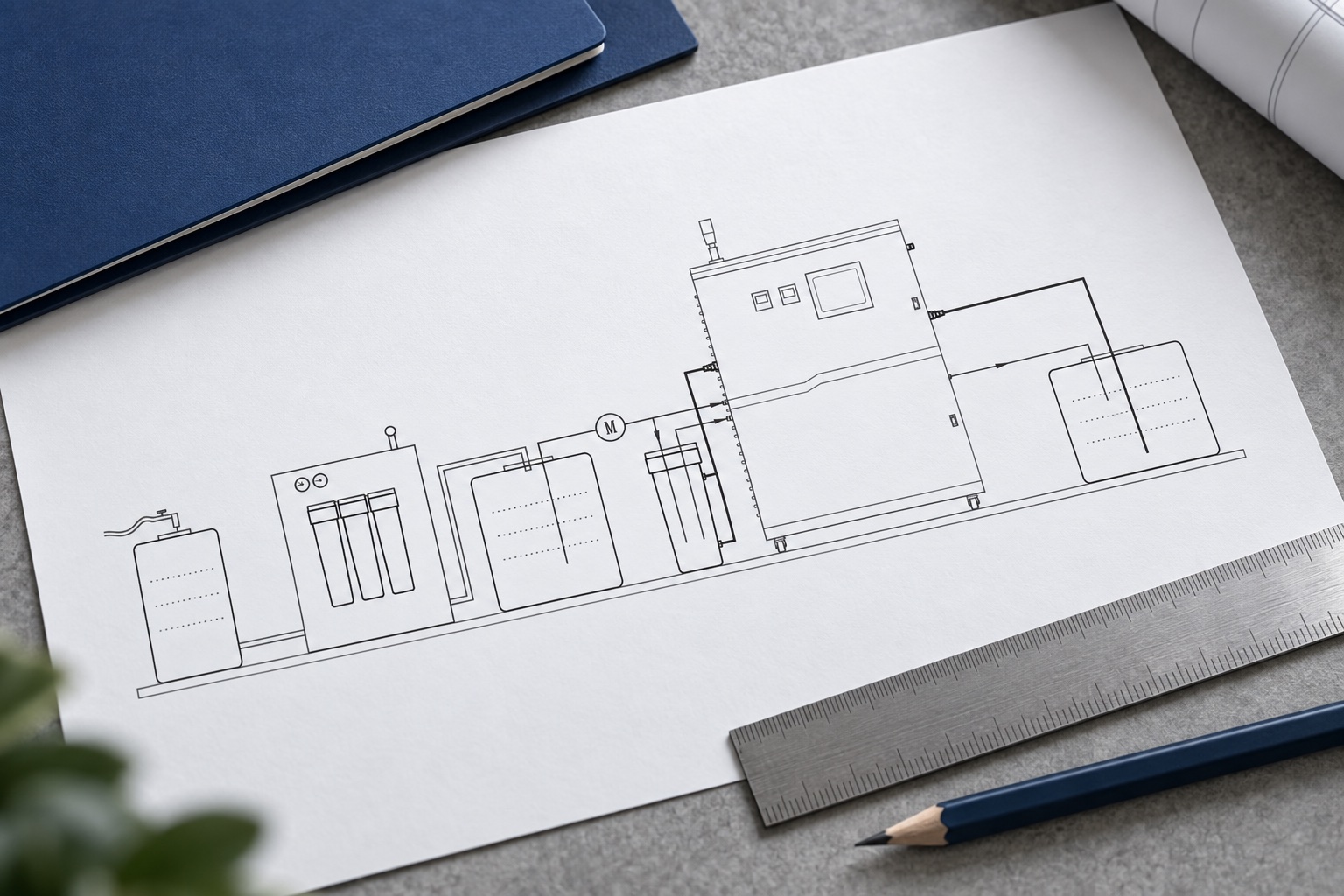
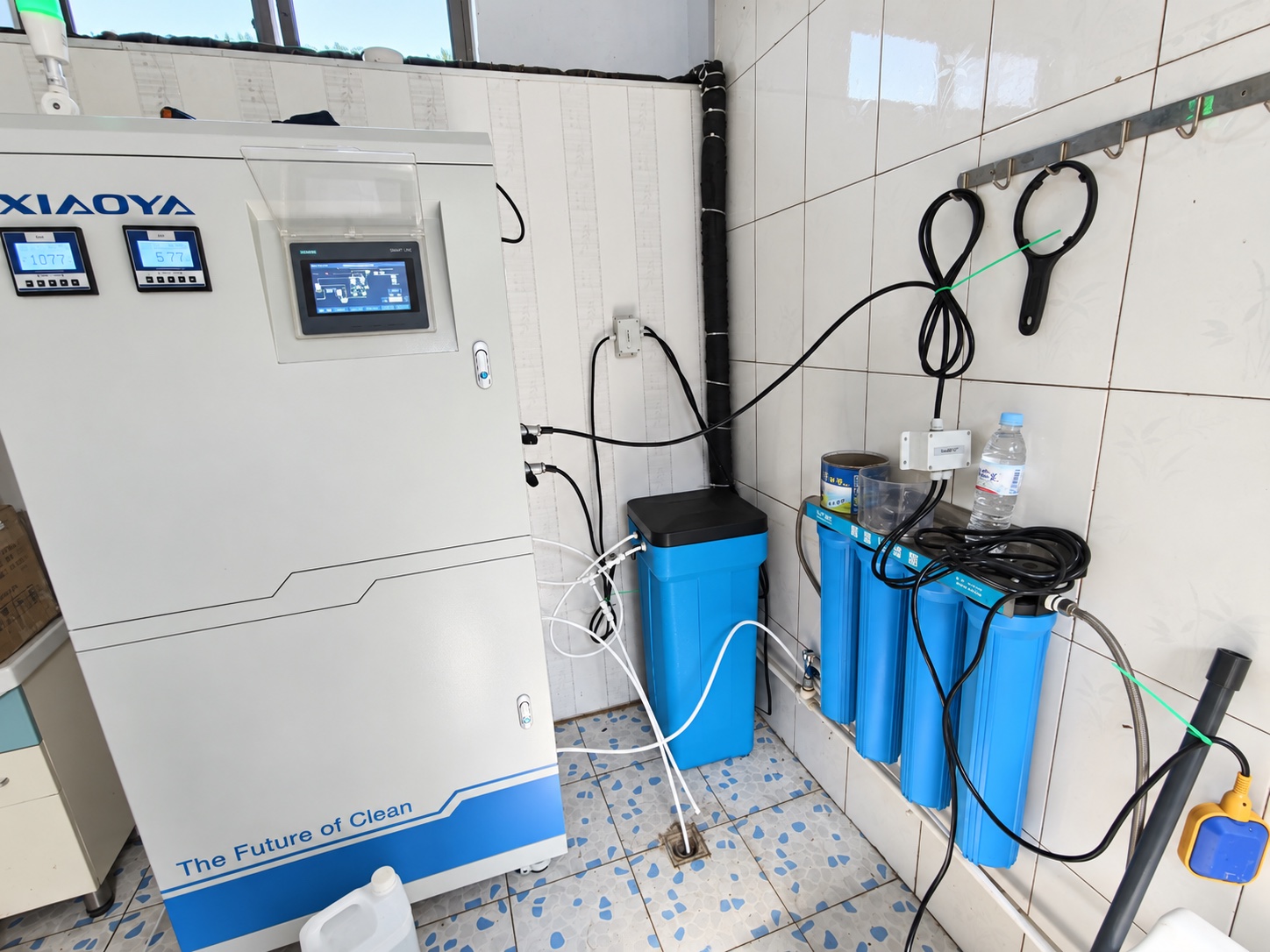
Therefore, only when the cleaning work in front is done in place can the disinfection and sterilization stability of the disinfectants in the back be guaranteed. We still need to look at cleaning and disinfection separately. But the real difficulty of disinfectants is actually “on-demand”. The concentration of disinfectants needs to be determined according to different contact surfaces, disinfected colonies, and contact time. On demand refers to the concentration of disinfectants that can be adjusted at any time according to the needs of different scenarios. This is also the reason why the preparation of hypochlorous acid generators in the field is highly concerned. It mainly uses salt, water, and electricity as raw materials, with low cost and the ability to adjust concentration for on-demand production.
Another advantage of hypochlorite is that it is neutral HClO, which can directly penetrate the cell membrane of bacteria and destroy bacteria through oxidation, thus achieving disinfection and sterilization effect. We once conducted an experiment where, at the same effective chlorine concentration, the bactericidal ability of hypochlorous acid was more than an order of magnitude higher than that of sodium hypochlorite.
In fact, for most dairy companies nowadays, the pressure in terms of cost, residue, and environmental protection is still increasing, and the disinfectant steps are being re examined. If you also encounter the same problem, feel free to contact us. We are a professional manufacturer of small duck hypochlorous acid generators, specializing in providing customized solutions for customers who are troubled by different disinfection problems.