During the off-hours of the slaughterhouse: Who is taking over the night shift disinfection
2026-10-31 10:09:06
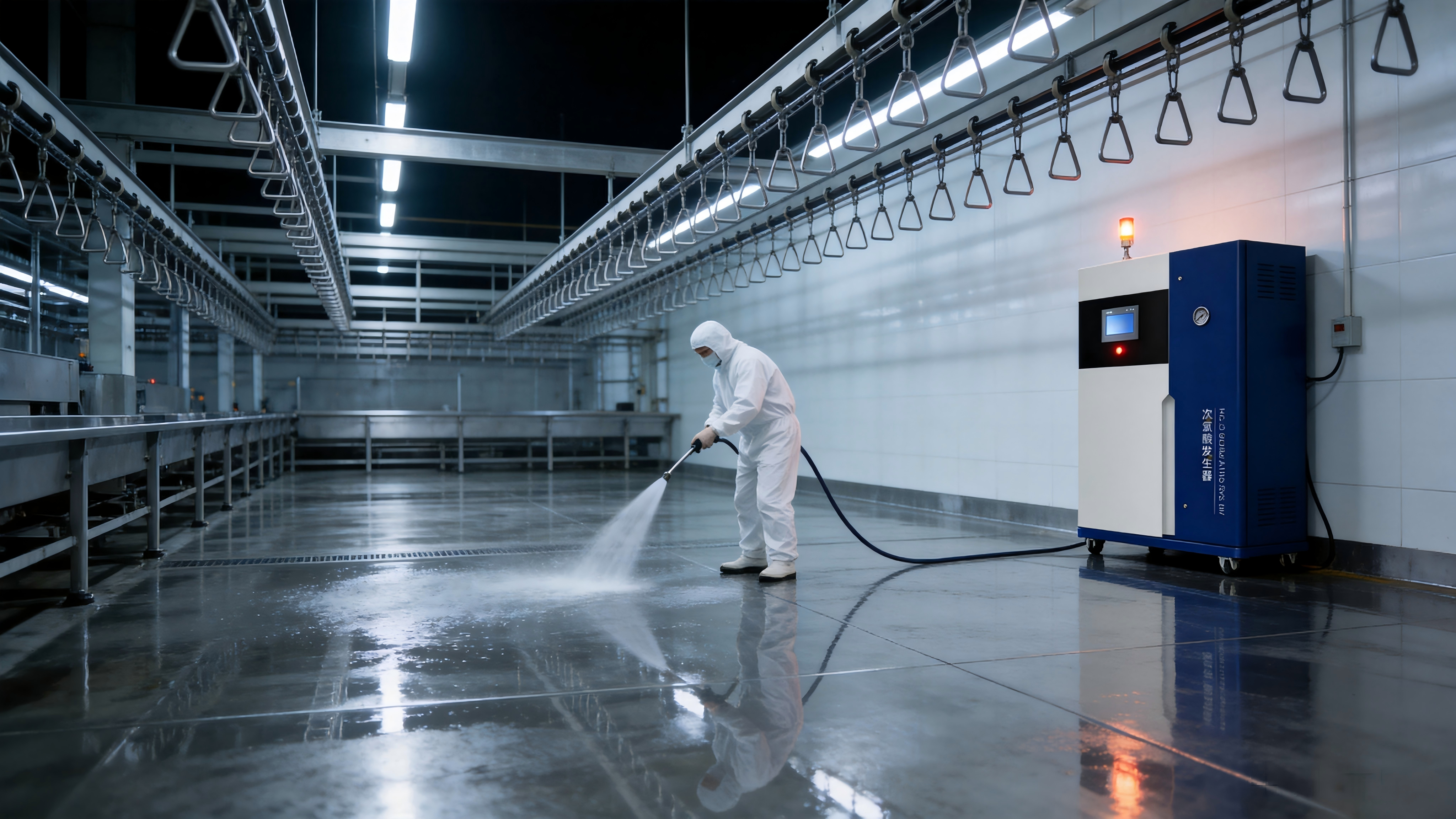
At 6 a.m., the day shift workers from the slaughterhouse walked in on the still-damp ground. The workshop was filled with only the smell of wet steel, nothing else. However, production had stopped around midnight. The last few animals were hooked up and the carcasses entered the cooling room, while empty turnover boxes were pushed to the wall. The previous day’s shift had left early, and it was the night cleaning crew who cleaned up everything. Can you imagine that? This cleaning crew only had one disinfection device that didn’t wear a badge and didn’t receive night shift allowance: a hypochlorous acid generator.
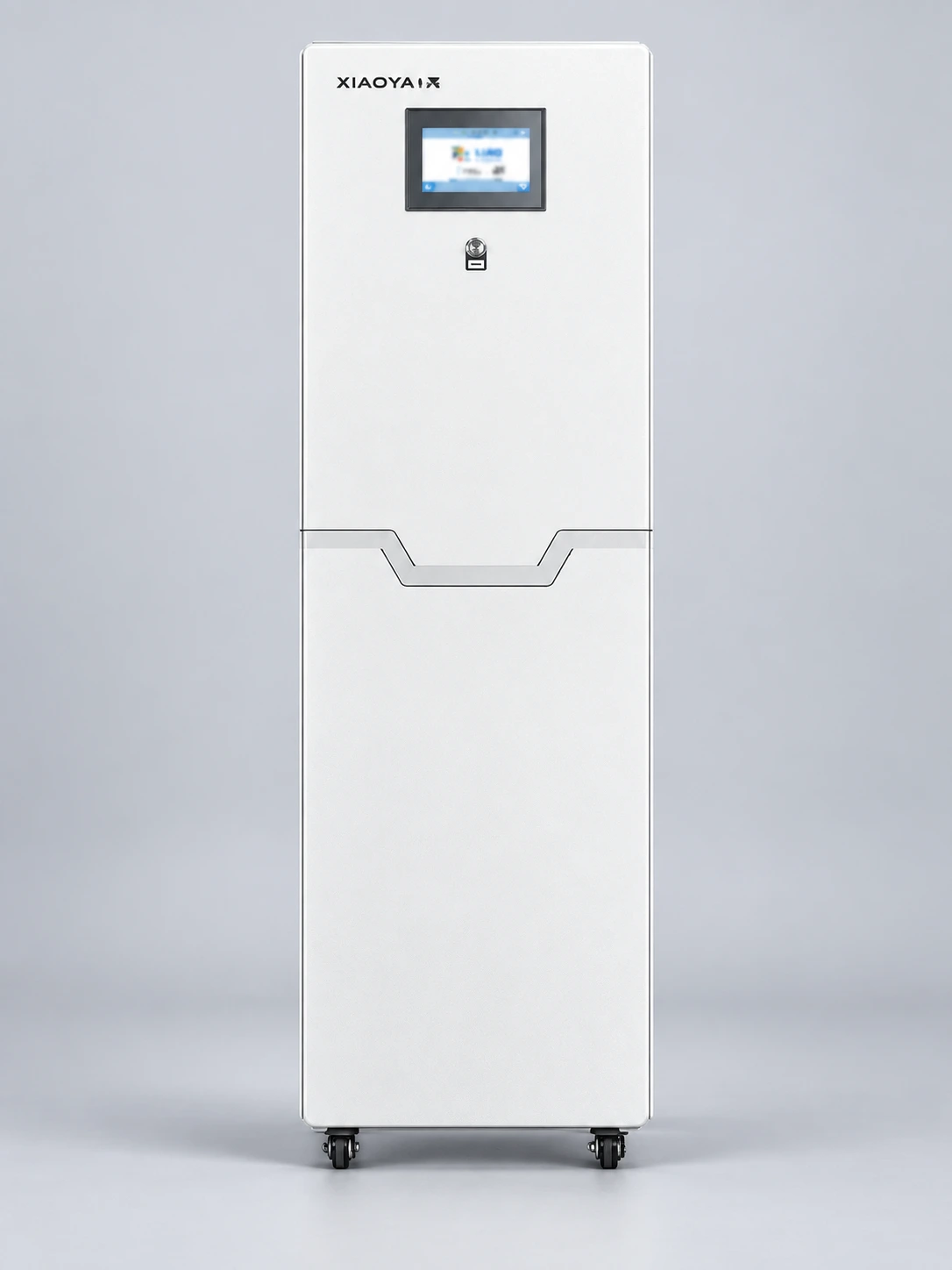
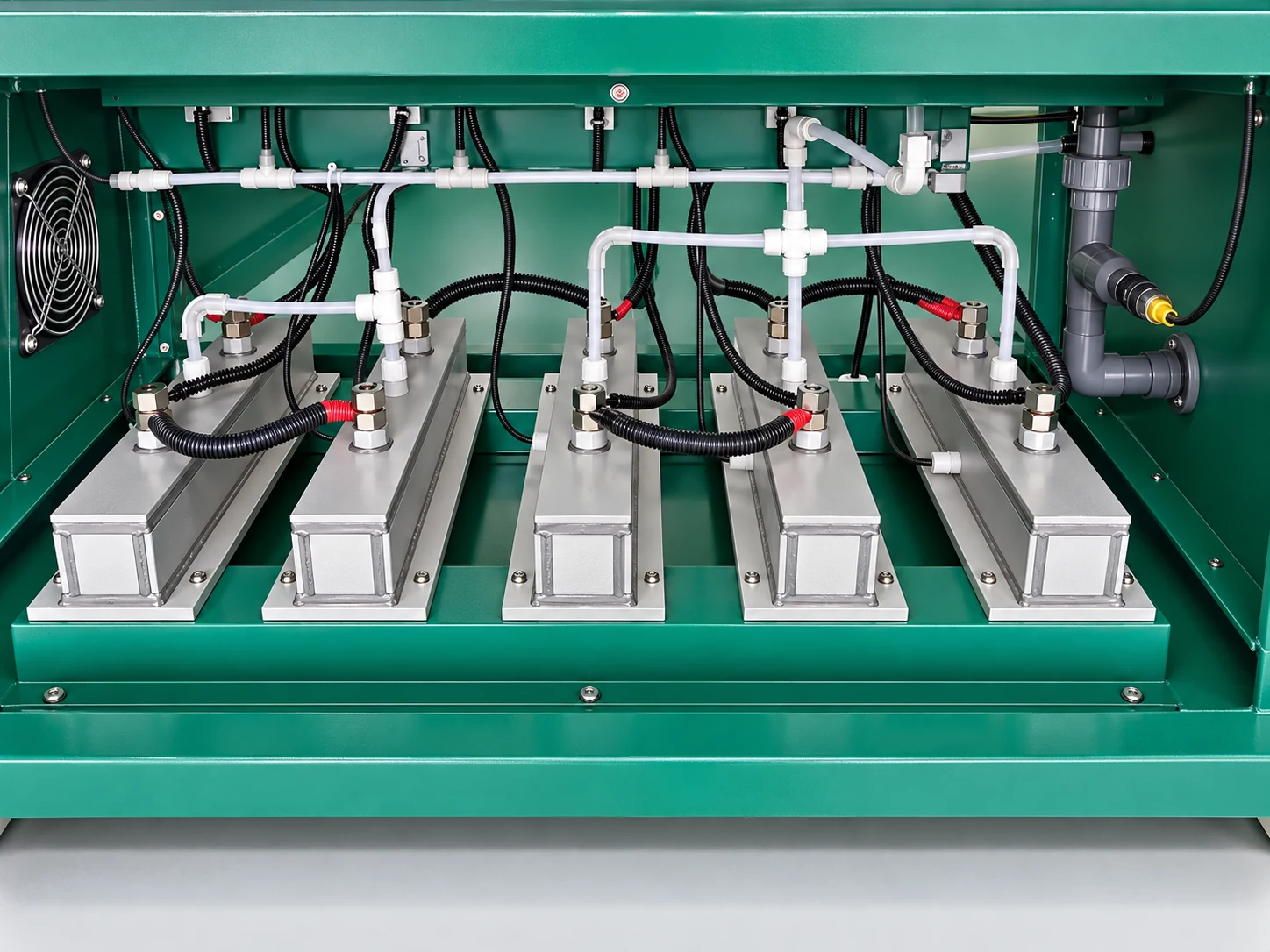
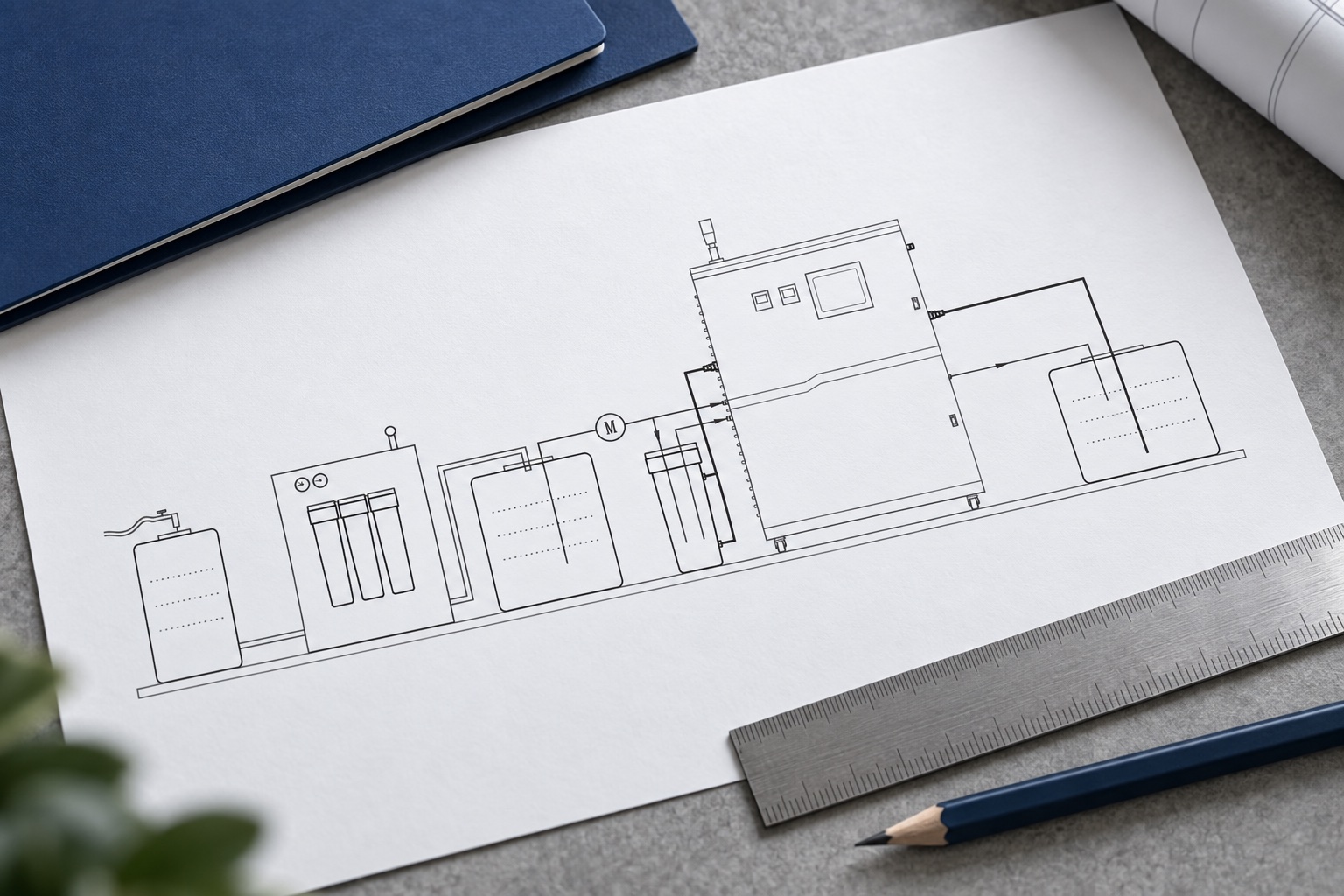
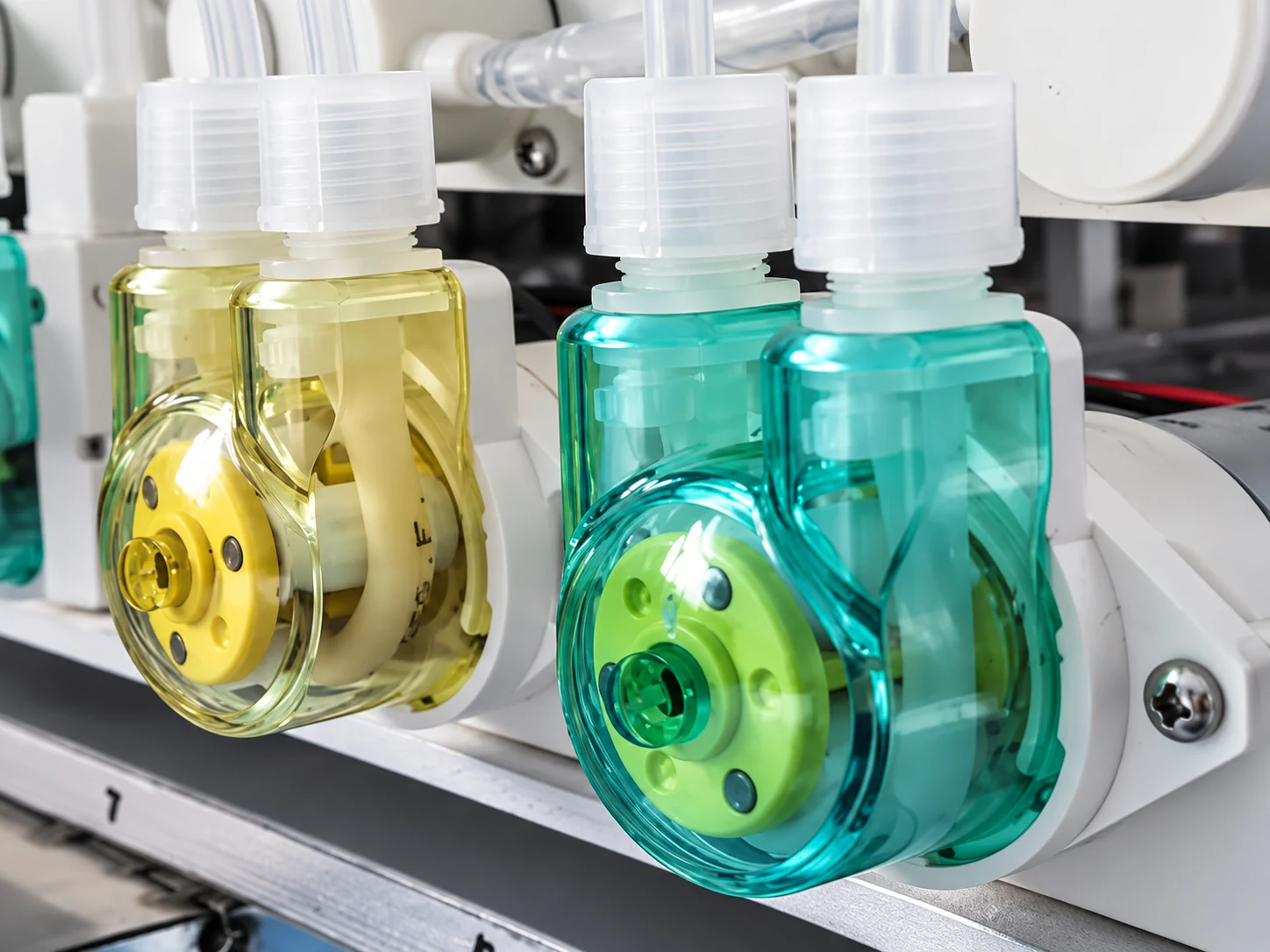
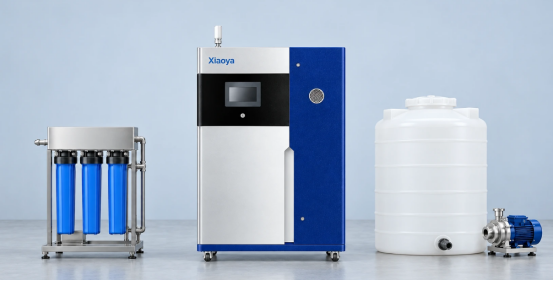
The hypochlorous acid generator itself is not mysterious. It only requires water, electricity, and hydrochloric acid. Through the oxidation-reduction reaction in the electrolytic cell, it can produce fresh hypochlorous acid. The electrolytic cell is developed by Xiaoya Group itself. The electrode is made of titanium coated with ruthenium and iridium, and its design life is marked as not less than 5,000 hours. So, if it is operated for six hours every night, over 830 night shifts, which is more than two years, the savings are not a little bit. Xiaoya Group has now made the electrolytic cell a product line, ranging from small machines to large units that can produce 12 tons per hour. Different production equipment can be customized according to customer needs.
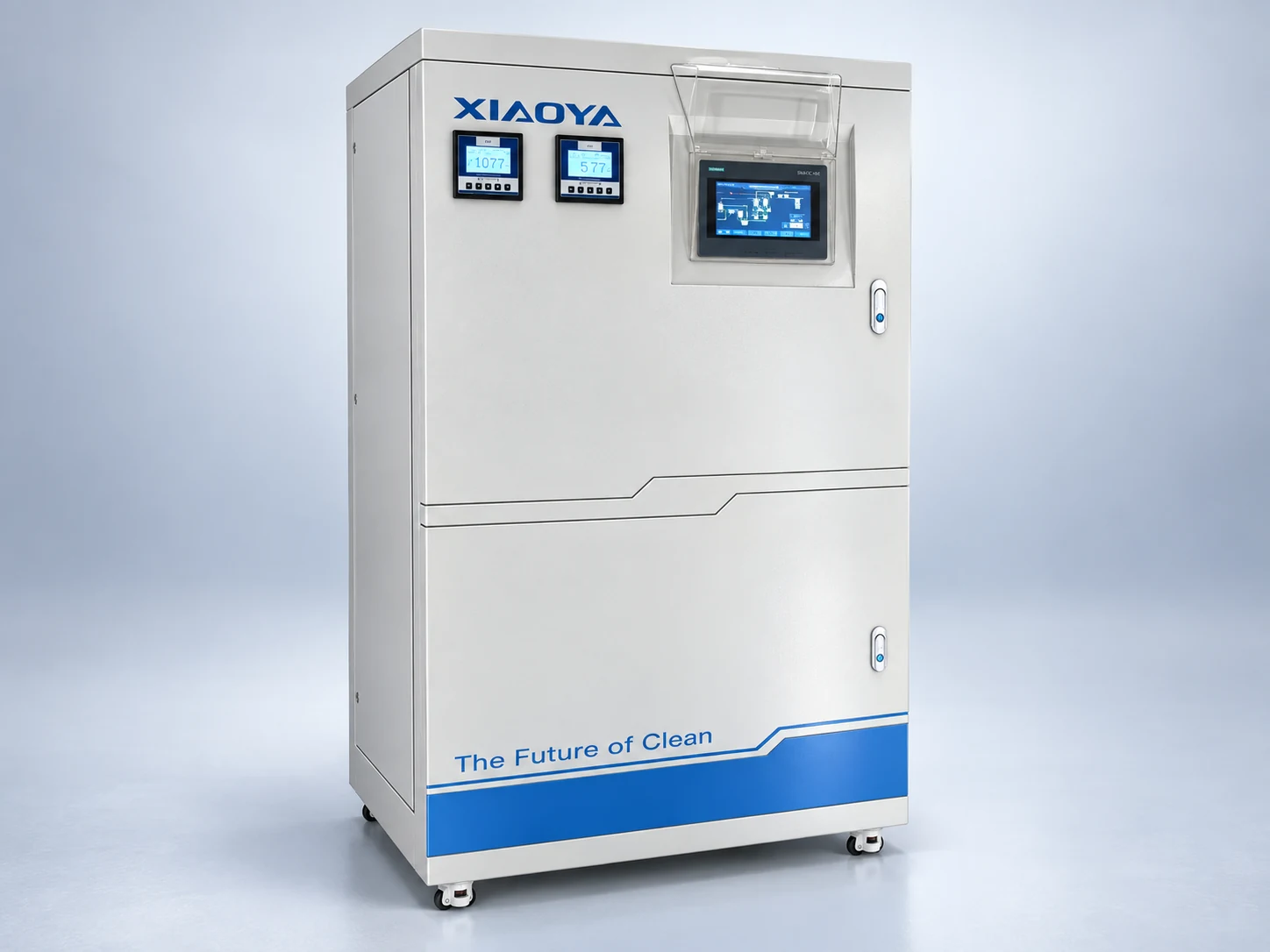
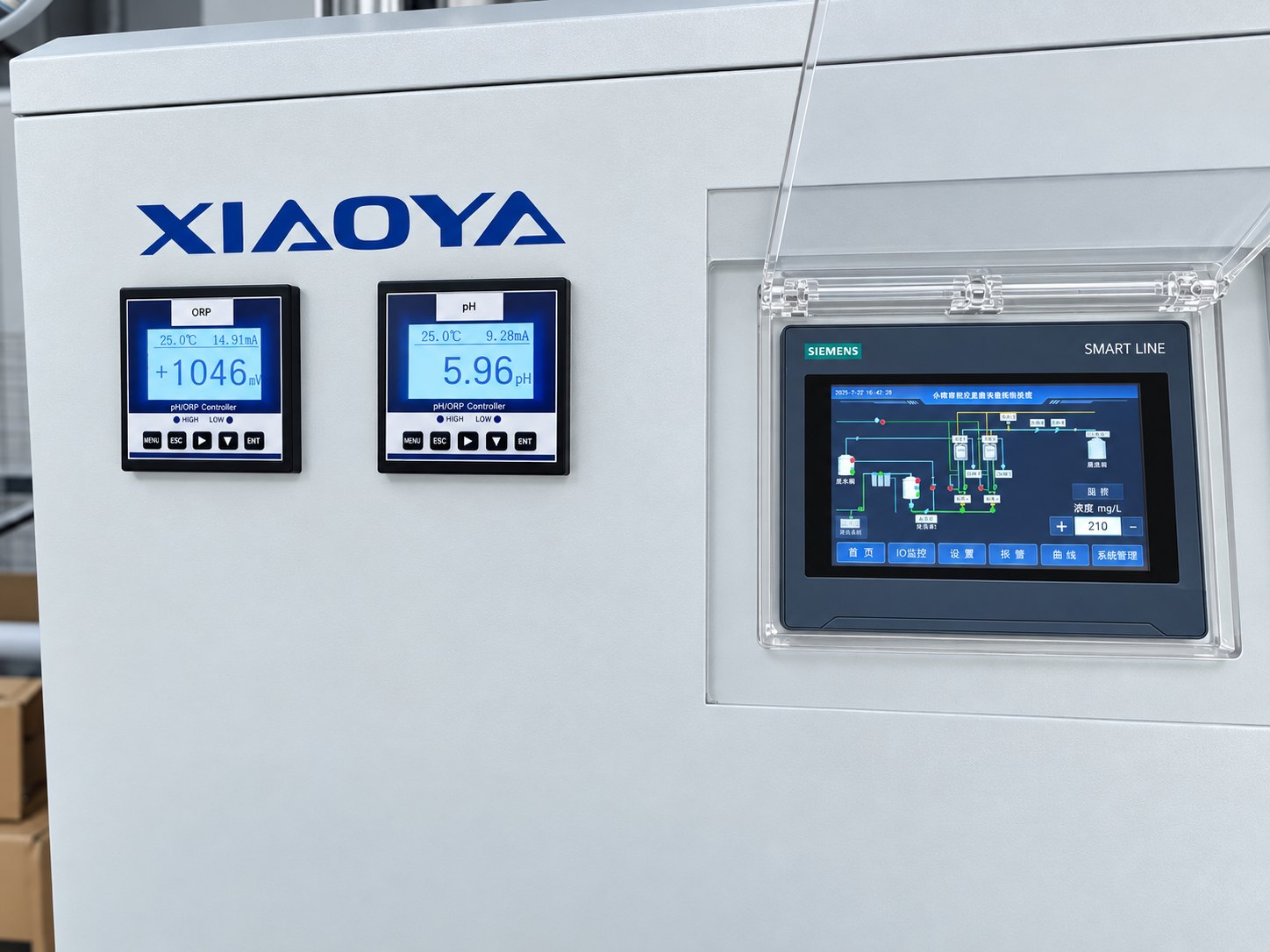
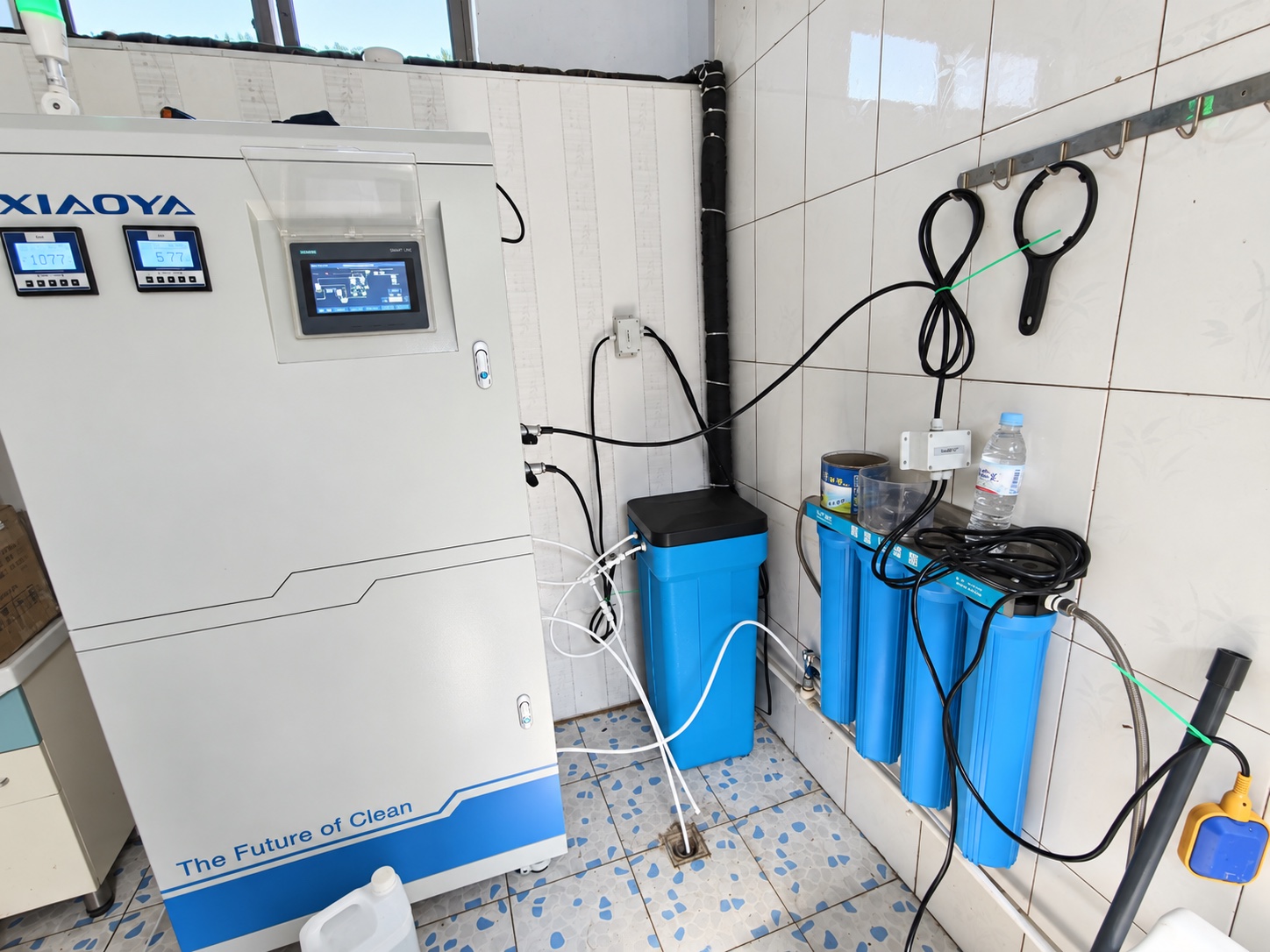
Place the hypochlorous acid generator in the slaughterhouse, and this equipment should be paired with a concentration meter. For floors, walls, and passageways, the concentration should be 300 to 500 milligrams per liter; for the bleeding channel, it should be 700 to 1000; and for the equipment surface, it should be 200 to 300. Based on these requirements, our AQ-P1000 is a perfect choice. This machine’s effective chlorine range is 10 to 300 ppm, with a pH of 5.0 to 6.5.
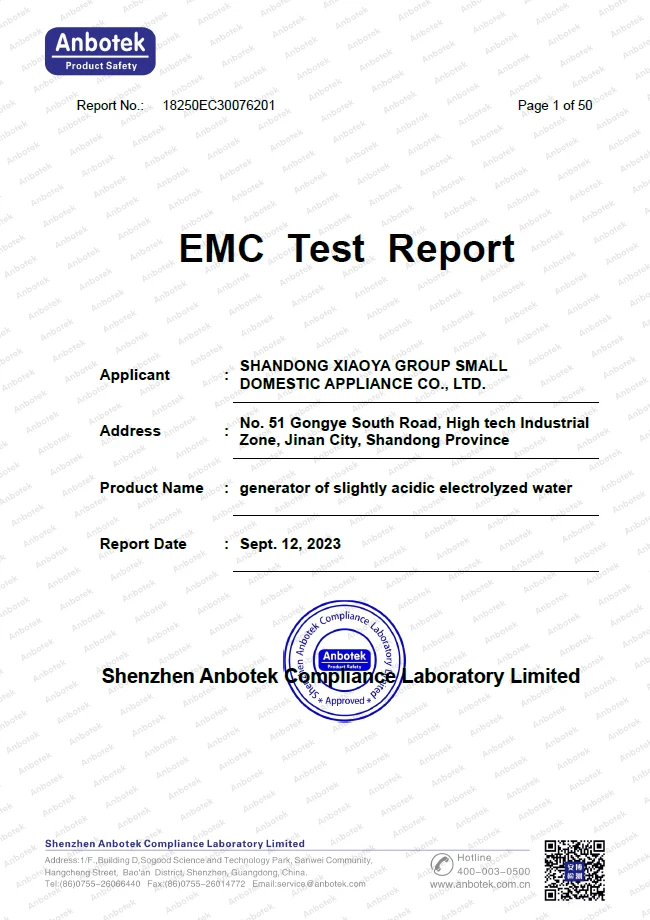
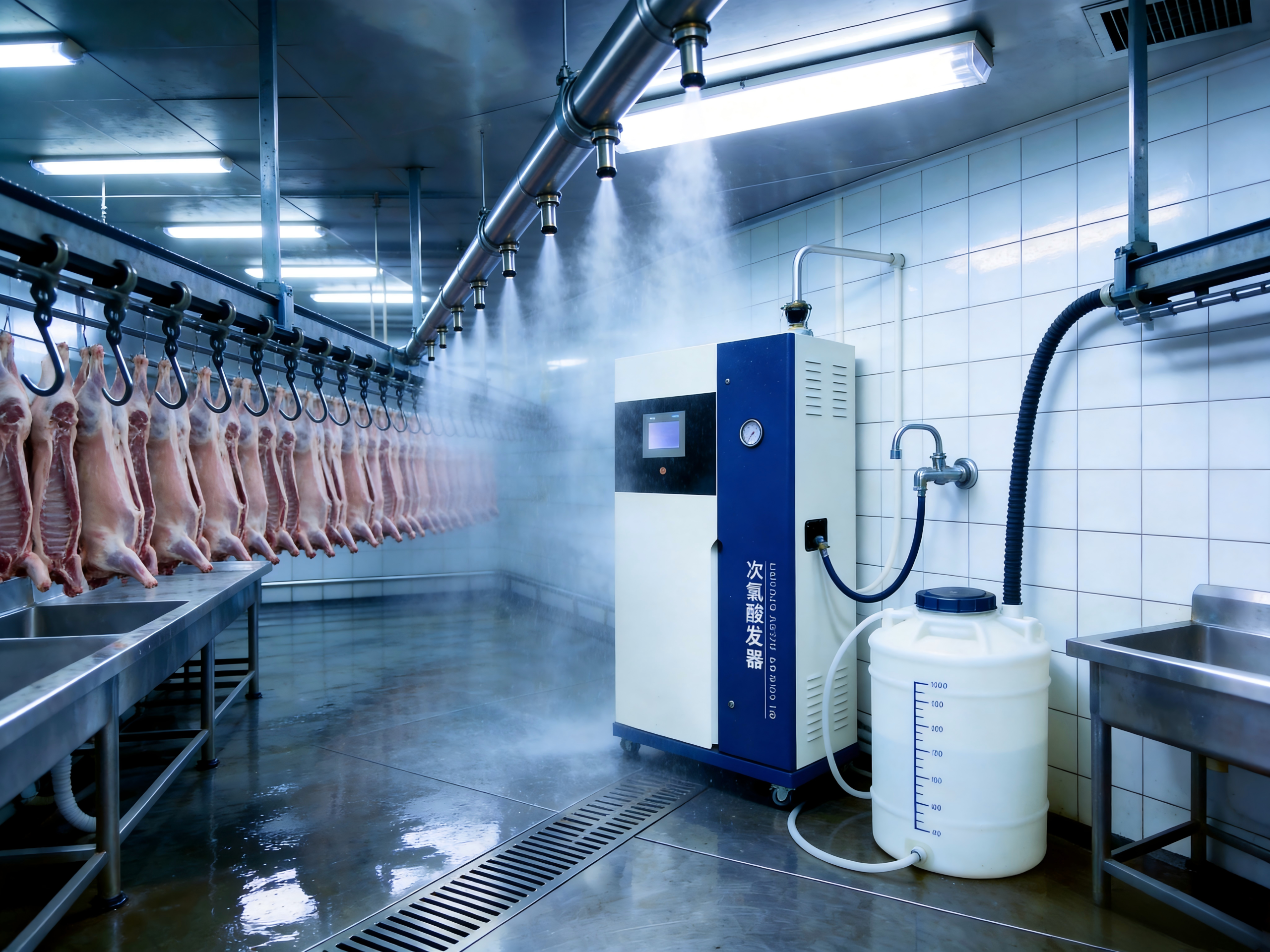
The hygiene requirements for generators released in June this year stipulate a pH range of 4.0 to 6.5 and a hypochlorous acid content of over 85% of effective chlorine. The machine’s specifications fall right within these standards. There are more than a dozen preset buttons on the touch screen, including options for environmental atomization, meat cleaning, and food processing, and each concentration value can be adjusted. Users only need to set the effective chlorine concentration, pH value, and output for different scenarios in advance. There is no need to prepare chemicals in a bucket or implement supervision. Our hypochlorous acid generator comes with an alarm, which will automatically alert in case of equipment malfunction.
The best match for night shifts is the fact that machines don’t sleep. When you plug an IoT card into the hypochlorous acid generator and configure a 4G module for remote control, you can view the real-time operating status of the device over the Internet. The device automatically produces, automatically stops, and comes with an alarm. Historical data and fault records can be exported.
The most impressive aspect of it is the warehouse it replaced. Barreled sodium hypochlorite tends to evaporate, producing a strong irritating odor. The concentration of the purchased solution and the concentration when the valve is opened are different after a long storage period, and chlorate remains behind during decomposition. However, with a hypochlorous acid generator, there is no inventory involved as it is used immediately after production. To determine how much needs to be deployed at night, it suffices to set the amount on the screen in advance.
It’s another 6 a.m. The cleaning crew has already clocked off, and the machines have switched to standby mode, waiting for the evening of the next job. Nowadays, there is a machine that doesn’t clock in or out. What it delivers every day is the same as what a human delivers: a floor so clean that it can brighten up anyone’s day.