

How to Use Hypochlorous Acid in Oyster Depuration Tanks
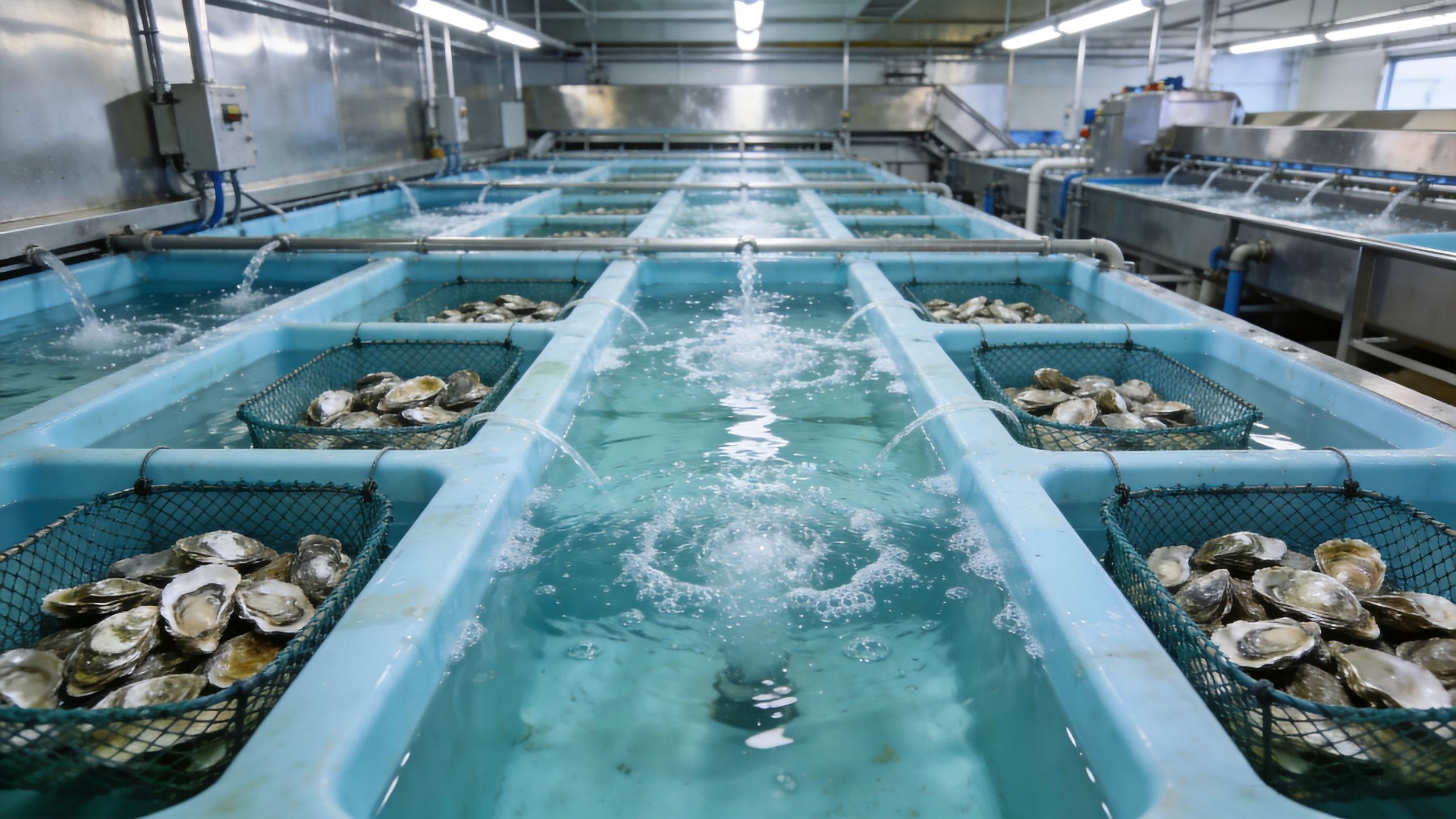
As we all know, the disinfection process in many areas of seafood processing plants tends to follow a similar standard. However, this standard only applies to operations in the cutting room, pre-cooling area, and packaging line. For purification facilities, the general disinfection process is not applicable.
During purification, live oysters are placed in clean live seawater for one to two days, allowing them to continuously filter the water and expel internal waste. Since the oysters are purifying in this water, all substances added to the tank will be repeatedly filtered and processed by the oysters through their gills.
The greatest challenge lies in the purified water. You need to put the disinfected water into the oyster-purified water.
Why do traditional disinfection methods fail here?
On the surface of stainless steel, contact time is measured in minutes and can be strictly controlled. However, in purification tanks, contact time spans the entire storage period, and the substance being treated is the water column that living animals breathe in and out day and night. When the appropriate concentration of the local leakage is introduced into the tank containing living animals, the situation becomes completely different. The “target” of treatment actually becomes their living gills, which can affect the survival rate of oysters.
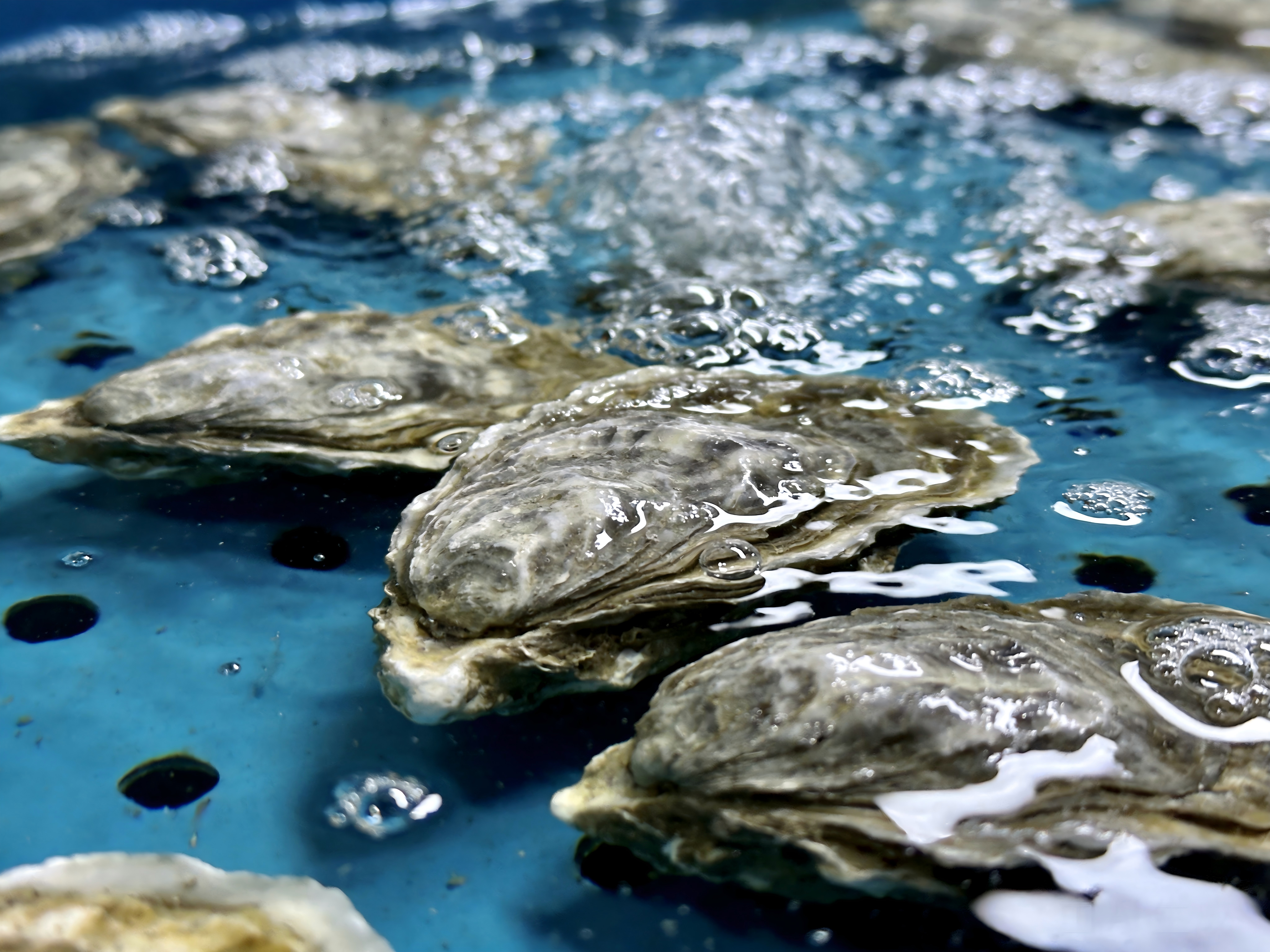
Do you know that oysters have a reaction to water quality conditions they perceive as unfavorable? That is, they close their shells. Although this protects the oysters, it also halts the filtration process. Without filtration, oysters cannot purify anything. Therefore, excessive disinfectant usually does not cause mass mortality, but it can halt the purification process of oysters. This batch of oysters may appear to be alive, and records may show that purification has been completed, but in reality, the purification process has slowed down from the moment the shells closed. By the time damage is discovered (such as damaged gill filaments or an inability to open the shell), the batch of oysters has already suffered losses.
Organic load is the second key variable, and the purified water is rarely pure from the very beginning. Because oysters enter the tank with sediment and mucus, they continuously excrete “pseudo-feces”, and broken shells and dead individuals further contaminate the water. All these factors are consumed before hypochlorous acid disinfection. This means that the residual chlorine level measured in the morning will be different by noon. In addition, every time a new batch of oysters is introduced, the entire calculation must be redone.
What does “proper disinfection method” refer to in this type of processing facility?
- Even in the presence of living aquatic organisms and continuous filtration of the water body, it must be effective for water treatment.
- It cannot leave any persistent chemical residues or unpleasant odors on aquatic products.
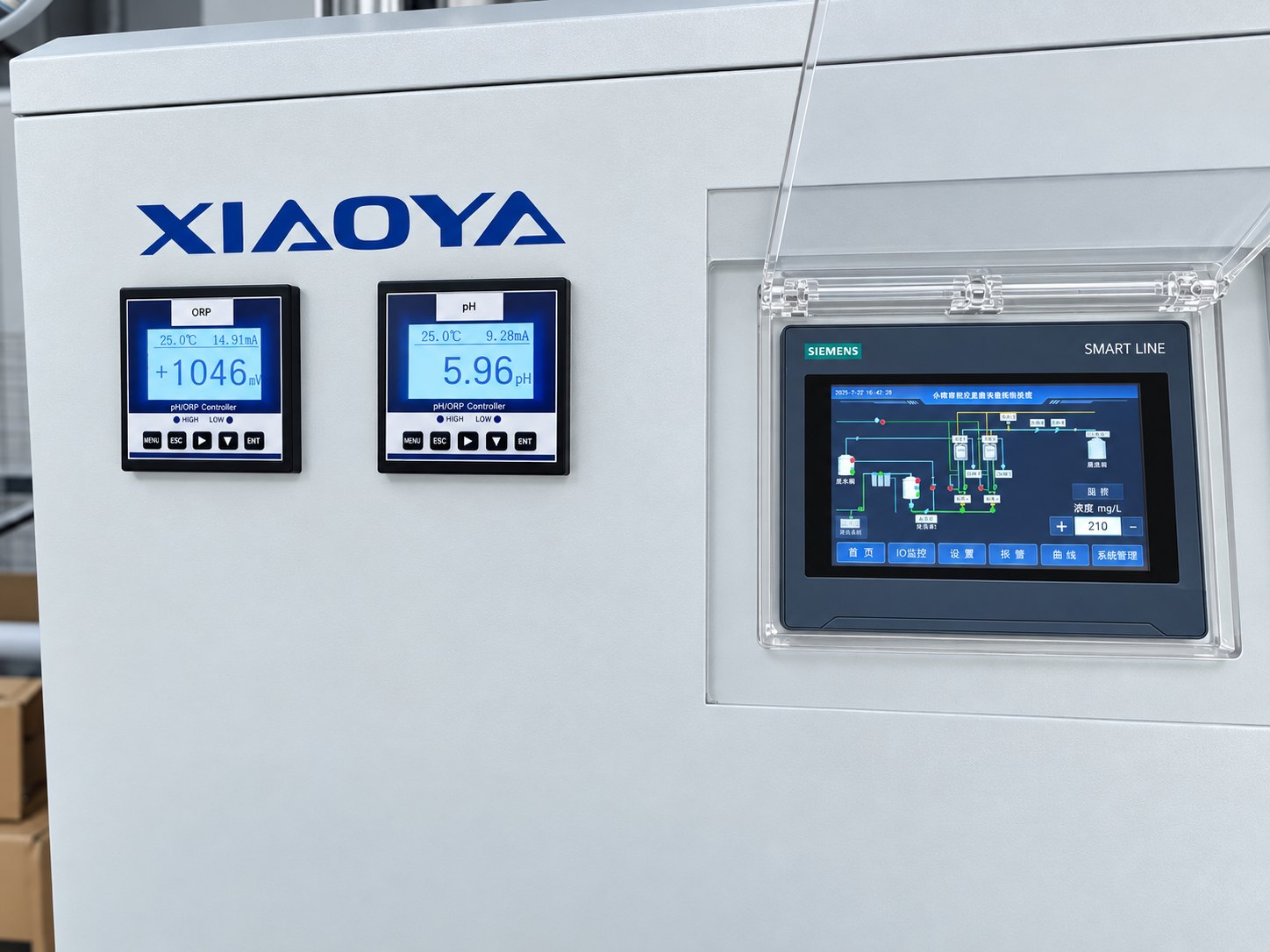
- It must support online delivery (with controllable and adjustable PPM), rather than relying on manual mixing, barrel by barrel.
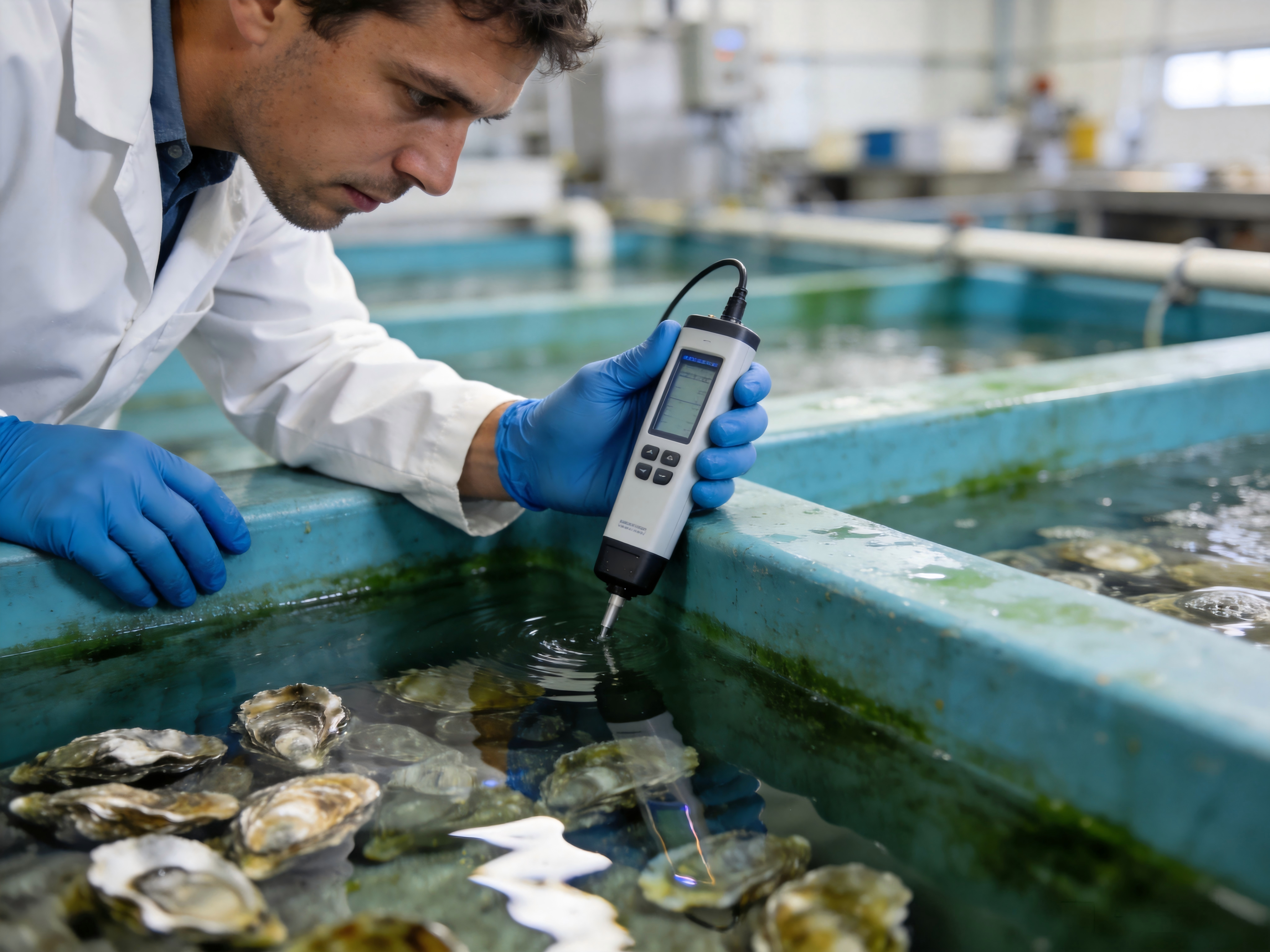
- The residual concentration in the purification tank must be measurable to ensure that staff do not have to rely on guesswork when dispensing medications.
- It should eliminate the need for employees to handle heavy drums of concentrated hazardous chemicals on slippery factory floors.
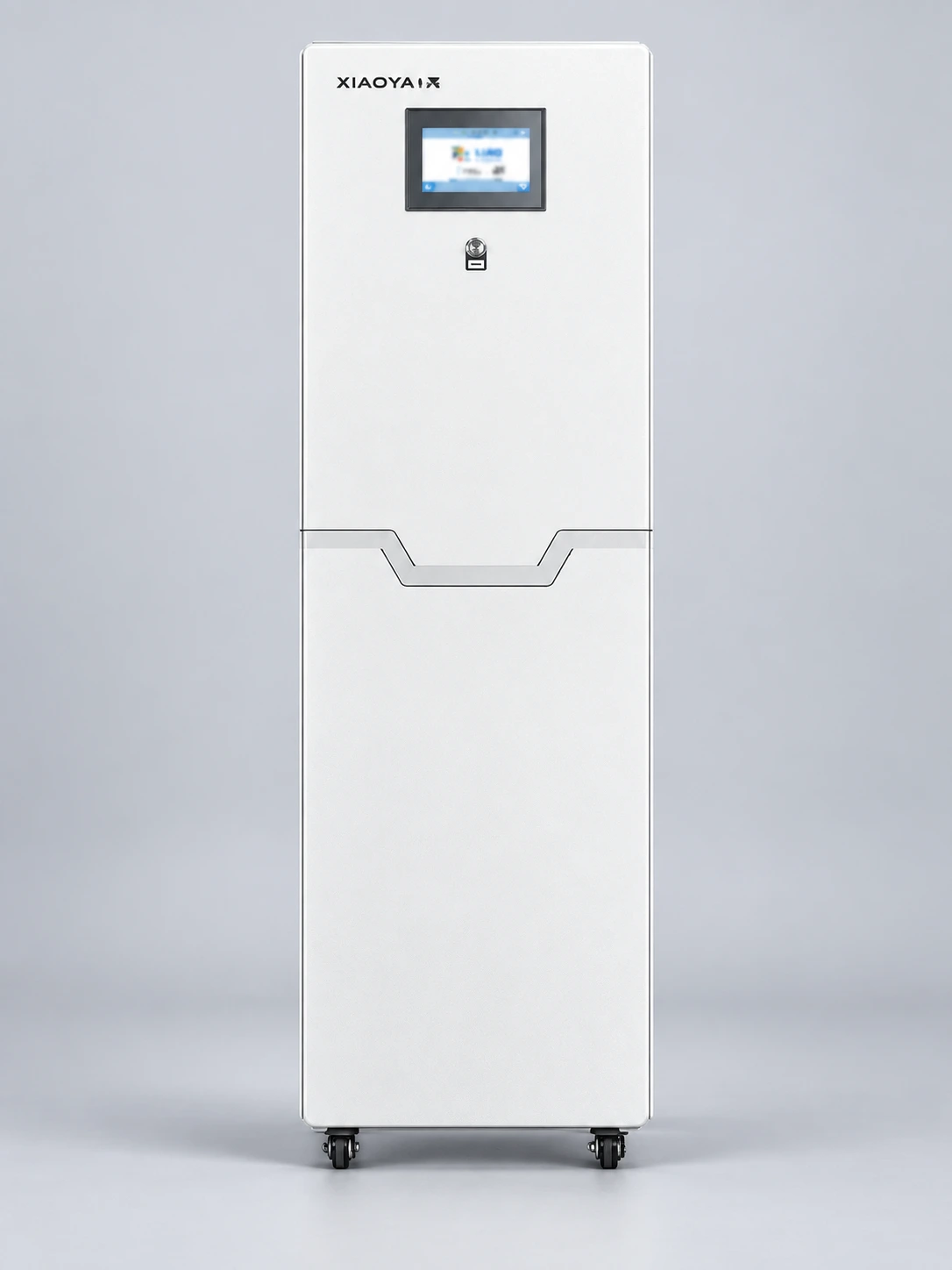
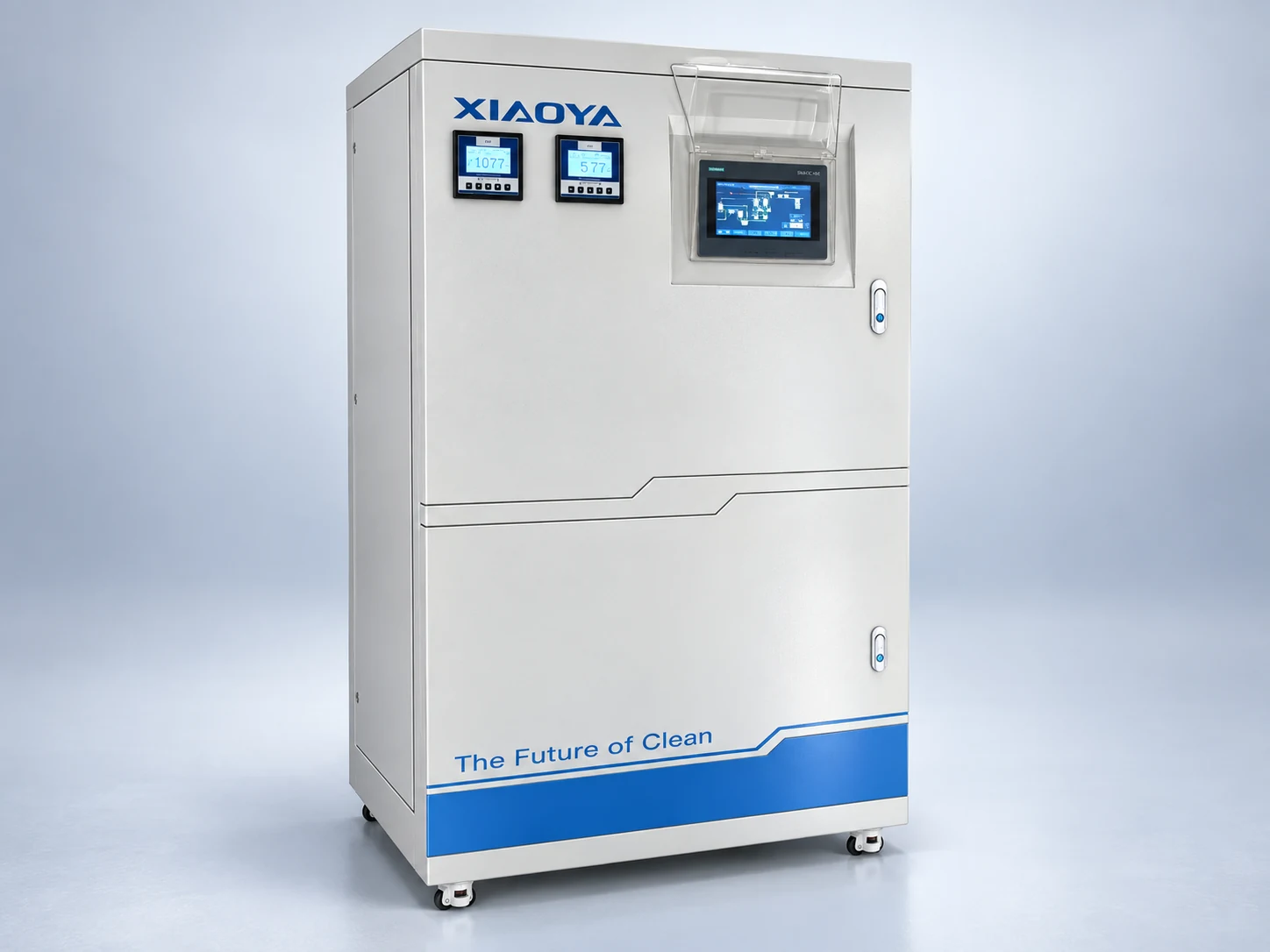
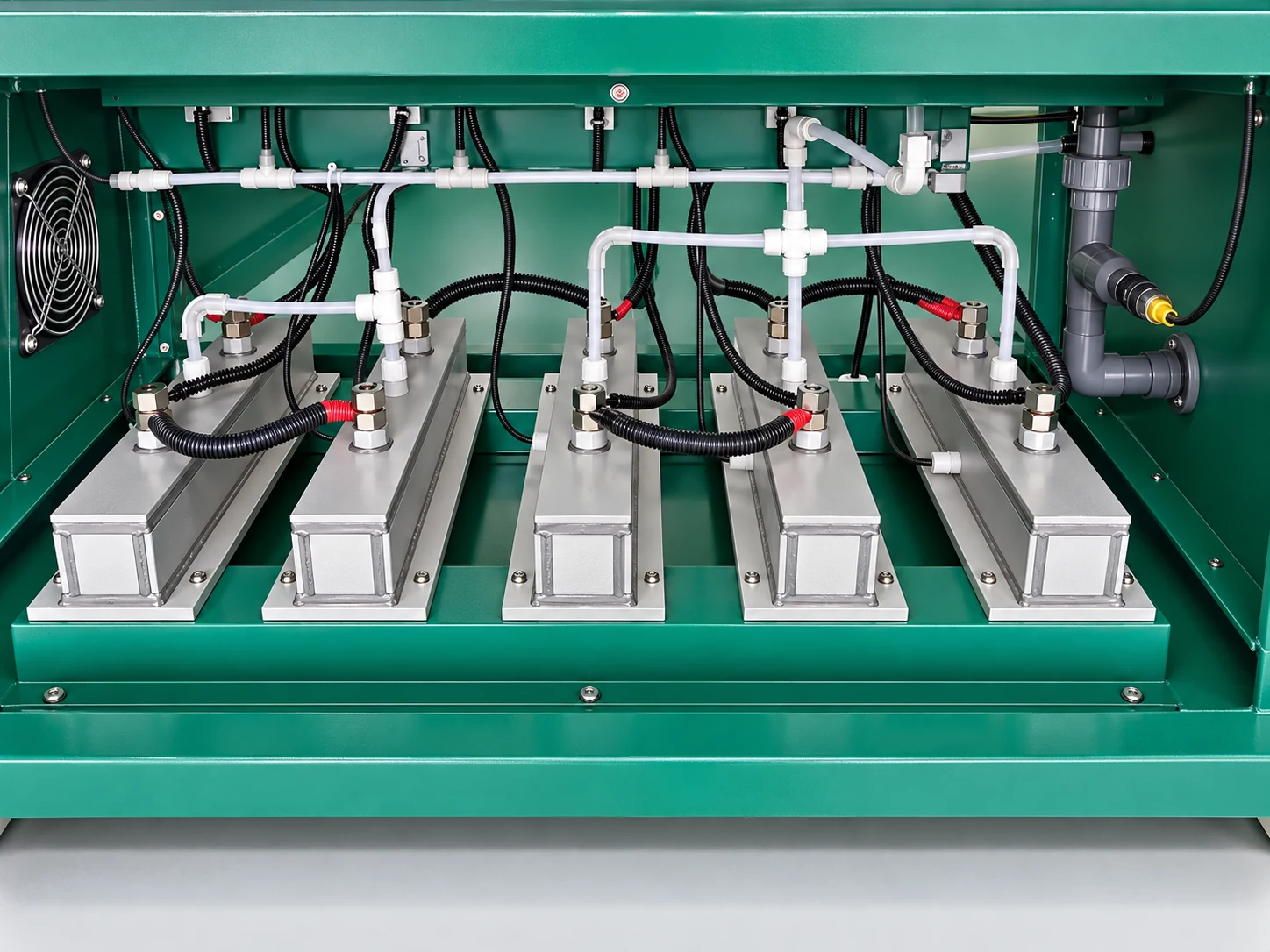
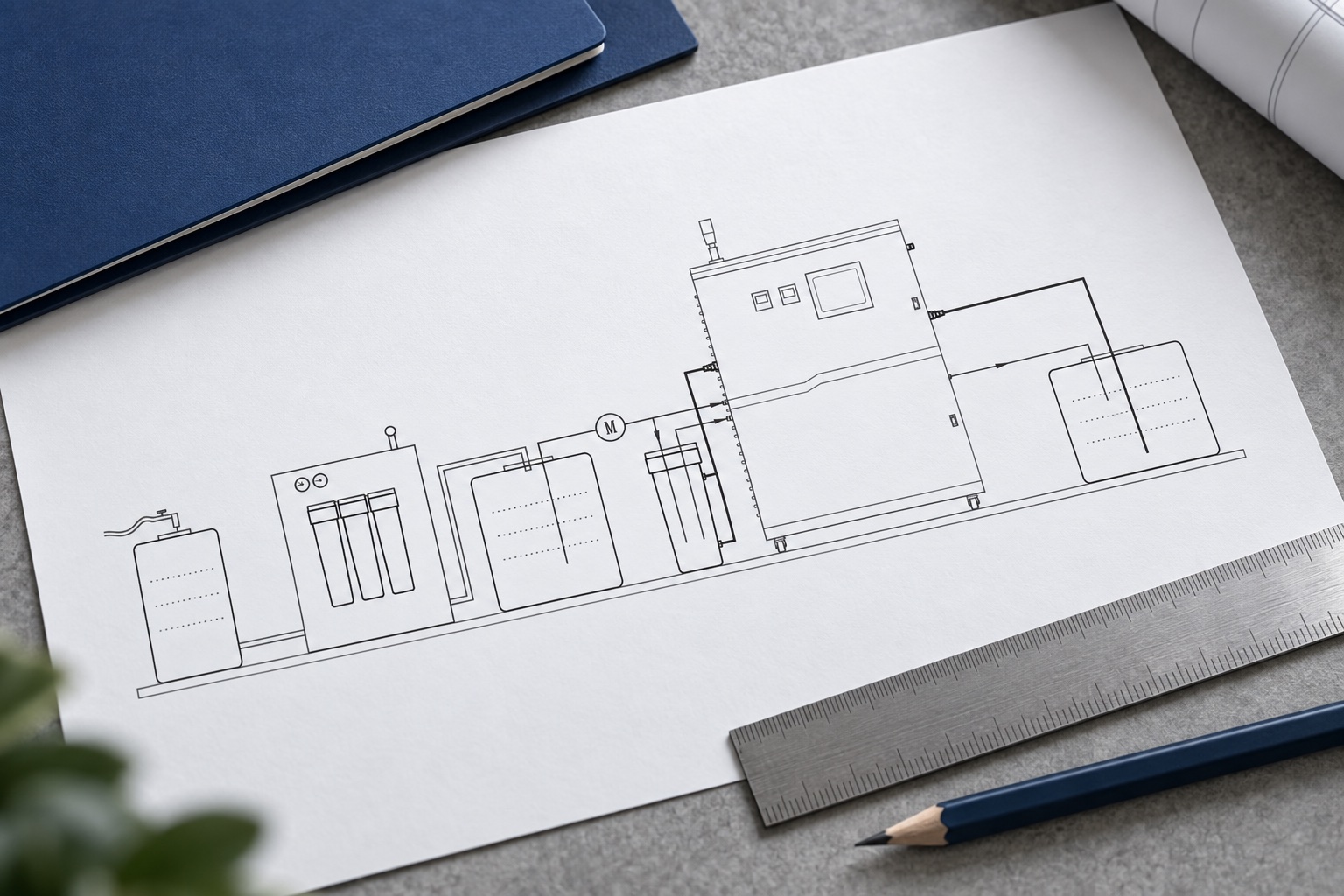
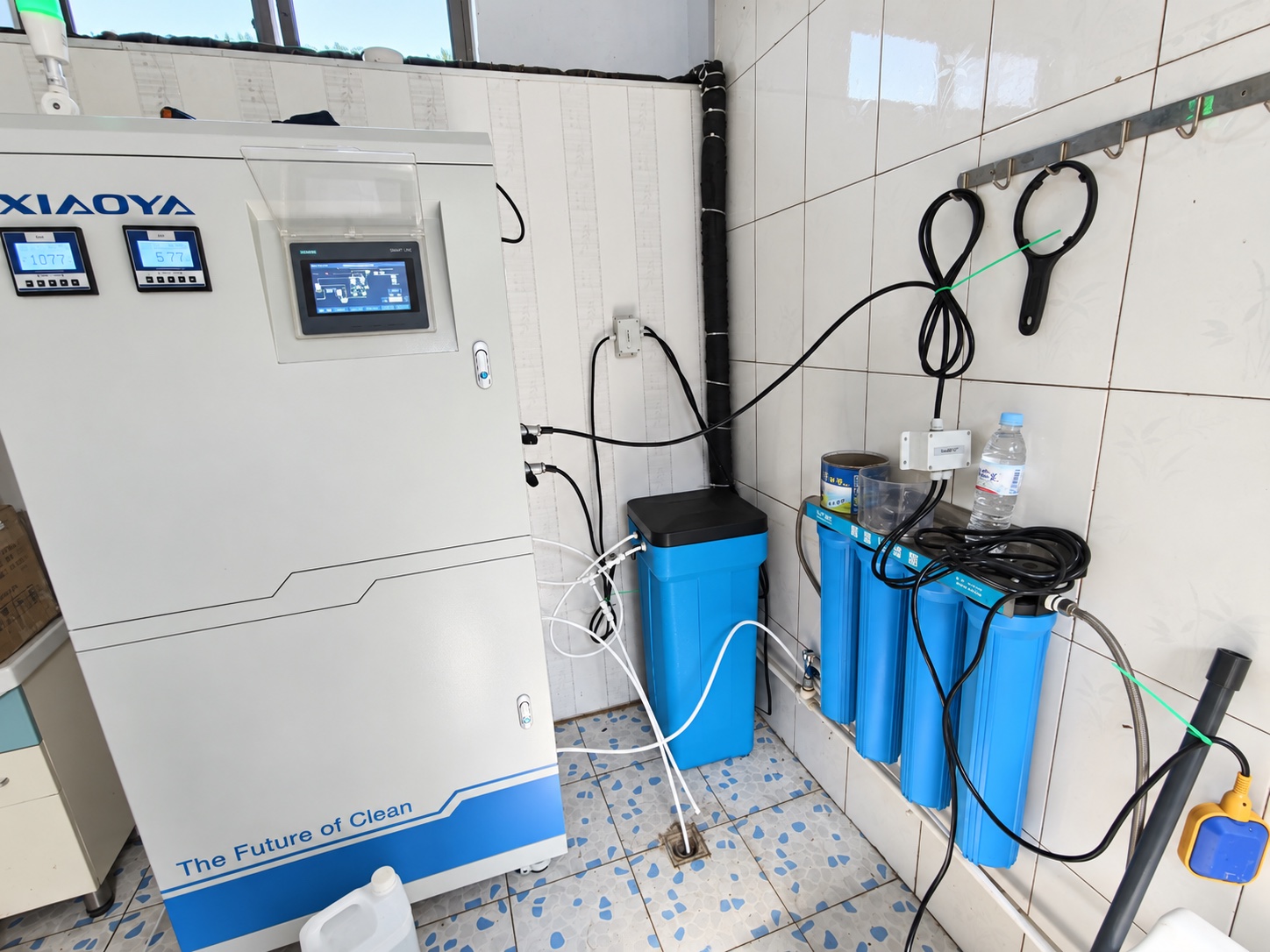
The adoption of hypochlorous acid (HOCl) generators in sanitation treatment facilities is not due to the novelty of their basic chemical principles, but rather to clear economic and operational logic. For coastal facilities, seawater rich in chloride ions is already available on-site. Hypochlorous acid generator equipment can generate usable hypochlorous acid on-site according to demand, eliminating the need to store chemicals that may lose their effectiveness over time, as well as the need for manual handling of heavy barrels and reliance on external delivery schedules. It can integrate disinfectant water directly into the water supply pipeline, rather than relying on a bulky container.
Two different disinfection methods employed by the same processing plant
Within the same processing plant, two distinct disinfection schemes are employed concurrently, as different application scenarios necessitate specific disinfection methods. For purification tanks, a disinfection scheme featuring low concentration, low residuals, continuous dosing, and ongoing monitoring is typically adopted. However, for stainless steel surfaces, pipelines, floors, and equipment between production batches, a more robust and durable cleaning approach utilizing disinfectant water of a relatively higher concentration is utilized.
Based on the specific requirements of your facility and the actual operational situation, selecting and customizing a suitable on-site hypochlorous acid generator is crucial. Xiaoya Group is a professional manufacturer of hypochlorous acid generators. With our experienced technical team, we are able to provide tailored solutions