



What Is a Hypochlorous Acid Generator, and How Does It Actually Work?
2026-11-04 14:36:29
Last month, a dealer wrote to me with a question that made me smile, because I hear similar questions every week. “If this machine only uses salt, water, and electricity,” he said, “why does a simple stainless steel box cost several thousand dollars? What exactly is inside that makes it so valuable?” This is a very common question, and I’m happy to answer it for dealers—perhaps you’re wondering the same thing right now.
You know which disinfectants hypochlorous acid water can replace, and you’re familiar with its applications, but the way the machine works and its nearly negligible long-term operating costs are details you won’t find on many websites.
We’ve now manufactured, shipped, and maintained enough of these units that we feel it’s necessary to provide prospective customers with a more detailed update on hypochlorous acid.
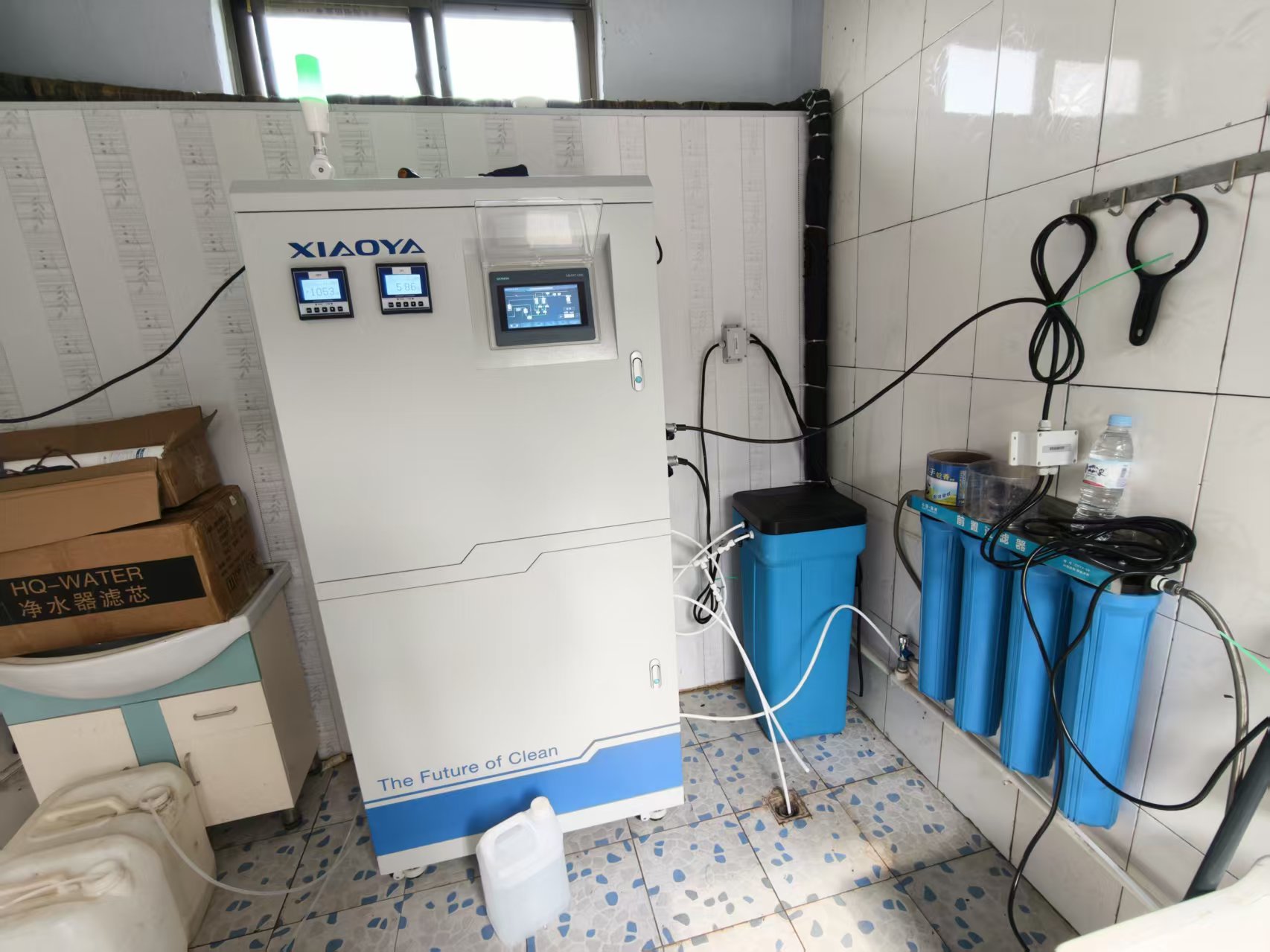
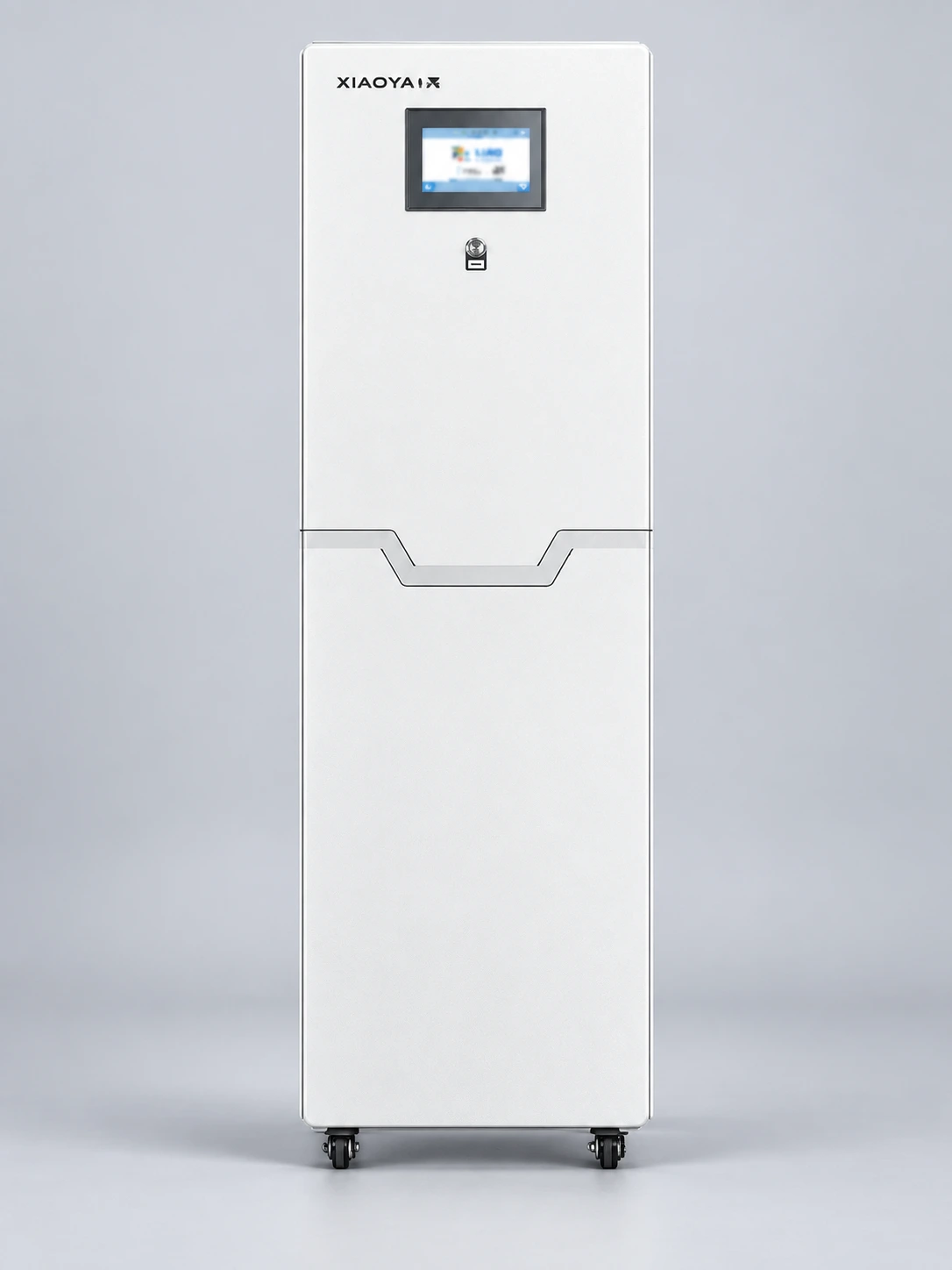
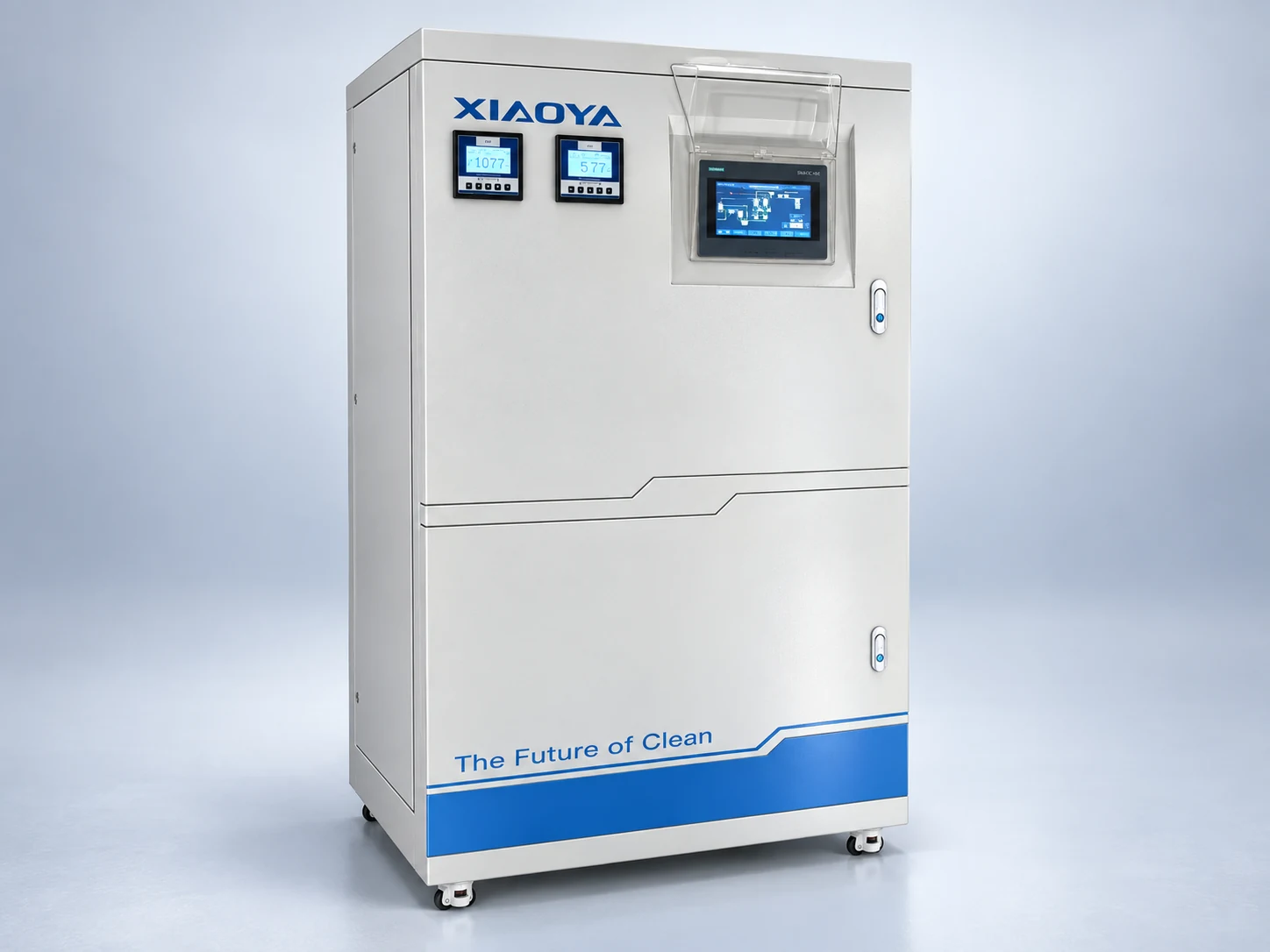
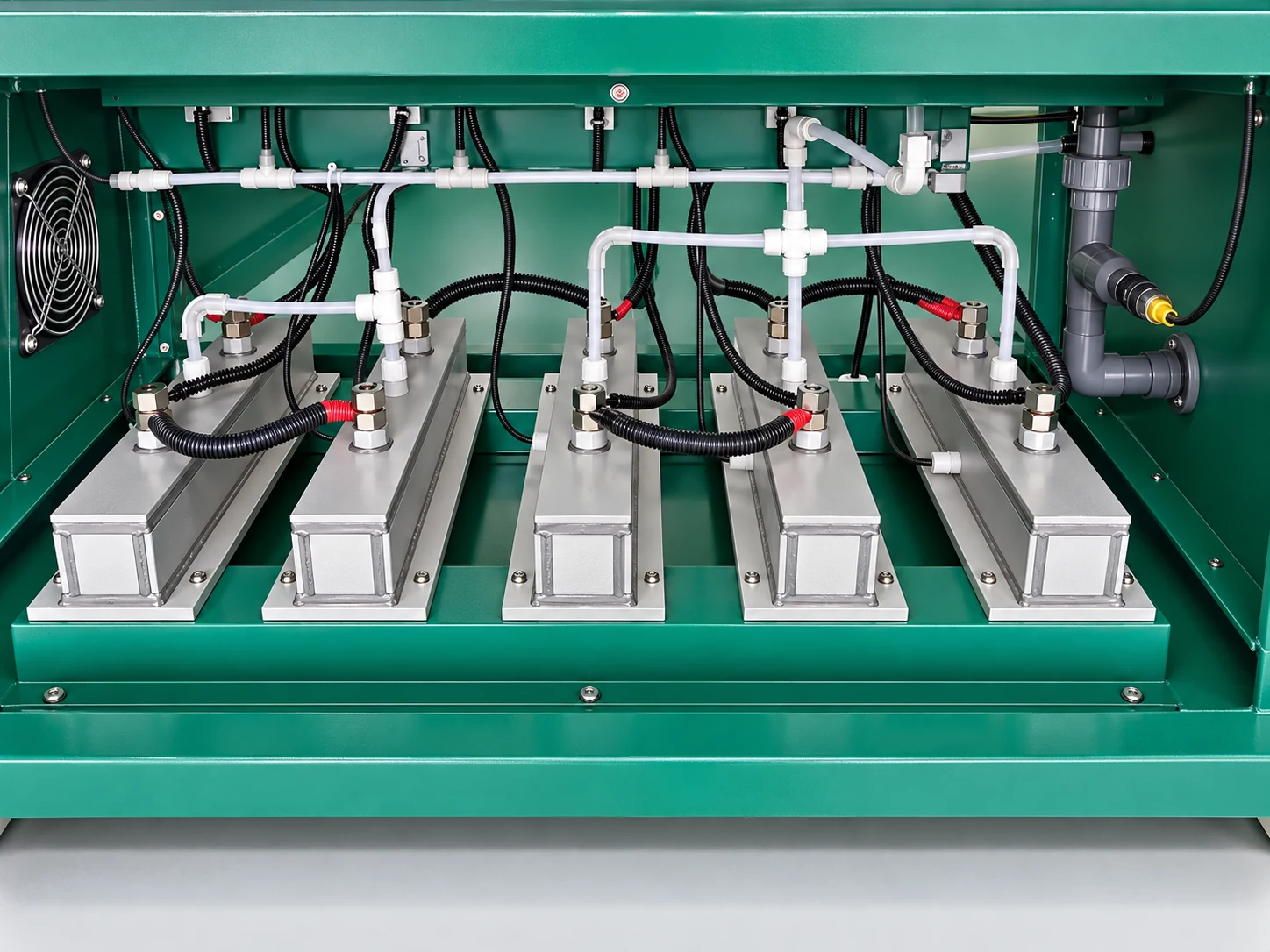
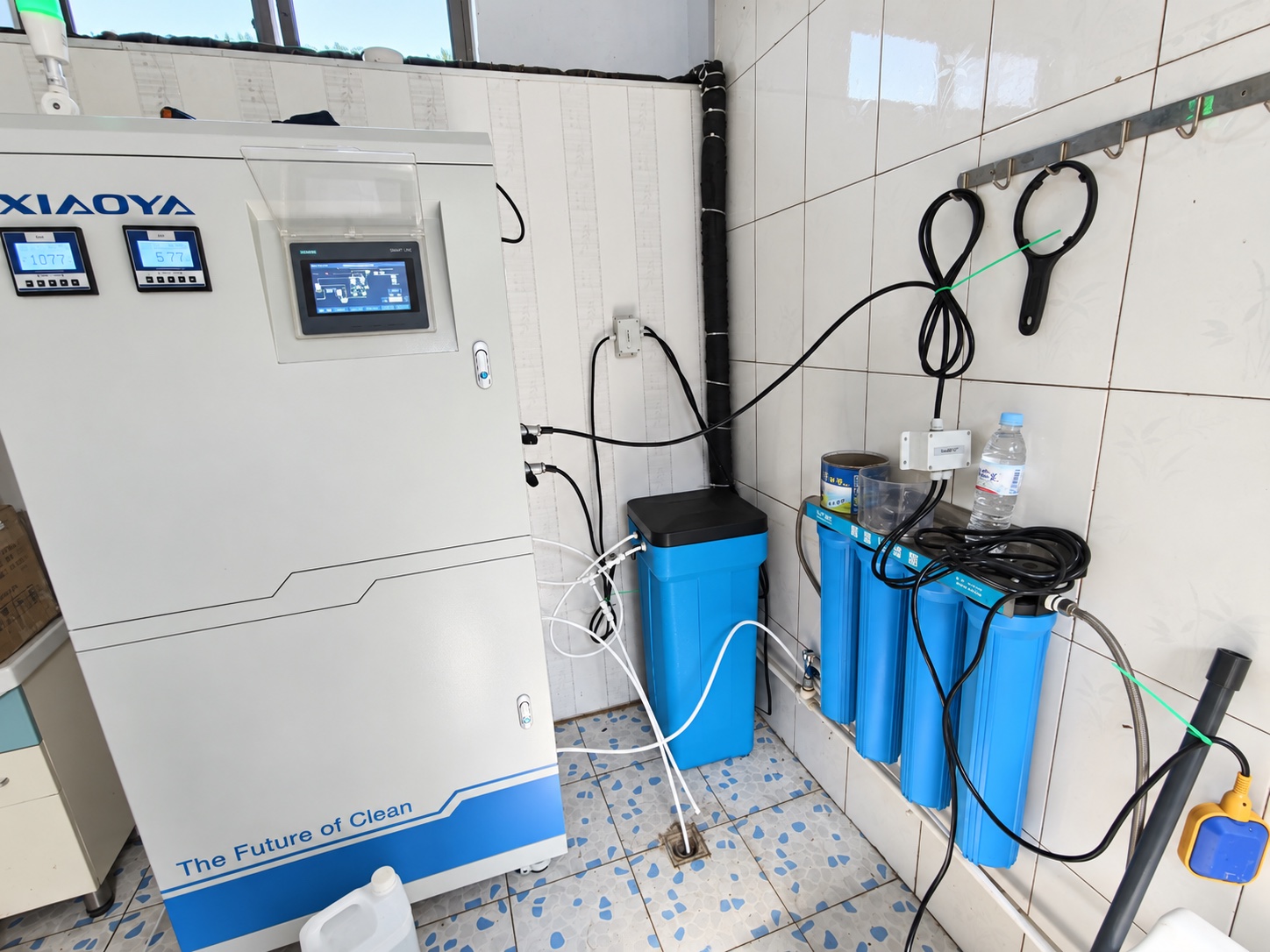
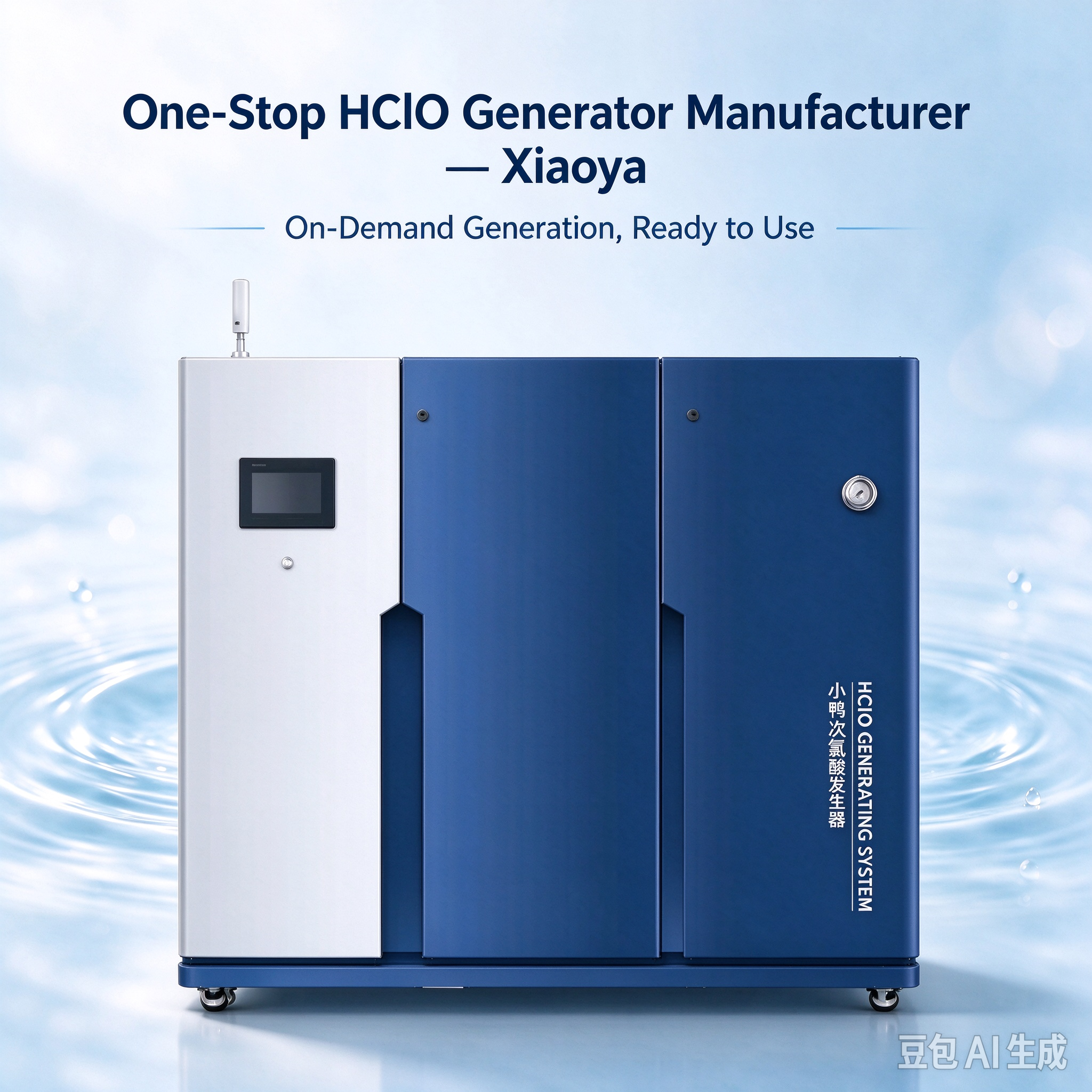
Hypochloric acid generator is a device that can convert ordinary salt or dilute hydrochloric acid, water, and electrical energy into disinfectants – it is located in your location and can be produced on demand to meet your needs at any time.
Its formula does not contain any rare chemicals, does not require large concentrated solution tanks, does not require payment of dangerous goods transportation surcharges, and does not have a long list of ingredients that you cannot even pronounce. The raw materials are basically common items in the market. However, what it produces is an efficient disinfectant, which has been studied by researchers for over a century.
It is helpful to accurately understand what hypochlorous acid is before delving into the internal working principle of the device, as the name itself may not be familiar to many people.
So, what exactly is hypochlorous acid?
Hypochlorous acid, commonly written as HOCI, is a weak acid formed when chlorine gas dissolves in water. You may also see it referred to as’ electrolyzed water ‘, which is actually a common name for the same substance.
The following fact will surprise most consumers: your own body can actually produce this molecule. When a type of white blood cell called neutrophils engulfs bacteria, it releases a large amount of hypochlorous acid to kill the bacteria. This is one of the weapons your immune system uses every day. That’s why you see HOCl described as the ‘disinfectant of the human body itself’.
This is not a new discovery either. Chemists identified HOCl as early as the 19th century and used diluted chlorine solutions to treat wounds during World War I. Over time, what changes is the equipment. In the past, to generate stable and concentration controlled HOCl, it was necessary to do so in a laboratory environment. Nowadays, this technology has been miniaturized and condensed into cabinet sized devices.
Some customers may be curious about the difference between hypochlorous acid and household bleach. Although hypochlorous acid is related to chlorine in household bleach, they are not the same product – and the difference between the two ultimately lies in one numerical value: pH.
When chlorine dissolves in water, it exists in two forms: hypochlorous acid (HOCl) and the hypochlorite ion (OCl⁻), with the latter predominating in ordinary bleach.
While they are similar in chemical properties, their performance against microorganisms differs significantly, and the pH of the solution determines the specific ratio of these two forms.
When the pH value is between 4 and 6, almost all free chlorine exists in the form of HOCl, which is a more potent form.
At a pH of approximately 7, about 80% of free chlorine still exists in the form of HOCl.
When the pH value approaches 8, the proportion of HOCl decreases to about 20%, while the majority of it transforms into less potent forms.
Bacterial cells have a negative charge on their surface. HOCl is a neutral molecule, so it can pass directly through the cell wall without rejection. The hypochlorite ion carries a negative charge; Just like the poles of magnets, they will repel each other before causing significant damage. Once HOCl enters the cell, it oxidizes the proteins and enzymes required for normal cellular function, leading to microbial breakdown.
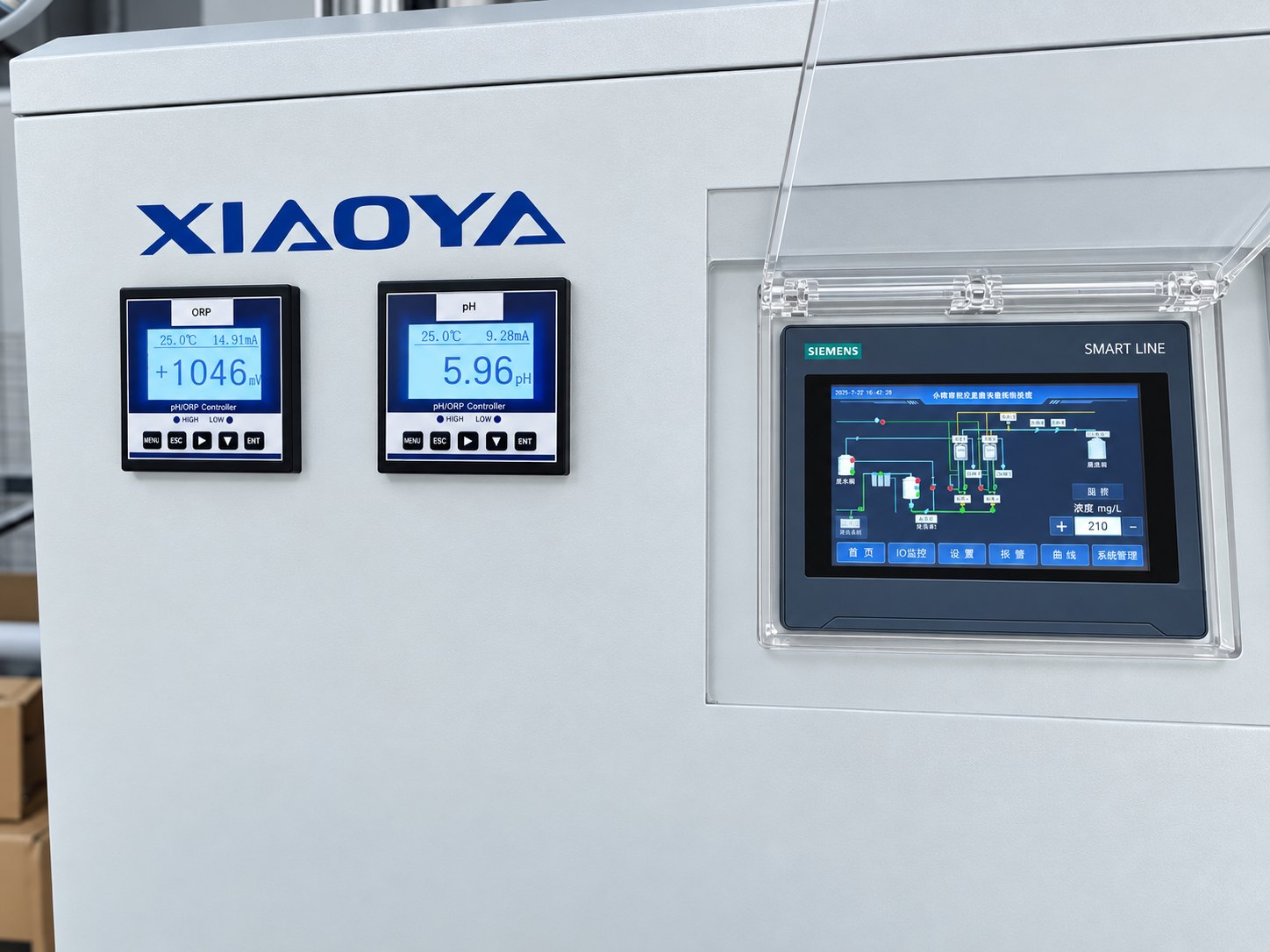
This is precisely the purpose of the existence of this generator. Anyone can add chlorine to water. The real engineering challenge is to maintain the solution within a specific pH range to ensure that chlorine is always in a state that can quickly kill bacteria.
Internal workflow of equipment
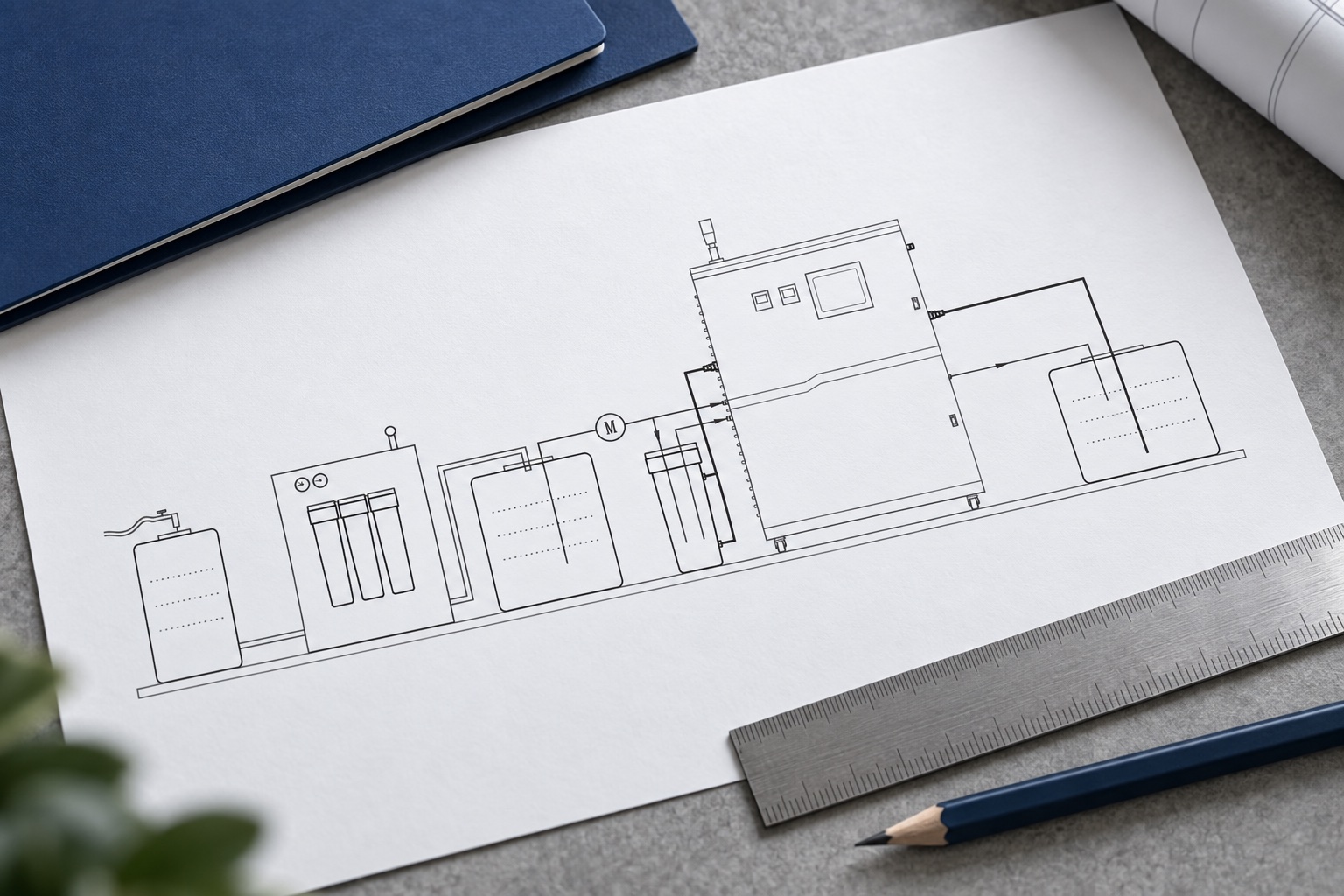
Let’s sort out the whole process step by step, from the moment when water enters the equipment until the staff fills the disinfectant into the spray bottle. I will focus on practical operations rather than theoretical discussions.
Firstly, pretreat the water. Most incoming water is first treated by a water softener or filter before entering the subsequent stage. However, hypochlorous acid generators using dilute hydrochloric acid as raw material can skip this step, as dilute hydrochloric acid will undergo a chemical reaction with high pH scale when entering the pipeline, thereby balancing the water quality. Hard water contains calcium and magnesium; These minerals are prone to deposit on the electrode and form scale. Electrolytic cells with severe scaling will experience increased workload, higher power consumption, and unstable output. Therefore, in our own workshop, we will record the water hardness data of each testing equipment.
2. Add salt according to the measurement (taking salt as an example). The equipment uses high-purity sodium chloride, but does not contain anti caking agents commonly found in certain edible salts, as these substances may contaminate the electrolytic cell. Salt is dissolved into saltwater, and the system will add it in a precise manner rather than manually pouring it. We recommend using salts specifically designed for electrolytic disinfection (low bromine salts).