


Why Should Disinfection Equipment Companies Include Hypochlorous Acid Generators in Their Product Lines? A Selection Guide and Profit Projection Plan for Disinfection Companies
2026-11-05 14:22:37
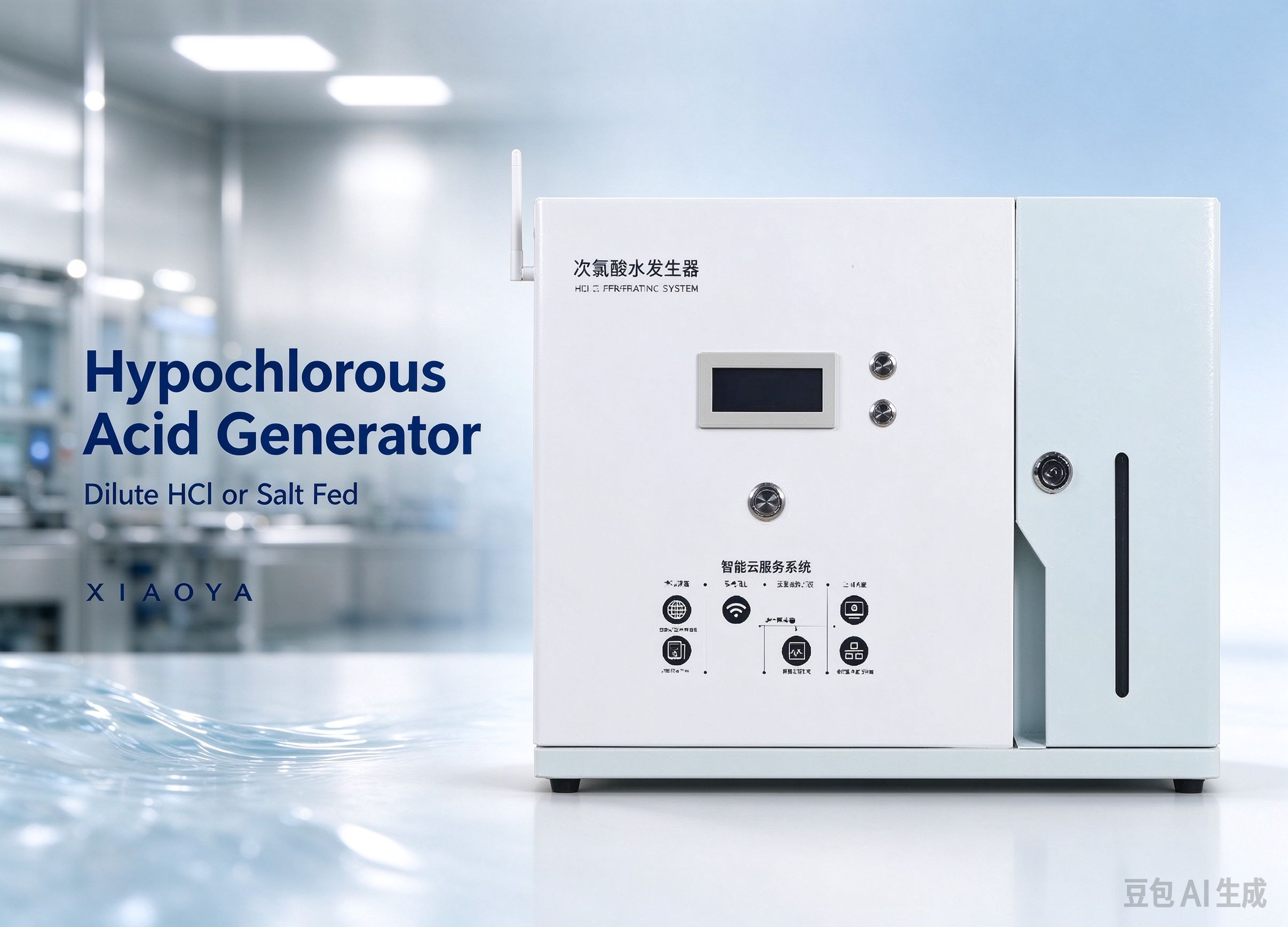
Those in the disinfection industry have likely noticed a trend recently: pricing for ozone generators and UV lamps has become increasingly transparent. Customers can quickly compare prices online and make decisions in a short amount of time. With intense price competition, profits can only be earned in small increments through post-sale services.
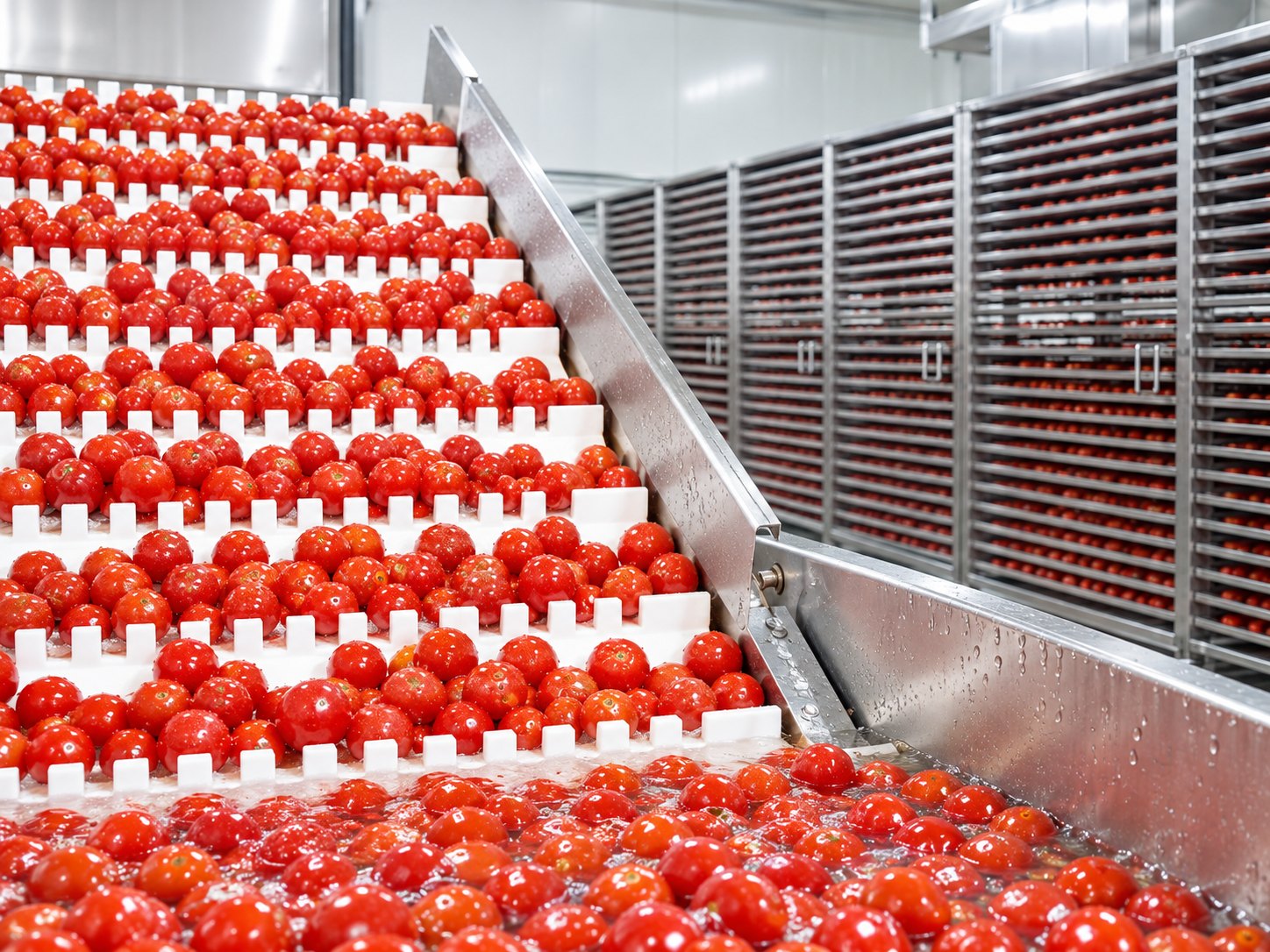
Hypochlorous acid can serve as an alternative to ozone generators and UV lamps. Disinfection is its primary function. Hypochlorous acid (HClO) is a neutral, small molecule that can penetrate cell membranes, enter the cell interior, and react with the DNA and mitochondria within, causing cell death. Hypochlorous acid also preserves freshness; hypochlorous acid solution can kill or control pathogenic microorganisms on the surface or inside fruits and vegetables, and can regulate their respiratory metabolism after harvest. Regarding its deodorizing properties: ammonia is one of the most common odor-causing molecules, and hypochlorous acid can undergo redox reactions with it. Additionally, hypochlorous acid can react with certain sulfur-containing compounds or aldehydes.
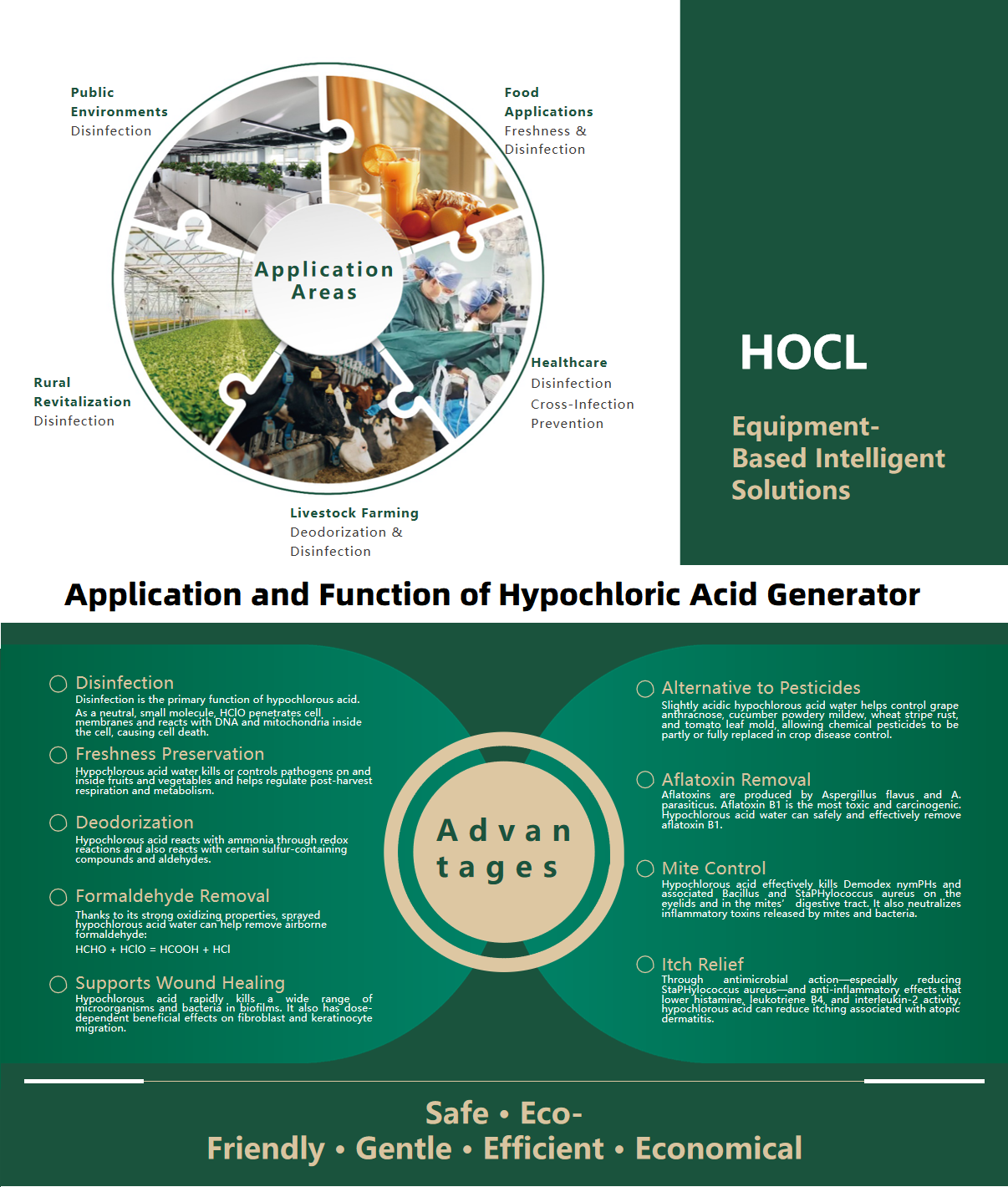
While developing hypochlorous acid generators, we’ve interacted with numerous disinfection and sterilization suppliers and found that companies that have successfully established this business model don’t just need to understand the equipment—they also need to understand the associated processes. Their profits never come solely from the markup on a single machine; rather, they break down a project into three revenue streams.
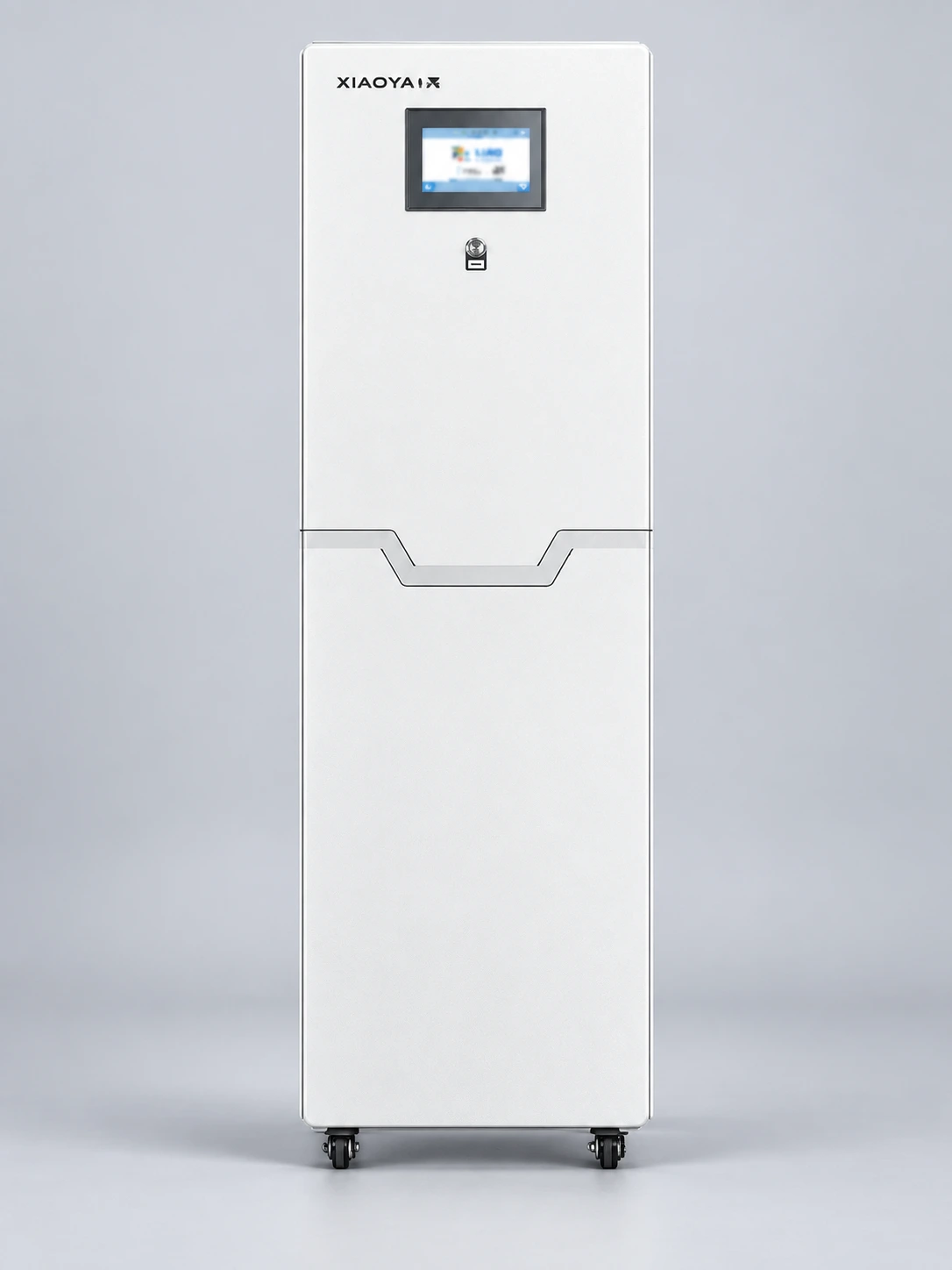
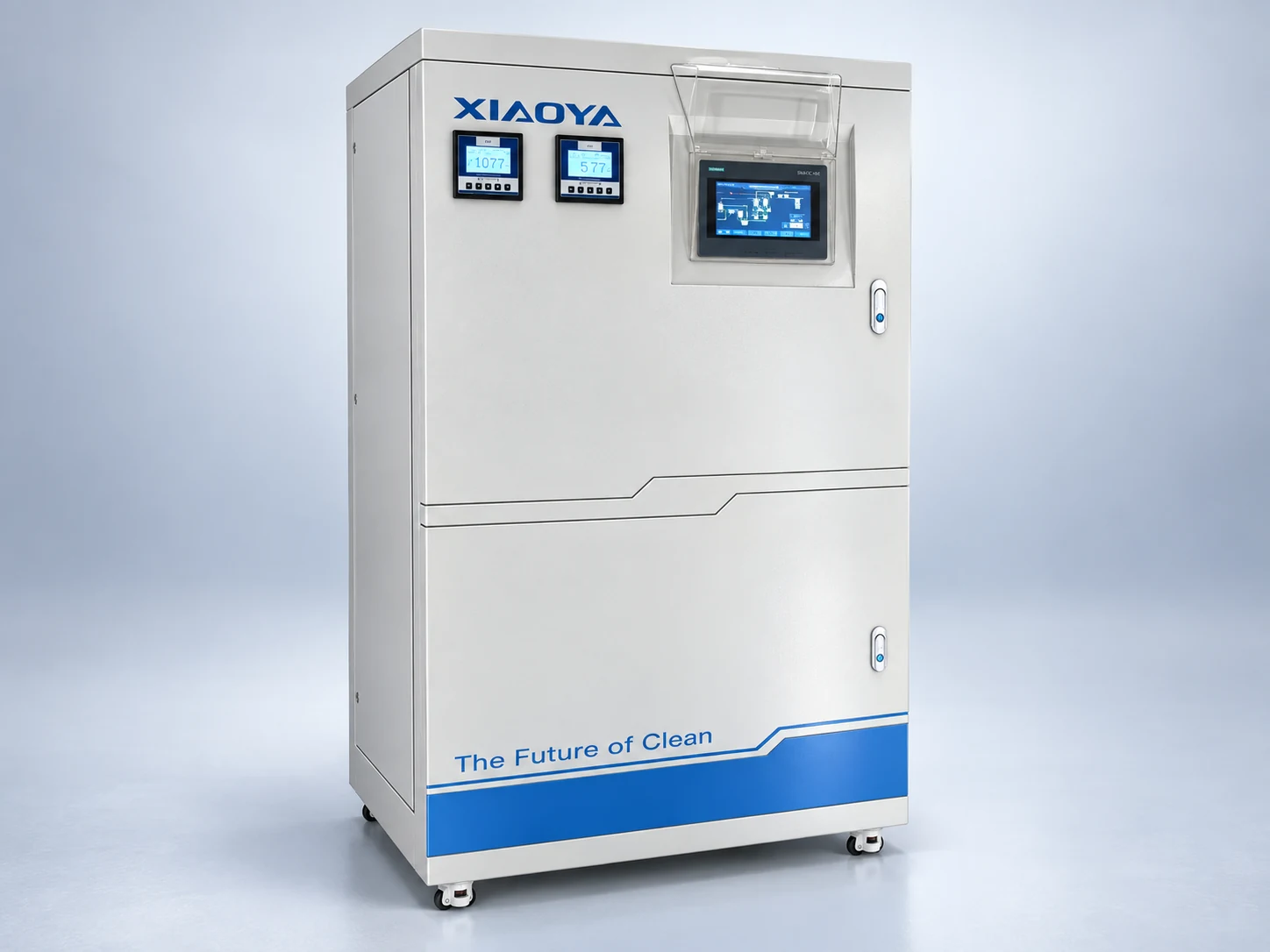
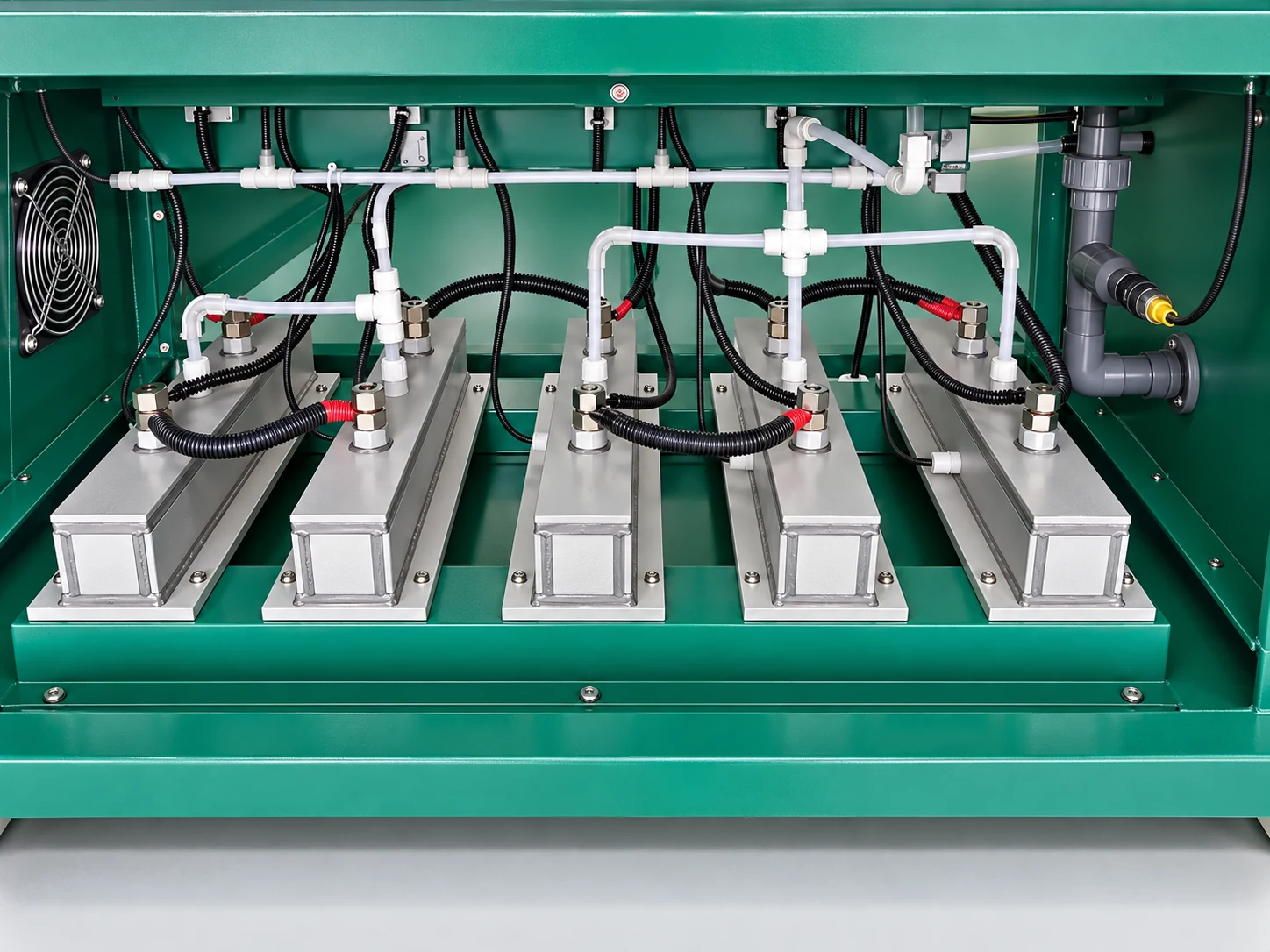
The first is a reasonable profit margin on the equipment itself. Due to the limited number of manufacturers in the market and the customizable nature of hypochlorous acid generators, pricing is not yet transparent, leaving room for profit. Electrolyzers can be selected with or without membranes; there are variations in quality and warranty periods; control methods range from local panels to systems with remote modules; and different configurations result in varying price tiers. Integrators can design solutions based on project budgets and actual operating conditions, rather than being forced to quote the lowest price.
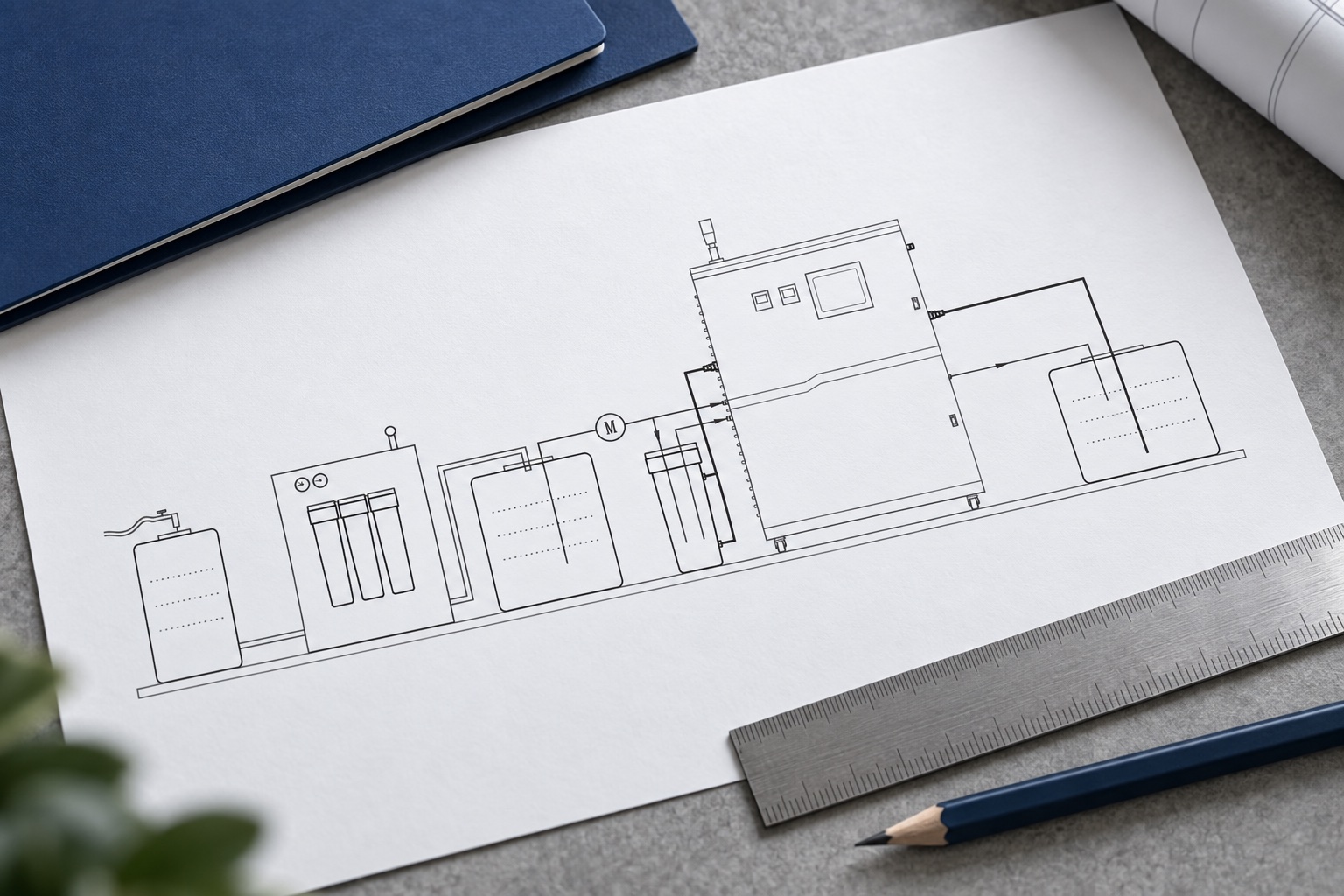
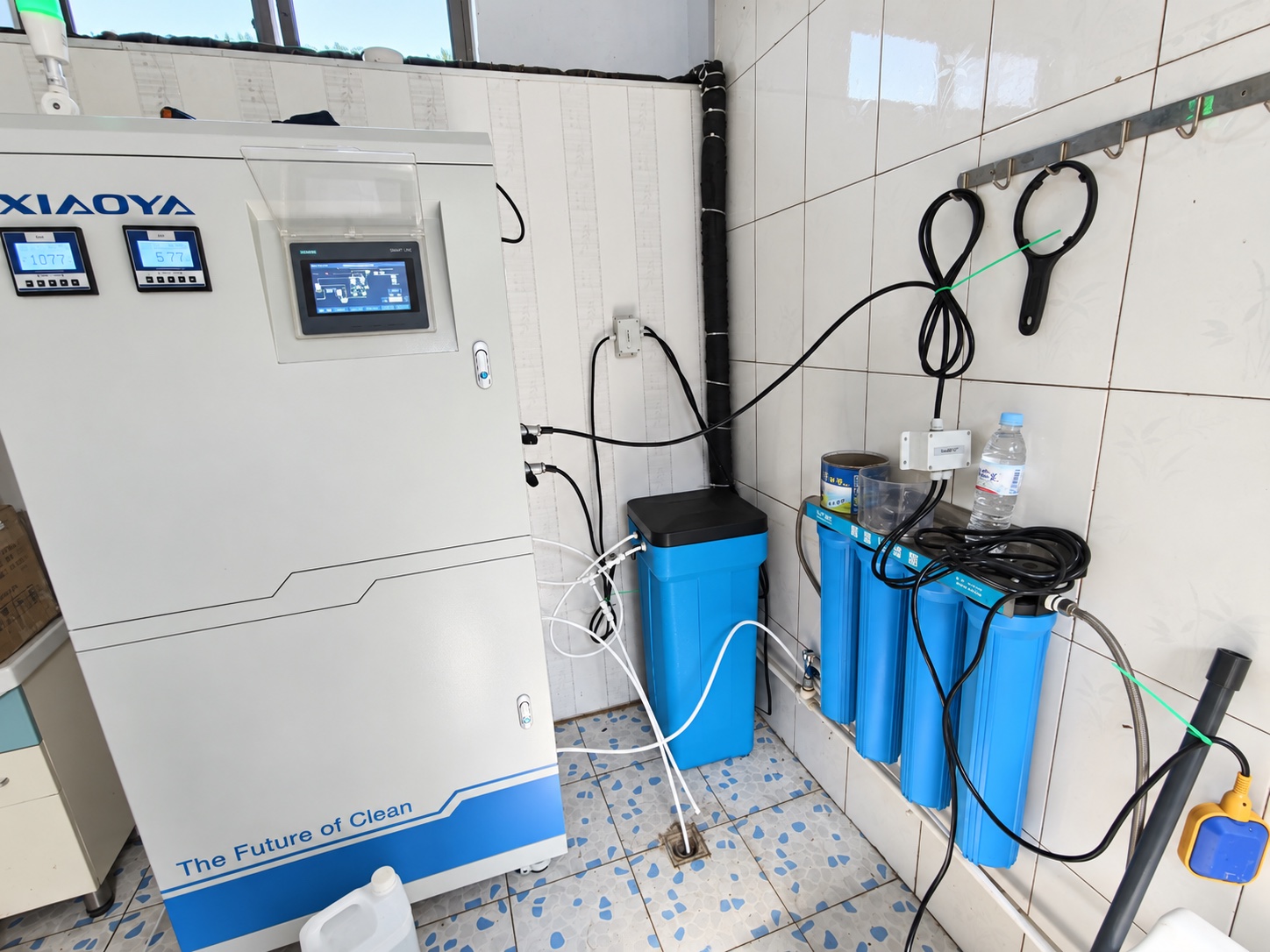
The second source is revenue from installation and piping modification projects. Xiaoya is not only an equipment manufacturer but also a full-service provider; we can offer comprehensive services and training. Site conditions vary significantly across public areas, food processing plants, waste treatment facilities, livestock farms, and hospitals, requiring customization for purification equipment, raw water pretreatment, dosing point selection, piping connections, and electrical modifications. Compared to simply supplying equipment, this adds a significant amount of work and increases implementation complexity. This aspect tests the equipment manufacturer’s on-site capabilities and represents the profit and service fees that integrators can earn.
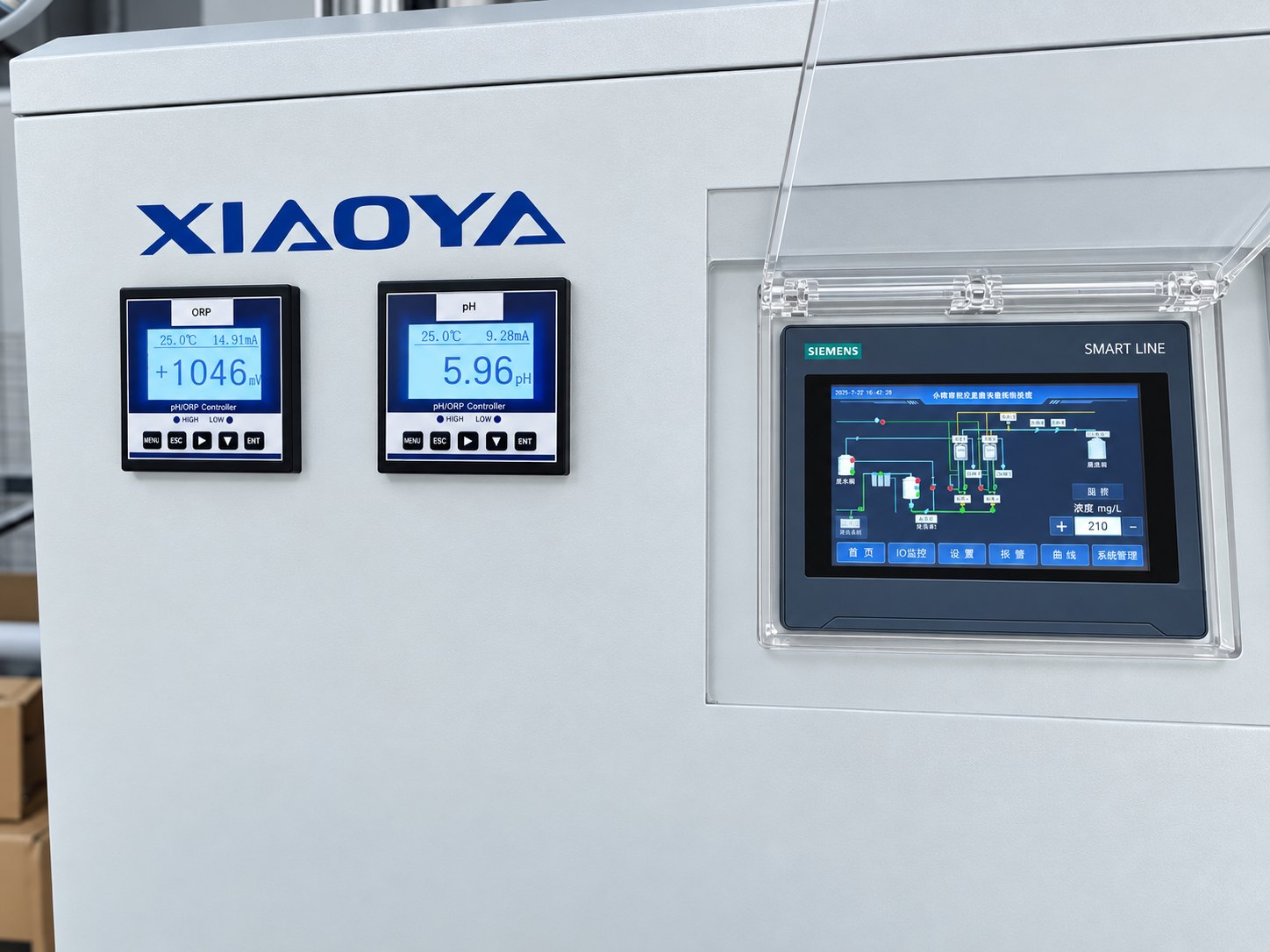
The third source is ongoing operations and maintenance revenue. With on-site hypochlorous acid production, customers no longer need to repeatedly purchase bottled disinfectants, resulting in significant long-term savings on raw material costs. However, there remains a need for services such as electrode maintenance, filter replacement, and concentration calibration. For models equipped with 4G remote monitoring modules, services such as troubleshooting malfunctions, adjusting concentration anomalies, resolving low electrolyte levels, and addressing electrode scaling—all of which trigger alarms—can transform maintenance from “waiting for the customer to call” to “scheduling on-site visits based on data,” thereby converting local service into profit.
A Calculation Example from a Food Processing Plant Project
To provide integrators with a more concrete understanding, we’ll use a previous client as an example—a disinfection project at a medium-sized food processing facility. The client’s requirement was for daily disinfection of the workshop environment, tools, and personnel access areas. Based on the client’s operational conditions, we configured a hypochlorous acid system with a water production capacity of 200 liters per hour and an adjustable effective chlorine concentration of 50–200 ppm. After verification, we calculated that the integrator responsible for this project would realize a first-year gross profit of approximately 24,500 yuan, with a gross profit margin of 31.4%. However, this is not the main point; the second year is where the real value lies. By then, the client will be familiar with the equipment, so operational and maintenance costs will be minimal for the client, while consumables and calibration services will recur annually. If an integrator maintains more than a dozen such projects simultaneously, they can count on a predictable cash flow by year-end, rather than having to start from scratch every year to secure new orders.
Three Key Considerations During Equipment Selection
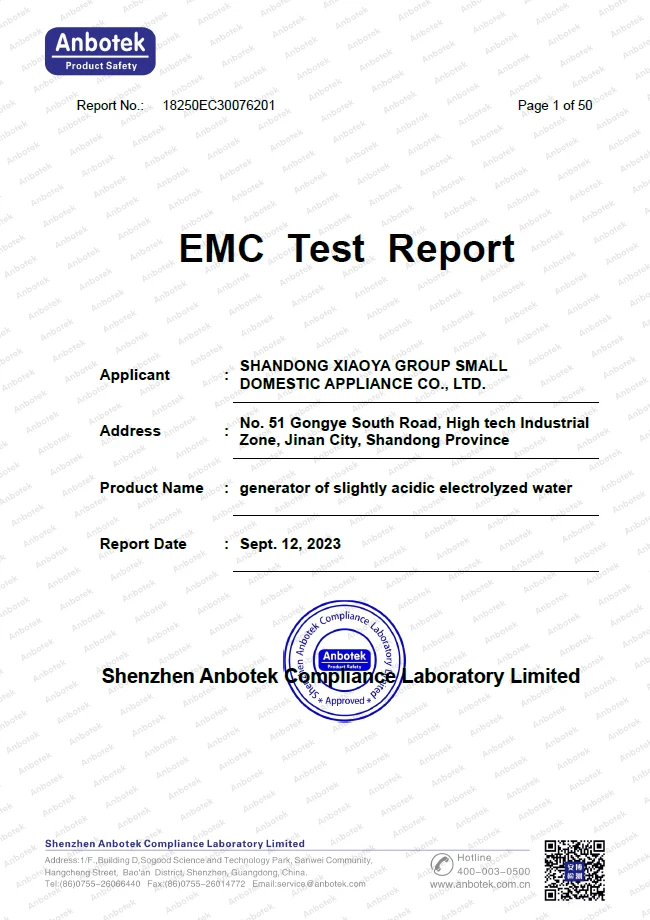
Whether the entire solution can be successfully implemented and whether it will pass acceptance testing hinges on the initial equipment selection. We recommend confirming three points first: First, whether the electrolysis method is compatible with the local raw water quality—in areas with high water hardness, inadequate pretreatment may lead to severe scaling on the electrodes; second, whether the effective chlorine concentration and pH can remain stable during continuous operation—do not rely solely on test values at startup; third, whether the manufacturer can provide complete test reports and bid parameter support, as this directly determines whether the project will encounter issues during the acceptance phase.
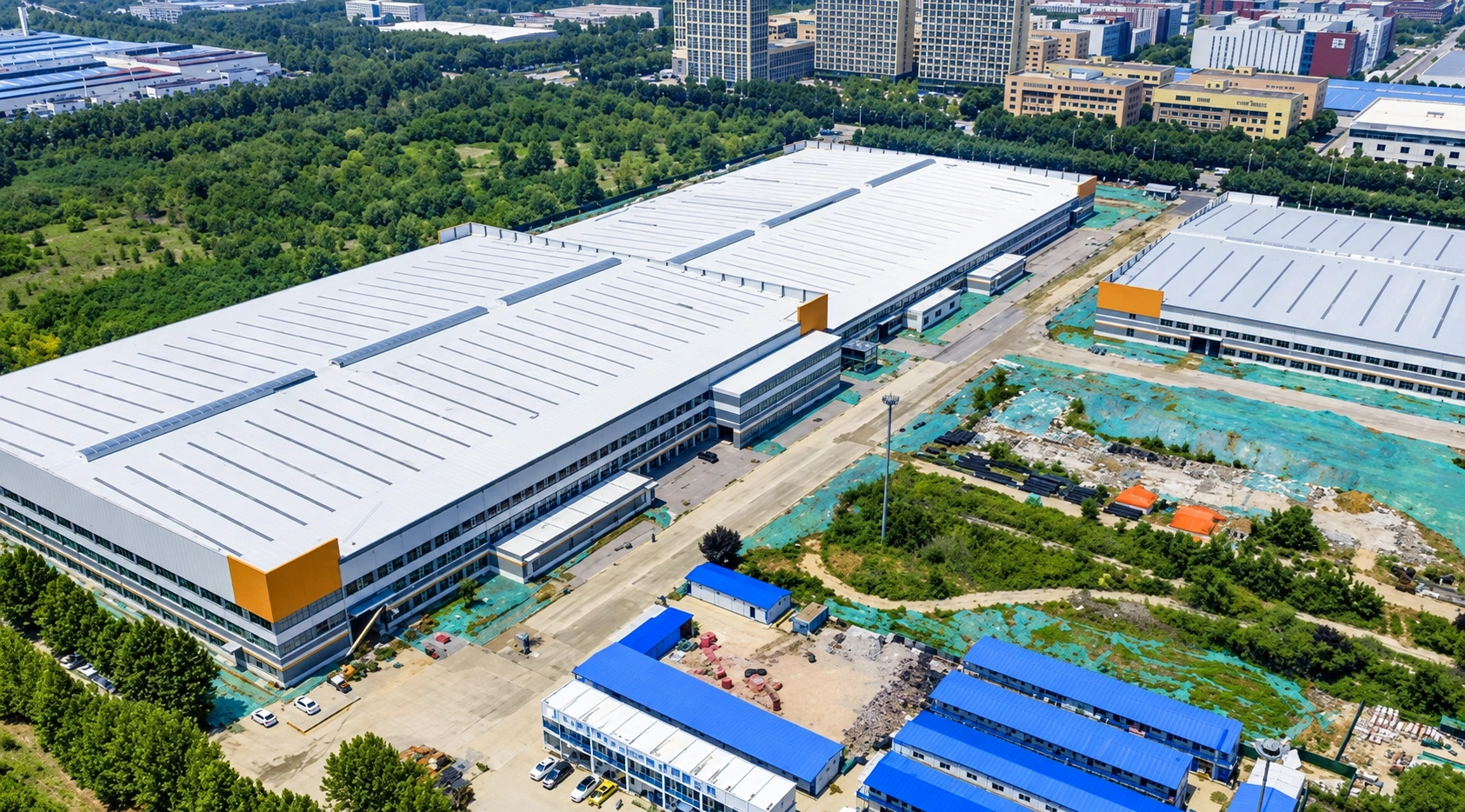
As a manufacturer, Xiaoya can provide partners with OEM/ODM services, offer selection solutions tailored to your specific operating conditions, supply compliant documentation, and provide after-sales training. Remote operation and training are our strengths. Product customization won’t tie up a significant amount of your capital.