
The pollution problem of batch cultivation of golden lotus seedlings, how to break through a hypochlorous acid generator
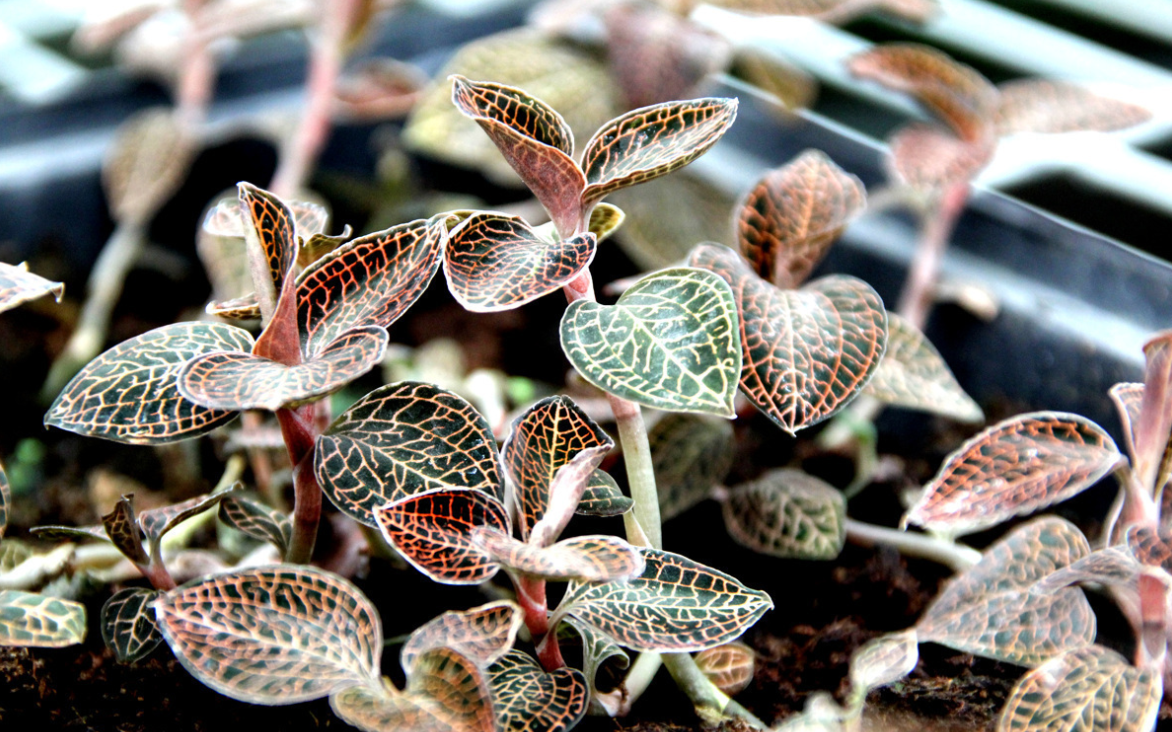
As is well known, the golden lotus is a precious medicinal plant with extremely high market value, but seedling cultivation has always been a headache for the industry. The contamination rate of tissue culture seedlings is high, and there are many diseases after transplantation, and the key survival rate cannot be improved. These issues not only hinder the production of lotus flowers, but also their profits. Next, through this article, I will explain to you clearly where the difficulty lies in the mass cultivation of lotus seeds? What are the advantages of hypochlorous acid generator for seedling cultivation?
What is the difficulty of seedling cultivation?
Those who do tissue culture of lotus know that fungal contamination is the main problem. Once the pollution source comes up, a batch of seedlings will be scrapped, and the costs of site, labor, and culture medium in the first few weeks will all be covered.
The mainstream method for disinfecting explants now is to rinse with tap water for 30 minutes, then soak in 75% alcohol for 30 seconds, soak in 1% -2% sodium hypochlorite for 10-20 minutes, and finally wash with sterile water 3-4 times. Although this process can suppress some pollution sources, it overlooks two issues: one is that alcohol and sodium hypochlorite have strong irritants, and high concentrations can easily damage the explants, while low concentrations cannot suppress the pollution sources. Another issue is the presence of residual chlorine, which can affect the quality of subsequent cultivation and seedlings if not handled properly.
Do you think the problem will end after transplanting to the greenhouse? The most common diseases of golden lotus are stem rot, soft rot, white silk disease, gray mold disease, etc., especially during the winter season, stem rot and soft rot have a significant impact on yield. Some bases can increase their survival rate from 60% to 90% by replacing new varieties, but the daily challenge for most bases is still disease prevention and control. Seedlings may be targeted by pathogens at every step from entering the shed to leaving.
What are the advantages of hypochlorous acid generator for seedling cultivation?
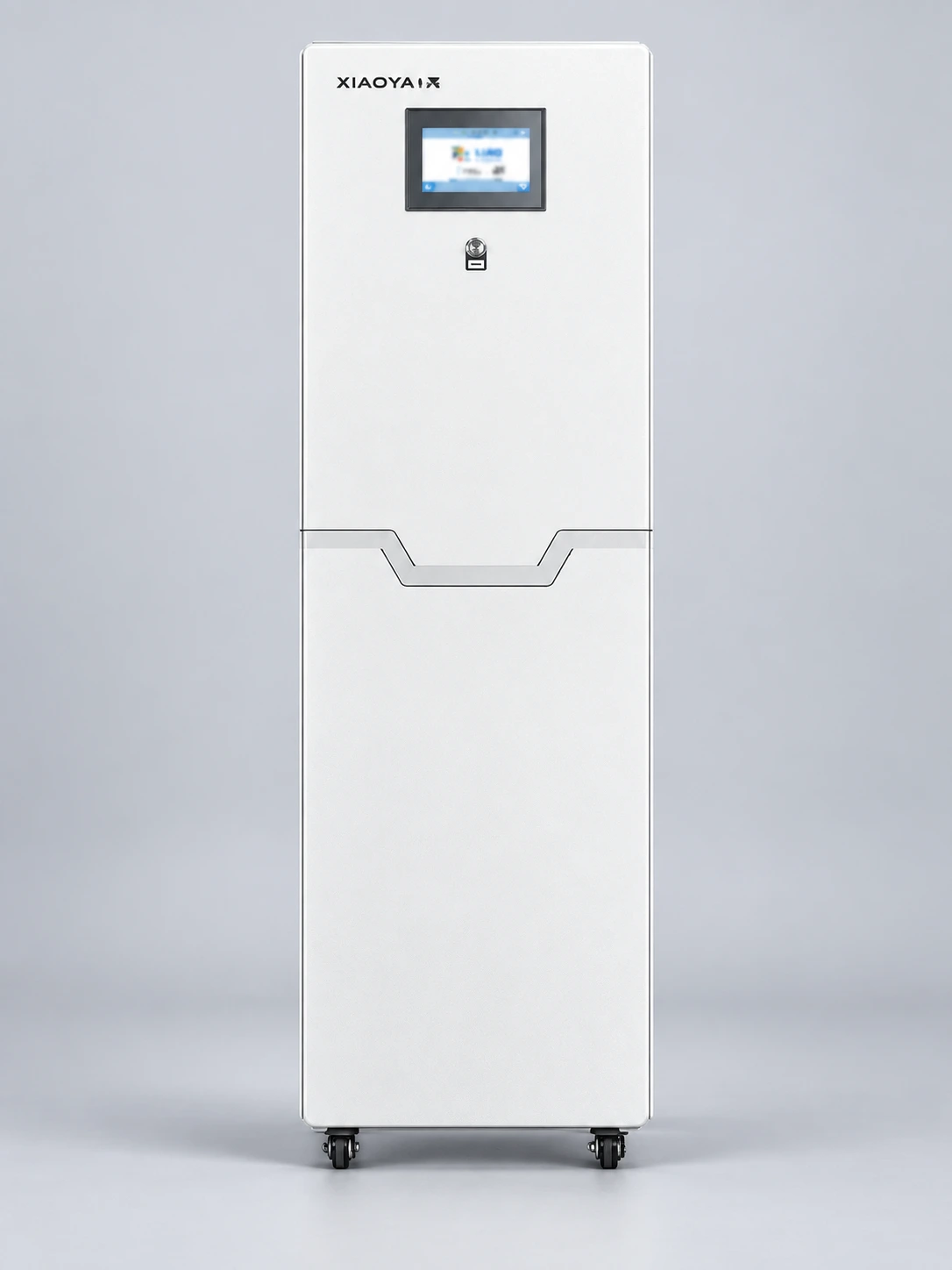
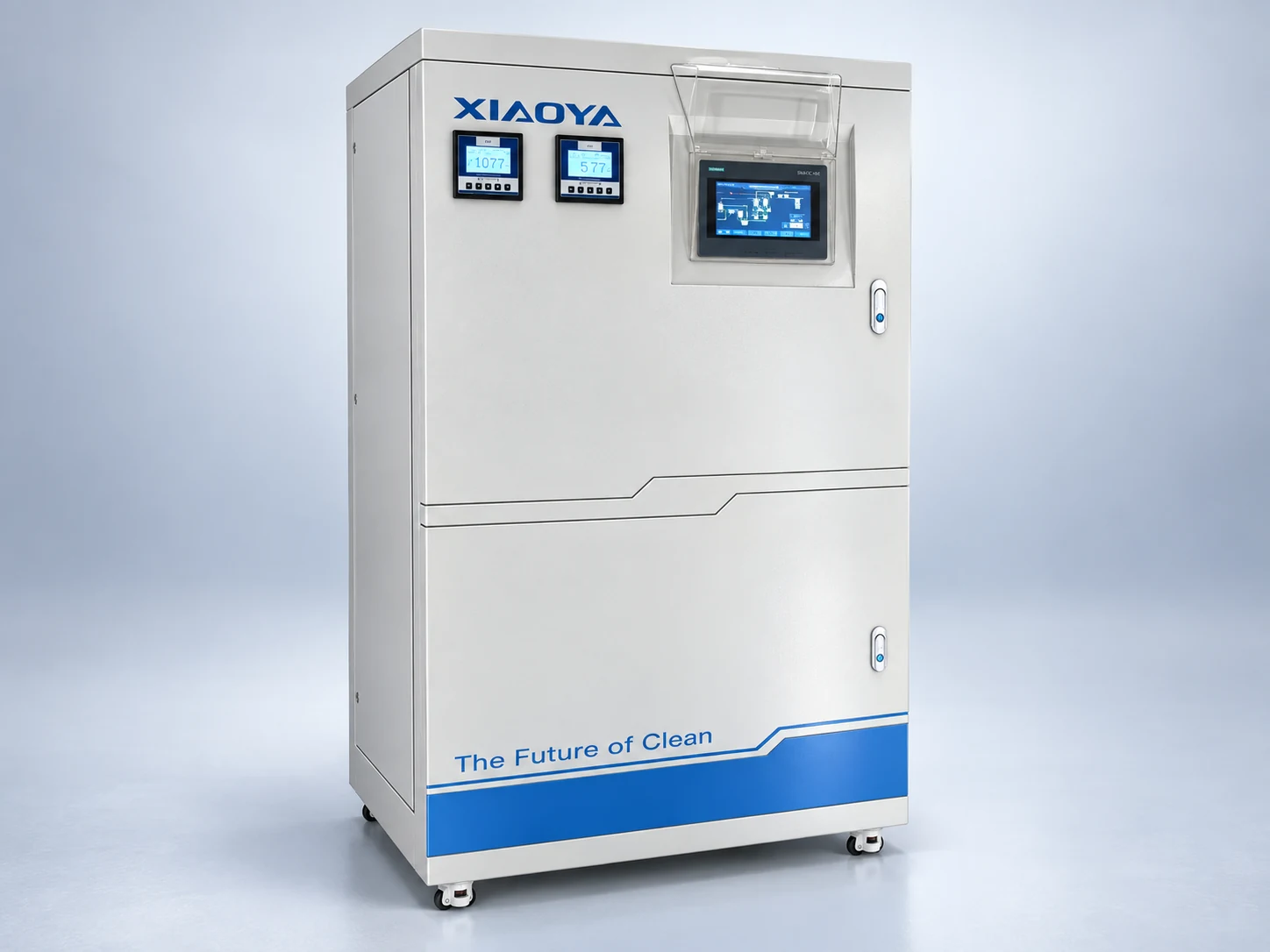
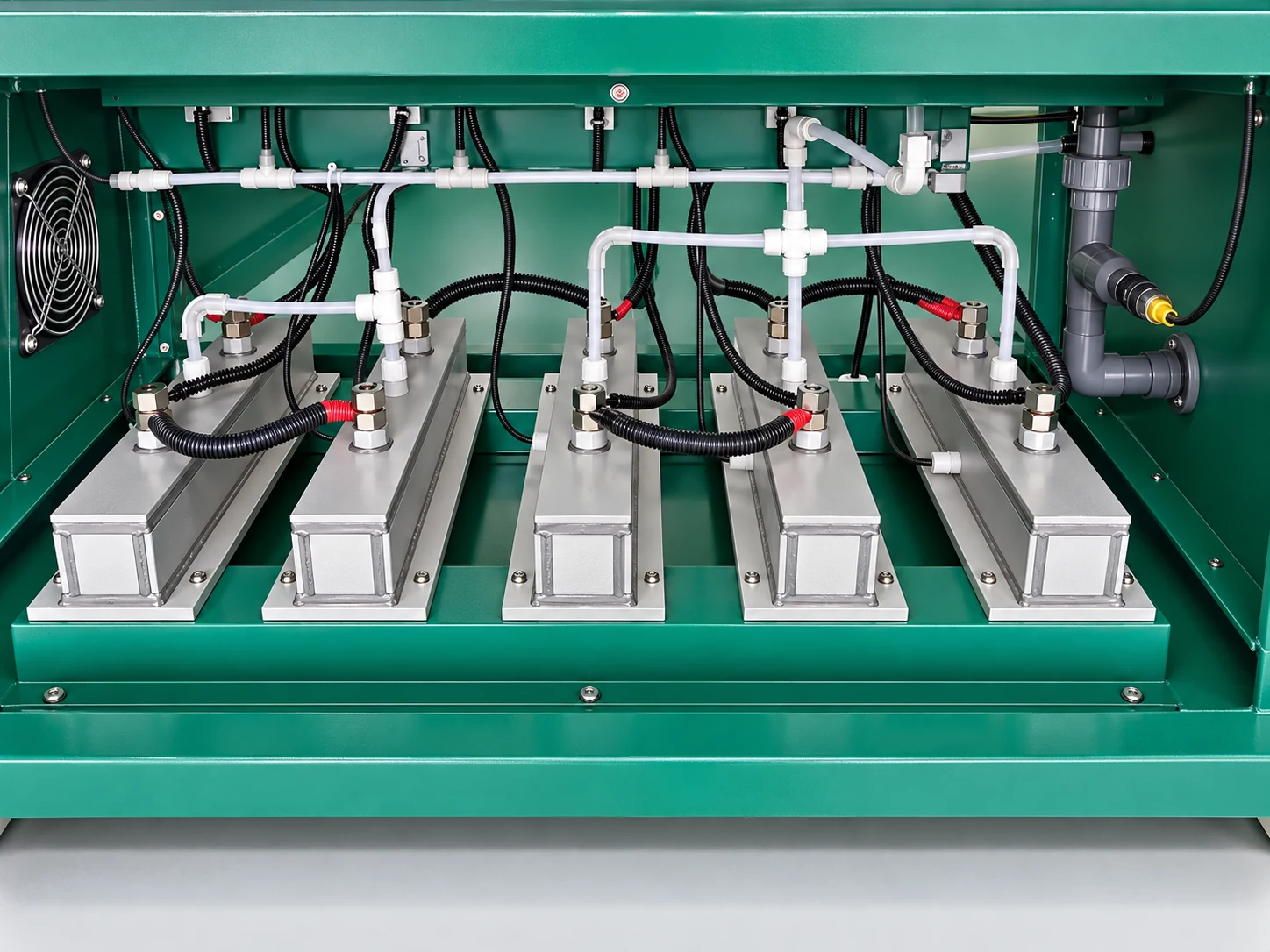
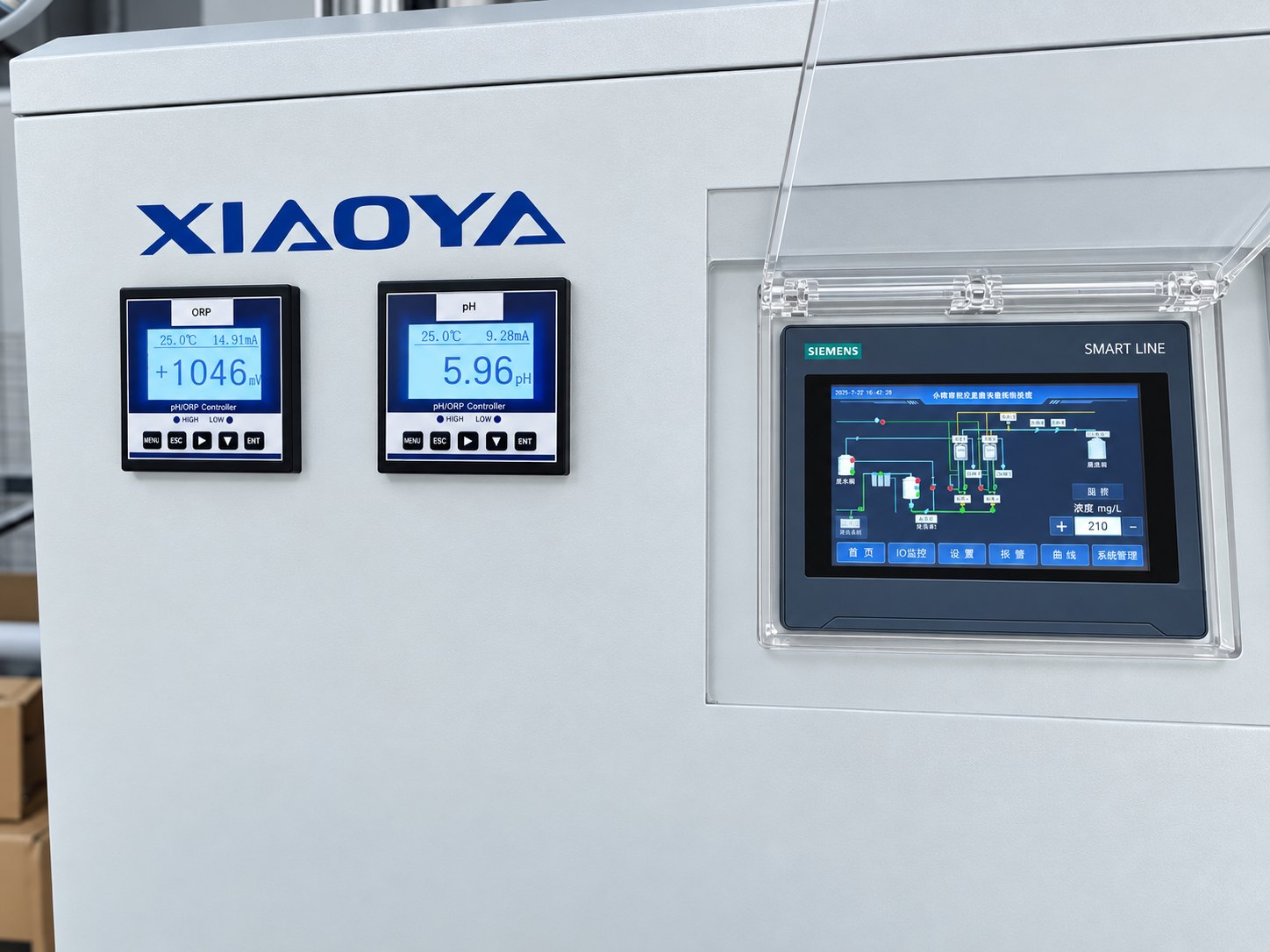
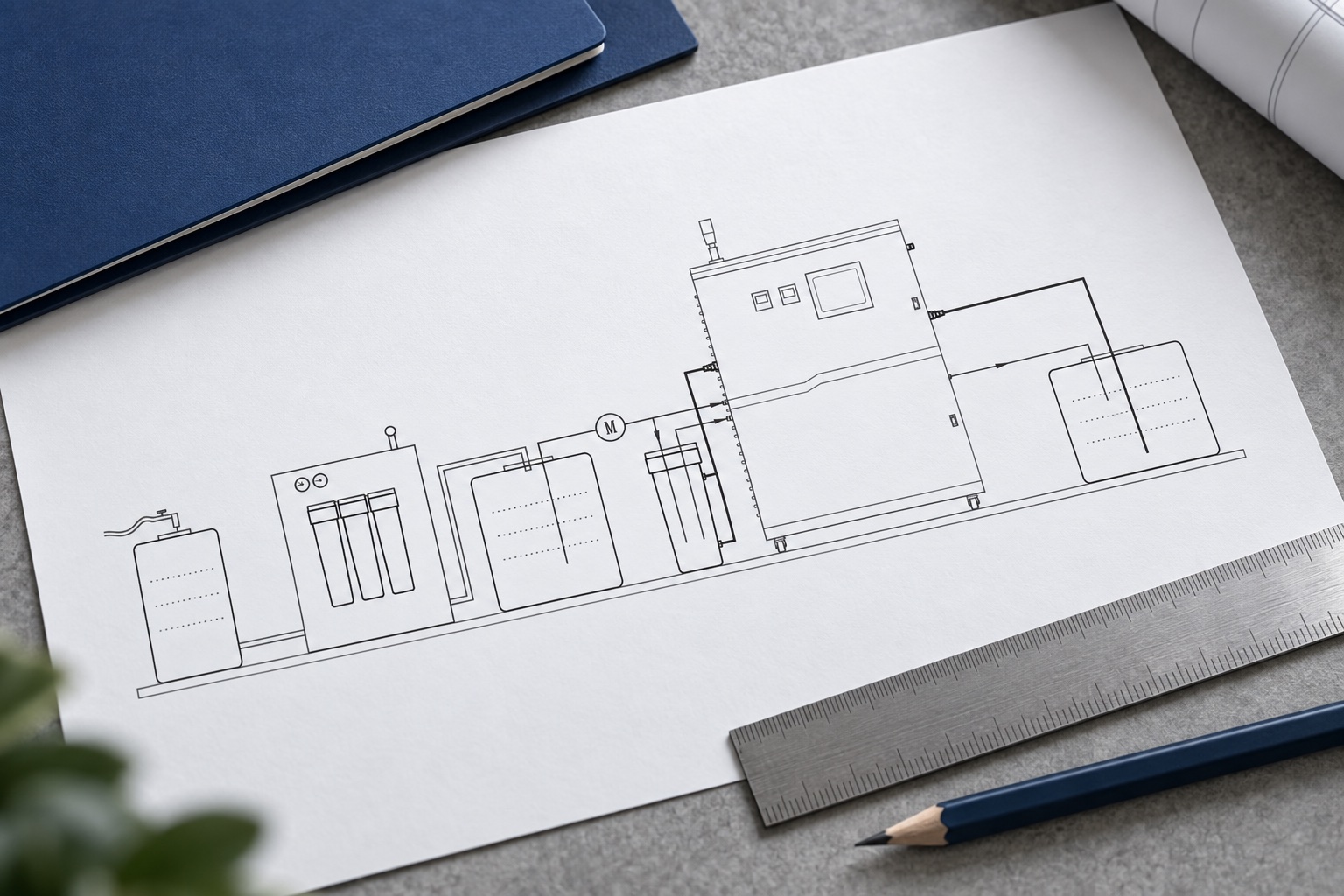
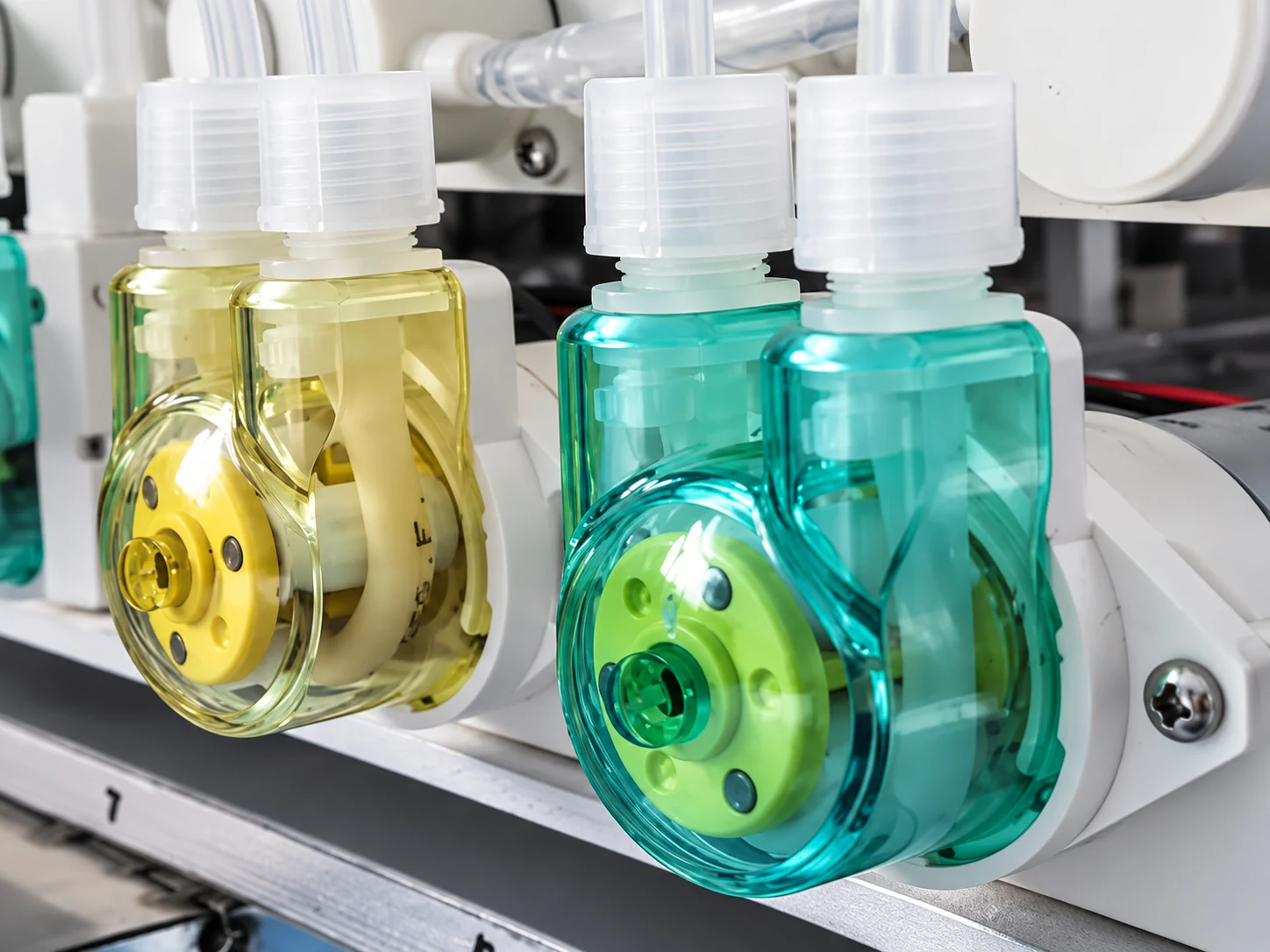
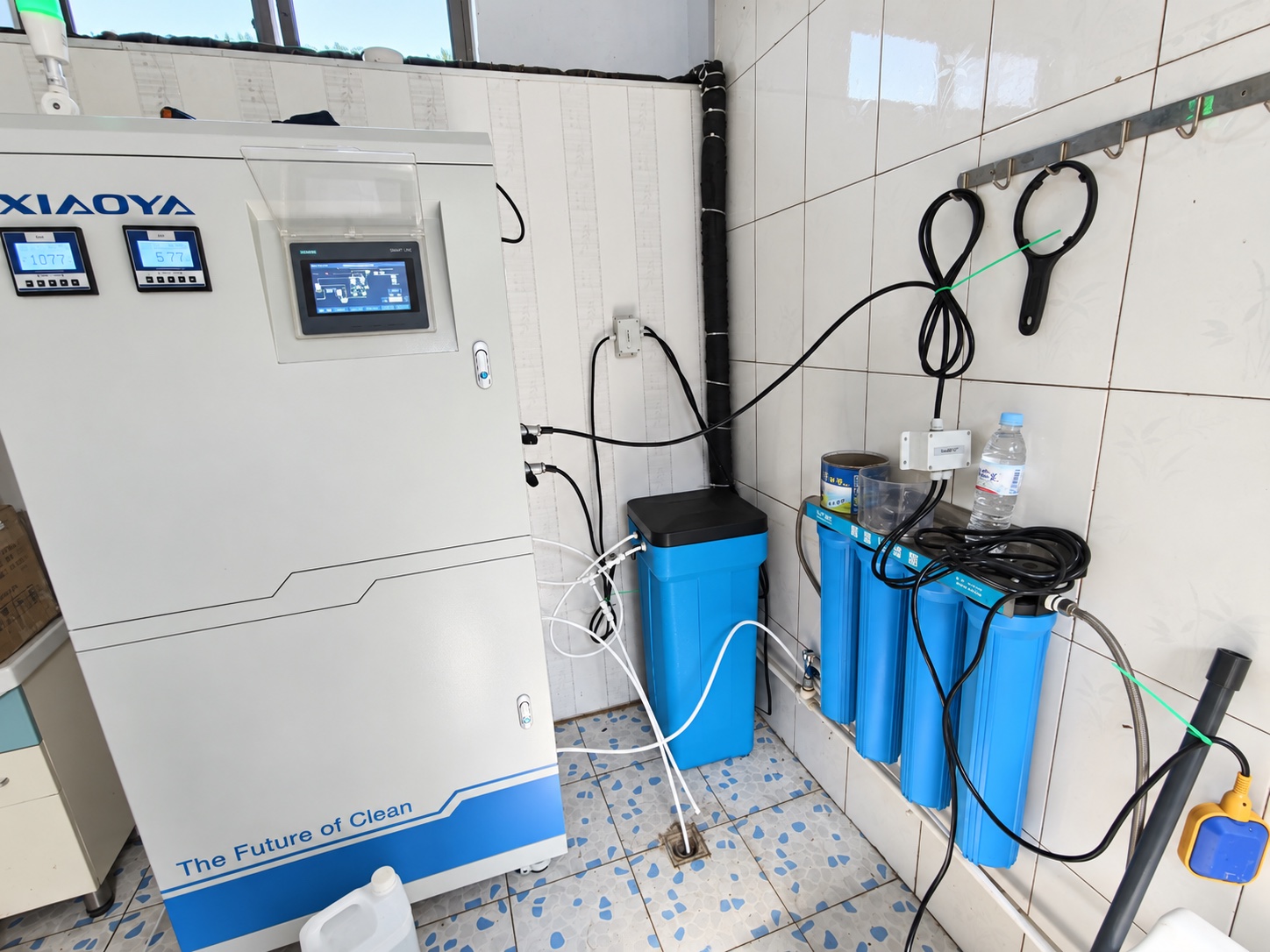
The hypochlorous acid generator is an electrolysis device that, after being powered on, electrolyzes hypochlorous acid water (HOCl) on-site using salt (or diluted acid) and water. It belongs to a broad-spectrum disinfectant, and its sterilization mechanism is very direct. Hypochloric acid can oxidize thiol groups and halogenated free amino groups in pathogenic microbial proteins, causing key enzymes to lose their activity, and bacteria, fungi, and viruses cannot escape.
The biggest difference between it and traditional chlorine bleach is its mild and residue free nature. Hypochloric acid is used up and decomposed into water and trace salts, with a pH of around 5.0-6.5, which can achieve no burning of seedlings and no damage to explants. This characteristic is crucial for varieties like golden lotus, which are delicate and prone to problems during disinfection. It allows you to suppress the pathogen without worrying about burning out the seedlings.
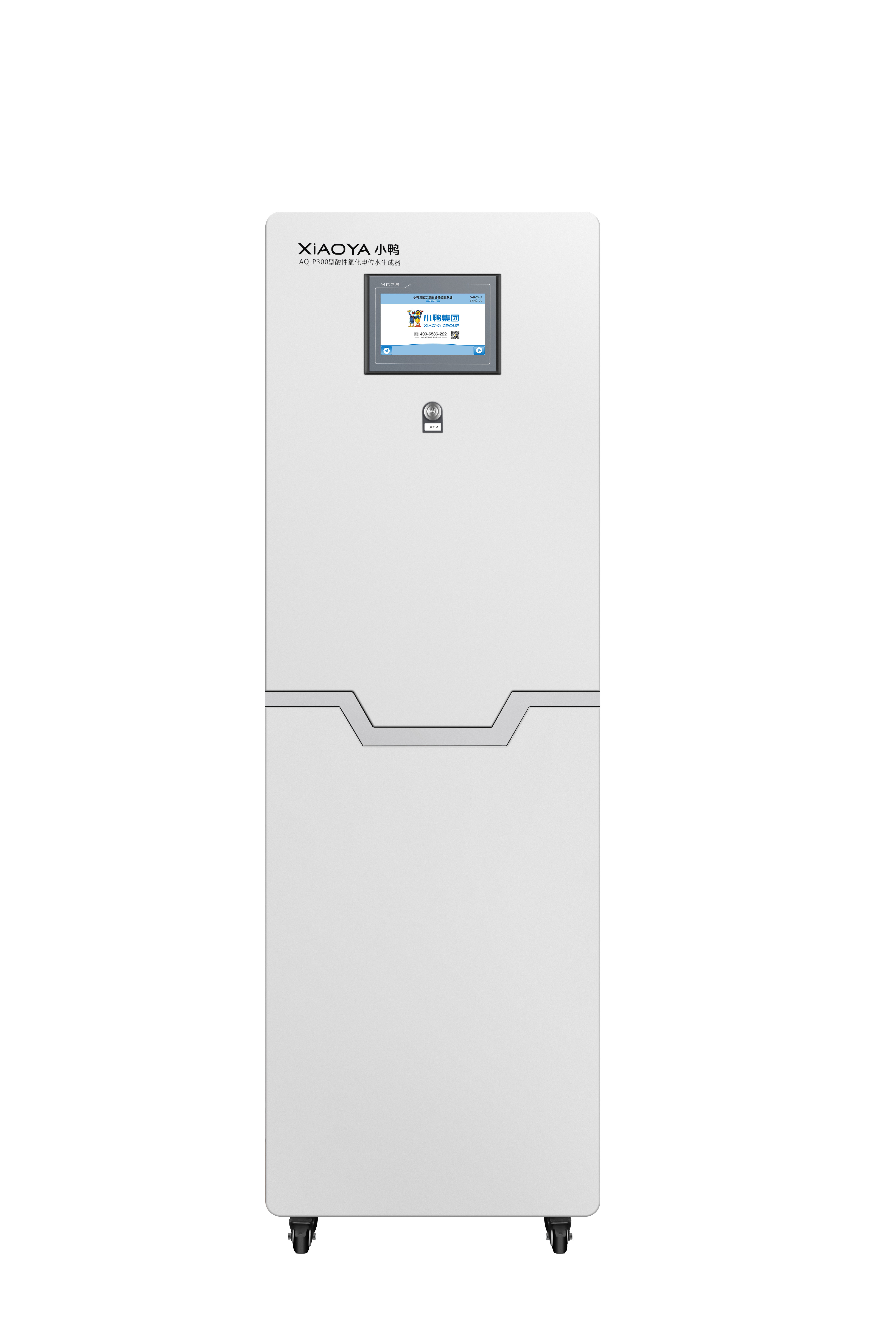
How to use a hypochlorous acid generator in batch cultivation?
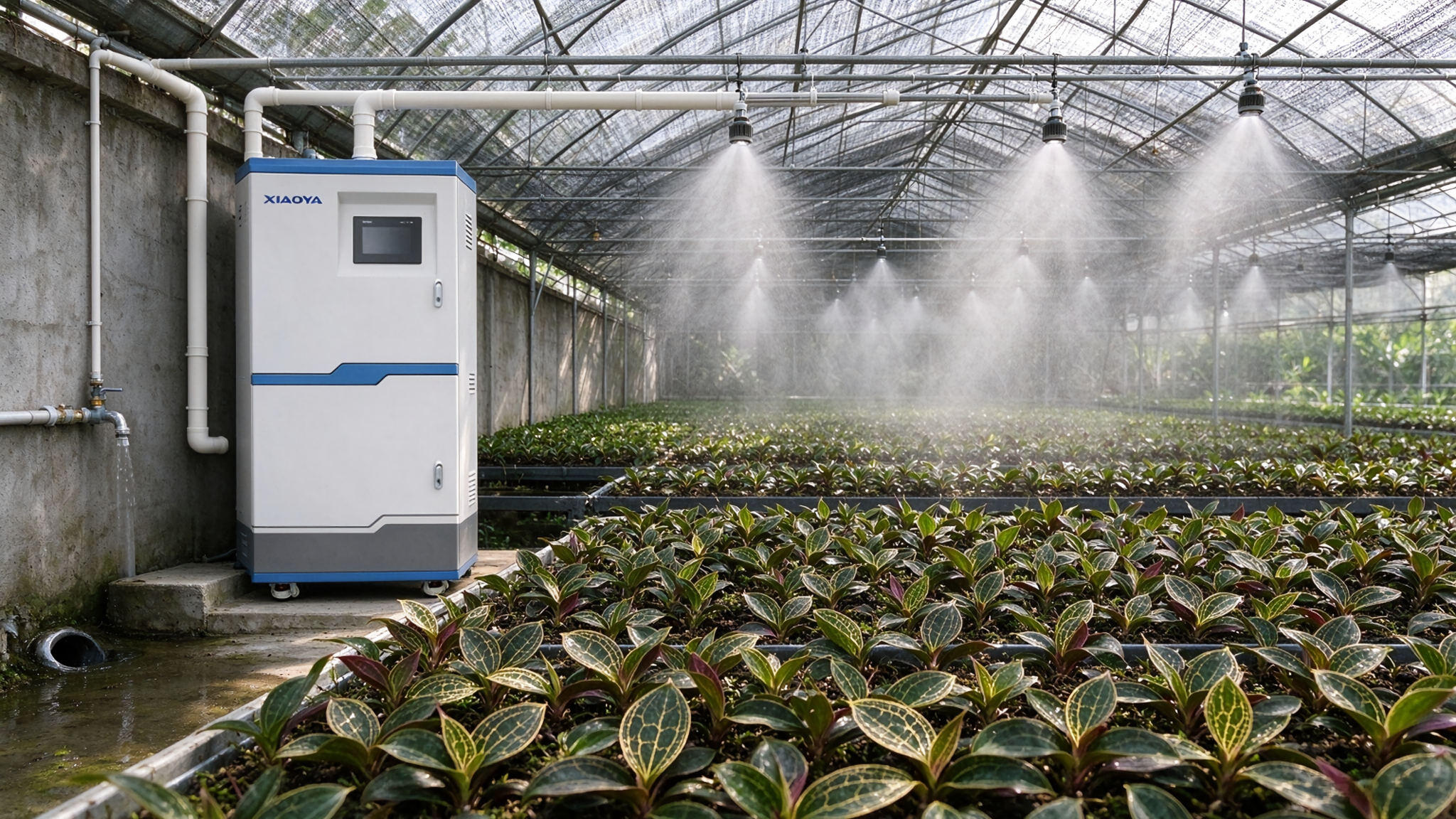
The hypochlorous acid generator is mainly used in three stages for batch cultivation of lotus seedlings. The first step is to disinfect the explants. Treating the explants with hypochlorous acid water prepared with a hypochlorous acid generator can completely replace the existing traditional treatment methods. Mild and controllable concentration, combined with sterile water rinsing, can significantly reduce the contamination rate during the tissue culture stage. The second step is to disinfect the seedlings and substrate. During batch seedling cultivation, the substrate, plug tray, and seedbed should be sprayed with hypochlorous acid water (about 100 ppm) before planting. Transplanted seedlings should be lightly sprayed with low concentrations (30-50 ppm). This step can suppress soil borne and seedling borne pathogens in advance, significantly reducing stem and root rot after transplantation. The last one is greenhouse environment and irrigation disinfection. The greenhouse should regularly atomize hypochlorous acid water (50-100 ppm, once or twice a week), clean tools and seedbeds, and continuously add 5-10 ppm to irrigation water to prevent biofilm and algae from growing in drip irrigation pipes. The entire production environment should be kept clean, and diseases should be cut off at the source, rather than waiting for an outbreak to be remedied by spraying medicine.
In fact, the core reason why more and more people are using hypochlorous acid generators is to save money, effort, and have controllable effects. A generator should be prepared according to the required concentration, and produced as needed, without the need to stock up on finished disinfectants that are prone to spoilage and have poorer effects. For tissue culture factories and seedling bases, nothing is more important than reducing pollution rates, increasing survival rates, and saving labor and time costs.
If you are also troubled by long-term seedling pollution and recurrent diseases, you can contact Xiaoya Group. We will make technical selection according to your site scale and cultivation mode, and provide complete after-sales services to help you select a suitable hypochlorite generator to solve the problem of disinfection and sterilization seedling cultivation.