

Why are pet hospitals switching to near neutral disinfectant?
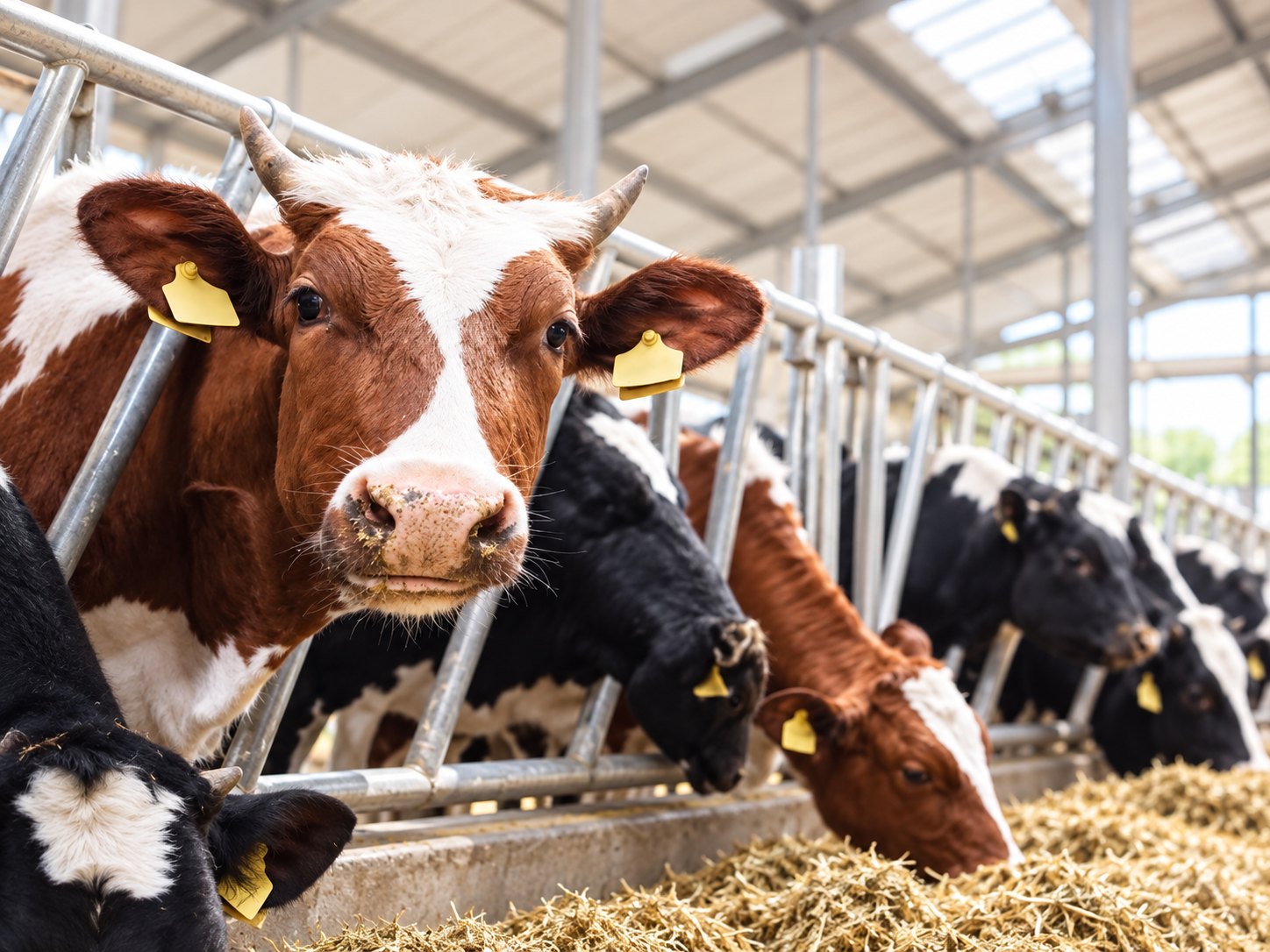
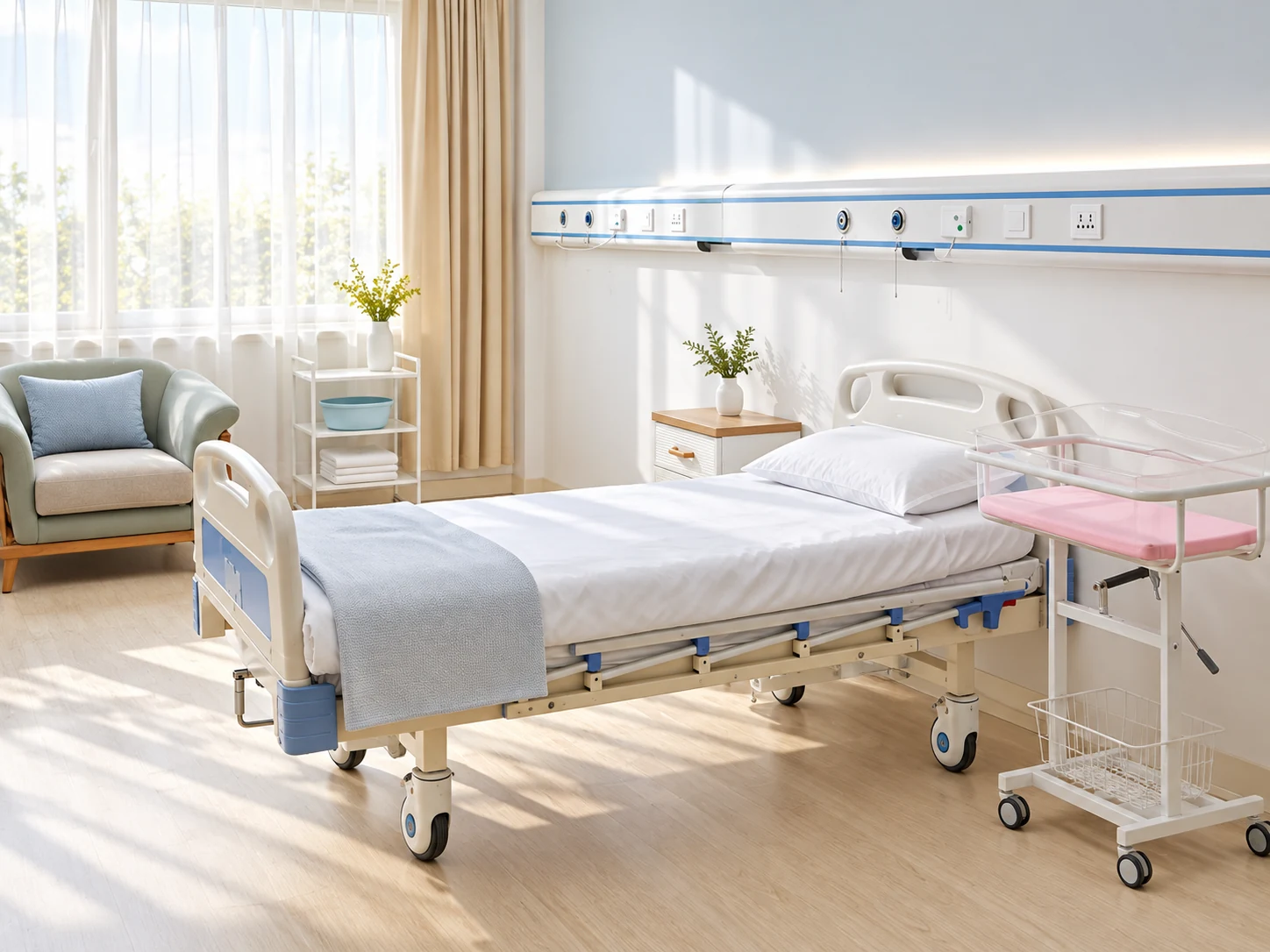
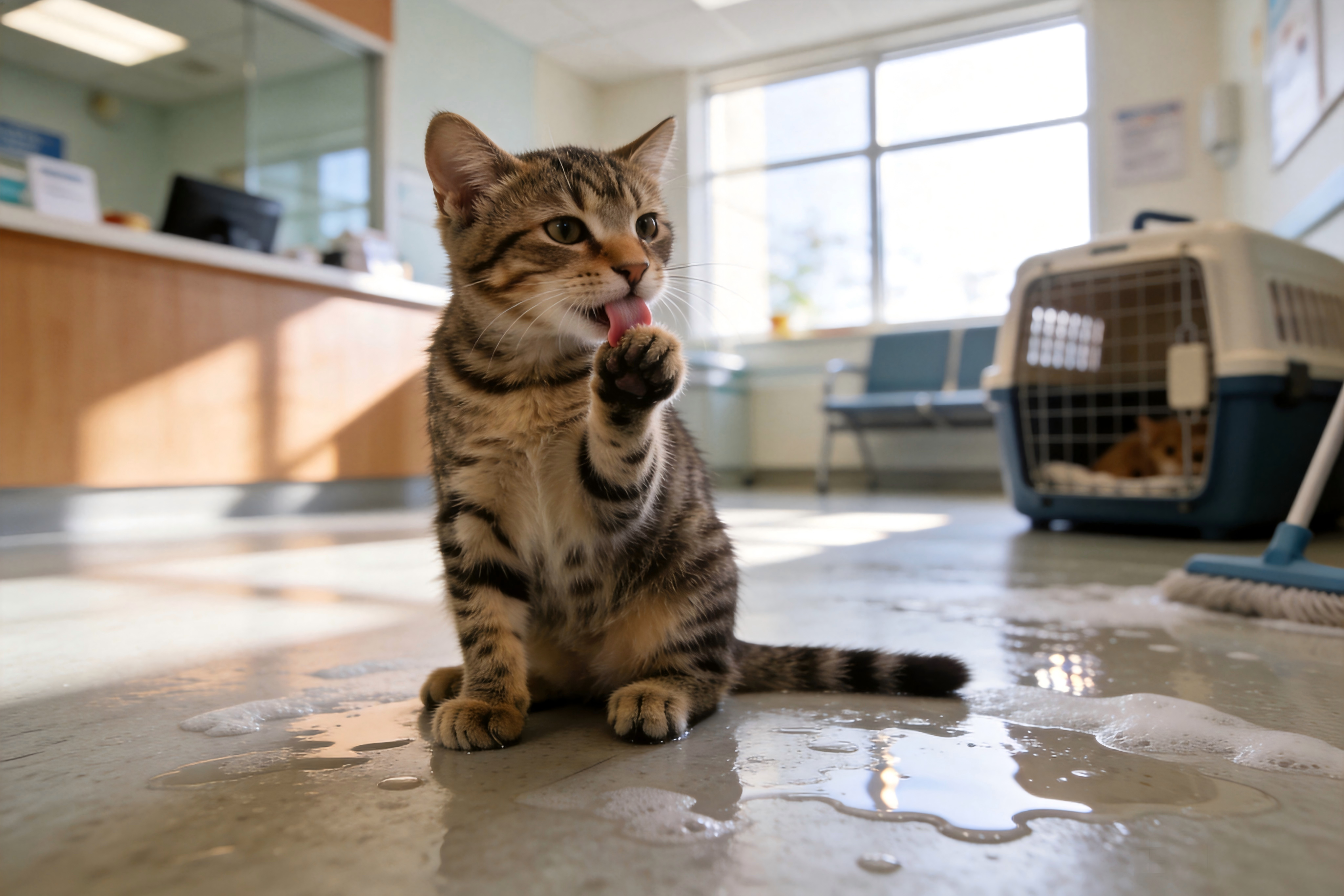
When you walk into the waiting area of a pet hospital that has just finished mopping the floor, you will find that the smell of disinfectant is very light, so light that you have to get close to smell it. The cat in the cage, bored with waiting, licked its front paws on the cage door, which had just scratched the disinfected floor. If we put it in a few years ago, the front desk would probably have moved the cat away when they saw this scene, waiting for the ground to dry before putting it back. Nowadays, many hospitals do not move their cats when they see this kind of song situation, because they have replaced something in the mop bucket, which is nearly neutral hypochlorous acid water with a pH of around 6.
This replacement is not blindly following the trend. Let’s take a look at several disinfectants commonly used in pet hospitals, and the biggest problem is that those pets will lick things that have just been disinfected.
Cats lack a metabolic enzyme called UDP glucuronosyltransferase in their liver, and phenolic disinfectants cannot be excreted from their bodies. Therefore, it is only a tasteless solution for other animals, which poses a real risk of poisoning for cats. Quaternary ammonium salts may appear mild, with benzalkonium chloride being a representative, but there have been cases of mouth and esophageal ulcers in cats after licking the skin they have rubbed. What’s more troublesome is that quaternary ammonium salts can be inactivated by organic matter, which has no reliable effect on the most troublesome parvovirus in hospitals. Long term low concentration use can also breed drug-resistant bacteria. 84 disinfectant is one of the main methods to deal with parvovirus. To be fair, parvovirus can withstand a high temperature of 80 ° C for one hour, and even after soaking in alcohol for five minutes, it is still fine. There are not many types of chemicals that can simultaneously kill parvovirus and Clostridium spores, and chlorine containing disinfectants are on the list.
Why do hospitals need to be changed? Because 84 is a strongly alkaline solution with a pH of around 12, it relies heavily on a large amount of hypochlorite ions and a small amount of hypochlorous acid molecules during operation. The chlorine smell is pungent, and the cats and dogs in the ward who are sensitive to the respiratory tract will feel stressed when they smell it. After disinfecting the countertop, it needs to be wiped again with clean water to eliminate residual pressure. Employees smell it every day, and the accounts of airway irritation and occupational exposure are not small. The European feline environmental disinfection guidelines list phenols as prohibited items in feline environments, quaternary ammonium salts as optional, and chlorine containing compounds as recommended.
The use of near neutral hypochlorous acid water is precisely about reducing costs. After the same amount of effective chlorine is pressurized back to pH 5 to 6.5, the protagonist changes from negatively charged hypochlorite ions to uncharged hypochlorous acid molecules. They are small in size, uncharged, and can directly penetrate the cell wall of microorganisms, with an inactivation ability 80 to 100 times that of hypochlorite ions. In other words, for the same task, a much lower concentration of nearly neutral water is required, and hypochlorous acid water at the level of 20ppm has shown the ability to inactivate viruses in experiments. It is much less irritating to the skin and mucous membranes than sodium hypochlorite, and the residue after the reaction is dilute saline water. The high-frequency actions in the pet hospital, such as cage turnover several times a day, wiping the examination table at every opportunity, and cleaning the food and water basins, although the frequency of wiping has increased, the cost of stimulation and residue has not followed. This is the significance of replacing hypochlorous acid water.
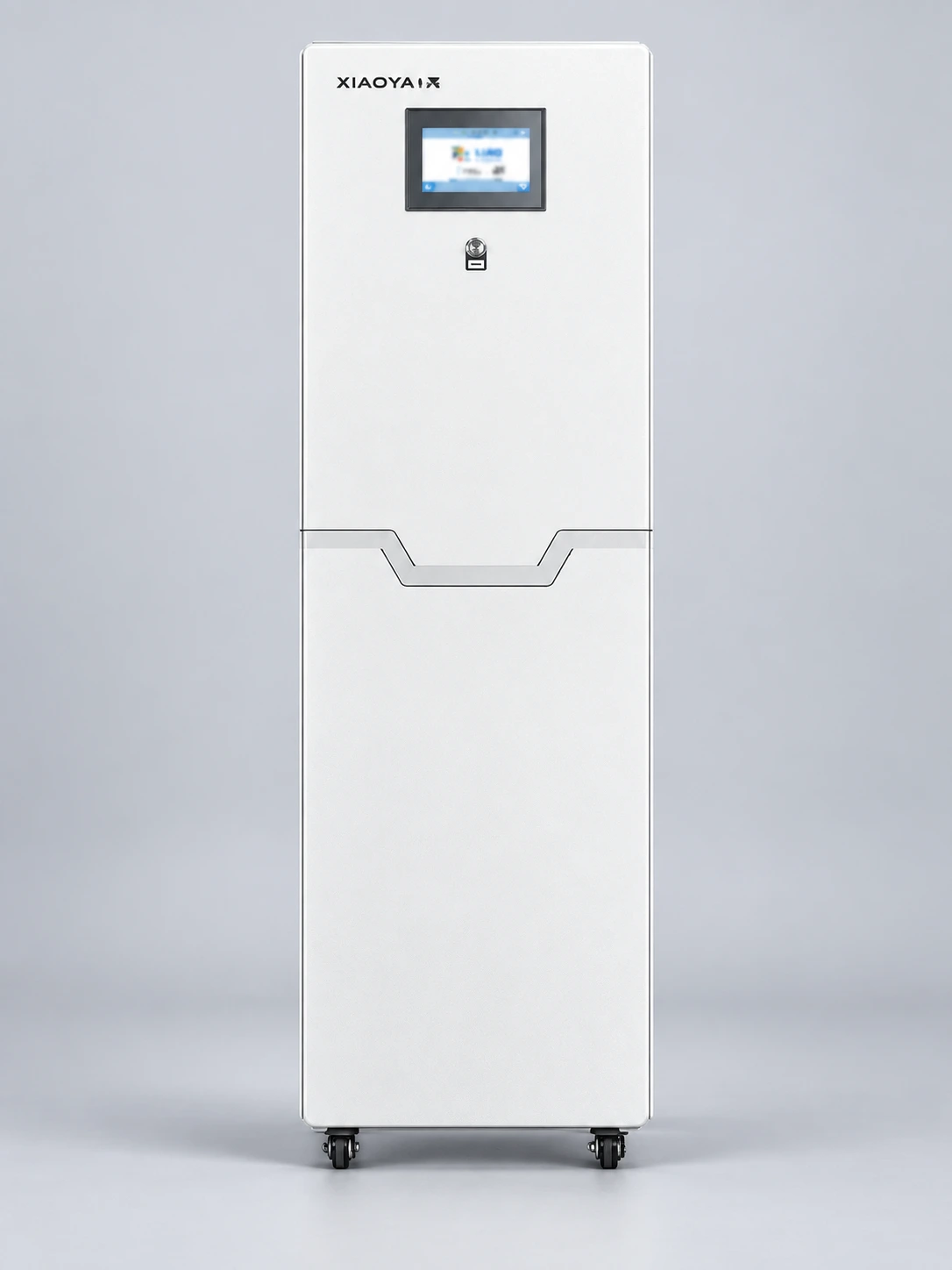
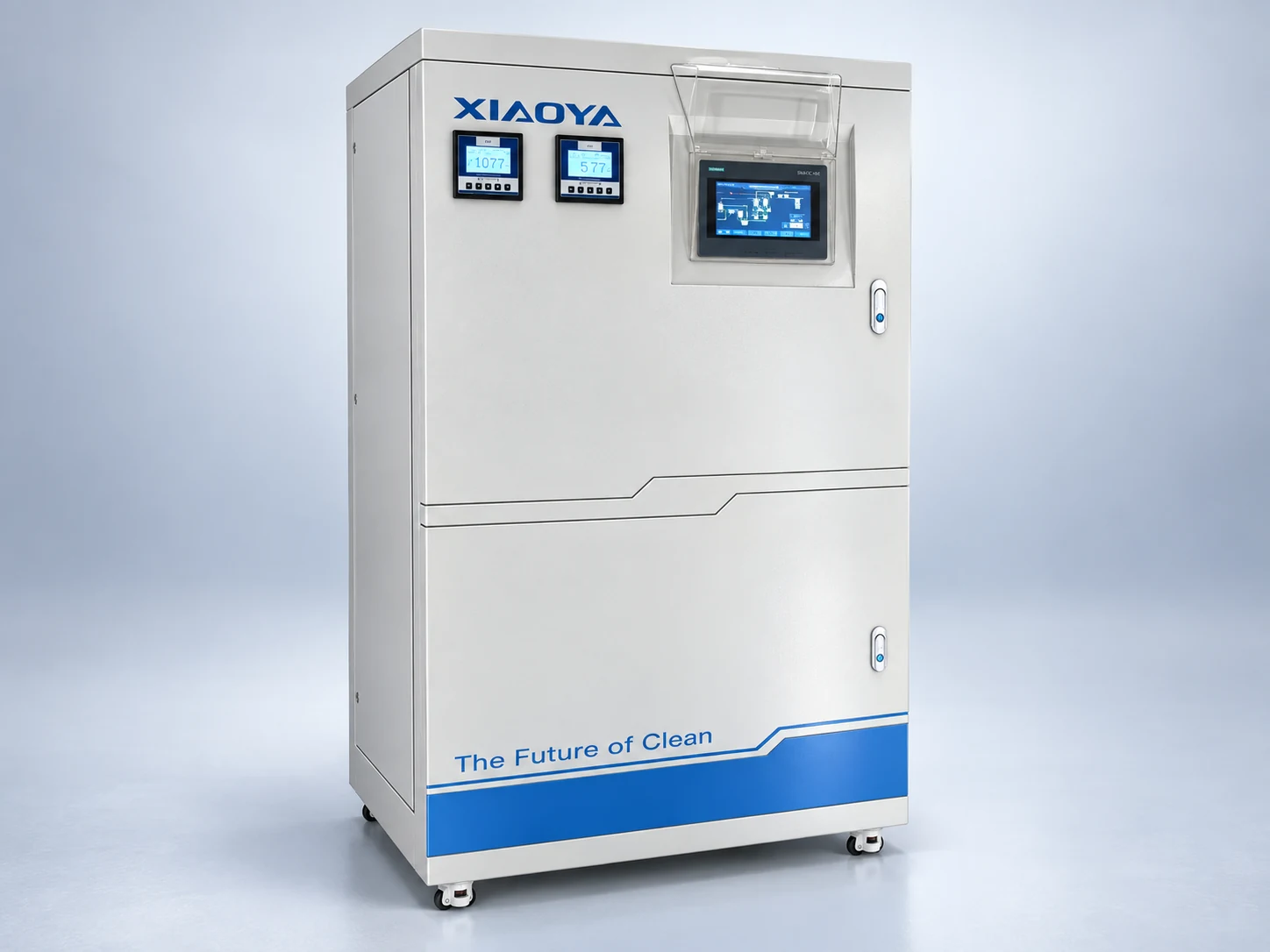
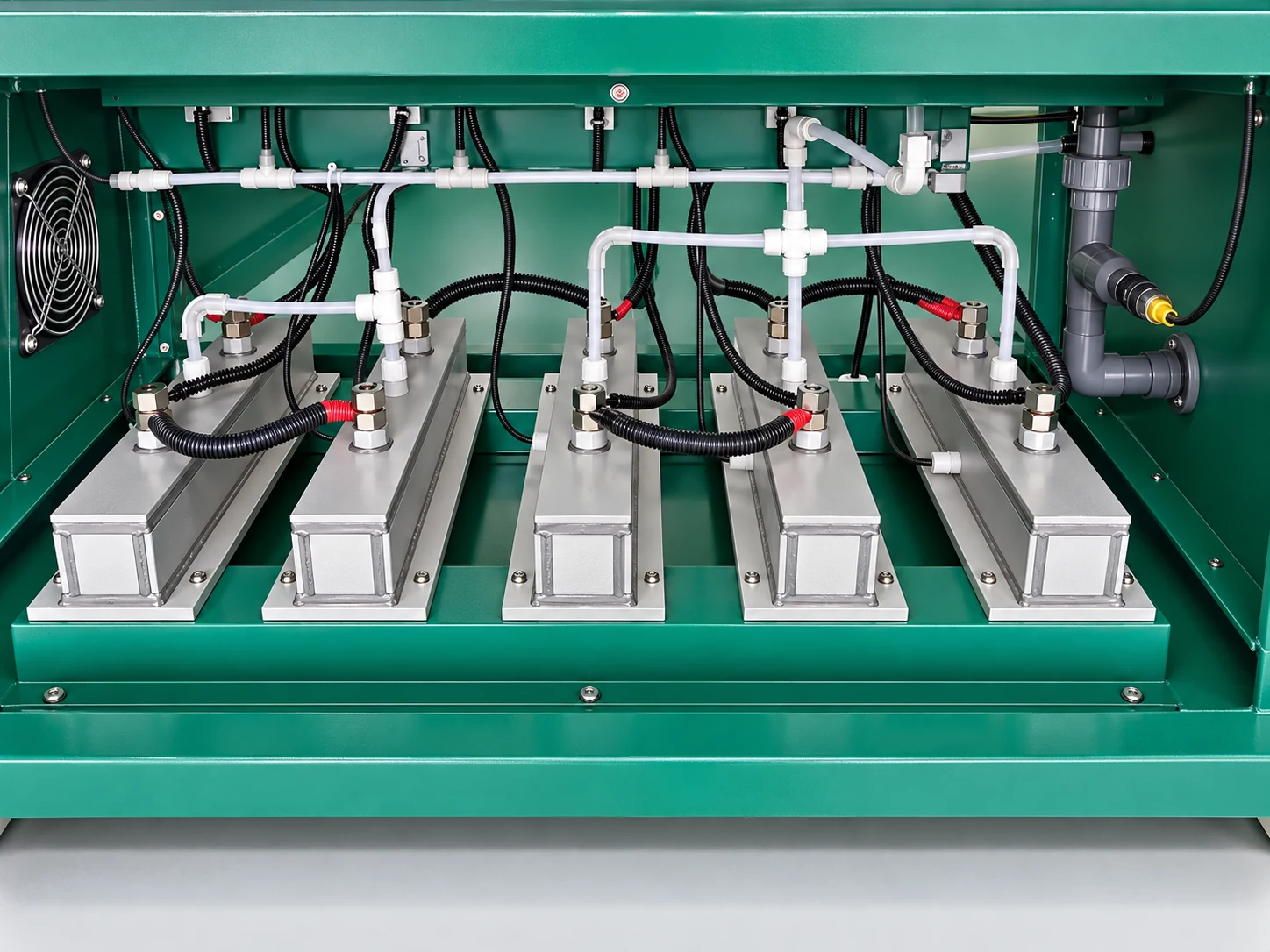
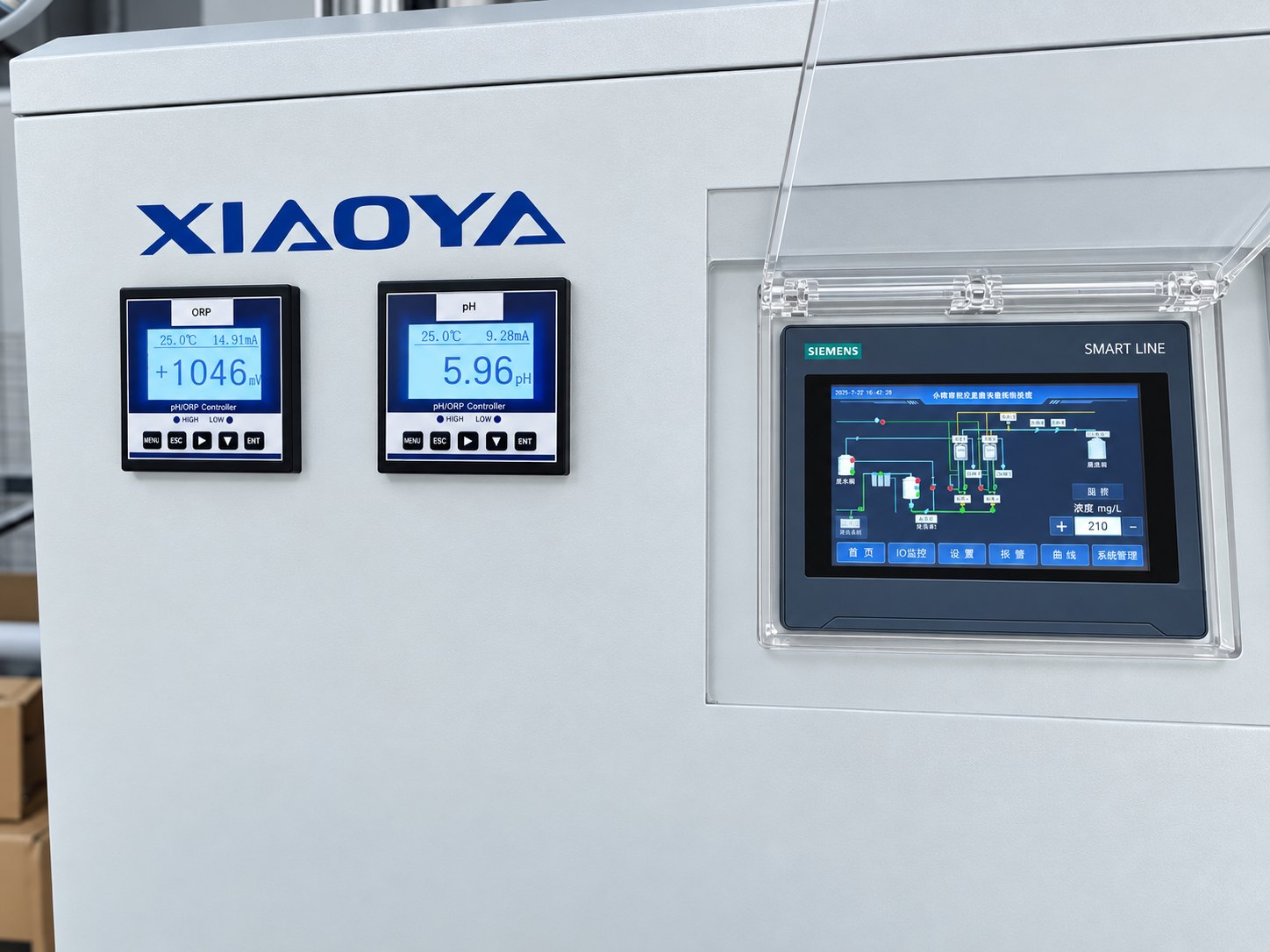
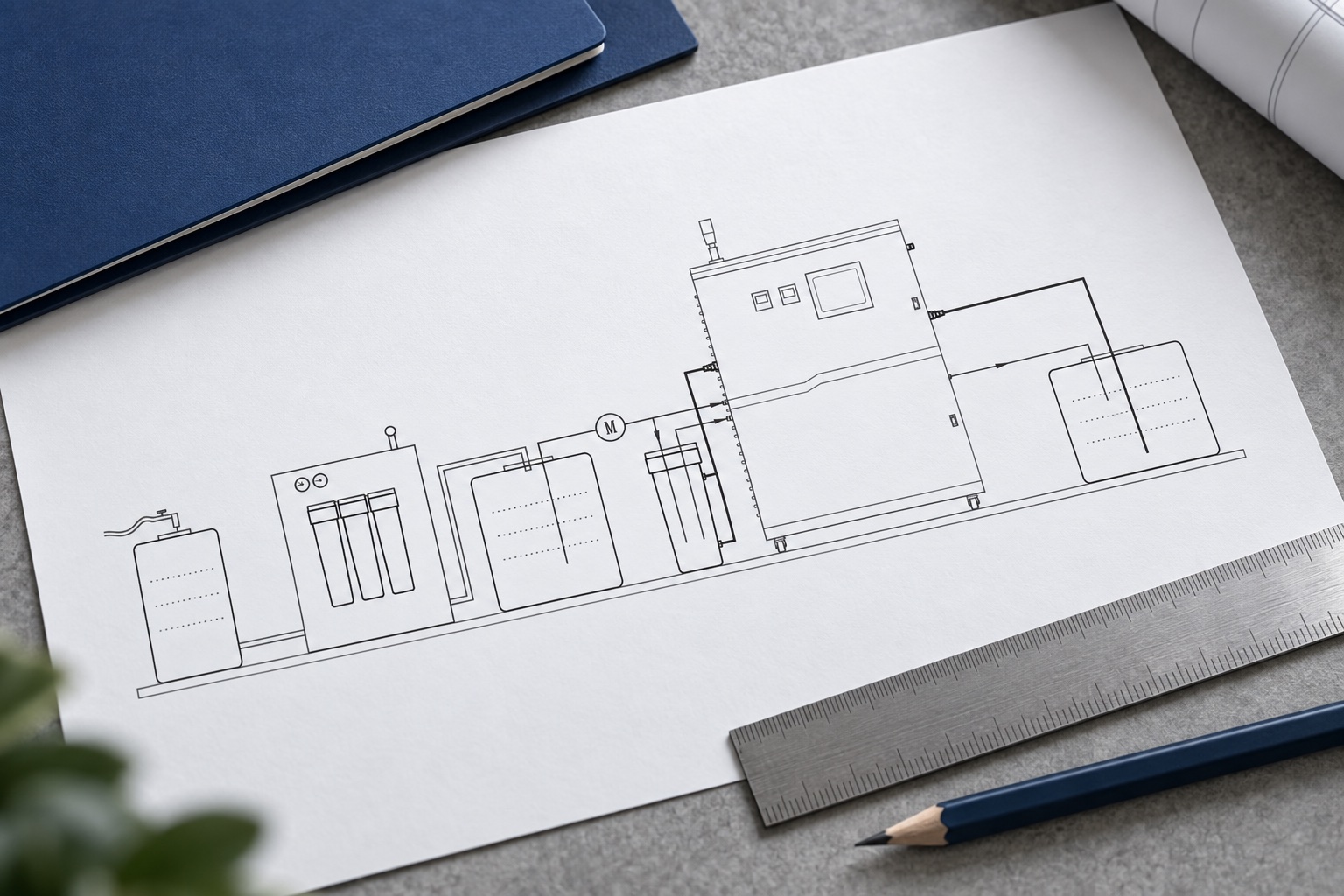
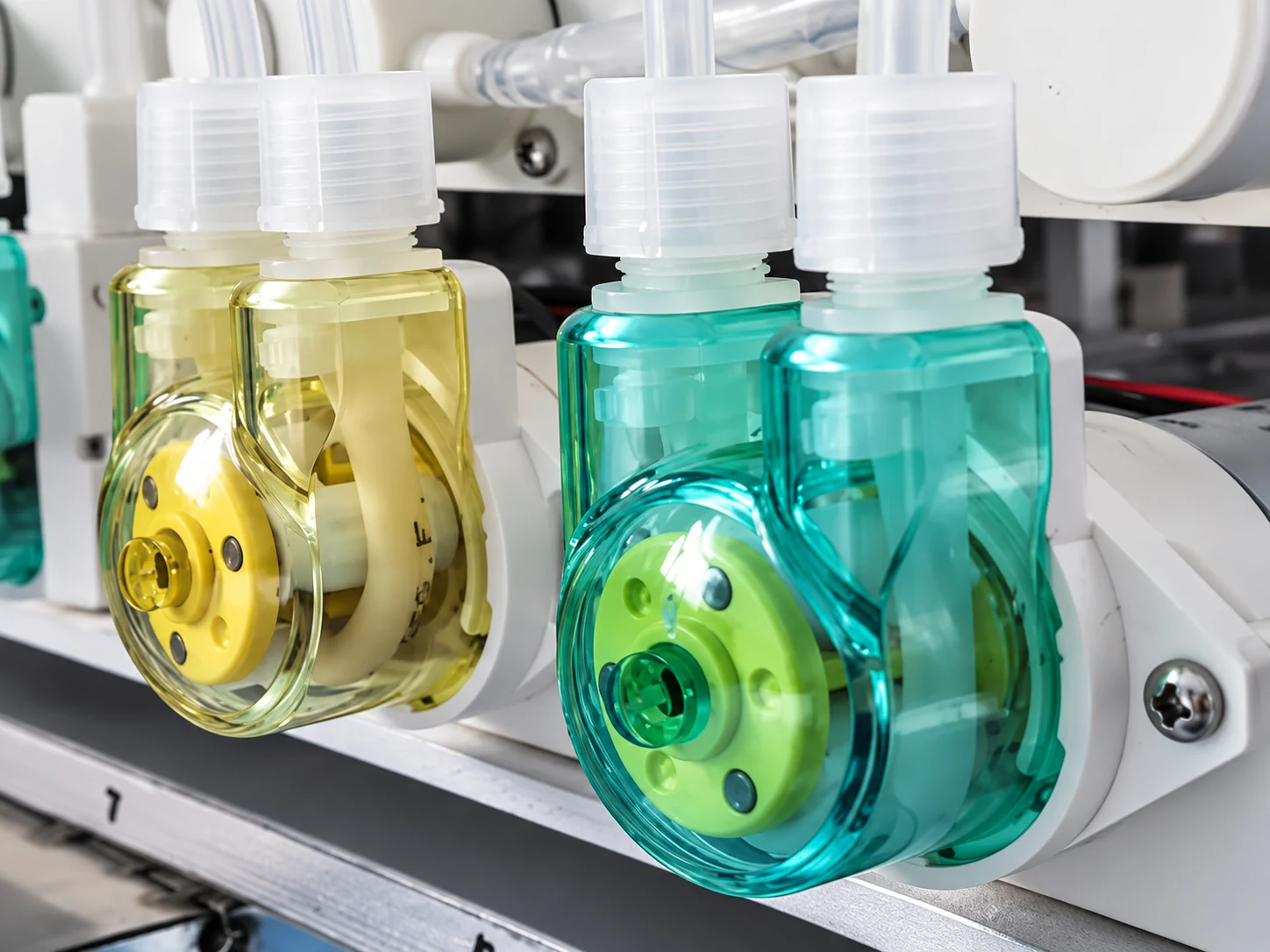
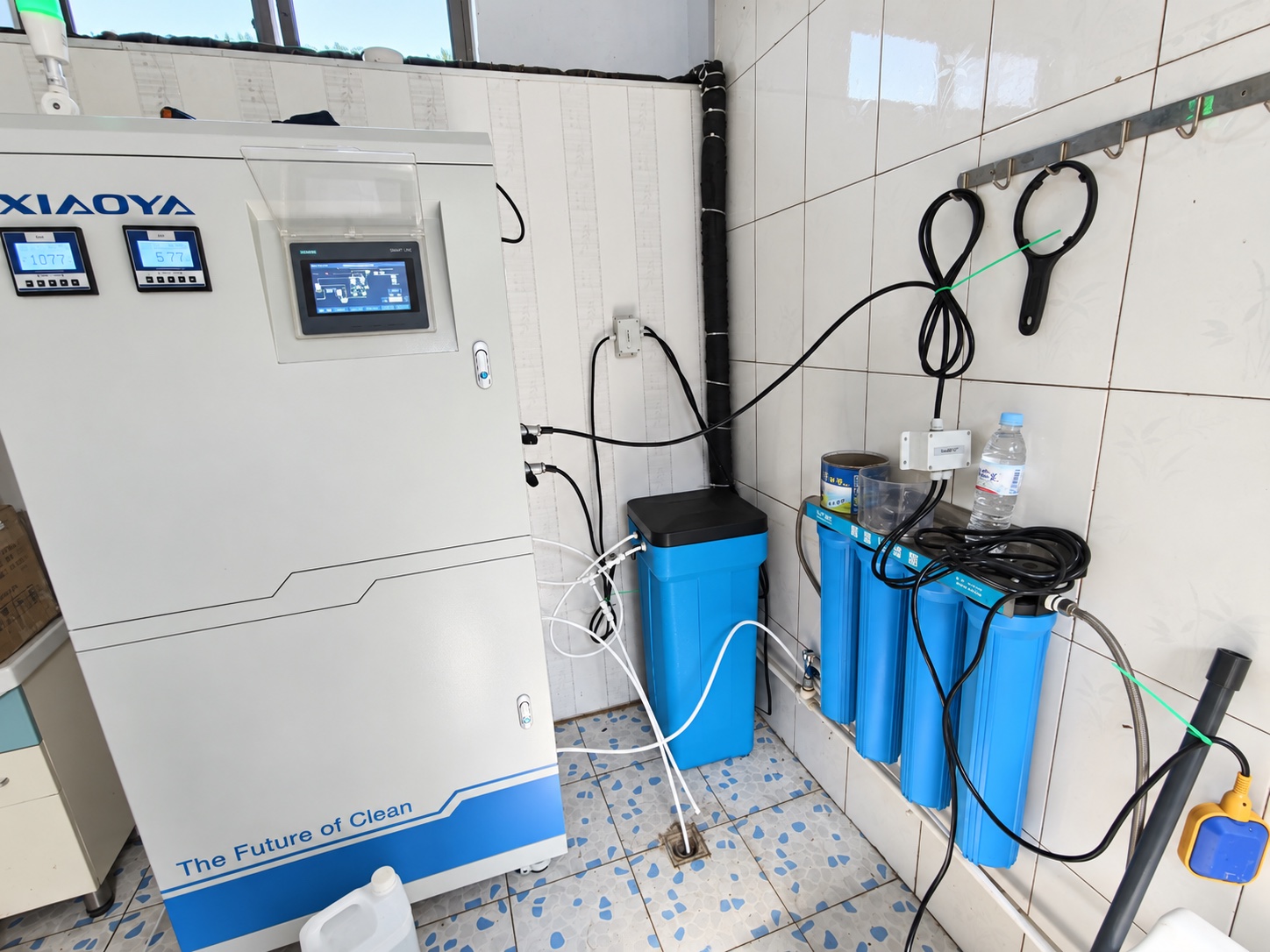
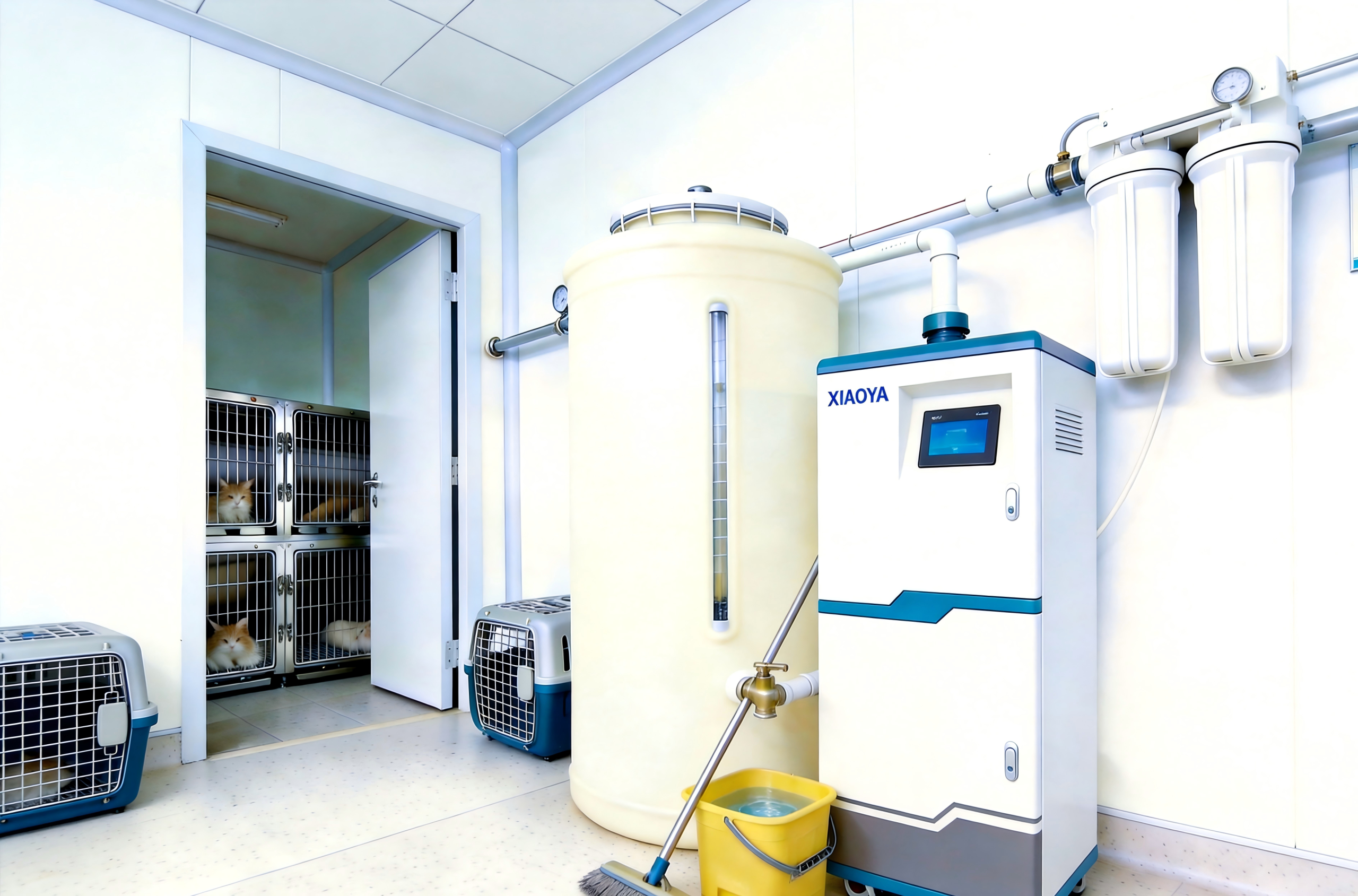
But hypochlorous acid water has an engineering weakness: it cannot survive. The ones that can be stored in the market are stable and doped, but the maximum shelf life is only 6-12 months. In addition, hypochlorous acid water with a pH of 6.4 needs to be kept away from light. As the storage time is delayed, the effective chlorine concentration will also decrease. So the focus of this replacement was never on changing the disinfectant, but on replacing the hypochlorous acid generator. This type of generator equipment is easy to install and maintain. The machine only needs to be connected to soft water, electricity, and electrolyte, and the electrolyzed product is hypochlorous acid water in the near neutral range. It can be produced and used as needed. There is no need to stock up on the original solution or manually dilute it, and manual dilution is precisely the high-risk link for concentration collapse. If the concentration is increased, it will harm animals and equipment, and if it is diluted, it will be equivalent to white spraying. When you install the chlorine acid generator last time, you don’t have to worry about such problems.
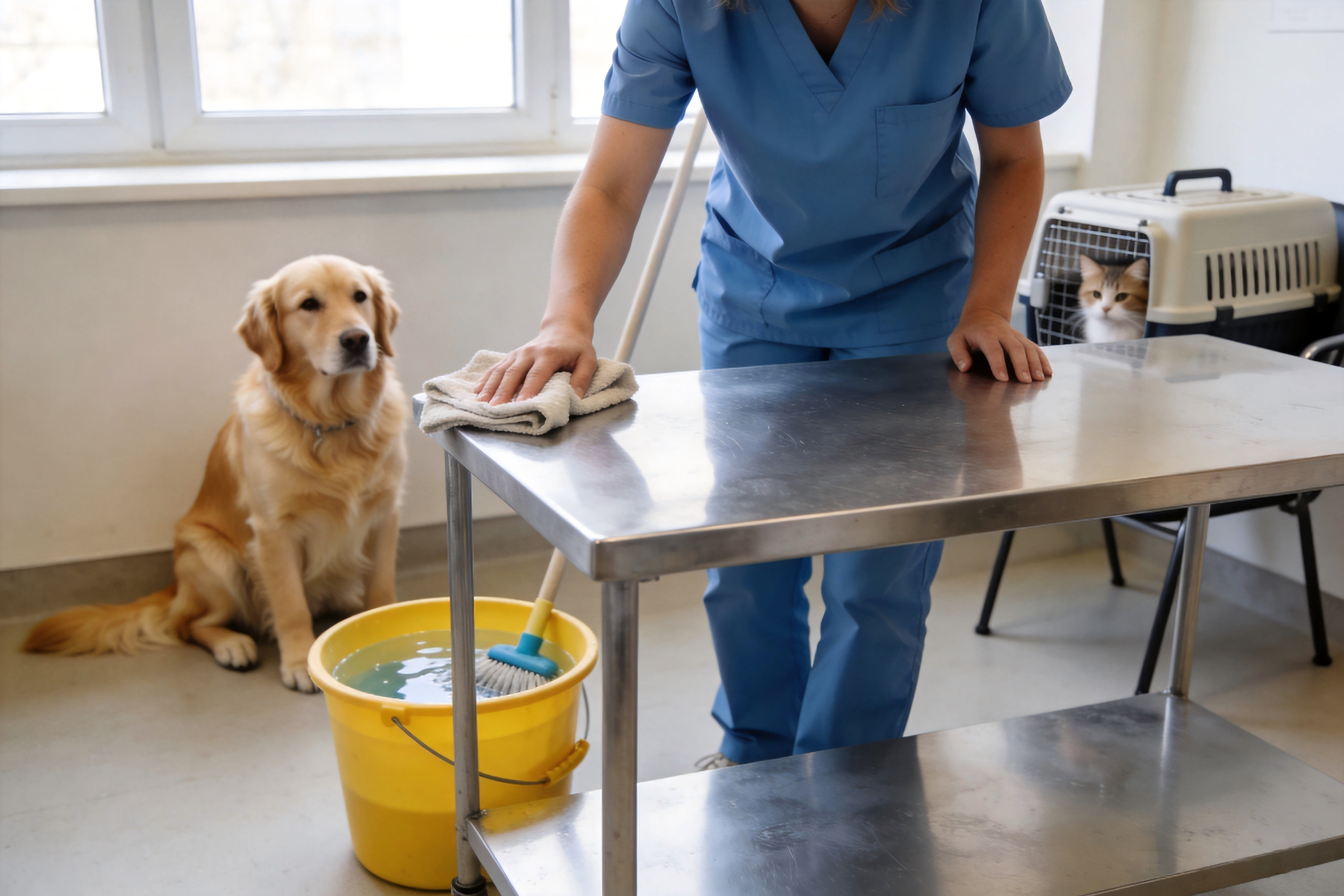
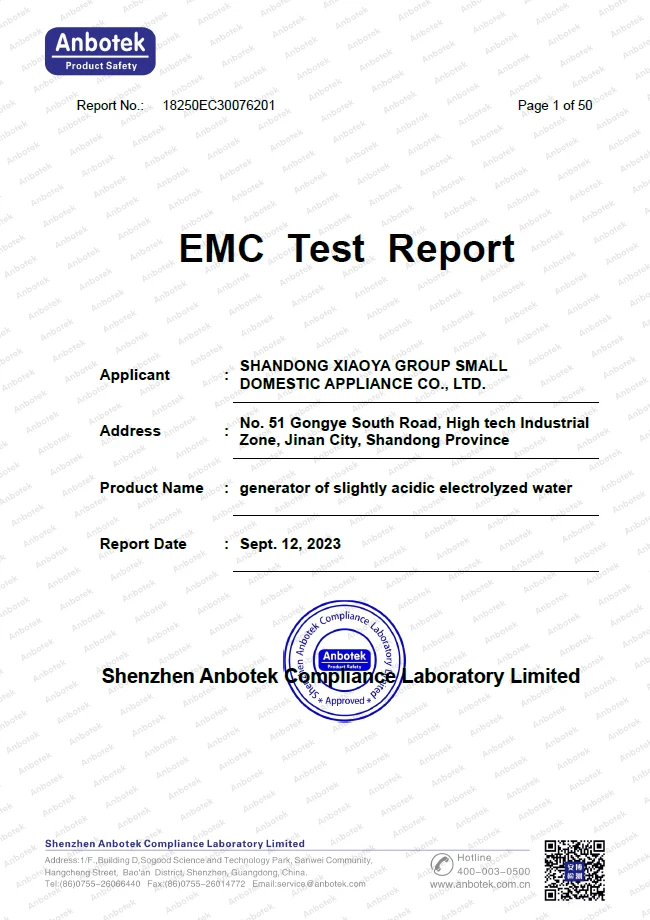
Hypochloric acid water is not non-toxic divine water. The newly produced disinfectant should still avoid the eyes, mouth, and nose of animals, and should not be mixed with cleaning agents or acidic or alkaline products. Aluminum parts, sealing rings, and old coatings should undergo compatibility confirmation. Some people like to say that it decomposes into water, but that’s after the reaction, not a reason for exemption from operating procedures. If you really need to find a supplier, the question should be specific: Can we stably output validated concentrations under the water quality of our hospital? What is the pH control range? How to calibrate? Professional matters should be handled by professionals. Our hypochlorous acid generator comes from Xiaoya Group, and we have a professional pre-sales and after-sales service team. We will recommend or customize hypochlorous acid generators that meet your company’s application needs. If you are interested, please feel free to contact us at any time.