


Vehicles, passages, personnel: How to manage a hypochlorous acid generator in the three biosafety checkpoints of a pig farm
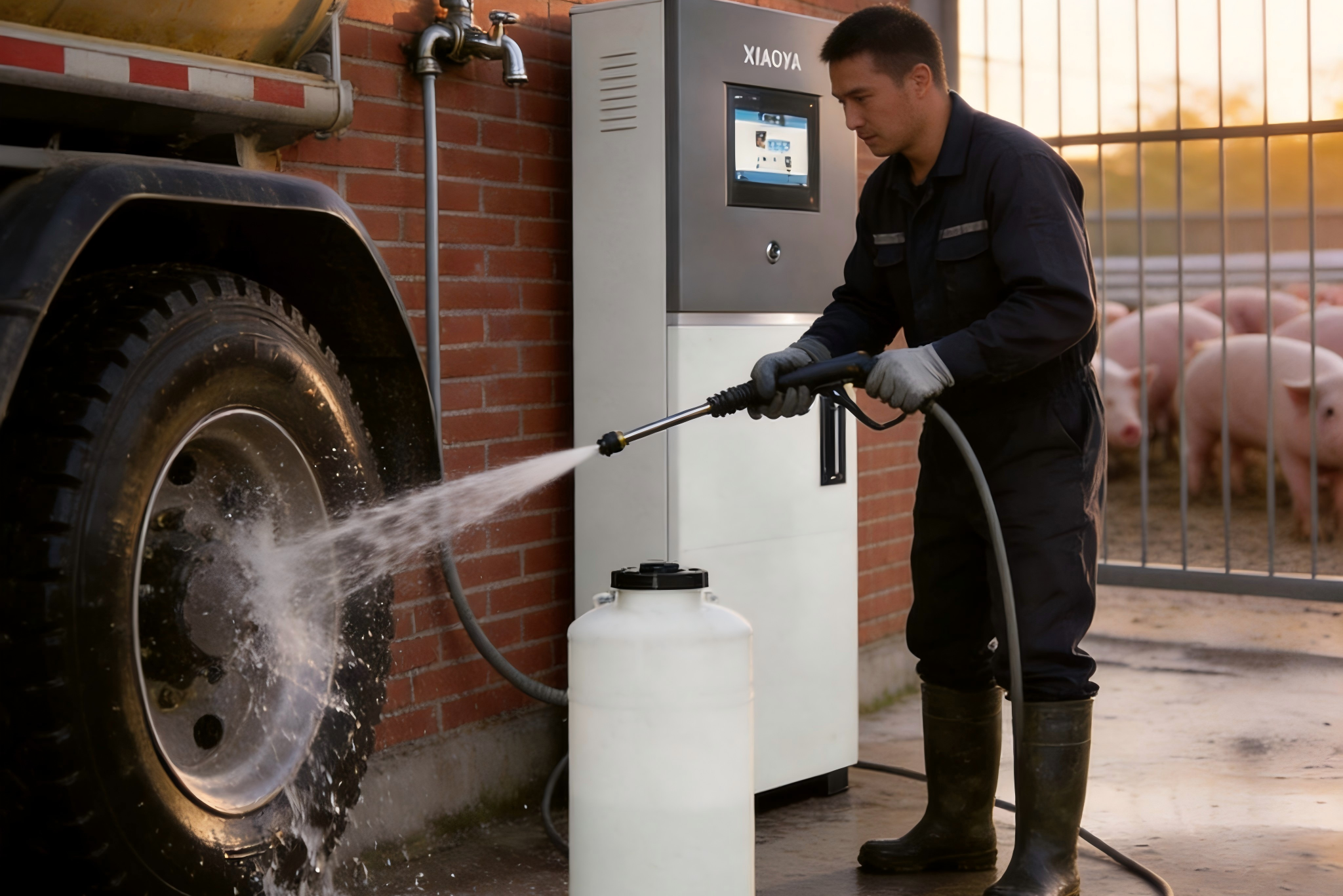
As is well known, there are not many ways for pathogens to enter pig farms. For example, the mud in the gaps between the wheels, the air and water in the passages, and the hands and soles of boots are often referred to as biosecurity defenses in pig farms. The biosafety plan refers to these three locations as “outposts”, and the reasoning behind it is not complicated. The sentry post has people on duty every day, and the hypochlorous acid generator is the worker who stands guard every day.
First sentry: Should the wheels enter the field first or the mud enter first?
The issue of disinfection occurs every day at the entrance of the pig farm, and problems arise every day. The first iron rule of vehicle disinfection is to clean first and then disinfect. Organic matter in mud and feces will consume disinfectant. If it cannot be completely washed away, spraying it is equivalent to throwing money away. But bottled disinfectants themselves are not easy to worry about. Each mixing ratio depends on the hands and experience of the master. They are left in large open-air barrels for a day, exposed to sunlight and mixed with rainwater. In the evening, residual chlorine is measured, and no one can say exactly how much is left.
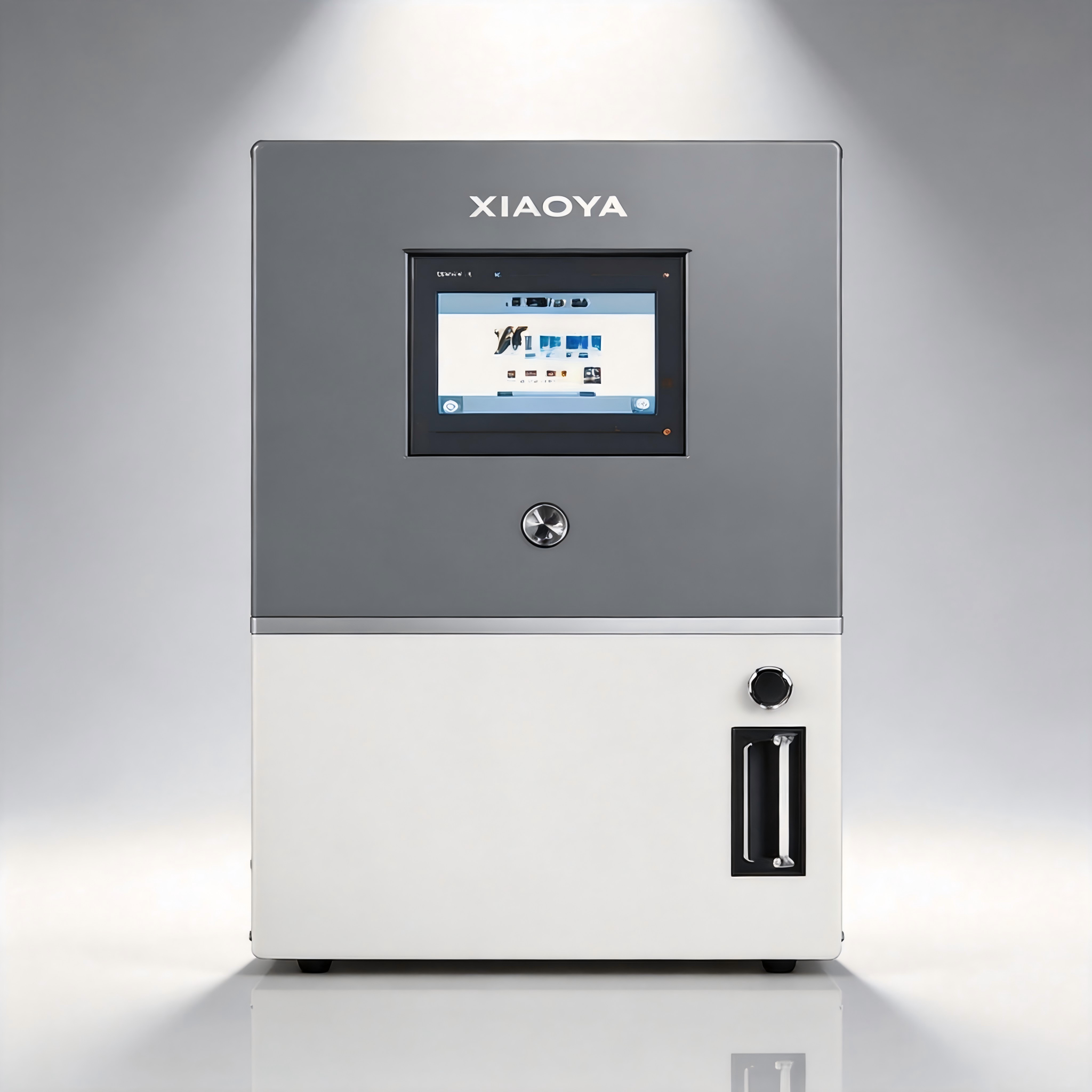
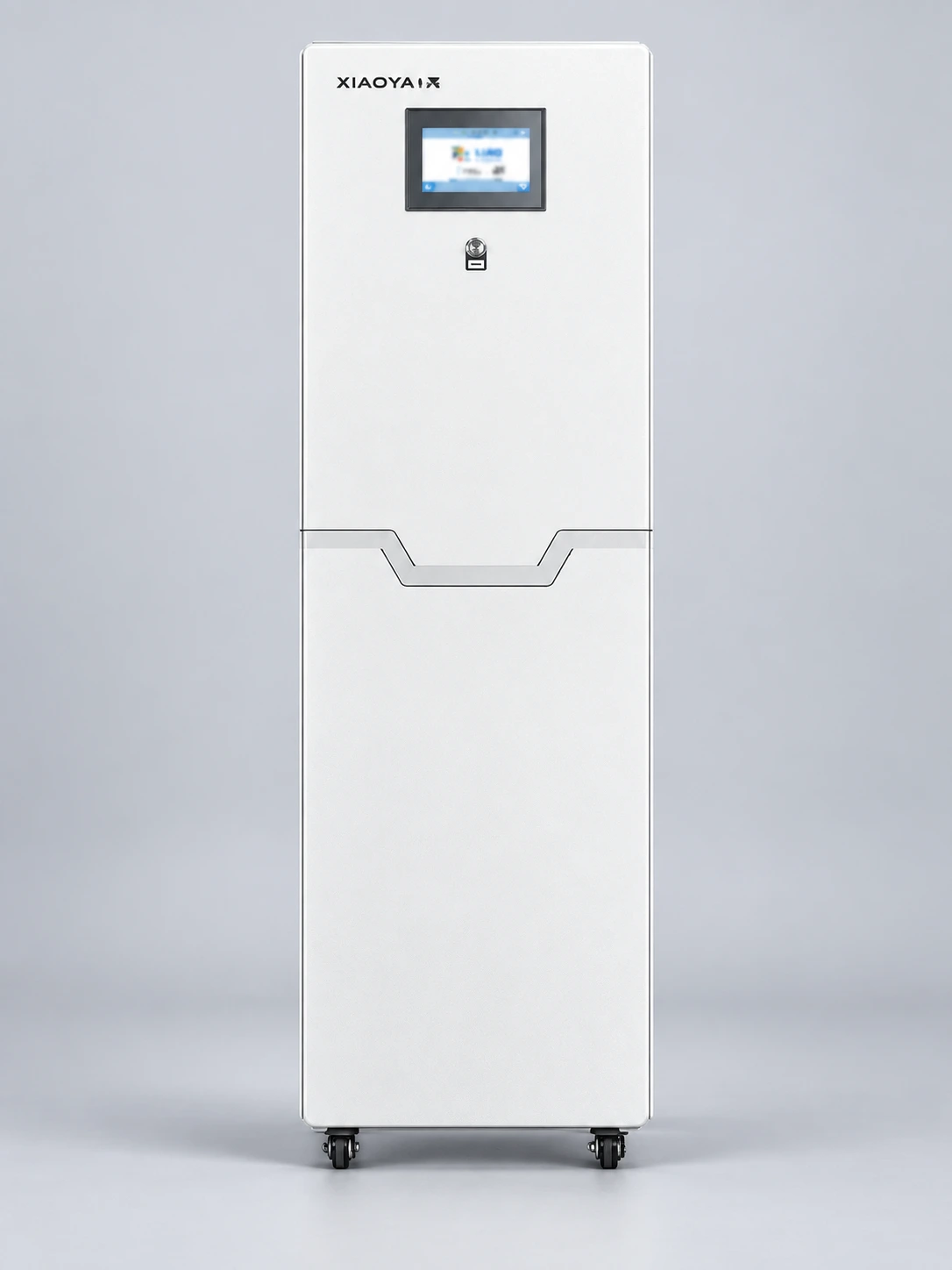
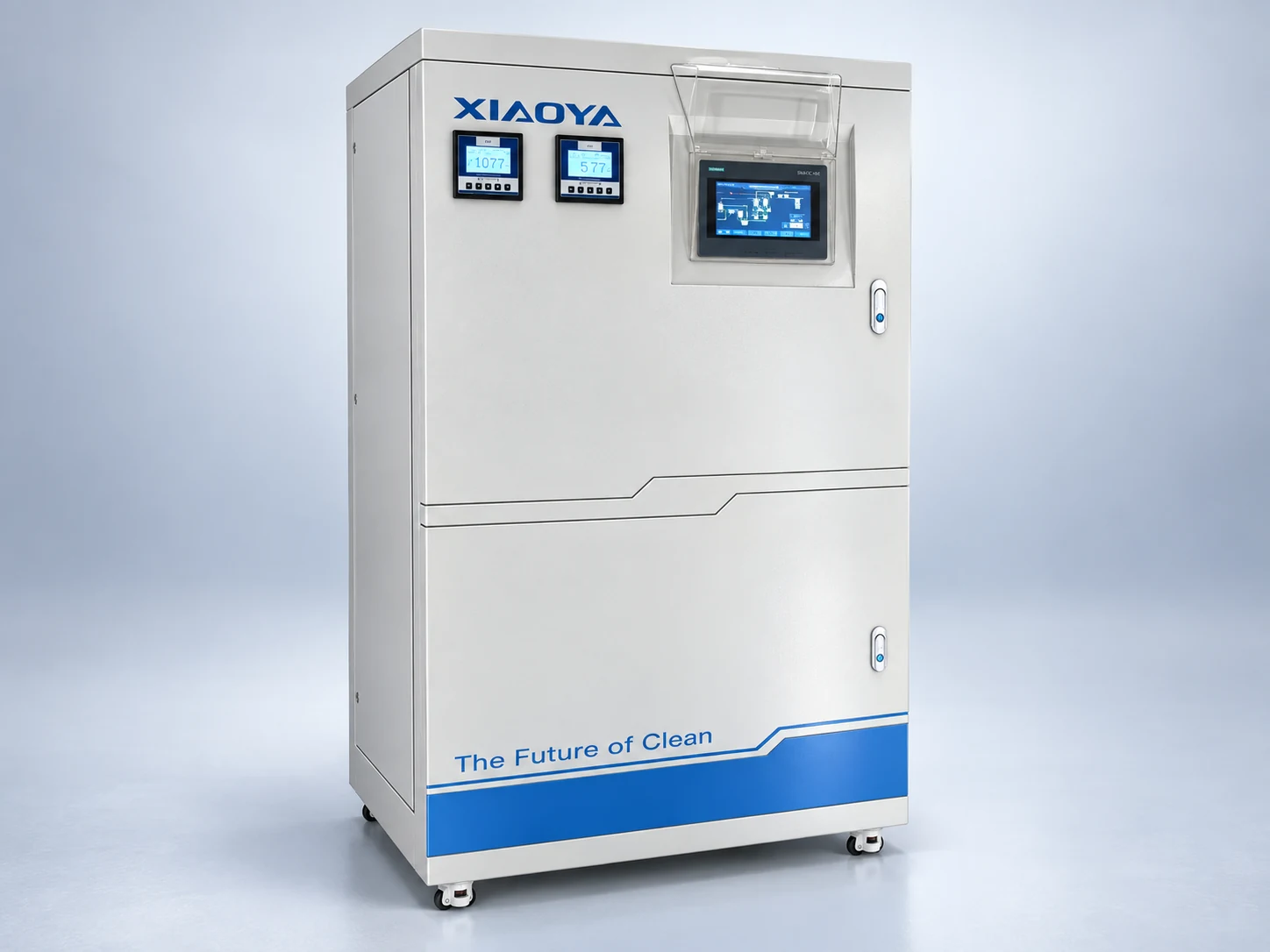
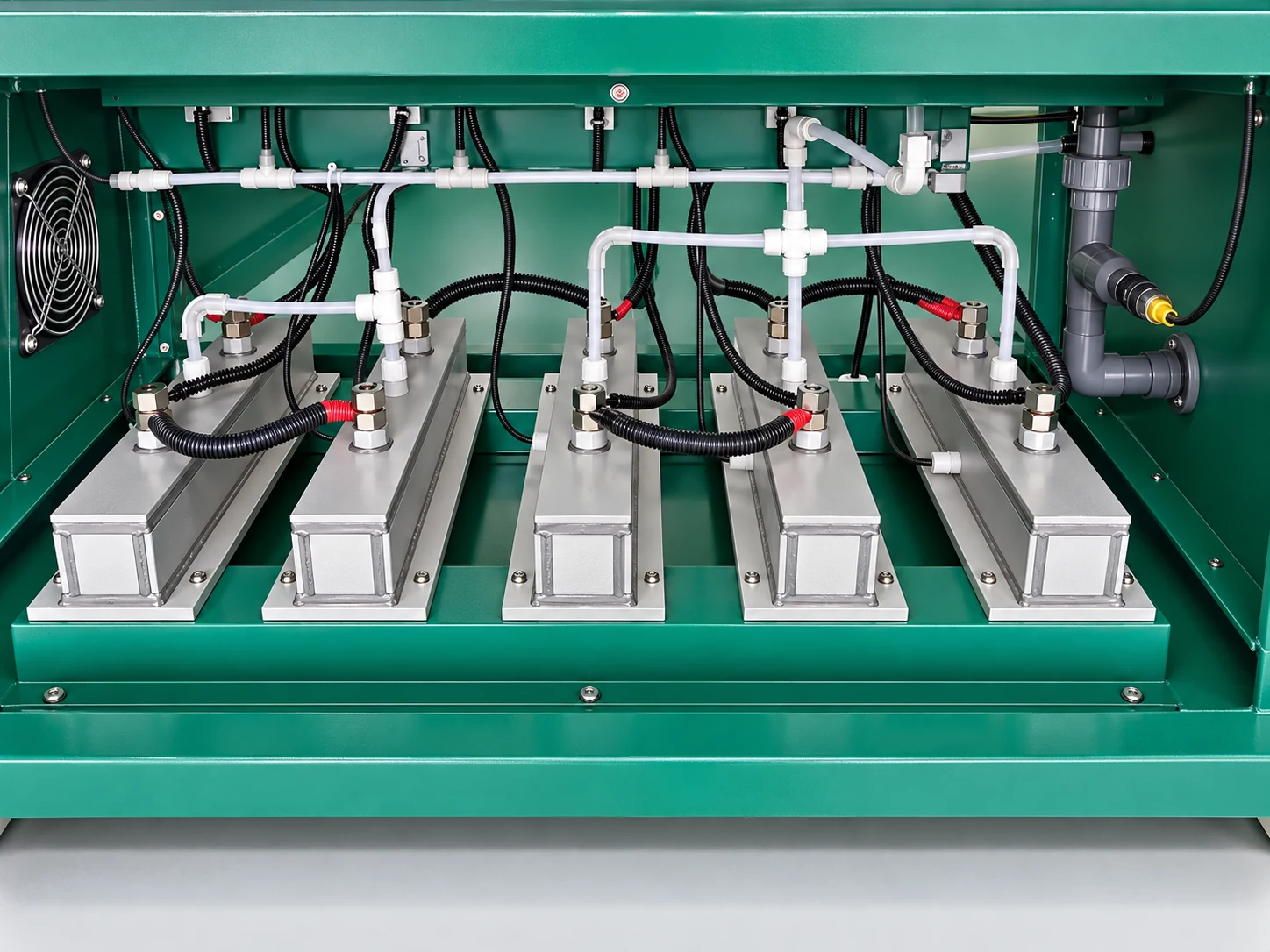
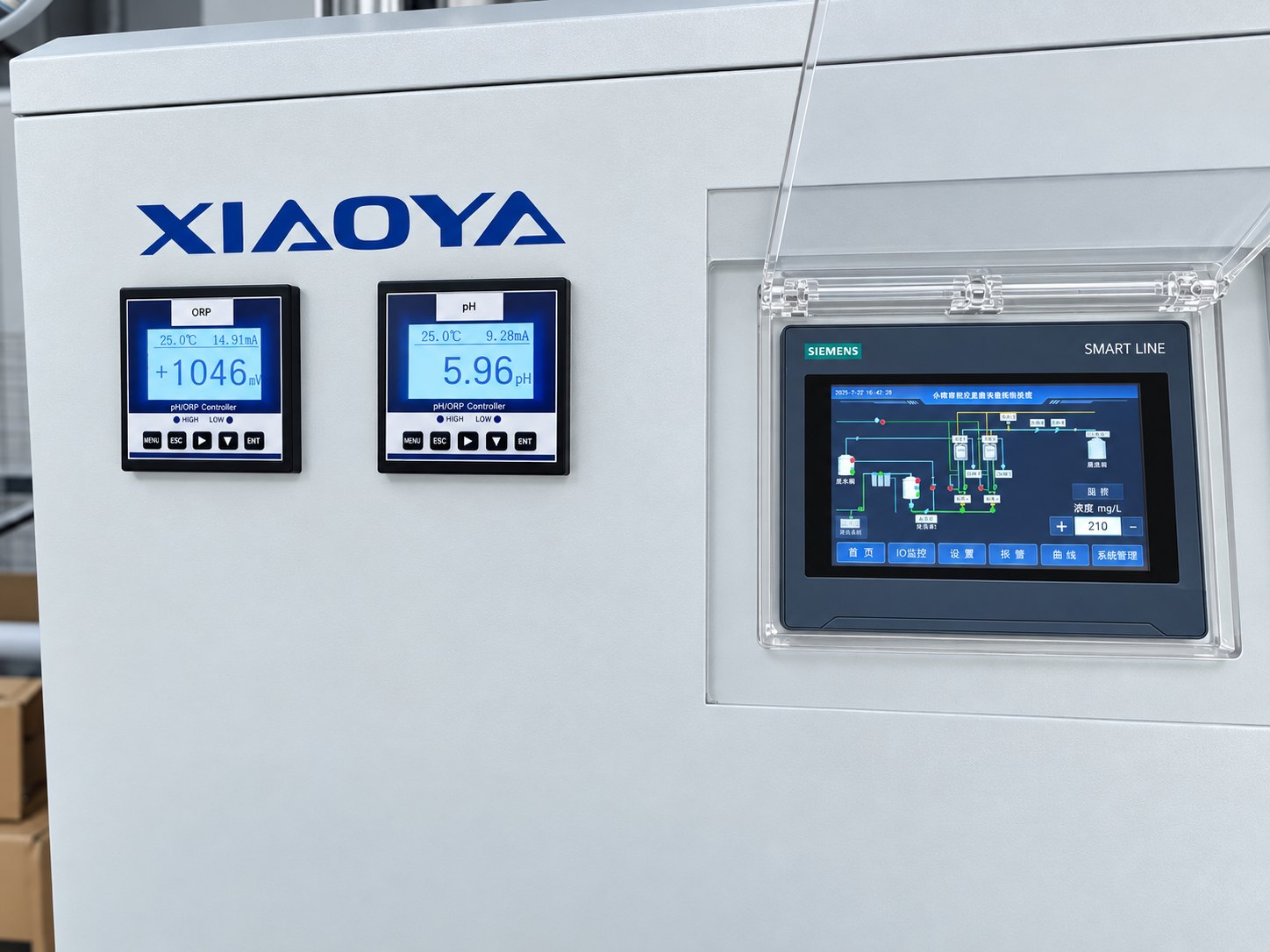
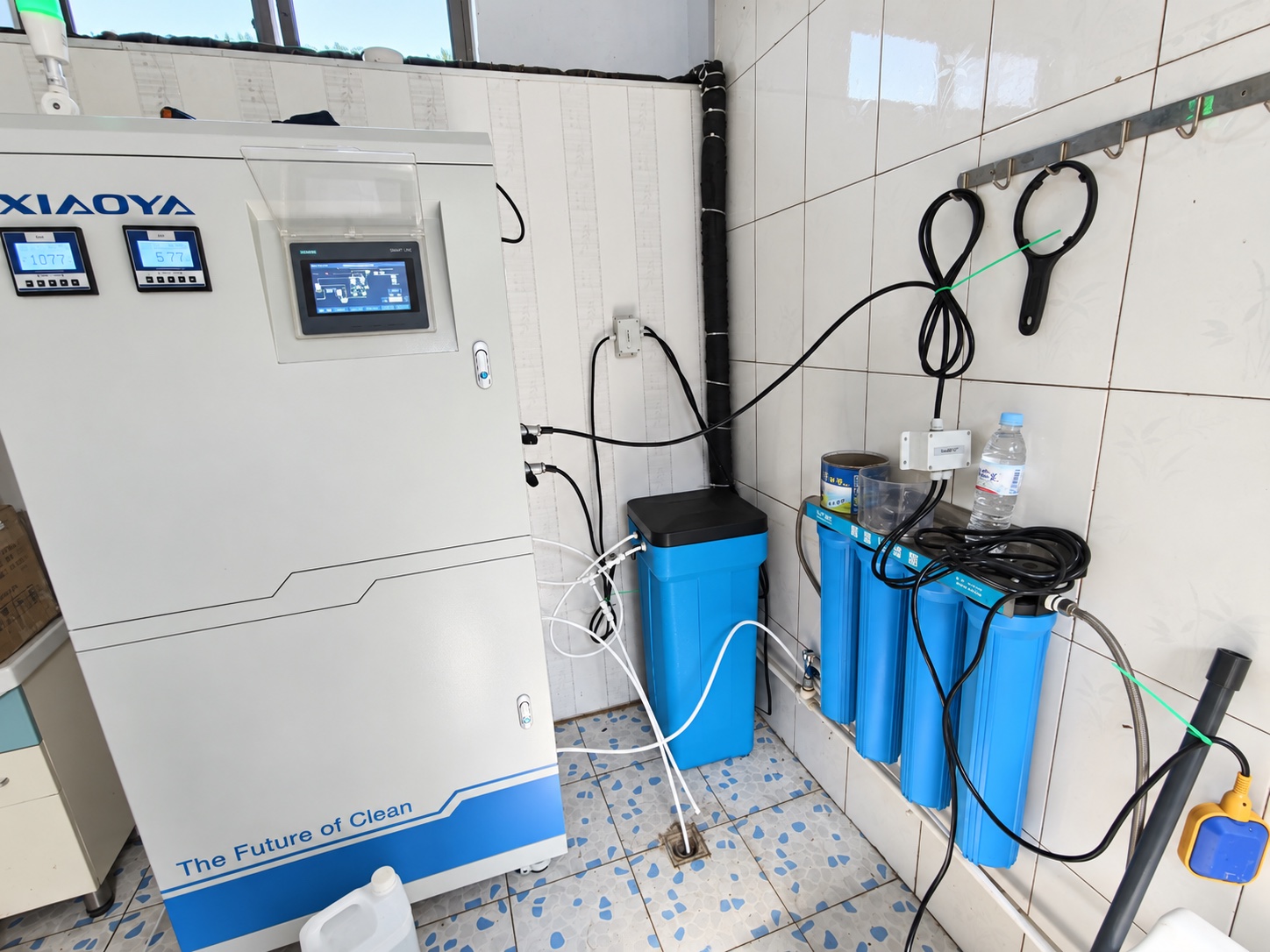
There is a hypochlorous acid generator on duty, and the on-site production of hypochlorous acid water has taken away both of these uncertainties. Taking the small duck high flow model as an example, the operating power at a gear of 2 tons per hour is about 700 watts. If the liquid is discharged at 100 ppm, the effective chlorine produced per hour is approximately 200 grams. This is a routine consumption for a medium-sized disinfection center, which can be supplied by one machine. When a higher concentration is required for decontamination, the same machine can reduce the liquid output. 200 ppm corresponds to 1 ton per hour, and the electrolysis capacity is still the same. This is much more cost-effective than the number of stacks when selecting. The three modes of body washing, channel atomization, and pre delivery vehicle spraying correspond to different requirements of different parts of the car. As long as the pipeline is well connected, there is no need for people to carry buckets next to them in the future.
The second sentry: The biggest fear of the passage is that no one follows the rules every day.
The passages in the pig farm are actually denser than outsiders imagine. Such as the disinfection pool entering the site, the atomization channel for personnel and materials, the group transfer corridor, the pig exit platform, and the route for transferring dead pigs. The common point of these locations is that the disinfection pool and spray are installed, but disinfection is often bad for people. People who are in a hurry will walk around the disinfection pool, the dispensers will mix water based on yesterday’s hand feel, and the passage is often a place in the pig farm that is easily habitually skipped.
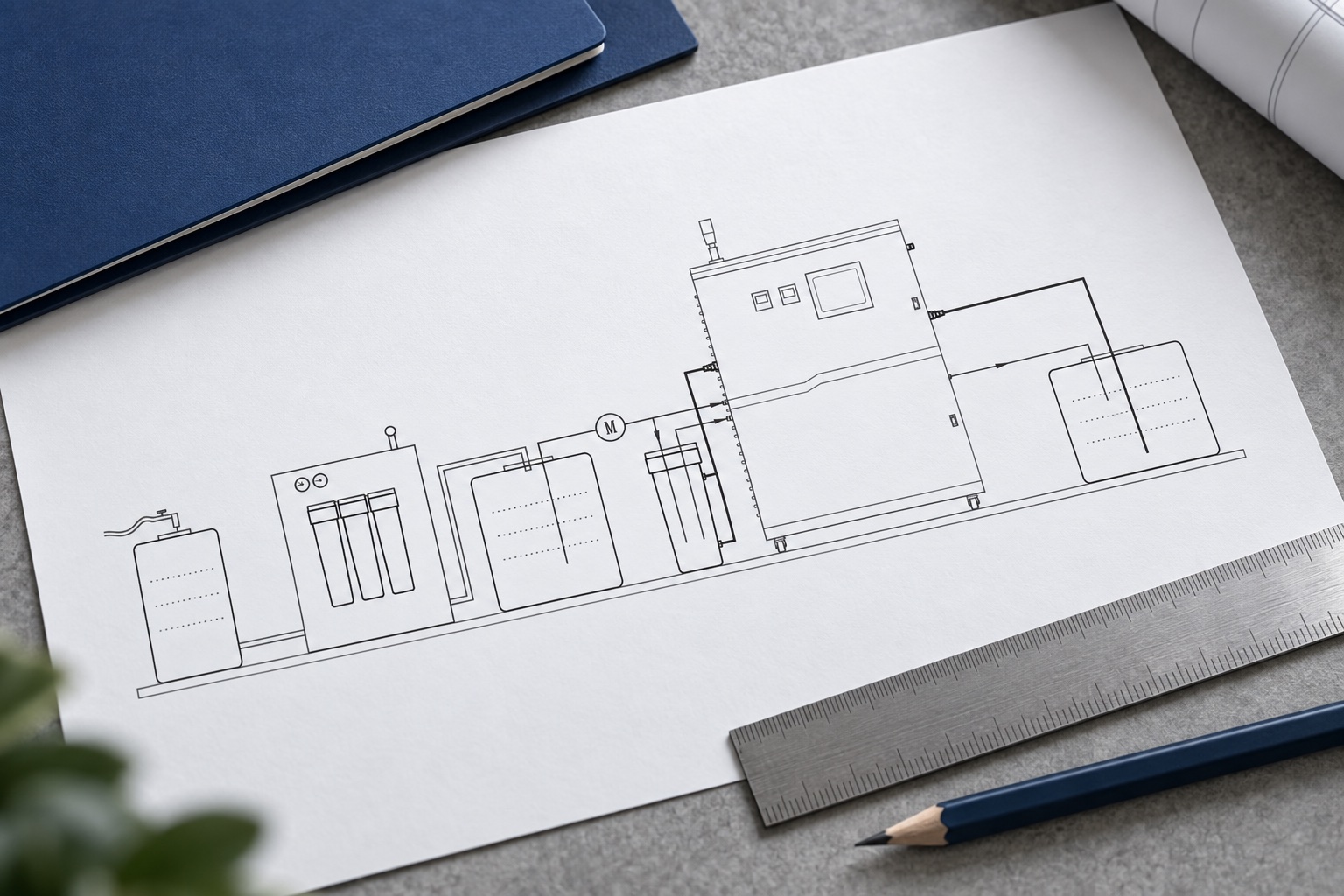
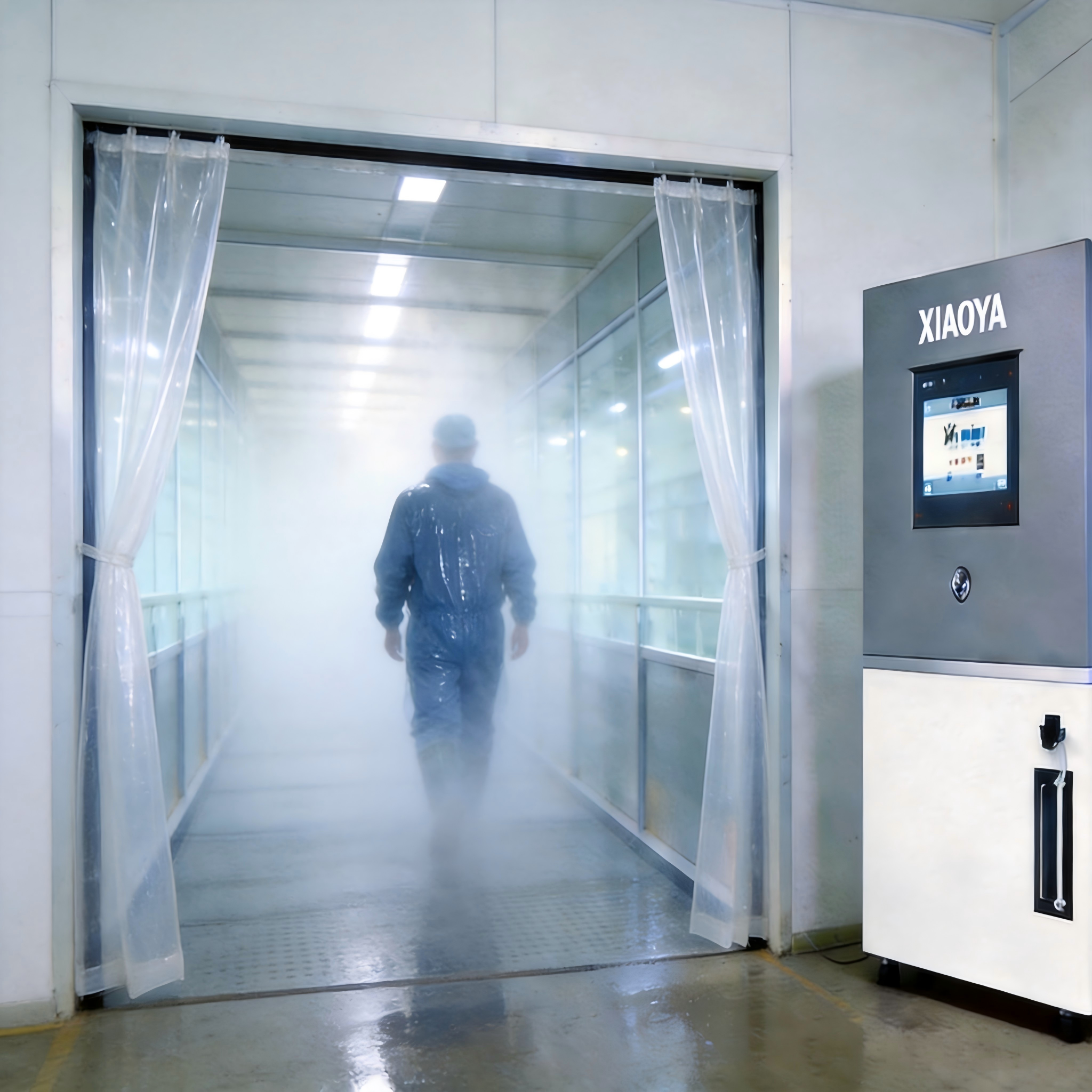
After the hypochlorite generator is connected to the liquid storage tank and the water supply pump, the channel spray becomes a matter of timing and quantification. It is the same if no one carries the bucket. The channel also has an additional benefit, which is that the odor from the pigsty comes from the decomposition of residual manure, spoiled feed, intestinal fermentation, and surface secretions. There are more than 160 compounds inside, including ammonia and sulfur-containing compounds. Hypochloric acid reacts with ammonia through oxidation-reduction reactions, and acts directly with aldehydes and sulfur-containing compounds. So the fog in the channel can not only suppress pathogens, but also dissipate odors, just like the fan exhaust and the spray in the environmental protection zone.
The third sentry post: personnel disinfection is the most selective disinfectant and also the most challenging machine
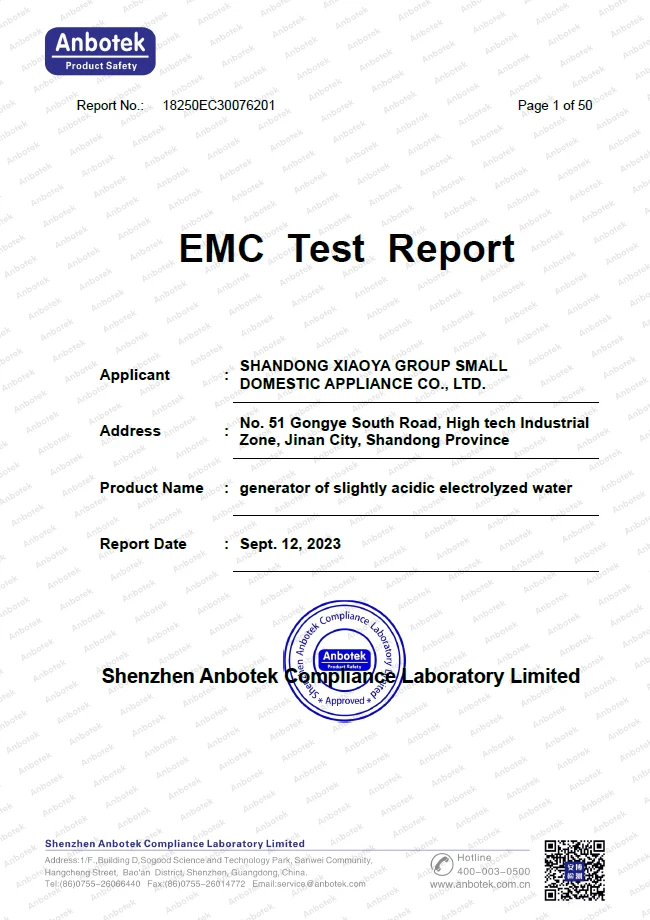
Personnel disinfection is the most difficult task, as high concentrations can harm the skin, while low concentrations are ineffective. Moreover, employees have to go through this process every day, and the pungent smell and burning sensation can directly ruin compliance. Hypochloric acid water is a nearly neutral weakly acidic water. The AQ series has a factory pH between 5.0 and 6.5, with a low concentration range of 40 to 80 ppm. It can kill Escherichia coli and Staphylococcus aureus, and has an effect time on common pathogenic bacteria within 15-30 seconds. Xiaoya Group has made the commonly used hypochlorous acid generator for personnel access into a small volume model, AQ-P300-M, with a capacity of 300 liters per hour and a 25 kilogram floor cabinet. It comes with CE certification and is placed next to the gatehouse without taking up space. Employees wash their hands, soak their rubber boots in the pool, and soak their work clothes in the same water, and there is no need to queue for medication during peak shift changes.
Although the three checkpoints may seem like three different tasks, behind them is actually the same set of disinfection logic. Just put tap water, electricity, and electrolyte into the hypochlorous acid generator, turn on the electricity to produce, make and use it on site, and there is no need to stock up in whole barrels on site. At the end of the day, when a pig farm operator buys a hypochlorous acid generator, they buy the certainty that three checkpoints are not vacant. The ratio is handed over to machines instead of manual hands, chemicals are no longer stored in barrels on the field, and data can be retrieved from the biosafety ledger. We are a professional manufacturer of hypochlorous acid generators and can provide a complete installation plan for hypochlorous acid generators. We can offer models ranging from desktop machines with a capacity of 60 liters per hour to high flow series with a capacity of 12 tons per hour. If you also purchase a hypochlorous acid generator equipment for your farm, please feel free to contact us at any time. We will provide you with a complete hypochlorous acid solution according to your on-site needs.