

Purchasing Hypochlorous Acid Generators: 10 Questions Importers Should Ask Before Placing an Order
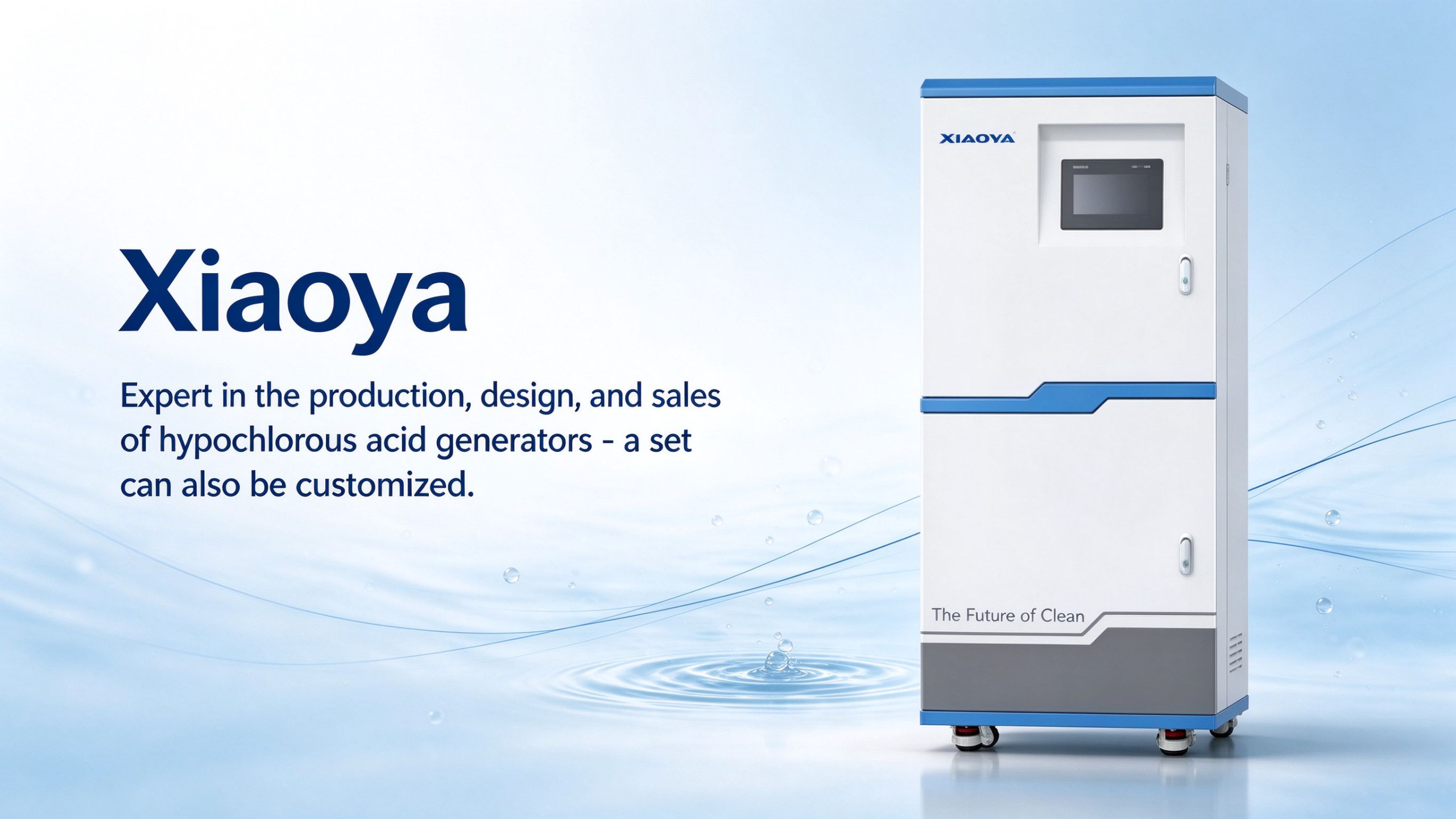
Our hypochlorous acid (HOCl) generators are defined by more than just basic parameters like concentration, hourly production capacity, and pH level; they also involve specific component configurations. Given the complexity of these specifications, clients may sometimes find them confusing. The following 10 questions serve as a practical inquiry checklist, complete with the underlying technical rationale and the specific answers regarding our own equipment.
1. What is the rated production capacity, and what is the corresponding concentration?
Rated production capacity is intrinsically linked to the required concentration. A production figure expressed in “liters per hour” is only meaningful when the “Free Available Chlorine” (FAC) level is clearly defined. For any given unit, a higher output can be achieved at lower concentrations, while output will decrease at higher concentrations. Always request “rated production capacity (liters per hour)” and “corresponding concentration (ppm)” as a combined metric; this allows our technical team to ensure the equipment is properly configured for your needs.
2. What is the pH level of the output, and how is it controlled?
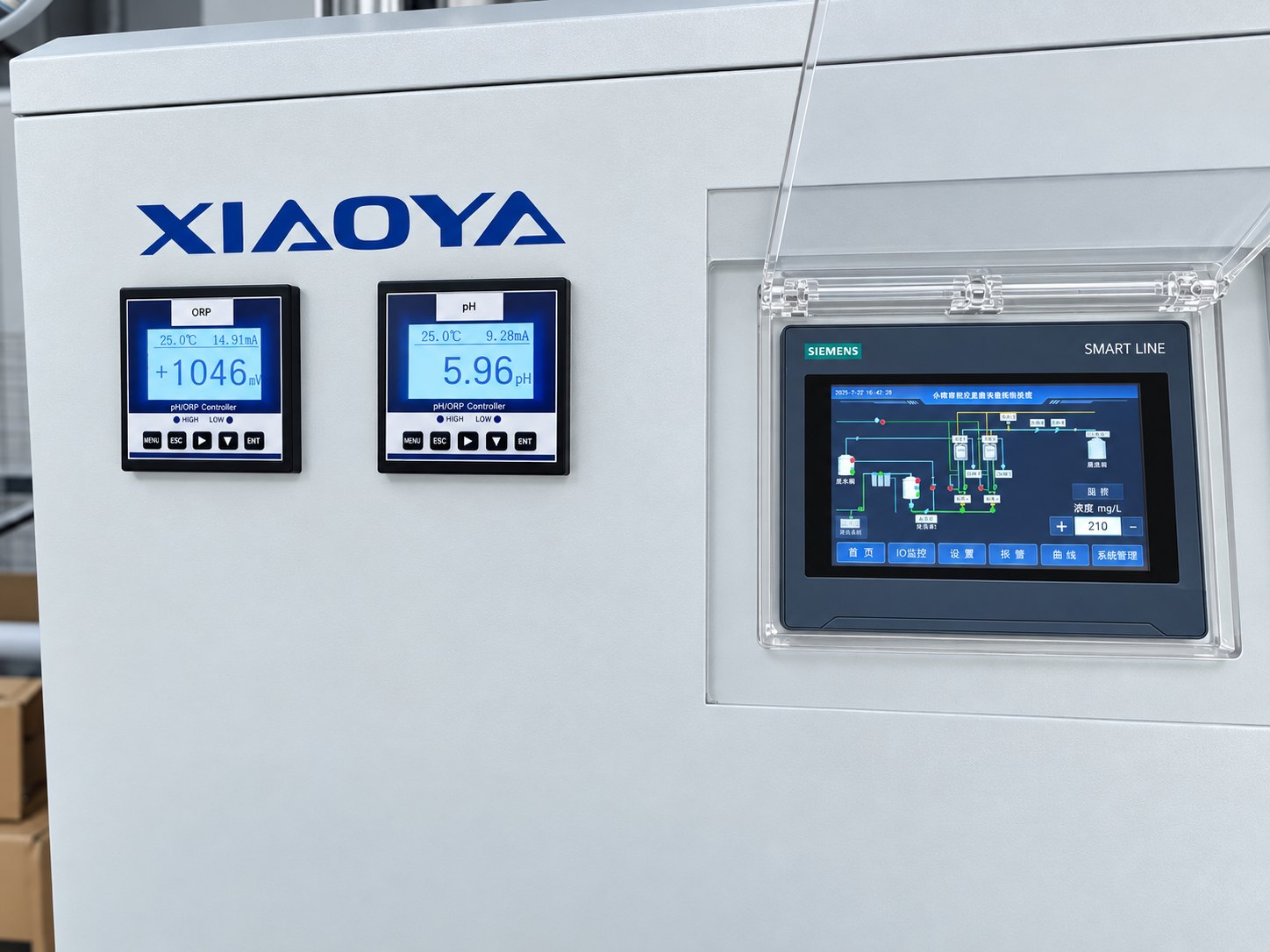
The optimal pH level depends on the specific application; our equipment typically produces a solution with a pH between 5 and 6.5. The pH level determines the proportion of free chlorine that exists as “active HOCl molecules”—which are highly effective—versus hypochlorite ions, which have significantly weaker biocidal properties. At pH 5, approximately 99.7% of the free chlorine exists as HOCl; at pH 6.5, this figure is about 90.9%. At pH 7, HOCl accounts for roughly 80% of the total free chlorine, whereas at pH 8, this proportion drops to approximately 20%. Please verify the controllable pH range of the equipment. While we can adjust the pH, please consult with our technical team before making any such changes.
3. What is the adjustable concentration range, and how stable is it?
Different applications—such as surface disinfection, produce washing, or misting/spraying—require varying levels of Free Available Chlorine (FAC) concentration. In our system, we typically configure a concentration range—for example, 50–200 ppm—based on your specific requirements. Please confirm your desired concentration range before operation; alternatively, some clients prefer a fixed concentration, which our technical team can accommodate. If the concentration drifts after several hours of operation, manual recalibration will be required. Our system provides continuous time-series output data, rather than isolated, single-point measurements.
4. What are the requirements for the feedwater quality, and what pretreatment measures are involved?
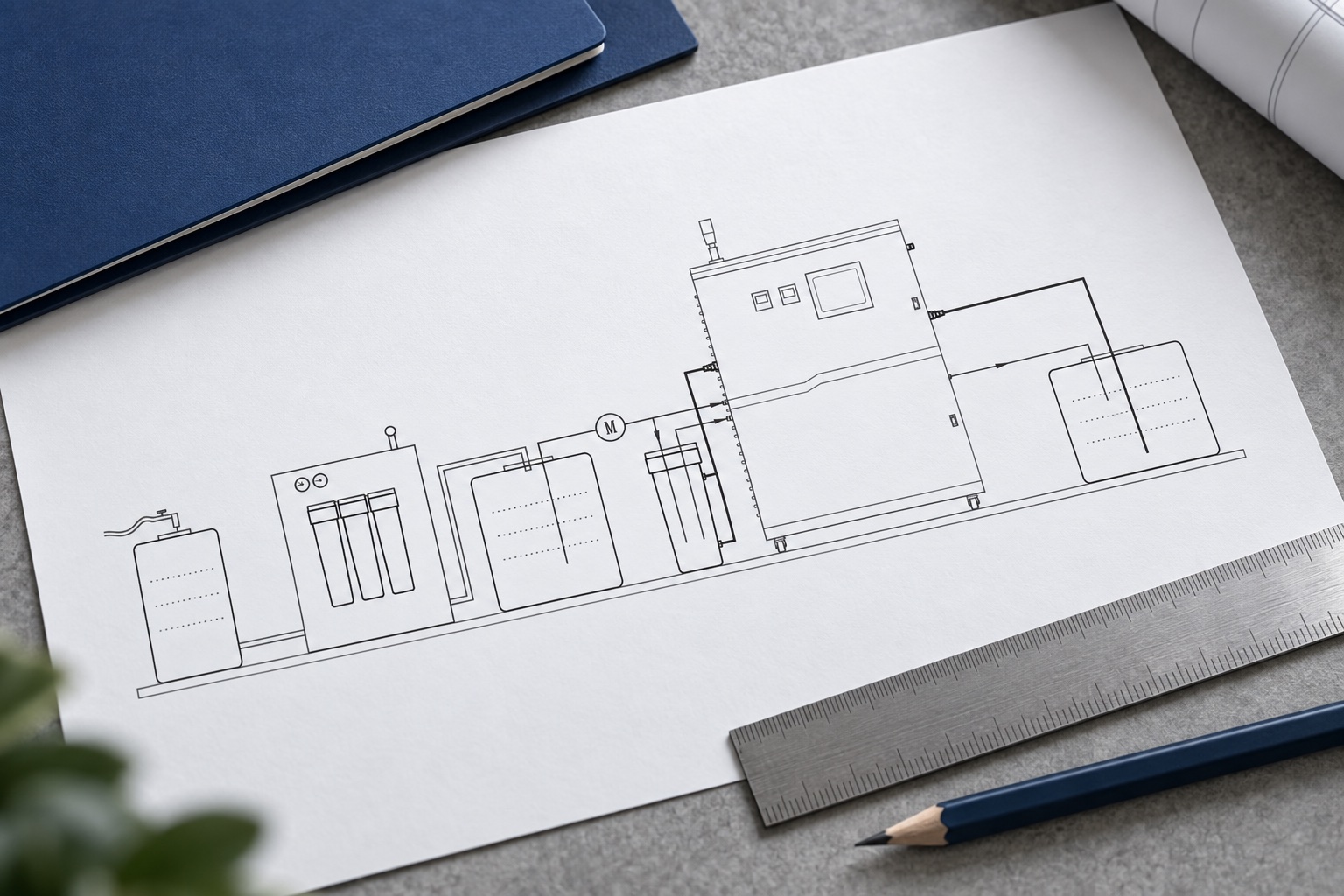
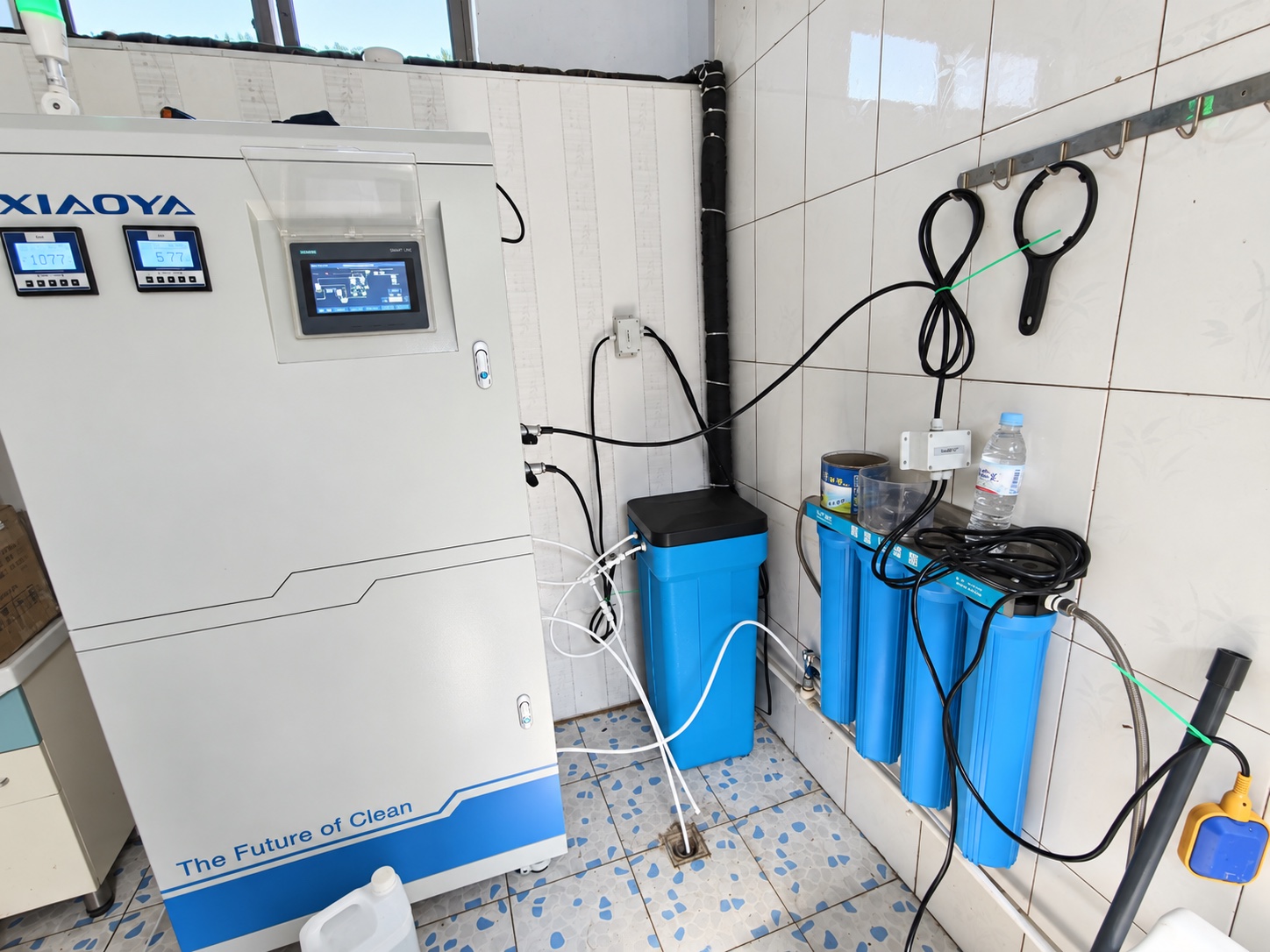
We offer two types of raw material configurations: one using sodium chloride (salt) and the other using dilute hydrochloric acid. Minerals that contribute to water hardness can form scale on the electrode surfaces, increasing electrical resistance and shortening the lifespan of the electrolytic cell. For concentrations exceeding 200 ppm, we recommend using the hydrochloric acid-based configuration. When using hydrochloric acid, we advise using purified water; we can provide purification equipment for this purpose. We supply detailed specifications for pretreatment and require an analysis of the raw water quality prior to equipment commissioning.
5. What are the design specifications for the electrolytic cell and its electrodes?
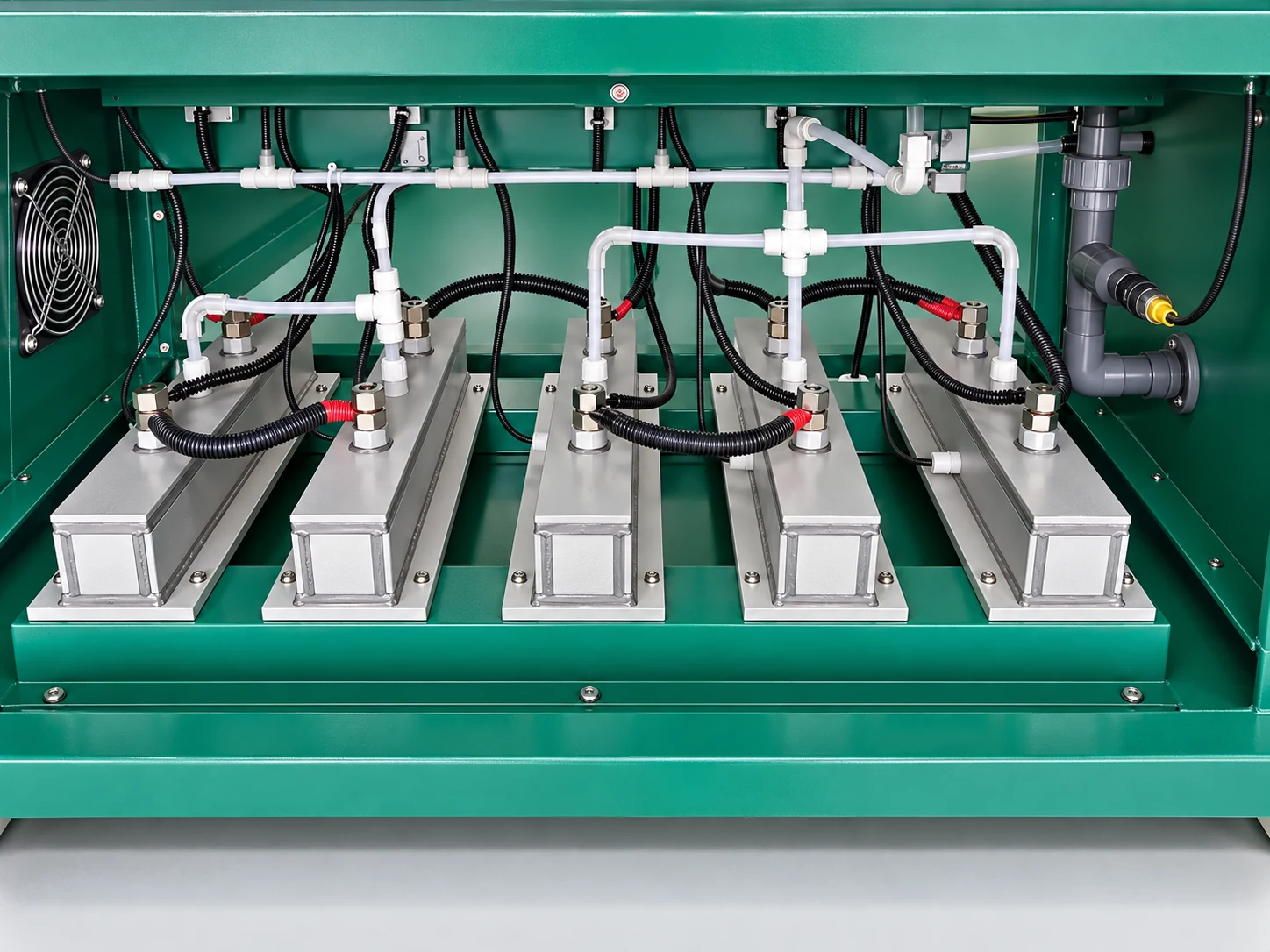
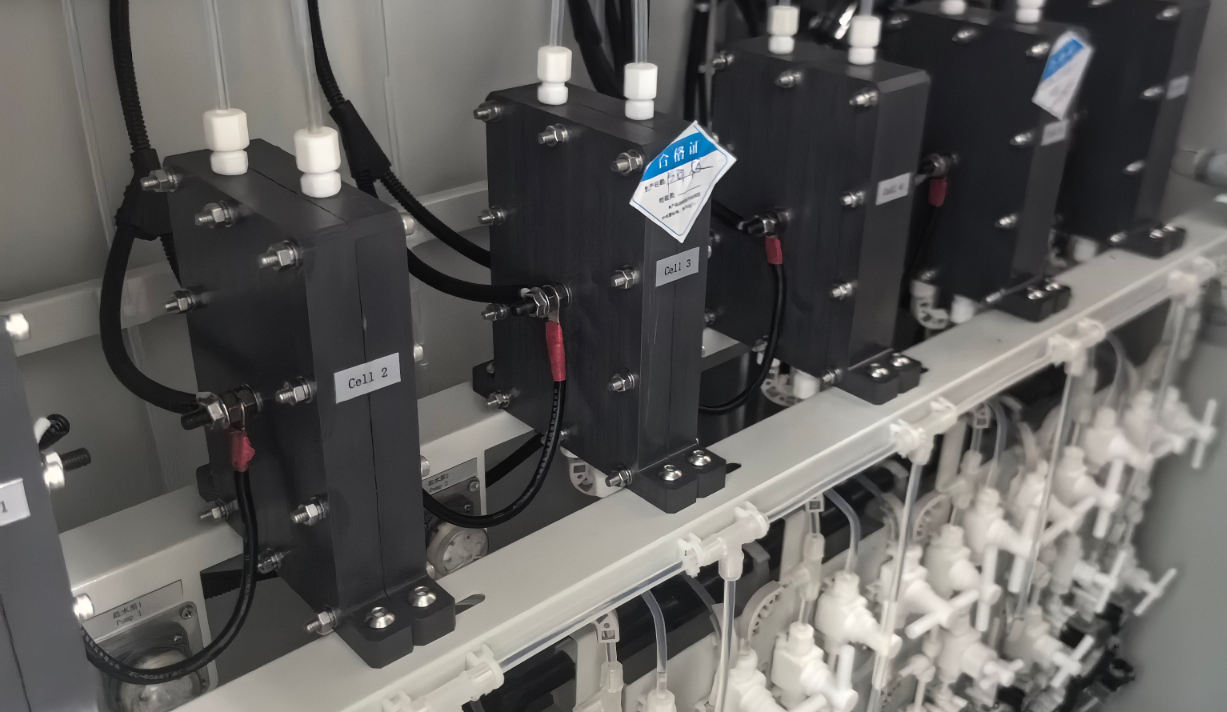
The electrolytic cell is the core component that determines both cost and performance. There are trade-offs between single-chamber designs and those utilizing a diaphragm (which separates the anodic and cathodic products): a diaphragm-based design allows for more precise control over pH levels and product purity, though the diaphragm itself is a consumable part that requires periodic replacement. The electrode material must be clearly specified. In maintainable electrolytic cells, the electrodes typically consist of a titanium substrate coated with noble metal oxides (commonly ruthenium-iridium oxides). We will provide an electrolytic cell configuration tailored to your budget and requirements. Lower-grade alloys are prone to degradation and may release dissolved substances; therefore, we recommend using higher-quality components for critical parts. Our technical specification sheets clearly detail the substrate, coating, and diaphragm materials used.
6. What is the service life of the electrodes, and on what criteria is this based?
For salt-based systems, the typical service life is 3,000–8,000 hours, while for hydrochloric acid-based systems, it generally exceeds 5,000 hours. These figures are based on our internal testing, and we provide a warranty to back our commitments.
7. What is the duration of the warranty period? Who is responsible for after-sales service in your market?
A one-year limited warranty is standard in the industry, typically based on the duration of use. For imported equipment, a key practical consideration is whether there are established service channels in the destination country—such as local distributors, authorized technicians, or arrangements for returning equipment to the factory for repairs. Additionally, be aware of exclusion clauses regarding malfunctions caused by scaling or poor-quality feed water. It is essential to clarify how cross-border warranty claims are handled. We will explicitly outline our service model and response procedures in writing.
8. Which components are considered consumables, and what are their lead times?
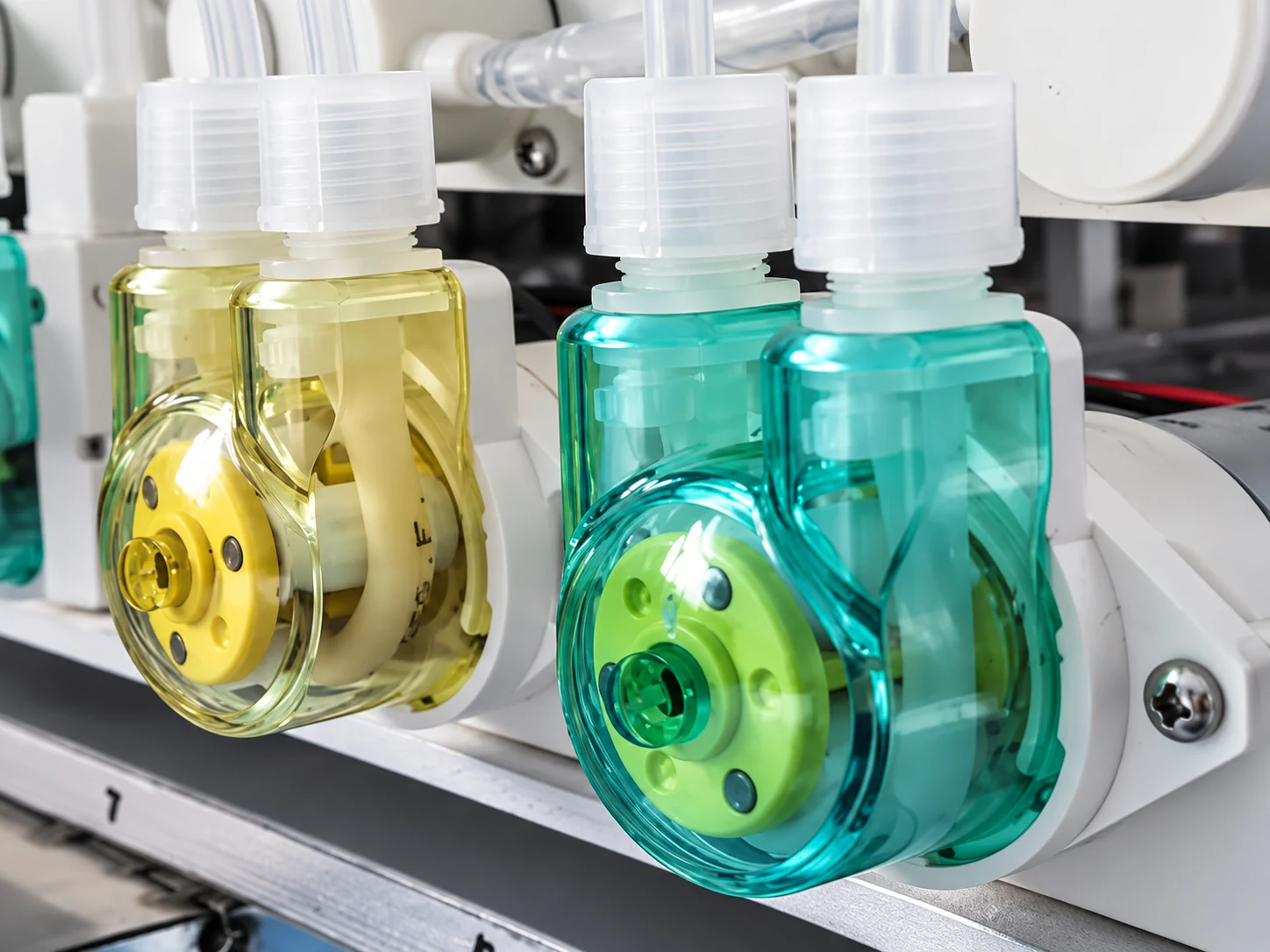
Components that require periodic replacement typically include electrodes (with long-term use), membrane modules (if applicable), pumps, valves, filters, and seals. If these parts are not stocked locally, a failure could lead to extended equipment downtime. We can supply additional consumables; we recommend requesting a list that includes replacement intervals, unit prices, and current stock availability. We will provide a maintenance schedule—complete with part numbers—and suggest appropriate stock levels for spare parts based on the number of units you have in operation.
9. What technical documentation is provided? Do you offer “white-label” (unbranded) services?
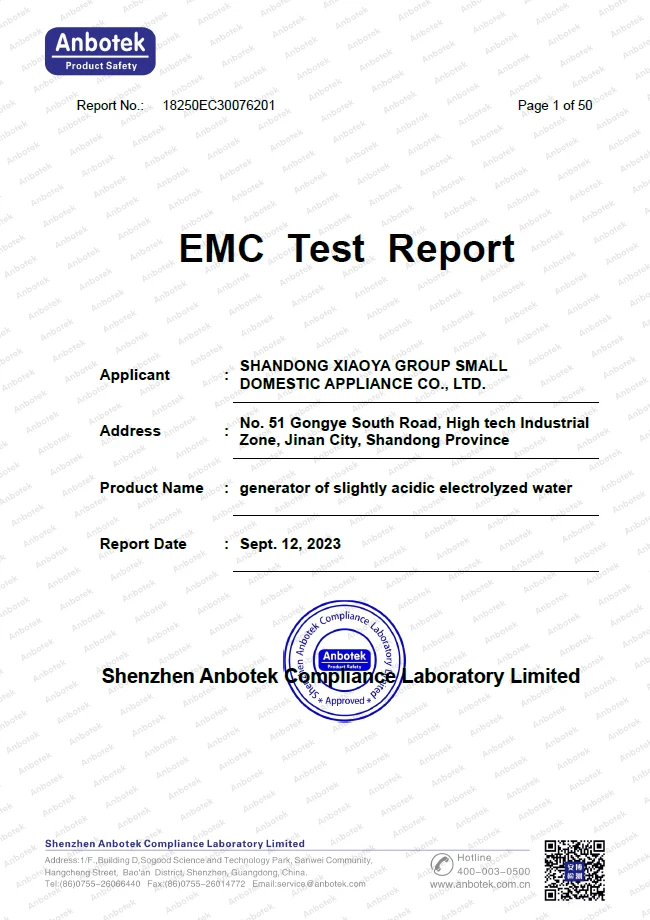
We offer customization, starting from a minimum order quantity of one unit. Documentation includes certificates of conformity, factory test and inspection reports, safety data sheets, records of output parameters, and any certifications required for the target market. For private-label distribution, white-labeling and OEM arrangements require a formal written agreement covering branding, document re-issuance, minimum order quantities, and regulatory responsibilities. These terms are defined within a signed contract, rather than through informal correspondence.
10. What are the steps for placing an order?
We first need to gain a preliminary understanding of your application; ideally, you would complete our product selection form. Following this, we will engage in further discussions to refine the selection, confirm the necessary components, and proceed with preparing a quotation, drafting a contract, arranging shipment, and providing technical support and after-sales service.