

Purchasing 3 years of hypochlorous acid disinfectant can buy 2 units of our HOCL generator
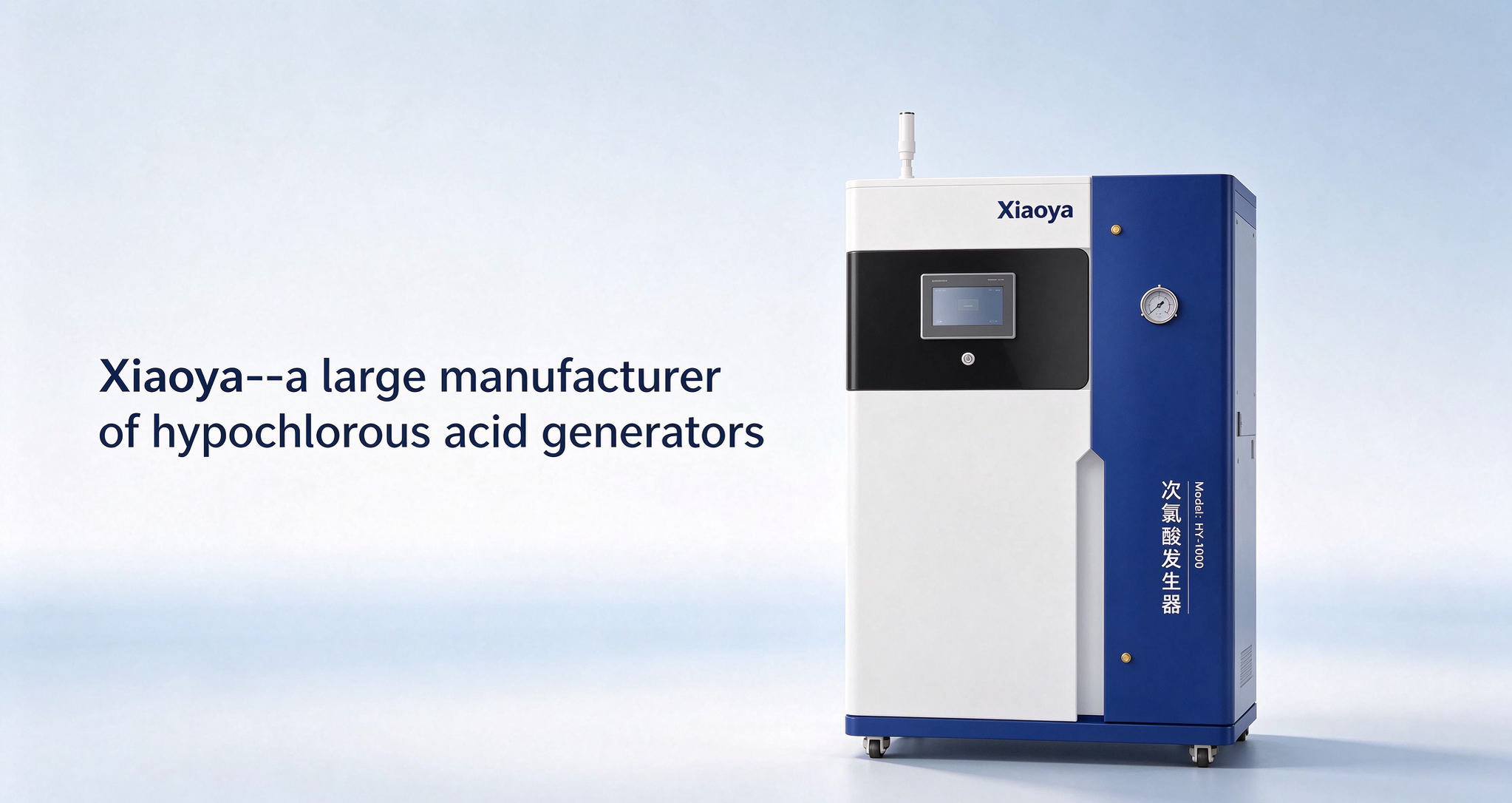
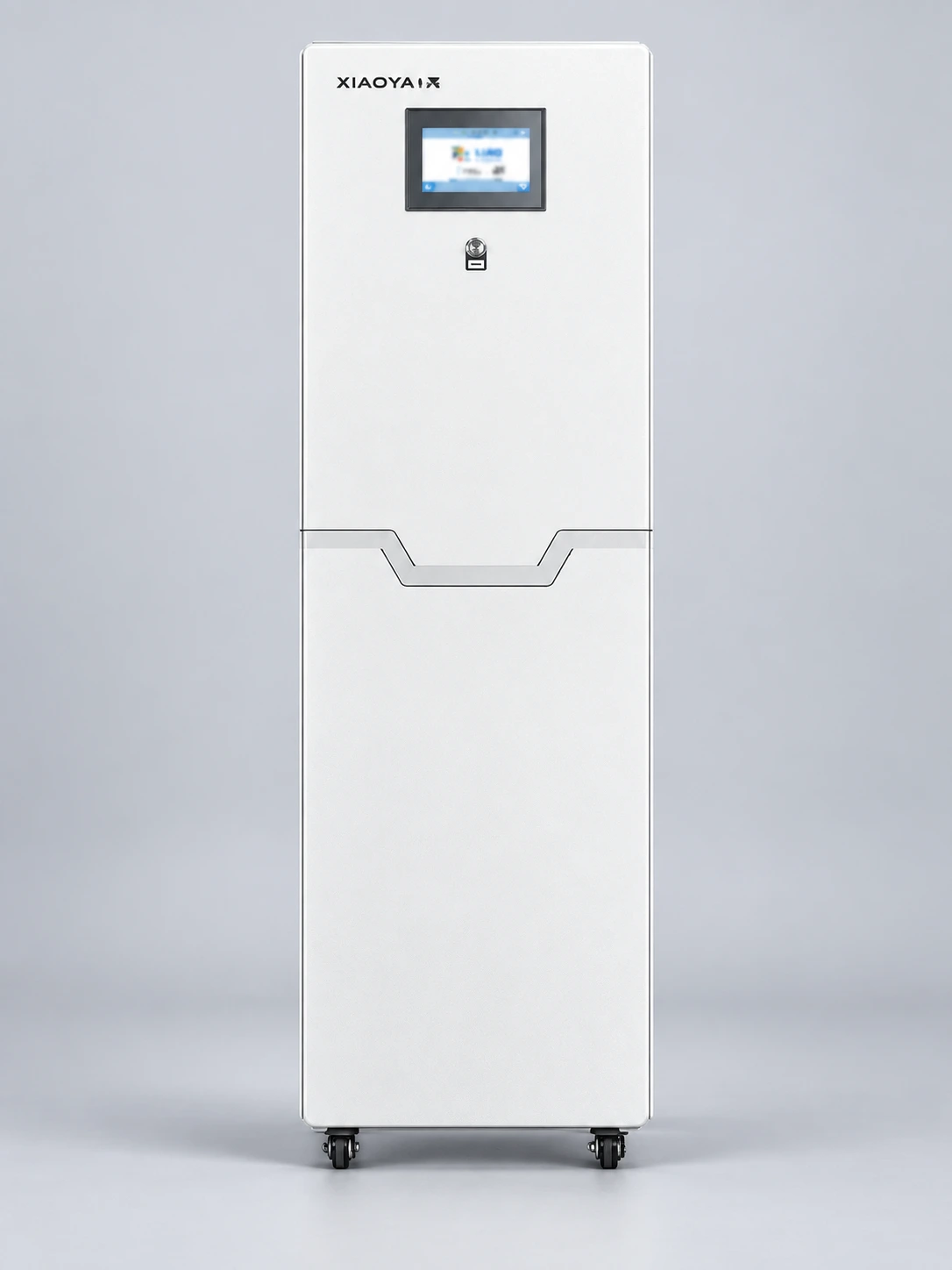
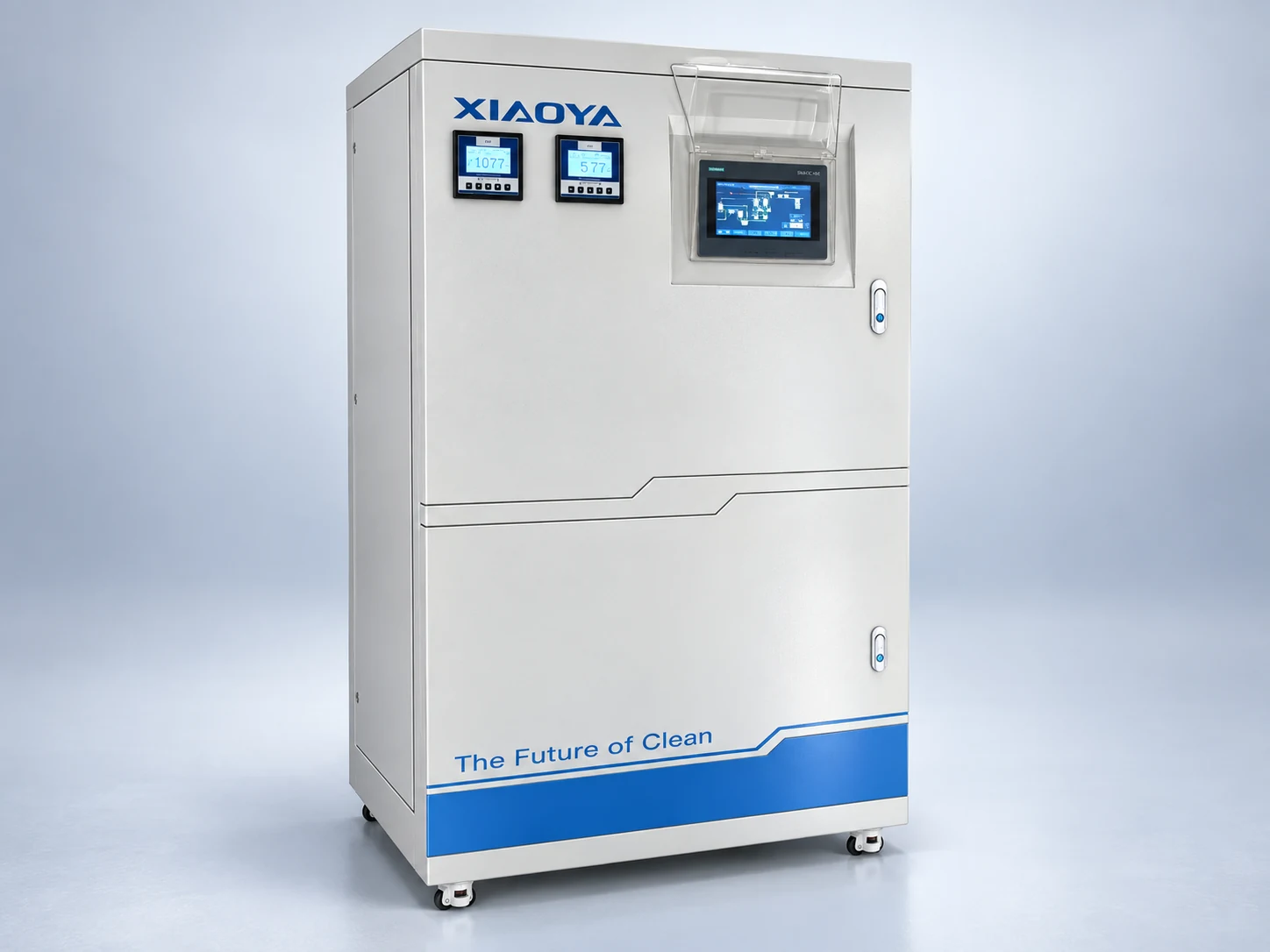
In August of this year, our team completed an upgrade to the disinfection system at a tuna-processing export plant in Thailand. During the final acceptance phase, the company decided to review their expenditures on pre-packaged hypochlorous acid (HOCl) disinfectant over the past three years to evaluate the long-term cost implications of switching to our on-site generation solution. The final figures surprised everyone present: the plant had spent a total of $16,800 on pre-packaged hypochlorous acid over the last three years. In contrast, our industrial-grade hypochlorous acid generator—with a capacity of 300 L/h—is priced at $8,200 (delivered in Thailand). In other words, what they spent on packaged disinfectant over the past three years would have been enough to purchase two such units.
Based on our experience, many overseas clients initially assume that purchasing pre-packaged hypochlorous acid is the most convenient option—it requires no additional equipment maintenance or staff training; one simply orders it by the batch. While it is true that pre-packaged or bottled hypochlorous acid offers the advantage of being “ready to use”—and may appear cheaper than investing in equipment—our comprehensive cost breakdown for this client revealed three overlooked, long-term “hidden” costs. These are issues common to the vast majority of food-processing plants with continuous production lines.
The first is the cost of inventory loss. For facilities with high consumption, managing usage to avoid waste is a significant challenge. Even when stored in a completely sealed container, the active chlorine concentration in pre-packaged hypochlorous acid naturally degrades by 3%–5% per week. Once opened, this rate of degradation doubles, severely compromising its disinfecting efficacy. During an on-site audit of their raw-material warehouse, we discovered that because the plant purchased in bulk to reduce shipping costs, nearly 20% of the disinfectant remained unused seven days after being opened. Since the concentration had fallen below the required threshold—causing it to fail internal microbiological quality-control standards—this product had to be discarded. This alone resulted in a loss of $3,000 for the company. The second issue is the redundancy cost incurred by stockpiling supplies across multiple operational areas. The client requires hypochlorous acid (HOCl) solutions at three different concentrations: 100 ppm for disinfecting workshop floors and the surfaces of large equipment; 25 ppm for food-contact surfaces and employee hand sanitization; and 8 ppm for air-mist disinfection and sterilization in production areas. The facility maintains a constant inventory of nearly 20,000 liters; the opportunity cost of the working capital tied up in this stock alone exceeded $2,000 over a three-year period. Furthermore, there are costs associated with operational errors during on-site dilution. Since the concentration of the pre-packaged (drummed) solution is fixed, and staff lack precise testing equipment for on-site dilution, two issues frequently arise: either excessive concentration leads to unnecessary waste, or insufficient concentration fails to meet disinfection and sterilization standards. A review of EU import quarantine records from the past two years revealed that three shipments were flagged by customs upon arrival in the EU due to issues with critical microbial indicators during production. The resulting additional inspection fees and demurrage charges totaled over $2,200.
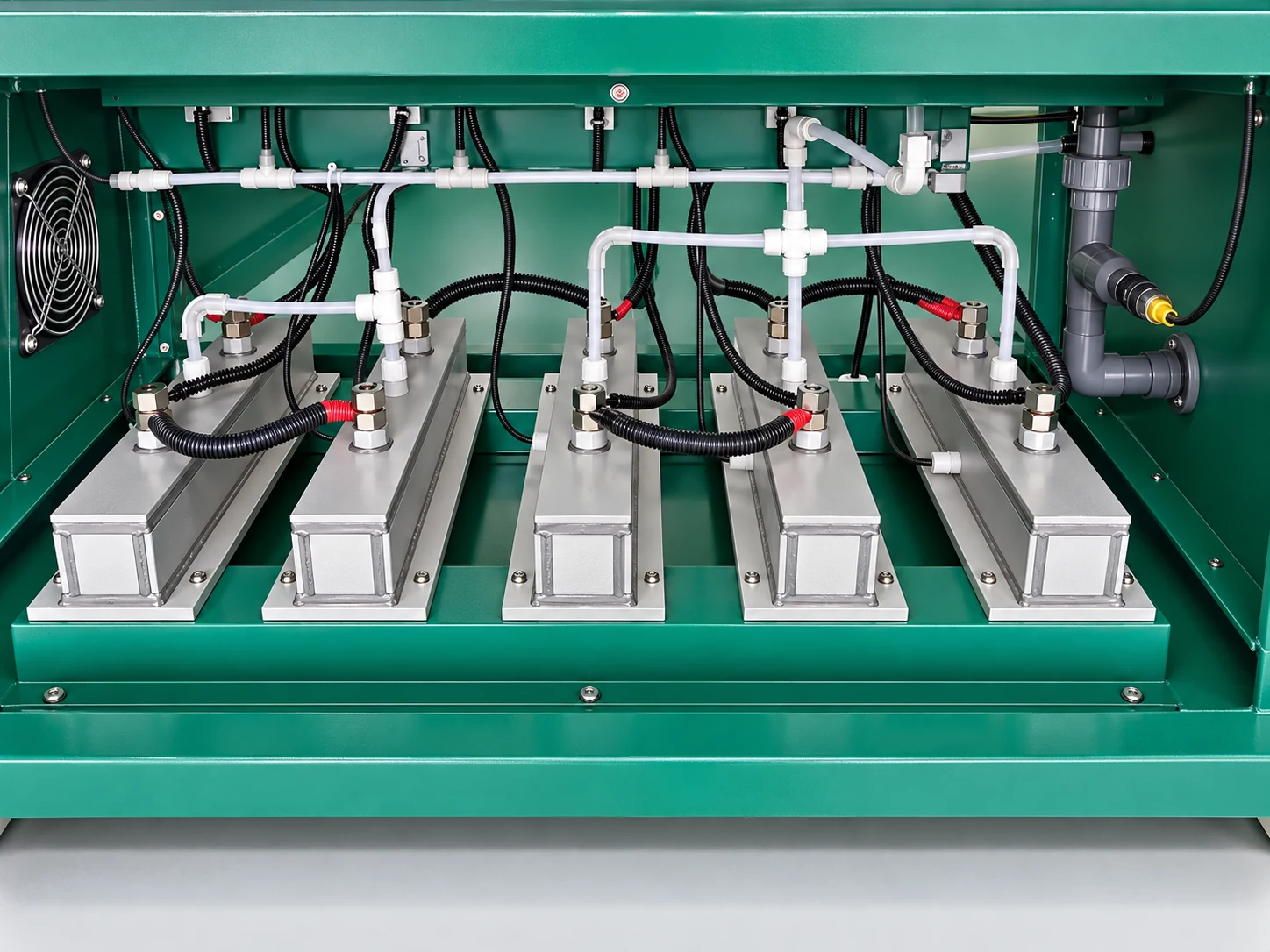
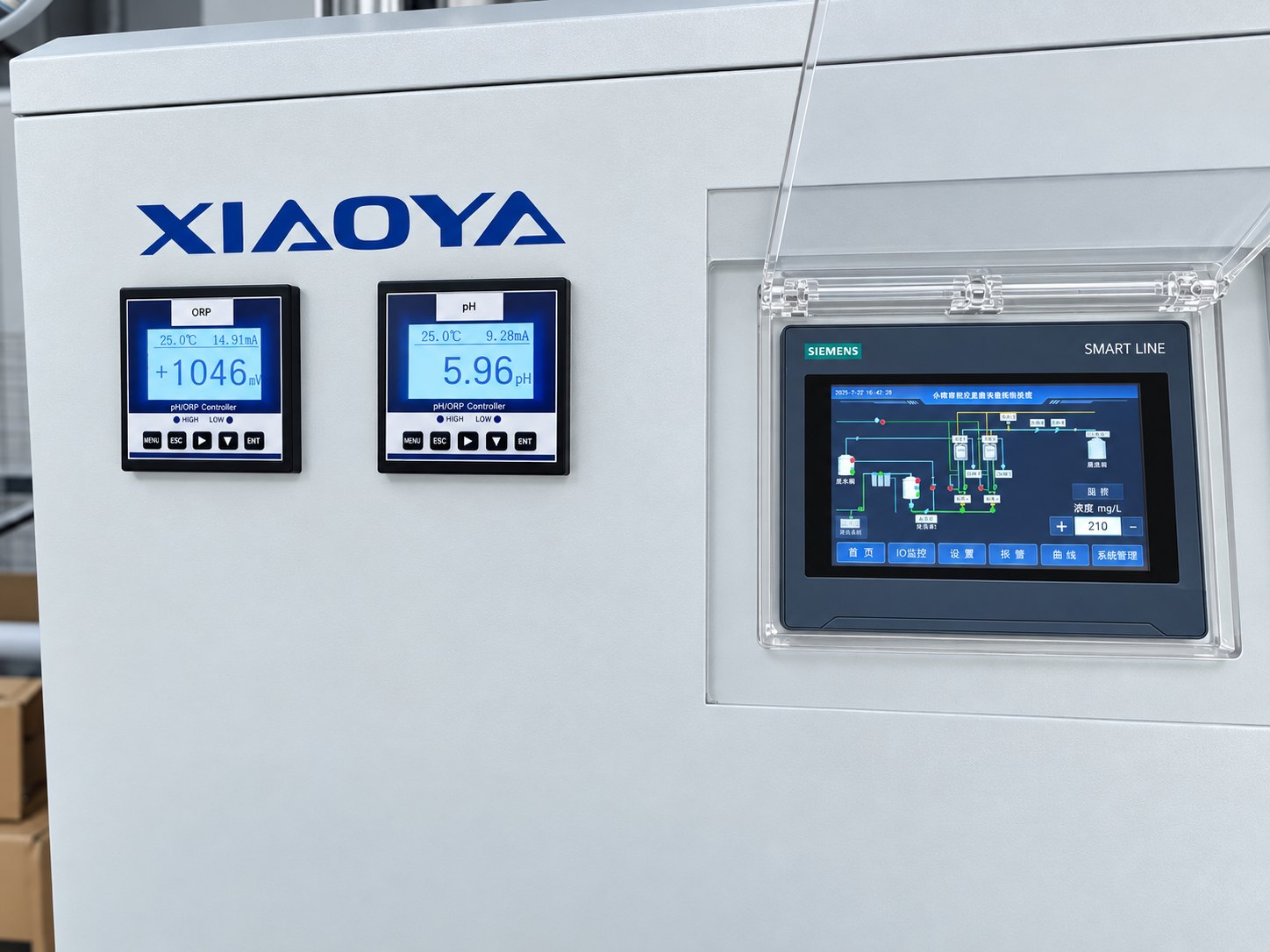
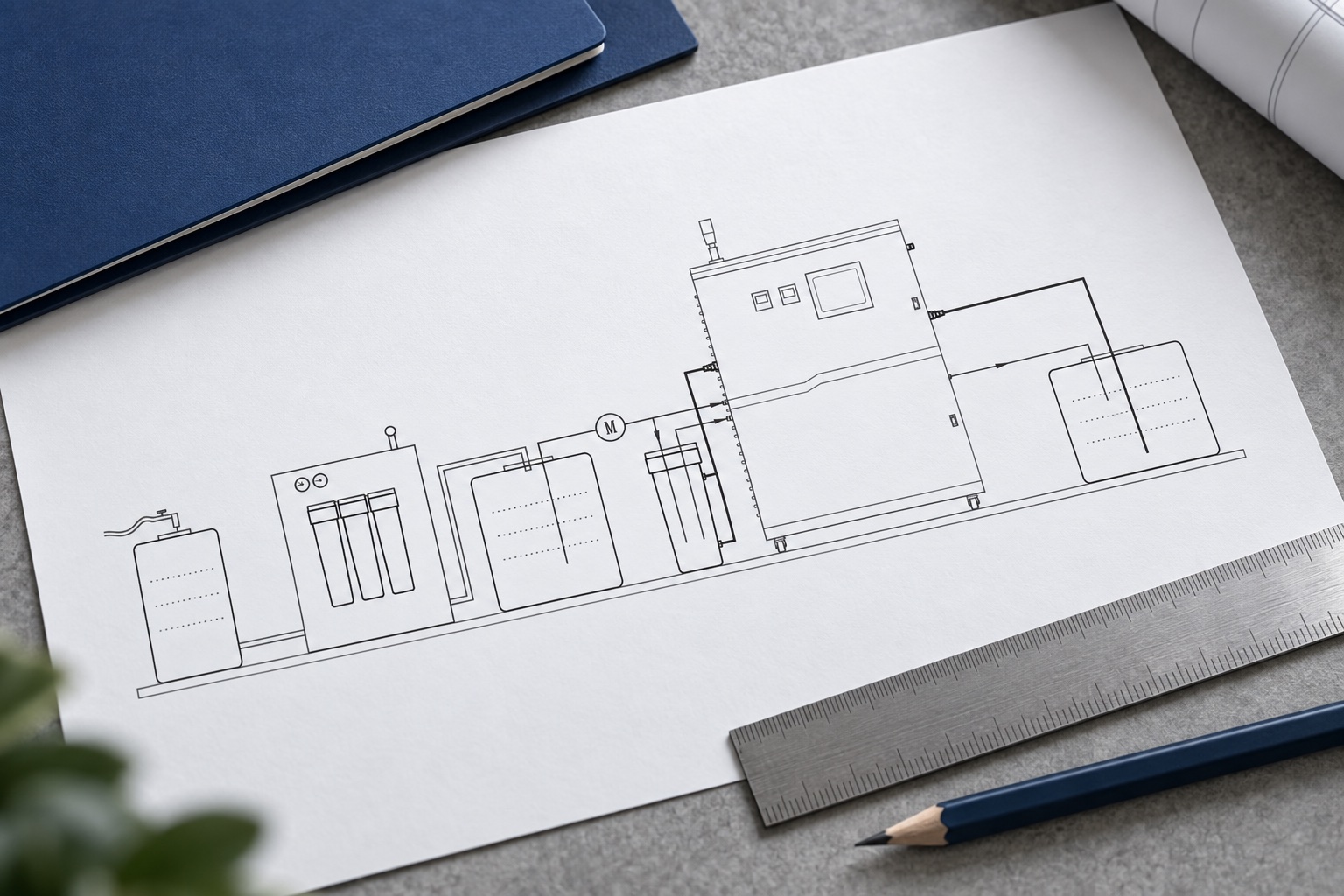
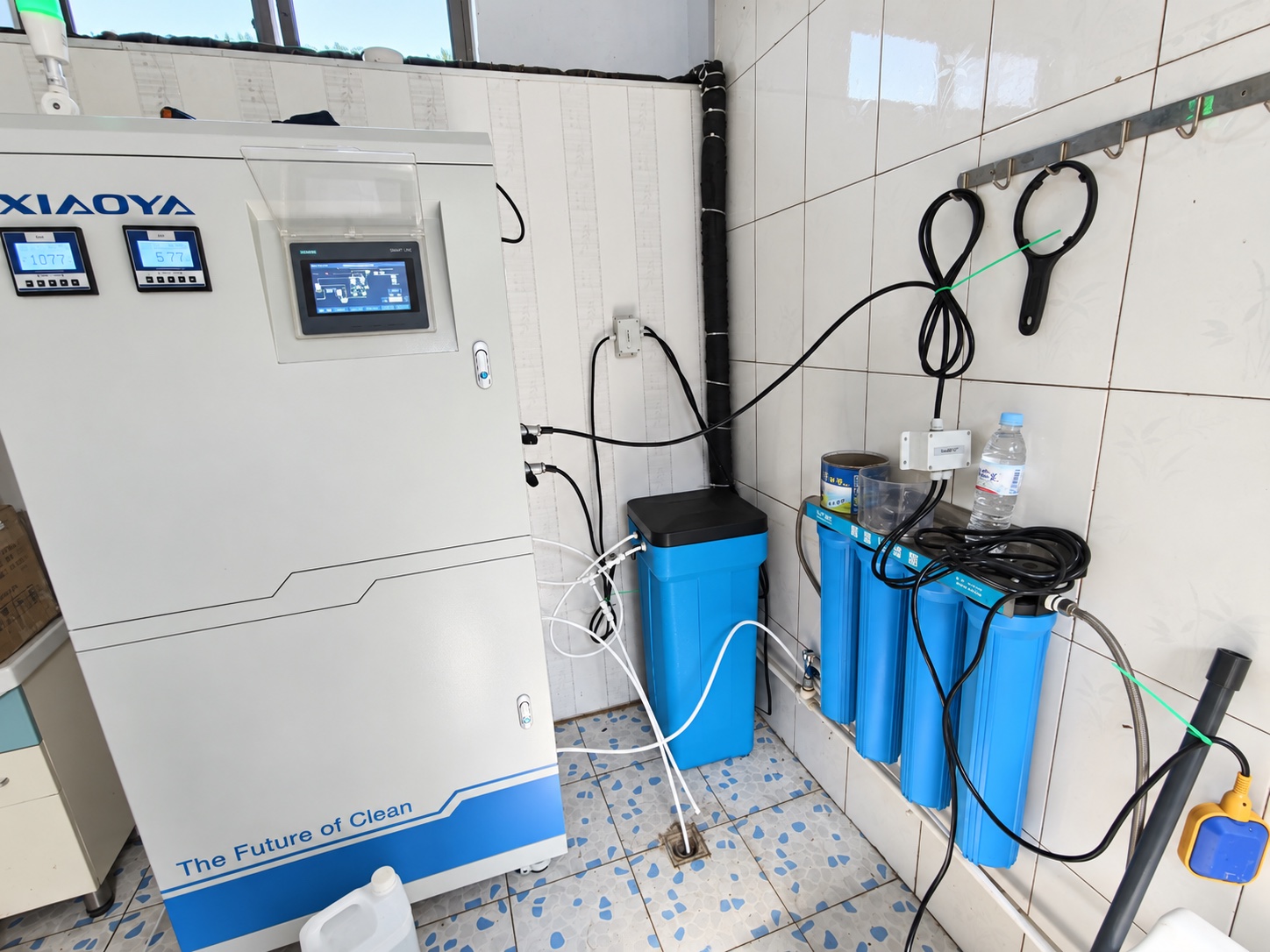
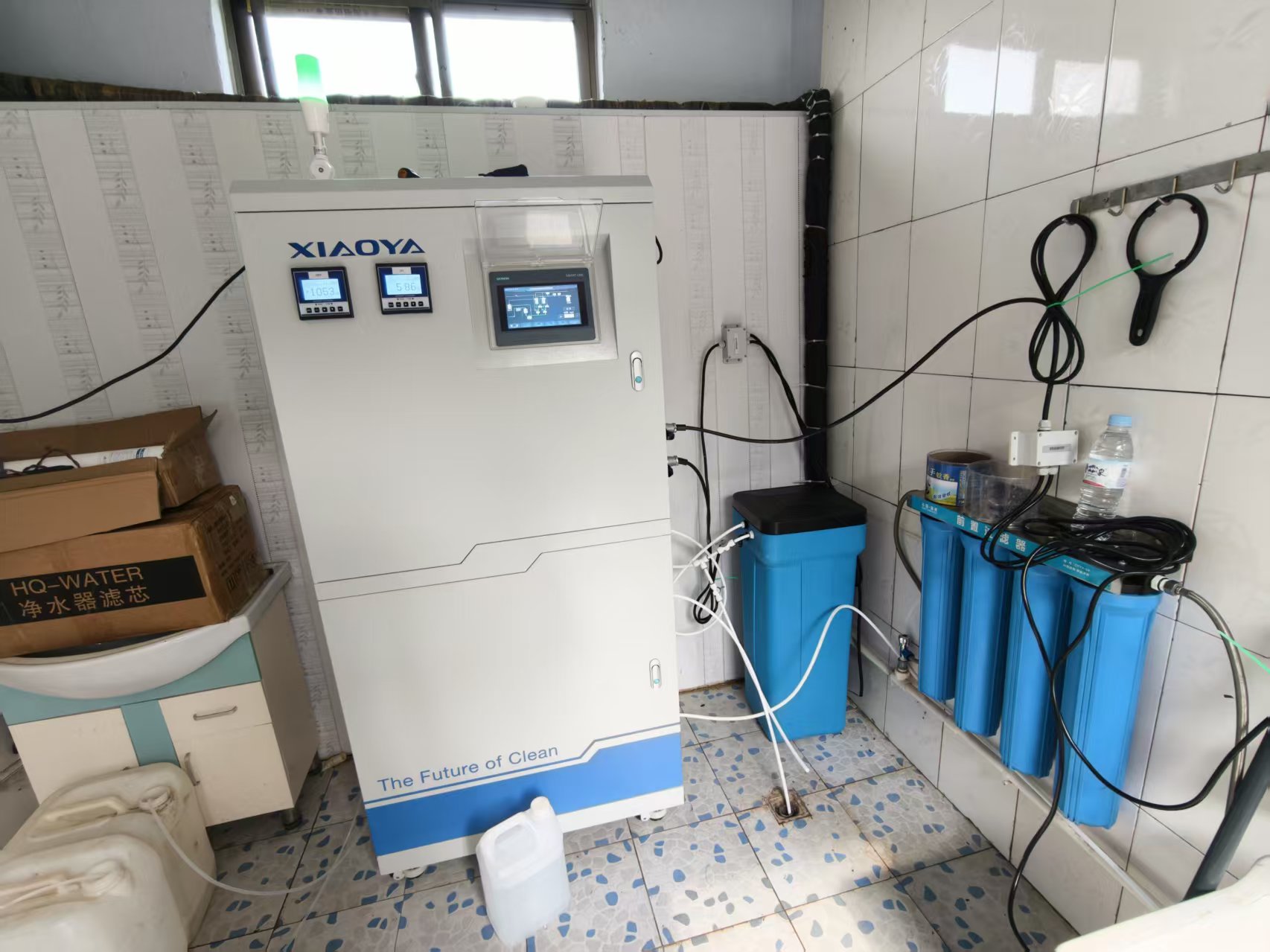
We proposed a solution characterized by higher initial investment but significantly lower ongoing costs: installing two industrial-grade hypochlorous acid generators in a corner of the workshop and connecting them to the facility’s existing purified water pre-treatment system. Using only tap water and food-grade electrolytic salt as raw materials, the system can produce solutions with concentrations ranging from 5 ppm to 200 ppm, meeting all of the client’s specific requirements. The equipment features integrated, closed-loop sensors that keep the output concentration within a margin of error of ±0.3 ppm. This eliminates the need for manual dilution by staff, allowing for on-demand access to the solution. Based on data collected after three months of operation—extrapolated against the factory’s historical annual consumption of disinfectant—the annual cost for raw materials is now less than $600. Compared to the previous annual expenditure of $5,600 for pre-packaged disinfectant, this represents an annual saving of $5,000. Even when accounting for equipment procurement costs, the total investment can be fully recouped in less than 30 months.
Through our work with clients worldwide, we have always recognized the value of pre-packaged hypochlorite disinfectant—it is indeed the most flexible solution for households, temporary events, small commercial venues, hospitals, or ad-hoc disinfection needs. However, for export-oriented facilities—such as large-scale food processing plants in Thailand—that maintain continuous production with predictable and stable disinfectant requirements, an on-site hypochlorite generator is a far more suitable choice. We encourage you to evaluate this from the perspective of total-cost-of-ownership: the capital expenditure you might think you are “saving” by avoiding equipment investment often ends up manifesting as expired disinfectant sitting in a warehouse, customs inspection fees, or excess inventory taking up valuable space in shipping containers. For any facility with long-term operations, a reliable, precise, and on-demand, on-site production system is the truly prudent choice—one that stands up to rigorous cost-benefit analysis.