



Applications of Skincare-Grade Hypochlorous Acid: The Role of Specialized Hypochlorous Acid Generators
Applications of Skincare-Grade Hypochlorous Acid: The Role of Specialized Hypochlorous Acid Generators
(We are the Xiaoya Group, specializing in the R&D and production of equipment for generating slightly acidic hypochlorous acid. We currently provide industrial-scale hypochlorous acid production systems for three domestic skincare brands that focus on products for sensitive skin.)
Most people are unfamiliar with hypochlorous acid (HOCl) water, often perceiving it merely as a chemical reagent unrelated to cosmetics. Even skincare R&D professionals, when first encountering HOCl, may wonder: can a concentration of just 5 ppm—the level typically used in cosmetic formulations—actually be effective? Is it truly necessary to invest in a dedicated hypochlorous acid generator? Could one simply purchase pre-made concentrated HOCl and dilute it as needed?
As experts in the field, it is our responsibility to explain the role of hypochlorous acid generators in cosmetic applications using sound technical principles. In our consultations with clients, we make it a point to clarify the underlying technical logic: the precision requirements for equipment used to produce 5 ppm HOCl for skincare differ by orders of magnitude from those required for the high-concentration HOCl (100 ppm or higher) used in industrial disinfection or agriculture. Today, we will break down the function of our equipment and the logic behind its precision control from a technical perspective.
I. What role do hypochlorous acid generators play in the production of skincare ingredients?
Through our research and development, we have determined that 5 ppm hypochlorous acid is ideal for incorporation into cosmetic formulations. In this context, 5 ppm HOCl serves as a gentle, non-irritating, natural preservative component. It acts as an alternative to traditional preservatives like parabens or phenoxyethanol. By utilizing extremely low concentrations of hypochlorous acid molecules, it inhibits Cutibacterium acnes and Staphylococcus aureus on the skin’s surface without compromising the skin barrier. This makes it an excellent core ingredient for products such as soothing toners for sensitive skin, post-procedure recovery sprays (following aesthetic treatments), and skincare products for infants and children. Bottled hypochlorous acid (HOCl) solution differs from that produced by an on-site hypochlorous acid generator:
1. Concentration becomes increasingly unpredictable over time: When stored in sealed containers at room temperature, the “available chlorine” in a hypochlorous acid solution naturally degrades by 3%–5% daily. A concentrated solution labeled as 10 ppm might drop to 6 ppm after just two weeks. Furthermore, when attempting to dilute it to a target concentration of 5 ppm, manual dilution errors—compounded by the time elapsed during the process—make it nearly impossible to achieve an accurate 5 ppm concentration.
2. Inconsistency between batches: Manual weighing and dilution often lead to significant deviations; the concentration can easily vary by as much as 2 ppm between different batches. This lack of consistency means that, in practice, the end product might cause skin irritation or prove ineffective.
3. Failure to meet impurity standards:Some commercial hypochlorous acid products contain stabilizers to extend shelf life, which may introduce trace amounts of heavy metals—rendering them non-compliant with national standards for skincare ingredients.
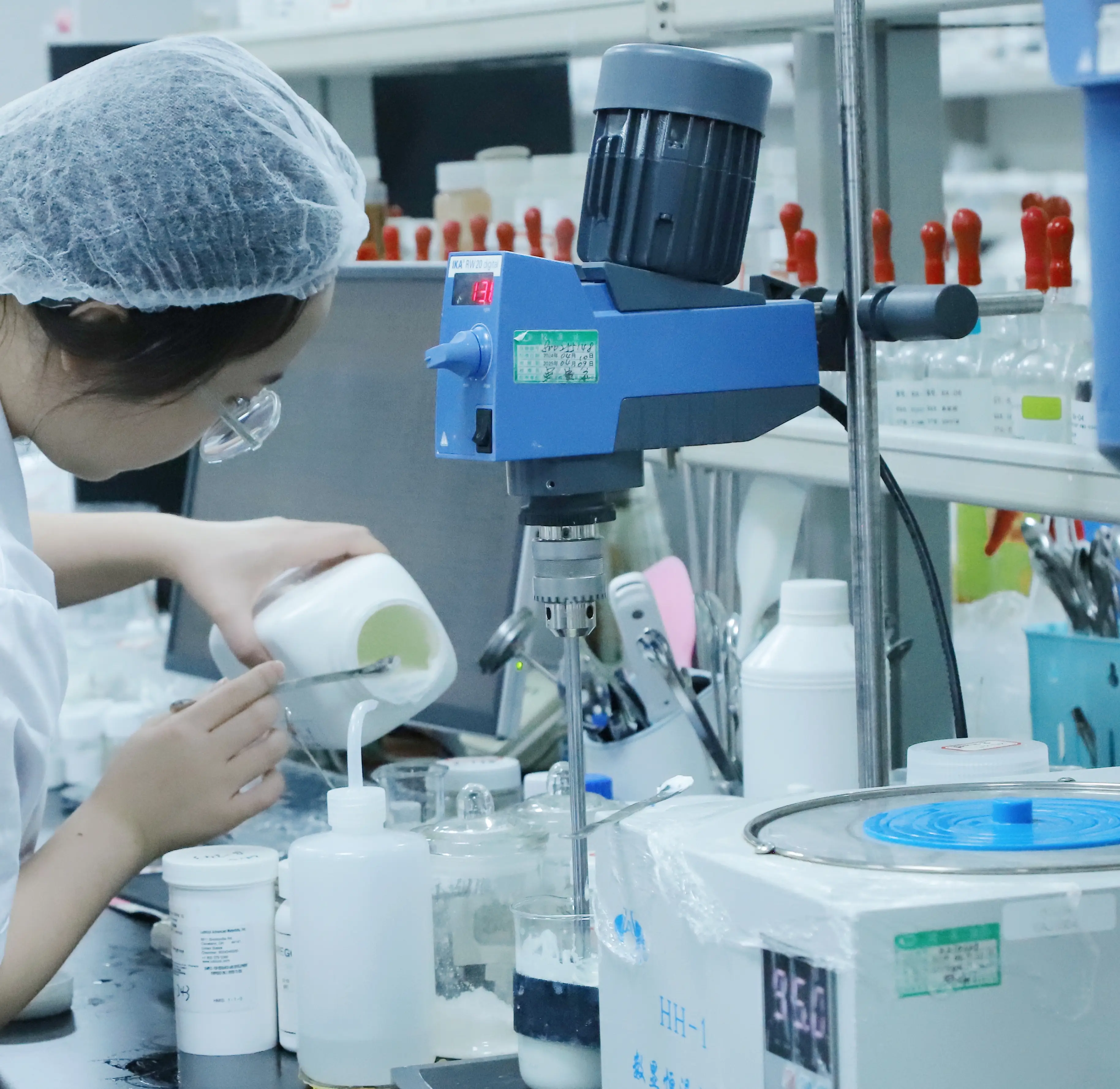
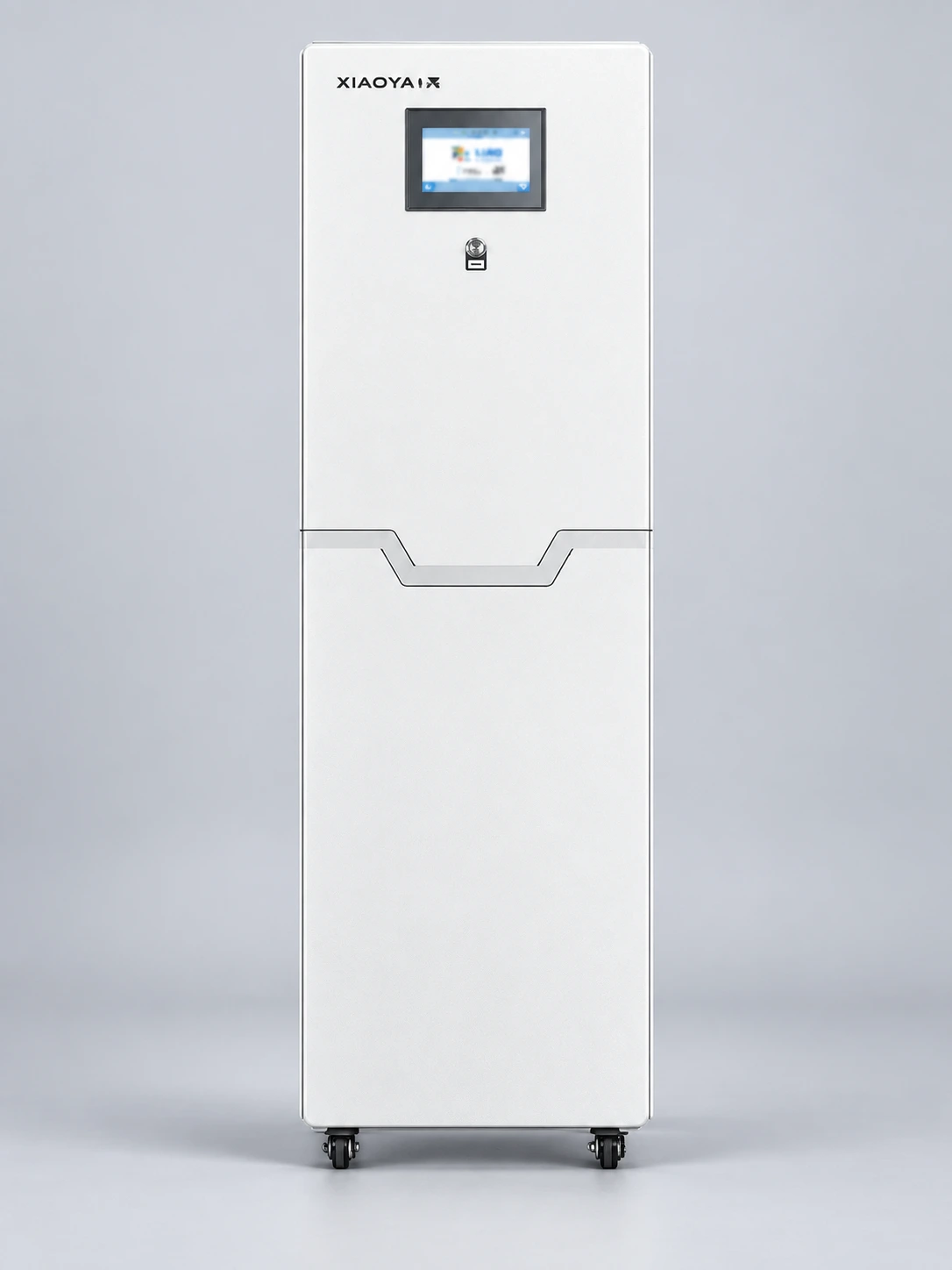
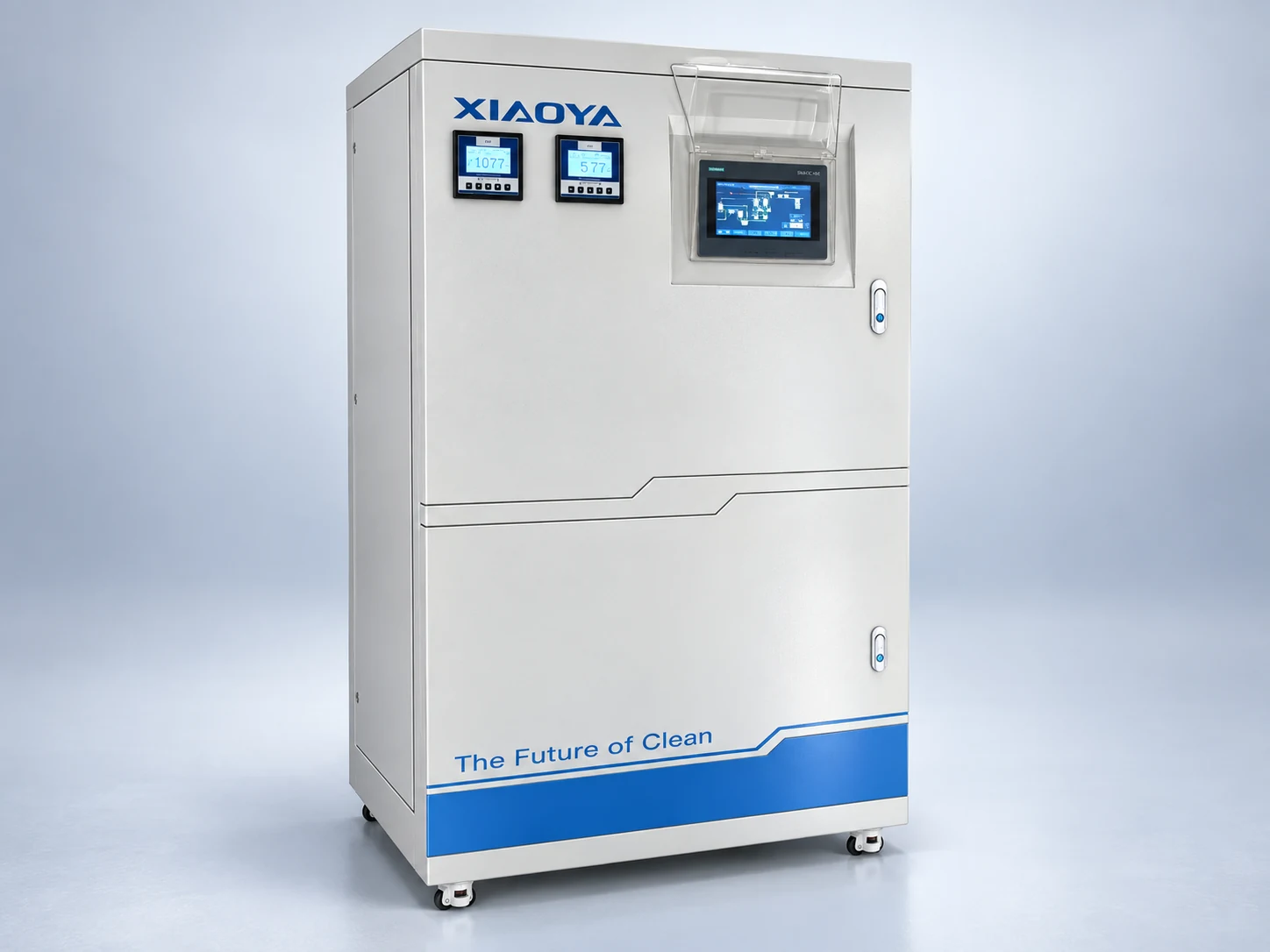
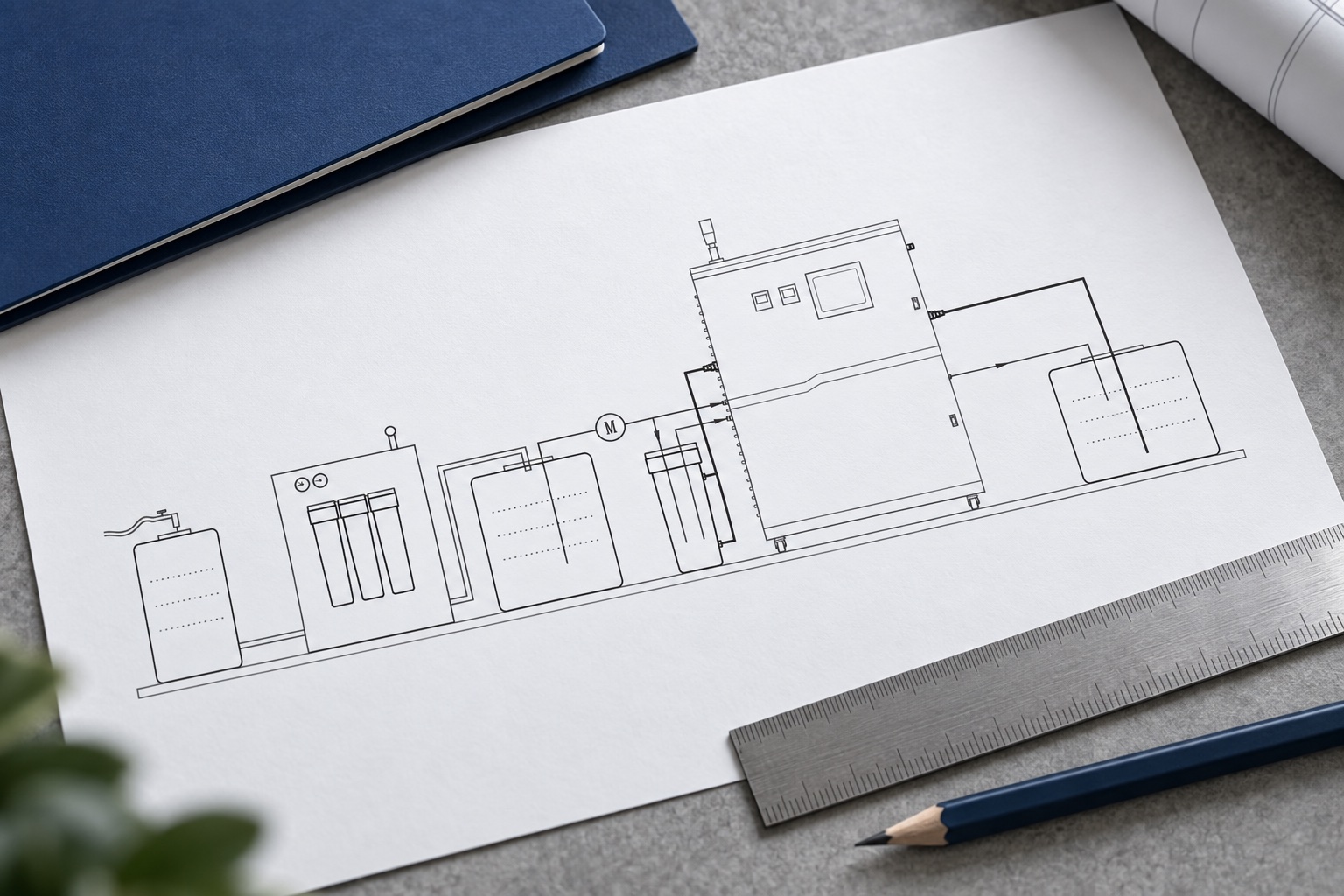
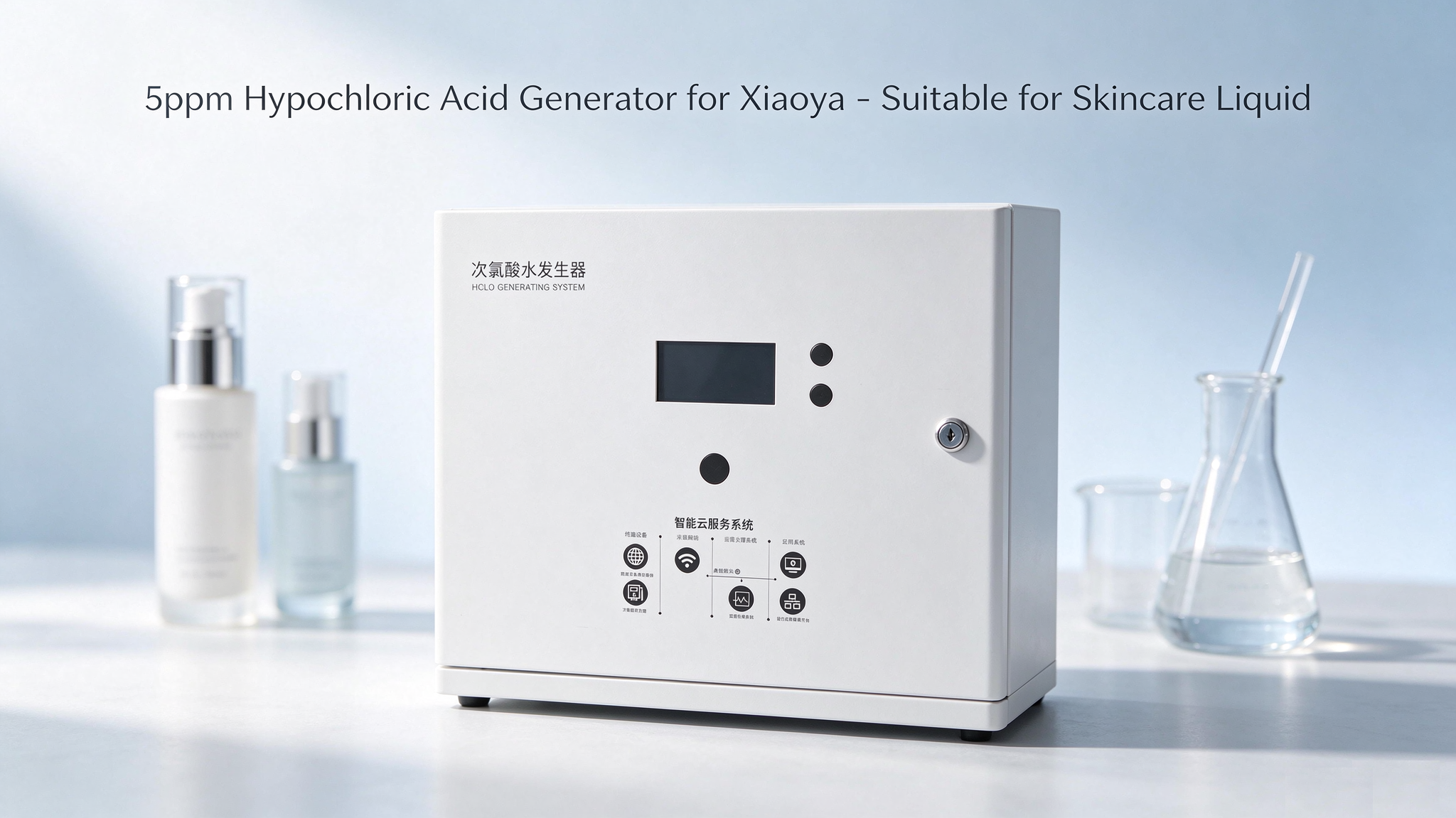
Our hypochlorous acid generator functions as an on-demand, high-precision raw material production unit integrated directly into the skincare manufacturing line. It eliminates the need for stockpiling concentrates or performing manual dilutions. By utilizing purified water and food-grade electrolytic salt, the system produces hypochlorous acid that strictly adheres to the specifications required for skincare ingredients. Because it is produced on-demand, it fundamentally bypasses the issues of degradation during storage, human error in dilution, and the presence of unwanted impurities.
II. How does our equipment achieve such precise production of 5 ppm hypochlorous acid?
Standard industrial hypochlorous acid generators are designed to produce large volumes of disinfectant at high concentrations (100–500 ppm). Their control logic relies on estimating concentration based on the magnitude of the electrolytic current, which typically results in an error margin of ±20% or more. If such equipment were set to a target of 5 ppm, the actual output could fluctuate anywhere between 2 ppm and 8 ppm—a level of variability that is unacceptable for use in skincare products. To achieve high precision, we have implemented three key measures:
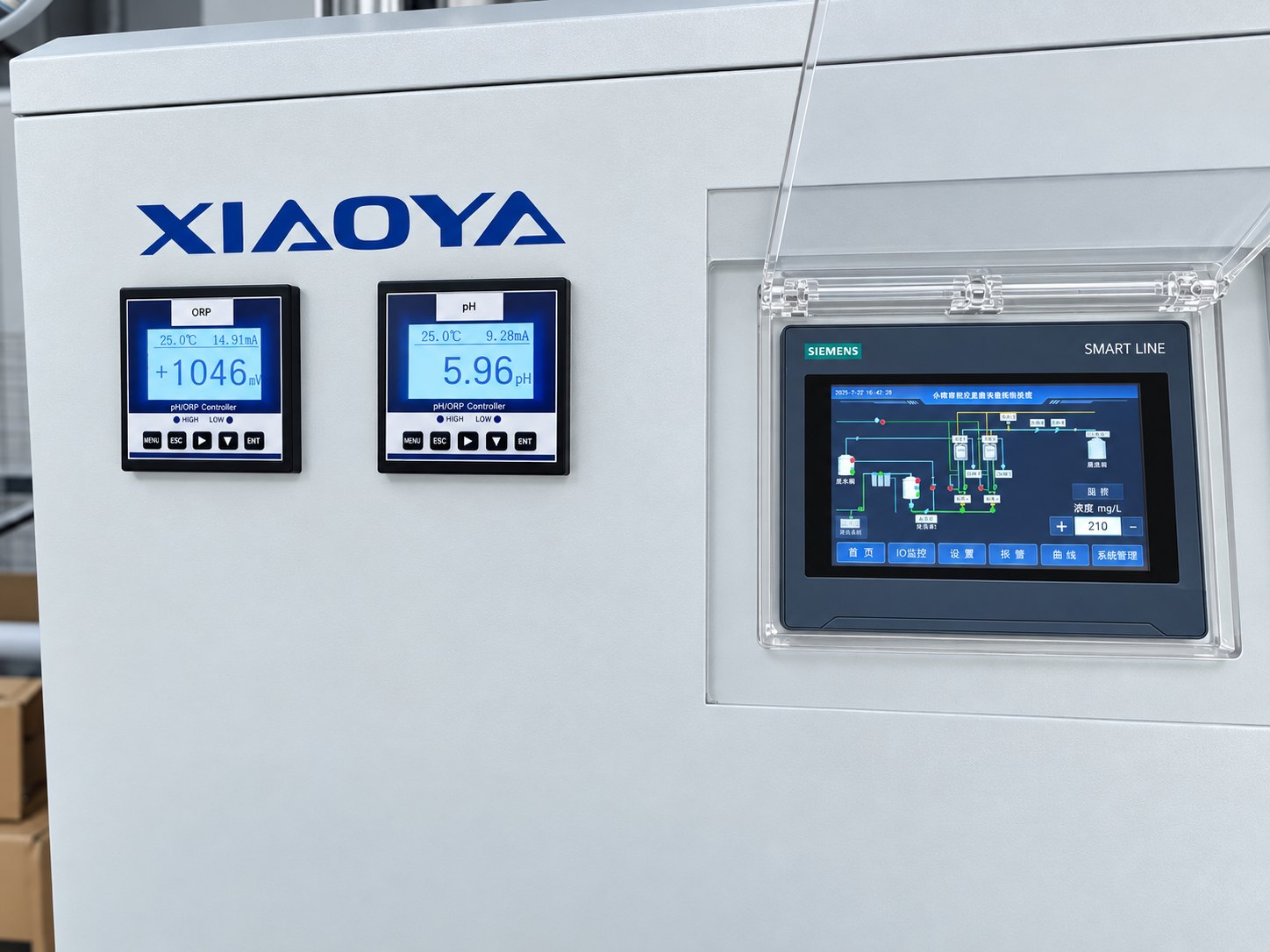
1. Closed-loop concentration control: Real-time, in-line measurement rather than current-based “estimation.”
Standard generators typically estimate concentration based solely on electrical current; lacking an integrated detection mechanism, they cannot identify deviations in concentration. Our system incorporates a high-precision electrochemical “available chlorine” sensor at the outlet. It measures the actual available chlorine level in real time, compares it against the set value, and uses a PID algorithm to automatically fine-tune the electrolysis current—lowering it if the concentration is too high, or raising it if too low—ensuring continuous, closed-loop correction. In a 72-hour continuous test for a brand catering to sensitive skin—with a target of 5 ppm and sampling every 2 hours—the actual output remained between 4.7 and 5.3 ppm (a maximum deviation of just 0.3 ppm), meeting the stability requirements for skincare formulations. Previously, a client relied on manual dilution, which resulted in concentrations fluctuating between 3.5 and 6.1 ppm across five batches and incurred over 20,000 RMB in sampling costs. With our equipment, the system produces a stable concentration immediately upon connection to a pure water supply, enabling the production of three batches of compliant material per day.
2. Precise, synchronized pH matching: Aligned with skin pH to prevent irritation.
Skincare products have strict requirements to ensure they do not irritate the skin. The hypochlorous acid used in such products must have a pH between 5.5 and 6.5—matching that of healthy skin—to avoid compromising the skin barrier. Standard single-chamber electrolysis systems are structurally limited, often producing an output with a pH of 3.5–4.5; this acidity can cause a stinging sensation when applied to sensitive skin. We utilize a dual-chamber electrolysis design: the system generates an acidic hypochlorous acid “stock solution,” monitors its pH in real time, and blends it with pre-treated neutral pure water. This stabilizes the final output pH at 6.0 ± 0.2, eliminating the need for manual adjustment and preventing day-to-day fluctuations.
3. Precision control of by-products: Ensuring compliance with cosmetic product registration standards.
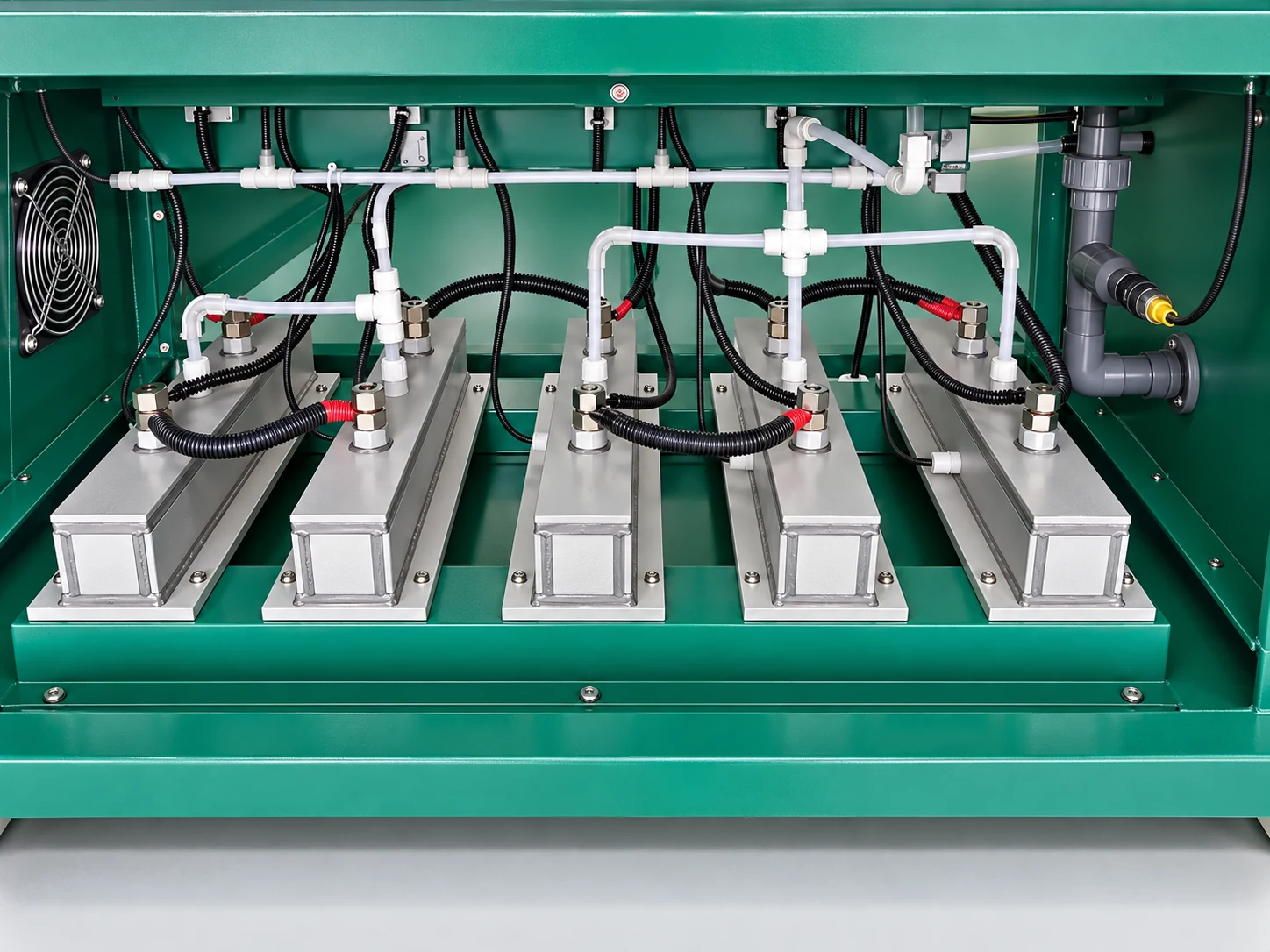
The electrolysis of hypochlorous acid inevitably produces trace amounts of chlorate by-products, for which national standards for skincare products set specific upper limits. Standard industrial generators lack membrane isolation, often resulting in chlorate levels exceeding 5 mg/L in the output—a concentration that typically fails regulatory testing for cosmetic ingredients. Our electrolytic cells, by contrast, are equipped with perfluorinated ion-exchange membranes. These membranes completely isolate the electrolysis processes on either side, strictly separating the hypochlorous acid generated at the anode from the alkaline solution produced at the cathode. This ensures that chlorate levels in the final output remain consistently below 0.1 mg/L—ten times lower than the regulatory limit for cosmetic-grade ingredients—thereby preventing product registration issues caused by excessive by-products.
III. The Practical Value of This Precision for Skincare Brands
Many clients ask: how much of a difference does a 1 ppm variance make when dealing with a 5 ppm hypochlorous acid solution? From a scientific perspective, the impact is significant.
If the concentration is adjusted to 8 ppm, it is likely to cause stinging and redness when applied to sensitive skin, leading to a surge in negative reviews. Conversely, if the concentration falls below 3 ppm, it lacks sufficient antimicrobial efficacy; microbial counts may exceed safety limits after just three days of storage at room temperature, rendering the product’s shelf life non-compliant.
Our equipment consistently produces a concentration of 4.8–5.2 ppm—the “sweet spot” that balances effective antimicrobial action with low irritation, ensuring stable concentrations across batches and consistent performance. In terms of cost, on-site production costs less than 5 RMB per ton—a 95% saving compared to purchasing finished product (approximately 200 RMB per ton). Furthermore, because the solution is produced as needed, the risk of degradation during storage is eliminated. With an initial investment of less than 5,000 USD, small to medium-sized skincare brands can typically recover their costs within about six months.