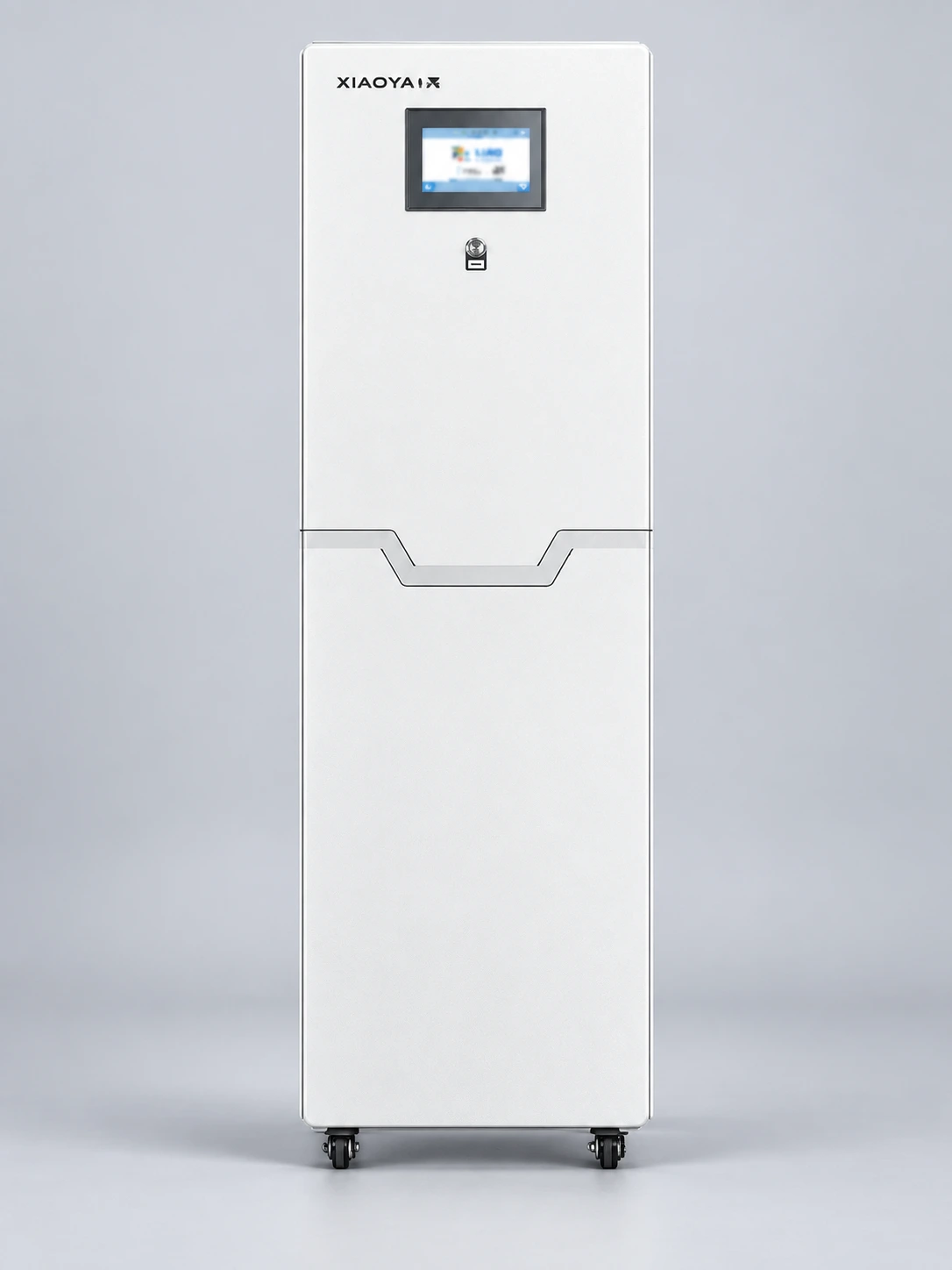
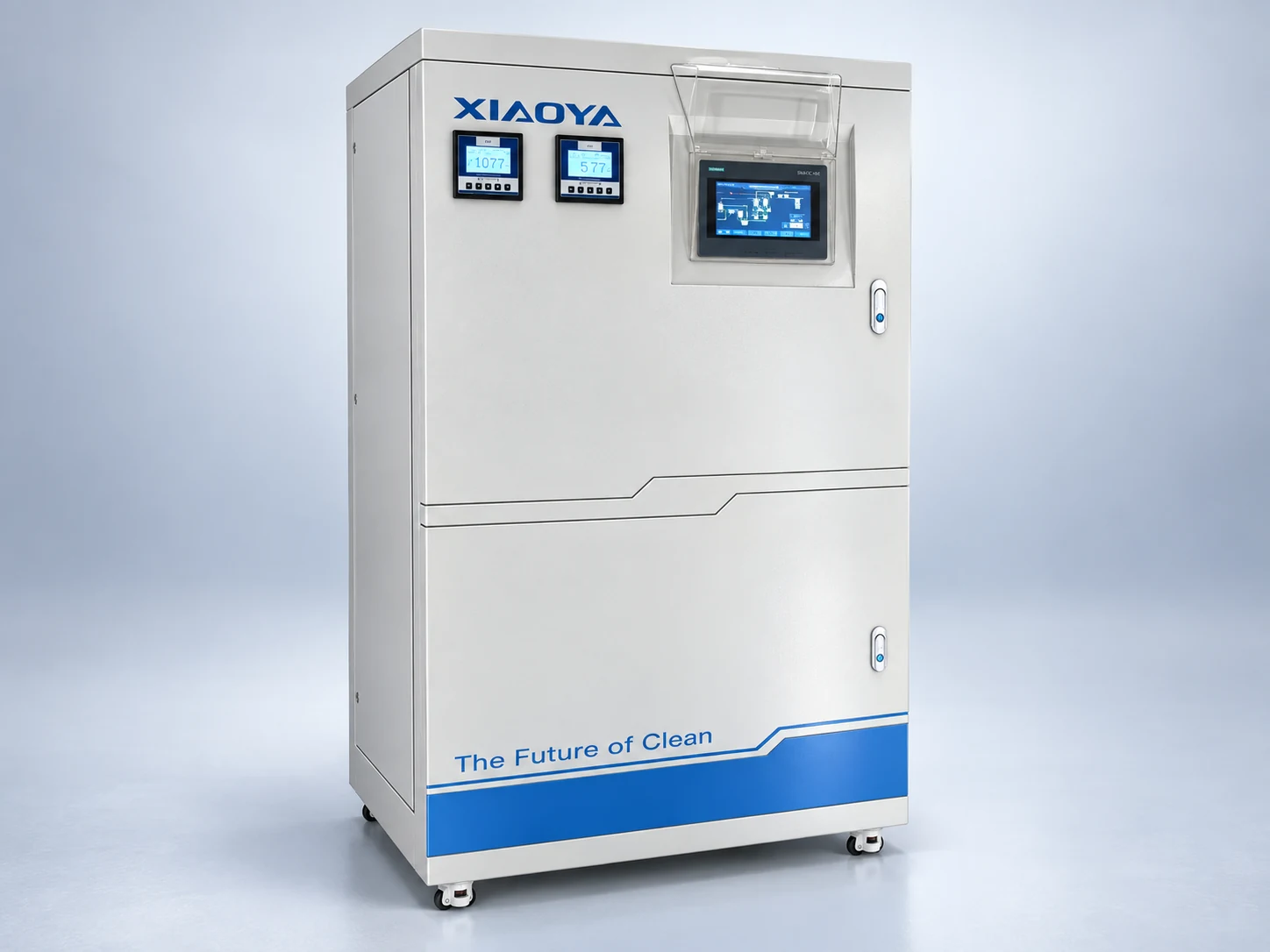
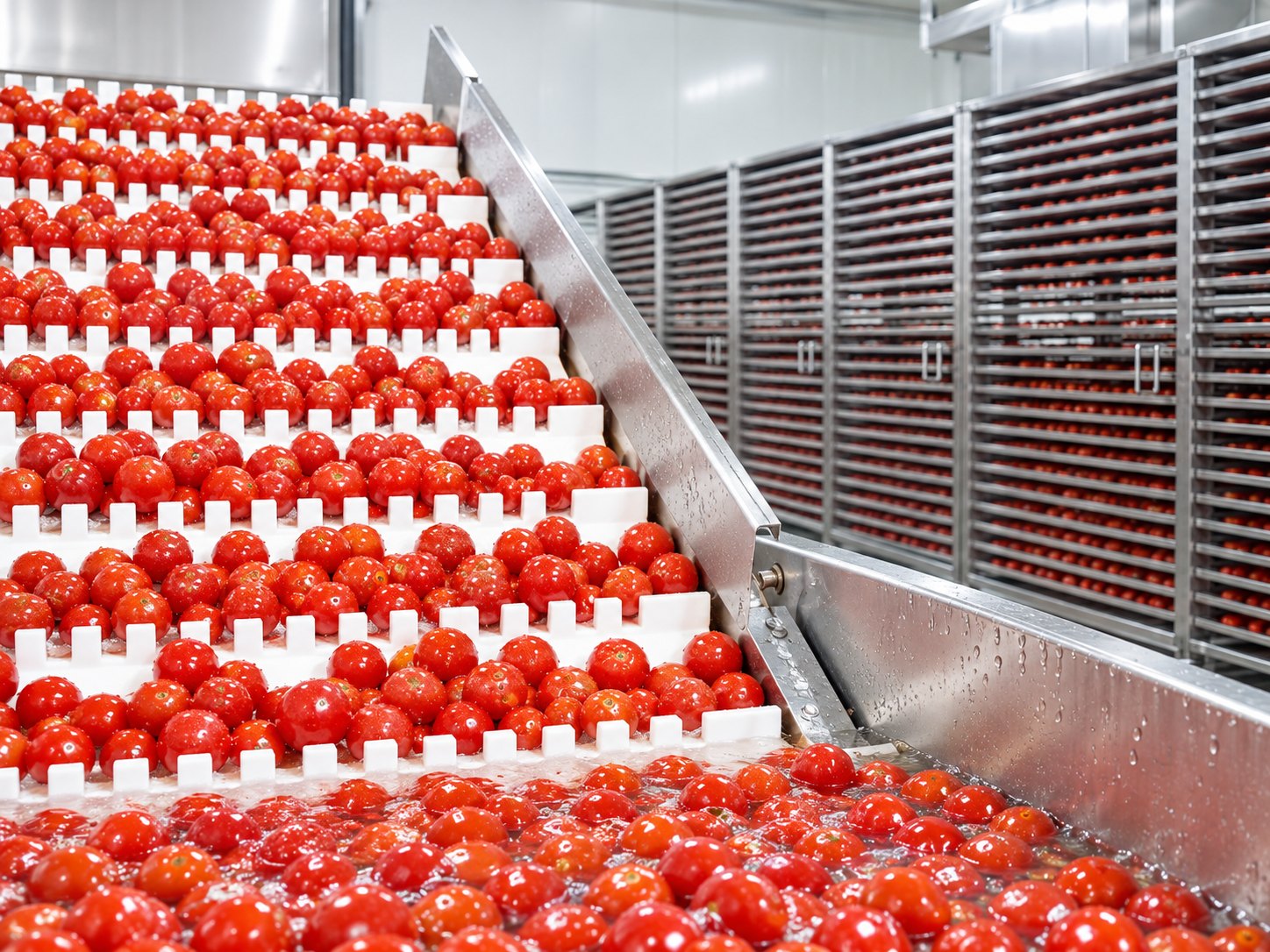
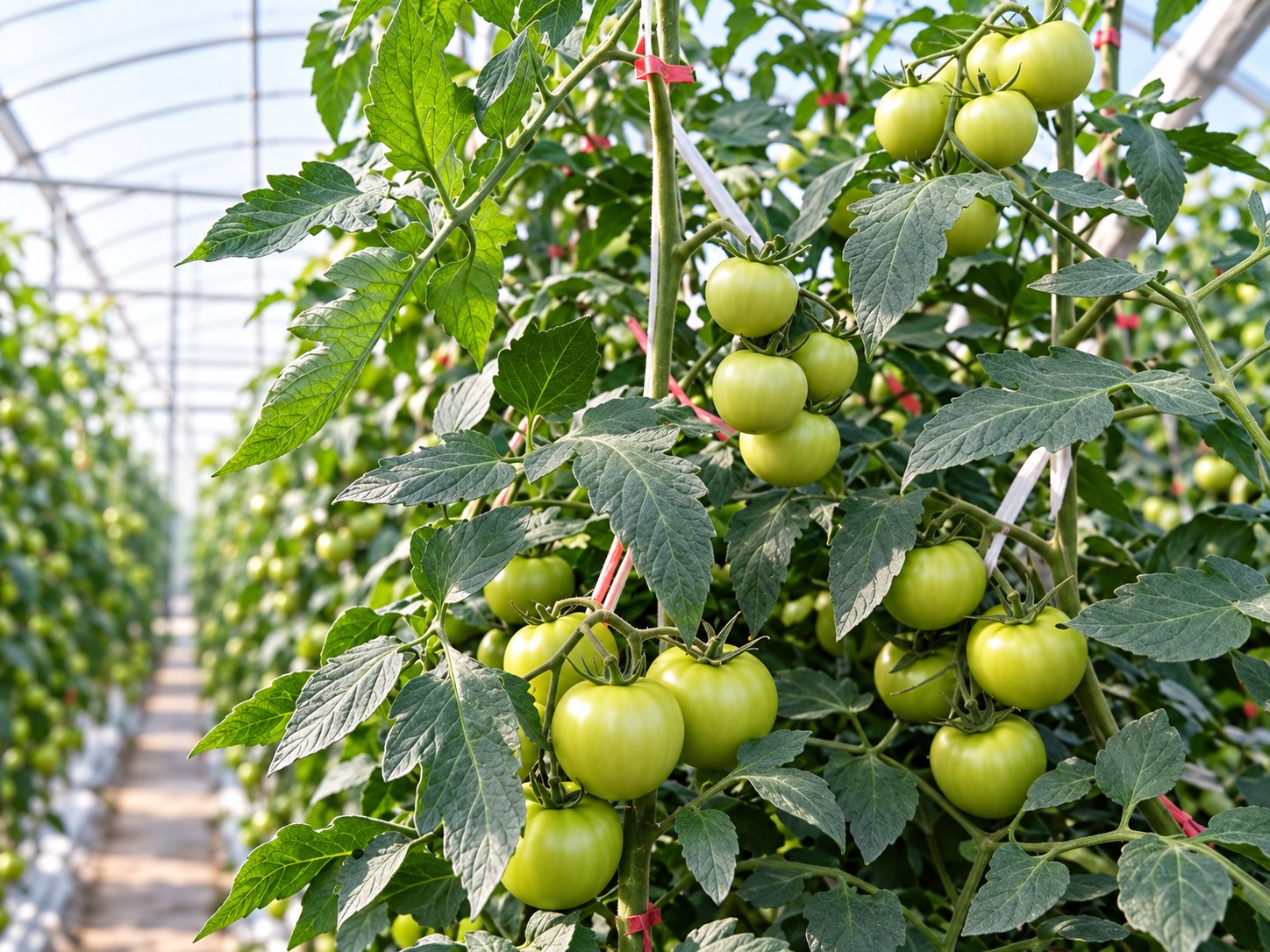
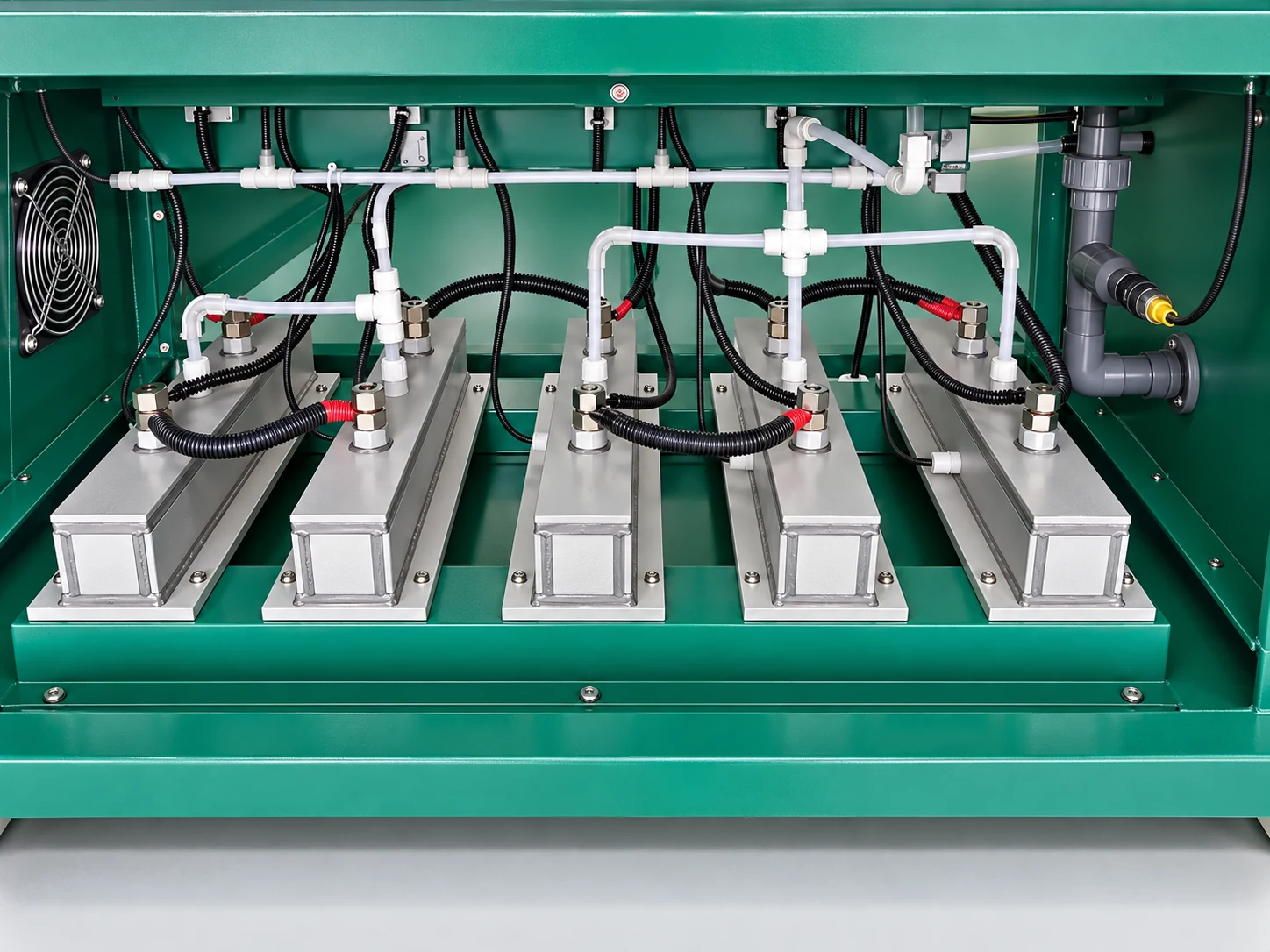
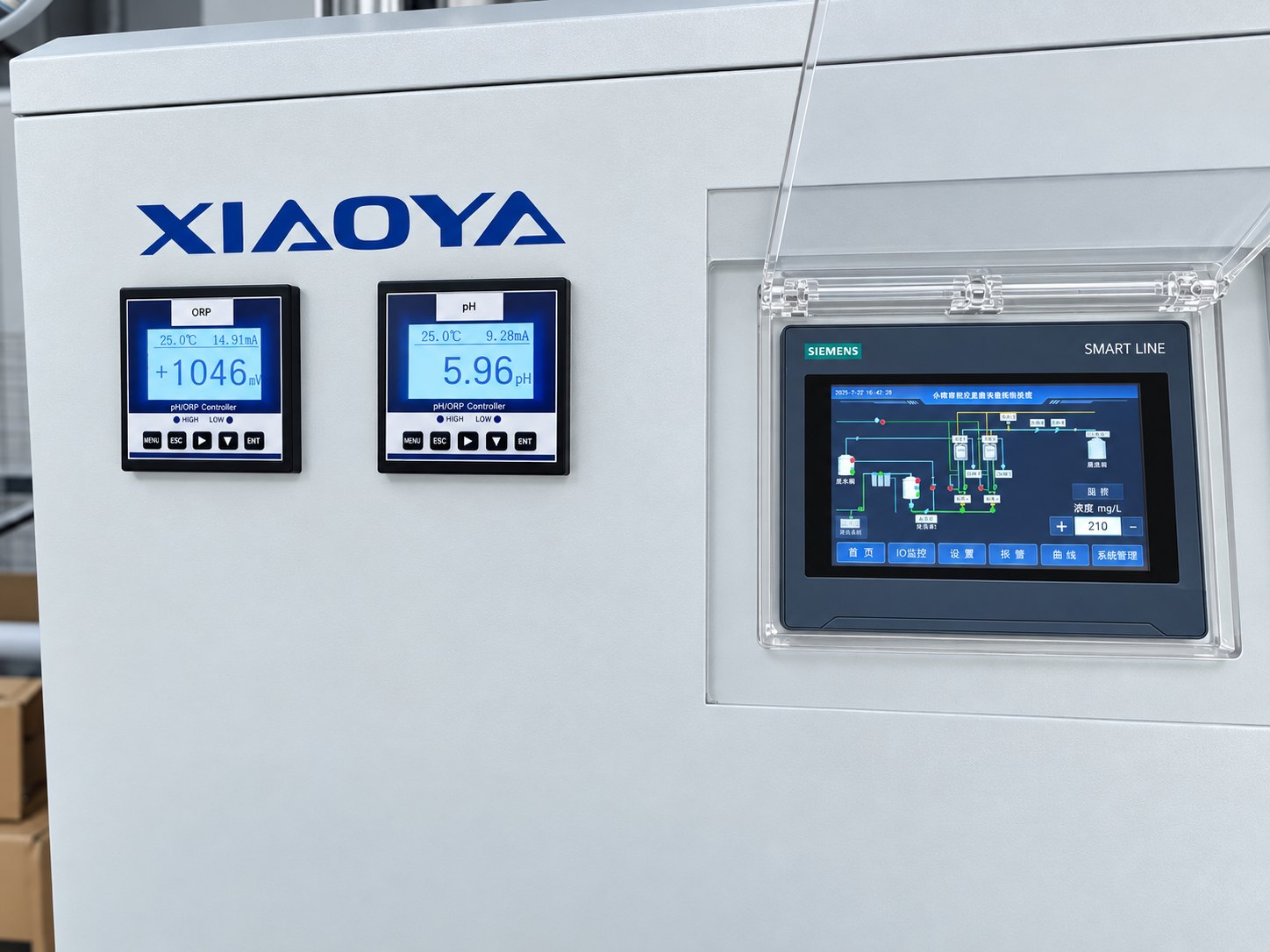
Concept illustration of an industrial receiving area for supply planning

XIAOYA / HOCl SUPPLY PLANNING

On-site generation
or delivered HOCl?

Regular demand can make on-site generation worth considering. Compare the supply requirements before choosing equipment.

01 / FOLLOW THE SUPPLY

Two routes.
One operation.

Delivered HOCl arrives as a purchased solution, in smaller containers or bulk packaging. On-site generation moves production to your facility. Both need a clear specification for the intended use.

Delivered HOCl

Finished solution
  1. OrderFrom a supplier
  2. ReceiveCheck the delivery
  3. StoreFollow product instructions
  4. UseSupply the use point

Your team manages deliveries, stock rotation and handling. Confirm the supplied concentration, intended use and storage conditions with the supplier.

On-site generation

Production at your site
  1. PrepareWater and feed
  2. GenerateAt agreed conditions
  3. CheckHold as required
  4. UseSupply the use point

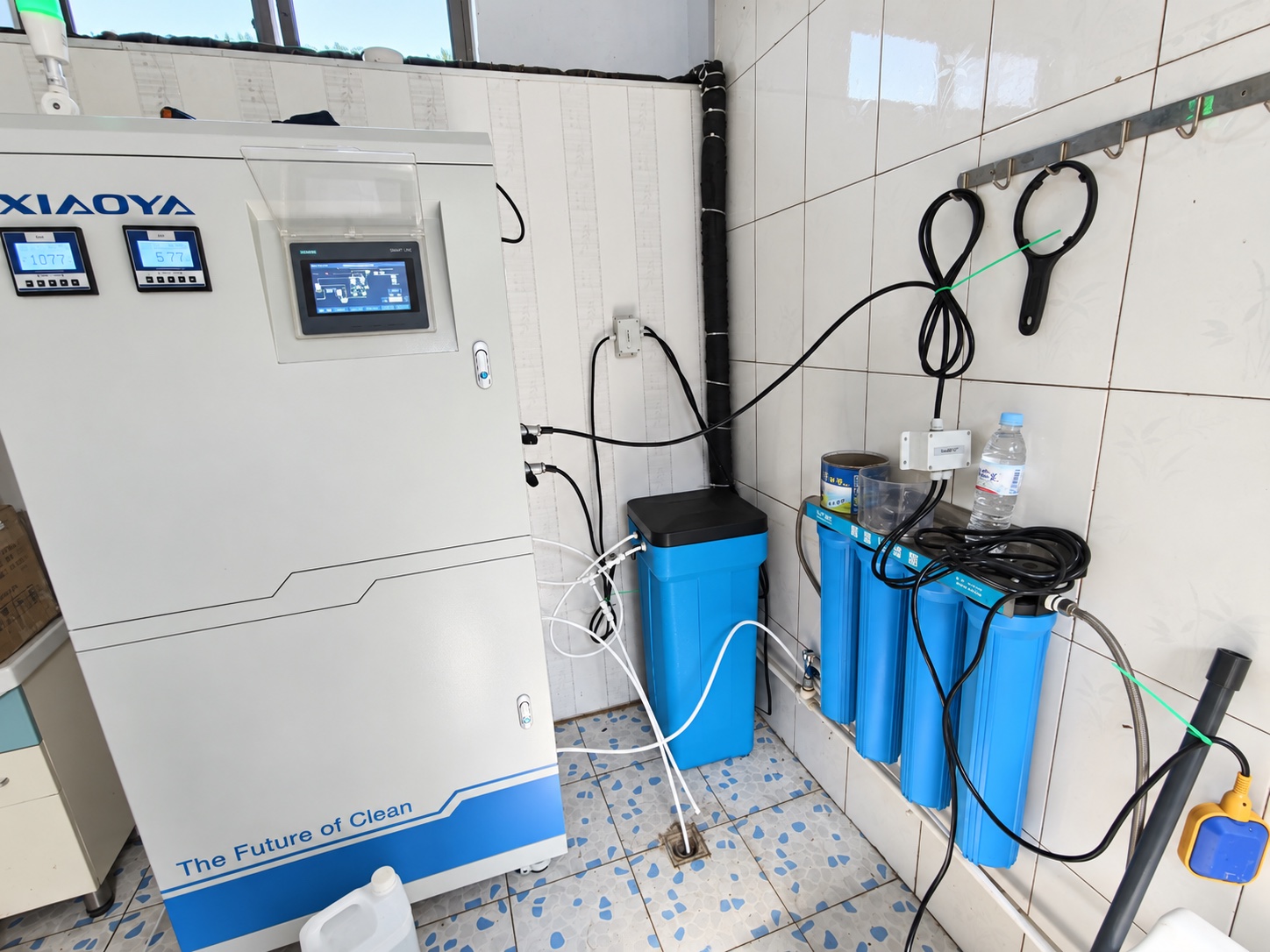
Your team manages water, feed, operation, output checks and maintenance. Treatment, tanks and distribution equipment depend on the agreed scope.

02 / RECOGNISE YOUR SITUATION

When is a generator
worth a closer look?

The decision starts with how your facility works—not just the number of litres you purchase.

Explore Generator Sizing
01

Regular, concentrated demand.

A facility with recurring use at a defined location can assess production around its operating schedule. Include the busiest period as well as the daily total.

02

Replenishment is becoming a burden.

Frequent orders or delivery uncertainty can justify reviewing another supply model. On-site generation may reduce finished-solution deliveries, while still needing reliable feed, utilities and service.

03

Your site can support operation.

Check water, power, space and staff responsibility. A suitable generator still needs an operating process around it.

03 / THE PRACTICAL DIFFERENCE

What changes
for your team?

Both routes require planning. The difference is where production happens—and which responsibilities your operation takes on.

Operational comparison of delivered HOCl and on-site generation
DecisionDelivered HOClOn-site generation
Demand planningOrder quantities and delivery frequency follow usage and usable storage time.Production hours and usable output must match daily and peak demand.
Supply dependenciesSupplier availability, transport and receiving arrangements.Water, power, feed materials, equipment availability and service.
SpaceStorage suited to packaging, stock level and supplier instructions.Equipment access, plus any feed storage, treatment and solution storage required.
Daily workReceiving, stock rotation, handling and relevant checks.Operation, output checks, records, cleaning and planned maintenance.
Solution conditionFollow product instructions and site testing requirements through storage and use.Confirm output and any stored solution against site requirements before use.
InterruptionsPlan for delayed deliveries and stock that cannot be used.Plan for utility loss, maintenance and equipment downtime.

On-site production supplies fresh HOCl when needed. Manage storage time, containers and operating conditions to maintain solution quality.

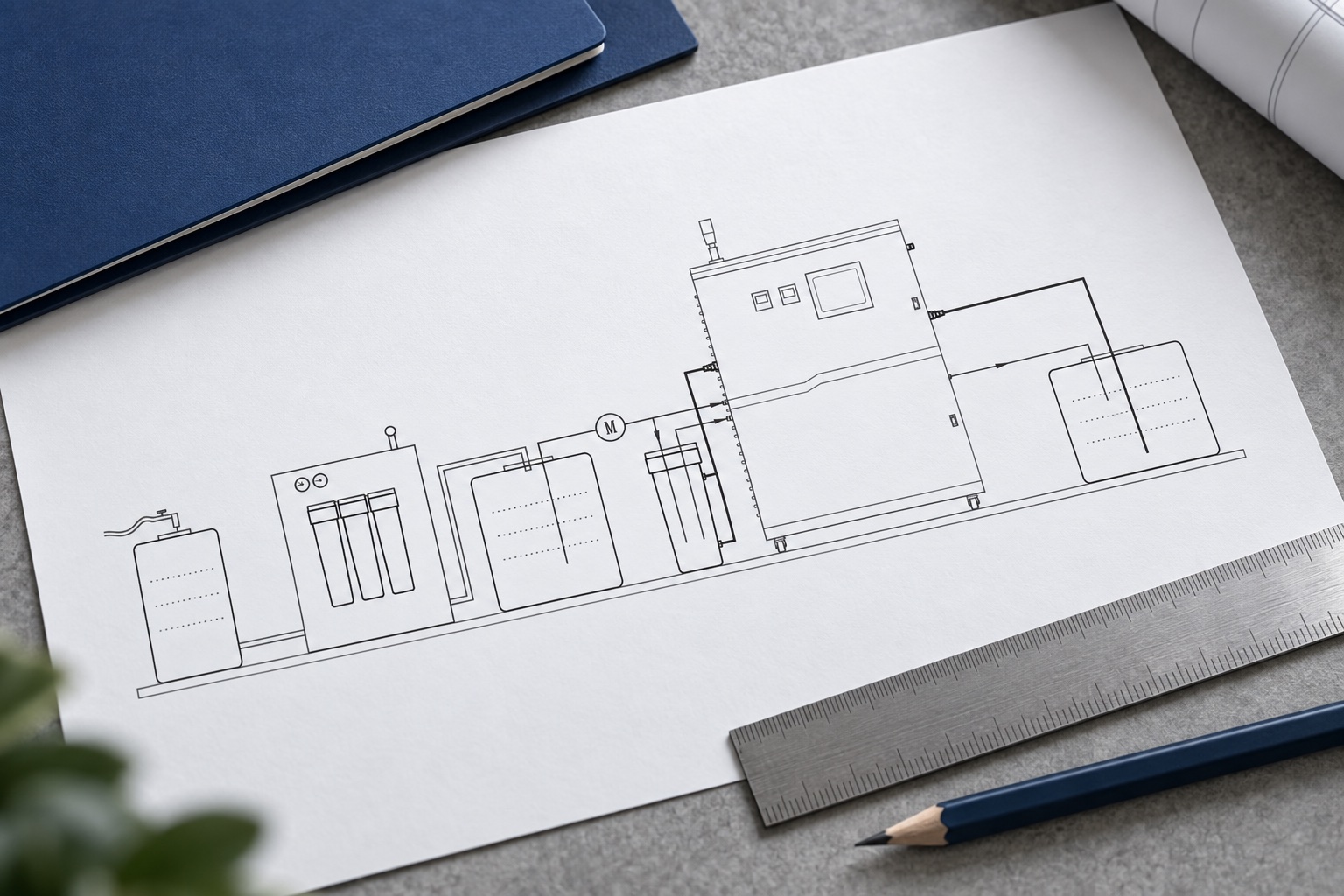
Concept illustration of an industrial operations planning desk

04 / KEEP OPERATIONS SUPPLIED

Plan for the day
supply is interrupted.

If you buy finished solution

Review lead times, replenishment triggers and the amount you can store and use within supplier instructions. Consider how a delayed shipment would affect operations.

If you generate on site

Identify which use points need supply during maintenance or a utility interruption. Review feed availability, service needs and a suitable backup arrangement.

A mixed approach may be practical.

Evaluate on-site generation for regular demand and a separately qualified delivered supply for interruptions or temporary needs. Confirm suitability for the intended use; do not assume products are interchangeable.

05 / PREPARE YOUR FIRST DISCUSSION

Four inputs.
A clearer starting point.

You do not need every answer before contacting Xiaoya. Share what you know and identify what needs review.

01 / APPLICATION

Where and for what?

Country, treatment task and use points. Include required solution specifications if available.

02 / DEMAND

How much and when?

Daily use, peak demand, operating days and any seasonal changes.

03 / CURRENT SUPPLY

What needs to improve?

What you buy, how often it arrives and the main difficulty you want to solve.

04 / SITE

What is available?

Water, power, space and who would operate the system. Unknowns can be reviewed together.

FROM SUPPLY PLANNING TO EQUIPMENT

Could on-site HOCl generation
fit your operation?

Share your current supply method and the change you want to achieve. Discuss generator options and the supporting equipment your site may need with Xiaoya Group.

Discuss Your Supply Requirements Explore HOCl Generators Approximate demand is enough to start.