




Room turnover & shared areas
Map the selected housekeeping tasks, floor collection points and the busiest replenishment window.

Plan solution supply around housekeeping tasks, refill peaks and the people who keep your property running.
A property-wide solution starts with the staff who prepare, collect and use it. Identify the tasks before deciding where a generator belongs.
Map the selected housekeeping tasks, floor collection points and the busiest replenishment window.
Separate scheduled cleaning from daytime tasks. Confirm who collects solution when different service teams share a property.
Keep preparation and collection within the agreed staff workflow, with suitable containers, identification and storage.
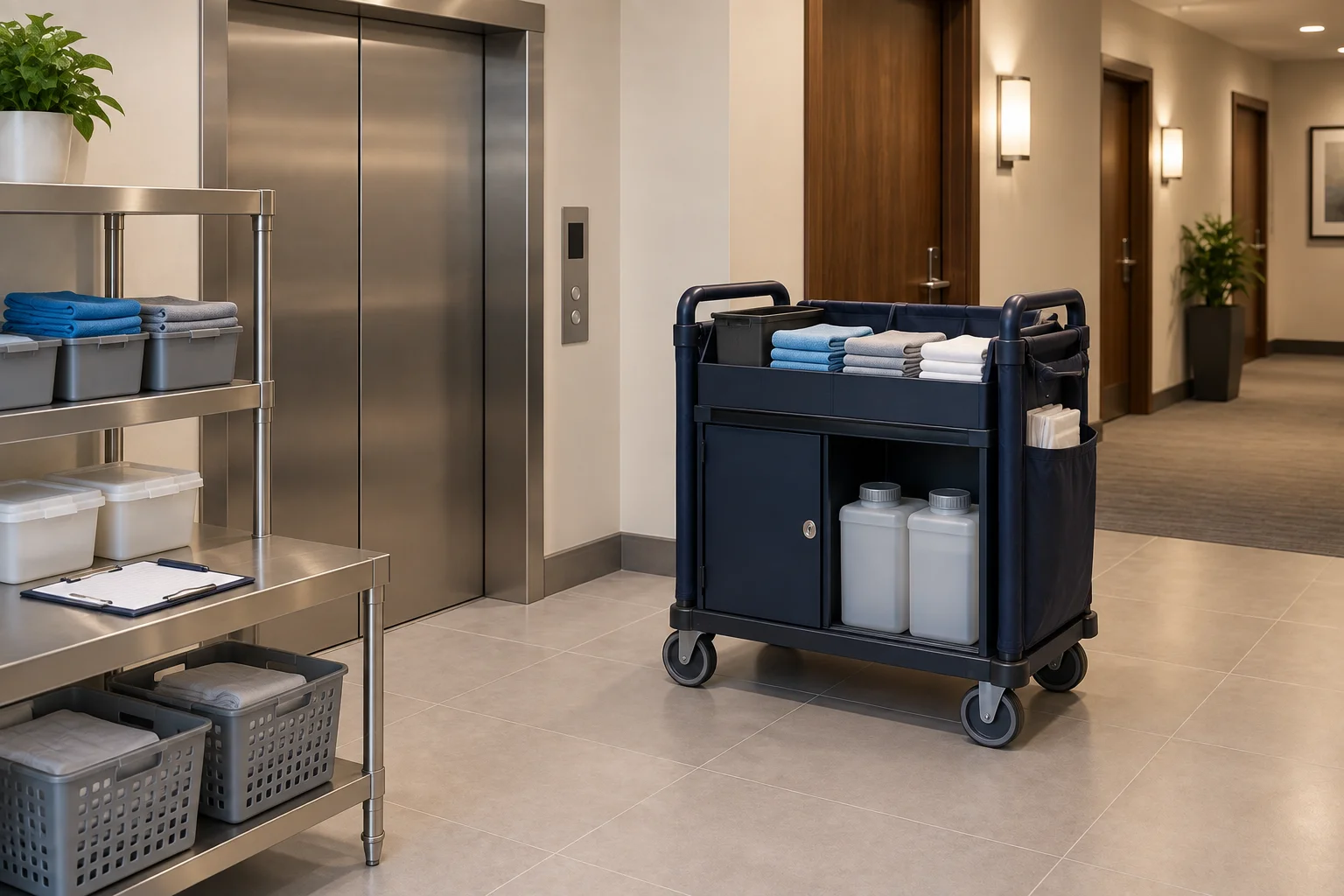
Plan for the refill window,
not just the daily total.
Use a representative operating day to establish consumption. Record busy periods separately so production and collection can be reviewed together.
Do not know your litres yet? Start with tasks, current issue records and the housekeeping schedule.
Review capacity planningDefine who checks the solution, who collects it and who records exceptions. This is a supply workflow to adapt to your procedure.
The assigned operator completes the agreed equipment and output checks before issuing solution.
Owner: generation operatorThe receiving team uses suitable identified containers and records the collection details required by the site.
Owner: floor or service teamFollow the approved task, material and application conditions, including checks at the specified use point.
Owner: trained userHandle unused stock, deviations and the next refill request under the property’s operating procedure.
Owner: shift supervisorAgree who operates the generator, supplies containers, checks solution and reports faults. Equipment ownership alone does not assign those responsibilities.
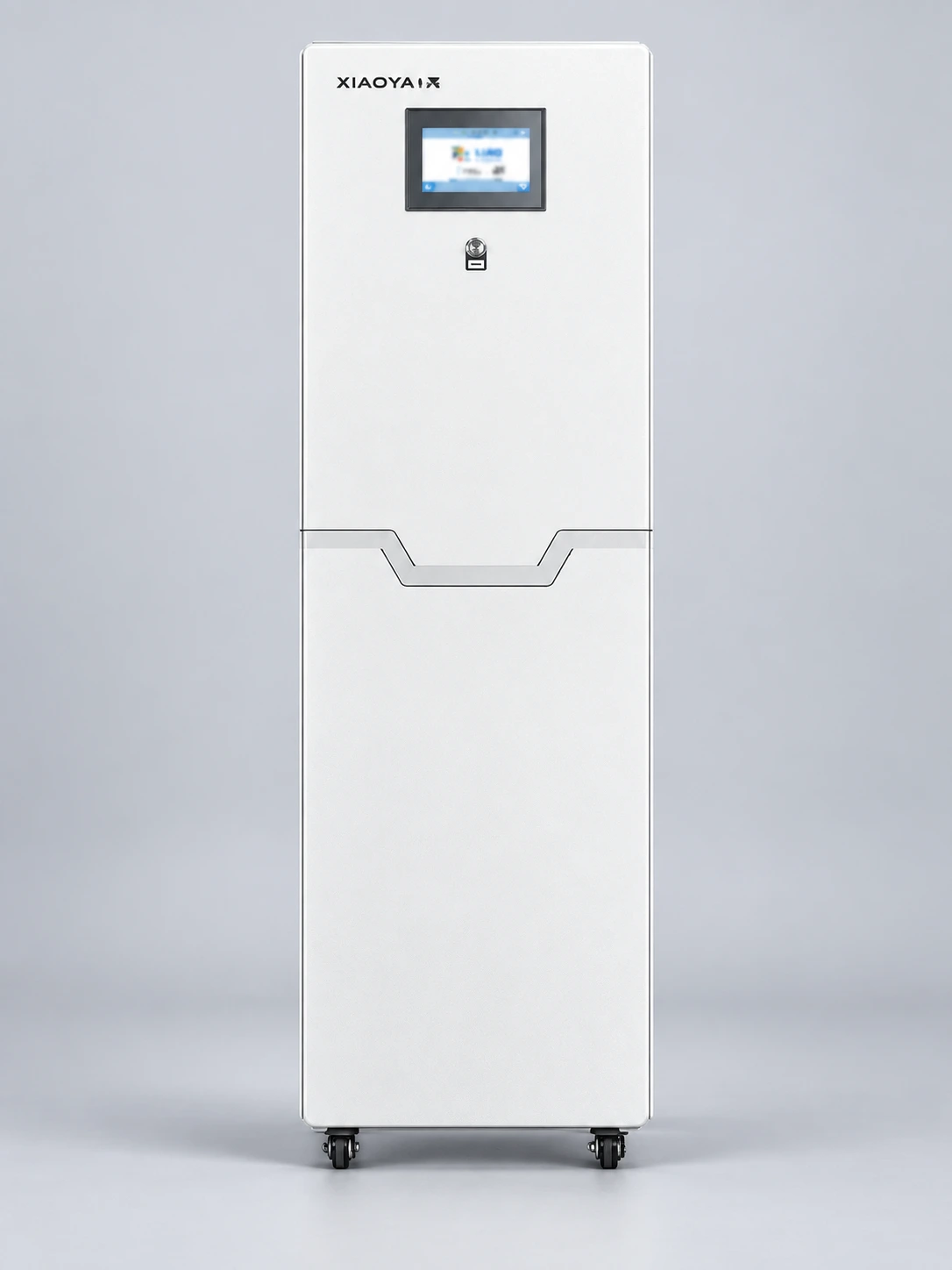
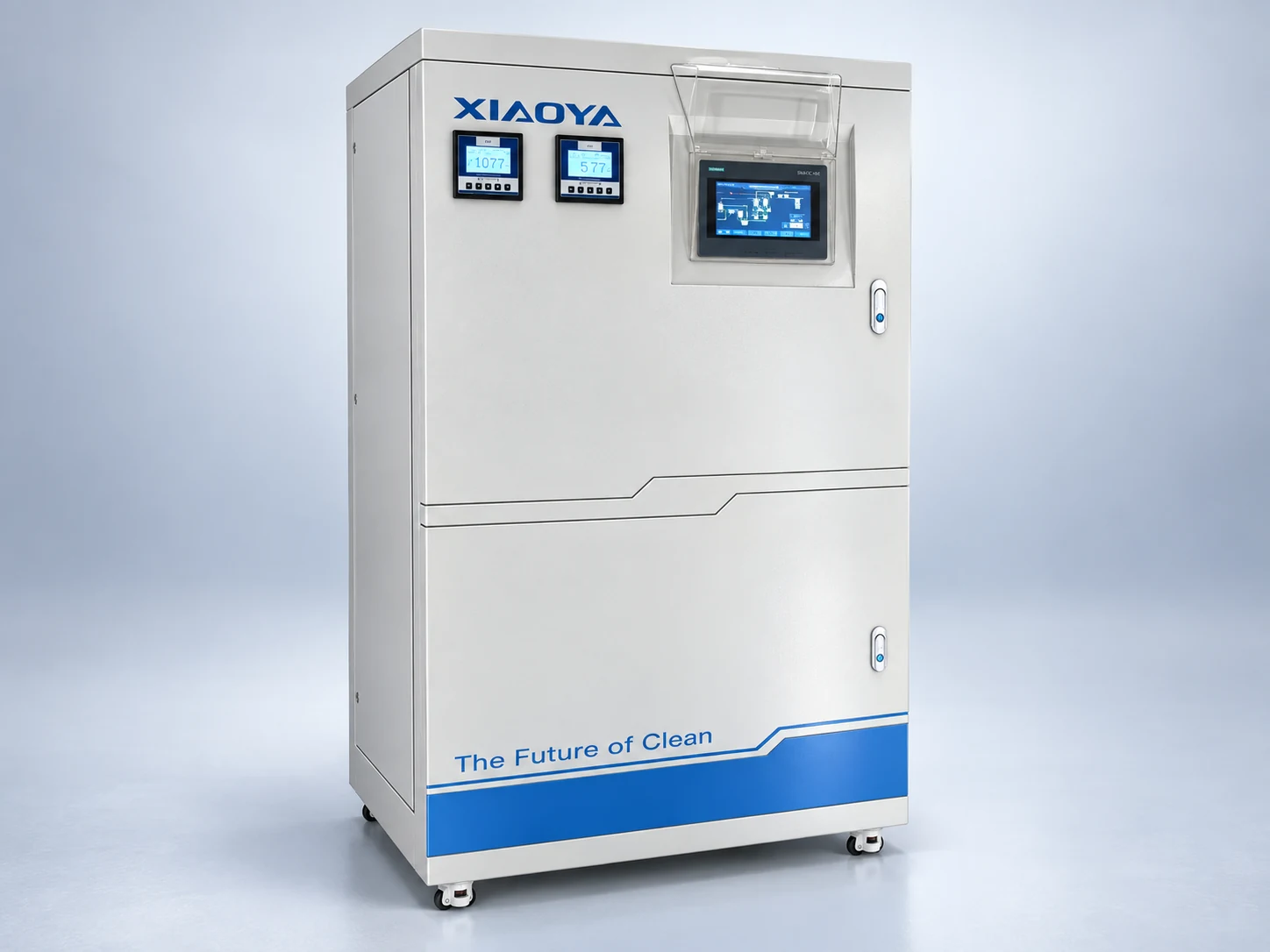
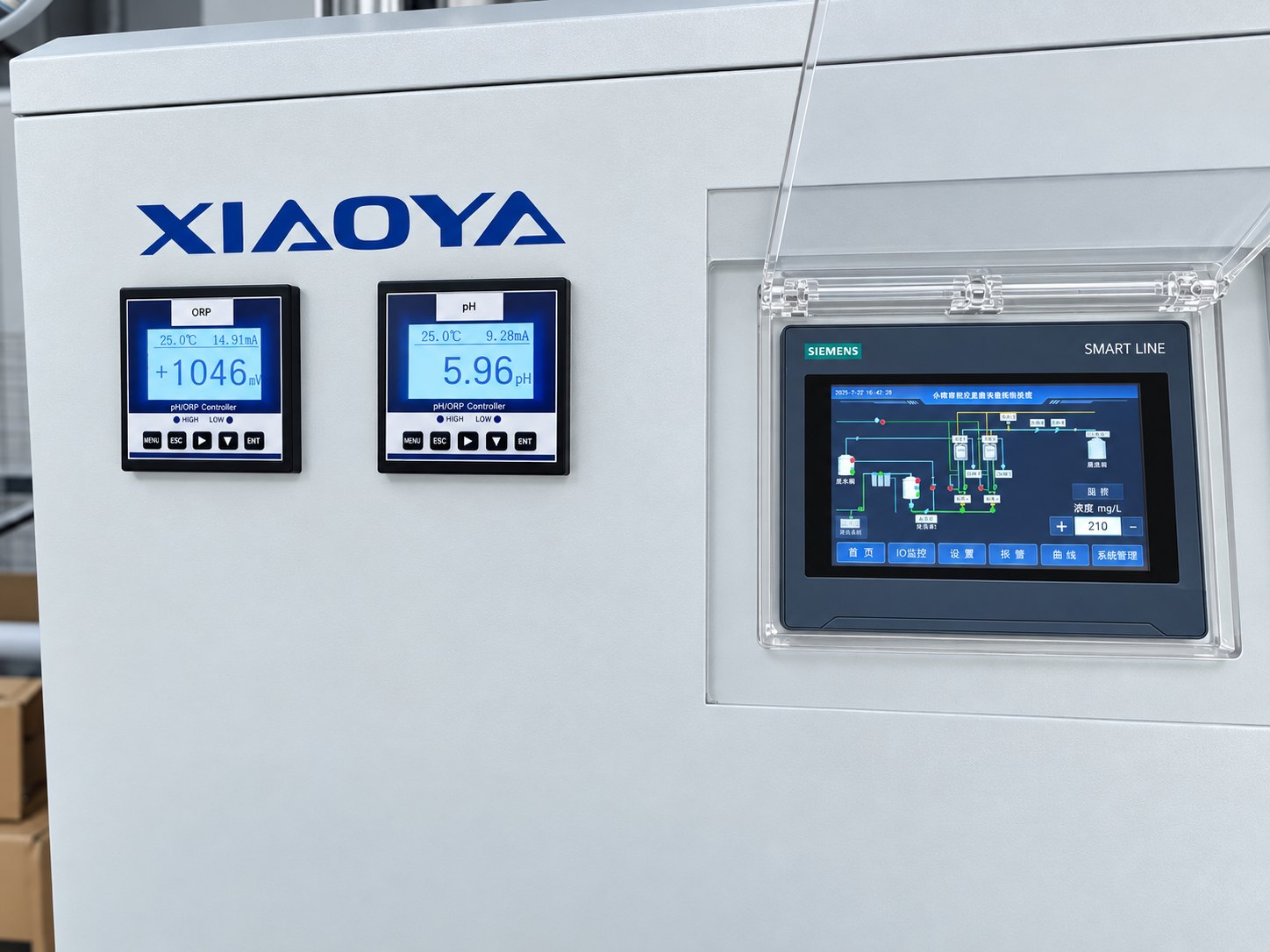
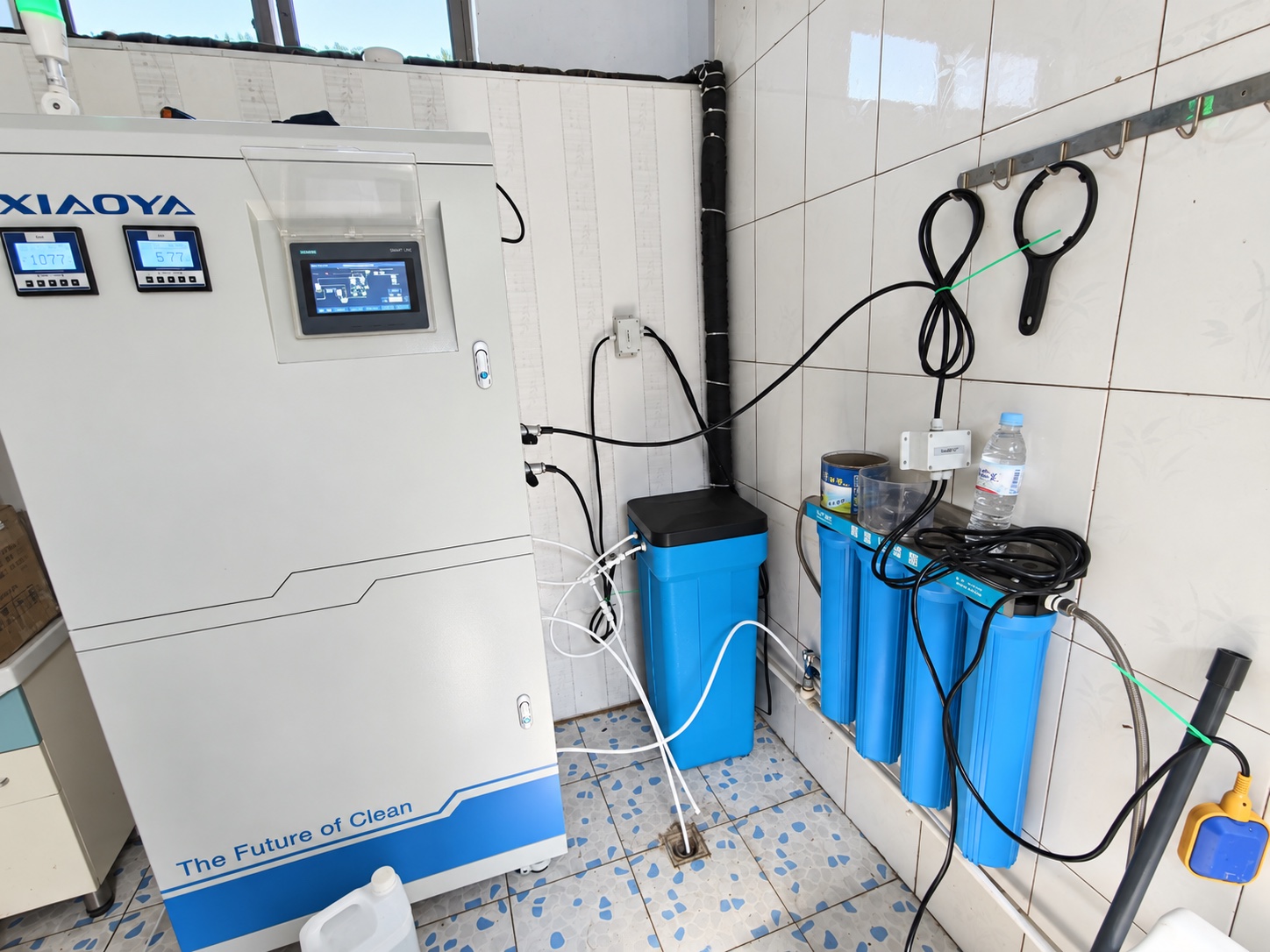
AQ-P100-4G and AQ-P300 configurations are candidates where their output and installation format fit. Review HCl-fed and salt-fed equipment against the same site demand.
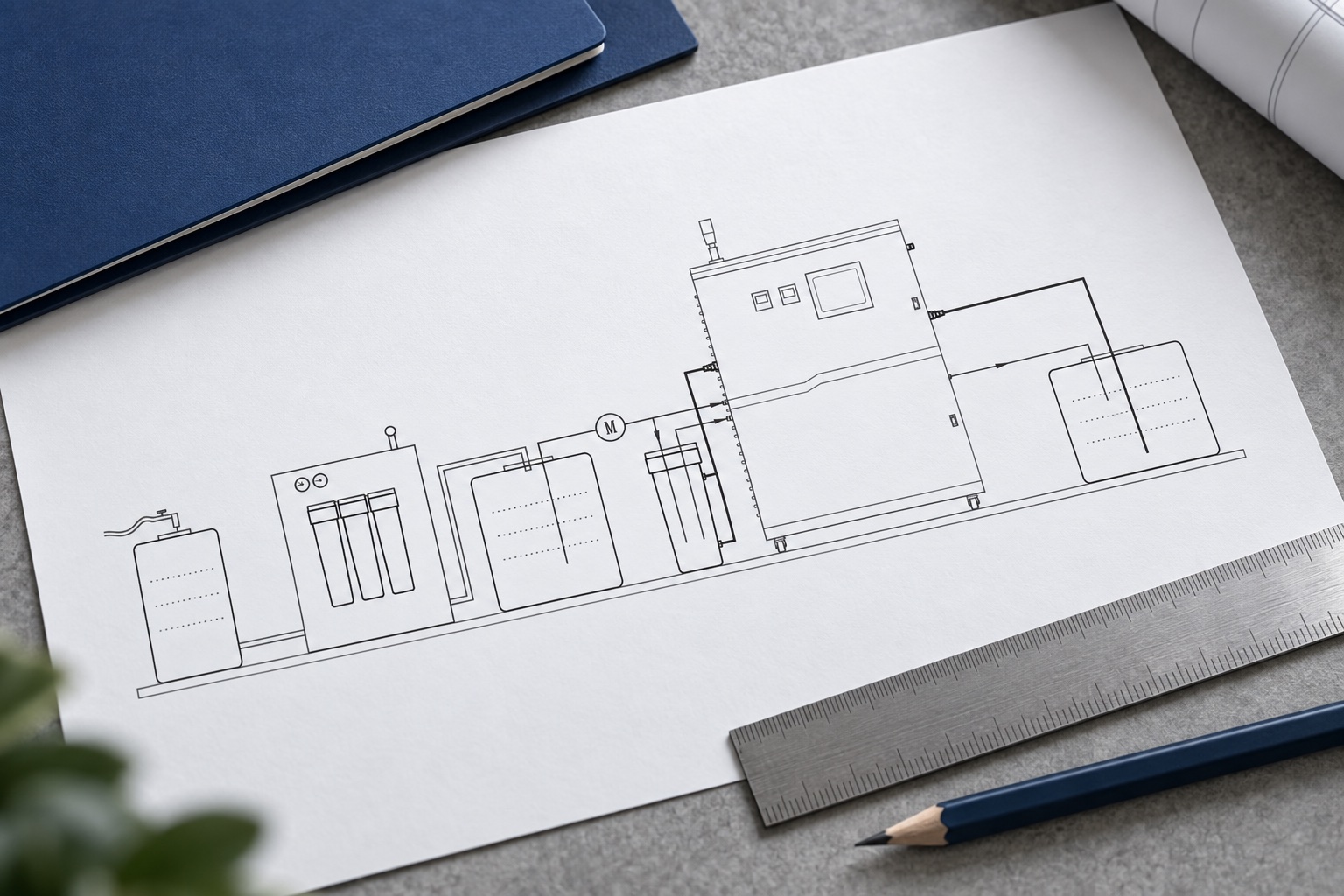
Confirm model, output requirement, feed, water preparation, power and service space.
Define containers, optional storage or pumps, collection points and the supply responsibility for each item.
Agree training, measurement, routine maintenance, spare parts and the backup supply arrangement.
Confirm the intended use and the surface manufacturer’s requirements. A supply system does not establish one treatment procedure for the entire property.
Specify material, cleaning steps, application method and required contact conditions for the selected task.
Review finishes, colour and exposure individually. Do not assume compatibility or laundry suitability.
Follow device instructions for moisture exposure and cleaning; do not extrapolate from ordinary hard surfaces.
Food areas need a separate review: kitchens & catering. Pool/SPA water, laundry and air-treatment applications are outside this surface-supply overview.
Compare measured use with equipment, preparation, staff time and maintenance. Low or occasional demand may favour a ready-to-use supply. Use your own consumption and costs rather than a generic savings percentage.
On-site HOCl supply supports routine room and facility sanitation. Select the concentration and contact time for the target organism, surface and application procedure.
Agree model-specific shutdown and restart steps, feed and solution handling, maintenance responsibilities and a backup supply route with Xiaoya.
Share your country, property type, selected tasks, shifts and floor collection points. Include measured solution use if available; an estimate or task description is a useful starting point.
Discuss My Facility