


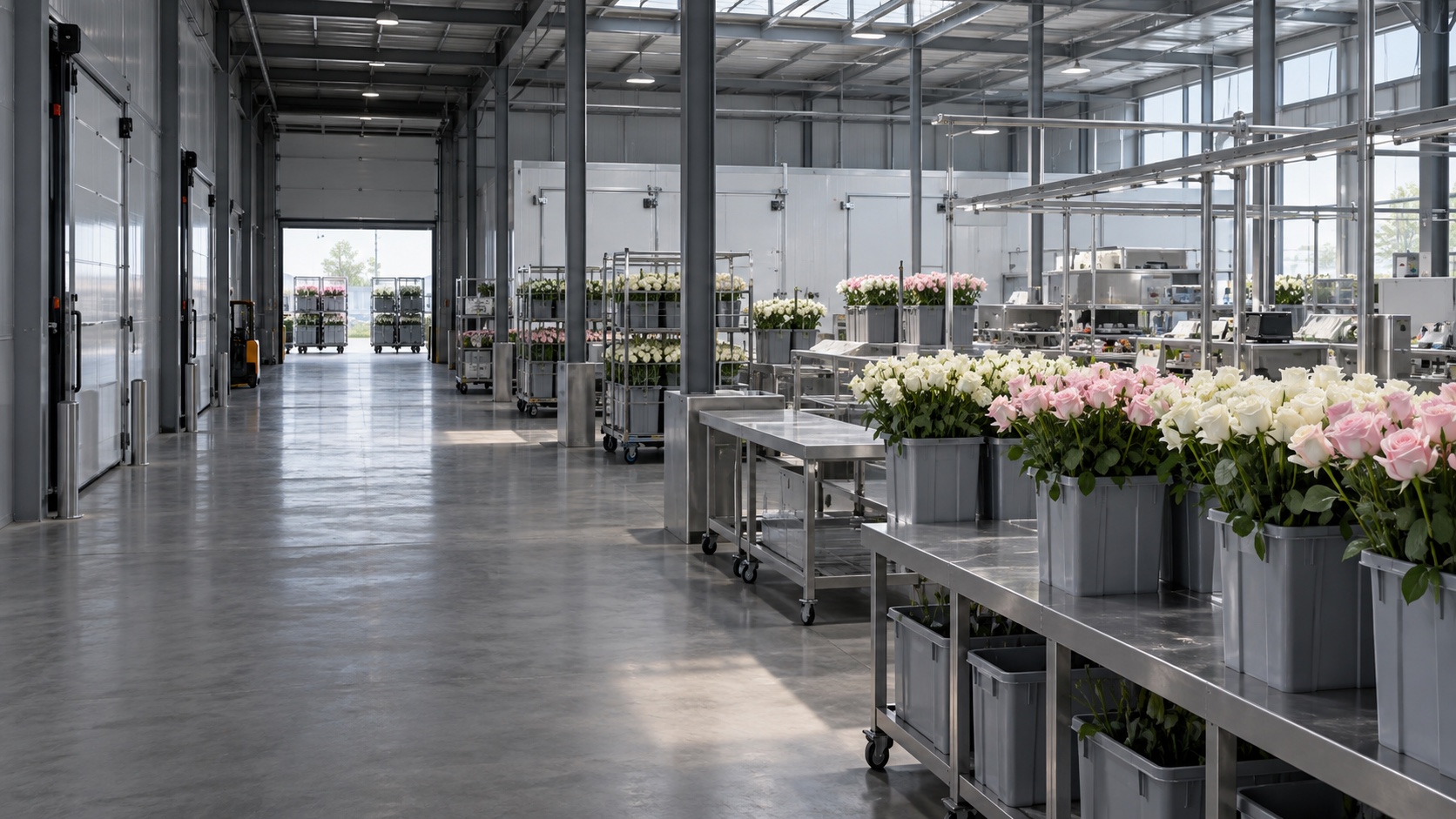
AI illustration of a commercial cut-flower packhouse with sorting tables and reusable flower buckets
FROM GREENHOUSE TO PACKHOUSE

Explore on-site HOCl
for flower-facility hygiene.

Discuss equipment supply for empty buckets, tools and selected facility surfaces. Start with your cleaning routine and daily demand.

AI-generated application illustration
THE WORKING ENVIRONMENT

Flowers move through.
Hygiene stays organised.

Define what needs cleaning, how it is reused and where water goes. The contact point determines the procedure.

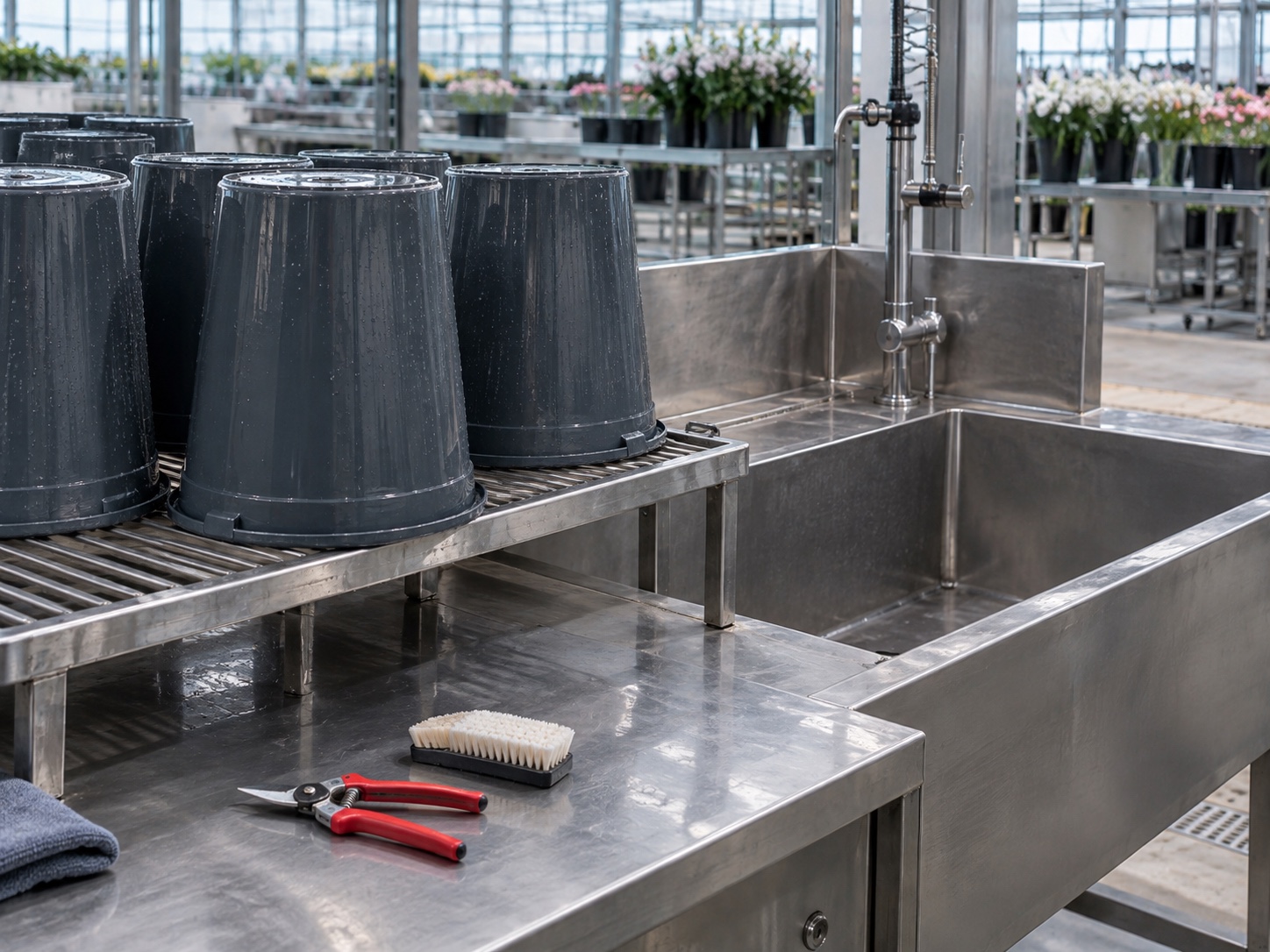
AI illustration of empty reusable flower buckets and tools at a wash and draining station
01

Tools & reusable flower buckets

When necessary, containers should be cleaned, disinfected, drained, or rinsed; they should be inspected before being put back into use and stored in a clean environment。This is a consultation on equipment planning for floral facilities, not a complete cut flower protection plan.

02

Packing & cold-room facilities

Review work surfaces and accessible equipment around the actual packing schedule, materials and occupancy conditions.

PROJECT SCOPE

Focus on the facility.
Define the supply.

This is a consultation on equipment planning for floral facilities, not a complete cut flower protection plan.

FACILITIES & EQUIPMENT

Empty buckets,
tools and benches.

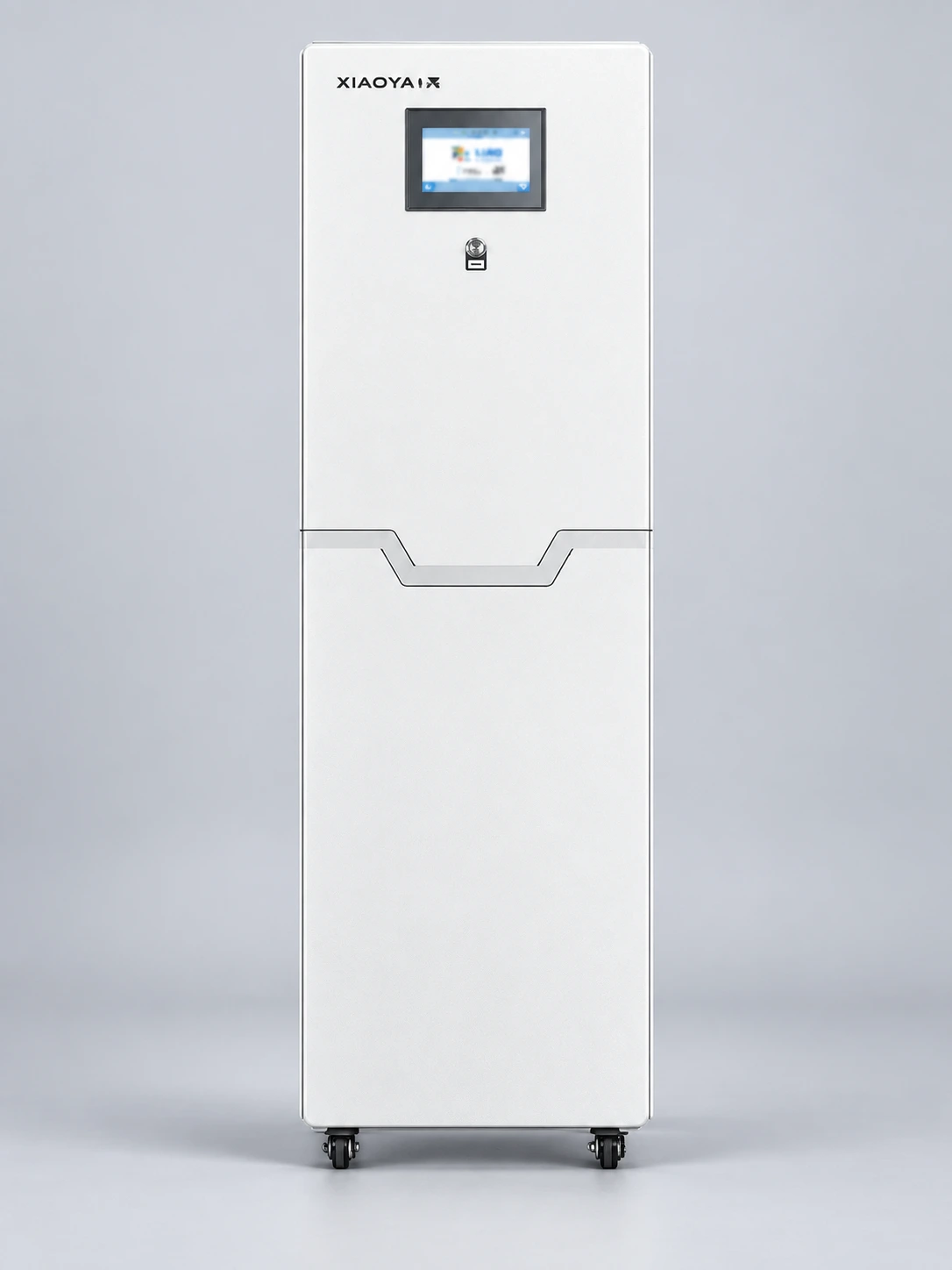
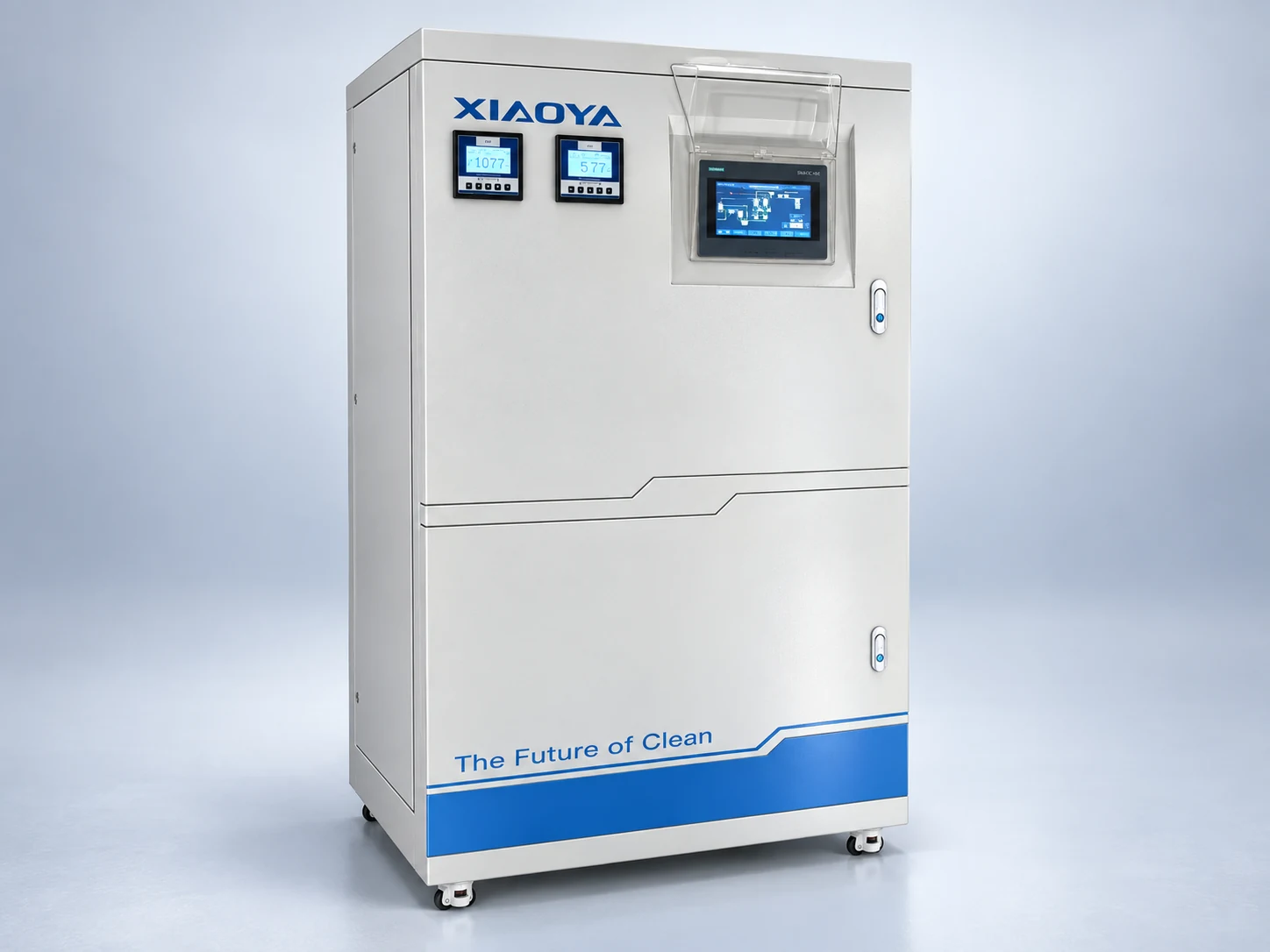
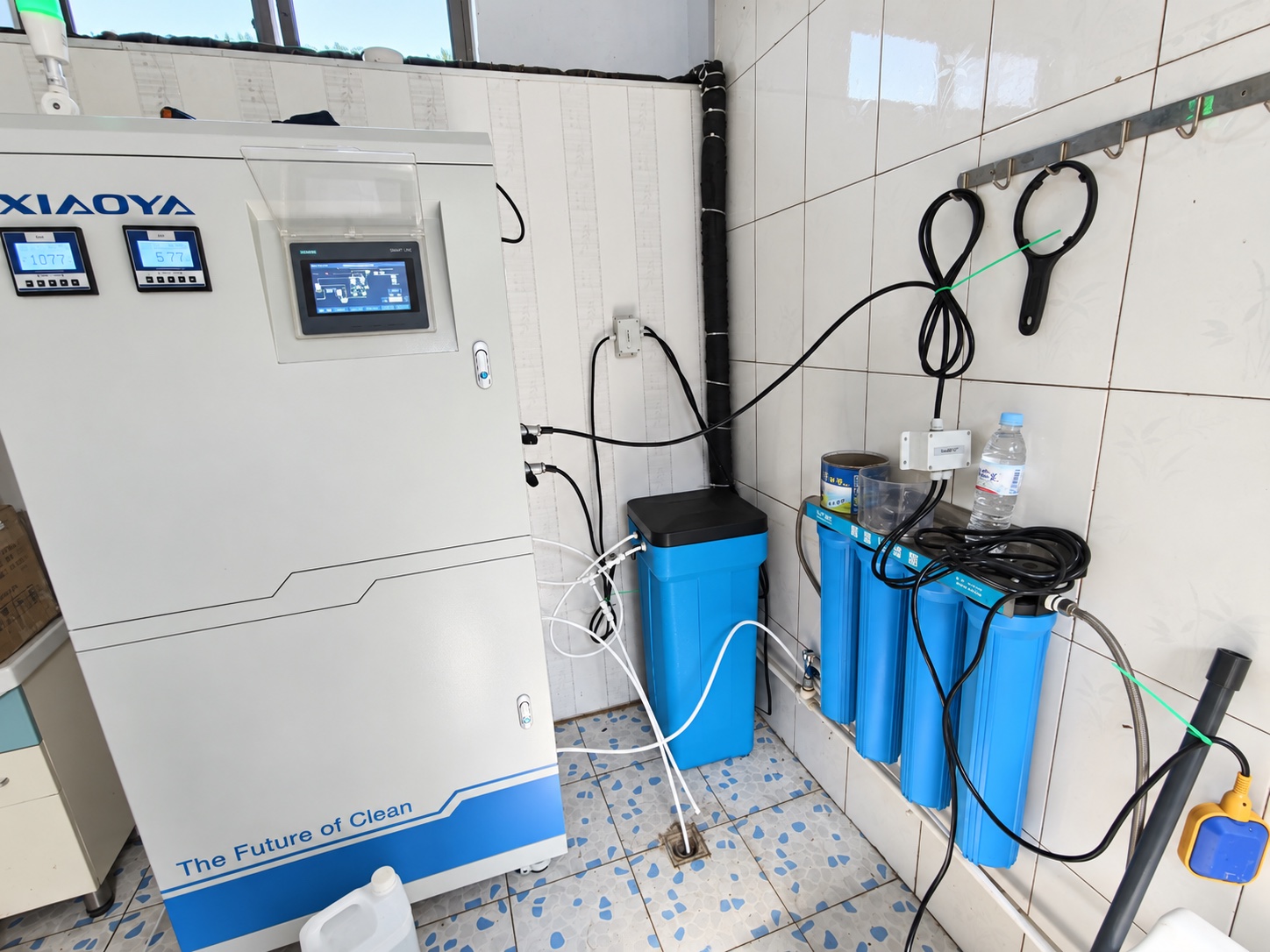
Identify the materials, existing cleaning steps and solution use per task. Xiaoya can discuss generator output and the supply arrangement.

Explore supply requirements
PROVIDE PROTECTION SOLUTIONS

Direct flower contact
and vase life.

Cutting cut flowers can breed bacteria and mucus, block the water conduit of the flower stem, and cause the flowers to quickly wilt due to water shortage; Hypochlorous acid (HOCl) can kill bacteria and fungi (Botrytis cinerea) in water and incisions, keep ducts unobstructed, delay decay, extend bottle insertion/sea transportation shelf life, and have no residue after decomposition, making it very suitable for fresh cut flowers.

Review application evidence
THE EQUIPMENT BEHIND THE WORKFLOW

Match the generator
to the operating day.

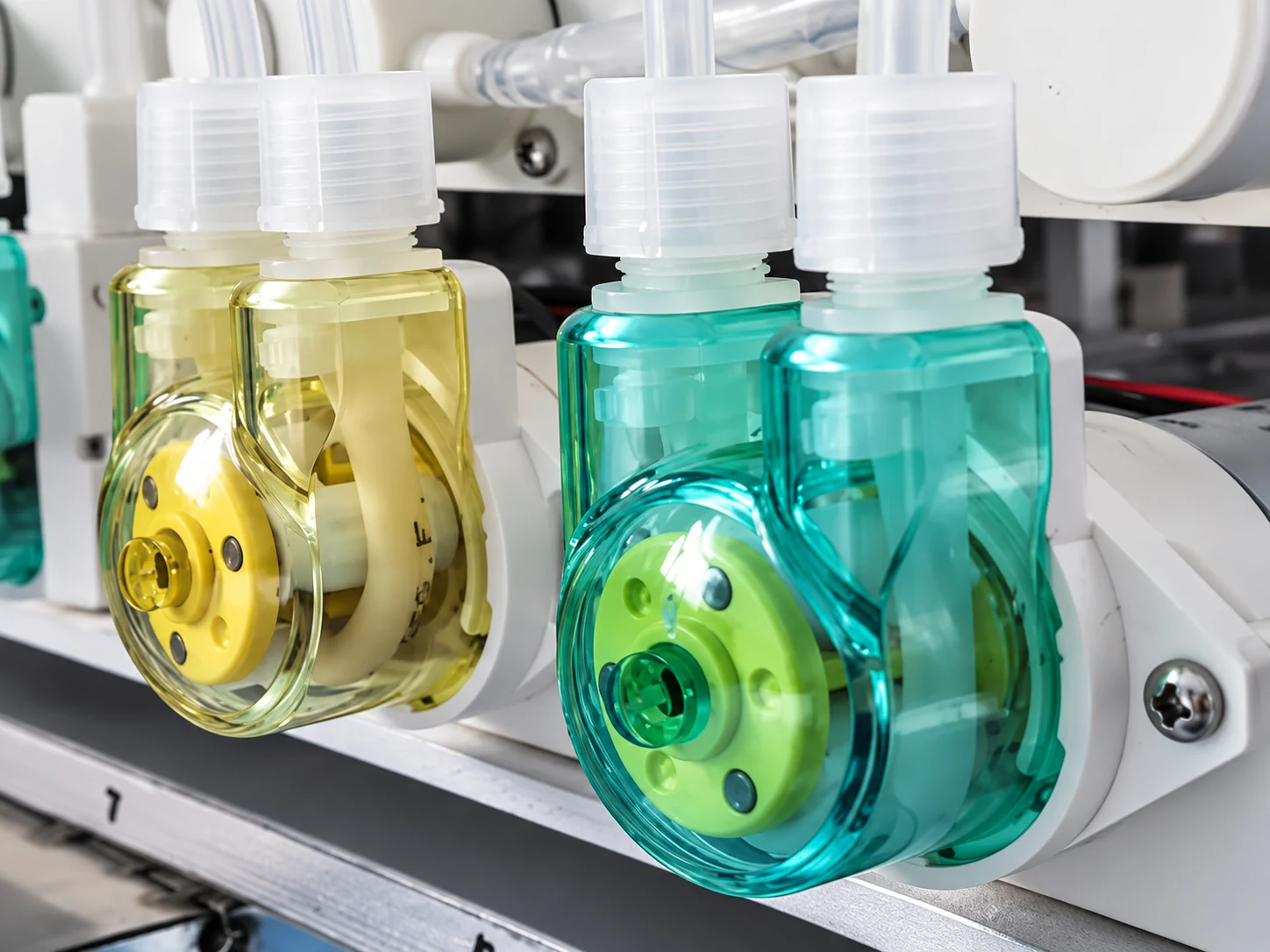
Bucket throughput, batch volume, simultaneous use points and available generation time shape the equipment requirement.

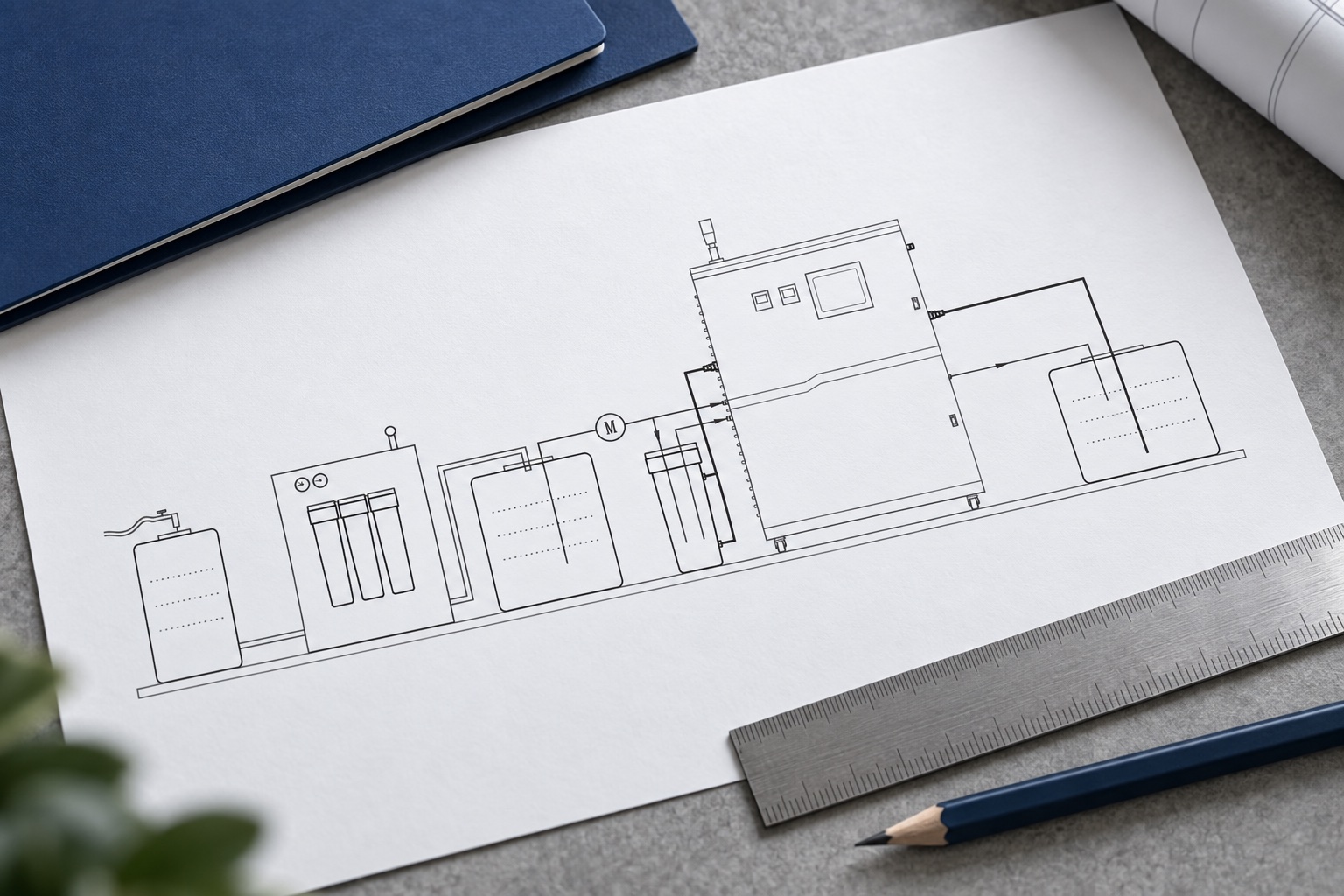
  1. Prepare & generate

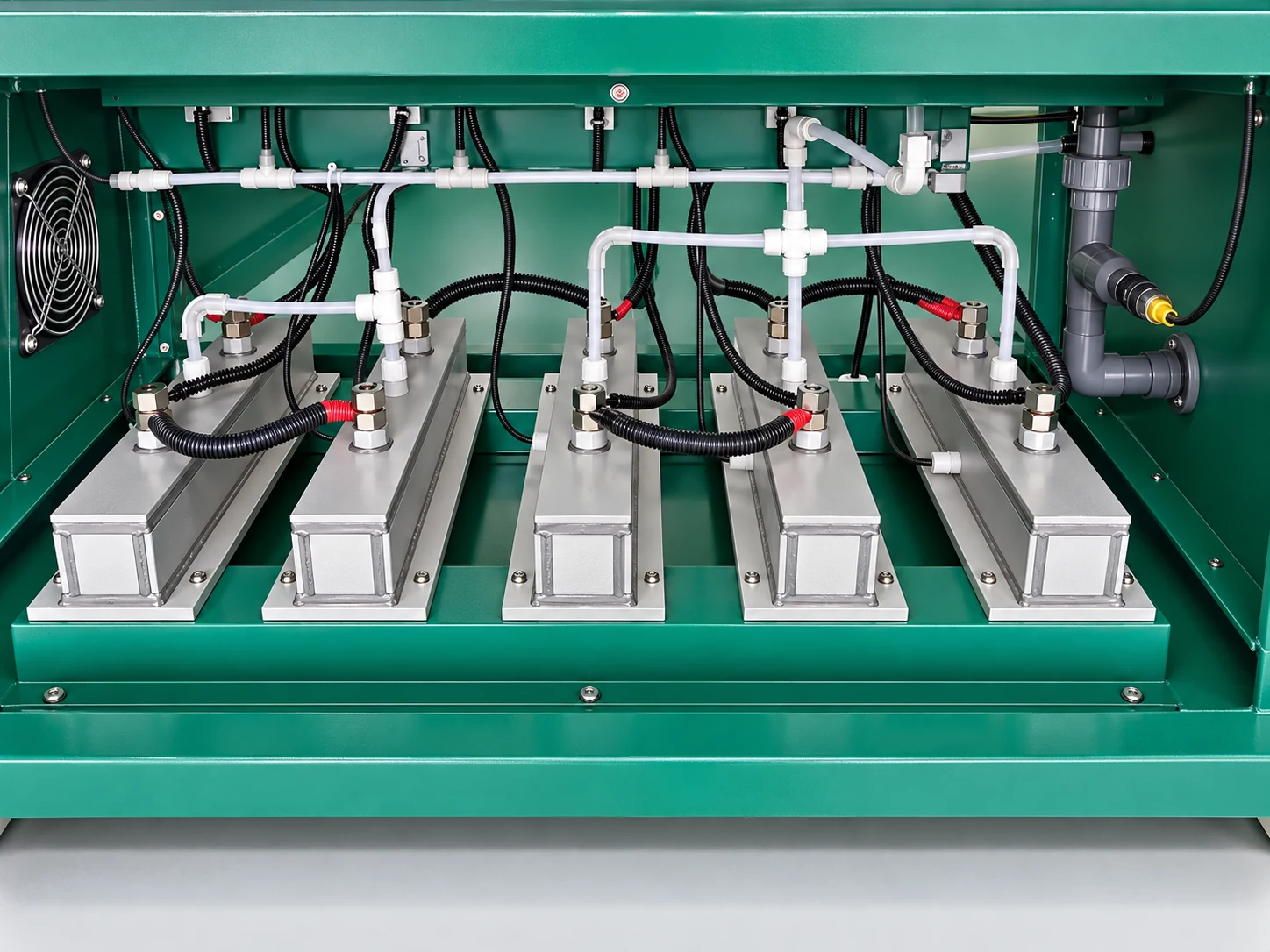
    Review feed water, electrolyte, output and utilities.

  2. Store or distribute

    Specify buffer storage, dosing or delivery where needed. Review solution storage and stability.

  3. Verify at use

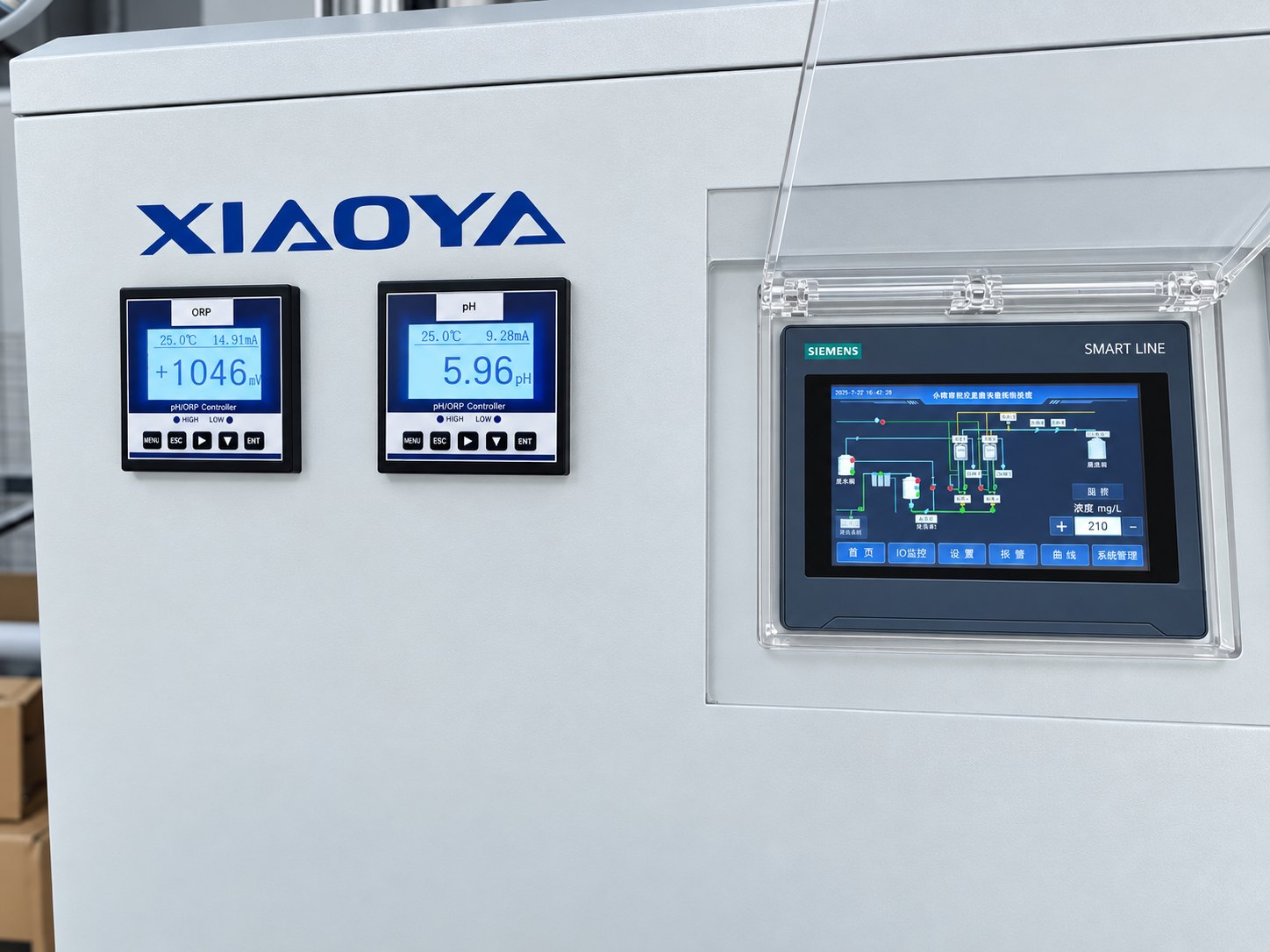
    Check free available chlorine (FAC), pH and the agreed conditions at the actual use point.

PLAN WITH XIAOYA GROUP

Bring your workflow.
We’ll help define the scope.

Start with the information you have. Unknown inputs can become the next questions in your equipment discussion.

Flowers & handling
Species and cultivar, volumes, batch sizes, contact points and current procedures.
Water & demand
Water analysis, daily and peak use, generation window and available utilities.
Facility conditions
Surface materials, collection locations, existing cleaning steps and storage space.
Delivery & acceptance
Destination country, site interfaces, required records and acceptance responsibilities.

Equipment and support from Xiaoya.

Agree the generator, optional integration, site work, commissioning, training and after-sales arrangements before ordering.

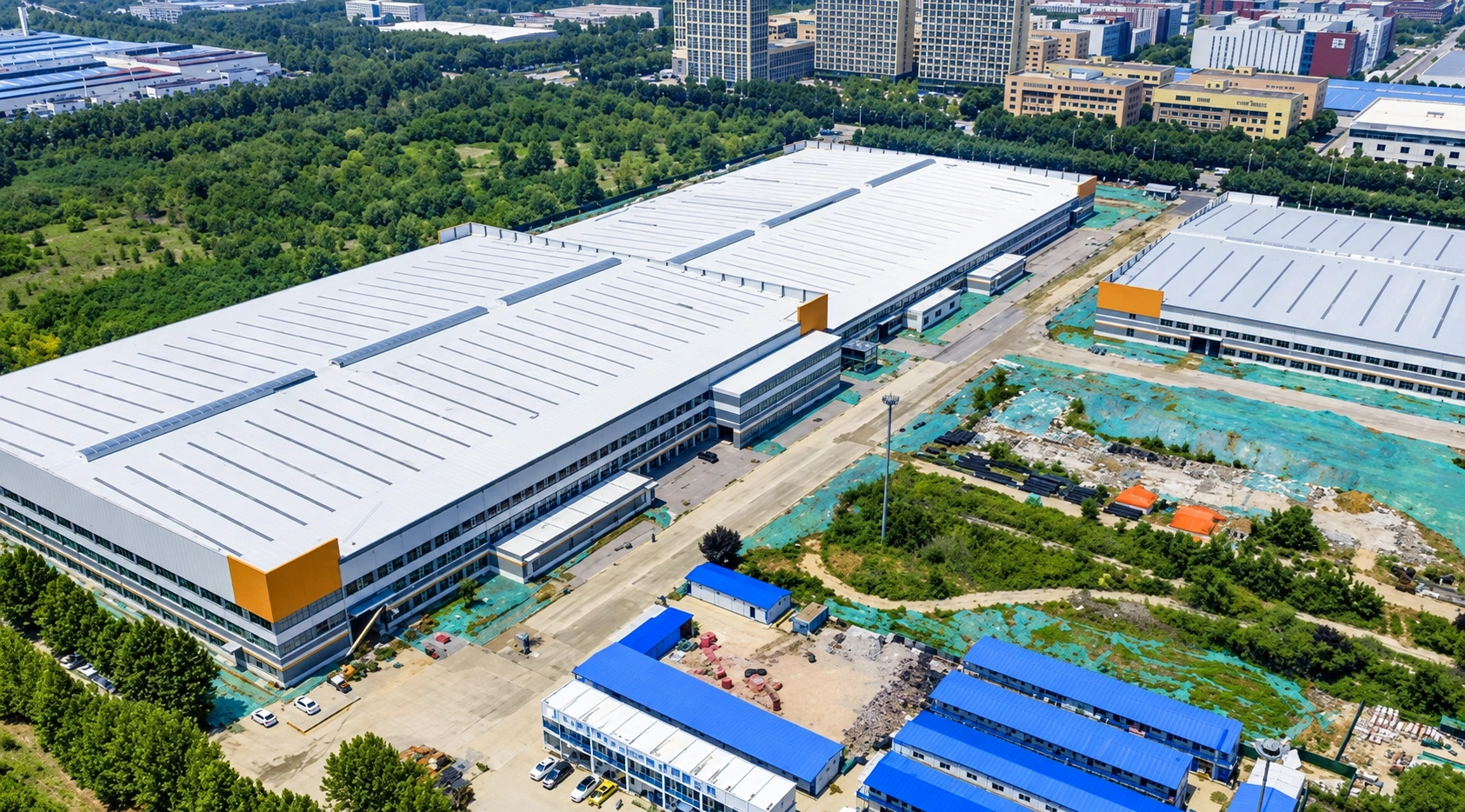
Meet Xiaoya Group
BEFORE YOU CHOOSE

Your flower operation.
Your project questions.

Which tasks should we discuss first?

Start with empty reusable containers, tools and facility surfaces. Share the existing cleaning procedure, materials and actual solution demand.

Does this include flower-preservation treatment?

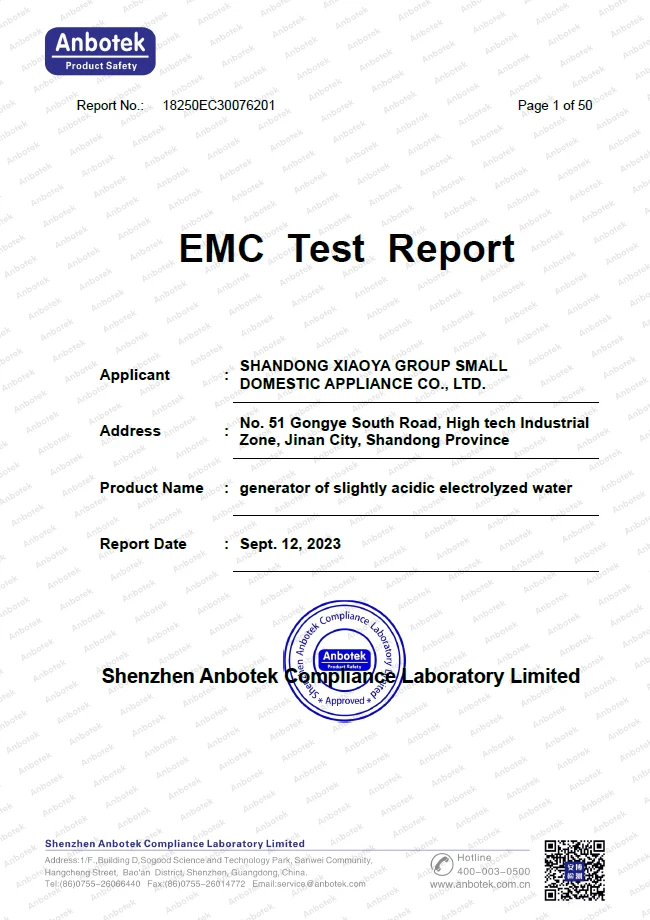
Yes, it supports flower-preservation treatment for cut flowers. It produces hypochlorous acid water (HOCl) on-site, which can be used for stem cut disinfection and Botrytis control to extend shelf life during transportation. Note: Concentration control is critical. Do not spray directly onto petals; a small pre-test on flower varieties is recommended before mass use.

Do we need a flower-specific generator?

Select by required output, feed, water and site conditions. A flower-industry label alone does not determine the model.

LET’S START WITH THE USE POINT

Discuss your facility’s
on-site supply.

Tell Xiaoya what you handle, the facility tasks and the amount of solution your team needs.

Discuss facility equipment
Back to agriculture & horticulture