
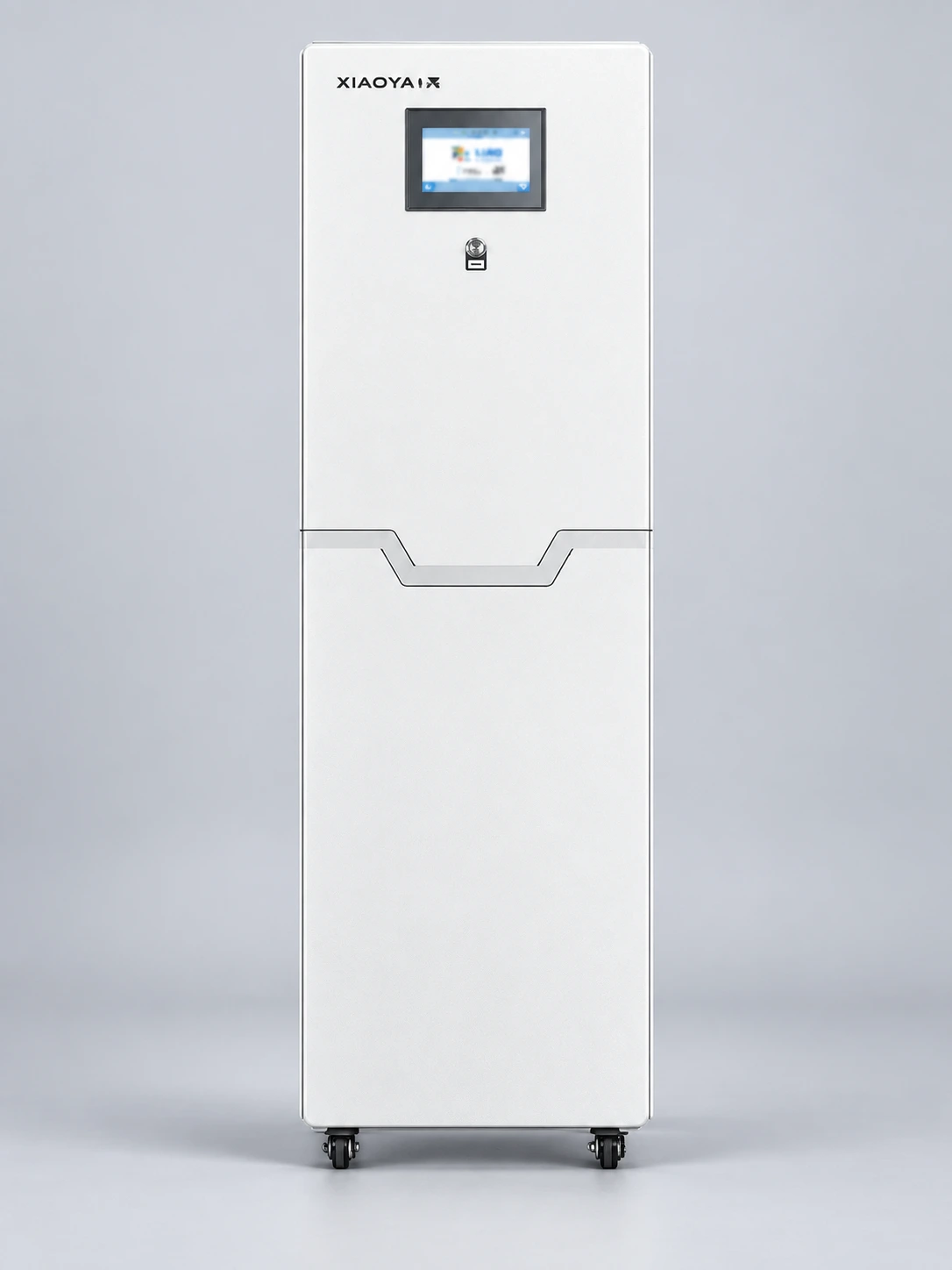
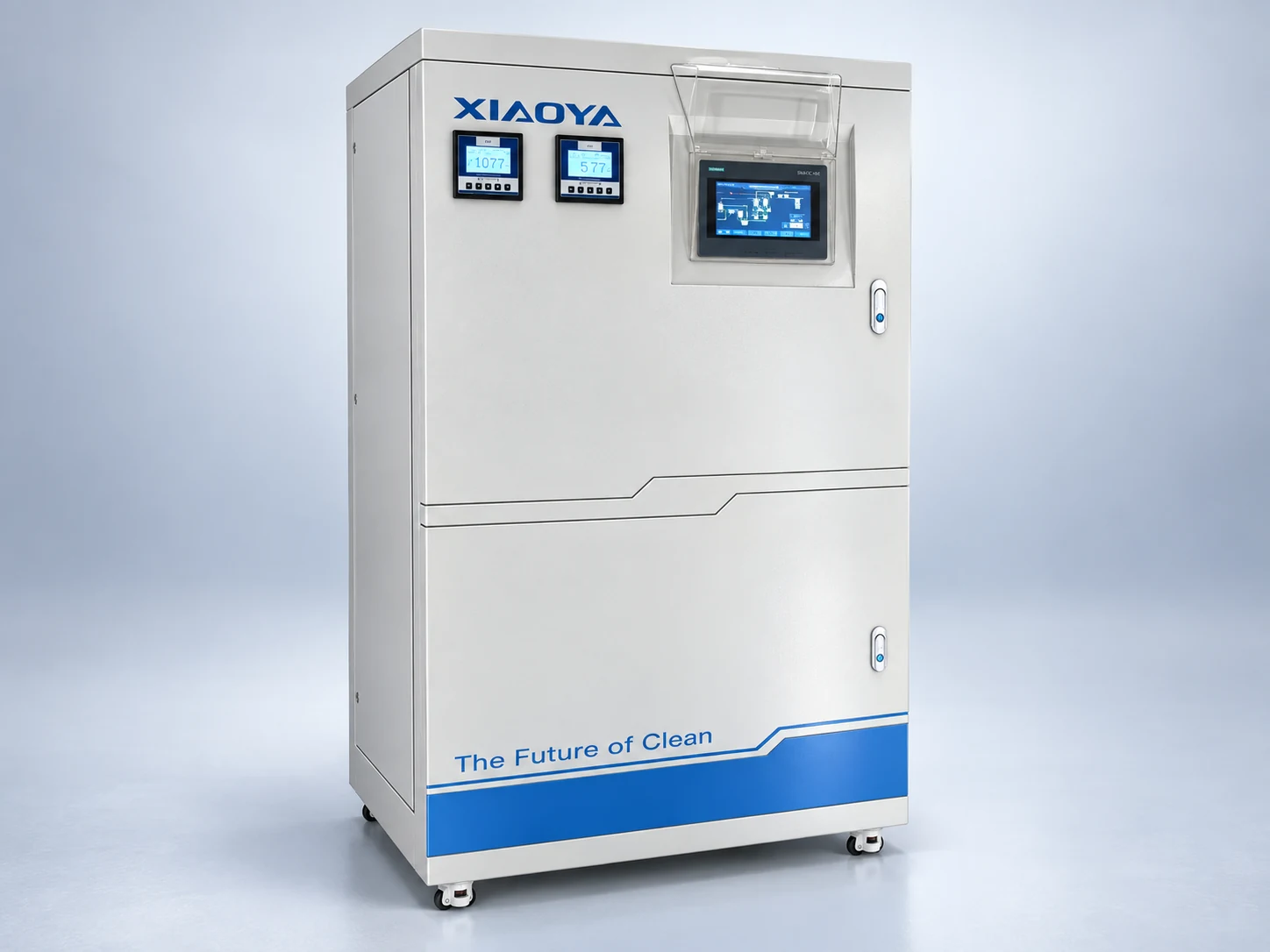

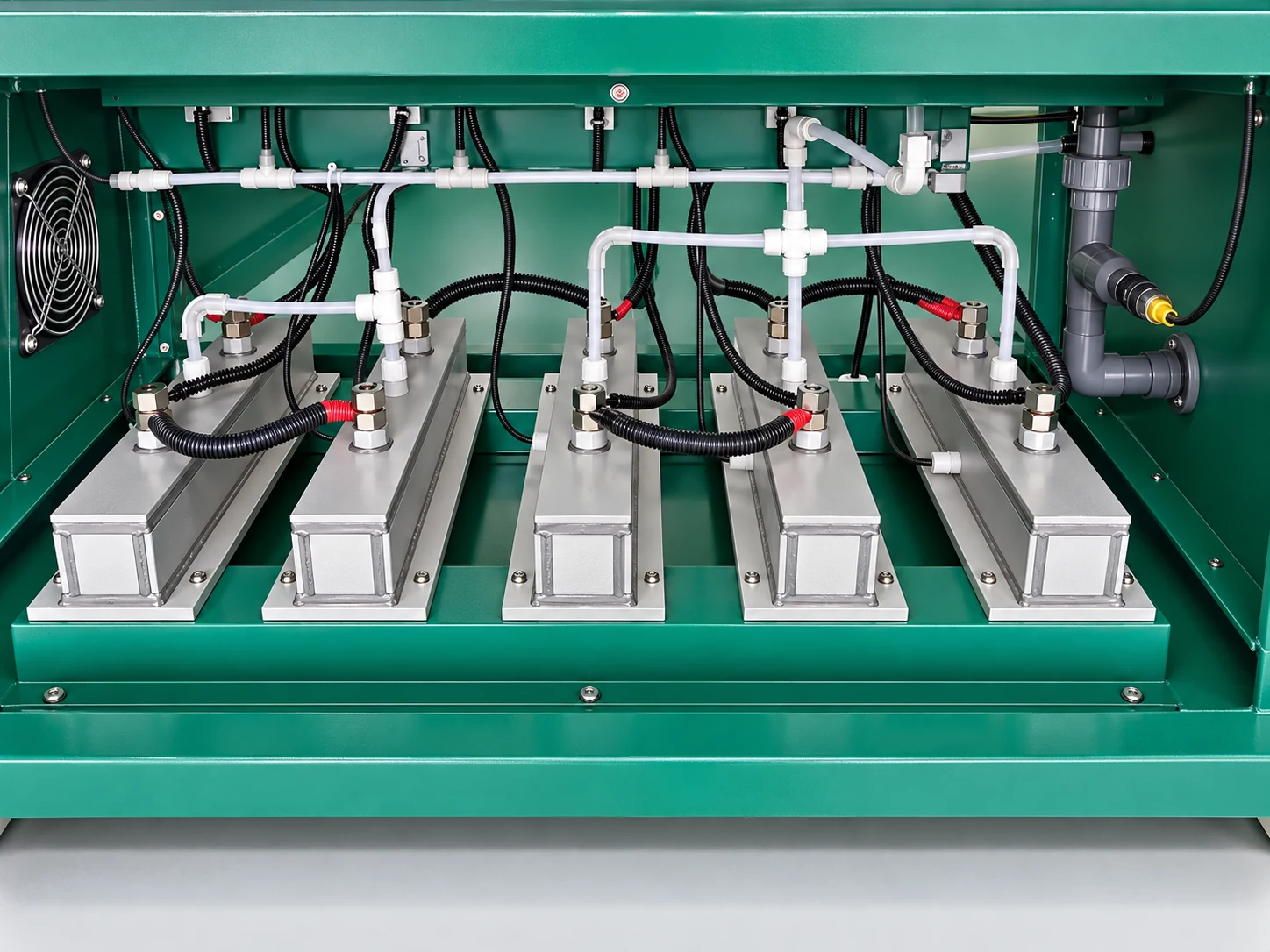
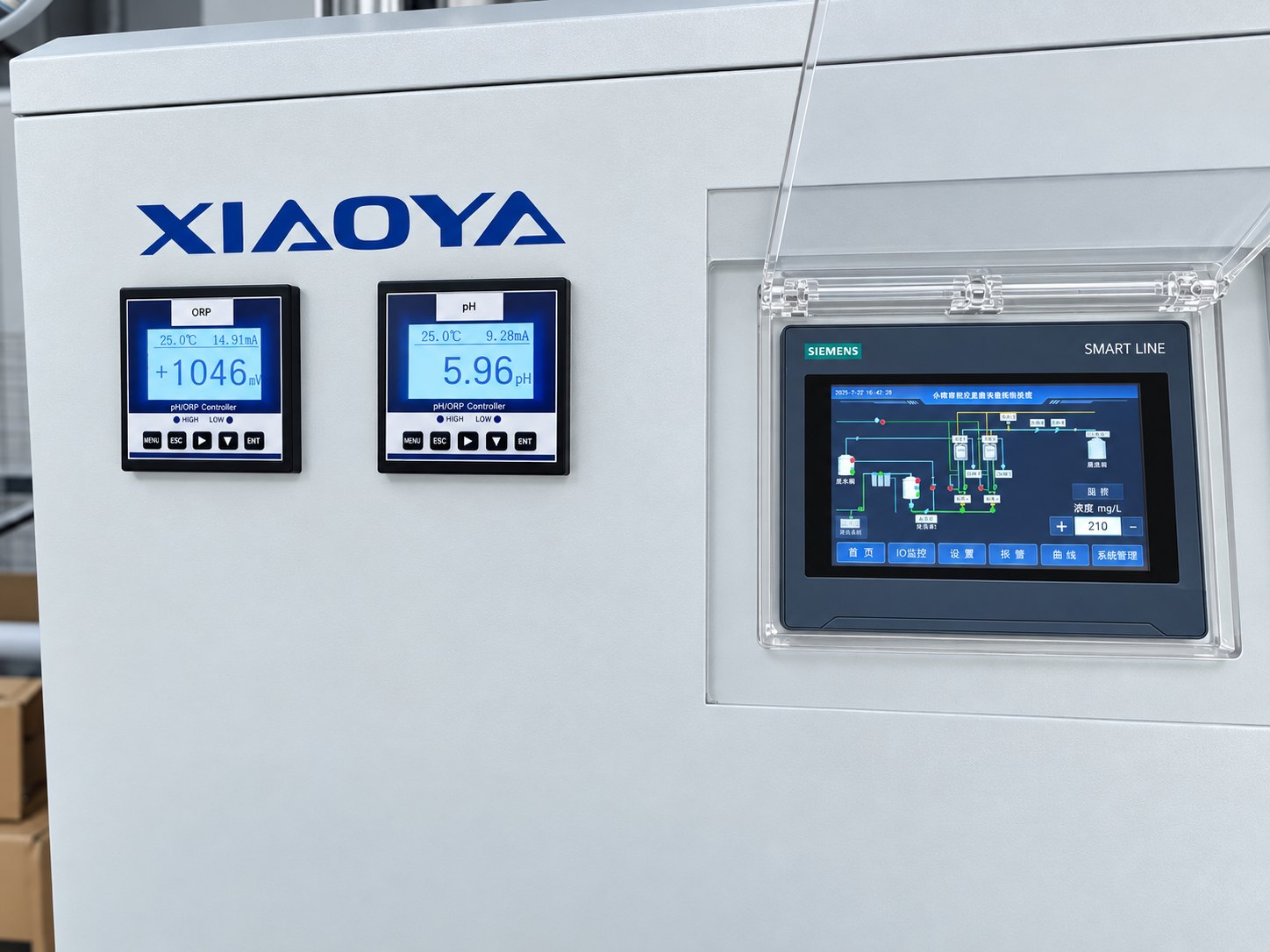
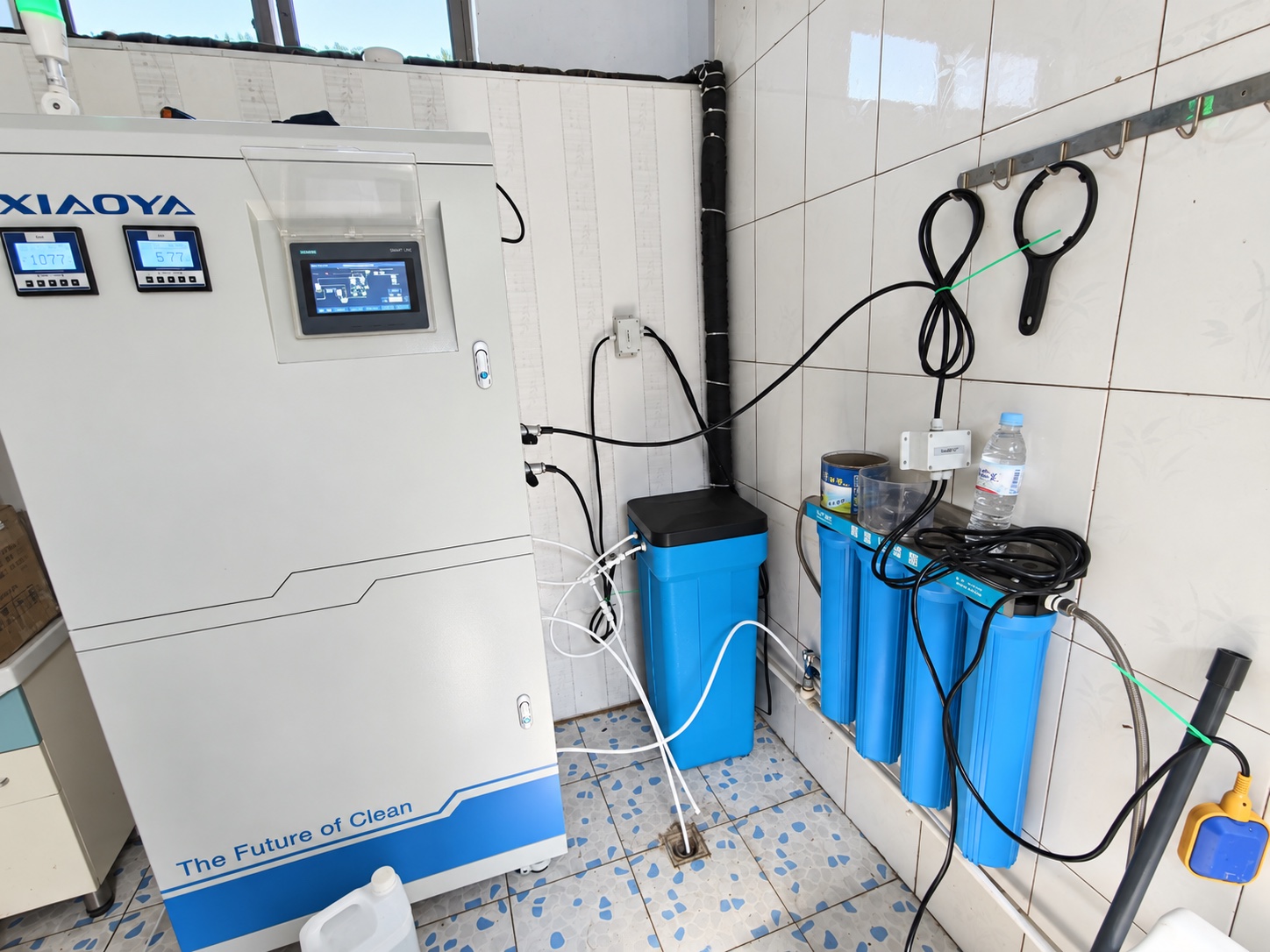

AQ-P1000HOCl generator.
On-site hypochlorous acid generation,
configured around your process.
The numbers.
The conditions behind them.
Compare the equipment with your required output and the utilities available at your site.
| Solution output | ≥1,000 L/h |
|---|---|
| Available chlorine | 10–200 ppm |
| pH reference range | 5.0–6.5* |
| Electrode material | Ruthenium–iridium coated titanium |
| Rated power | 2,100 W |
| Electrical supply | 220 V / 50 Hz |
| Inlet water pressure | 0.15–0.25 MPa |
| Feed tank capacity | 25 L |
| Cabinet dimensions | 900 × 700 × 1,400 mm |
Start at the point of use.
Define where the solution is needed, the required concentration and when demand peaks. Then plan the generation and delivery.

Where?
Use points and the purpose of treatment.
How much?
Daily volume, peak demand and target concentration.
When?
Production shifts, operating hours and buffer needs.
Application suitability and the treatment procedure are reviewed for the project and destination requirements.
A generator at the heart
of your system.
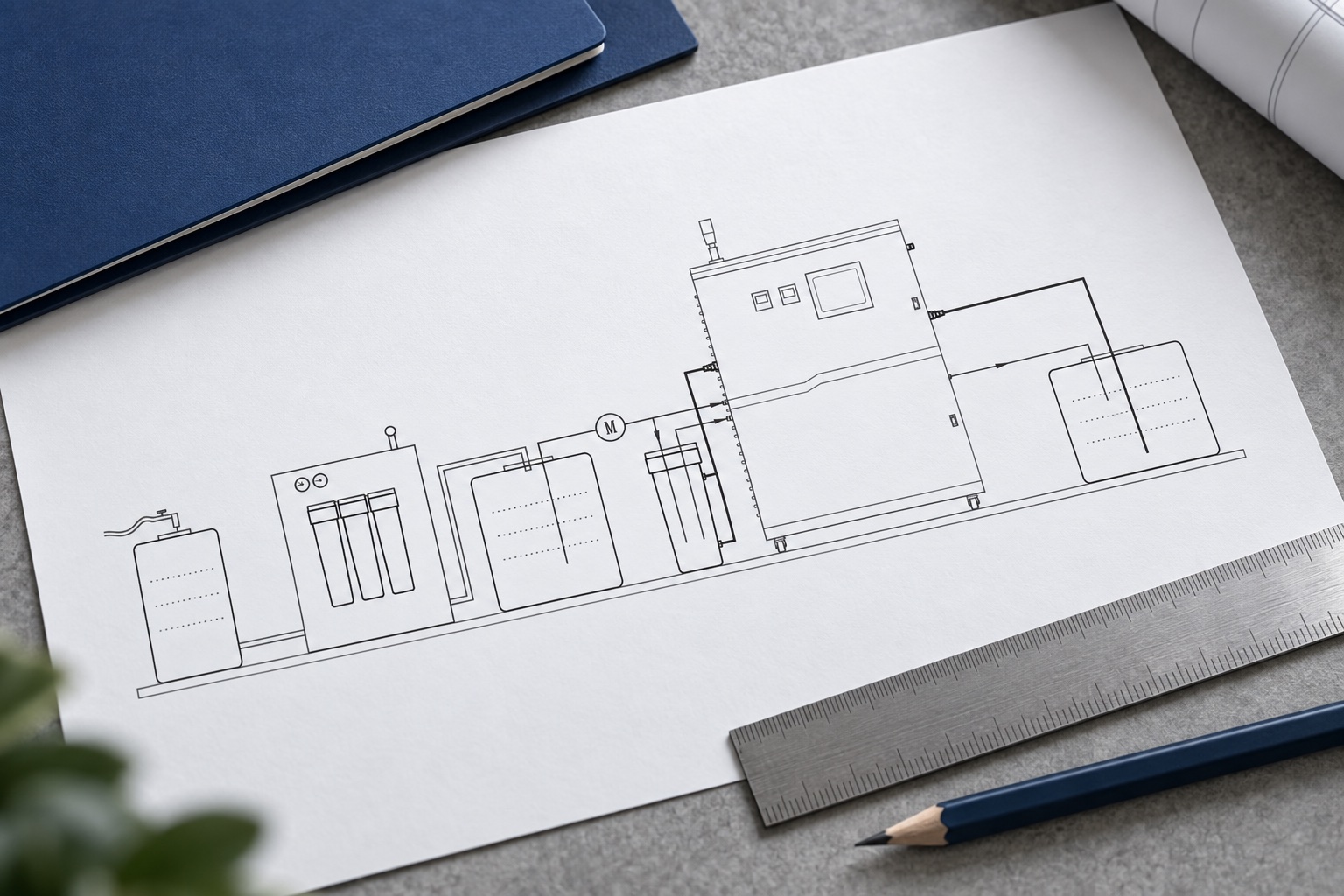
Start with AQ-P1000. Define the water preparation, storage and delivery equipment around the application.
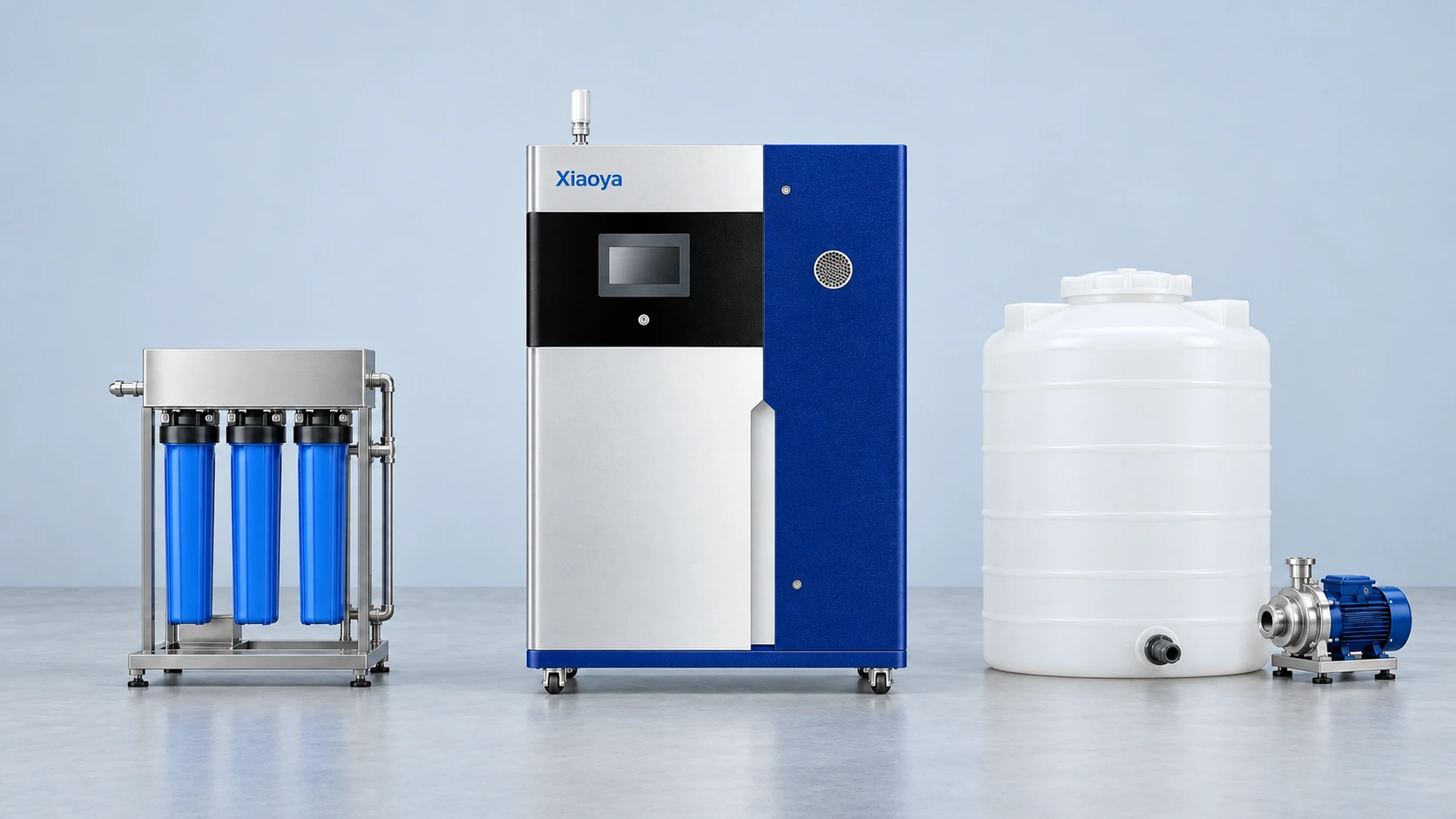
- UPSTREAM
Prepare the water
Assess the source water and whether treatment is required.
- CORE EQUIPMENT
Generate on site
Agree the output quality, flow and feed specification.
- DOWNSTREAM
Deliver to use
Discuss direct use, buffer storage and distribution.
One proposal.
A defined scope.
Your equipment list should state what Xiaoya supplies and what the site provides.
- Generator configuration
- Model, operating point, power supply and agreed controls.
- Project options
- Water preparation, tanks, delivery equipment and interfaces, where required.
- Site responsibilities
- Utilities, installation work and acceptance arrangements.

Handover & Equipment Operation-Maintenance Process
A useful handover connects the equipment specification with everyday operating tasks.
- 01
Startup & checks
Agree commissioning steps, output checks and the operating instructions for your configuration.
- 02
Feed & maintenance
Confirm production hours, any required rest periods, feed consumption and replenishment. Agree cleaning, inspection and replacement-parts needs.
- 03
Support from Xiaoya
Define training, installation assistance and the after-sales scope in the proposal.
Industrial experience.
Behind every conversation.
Since 1979
Xiaoya Group brings a manufacturing background spanning industrial equipment, appliances and commercial systems.
For your HOCl project, work with Xiaoya on the equipment requirements and ongoing support.
Explore Xiaoya Group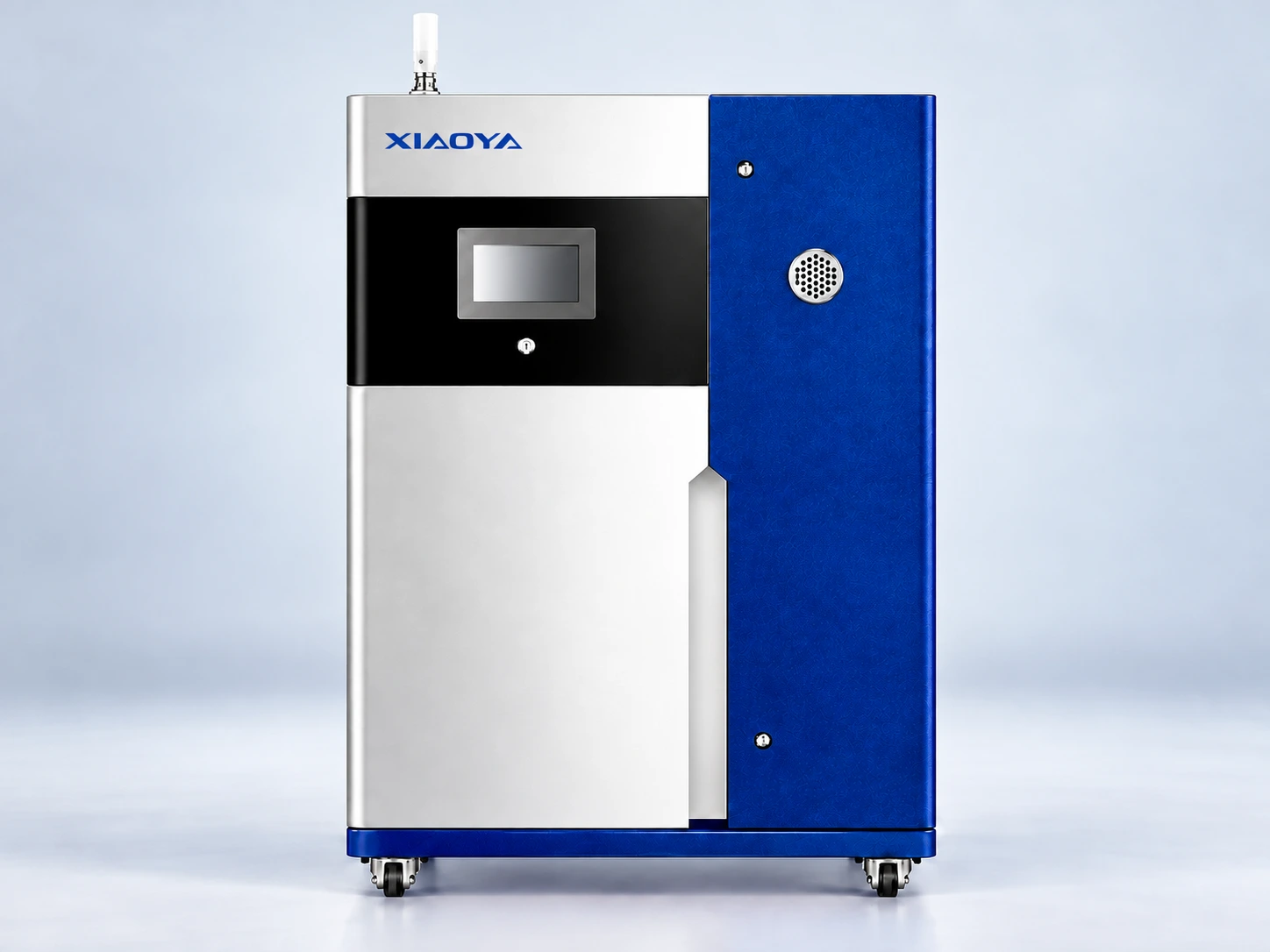
Tell us what
your process needs.
Start with your application, approximate demand and destination.
We’ll help clarify the next technical questions.