


Equipment & food-contact surfaces
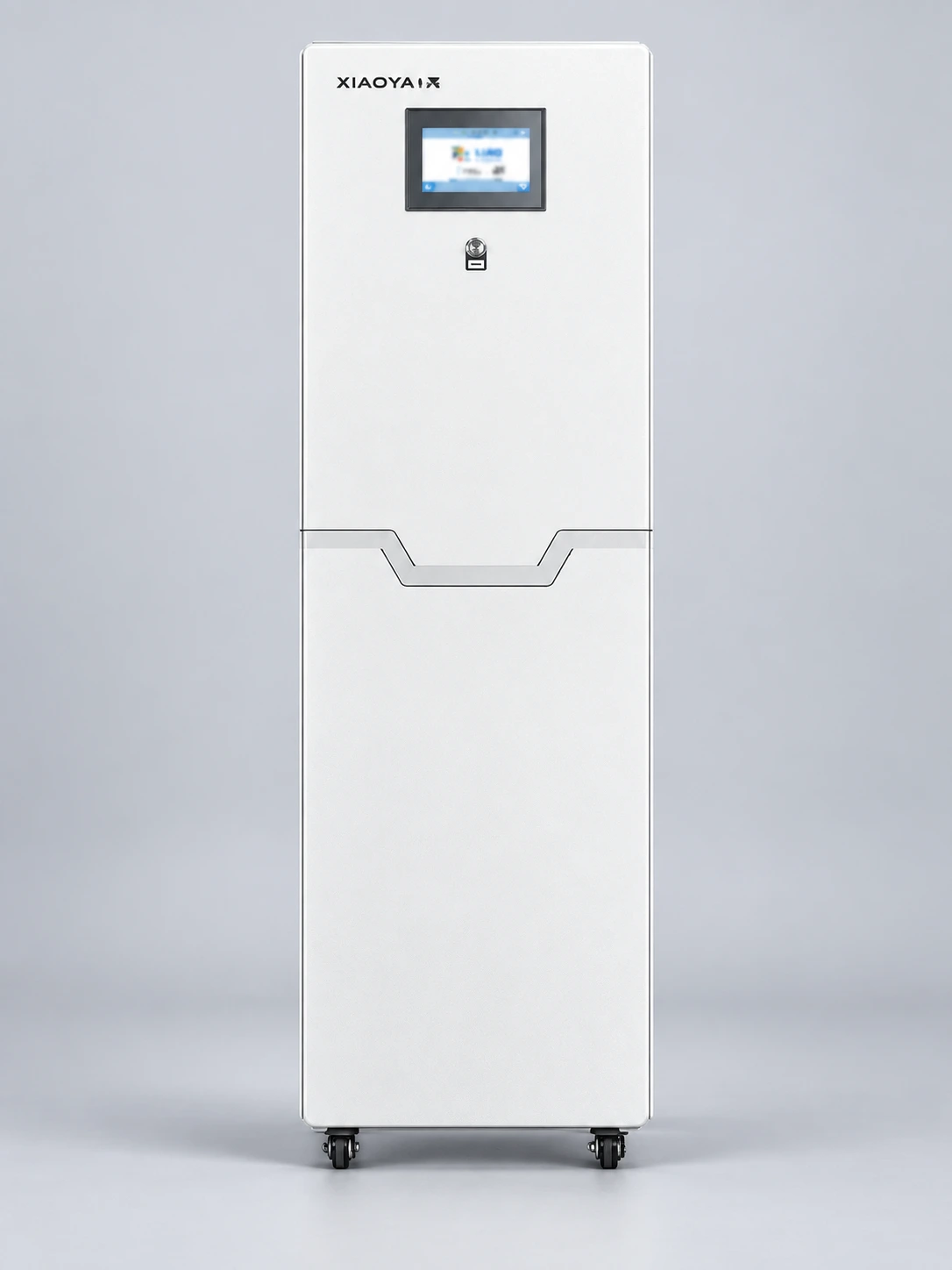
Conveyors, tanks, tools and nonporous surfaces. Define the cleaning step, material, contact conditions and any required rinse.
Explore equipment sanitation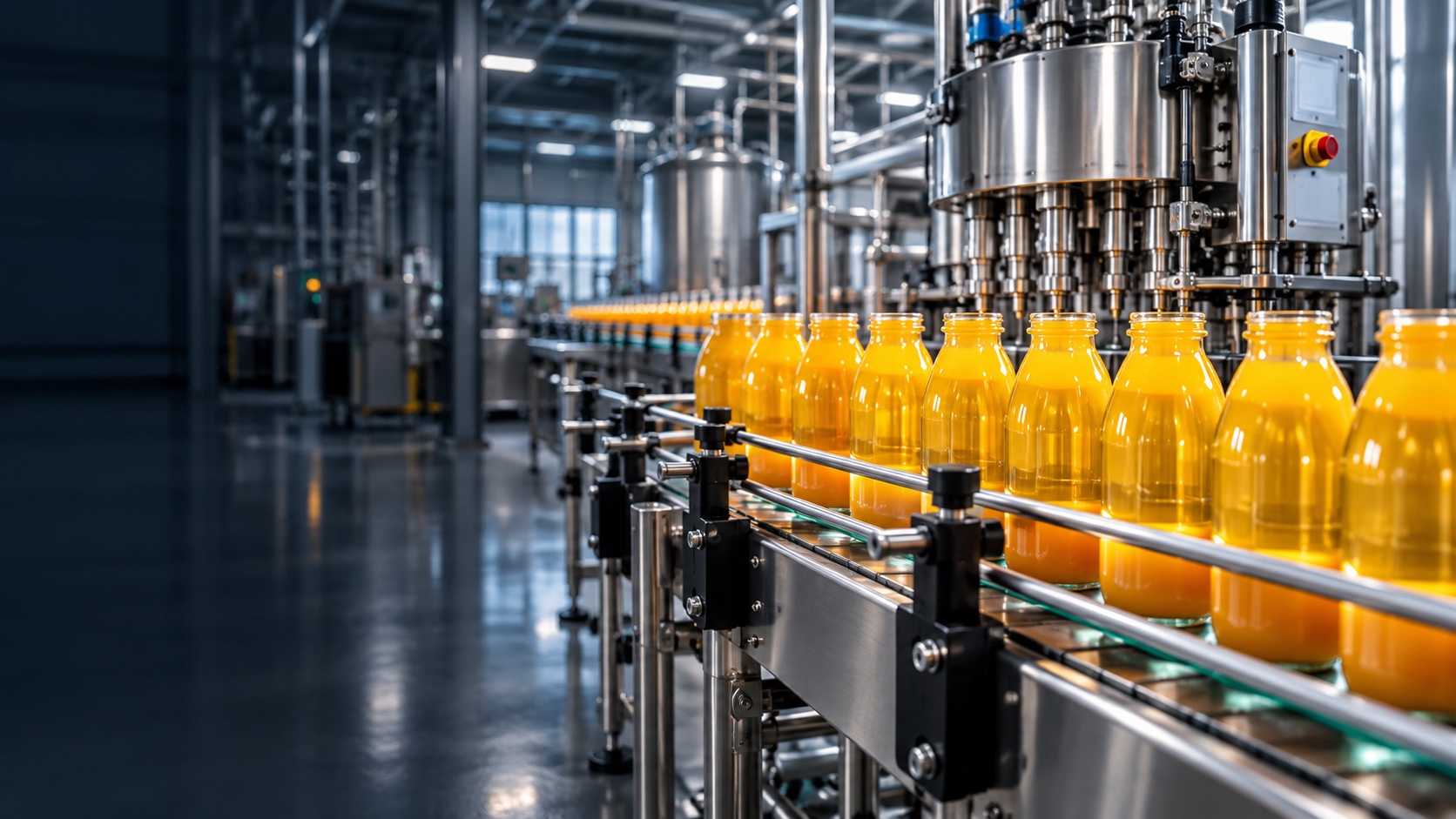
ON-SITE HYPOCHLOROUS ACID GENERATION
Match on-site generation to your hygiene tasks, production schedule and plant requirements.
START WITH THE TASK
For food-processing teams evaluating electrolyzed water sanitation, the first decision is where and how the solution will be used.
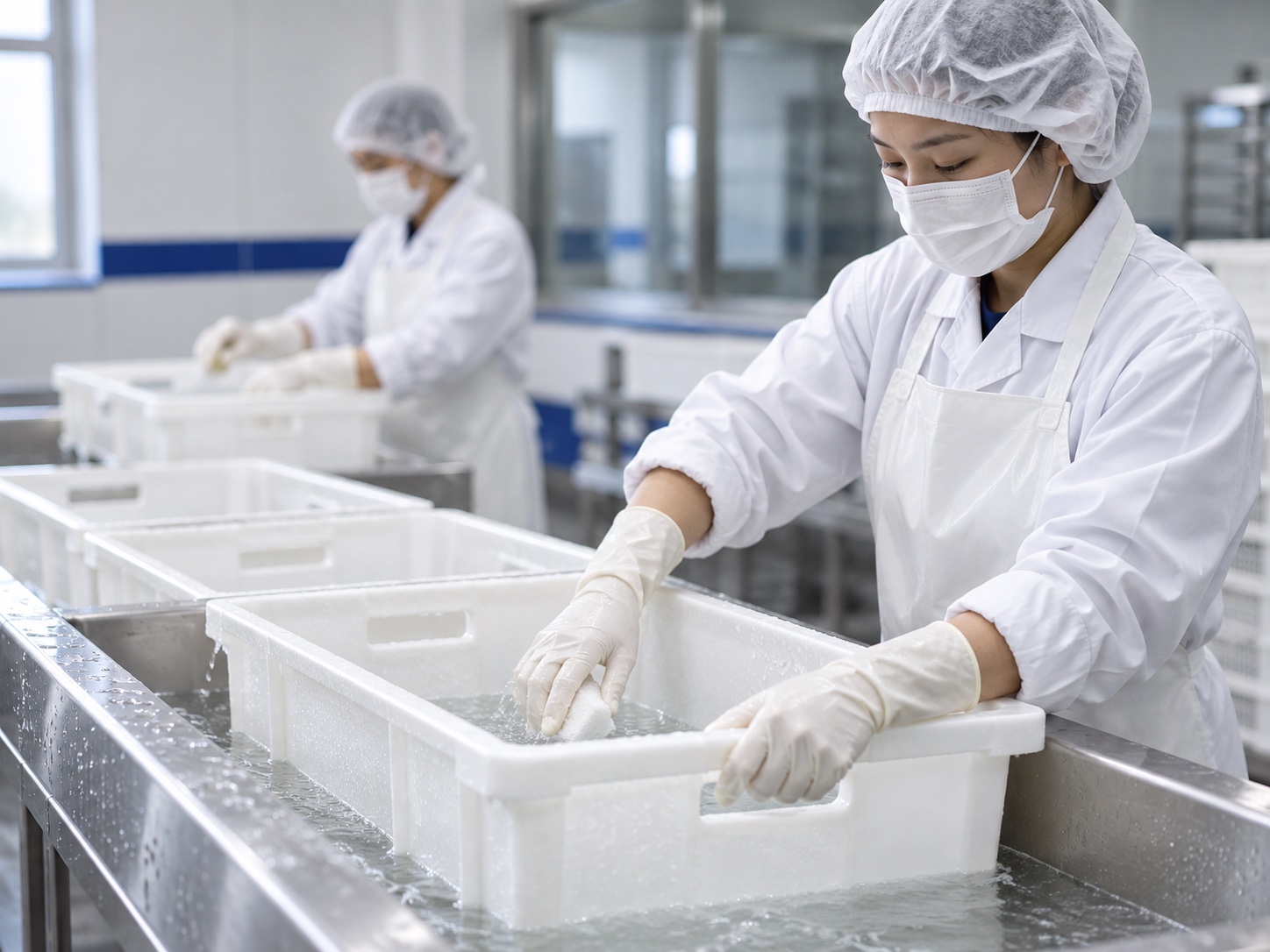
Conveyors, tanks, tools and nonporous surfaces. Define the cleaning step, material, contact conditions and any required rinse.
Explore equipment sanitationPlan utensil and worktop sanitation around recurring kitchen tasks, controlled dispensing and staff routines.
Central kitchens & cateringMap reusable containers, handling equipment and facility surfaces from packing to dispatch, alongside temperature control.
Explore cold-chain hygiene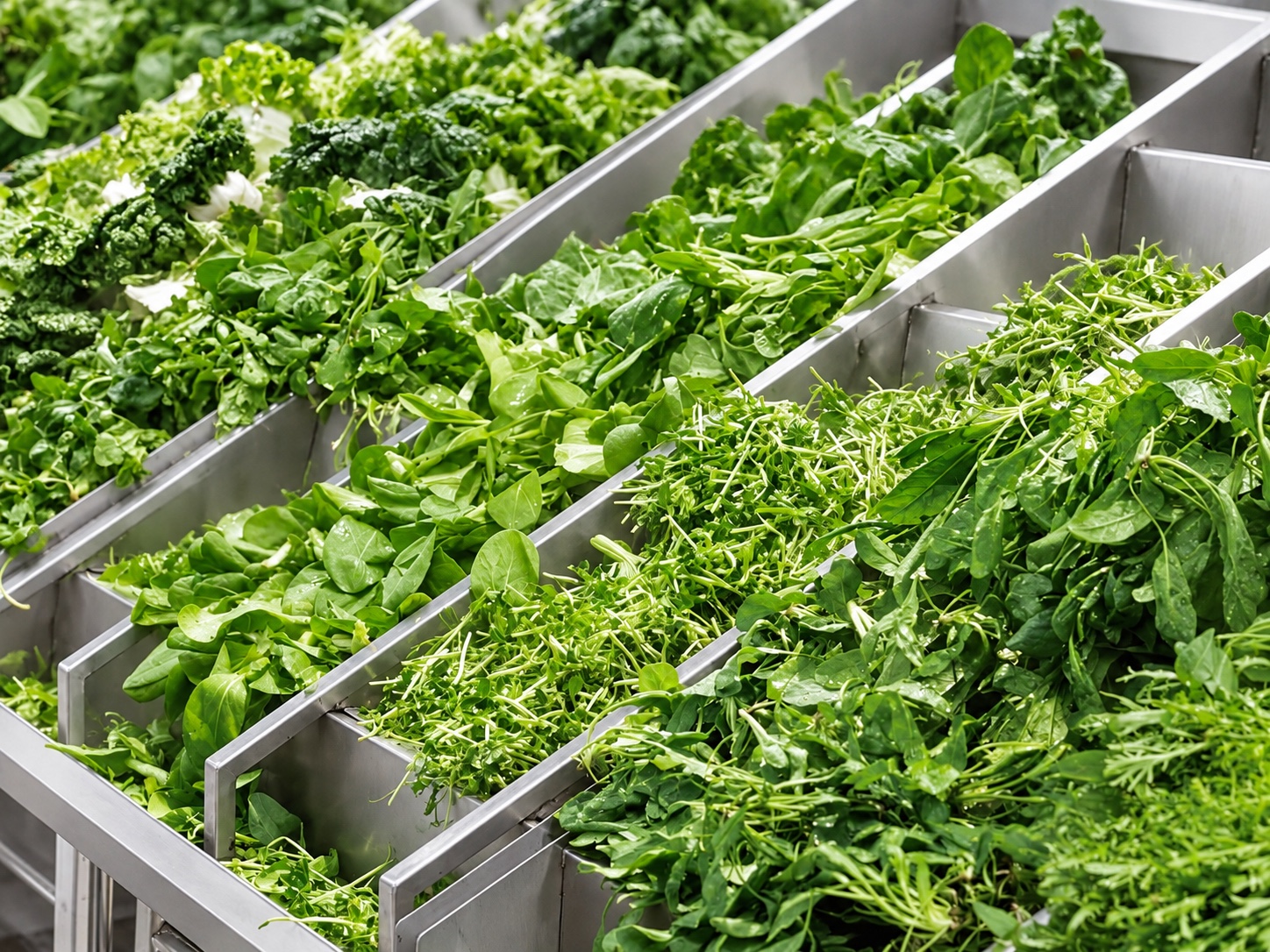
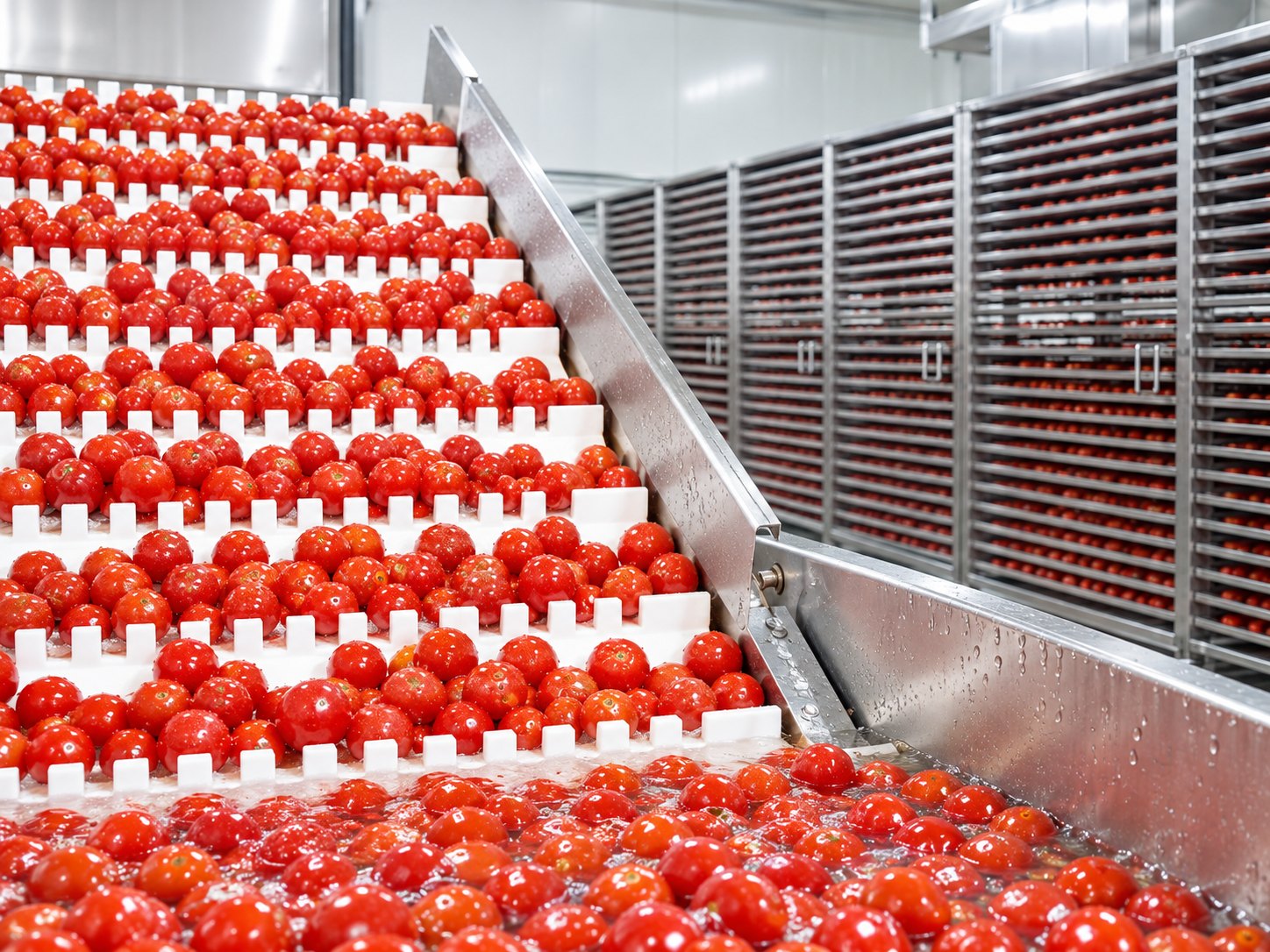
Review tank, flume or spray contact, the water circuit and the supply required at the wash step.
Explore fruit & vegetable washingPlan equipment and environmental sanitation around hygiene zones, changing organic loads and cleanup peaks. Assess any direct-product step separately.
Explore meat, poultry & seafood processingDefine what the solution touches. Equipment and environmental hygiene differ from direct treatment of food. For direct-food use, review the exact product, process, contact conditions and destination-market requirements.
SIZE FOR THE WAY YOU OPERATE
A plant can have modest daily consumption and a demanding end-of-shift peak. Review both before choosing a generator.
List any approved recurring use and replenishment needs. Record the required flow and solution quality at each point.
Identify the cleaning window and stations that may operate together. This establishes the peak demand to review.
Decide whether direct generation or a controlled buffer fits the schedule. Define storage time and rechecking requirements.
Generator outlet flow is not automatically the usable flow at every treatment point. Account for concentration, dilution, distribution and process demand.
BUILD AROUND THE GENERATOR
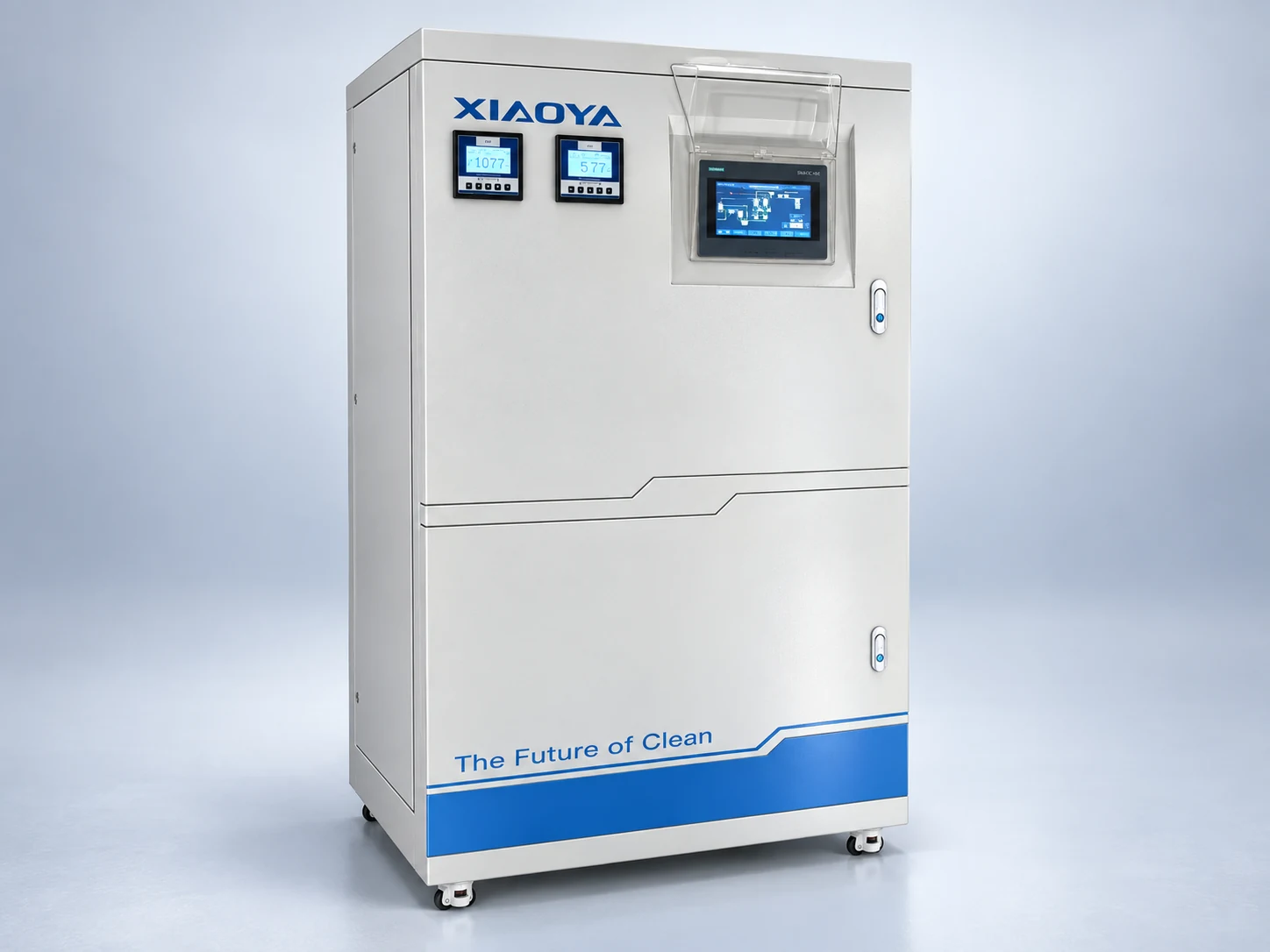
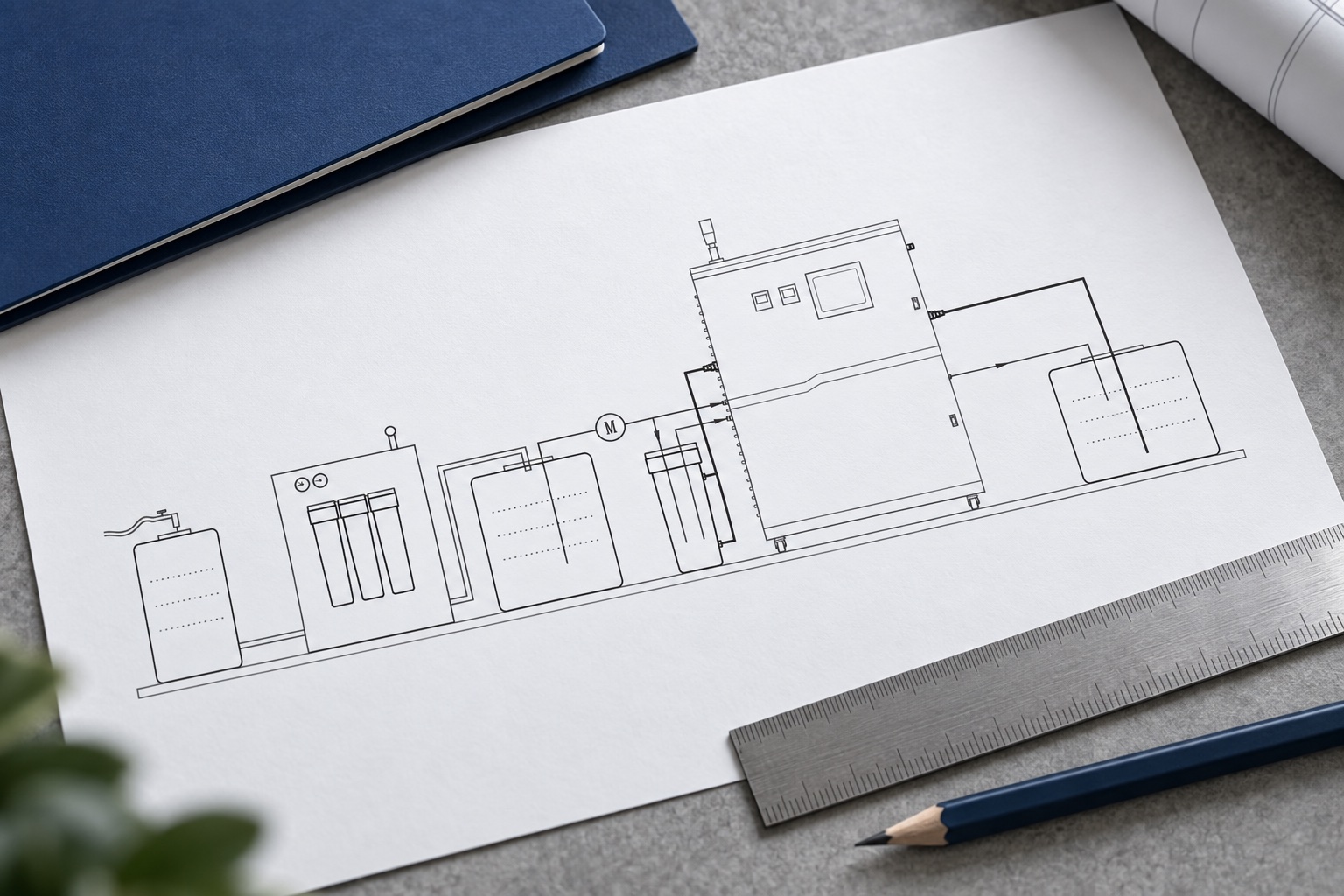
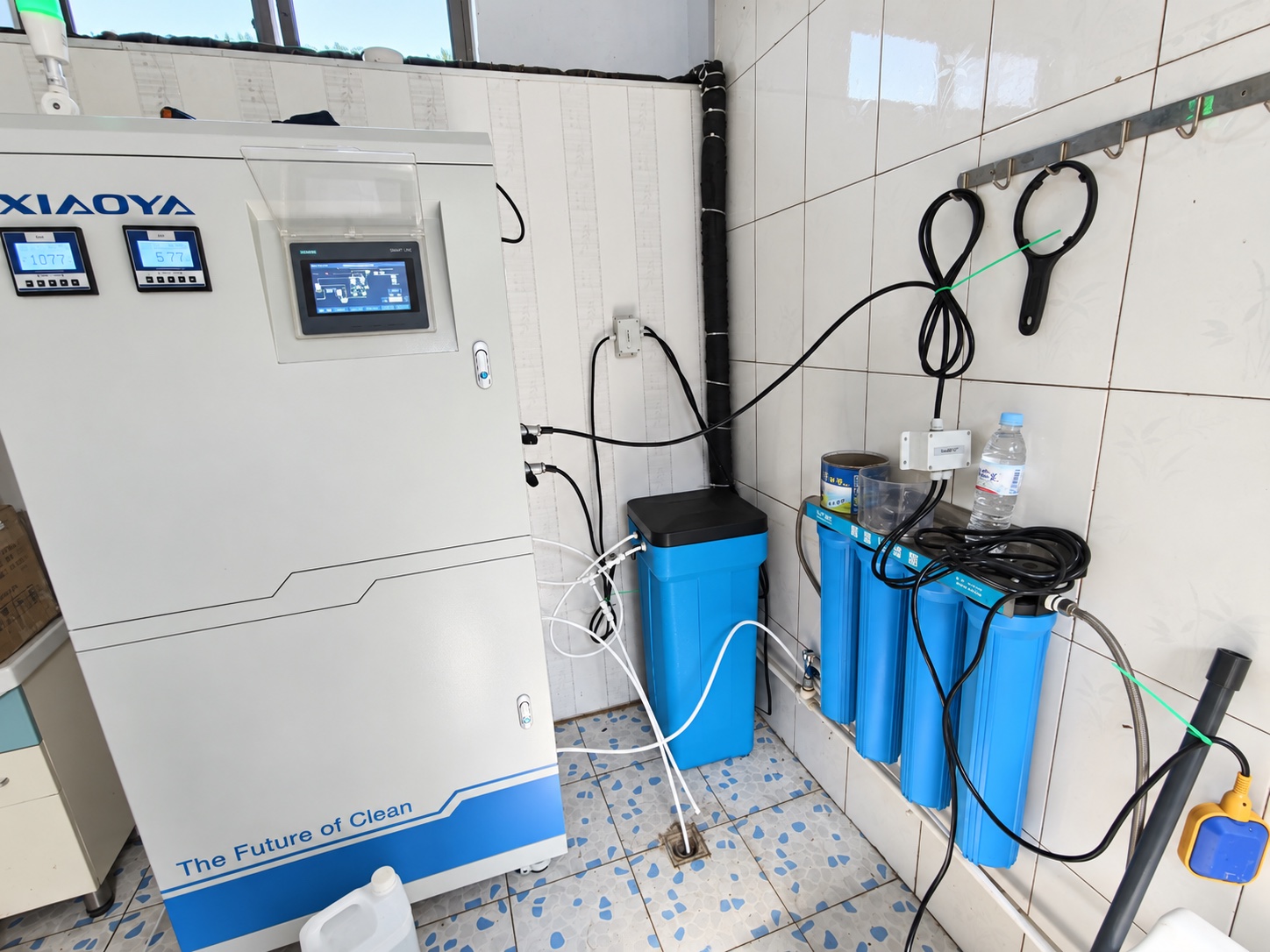
Both HCl-fed and salt-fed equipment can be evaluated. Feed availability, water quality, output conditions and site operation determine the proposal.
Source water and feed
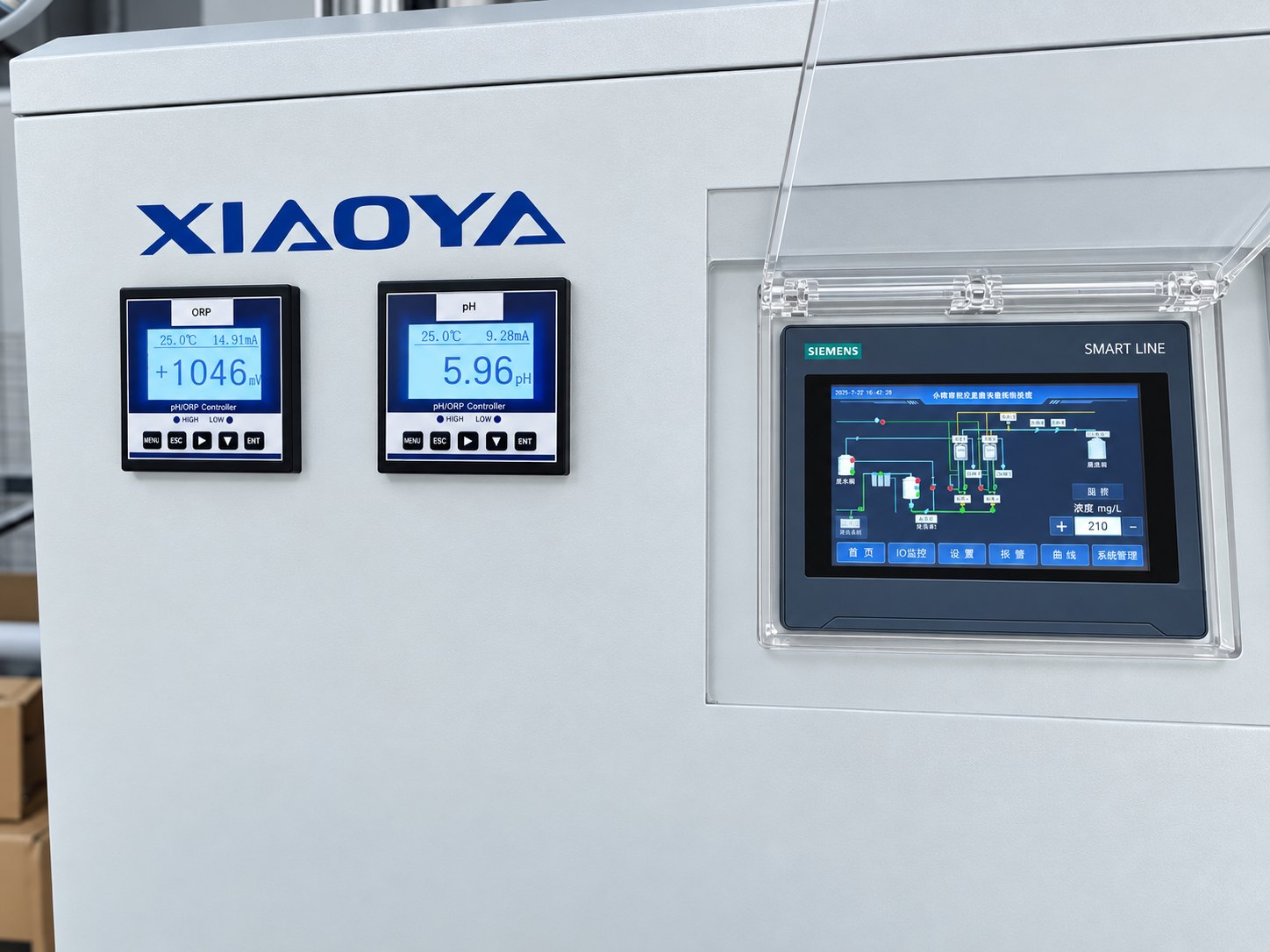
Agreed flow, FAC and pH
Outlet and use-point checks
Direct use or controlled buffer
MAKE THE FIRST DISCUSSION USEFUL
You do not need every answer to start. Share the information you have, together with the questions your quality and engineering teams need resolved.
Agree generator output checks and representative use-point measurements. Your process validation should address actual operating conditions, including the most demanding load. Xiaoya's plan will clarify the equipment provided, on-site responsibilities, and the service scope agreed upon by both parties.
Review technical documentsYOUR FOOD & BEVERAGE PROJECT
Start with your application, approximate demand and destination. Work with Xiaoya to clarify the generation and system requirements.
Request a food-plant proposalFood-industry use alone does not determine a model. Review simultaneous demand, required flow and concentration, source water, operating hours and site interfaces before choosing a configuration.
No, HOCl does not replace the cleaning step.Cleaning is the physical removal of soil, organic deposits and heavy biofilm. Disinfection using HOCl is a subsequent step for microbial control. Organic soils consume HOCl and can shield microorganisms, so sufficient cleaning is mandatory before HOCl application to achieve reliable disinfection results.
That depends on the exact use, destination-market authorization and validated process. “Food grade” and “no rinse” are not universal properties of an HOCl generator.
A project can be evaluated for multiple use points. Review simultaneous flow, piping, pressure, storage, solution age and use-point verification. The equipment and controls are defined in the proposal.