


Greenhouses & hydroponics
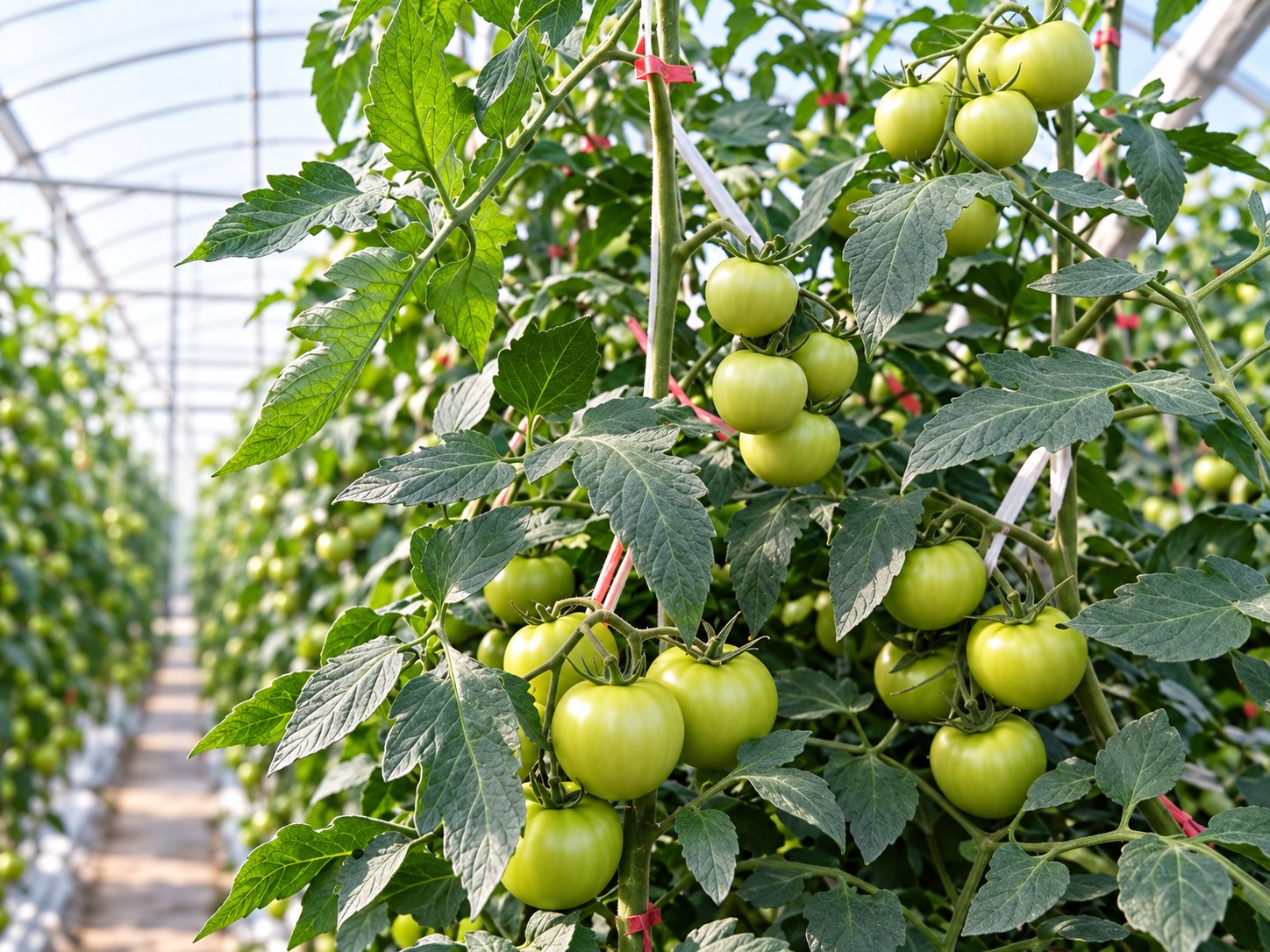
Review facility, tool and turnaround hygiene alongside the existing growing and nutrient systems.
Explore greenhouse hygiene
GROWERS · GREENHOUSE OPERATORS · SYSTEM INTEGRATORS
Plan controlled supply for water, tools and growing-facility hygiene, matched to your crops, process and site.
Choose the workflow closest to your operation. Each project needs its own water, contact and operating conditions.
Review facility, tool and turnaround hygiene alongside the existing growing and nutrient systems.
Explore greenhouse hygiene
Define the water or line-hygiene objective, treatment location, flow and representative sampling points.
Explore irrigation hygiene
Plan hygiene for trays, tools and propagation infrastructure, with separate review of seed or plant contact.
Explore nursery hygieneFloriculture or cut flowers? Discuss the specific crop, handling method and validation needs.
Explore facility supply requirementsAn agricultural HOCl system starts with the water, the task and the operating schedule.
Review the source-water analysis and expected organic load before defining pretreatment and use-point conditions.
Map daily, peak and simultaneous use. Include irrigation schedules, cleaning windows and seasonal changes.
Identify the crop and growth stage. Review contact with nutrients, fertilizers and biological agents before planning any combined use.
ON-SITE GENERATION, DEFINED INTERFACES
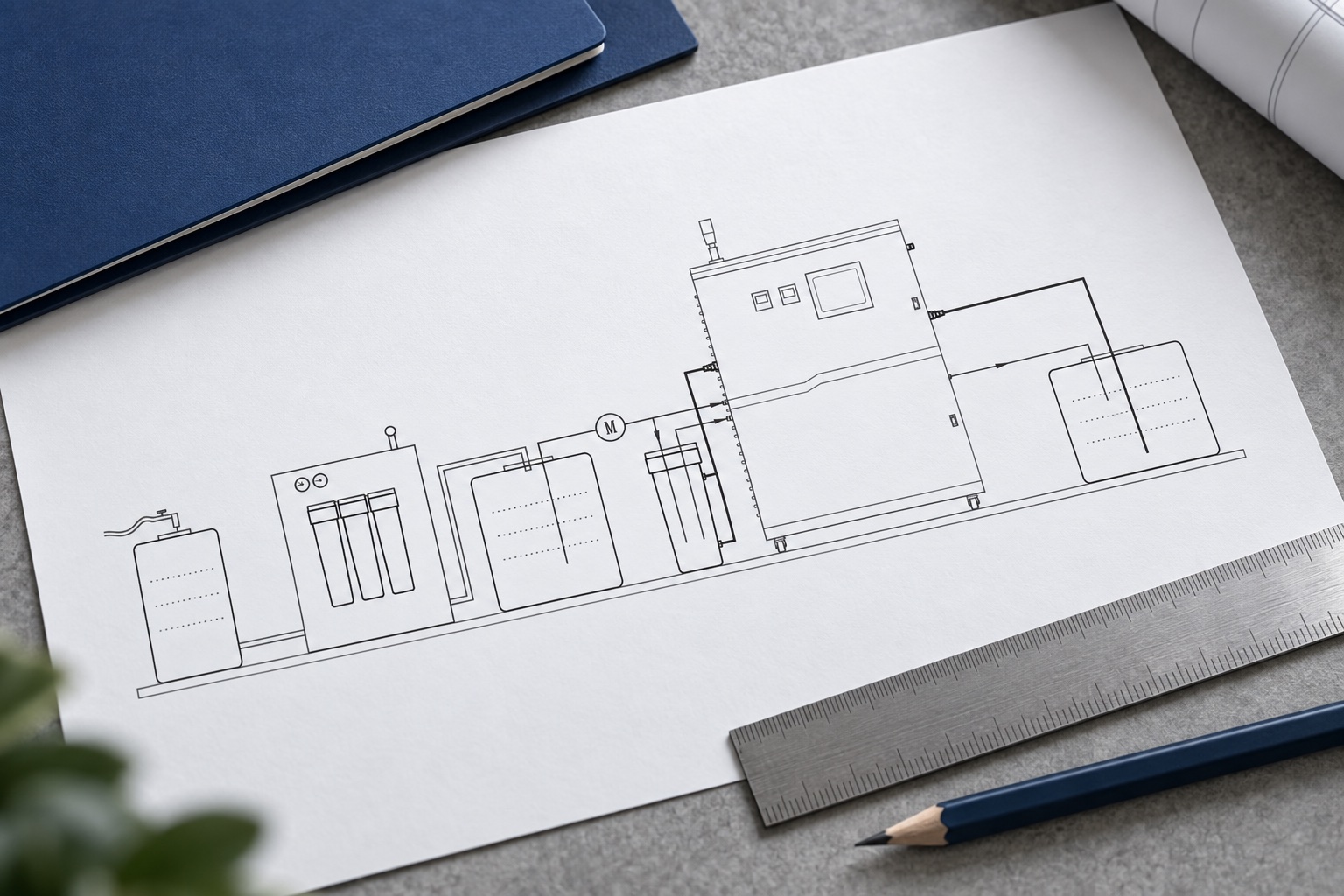
Plan generation, verification and delivery together. Facility cleaning and crop-contact water need distinct operating requirements.
Source water, any pretreatment and approved feed.
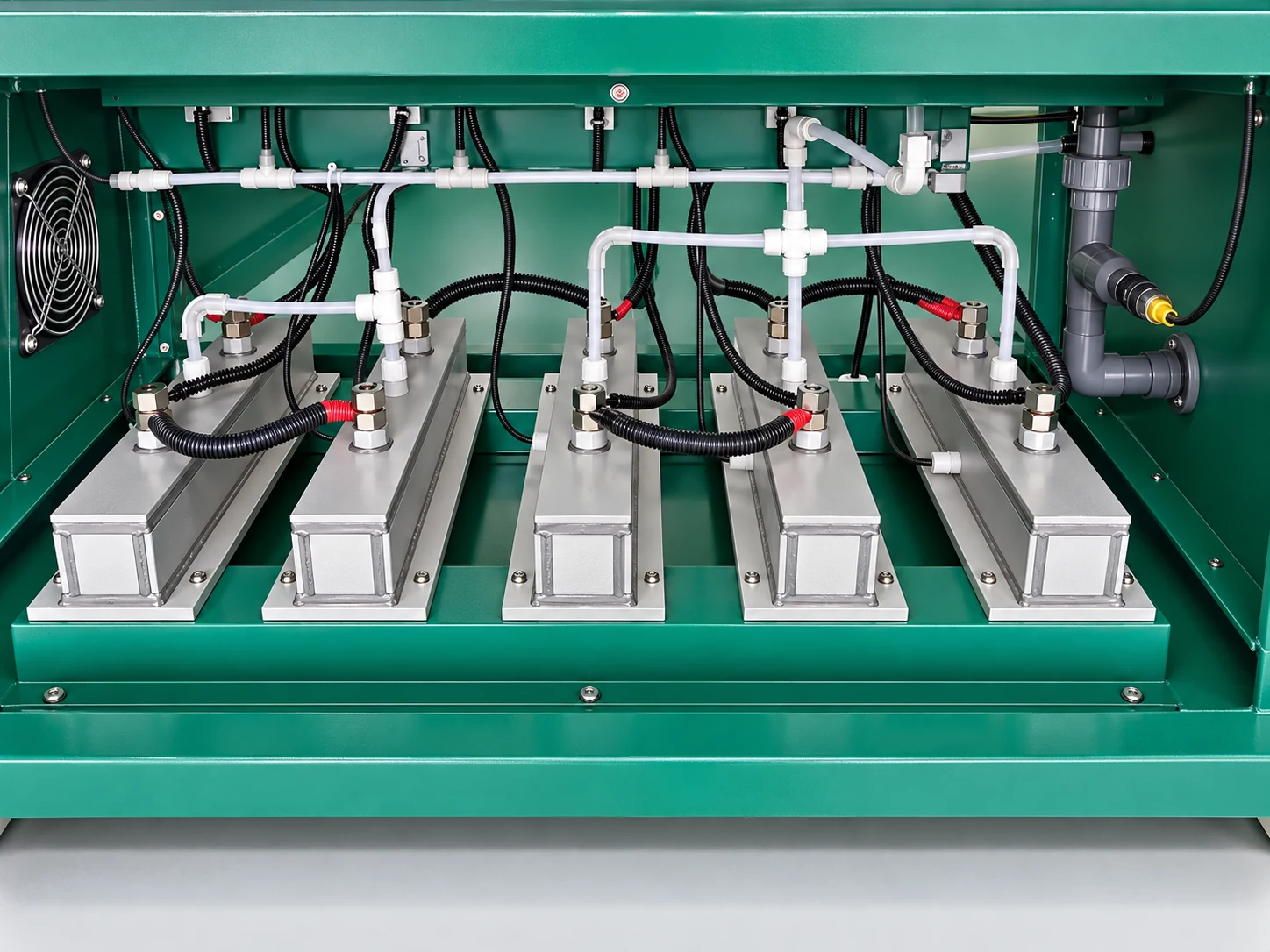
HOCl output matched to the proposed equipment duty.
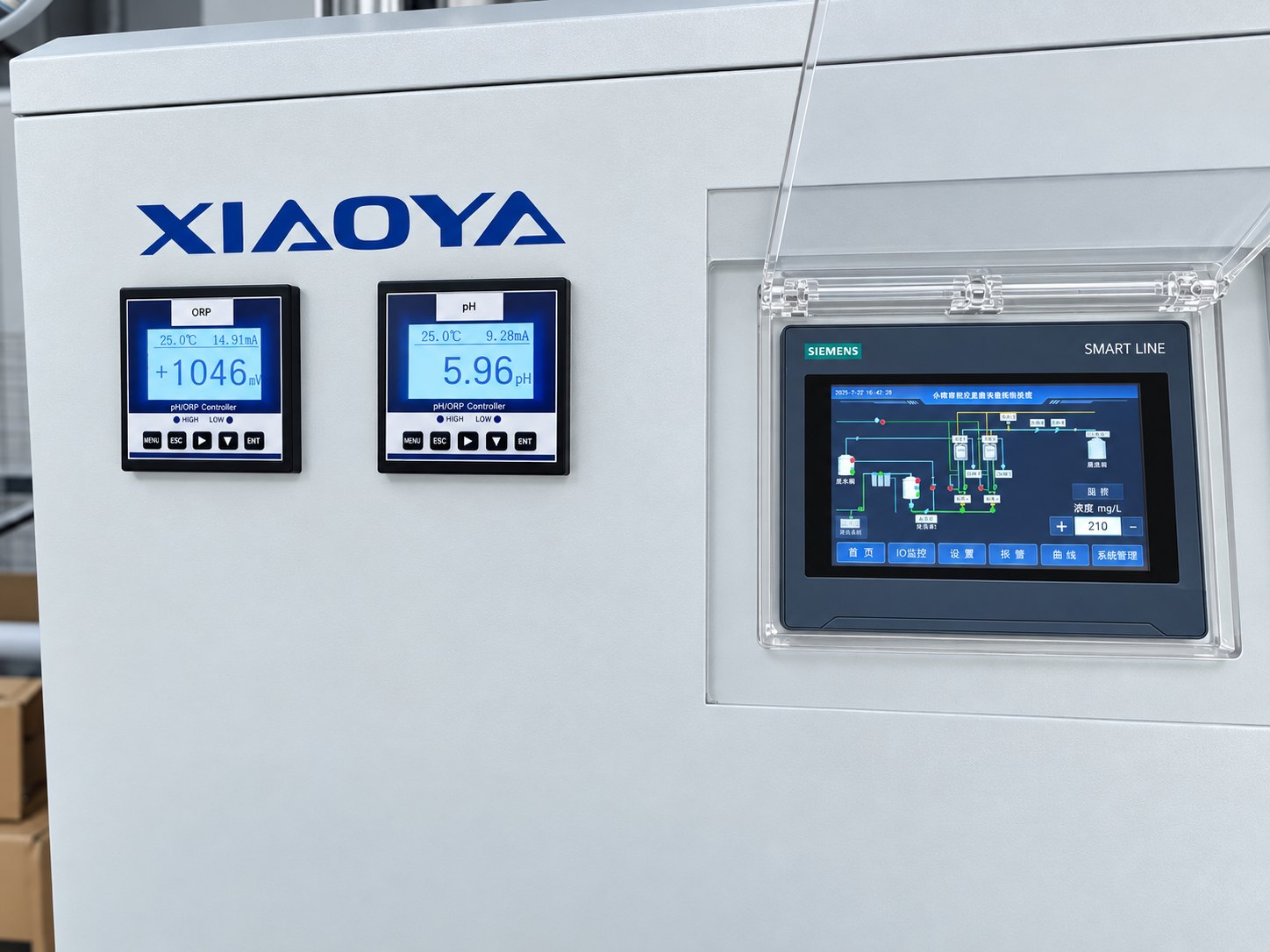
Outlet flow, free available chlorine and pH.
Direct delivery or a controlled buffer, as required.
Defined cleaning, contact, rinse and handling procedures.
Defined dosing interface, representative end-point checks and crop-specific validation where contact occurs.
Select equipment from required solution output, operating conditions and integration scope. Growing area alone does not determine capacity.
Review the required output and existing site provisions when your team already has an agreed delivery and operating arrangement.
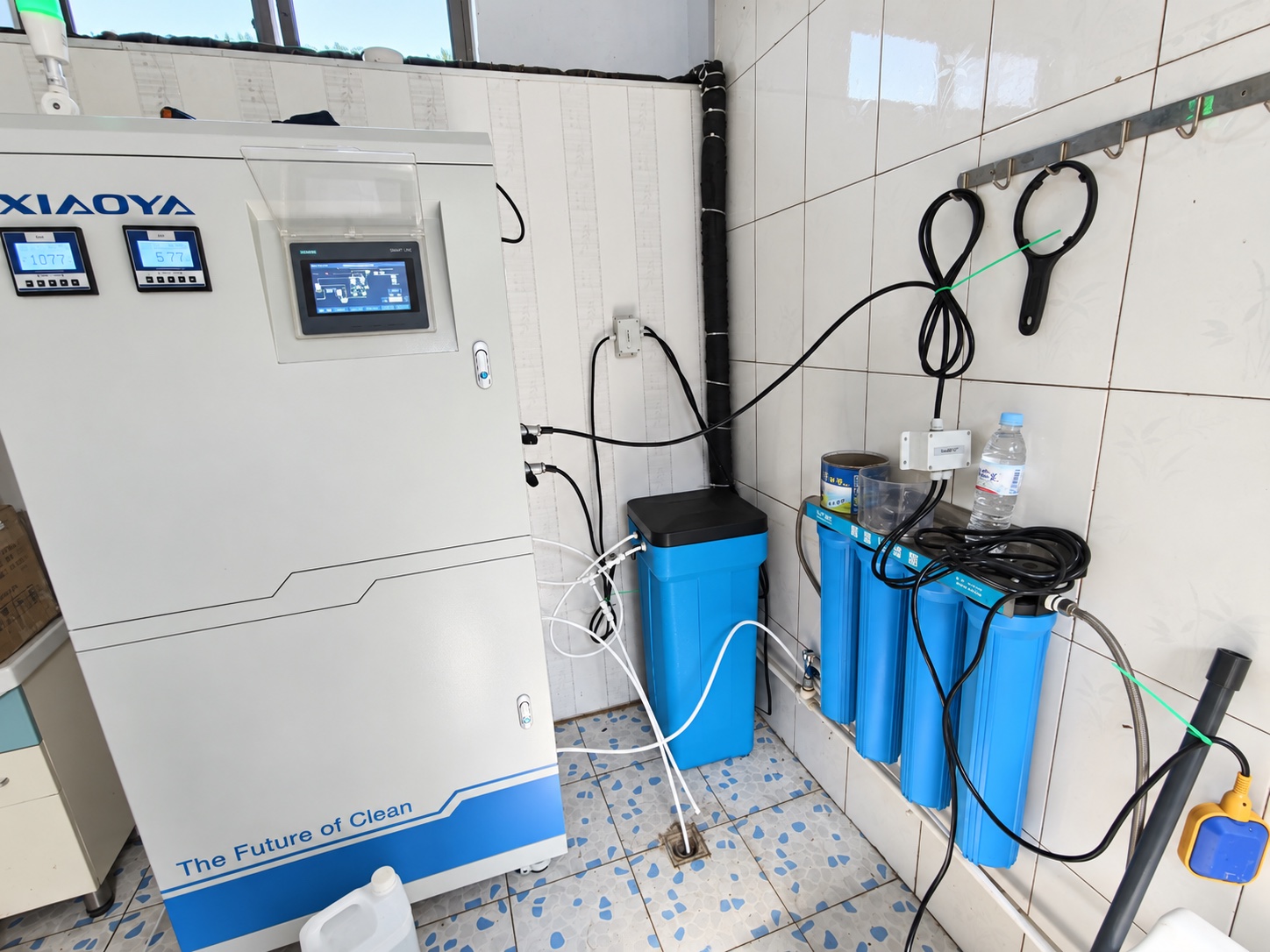
Review water preparation, controlled storage, distribution, dosing and monitoring when several interfaces need to work together.
Plan the integrated systemTotal irrigation flow is not the same as generator output. Sizing depends on the treatment arrangement, required solution strength, demand and operating hours.
Review sizing inputs
Review the evidence at each stage, with Xiaoya as your contact for equipment and after-sales planning.
Agree output, measurement methods and factory or site acceptance for the proposed configuration.
Check delivery, solution age and representative end-point conditions, with records and corrective actions.
For plant or seed contact, validate the crop, growth stage and treatment conditions before wider use.
A complete specification is not needed to start. These four groups of information help define the next engineering questions.
YOUR AGRICULTURAL PROJECT
Tell us what you grow, the hygiene task and the available water or demand information. We can review the equipment path with you.
Request an agricultural proposalReview the flow, layout, materials, dosing arrangement and controls first. The connection point and responsibilities should be defined in the project proposal.
No universal setting is assumed. Crop, growth stage, contact method, water and other inputs affect the conditions that need to be evaluated.
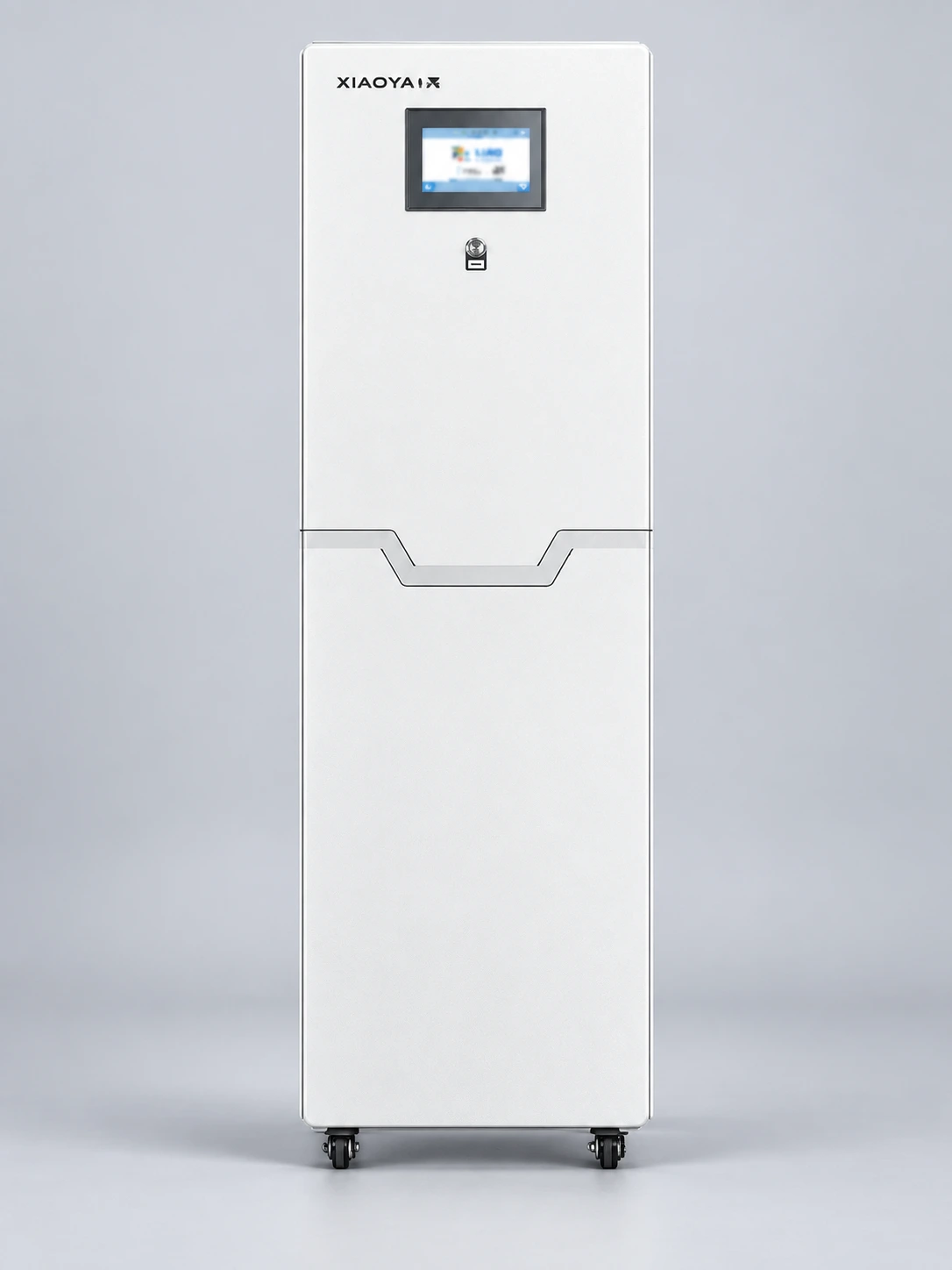
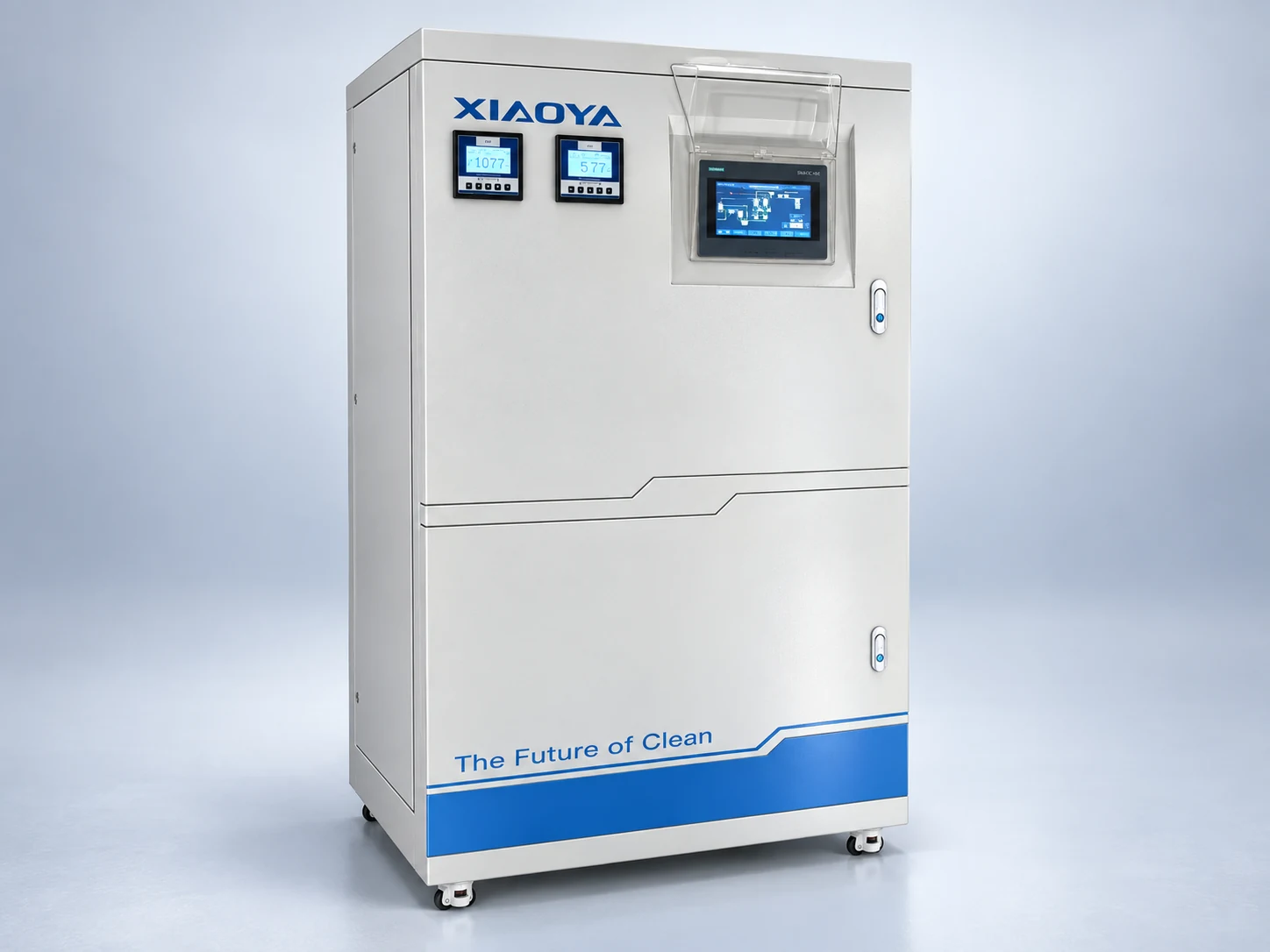
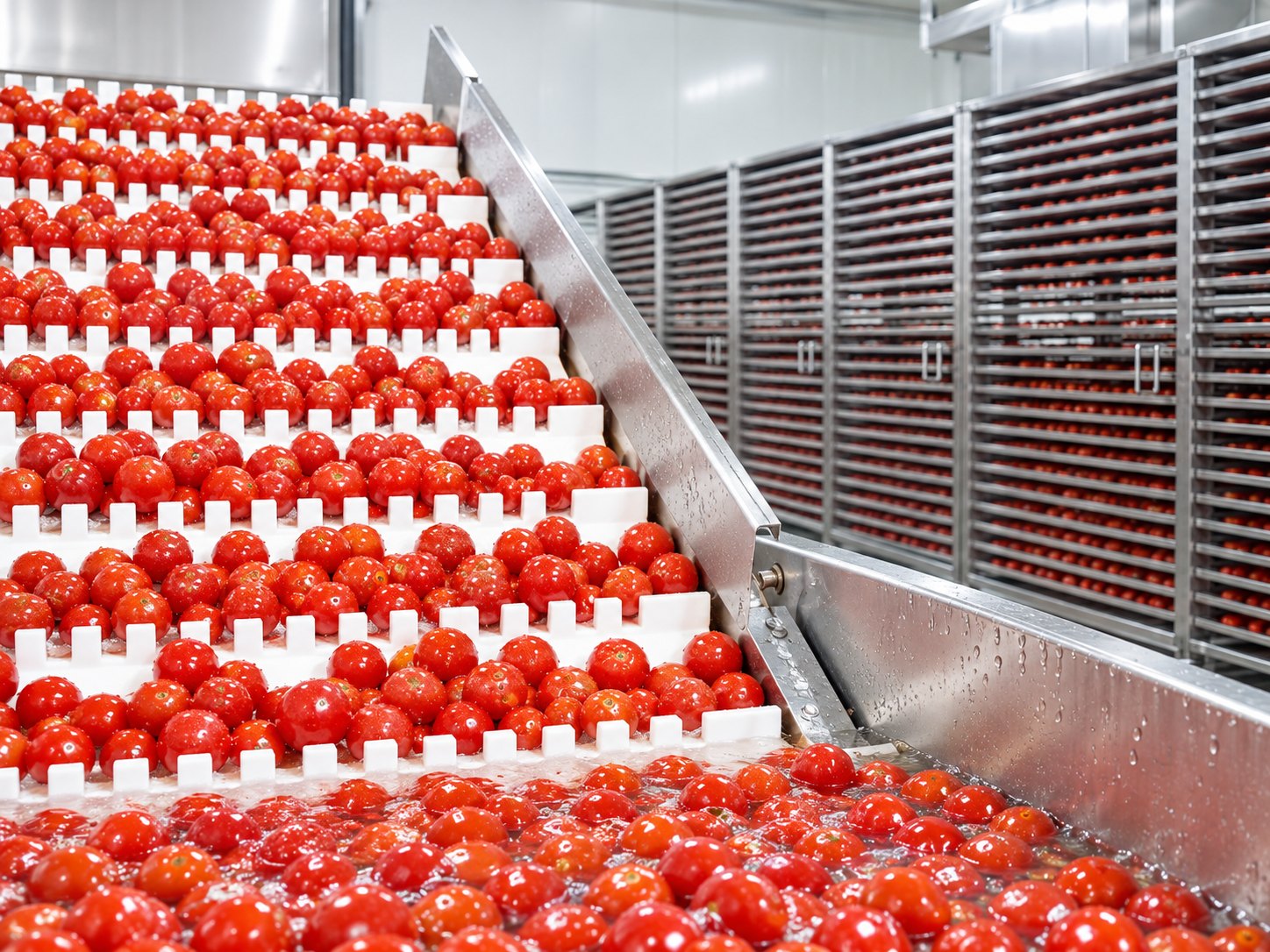
The Xiaoya Generator can be used to pretreat agricultural products and sterilize and disinfect them.
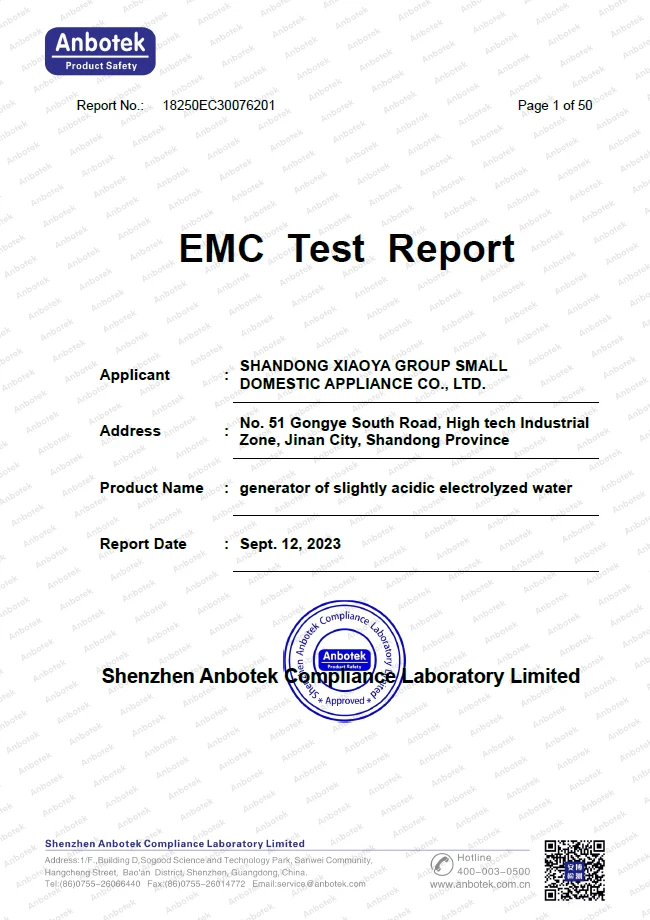
Confirm the equipment configuration, supplied and site-provided items, acceptance criteria, documentation, commissioning, training and service responsibilities.