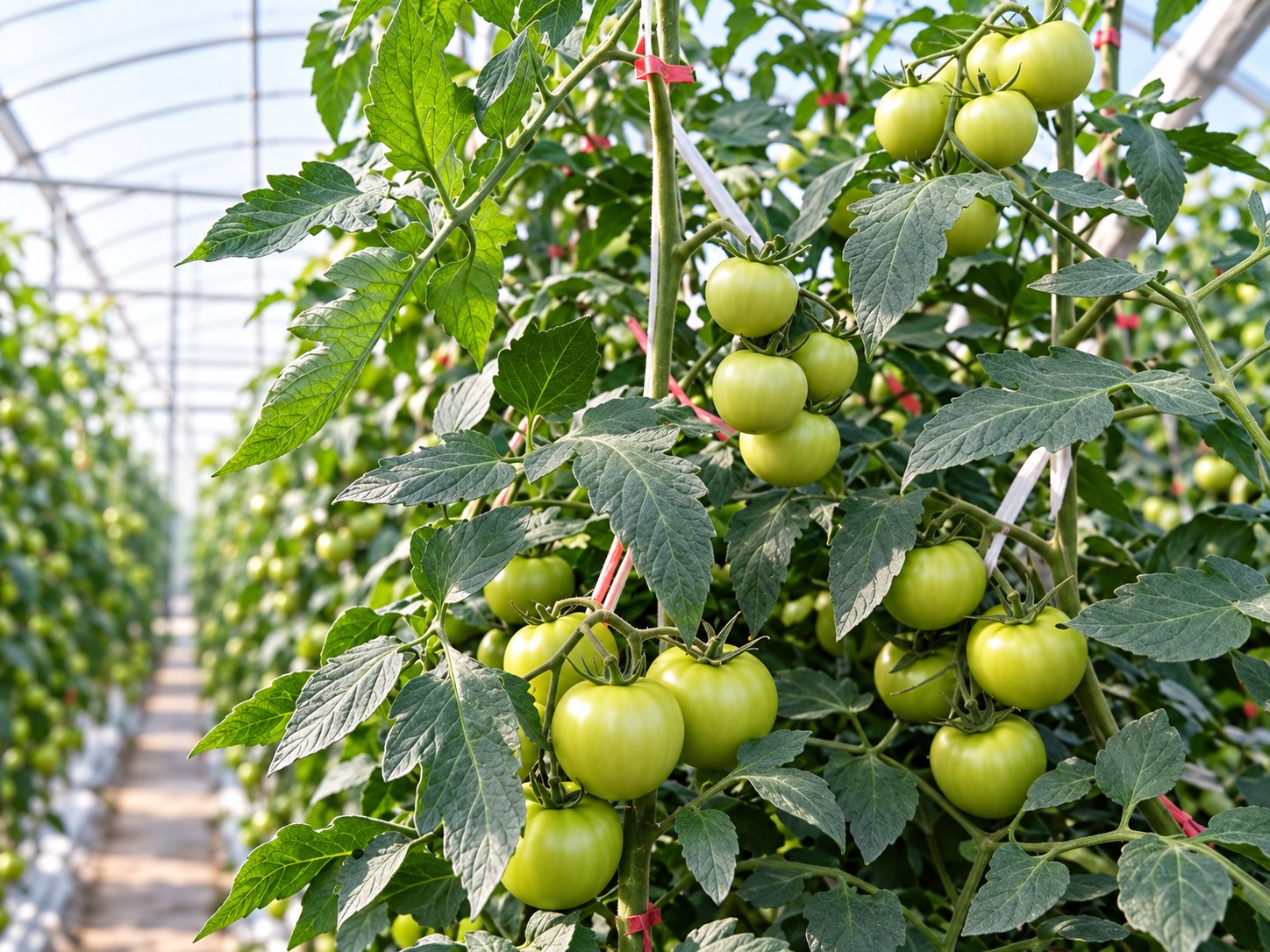

Illustrative outdoor crop irrigation with sprinkler risers

HOCl for irrigation
water & line hygiene.

Plan on-site hypochlorous acid supply around your water, pipe network and the conditions at the farthest representative outlet.

Follow the water.
Verify the endpoint.

Source-water conditions and distribution losses shape what reaches the crop zone. Map the network before selecting an HOCl connection point.

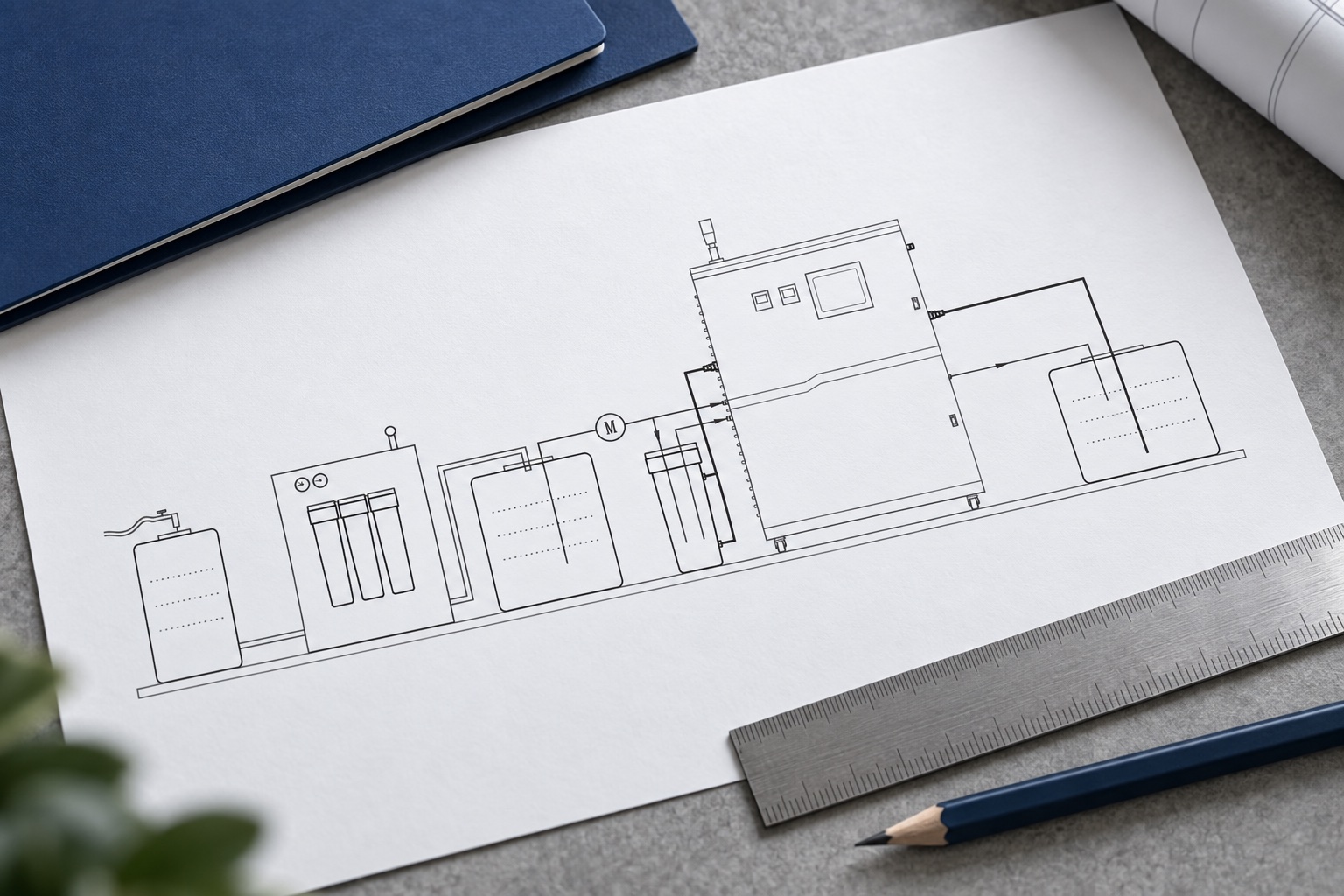
Conceptual water pathSampling locations depend on the actual system
  1. Source water

    Analysis, load and filtration needs

    Establish the baseline
  2. Mainline

    Flow, pressure and feed interfaces

    Review a treatment point
  3. Laterals & zones

    Length, diameter and active zones

    Account for travel time
  4. Remote outlets

    Representative emitters and use points

    Verify actual conditions
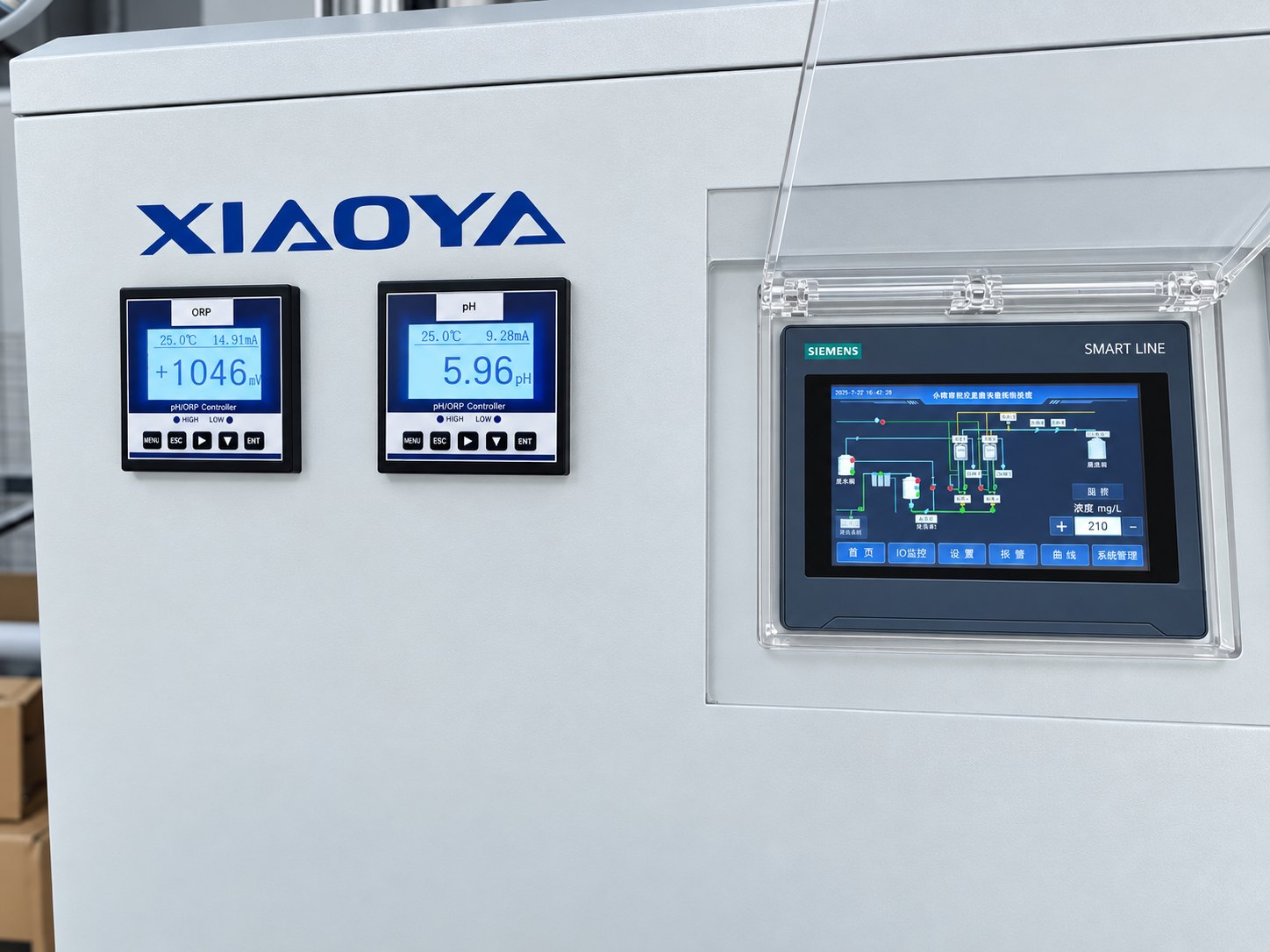
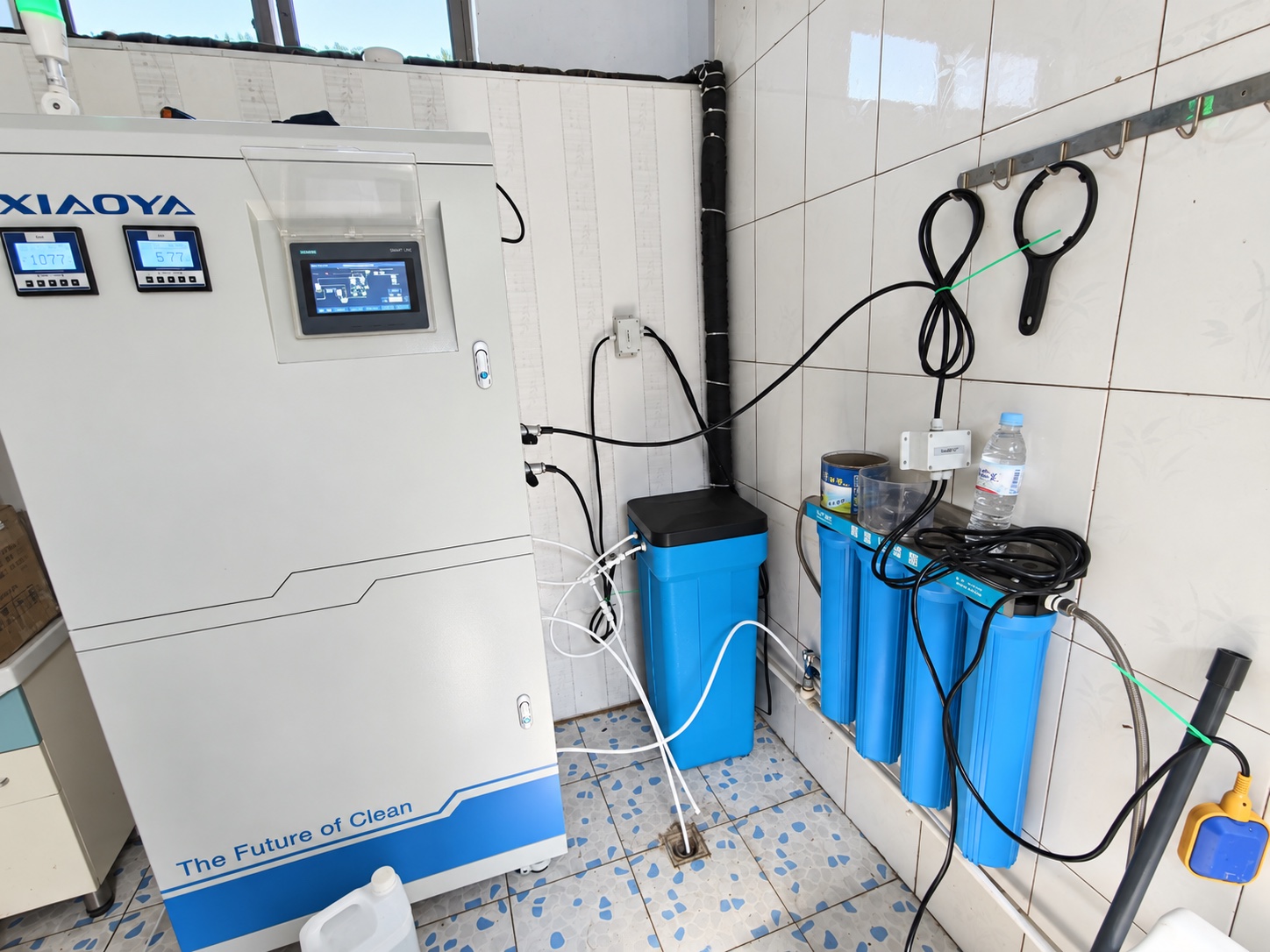
On-site HOCl generation

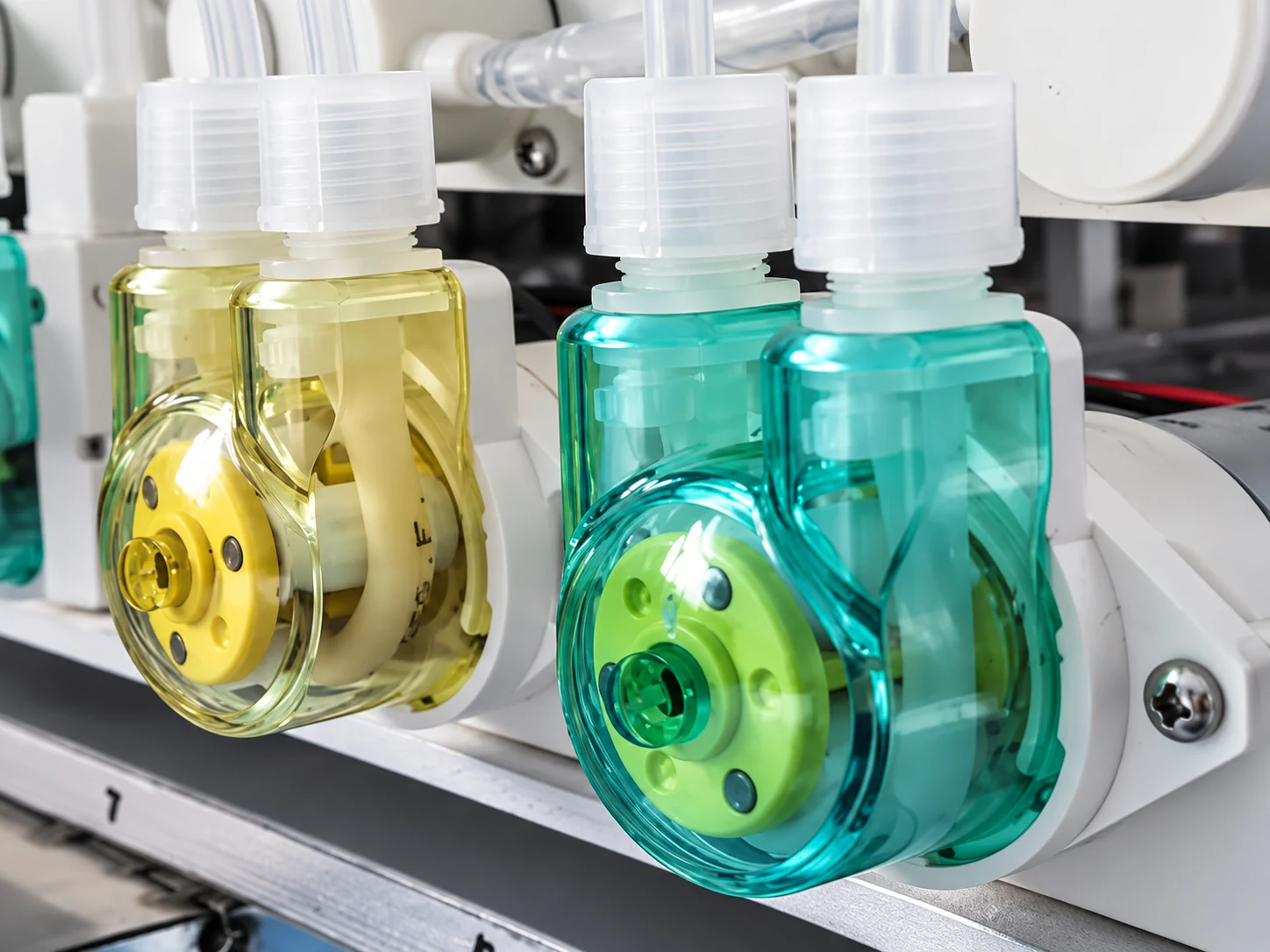
Review injection, mixing and any storage around the chosen treatment point. Keep incompatible feeds separated.

The generator outlet is one checkpoint.

Agree the free available chlorine (FAC), pH and application-specific checks at representative use points, including remote zones. Do not infer endpoint conditions from outlet readings alone.

Cleaning and maintenance
need different plans.

Xiaoya can assist with power generation, energy storage, and the pumping operations required to supply water to irrigation and sprinkler systems. Pipeline repair is a separate task: before determining a solution, it is necessary to inspect for sediment buildup and flow restrictions.

Restore an affected line

Recovery cleaning

Inspect deposits and affected sections. Define the cleaning, controlled treatment, flushing and release procedure.

Check the line condition and emitter performance before returning to the agreed operating mode.

Manage ongoing operation

Routine maintenance

Define treatment around source-water variation, irrigation schedules and the conditions at active endpoints.

Set monitoring, low-flow stop logic and seasonal review requirements for the actual installation.

A short-term cleaning procedure and a maintenance strategy are not interchangeable. HOCl is not a universal remedy for mineral scale or every cause of blockage.

Conceptual close view of a drip irrigation lateral beside a crop row

Three inputs.
One connected system.

Water chemistry & load
Review pH, hardness, alkalinity, iron, manganese, ammonia, organics and relevant microbiological indicators. These affect the treatment assessment. Review generator feed-water requirements separately.
Hydraulics & demand
Record peak and simultaneous flow, pipe lengths and diameters, travel time and zone schedules.
Materials & other feeds
Map emitter materials, fertilizer injection and crop-contact or discharge limits. Do not inject into an unknown chemical mixture.
Prepare the project inputs
MAKE THE TRIAL MEASURABLE

Agree what you will check.
Then test in a representative zone.

Record baseline conditions and the same endpoints during the trial. Review results against agreed acceptance criteria before expanding.

01

Line condition

Inspect accessible sections for deposits and fouling. Record cleaning and flushing steps; appearance alone does not establish microbiological condition.

Compare like-for-like inspection points
02

Endpoint chemistry

Check FAC, pH and agreed parameters at representative outlets under actual flow.

Record the zone and sampling time
03

Emitter performance

Use flow uniformity and pressure to assess hydraulic performance. Evaluate hygiene separately with appropriate microbiological methods; ATP trends alone do not prove biofilm removal or the absence of a specific pathogen.

Use methods appropriate to the objective

Review across the season. Reassess when water source, flow schedules, fertilizer inputs or crop conditions change. Define stop and restart criteria before operation. Review methods and acceptance evidence.

Build around the generator.
Match the supply to demand.

Irrigation flow is not generator production capacity. Required solution strength, peak demand, operating hours and distribution determine the equipment scope.

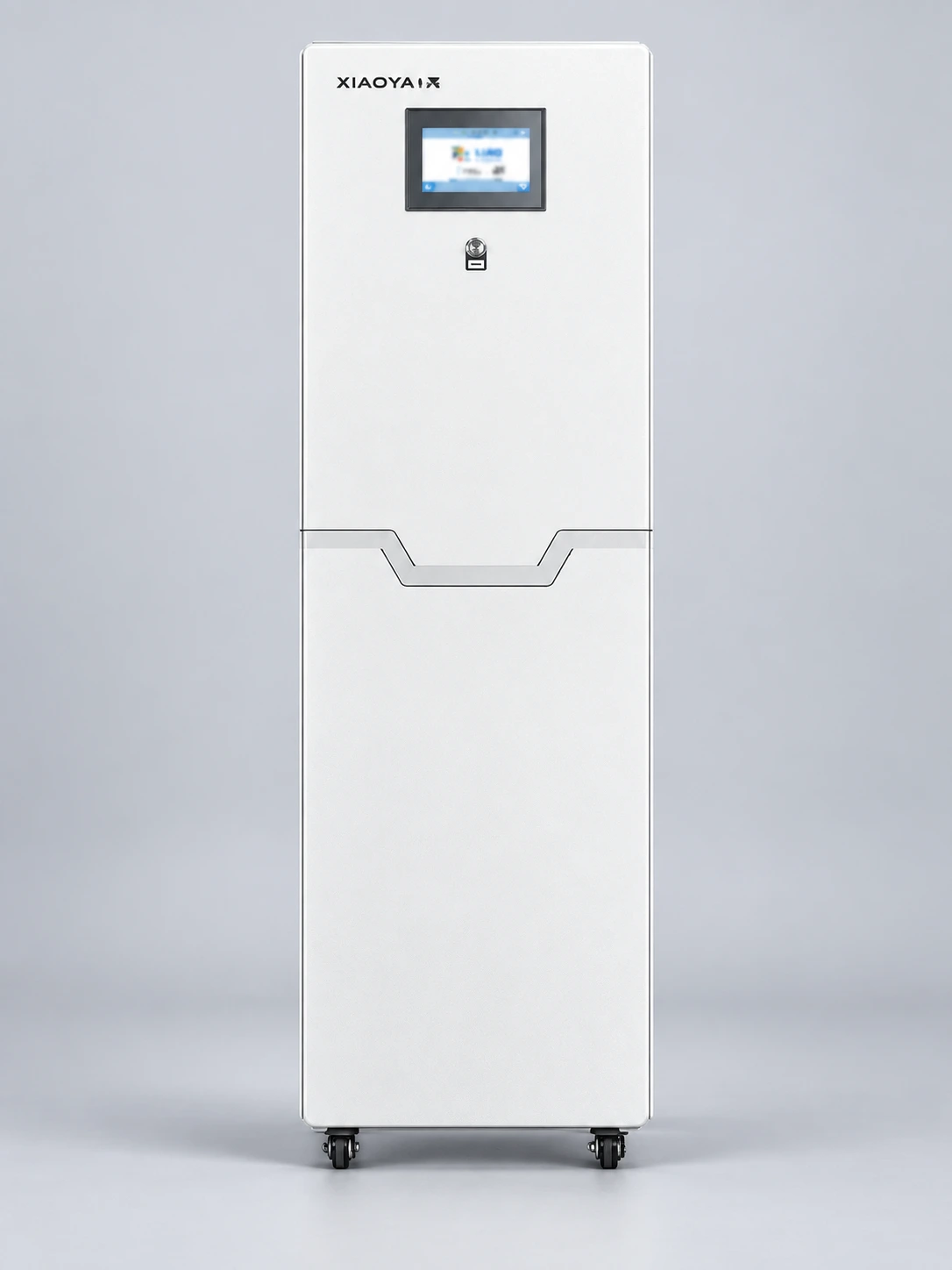
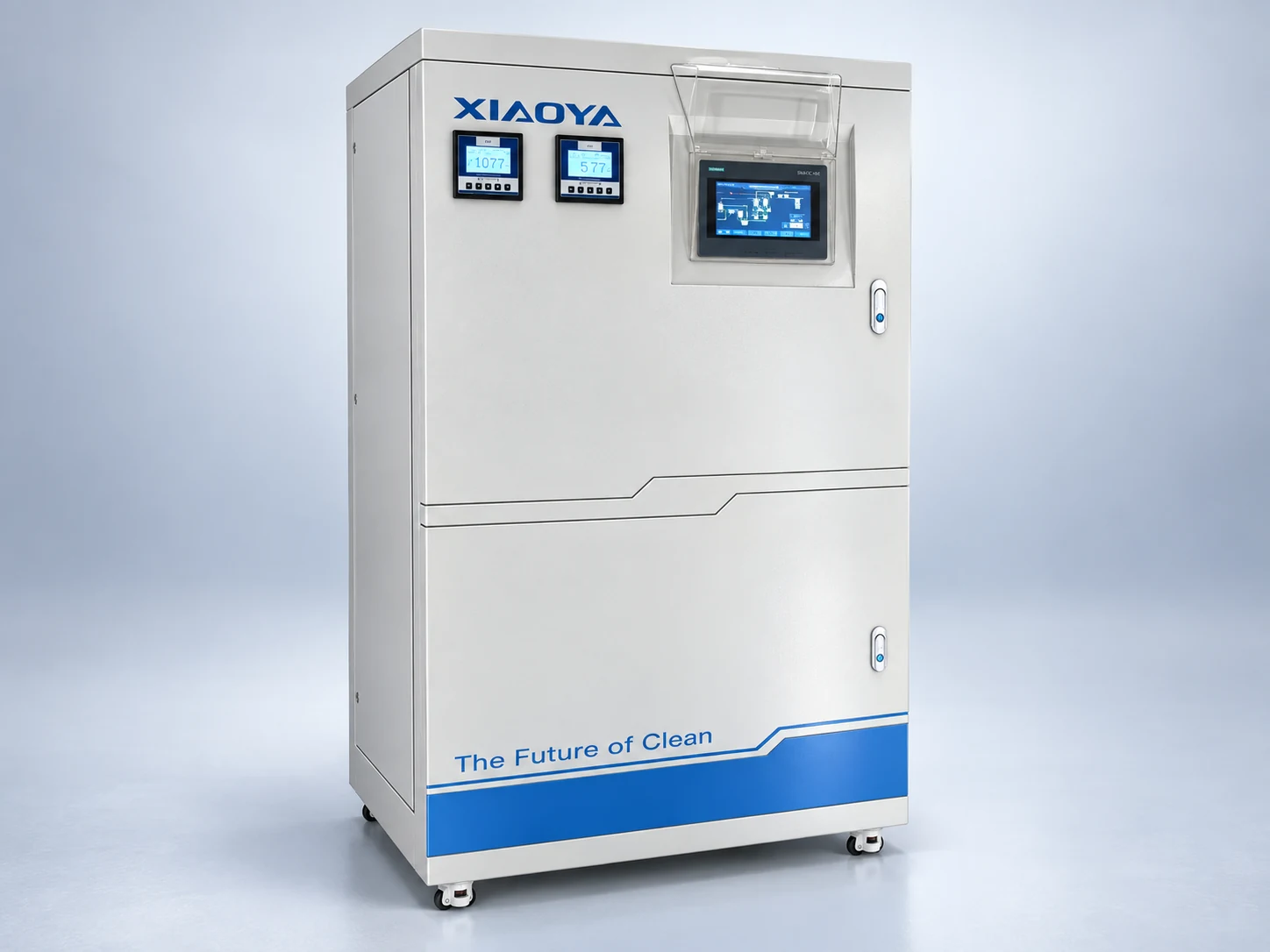
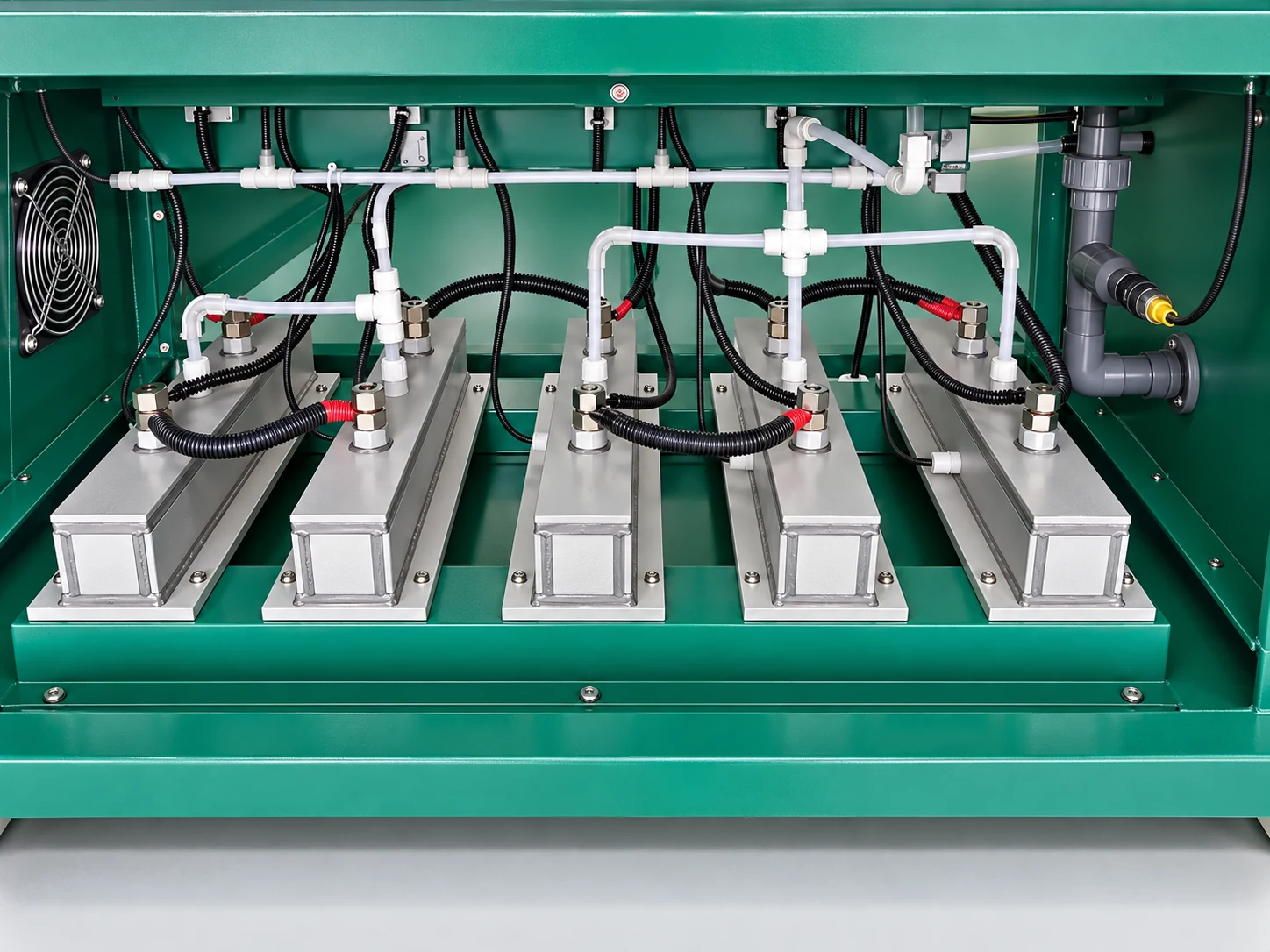
On-site HOCl generator

Compare both families against the feed supply, required output and site conditions. An irrigation label alone does not select a model.

HCl-fed generators Salt-fed generators

Prepare & verify

Water preparation and generated-solution checks

Deliver to the agreed point

Direct supply or justified buffer storage, flow-linked injection and zone control

Monitor & respond

Sampling, alarms and low-flow or off-spec stop arrangements

A water report.
A network sketch.
A clearer proposal.

Send the information you have. Xiaoya Group can help identify the remaining questions for equipment selection and integration.

Water
Source, analysis, seasonal changes and existing pretreatment
Network
Pipe size and length, emitters, zones, peak flow and schedule
Task
Line condition, current cleaning procedure and acceptance objectives
Site
Country, utilities, fertilizer interfaces, crop contact and drainage
One project scope with Xiaoya Group.

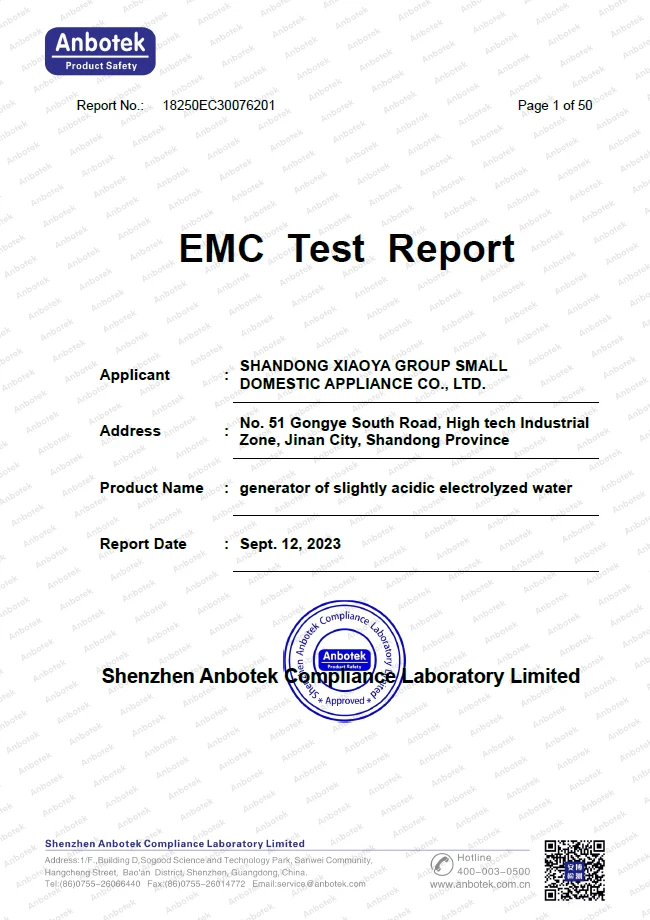
Agree equipment and site responsibilities, factory/site acceptance, commissioning, training and after-sales support before ordering.

Meet Xiaoya Group

Questions before a proposal.

Can HOCl remove an existing heavy biofilm?

Yes, HOCl can penetrate and break down heavy biofilm. It destroys the extracellular matrix of biofilm and kills the bacteria inside. But for thick, aged biofilm, longer contact time is required for best results.Start with an available analysis covering pH, hardness, alkalinity, chloride, iron, manganese, ammonia, organics, temperature and relevant microbiological indicators. Xiaoya can discuss missing information against your application. Our equipment can provide water purification equipment.

Which water data should we provide first?

Start with an available analysis covering pH, hardness, alkalinity, chloride, iron, manganese, ammonia, organics, temperature and relevant microbiological indicators. Xiaoya can discuss missing information against your application. Our equipment can provide water purification equipment.

Can we use the same settings in every zone?

Travel time, flow, materials and demand can differ. Review representative endpoints and define the operating conditions for each zone or group of comparable zones.

What if the system also feeds a hydroponic nutrient loop?

That introduces nutrient compatibility, recirculation and crop-stage questions. Review greenhouse and hydroponic hygiene alongside this irrigation-water assessment.

Show us your water path.

Discuss the water source, line condition and operating schedule with Xiaoya.

Request an irrigation proposal
Back to agriculture & horticulture