





Adapt the configuration.
Describe your available power, installation space, connections and operating demand.
Start with the generator range
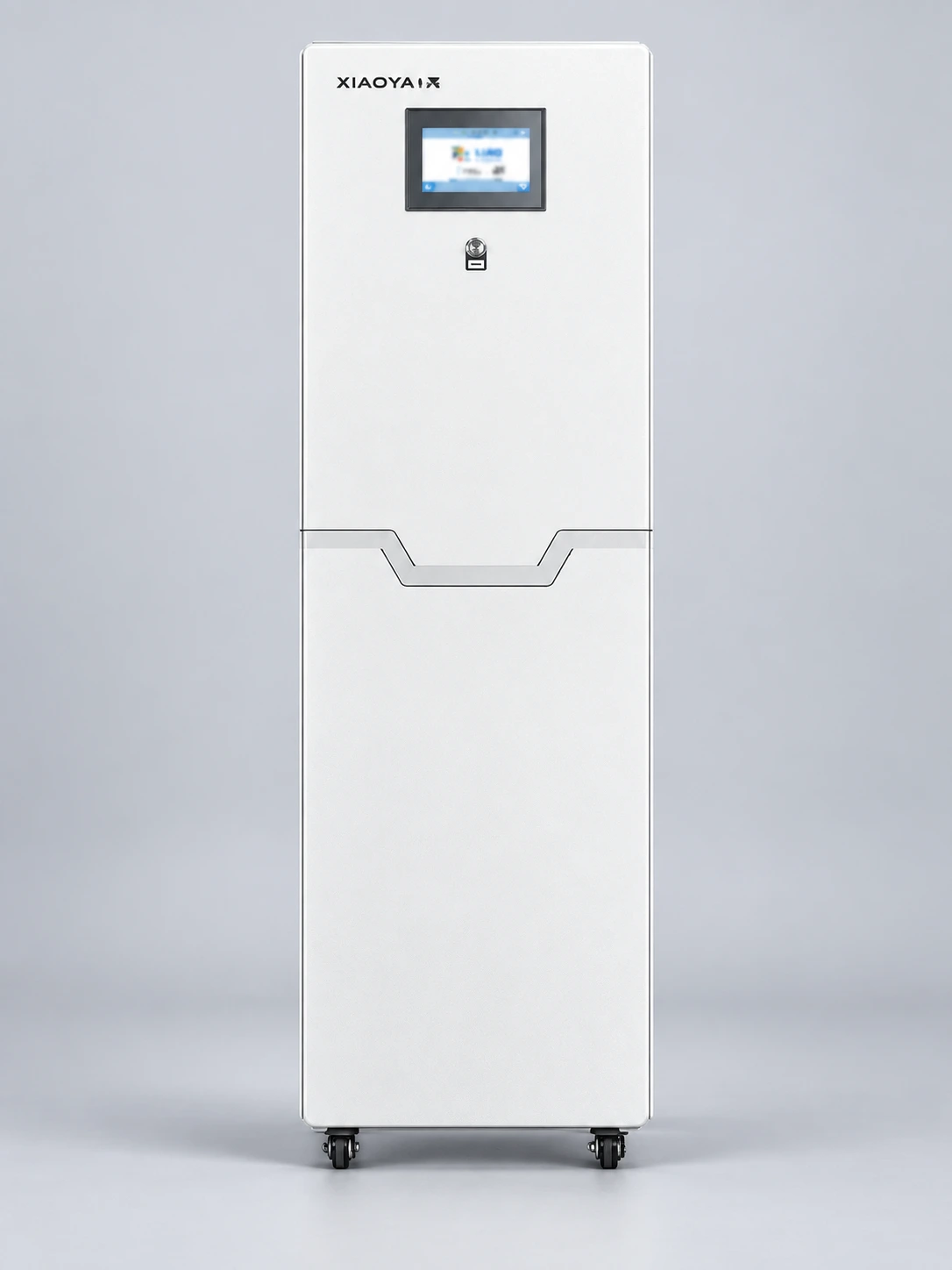
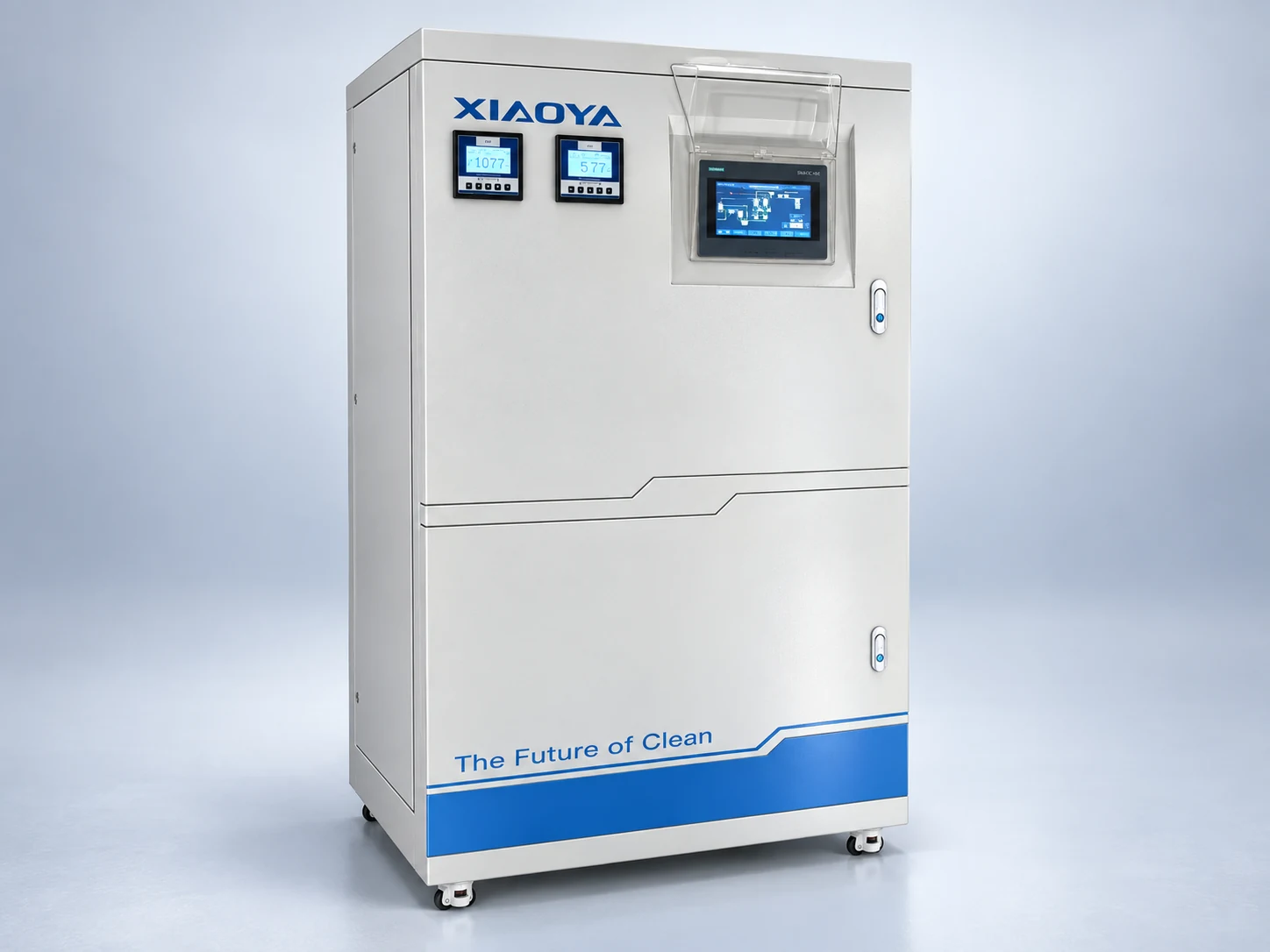
Discuss enclosure, electrical supply, connection and control requirements. Start with a Xiaoya generator configuration and define the changes your project needs.
A site requirement, a brand brief and a control interface lead to different discussions. Tell us what you need to change.
Describe your available power, installation space, connections and operating demand.
Start with the generator rangeShare exterior, logo, nameplate and document-language requirements for review.
Prepare your brand requirementsIdentify the site controller, required signals and the team responsible for integration.
Review control interfacesXiaoya’s technical responses describe adjustments to enclosures, connections, electrical supply and controls. The selected equipment defines what can be offered.
Use these four steps to structure the discussion, with open questions identified before equipment is ordered.
Application, destination, output, site conditions and the change you want.
Starting point: project briefCompare an existing generator with the changes and interfaces requested.
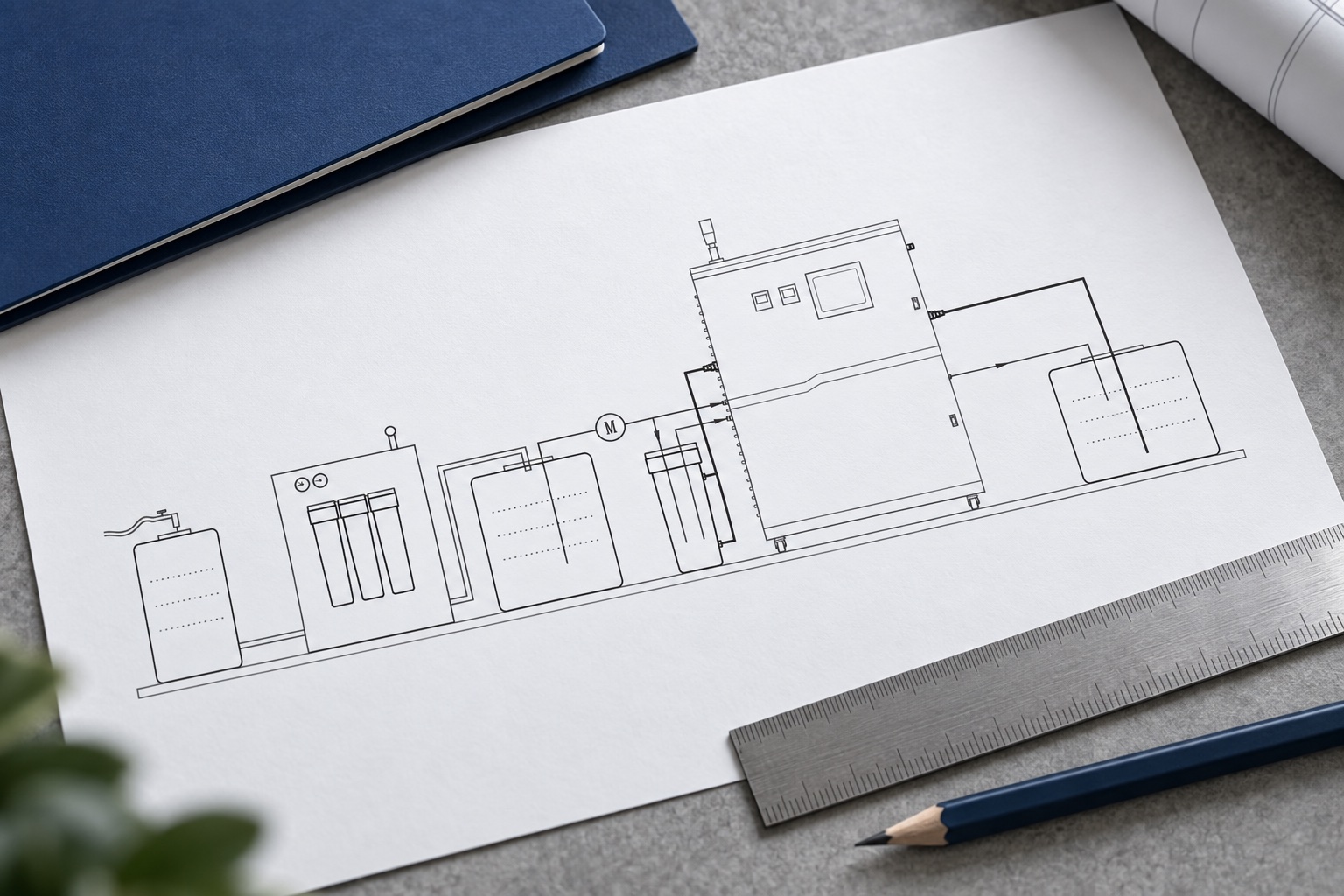
Review: feasibility & open itemsSeparate equipment, options, site work and the factory checks needed for the project.
Proposal: scope & checksConfirm price, documents, timing and responsibilities for the accepted scope.
Agreement: delivery basisA procurement discussion pathway. Detailed engineering, testing and delivery arrangements are agreed for each project.
Generator configuration, listed accessories, connection information and agreed operator documents.
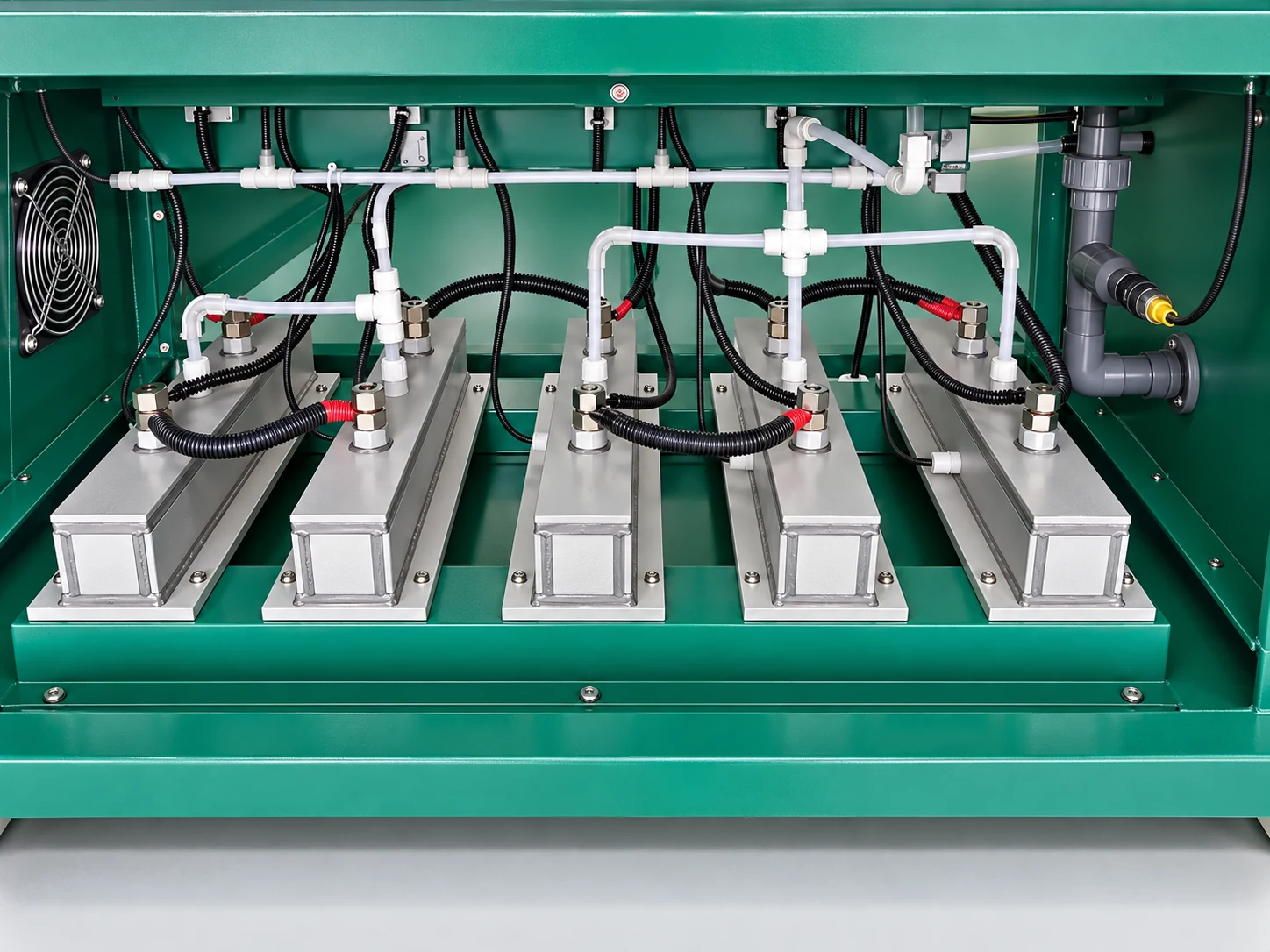
Match to the equipment quotation.Exterior requirements, electrical variants, instruments, control interfaces and additional engineering.
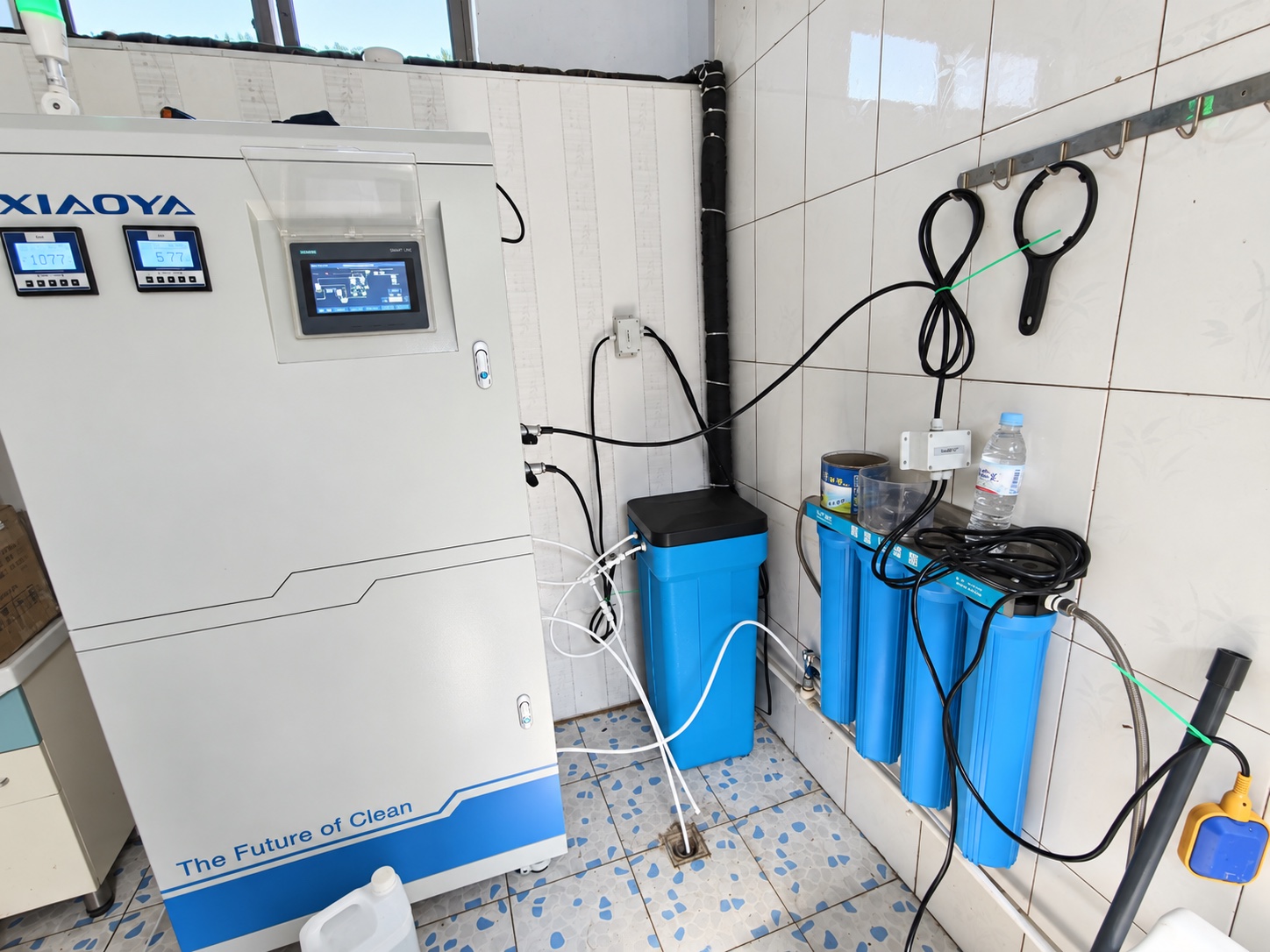
Identify the accepted changes and costs.Utilities, local installation, existing process equipment and the site integration team.
Assign installation and interface responsibilities.Start with your requirements. Xiaoya Group will discuss the equipment and scope relevant to your project.
Share voltage and frequency separately. Xiaoya’s technical responses describe voltage options; the selected model and destination supply need to be checked together.
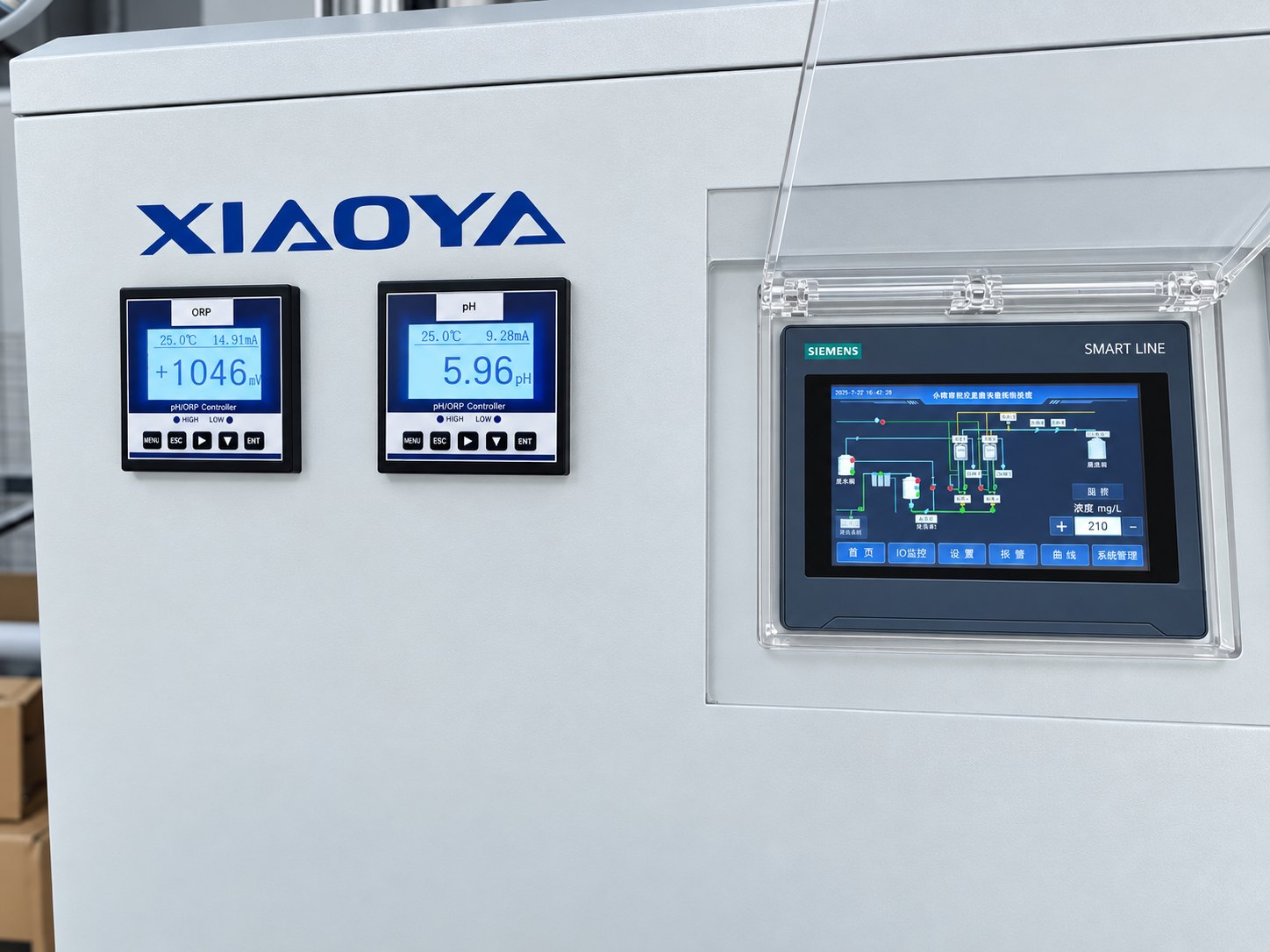
Control integration can be discussed for the proposed configuration. Send required signals, protocol and operating sequence; no protocol should be assumed from a controller brand alone. Review integration requirements.
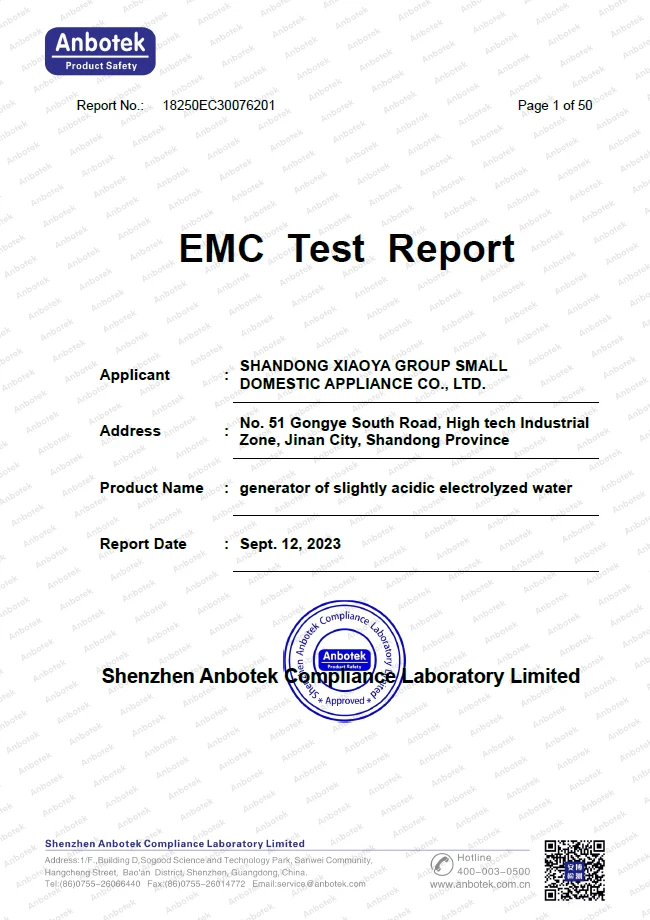
Yes. Share logo, exterior, nameplate and documentation requirements. Quantities, costs and the responsibilities for the branded equipment need agreement. A brand change does not automatically extend a certificate’s scope. .
The base equipment, changes, order quantity, engineering work and required checks determine the quotation. Submit your desired schedule for review; a custom request is not a fixed-price or fixed-lead-time offer.
A model number is useful, but not essential. Begin with your application, required output and the changes you have in mind.
Discuss My Custom Project