
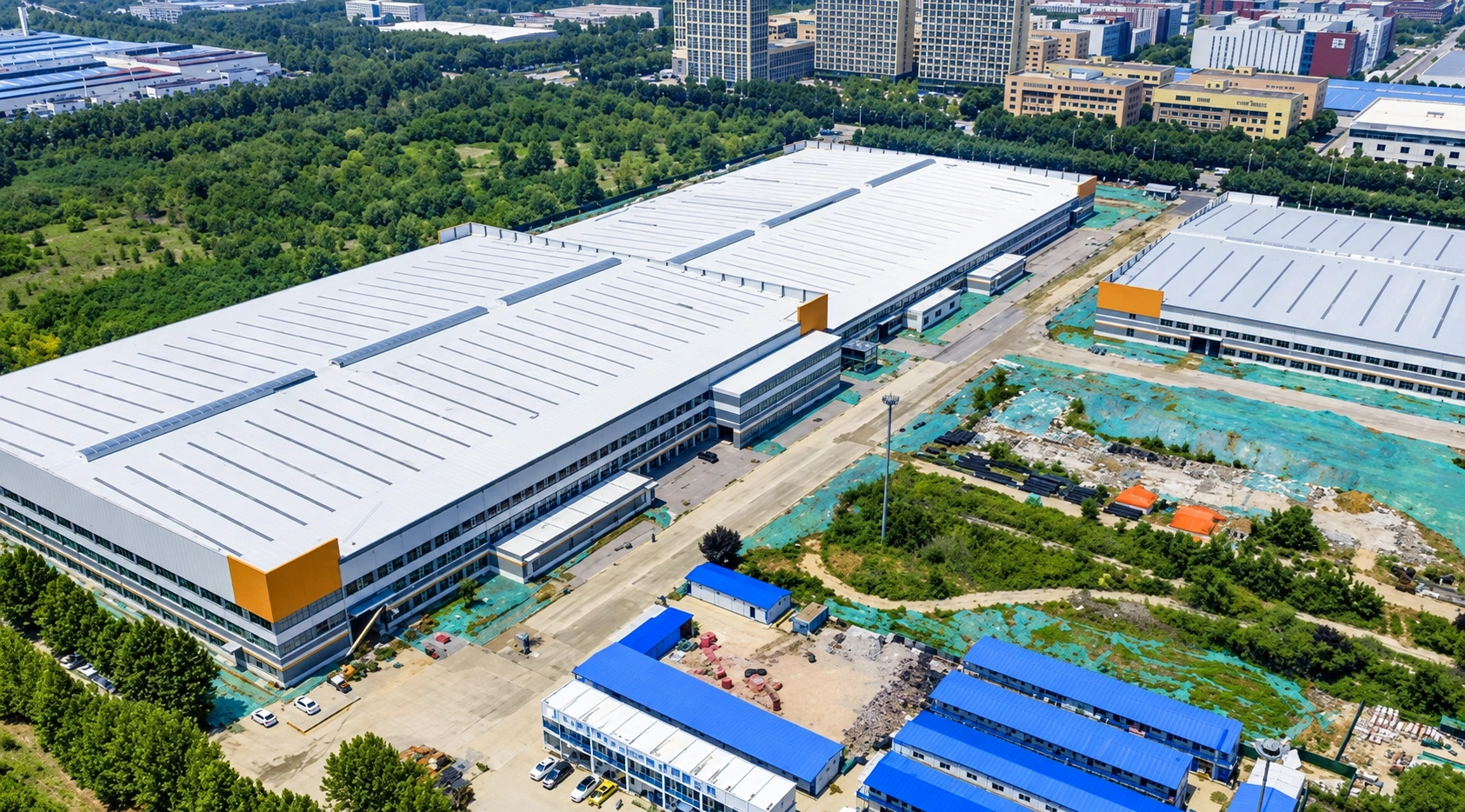
Higher-flow projects
60–120 L/hDiscuss demand, concentration, operating schedule and site integration.
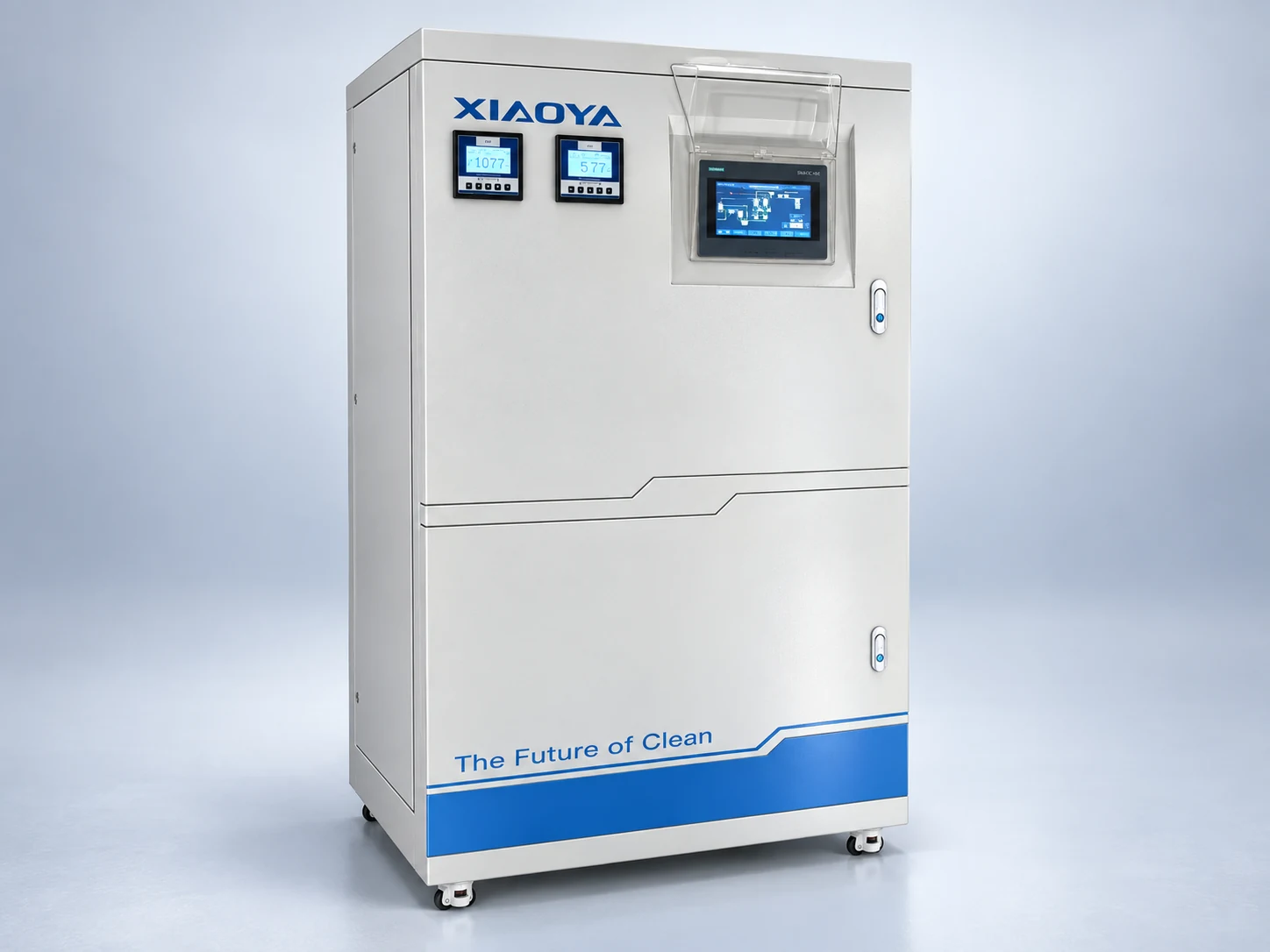
View AQ-P100-4GExplore Xiaoya’s HCl-fed generators, from AQ-P100 configurations to larger equipment and tailored production systems.
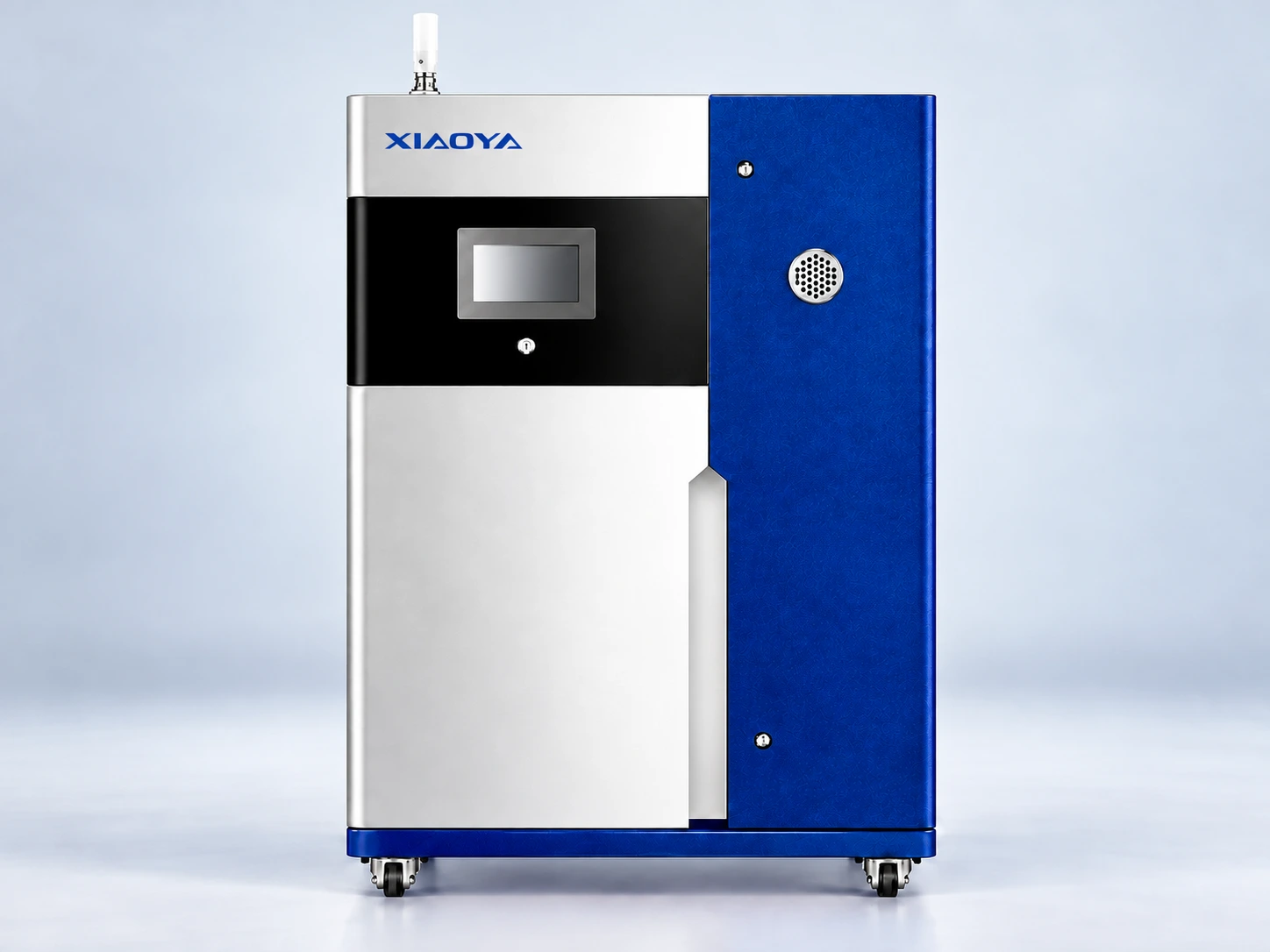
Discuss demand, concentration, operating schedule and site integration.
View AQ-P100-4GA named model for larger output requirements. Review the intended operating point.
View AQ-P100-4GA, W and M configurations have different cabinet and output-quality specifications.
View AQ-P100-4GAQ-P100 and AQ-P100-4G. Compare cabinet dimensions, feed tank and control options.
View AQ-P100-4GOutput references guide the initial discussion. The final equipment depends on the required concentration and operating conditions.
Compare individual configurations. A shared series name does not mean identical output quality, dimensions or feed capacity.
Swipe across to compare all specifications.
| Model | Output (L/h) | Available chlorine (ppm) | Rated power (W) | Cabinet dimensions (mm) |
|---|---|---|---|---|
| AQ-P100 | 60–120 | 10–80 | 170 | 300 × 200 × 460 |
| AQ-P100-4G | 60–120 | 10–80 | 170 | 500 × 380 × 190 |
| AQ-P300-A | 120–300 | 10–200 | 420 | 500 × 510 × 1500 |
| AQ-P300-W | 120–300 | 10–200 | 420 | 390 × 340 × 910 |
| AQ-P300-M | 300 | 40–80 | 420 | 420 × 280 × 625 |
| AQ-P1000 | ≥1000 | 100–200 | 2100 | 900 × 700 × 1400 |
Flow and concentration ranges are not a guarantee that both maximum values occur together. Confirm the required operating point and water conditions in the proposal.
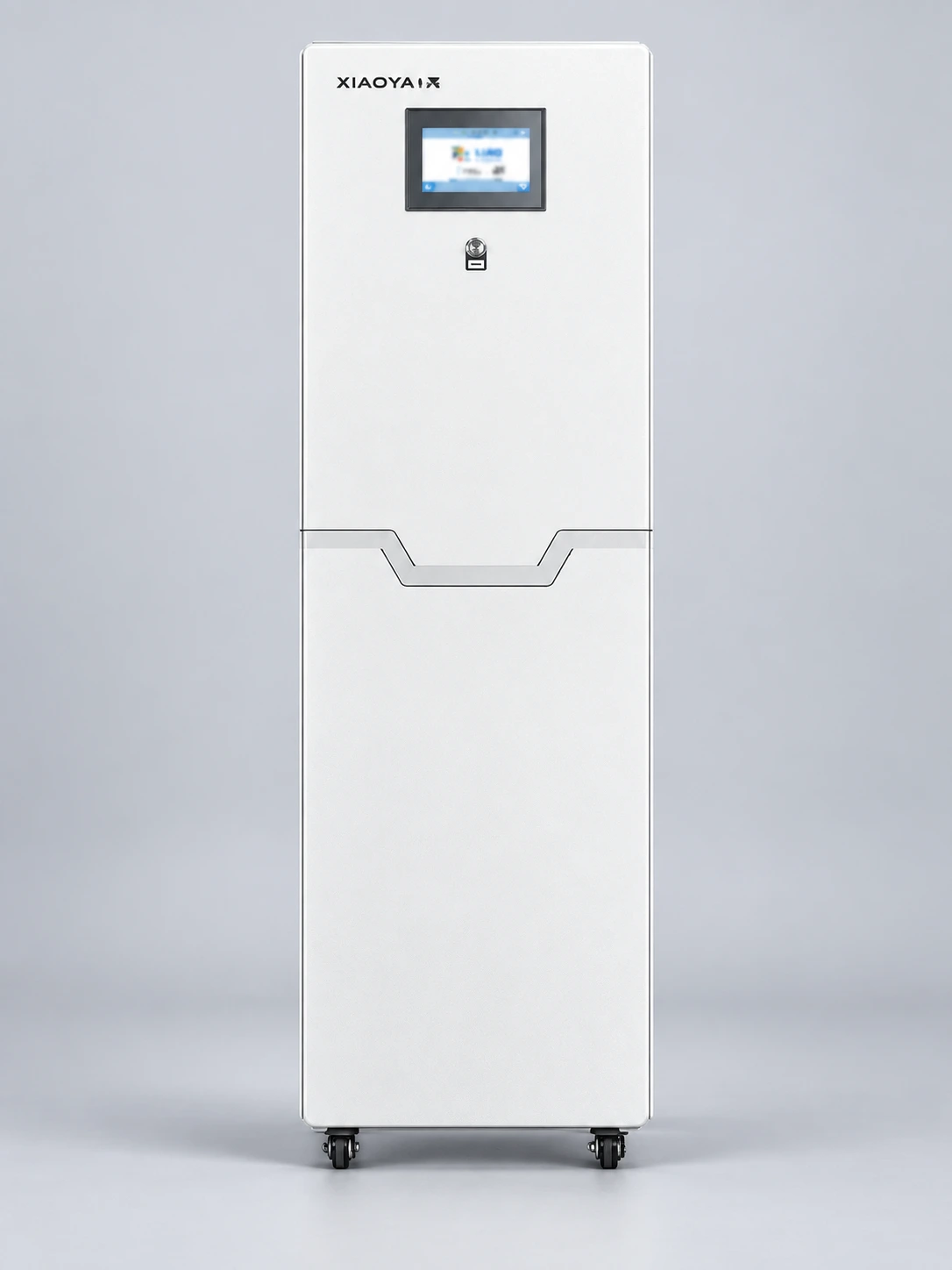
The A and W references share an output range, but their cabinet dimensions differ. The M reference lists a narrower available-chlorine range and a different feed-tank capacity.
Share source-water quality, pressure and temperature. Final pH depends on water and the equipment operating conditions.
Agree the dilute hydrochloric acid feed specification, replenishment procedure and local handling arrangements.
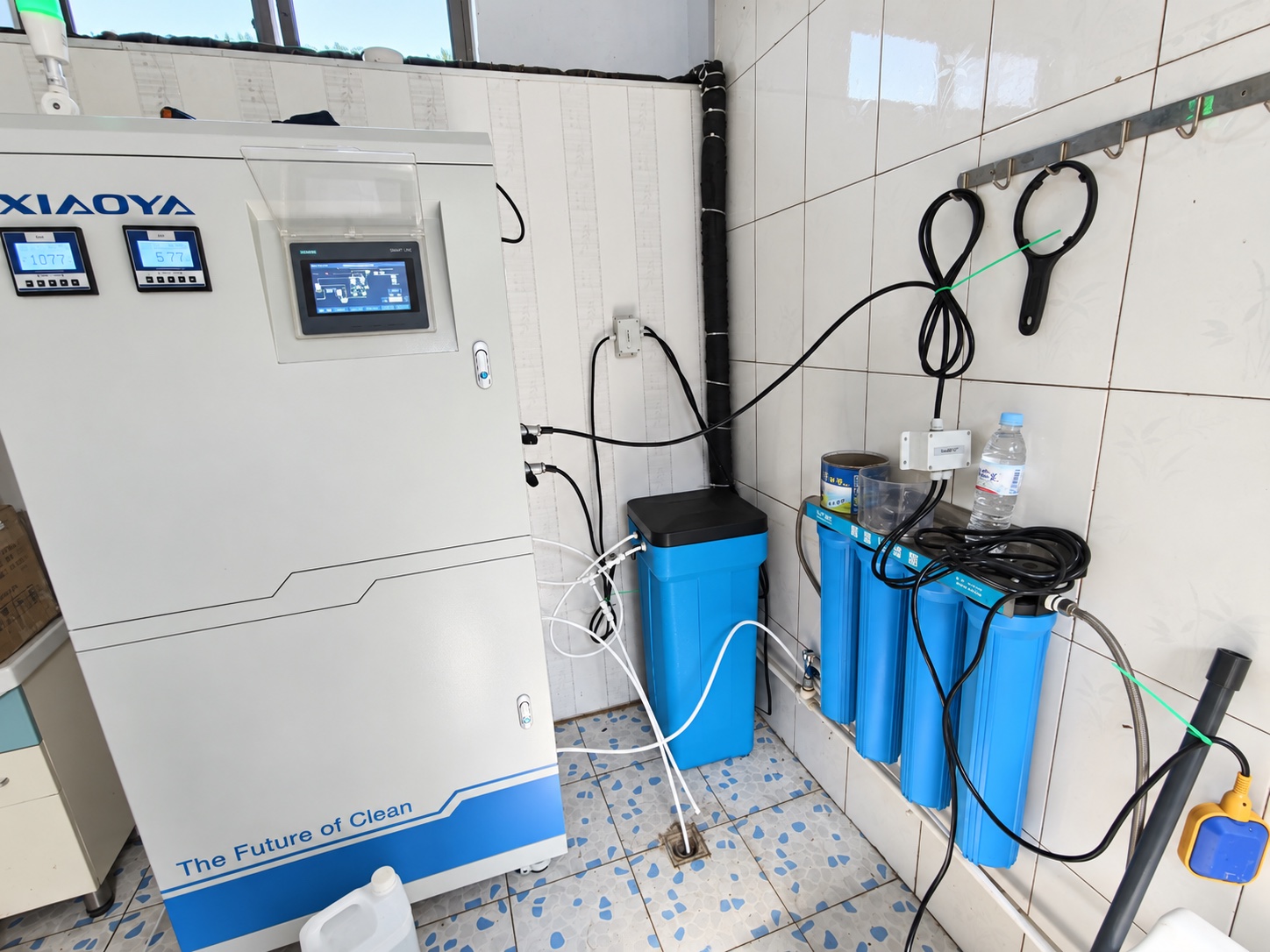
Confirm destination voltage, frequency, installation space, drainage and any storage or delivery equipment.
Discuss required alarms, cleaning and replacement parts for the selected model. Remote connectivity is an option to review for the destination network, not a universal standard feature.
1–12 t/h
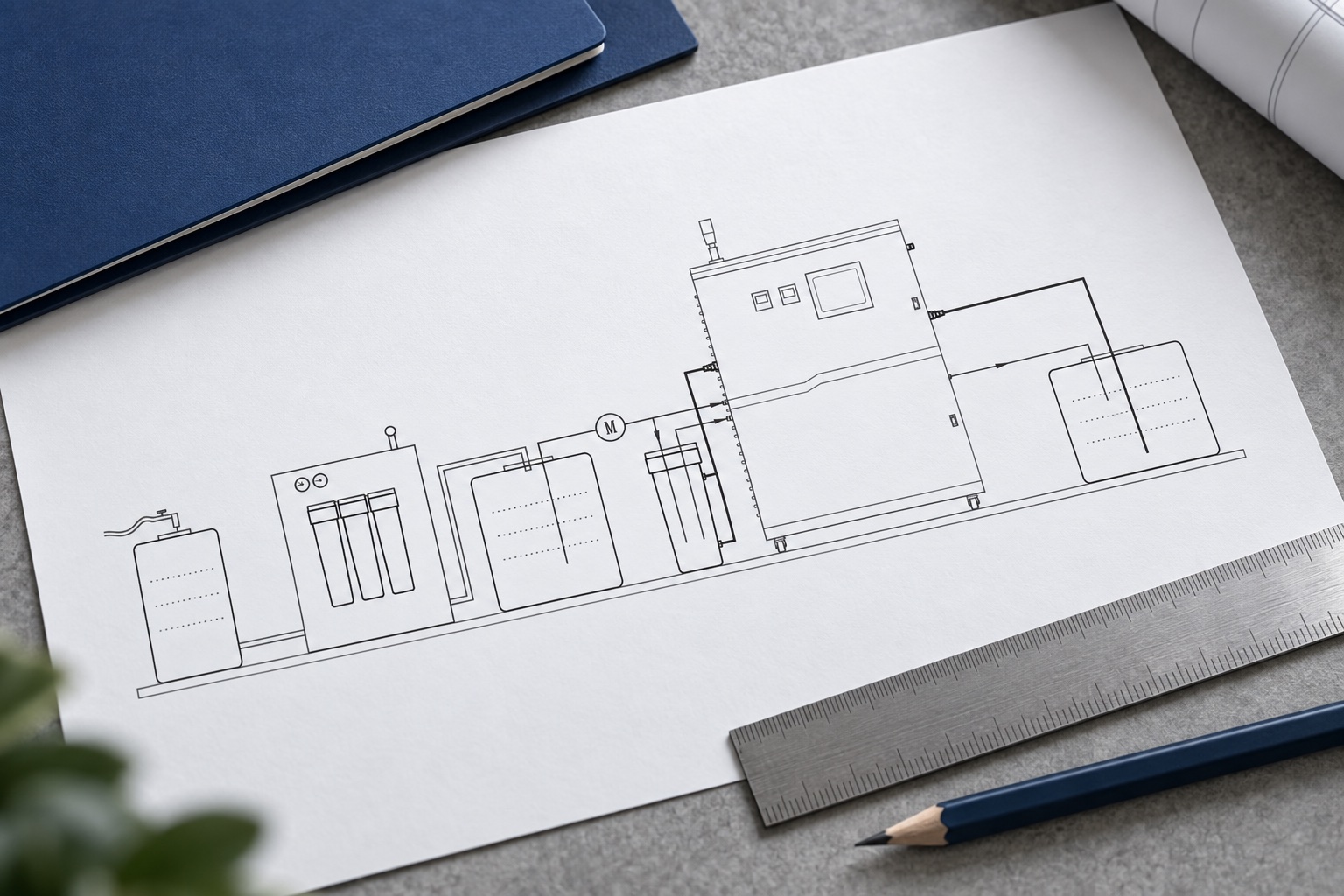
Xiaoya can determine the configuration of the hypochlorous acid generator based on your usage scenario.
Compare high-flow dimensions and rated power ↗
Choose from output configurations of 1, 2, 3, 4, 6, 9 and 12 t/h. We match the generator to your required flow, concentration and operating schedule.
AQ-P1000 is a named model; a custom system may overlap its output while using a different configuration or supply scope.
Discuss higher-flow requirementsAsk for the proposed equipment list, layout, utility requirements, operating instructions and agreed inspection records. Confirm generator, storage, dosing and customer-side responsibilities before ordering.
Explore Xiaoya’s manufacturing backgroundNo. This equipment uses a hydrochloric-acid-based feed to generate hypochlorous acid solution. It is not equipment for manufacturing hydrochloric acid.
Custom pH configurations from 2 to 12 can be evaluated according to your application. Tell us your target pH and water conditions so our technical team can define a suitable system.
The AQ-P100-4G reference lists remote control as an option. Confirm the configuration, mobile-network compatibility and availability for the destination.
Flow is only one input. Include available-chlorine concentration, daily demand, operating hours, water conditions and delivery to the use point.
The core difference is that our salt based HOCl generator converts chloride ions in neutral salts into hypochlorous acid through electrolysis. The hydrochloric acid type uses dilute hydrochloric acid as the raw material. Although the final active disinfectant (HOCl) is the same, there are significant differences between them in terms of raw material safety, storage requirements, and applicable industries.
Start with the application, output requirement and destination.