
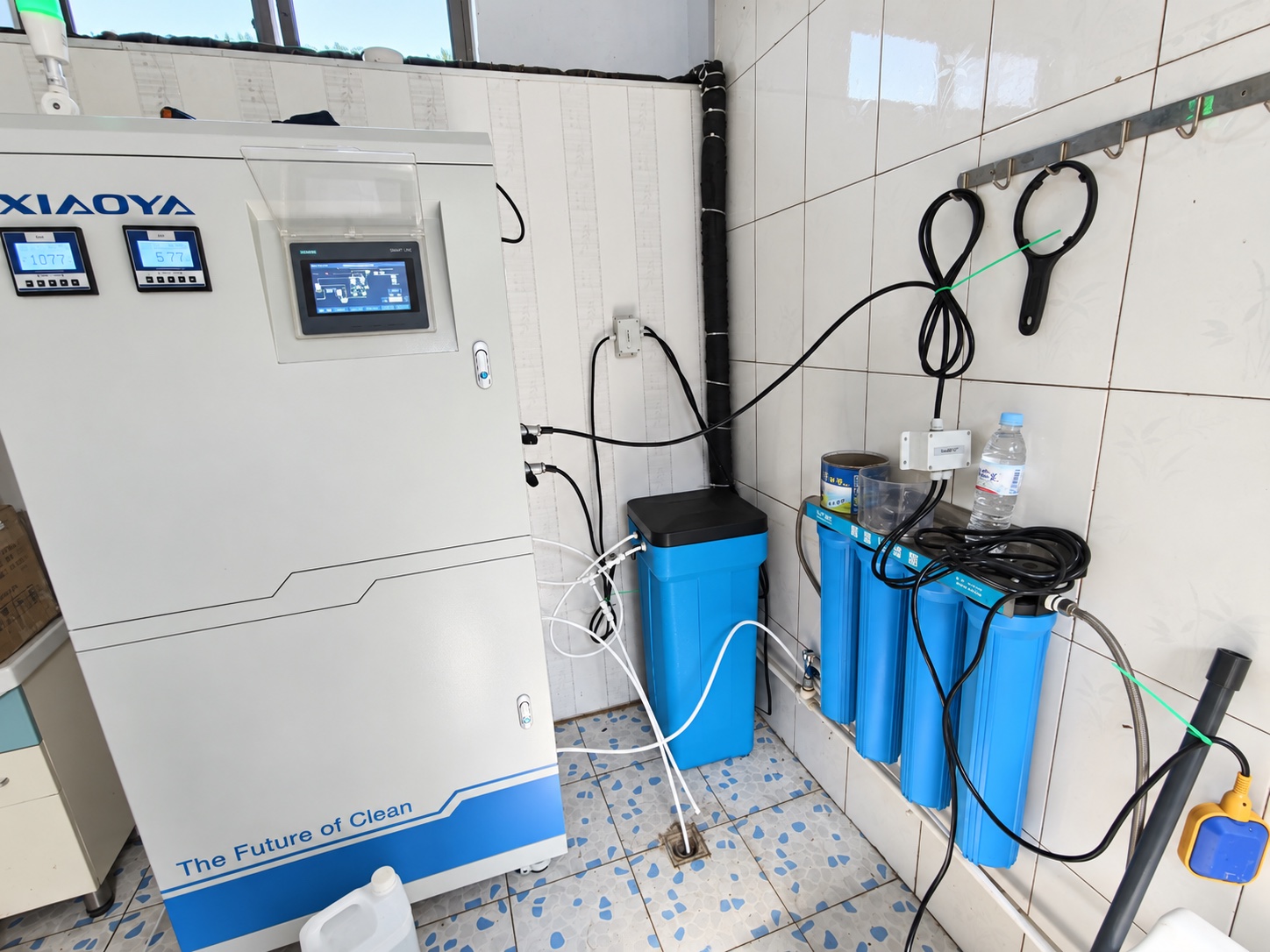
The selected task
Specify the surface, location and the cleaning or disinfection step being considered. Not every surface needs the same treatment.

XIAOYA / HEALTHCARE FACILITIES
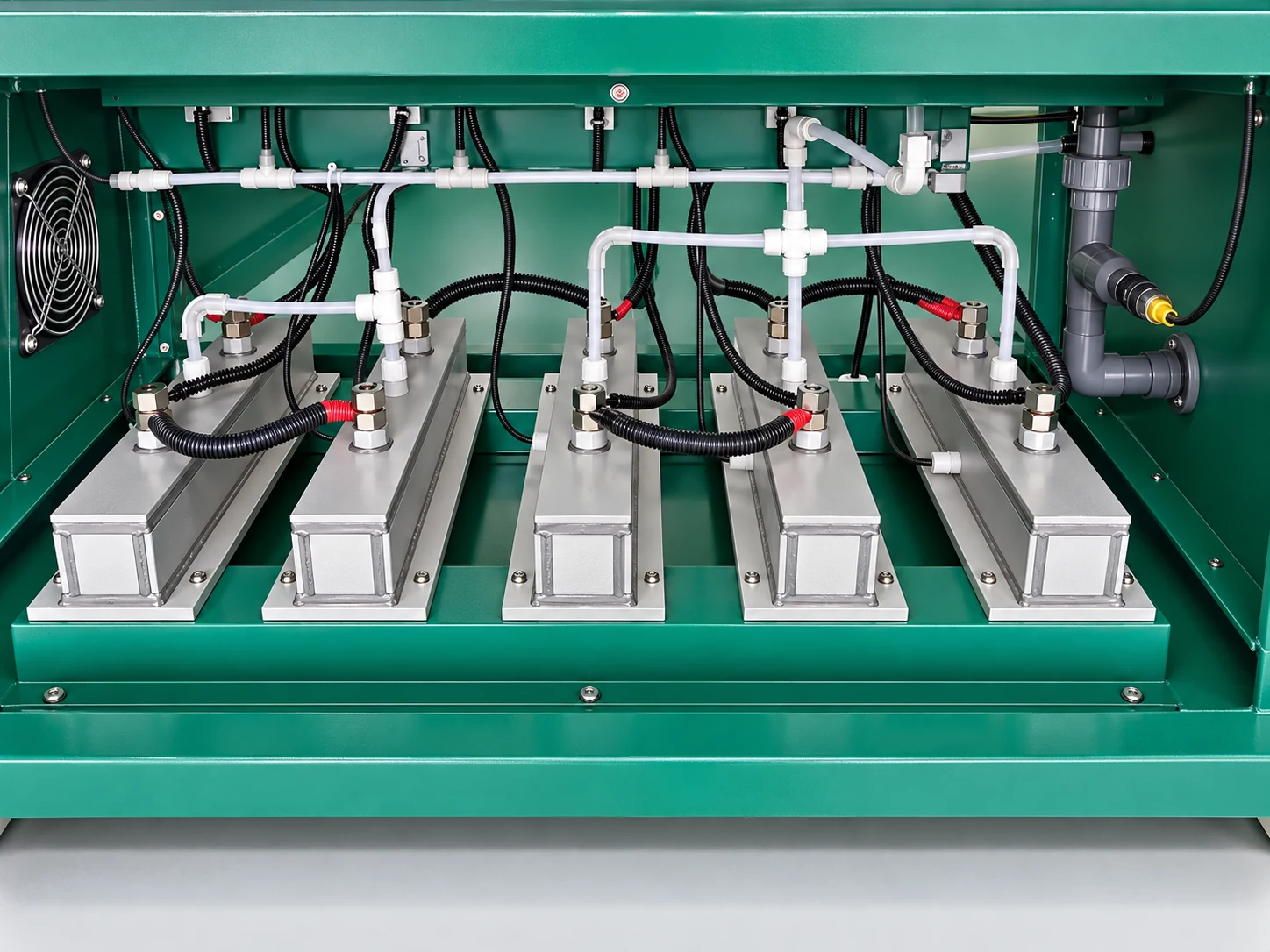
Plan on-site generation around your facility’s approved surface-hygiene programme. Align output, collection points and quality checks with the way your team works.
Equipment planning for environmental surfaces. Intended uses and methods require facility review and applicable local authorization.
01 / DEFINE THE TASK
A hospital contains different materials, activities and risk levels. Identify the environmental surfaces selected for an HOCl evaluation before defining equipment capacity.
Specify the surface, location and the cleaning or disinfection step being considered. Not every surface needs the same treatment.
Share required product characteristics, application method and contact conditions. Generation does not replace cleaning or the approved disinfection procedure.
Check compatibility with surface manufacturer instructions, including coatings, seals and electronics where relevant.
Include environmental services, infection prevention and control, and facilities engineering in the discussion.
02 / MATCH THE WORKING DAY
Routine rounds create recurring demand. Discharge cleaning can add less predictable peaks. Scheduled tasks may need a different collection window.
Identify tasks, teams, shift overlaps and expected solution demand.
Define output specifications, sampling points and equipment acceptance checks.
Agree containers, identification, transport and holding arrangements.
Apply the facility-approved method and keep the records required by your procedure.
Planning workflow only. Cleaning frequency and clinical procedures remain governed by the facility’s programme.
Review Generator Sizing03 / PLAN THE COLLECTION ROUTE
Review travel distance, collection peaks and who checks the solution at each stage.
A designated preparation area can concentrate operation and checks. Review cart access, travel distance and simultaneous collections at the start of a shift.
Where travel distances are significant, assess additional collection points. Define supply method, holding conditions, identification and checking responsibilities. Additional points do not automatically mean a piped network.

04 / DEFINE THE CHECKS
Your facility team reviews intended use, local requirements, compatible surfaces, method and the evidence needed before adoption.
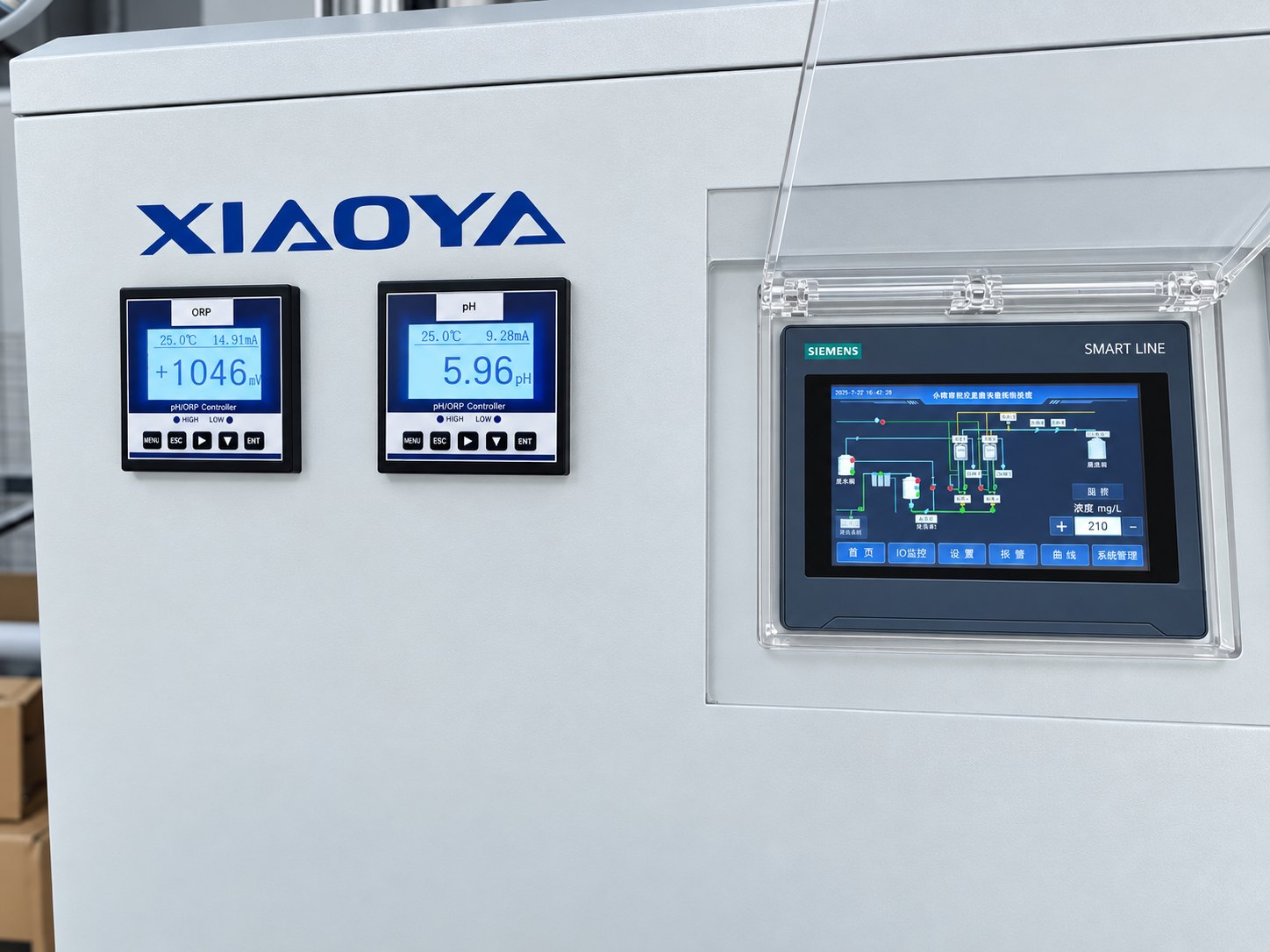
Discuss output flow, FAC and pH at the proposed operating conditions with Xiaoya. Include water preparation, feed, operating hours and monitoring options.
Define sampling locations, holding limits, records and responses to out-of-specification results. An outlet reading alone does not establish surface-disinfection performance.
Agree operator guidance, maintenance and backup supply. Review the arrangement with the relevant facility teams before routine service.
05 / FROM REQUIREMENTS TO EQUIPMENT
A healthcare setting alone does not determine the model. Start with the agreed task, solution requirements, peak demand and site conditions.
Review output, dilute-acid feed specification and local handling arrangements.
Review salt and water preparation, operating needs and the proposed system scope.
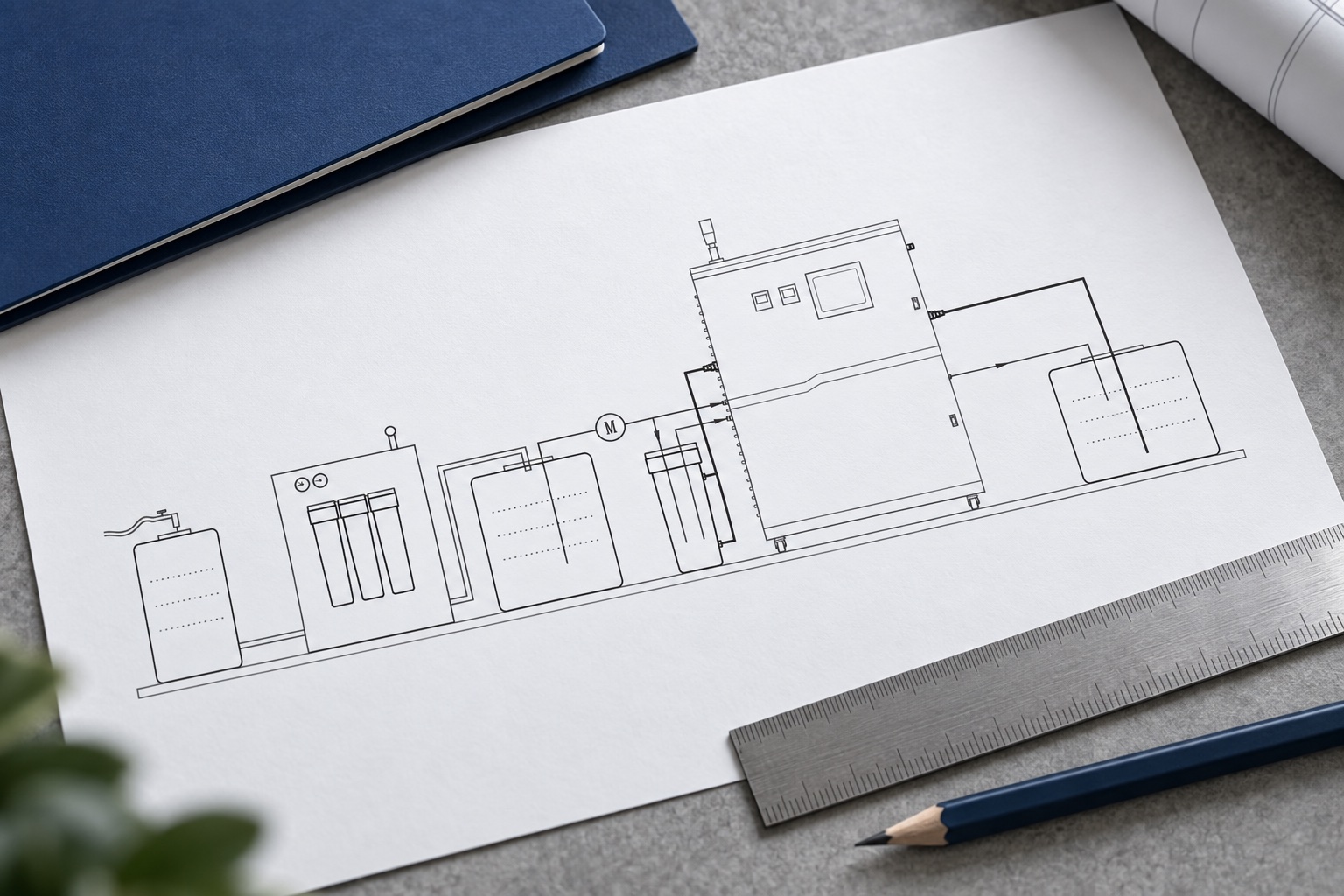
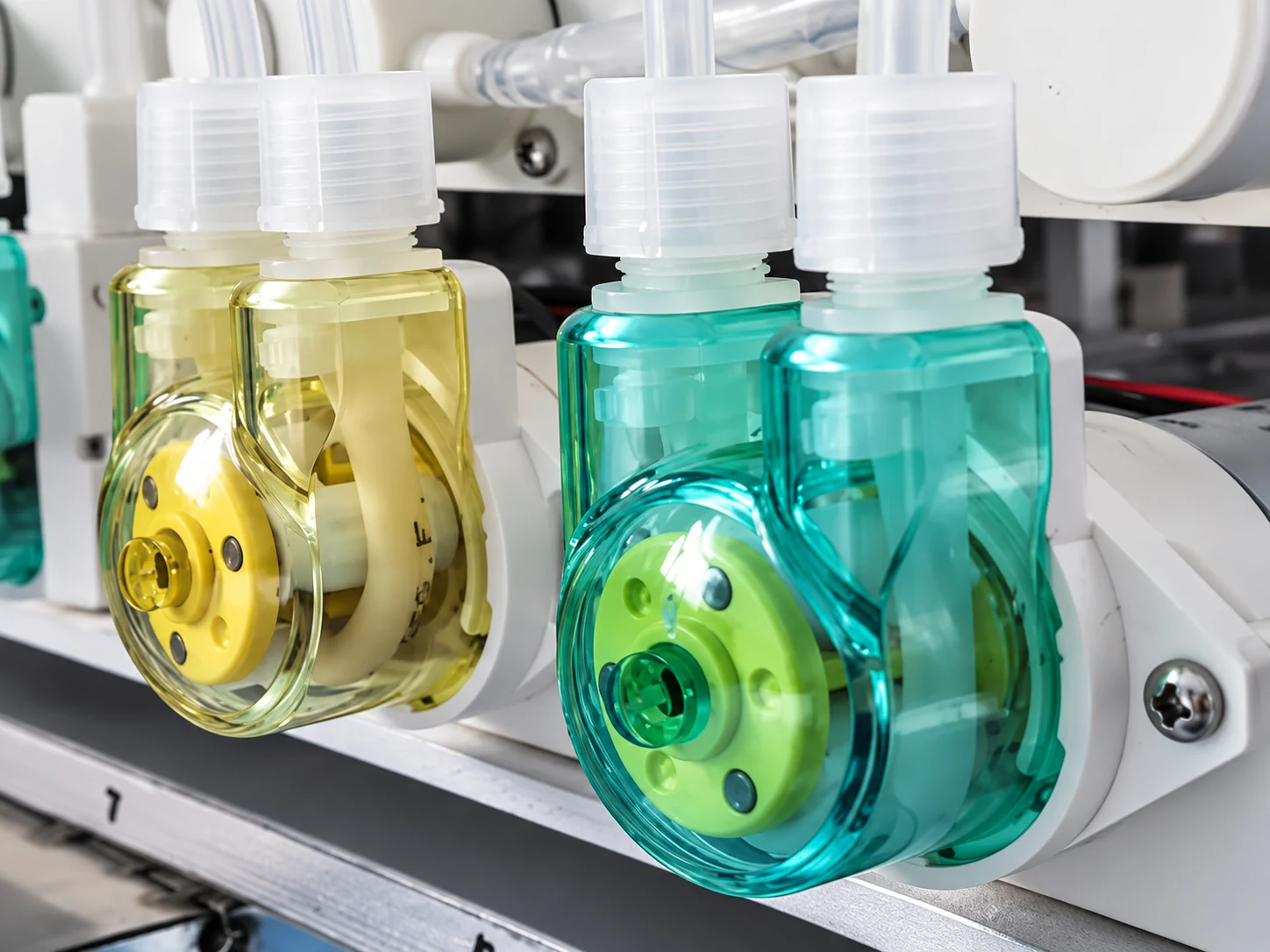
Coordinate treatment, storage, pumps, collection arrangements and controls as required.
PLAN YOUR FACILITY SUPPLY
Share your country, facility type, selected surface tasks and current cleaning arrangements. Add approximate demand, collection times and utilities if known.
Discuss Your Facility RequirementsXiaoya Group can discuss the generator and supporting equipment. Include the facility team responsible for reviewing the intended use.