


Output at the point of generation
Required flow and target available-chlorine concentration, stated together. Include the intended application.
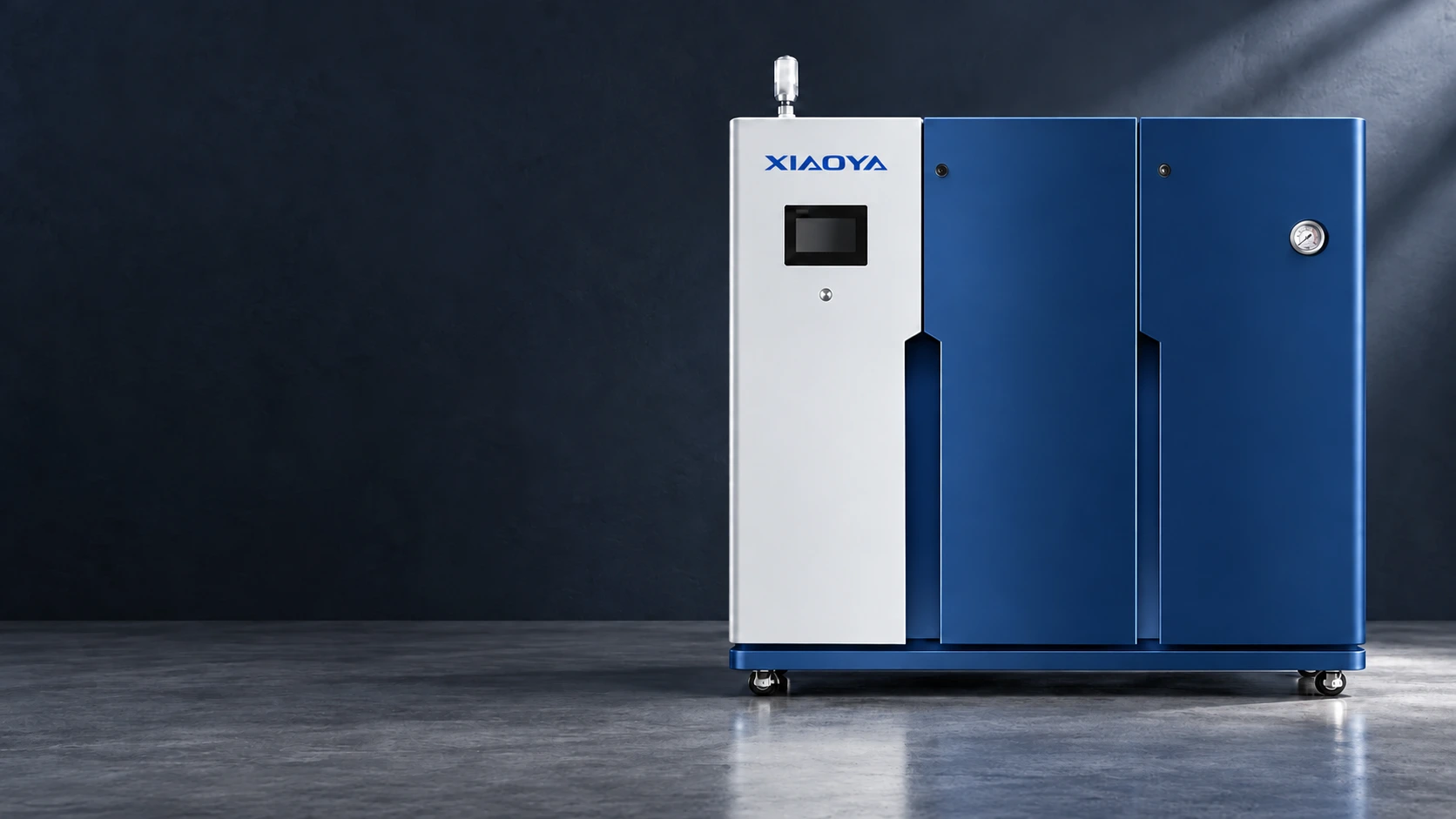
XIAOYA / PROJECT CONFIGURATIONS
Bring your required flow.
Define the concentration.
Build the right configuration.
01 / CONFIGURATION REFERENCES
We offer seven output configurations. Compare equipment dimensions and rated power, then confirm the operating point for your project.
Swipe across the table to view all specifications.
| Output reference | Listed dimensions mm | Rated power kW | Operating power W |
|---|---|---|---|
| 1 t/h | 900 × 700 × 1400 | 2.1 | 500 |
| 2 t/h | 900 × 700 × 1400 | 2.1 | 700 |
| 3 t/h | 1200 × 700 × 1600 | 2.1 | 1200 |
| 4 t/h | 1200 × 700 × 1600 | 3.0 | 1350 |
| 6 t/h | 1200 × 700 × 1600 | 4.2 | 1900 |
| 9 t/h | 1750 × 700 × 2400 | 5.0 | 3150 |
| 12 t/h | 1800 × 1000 × 2800 | 5.0 | 3780 |
Confirm each output together with its concentration, feed conditions and operating schedule.
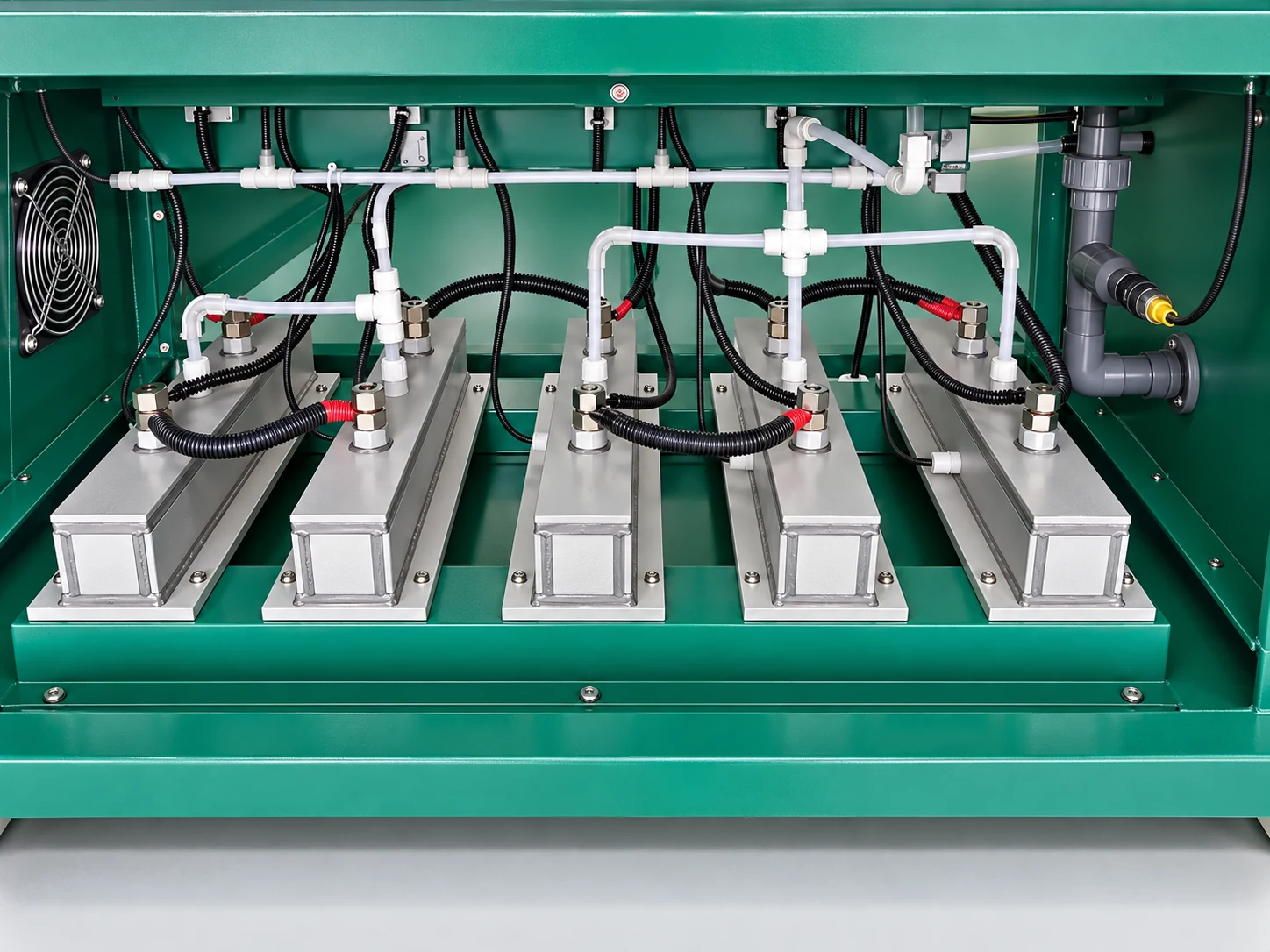
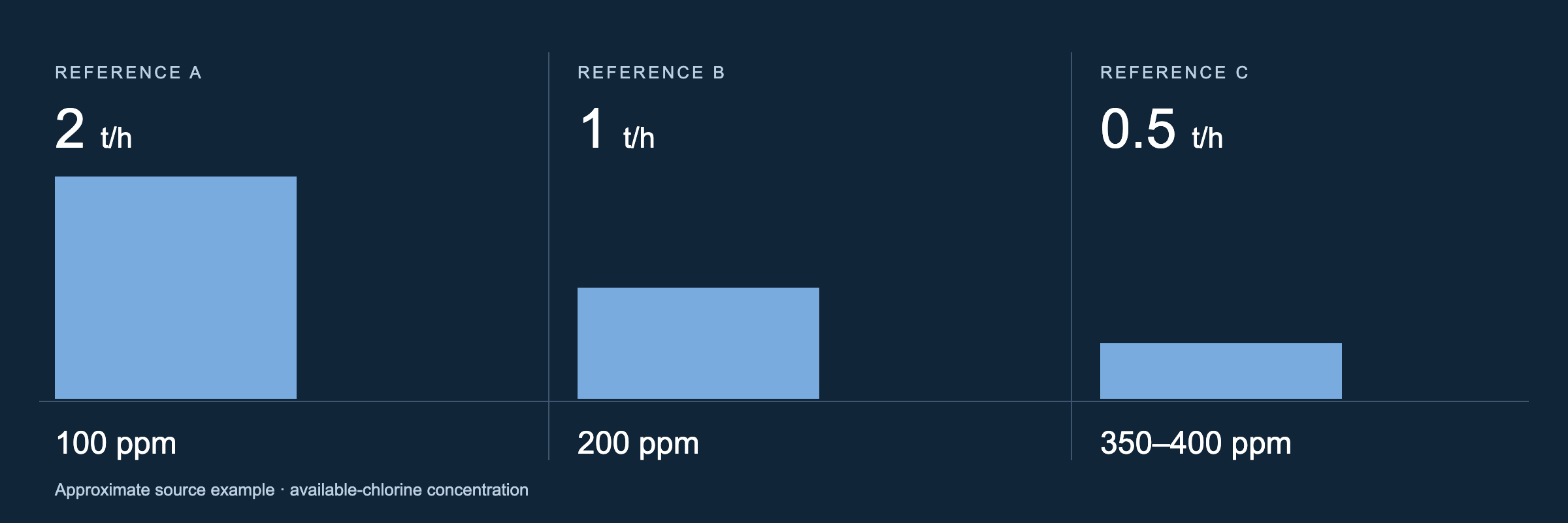
Note: 2 tons, 100ppm is approximately equal to 1 ton 200ppm, 0.5 tons 350-400ppm; The higher the concentration, the additional electrolytic cells that need to be compensated for need to be added. But the larger the electrolytic cell, the better the heating effect, the larger the allowed high current, and the higher the chlorine production, considering all factors. *Specific parameters are mainly customized according to the plan!
02 / FLOW + CONCENTRATION
A higher concentration can change the available flow and the electrolyzer configuration. A capacity number alone does not define the equipment you need.
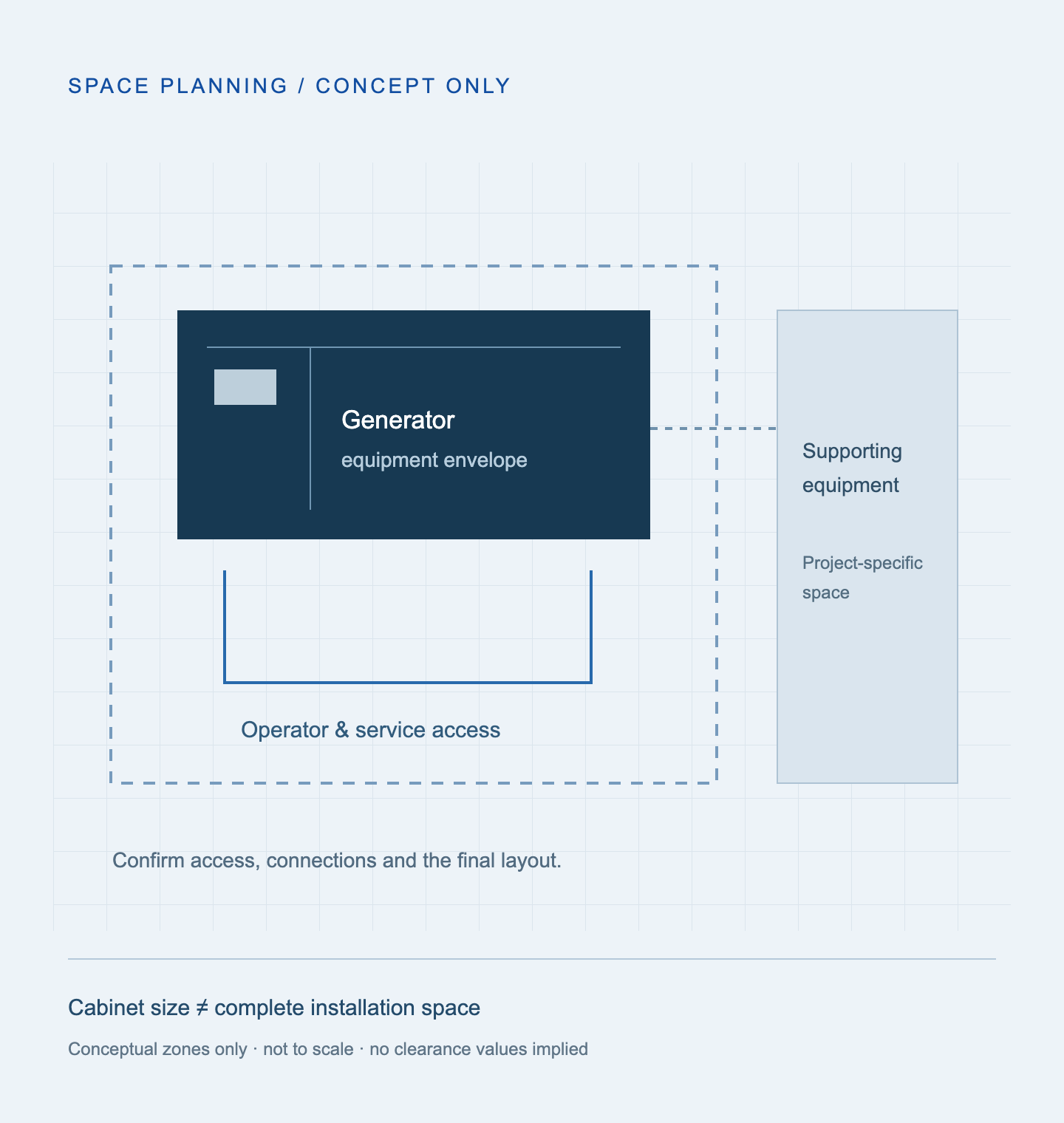
03 / EQUIPMENT & SITE SPACE
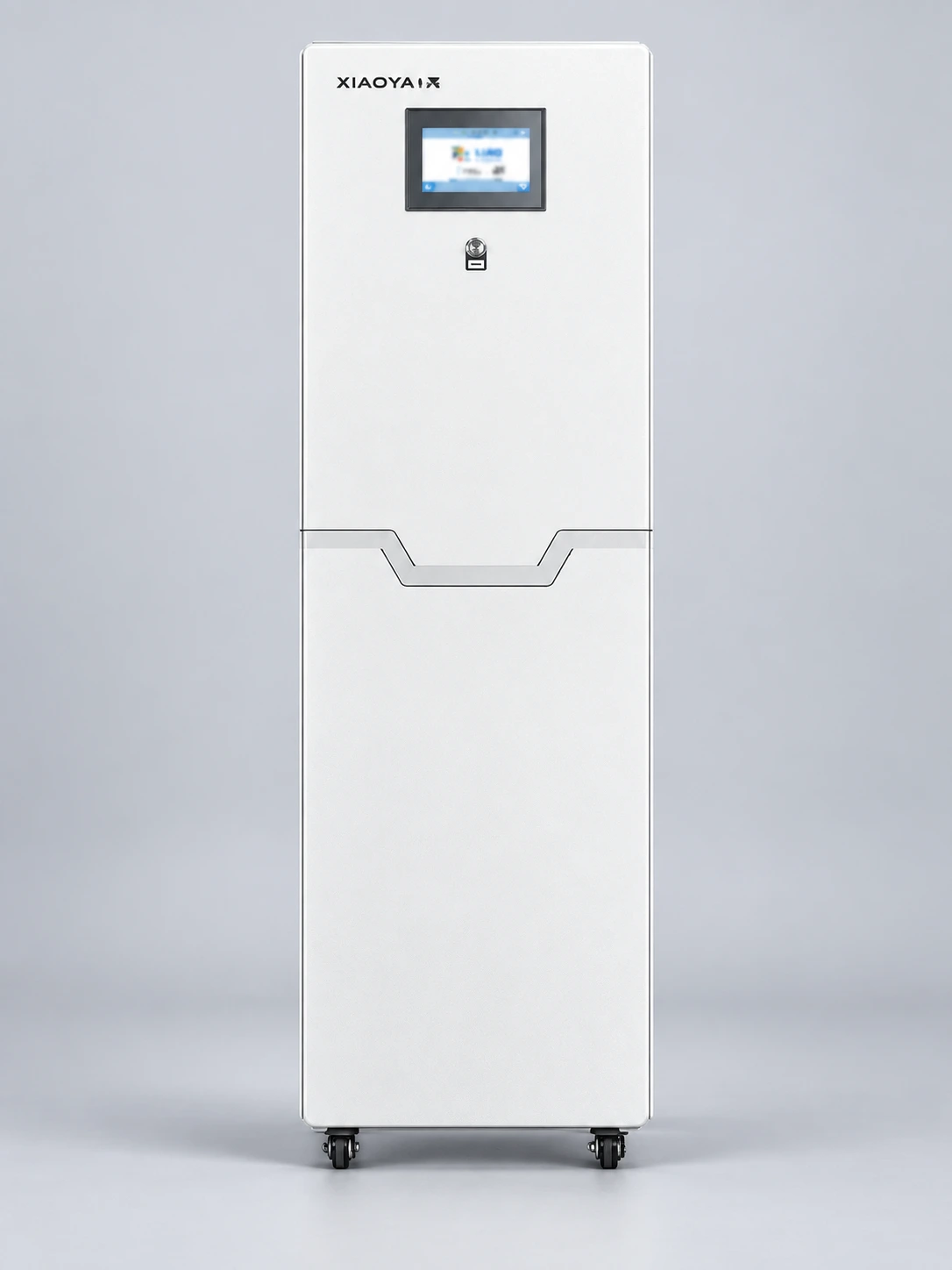
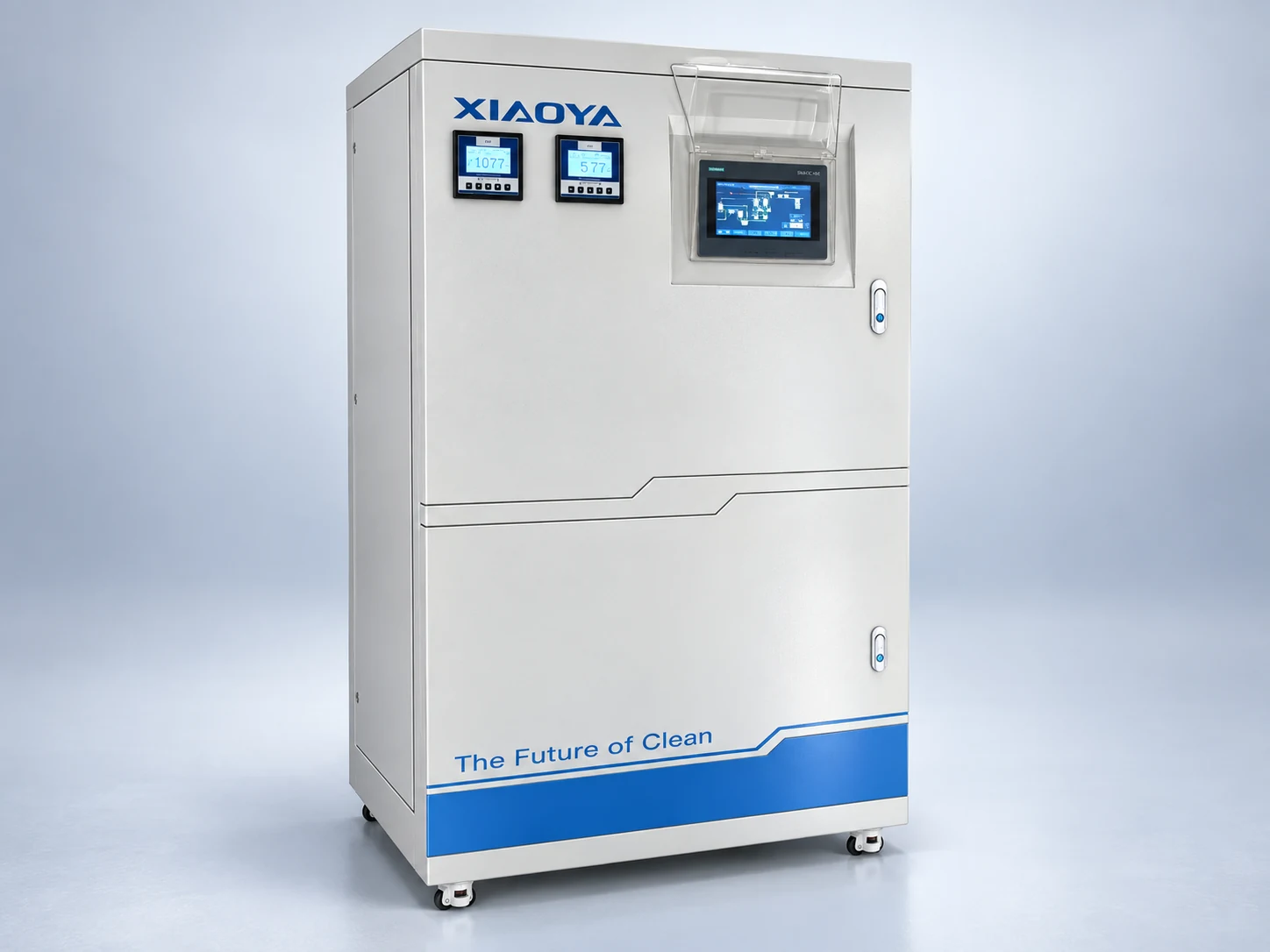
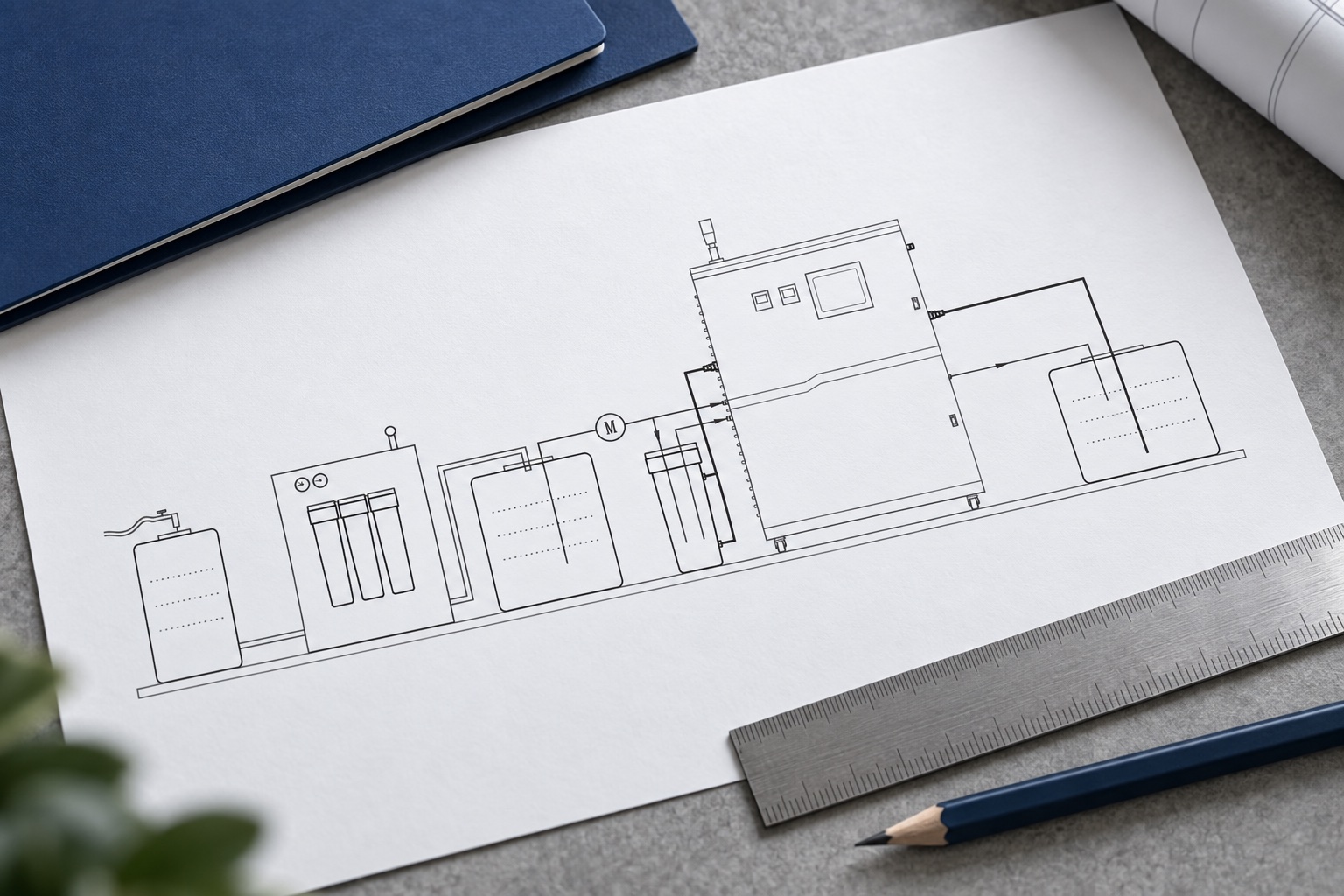
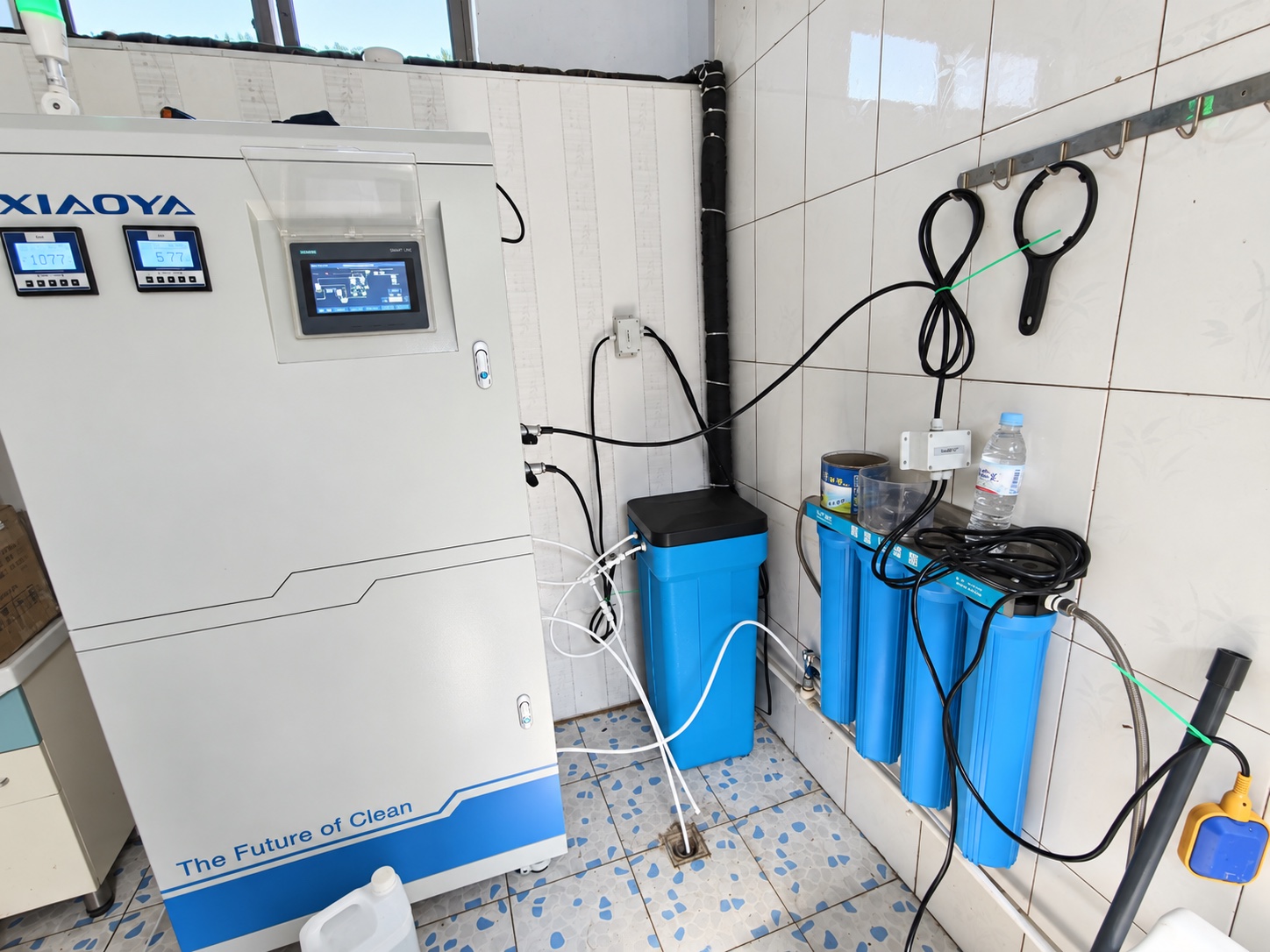
The listed cabinet dimensions are a starting point. An installation also needs access for operation, replenishment and maintenance.
04 / DEFINE YOUR CONFIGURATION
Start with what you know. These details help Xiaoya review a suitable generator and identify the remaining engineering questions.
Required flow and target available-chlorine concentration, stated together. Include the intended application.
Daily solution demand, operating hours and collection peaks. Identify any planned holding or buffer storage.
Source water and existing treatment, locally available feed, site voltage and frequency. Confirm requirements for the quoted unit.
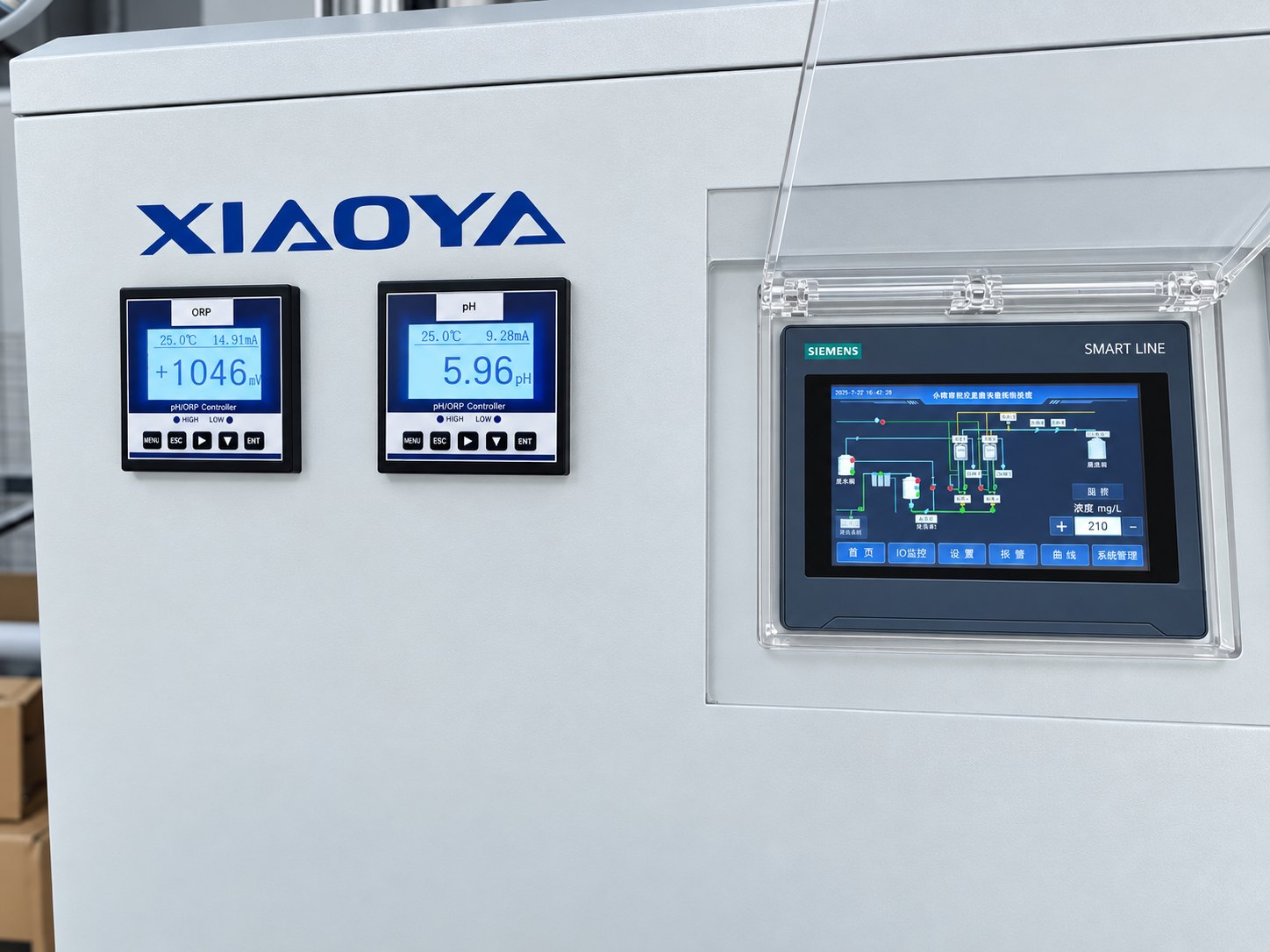
Manual checks or requested online instruments, alarms and site interfaces. Online pH/ORP monitoring is an option to discuss.
YOUR PROJECT / YOUR OPERATING POINT
Share your application, destination, required flow and target concentration. If a value is still unknown, describe the process you want to support.