Start with what you need to establish. Different documents support different parts of a purchase decision.
Test report
What happened in a defined test?
Read the sample, method, conditions and results together. A result applies to the scope tested.
Certification
What standard and scope are covered?
Identify the holder and the covered product, process or management system.
Registration or authorization
What is permitted in this market?
Check the relevant record against the product, intended use and destination jurisdiction.
Site validation
Does the intended process meet its criteria?
Evaluate the application under agreed operating conditions, then plan routine verification.
TEST CATEGORIES IN XIAOYA PRODUCT MATERIAL
Choose the evidence that fits the question.
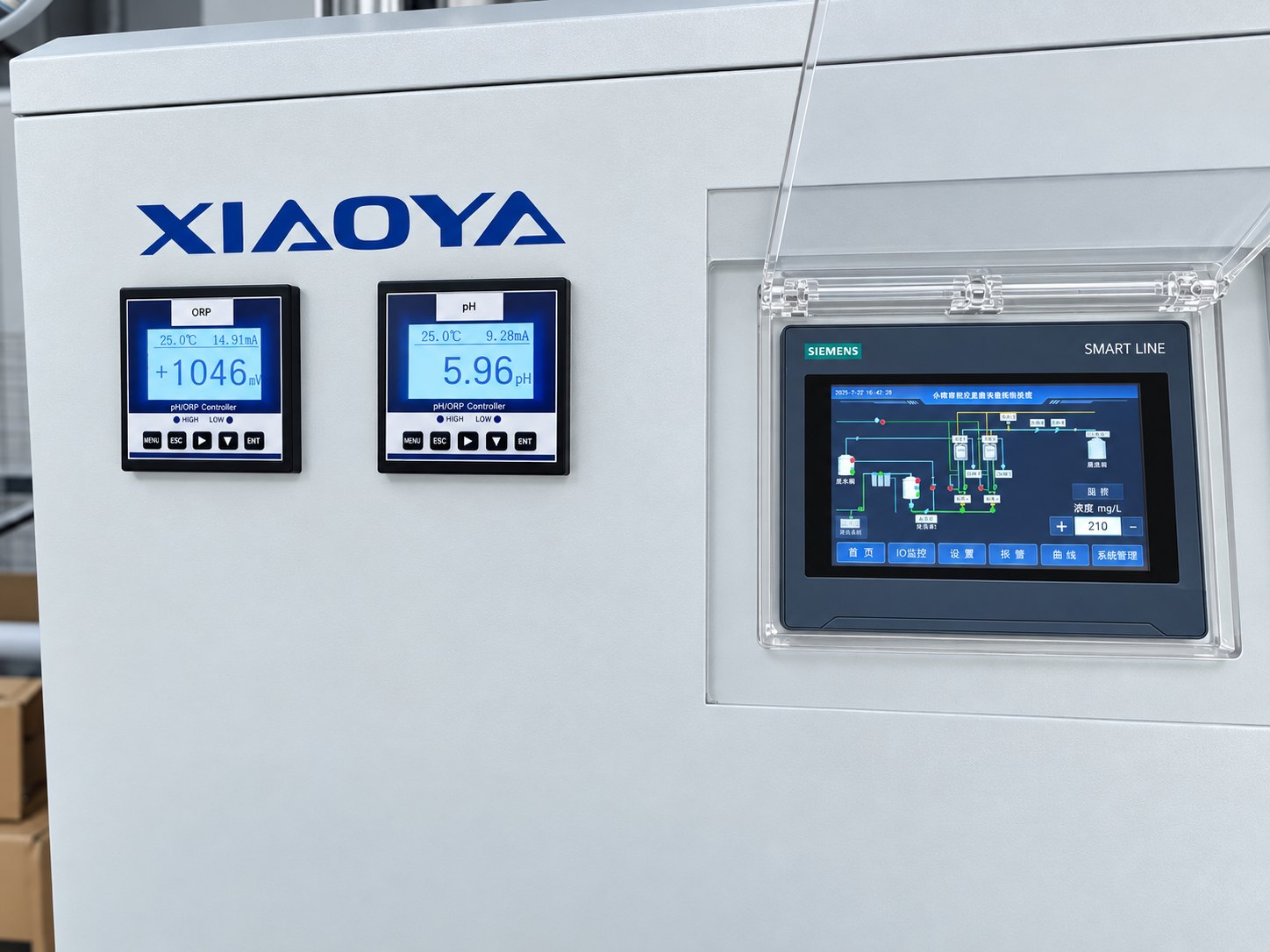
Xiaoya provides testing for chlorine content and pH levels, metal corrosion, microbial presence, and on-site surface conditions. Please refer to the relevant supporting reports for the equipment in question and its intended application.
Identify the solution that was tested.
A chlorine or pH result characterizes the sample. It does not, on its own, establish a microbial reduction or approve an application.
Read in the report
Sample identity, measured chlorine quantity, method, units, pH and test date.
Match to your project
Proposed generator, feed route, settings and the solution conditions relevant to your use.
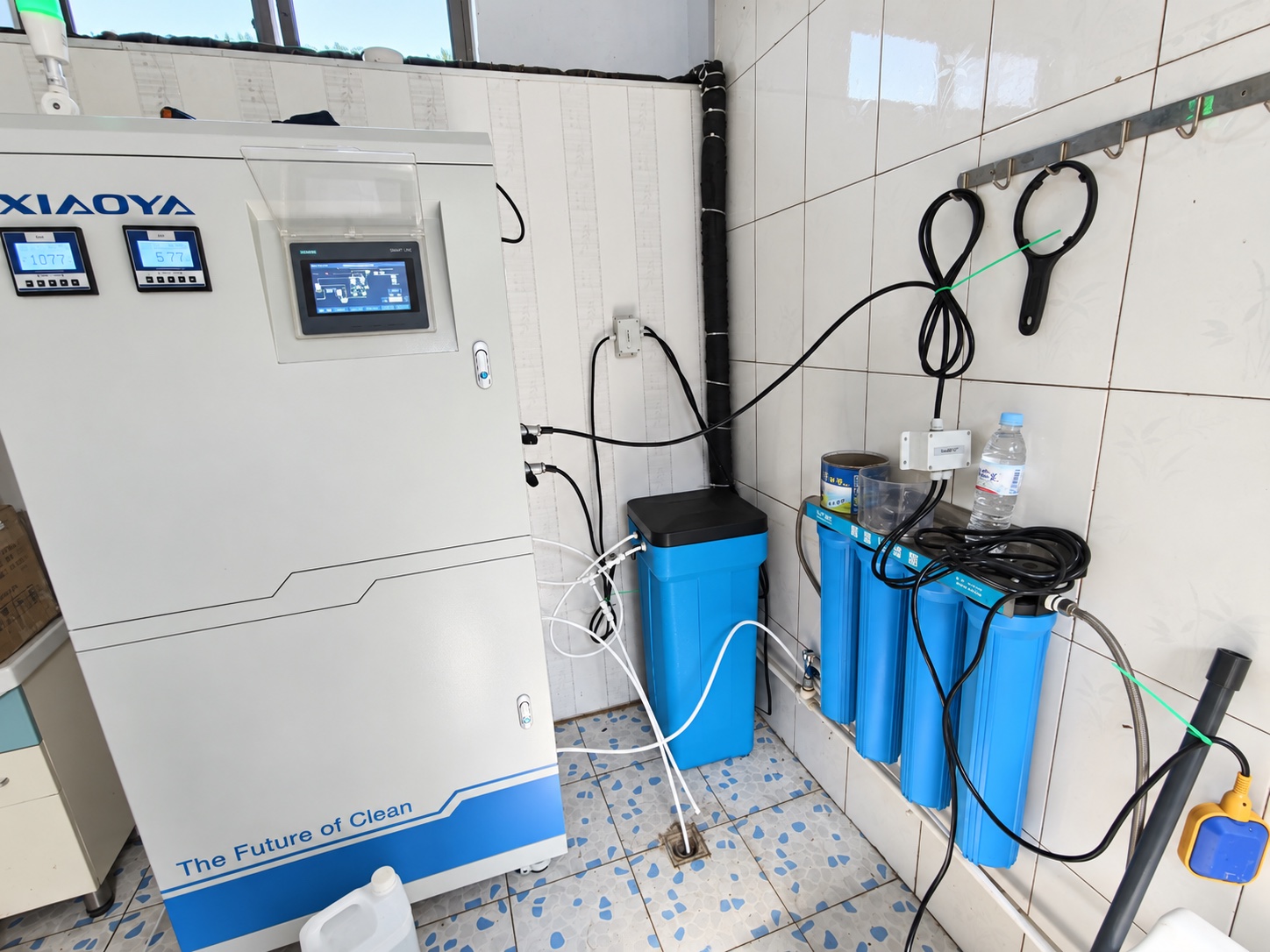
Xiaoya product material includes surface-disinfection field testing. Check the tested surface and procedure before applying the findings to a different site.
Read in the report
Site conditions, surface, preparation, application procedure, sampling method and acceptance criteria.
Match to your project
Your equipment, hygiene procedure, operating schedule and representative sampling locations.
For an overseas project, review the equipment, generated solution and intended application as distinct parts of the document package.
The equipment
Identify the model, configuration, manufacturer and the requirements covered by its documentation.
Does the document cover the quoted model?
The generated solution
Match its identity and intended claims to the relevant records and supporting test information.
Is the tested solution relevant to this supply?
The intended application
Review the destination market, use setting and application procedure with the responsible local team.
What requirements apply to this exact use?
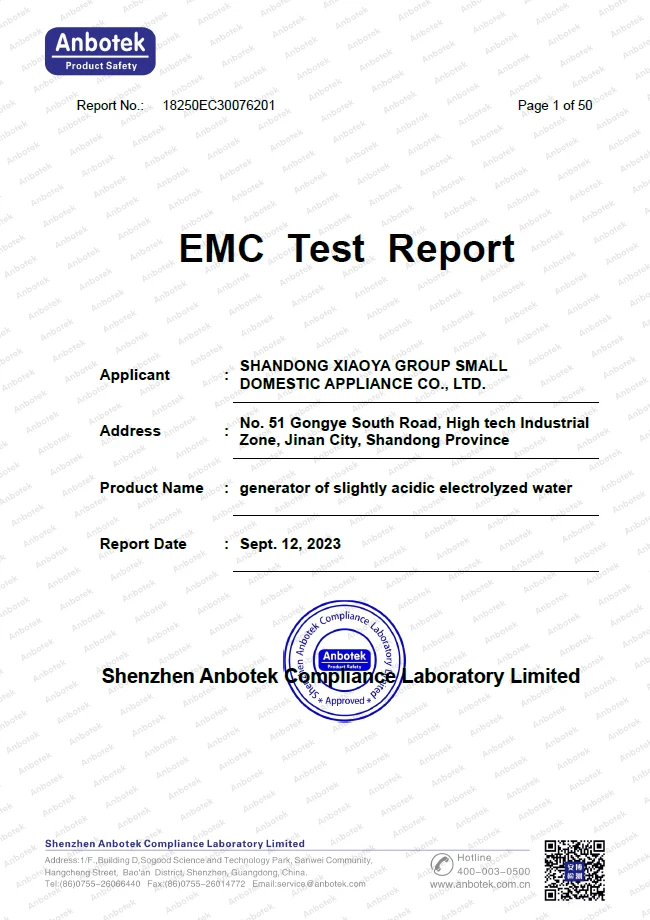
Xiaoya provide CE-related, EMC and medical qualification materials. Tell us which certifications your market requires so we can review the applicable documents and any additional certification needs.
Questions before you shortlist a system.
Does a chlorine reading prove disinfection?
No. It measures a property of the tested sample. Application performance also depends on the organism, procedure and operating conditions assessed by an appropriate test.
Does a laboratory test replace a site trial?
It can inform the trial, but may not represent your surface, water, organic load or operating procedure. Your team should define the evidence needed for the actual application.
What should I include when asking about reports?
Share the model or output requirement, destination country, intended application and the result you need to establish. Include any test method or document requirement specified by your customer or quality team.
PREPARE A USEFUL DOCUMENT REQUEST
Your model. Your market. Your intended use.
Tell Xiaoya what your team needs to verify so the discussion can focus on the relevant equipment and evidence.