
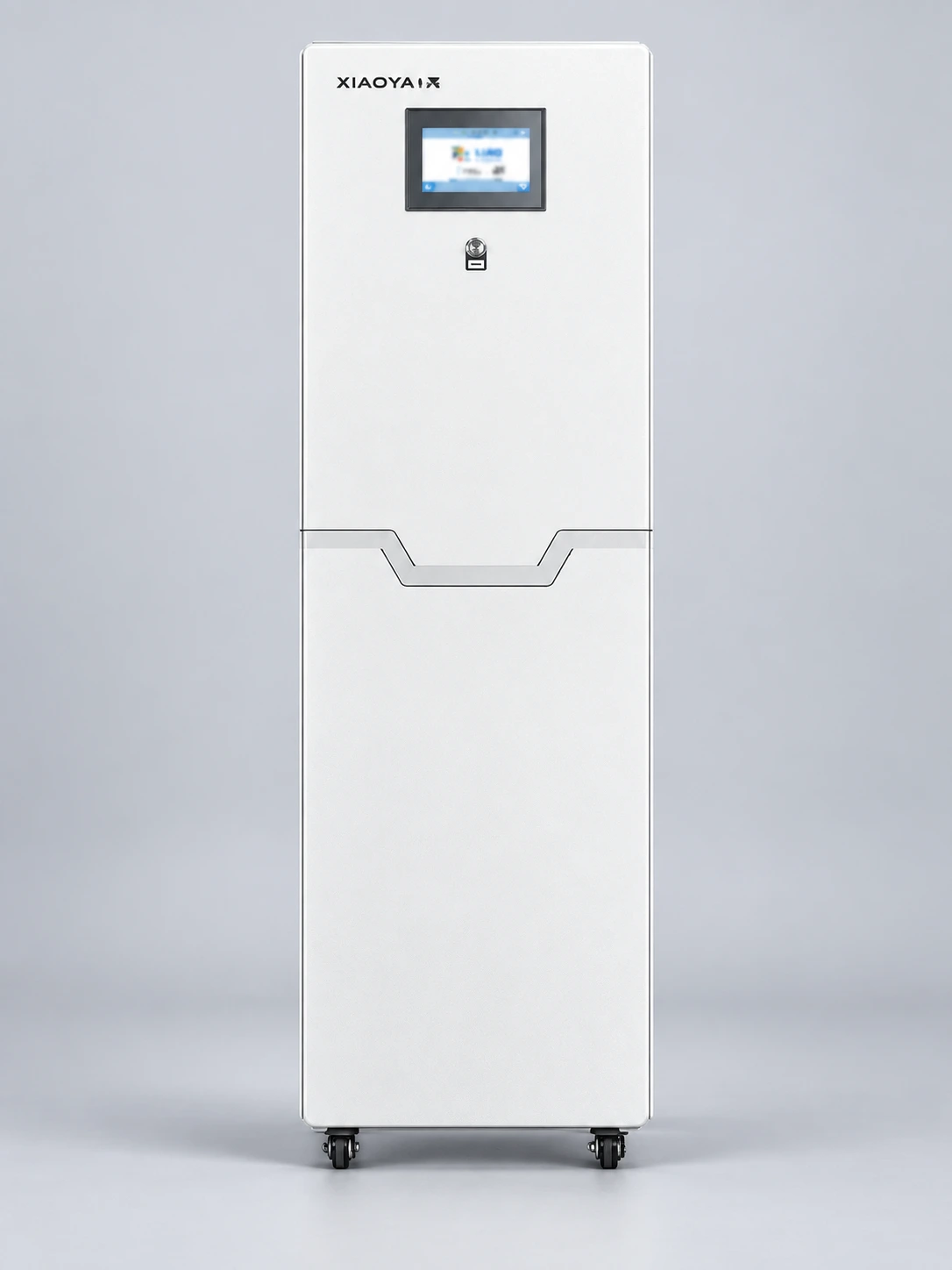
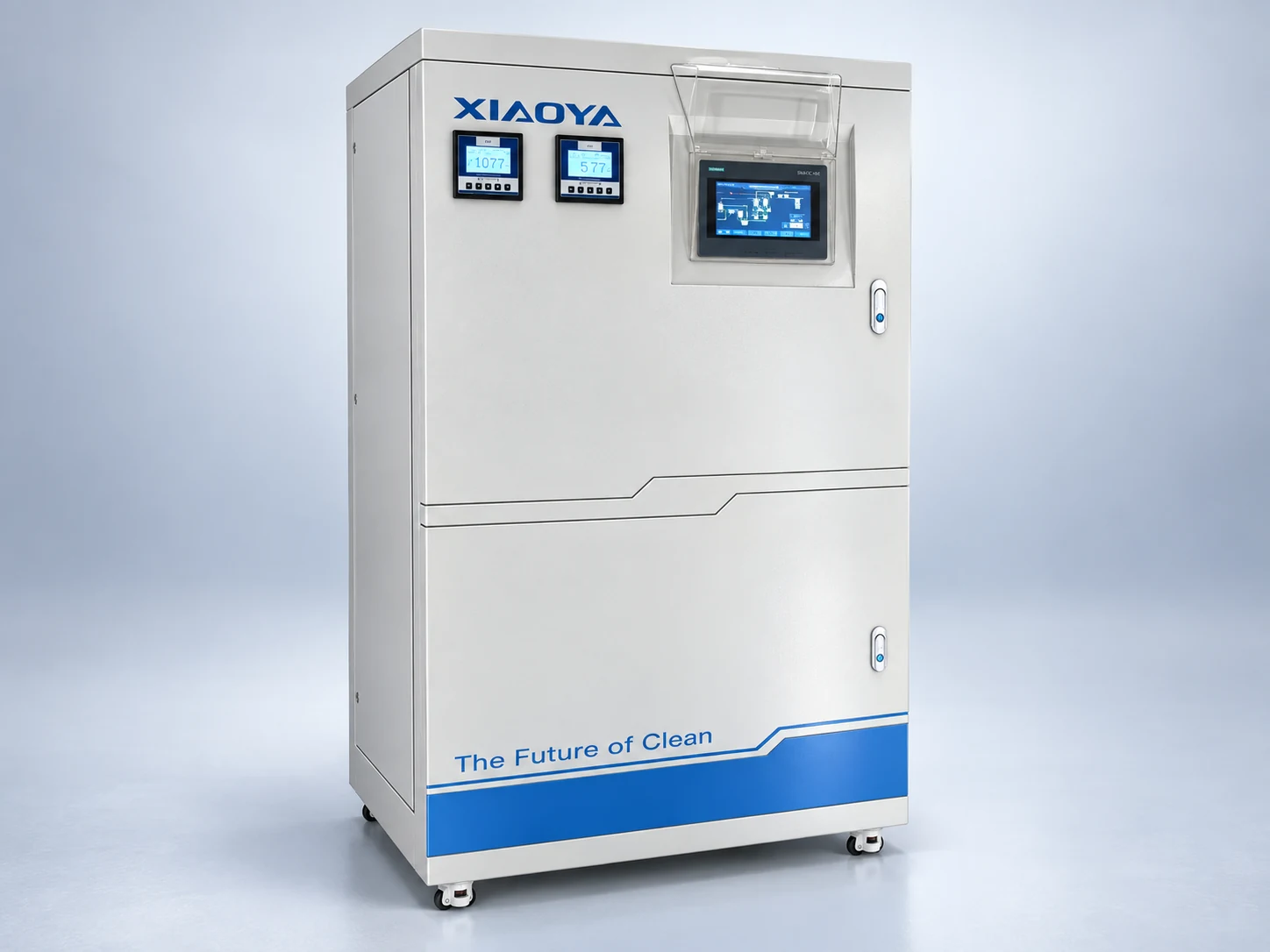


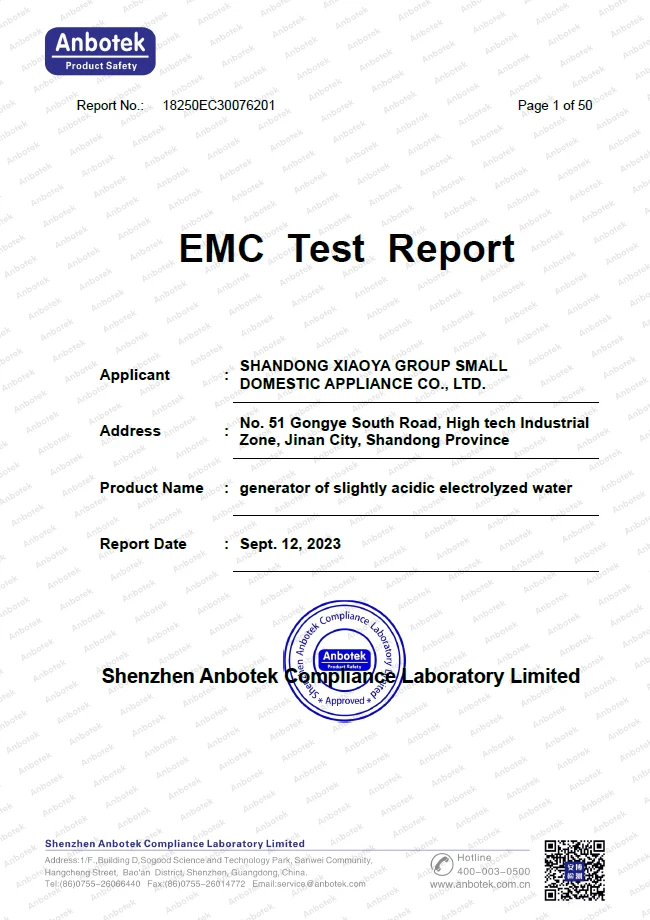
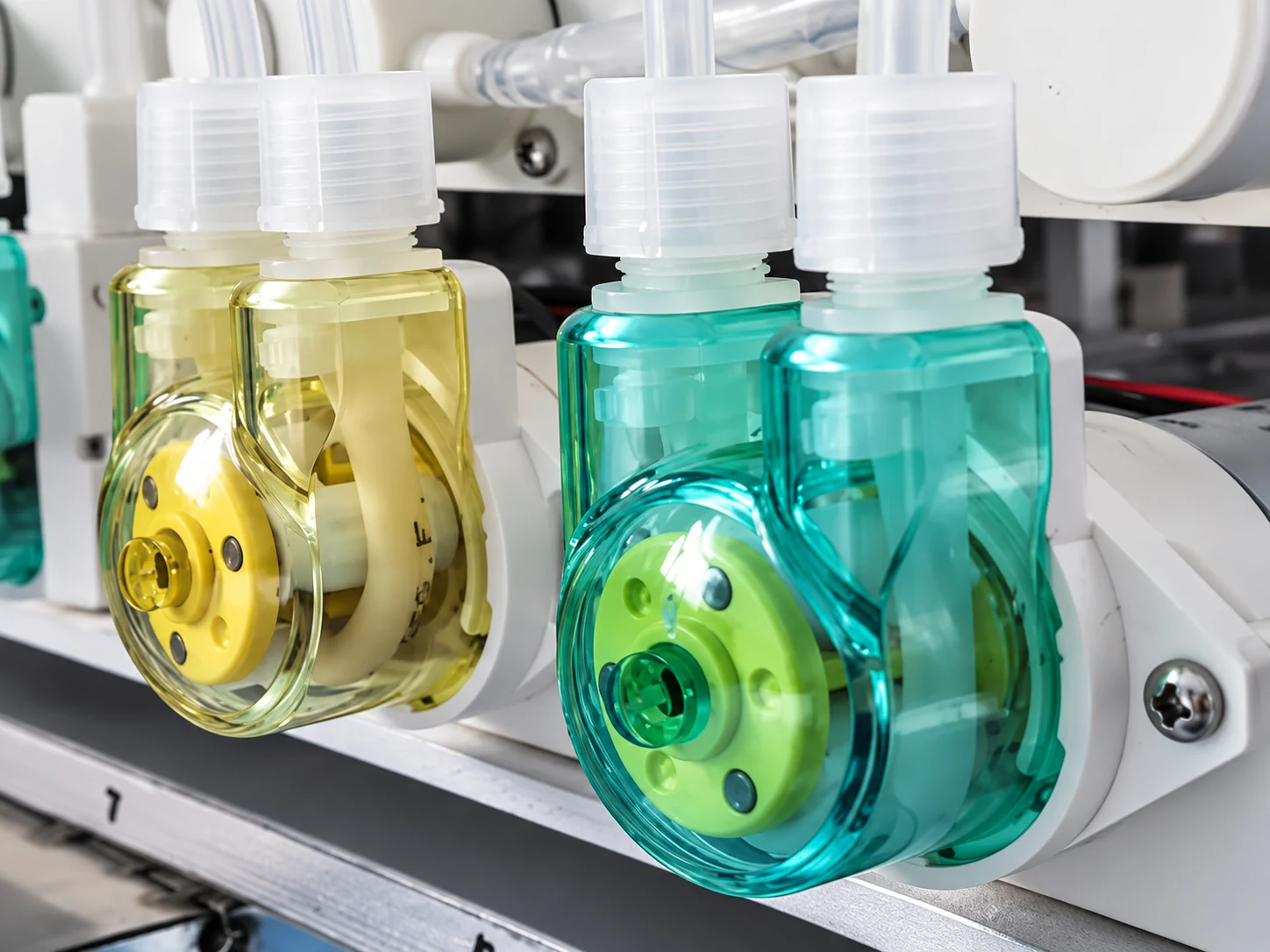
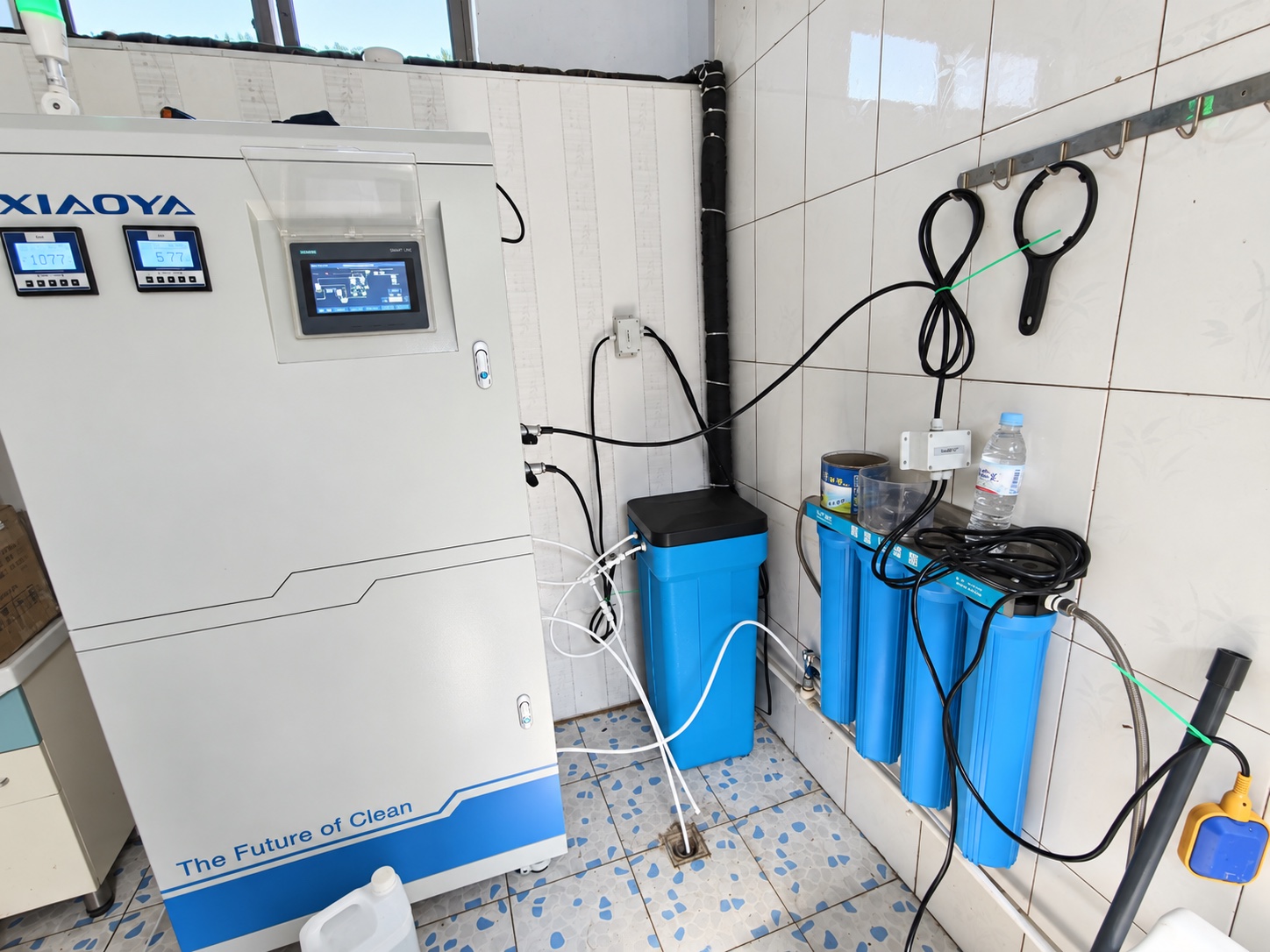
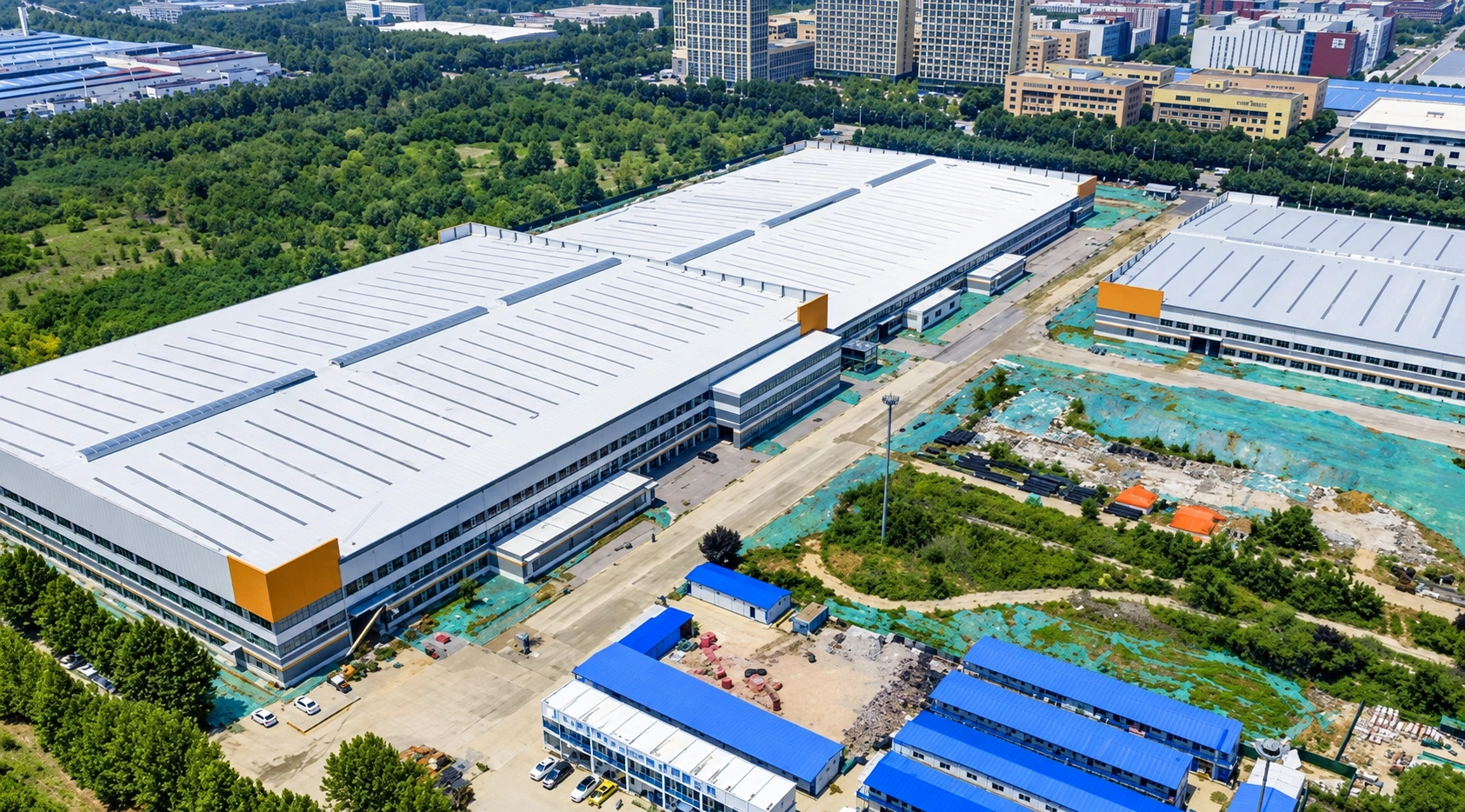

HCl-fed generators
Use the hydrochloric-acid feed specified for the equipment. Review local feed availability, storage and metering alongside the proposed water arrangement.
Explore HCl-fed equipment
Match your local water, feed supply and treatment setup to the proposed HOCl generator.
Two equipment routes. Water preparation and feed specifications belong to the configuration you choose.
Use the hydrochloric-acid feed specified for the equipment. Review local feed availability, storage and metering alongside the proposed water arrangement.
Explore HCl-fed equipment
Salt-fed equipment uses purified water and a prepared salt supply to reduce scaling and impurity buildup in the water lines.
Explore salt-fed equipmentRequest the water and feed specifications for the proposed model before purchasing consumables or preparation equipment.
The source is your starting point. Existing treatment and measured conditions help define the next step.
Share the available water report and any treatment already installed. Check the supply against the proposed equipment requirements.
Share a recent analysis if available, treatment details and any known seasonal changes in the water supply.
Identify the treatment process and results at the intended supply point. “Purified water” alone does not describe its measured quality.
A useful water report identifies the sample point, date and units.
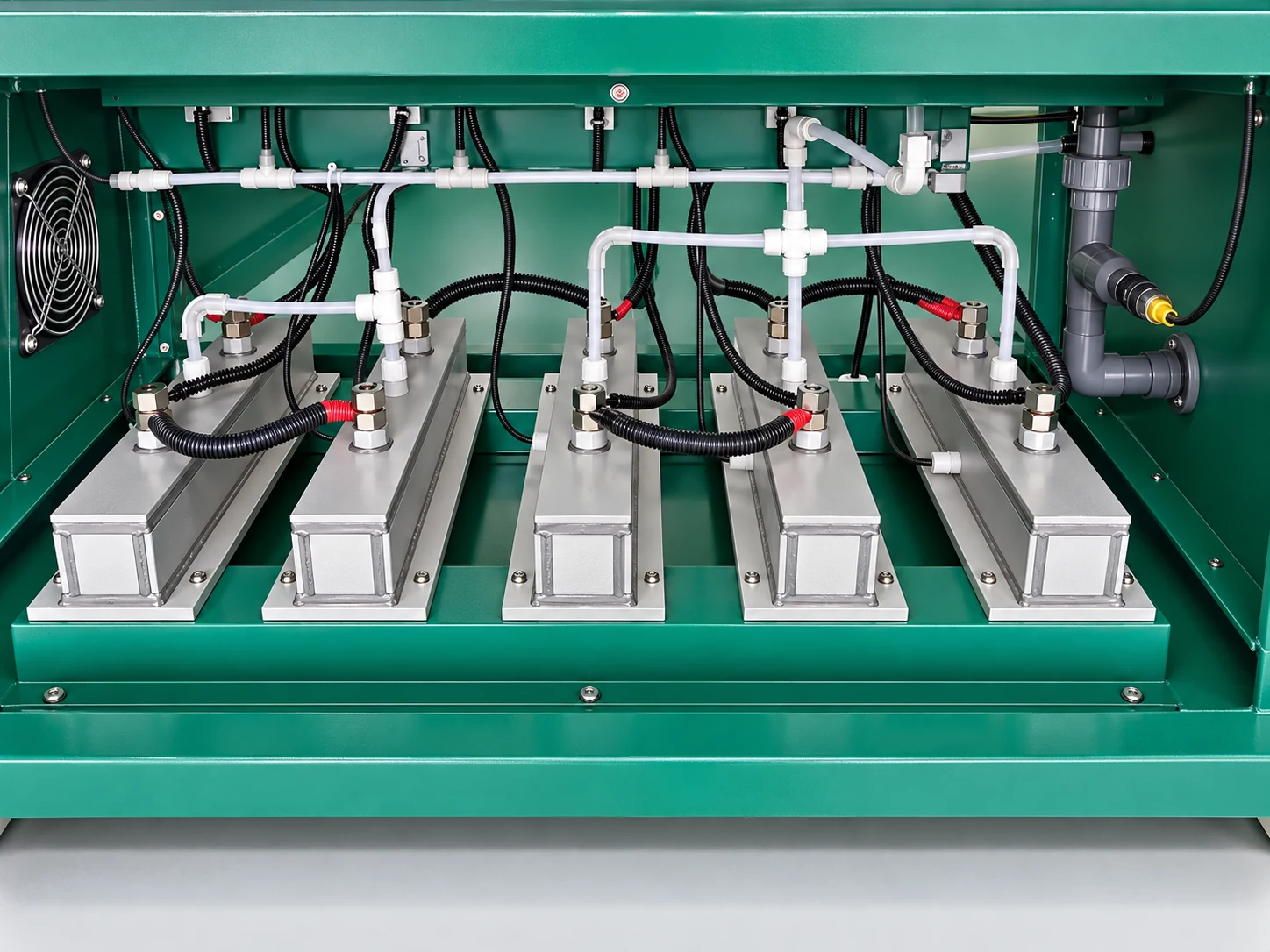
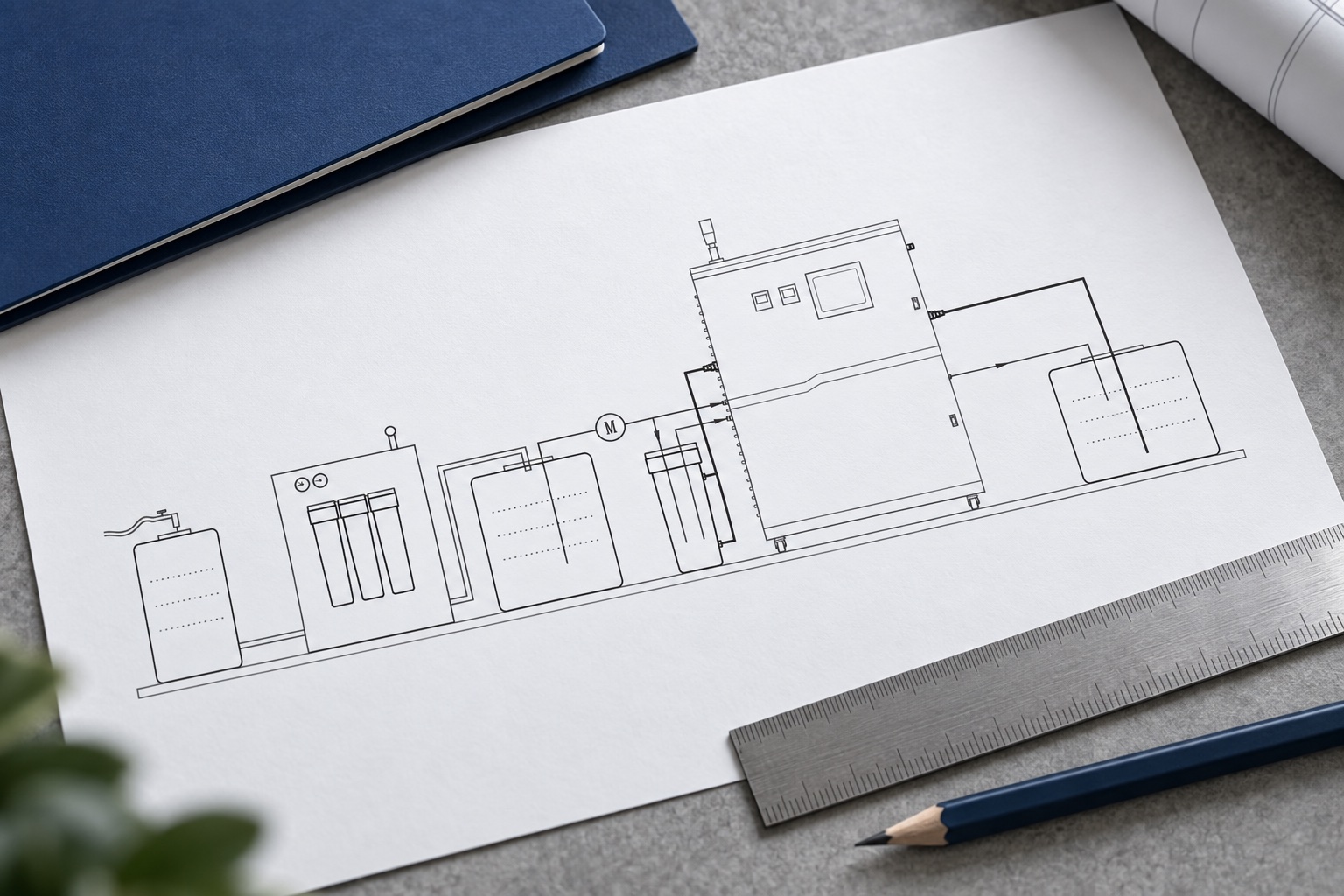
Review what is built into the generator, what needs external equipment and what your site can already provide.

Review the proposed treatment and supply capacity.
Confirm required tanks, placement and supply responsibilities.
Identify the components included with the selected generator.
Assess what your site can use with the proposed system.
You do not need every technical detail to begin a discussion. Start with your application and site conditions, then add available reports.
Planning installation too?Where the system will operate and how you plan to use the solution.
Your expected solution demand and operating hours.
The water source, existing treatment and available supply information.
Your preferred route, if known, and locally available feed materials.
Existing water analyses or supplier specifications can support the review.
| Information | What it helps assess |
|---|---|
| pH & alkalinity | Water chemistry and its response during treatment. |
| Hardness | Scale risk and treatment needs. |
| Conductivity & TDS | Dissolved ionic content. |
| Pressure, flow & temperature | Supply conditions during operation. |
| Additional analysis | Other parameters relevant to the water source, equipment and application. |
Model-specific limits and the required analysis scope are confirmed for the proposed equipment.
Include consumables in the purchase discussion, alongside the generator itself.
Confirm the required feed specification and preparation method for the equipment.
Identify potential local suppliers and share their product specifications.
Follow the material’s safety documentation, local requirements and equipment instructions.
If the water source, treatment or feed supplier changes, discuss whether the setup needs checking again.
No water report yet? Start with your water source and application.
Discuss My Water & FeedIt depends on the proposed equipment and measured water conditions. Share your supply information and existing treatment so the preparation requirements can be reviewed.
We select the treatment arrangement according to your HCl-fed or salt-fed route, source water and operating conditions.
Share the material specification before using it. Feed requirements must match the selected equipment.
Yes. Begin with the site and application information you have. Further analysis may be needed to confirm the configuration.