
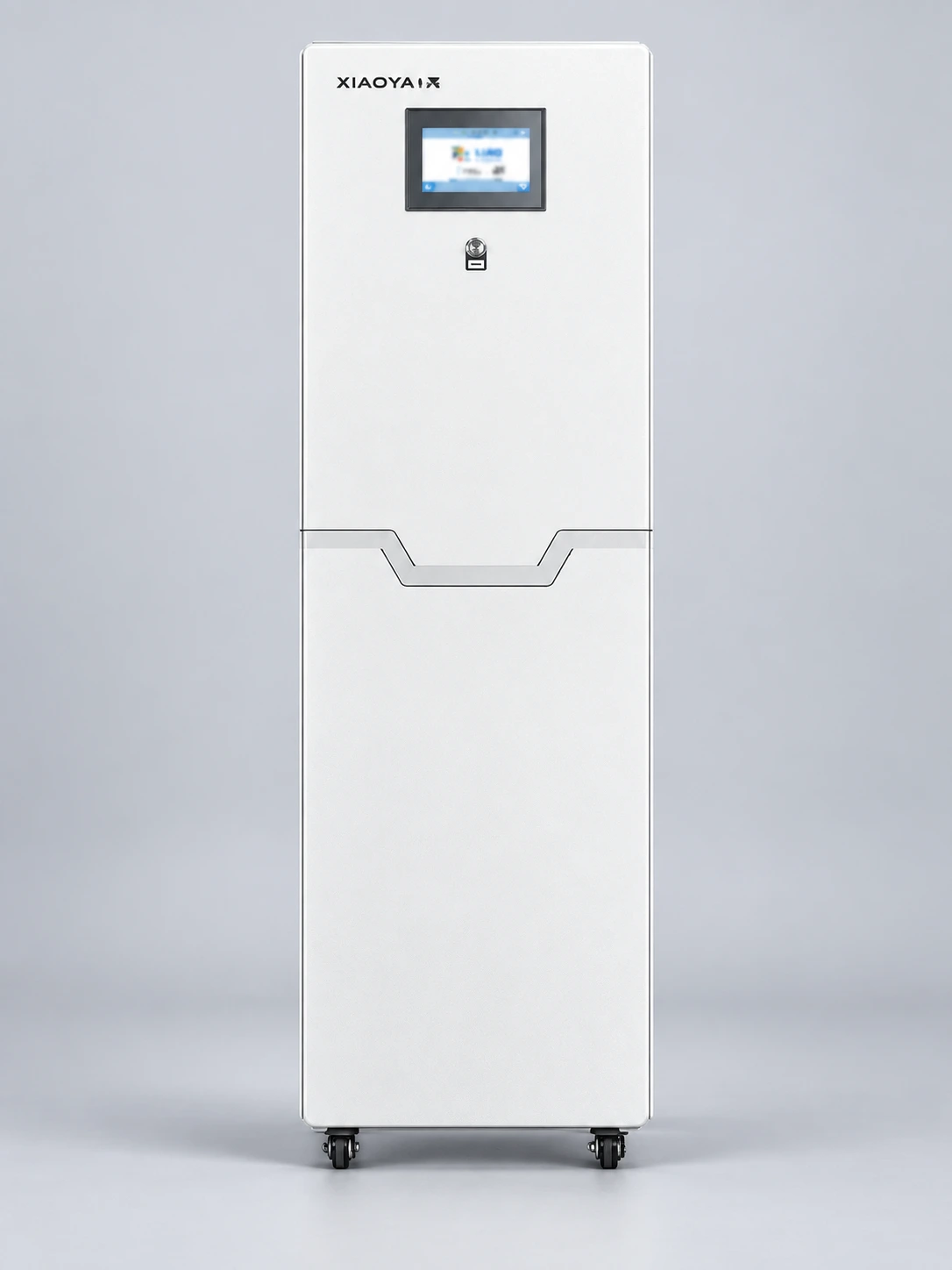
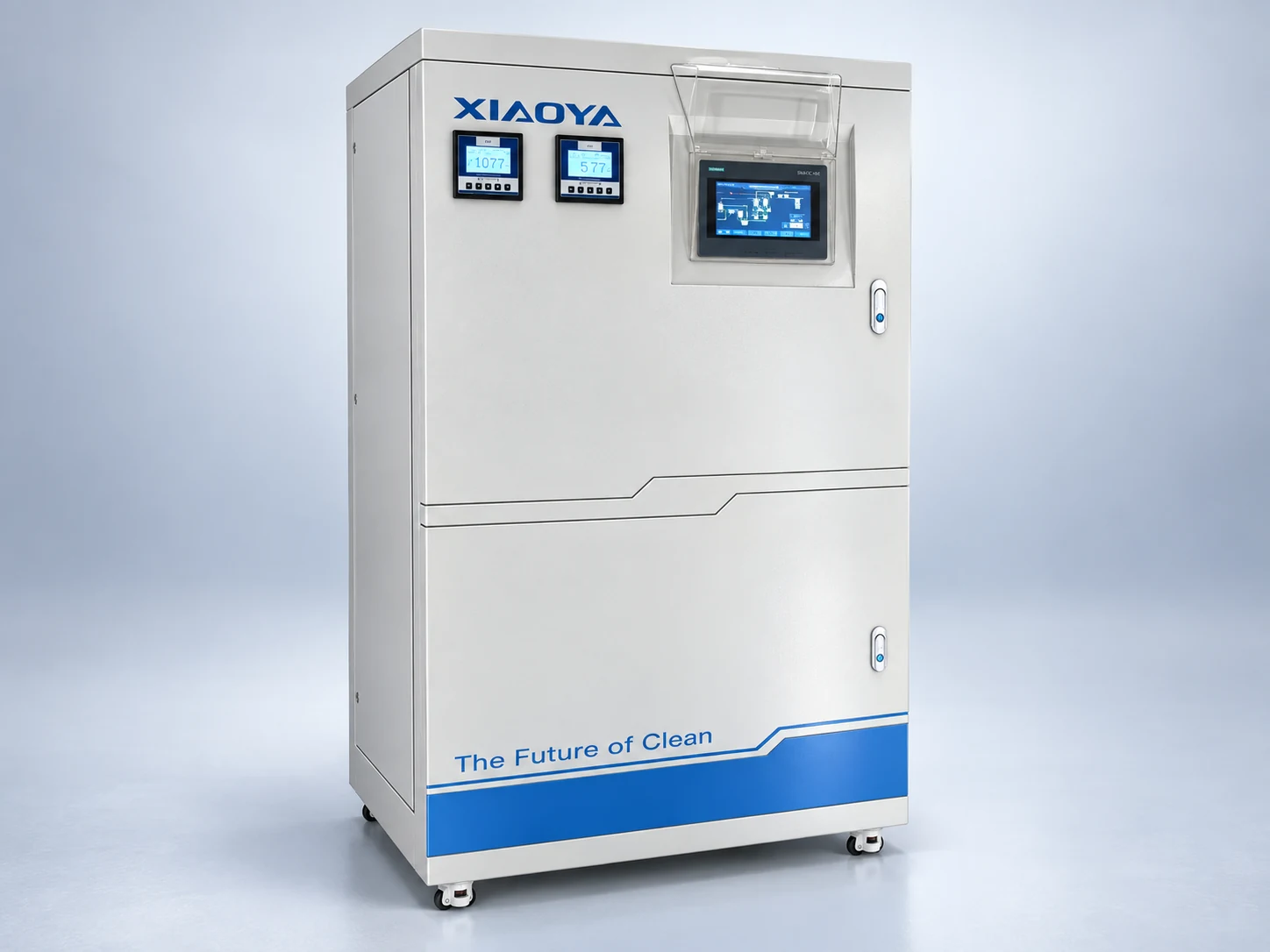


Field equipment
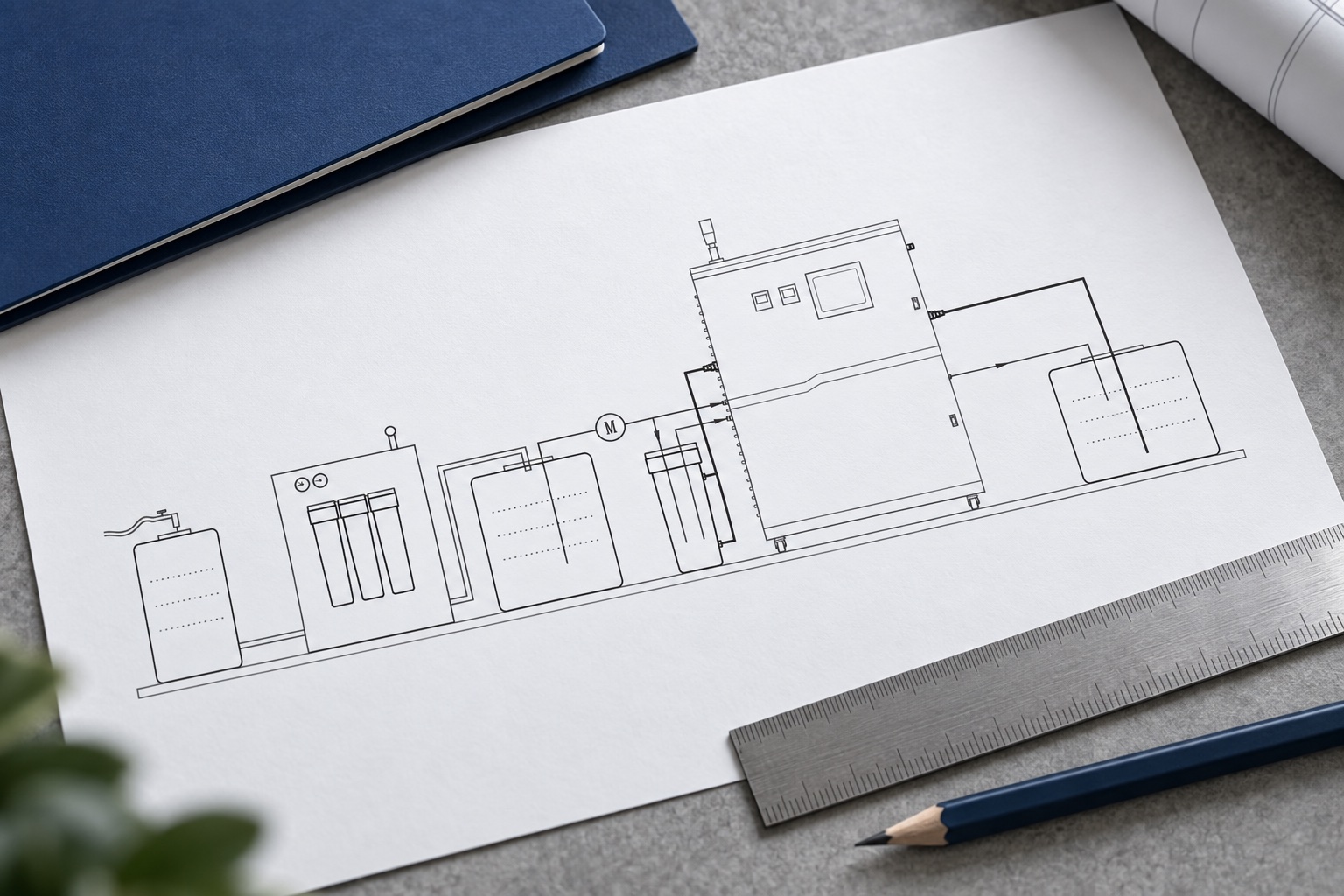
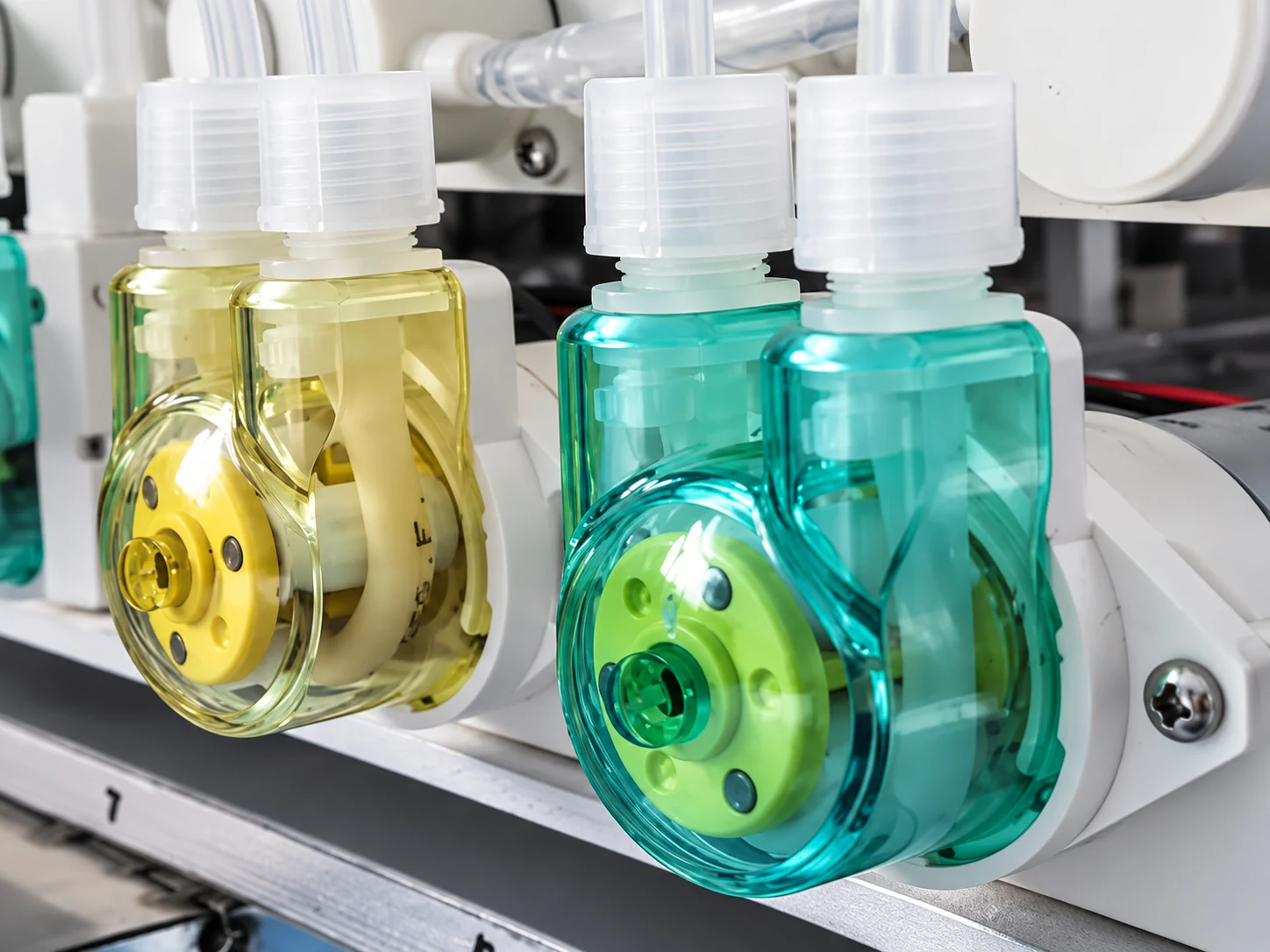
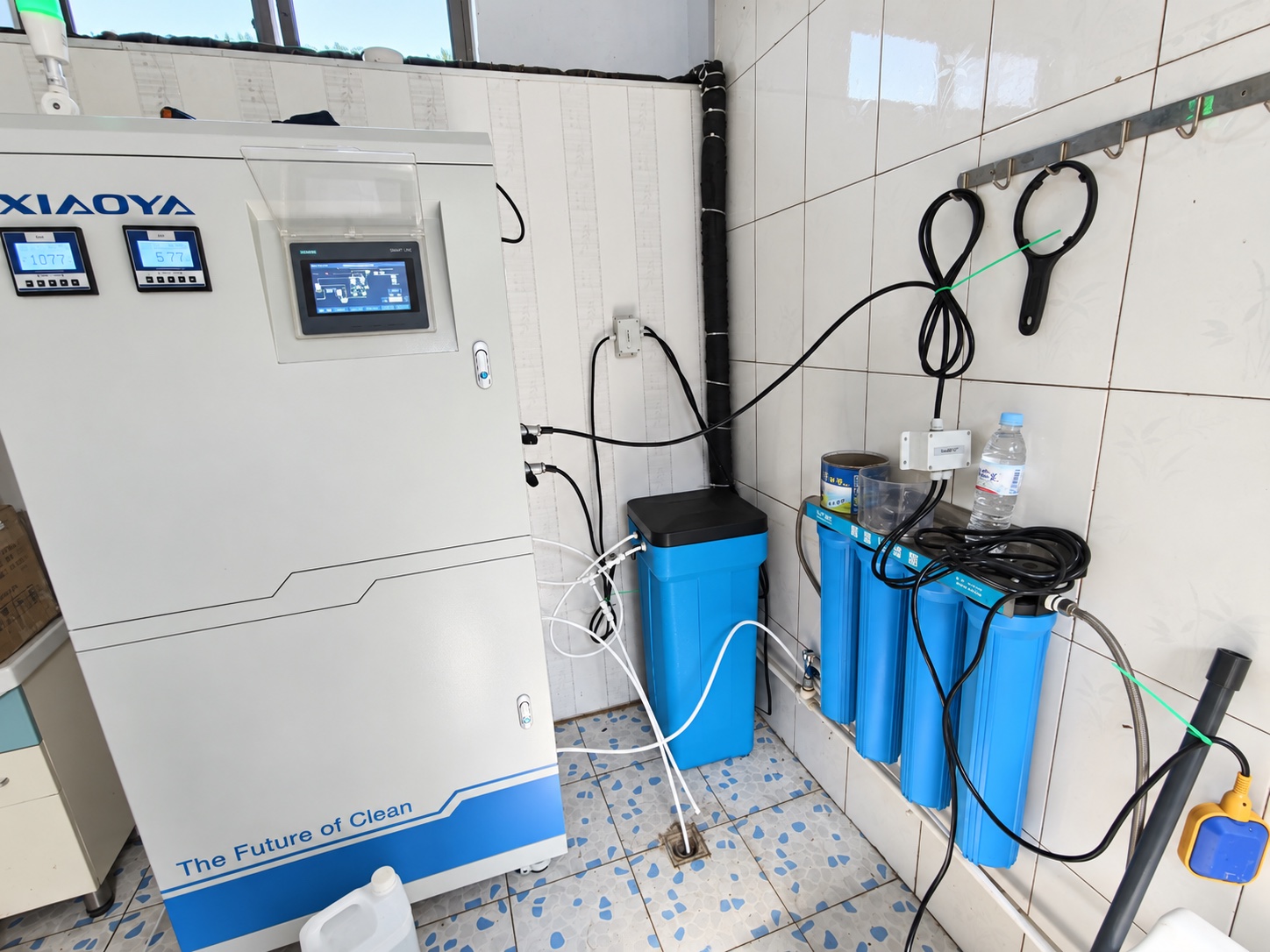
Water and feed supply, storage and selected instruments.
Identify available signals.
Bring on-site generation into your plant workflow, with control responsibilities defined from the start.
Identify what the generator controls locally, what information your plant needs and which requests it may send.
Water and feed supply, storage and selected instruments.
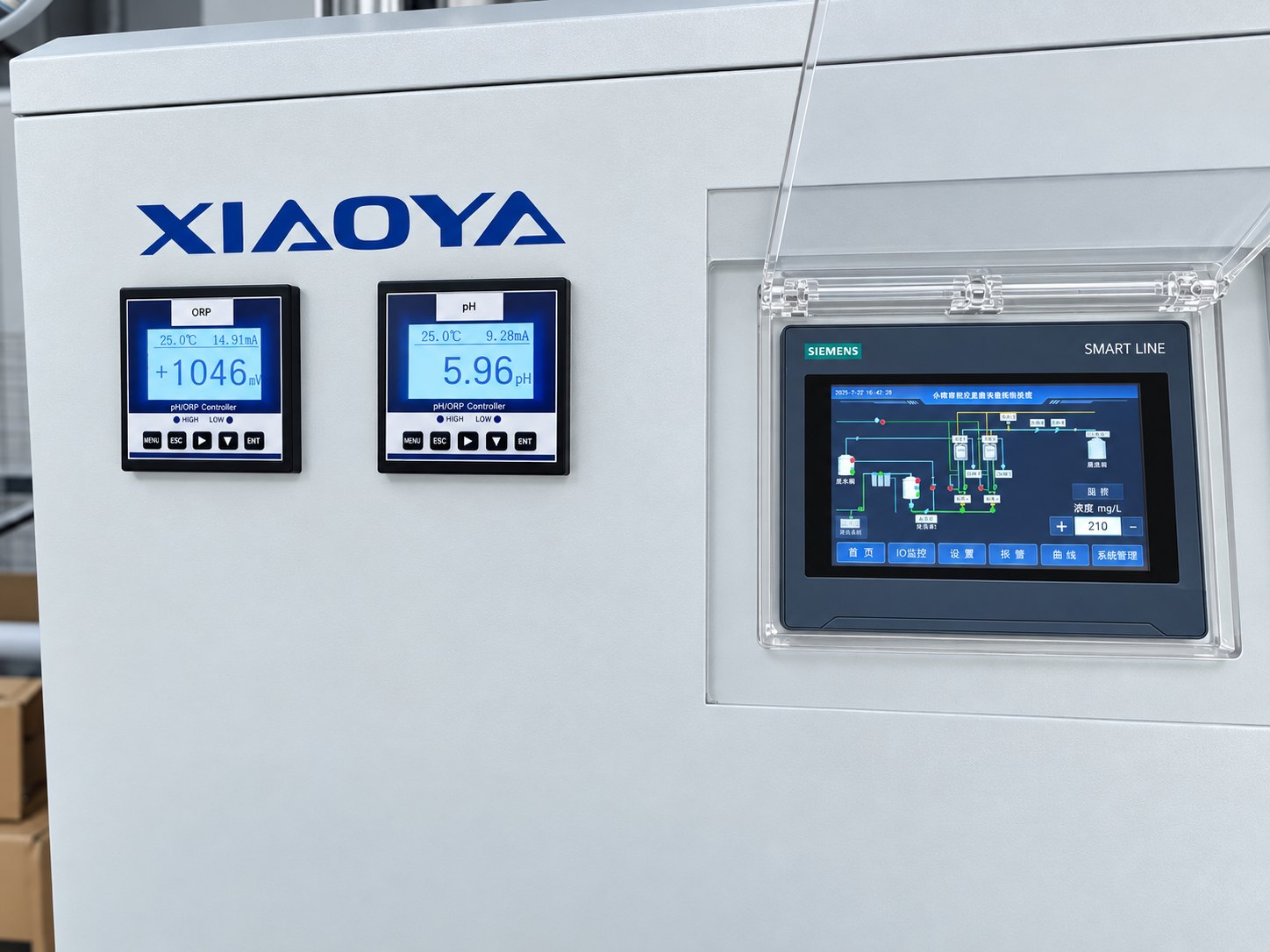
Identify available signals.The local controller and operator interface manage the agreed functions.
Define modes and permissions.Your PLC, SCADA or building system, with the required read and command scope.
Confirm the integration scope.
A receiving tank requests more HOCl solution. Walk through the decisions before, during and after generation.
The receiving system requests more solution.
Check the agreed local start conditions before accepting a generation request.
Which signal requests production? Who supplies the level device? Which conditions permit a start?
Fault clearance, alarm acknowledgement and permission to restart are separate decisions. Agree them before commissioning.
Send the information you have. Open items can remain “to be confirmed” while the equipment and interface are reviewed.
Share Your RequirementsIf your specification calls for Modbus or another protocol, include it in the inquiry. Compatibility must be confirmed for the proposed configuration.
Local operation, plant integration and online access serve different purposes. Define them separately for an overseas installation.
Confirm the equipment interface, available operating modes and staff responsibilities at the site.
Define how the generator exchanges the agreed information with your site controls.
Share your process, control system and required signals. Give Xiaoya a practical starting point for reviewing your equipment and integration scope.
Check your details, then send your enquiry to Xiaoya Group.