
Schools & learning spaces
Identify shared surfaces, cleaning-tool areas and work windows around the facility’s schedule.
Bring: surface list, procedure and available work time.Plan school & campus supply
Connect equipment capacity, collection points and operator checks to the surface-hygiene tasks your team actually carries out.
Our factory’s documentation covers application scenarios including education facilities, hotels and commercial premises. When preparing the equipment proposal, please identify relevant surfaces, work zones and approved procedures requiring corresponding solutions.

A building category helps set context.
The operating routine defines demand.
Identify shared surfaces, cleaning-tool areas and work windows around the facility’s schedule.
Bring: surface list, procedure and available work time.Plan school & campus supplyMap housekeeping zones, service rooms and collection points. Separate guest-facing work from back-of-house supply.
Bring: shifts, solution use per task and travel between zones.Plan hotel & commercial supplyDescribe selected surface tasks, access restrictions and operator responsibilities before sizing generation.
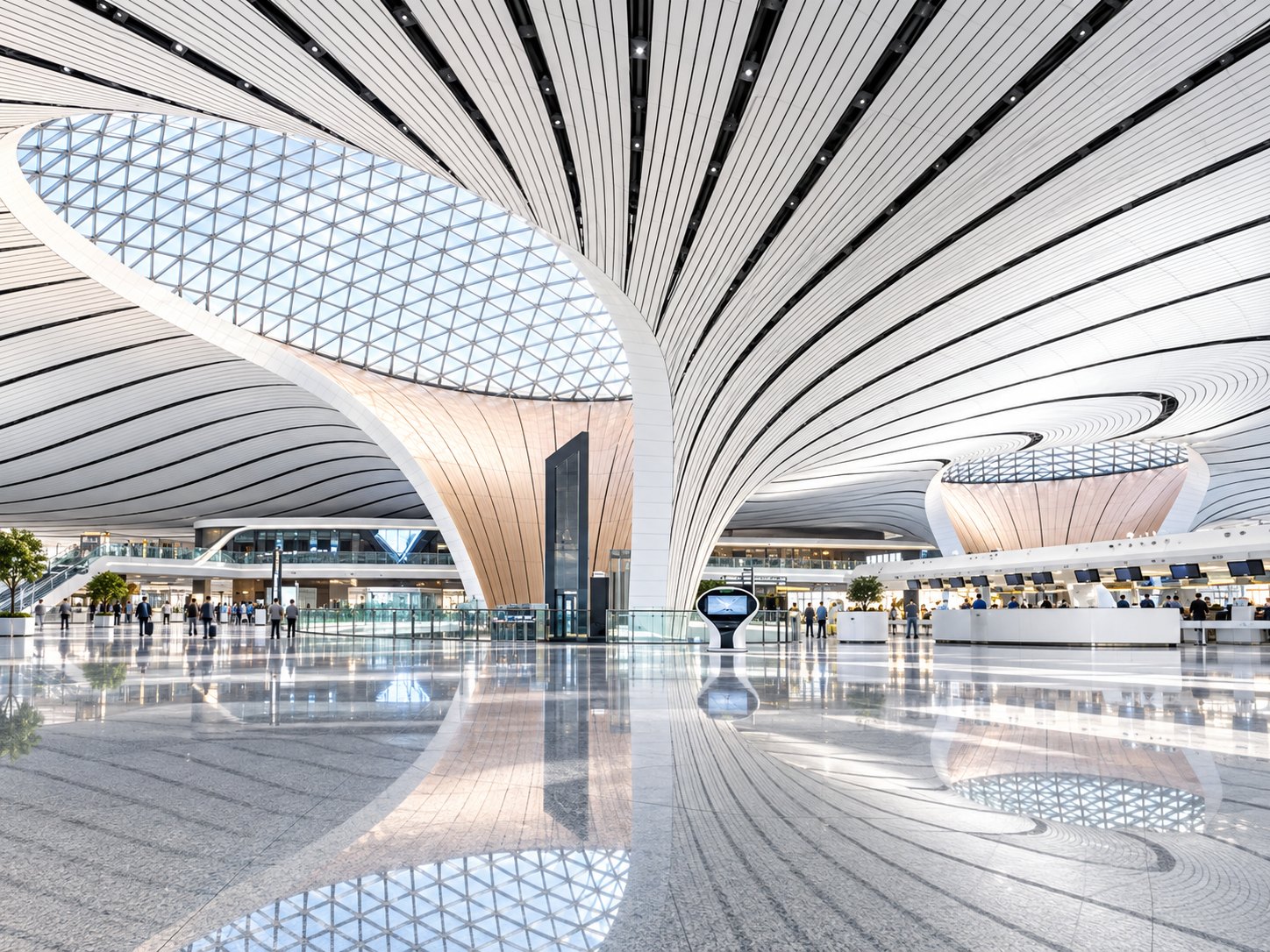
Bring: work zones, team responsibilities and collection routes.Explore airport & station hygienePlan solution supply around waste clearance, cleaned surfaces and concentrated work windows. Discuss odor objectives separately from routine surface tasks.
Explore waste-handling hygieneThe generator supplies solution. Your facility’s procedure defines where it is used, how it is applied and how the work is checked.
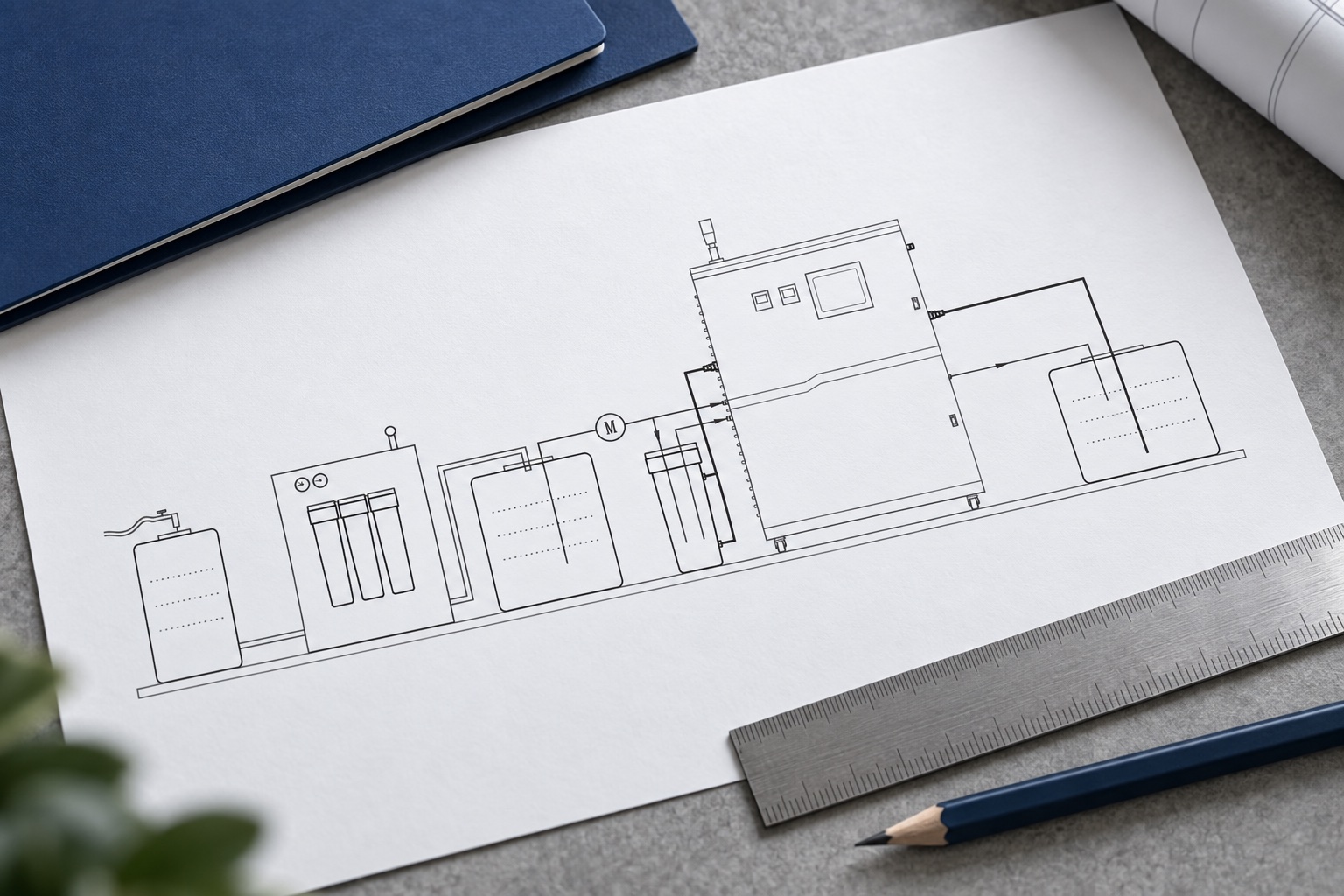
Select the feed route and equipment for the agreed water, output and operating conditions.
Define containers, labels, collection points and holding conditions for the solution.
Follow the approved surface-preparation, application and contact-time requirements.
Verify relevant solution conditions at use and record the task as your facility requires.
Floor area alone does not determine generator size. Estimate actual solution use and when operators need to collect it.
Use the generator sizing guideHCl-fed and salt-fed generators are both part of Xiaoya’s range. Compare them using the same output requirement and your local preparation conditions.
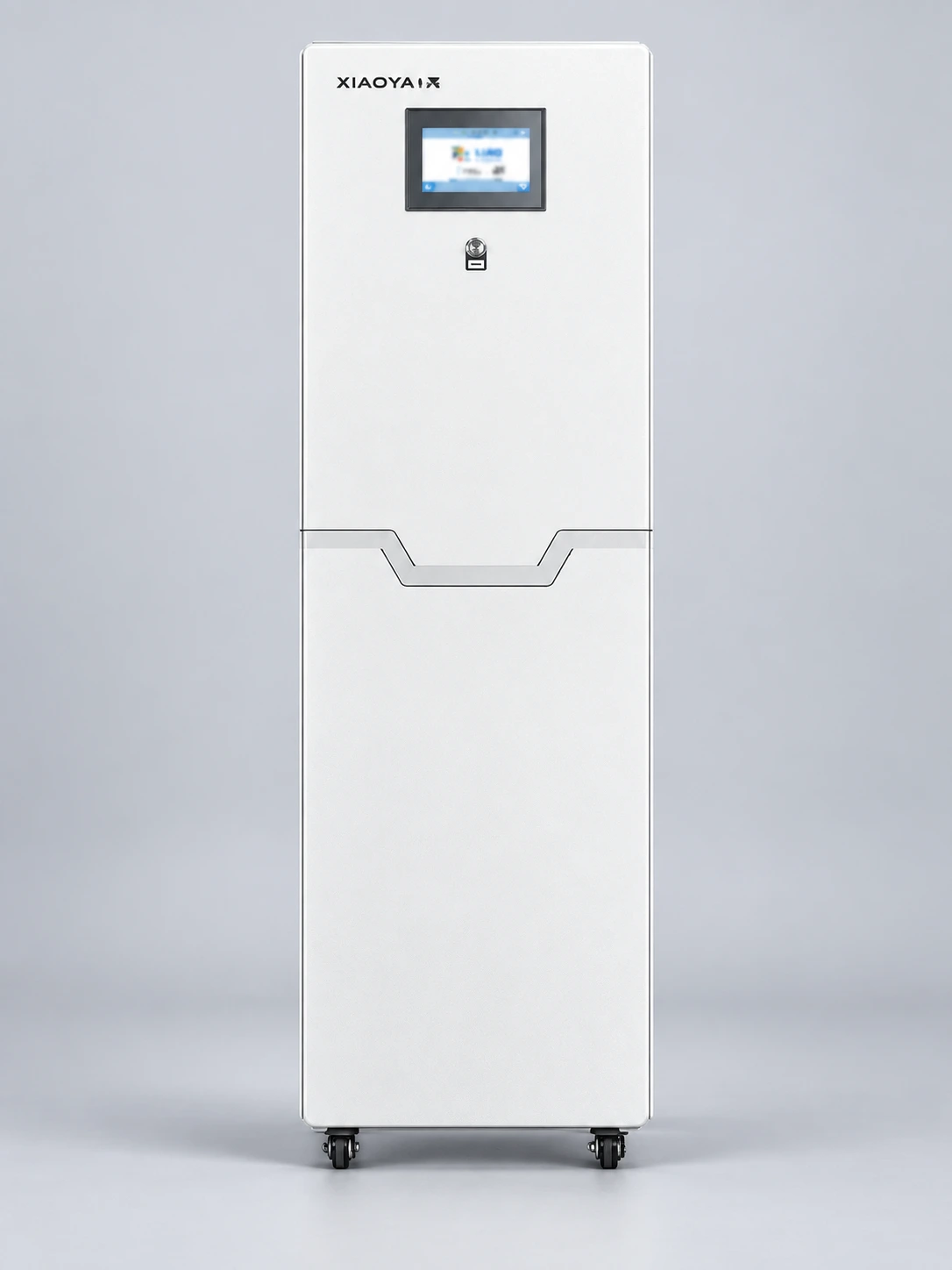
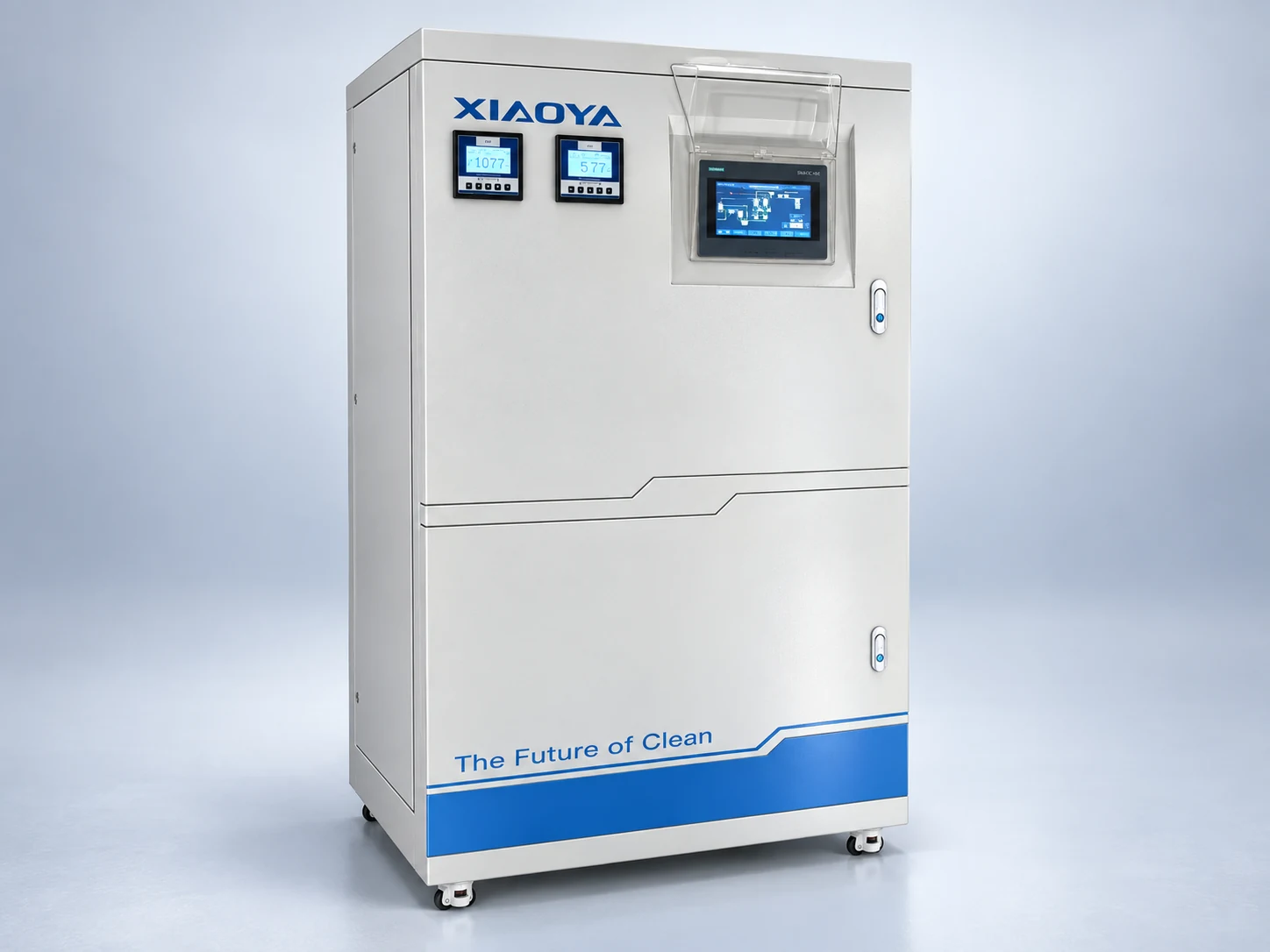
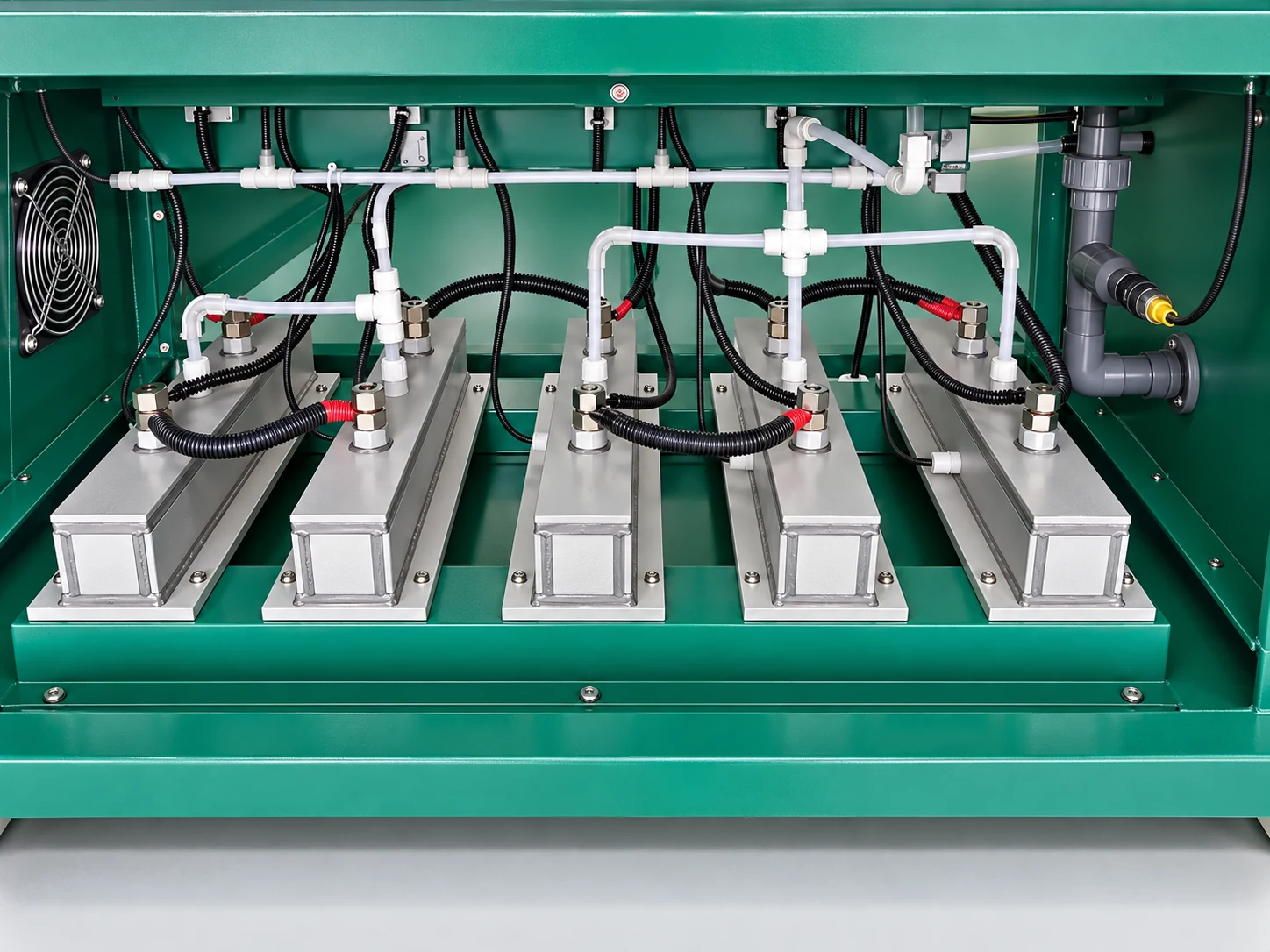
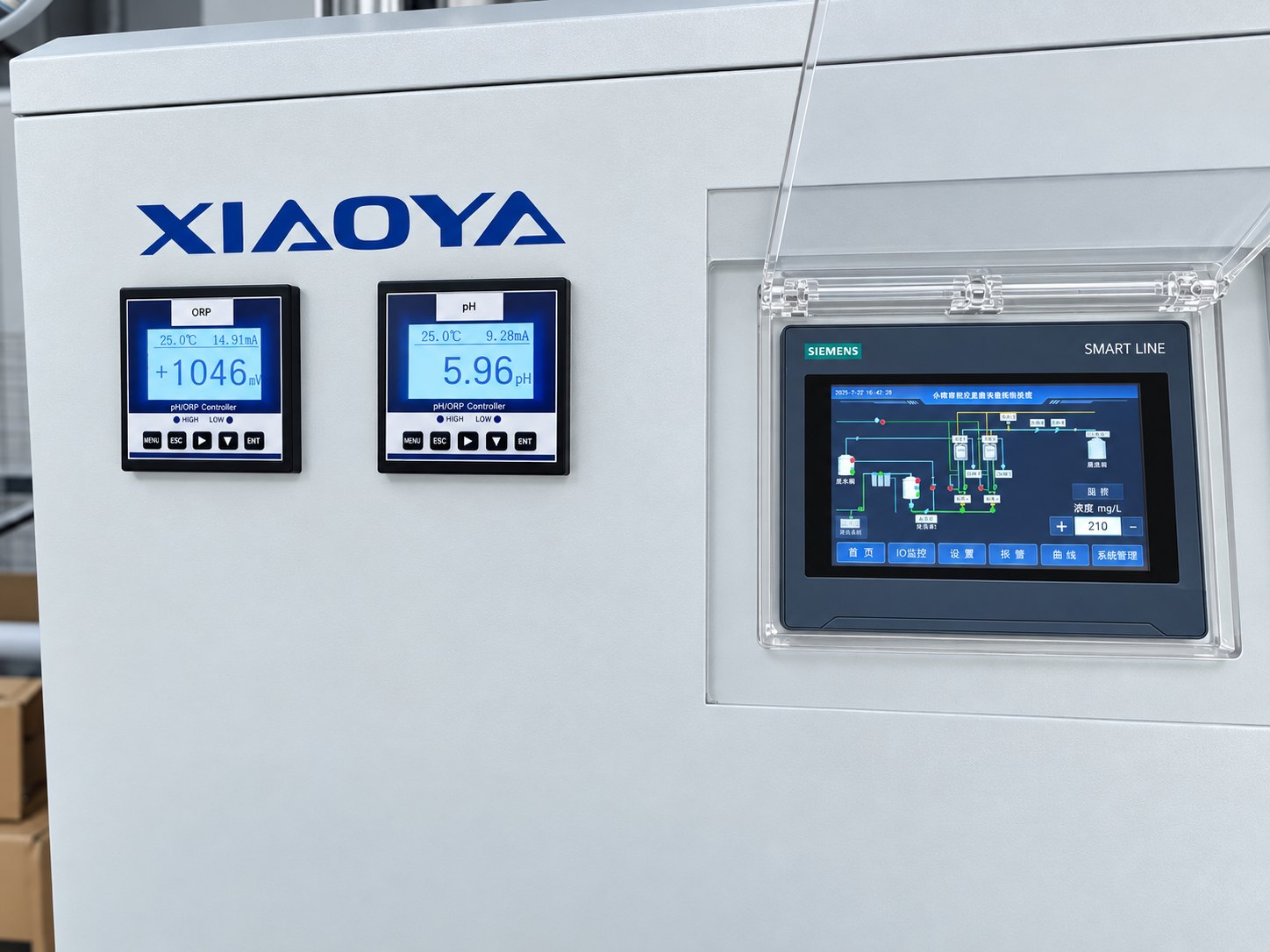
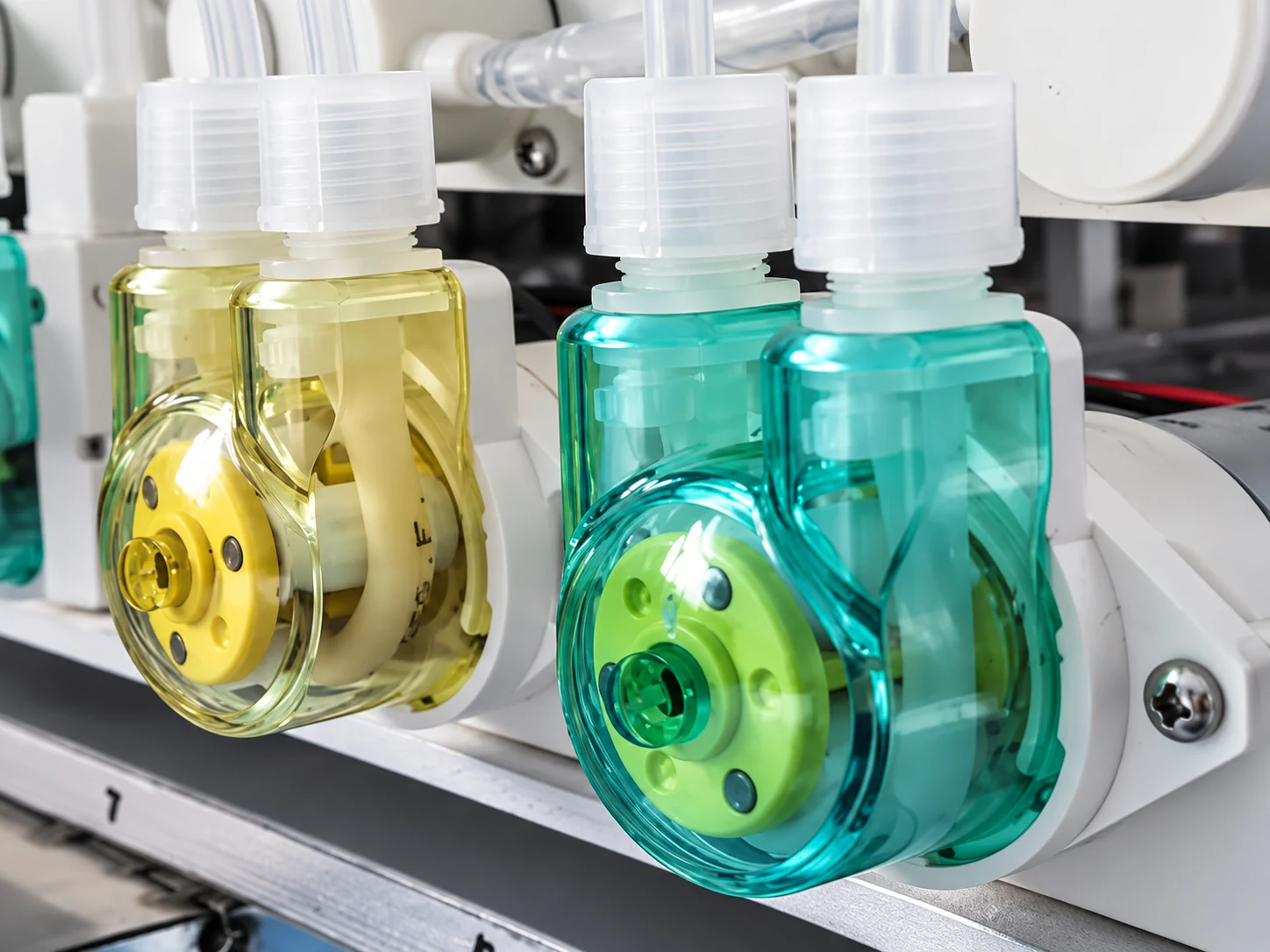
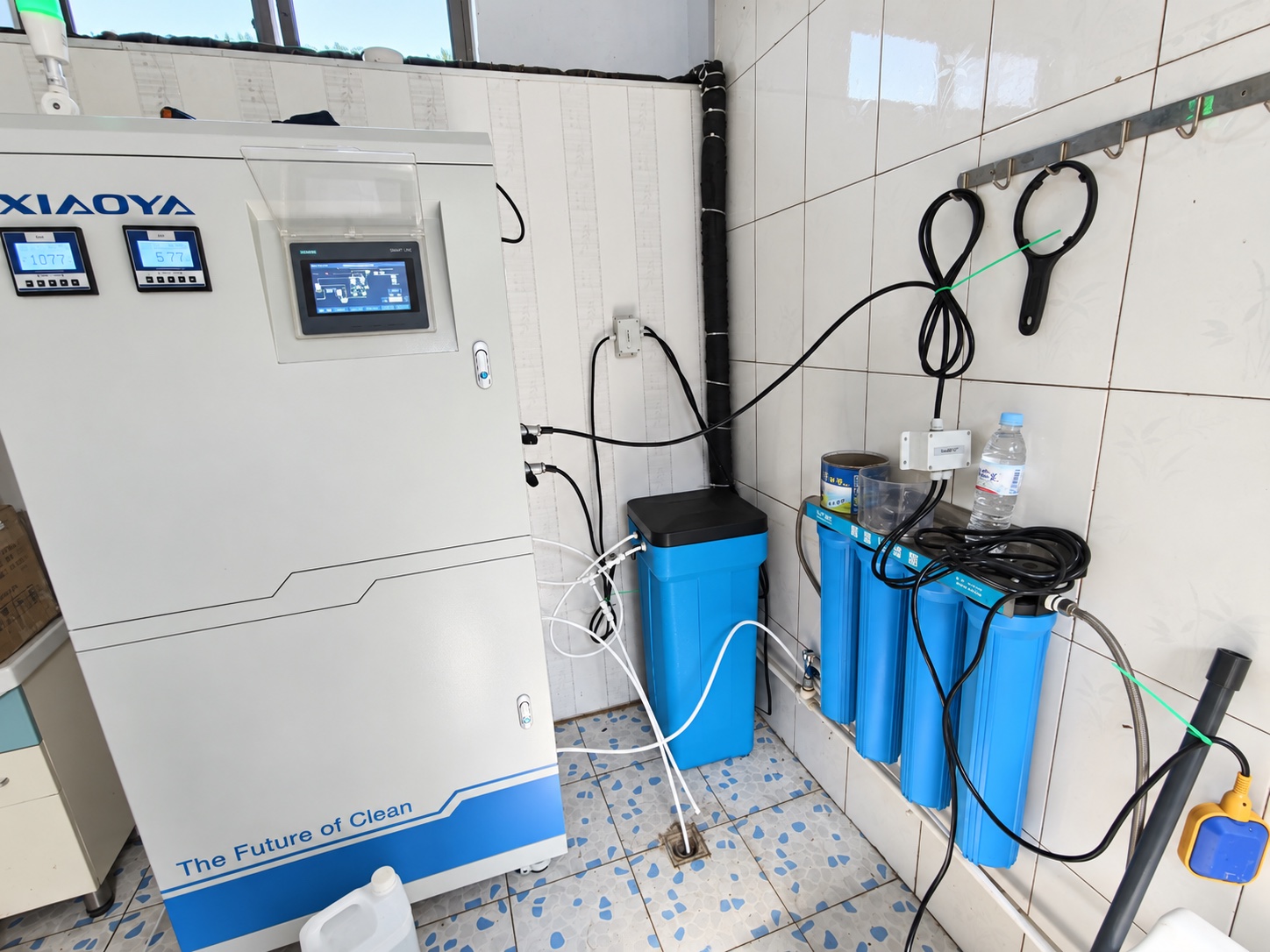
Review the specified feed supply, metering and water requirements. AQ-P100-4G and AQ-P300 configurations can be discussed where their capacity and installation format fit.
Explore HCl-fed generatorsPlan salt-solution preparation, the required water treatment and any external tanks alongside the generator.
Explore salt-fed generatorsNeed storage or delivery to several collection points?
Review integrated system scopeThe facility team should define the intended use and acceptance requirements. Equipment readings alone do not prove the outcome of a hygiene procedure.
Define the chlorine measurement, pH where relevant, method, sample point and holding period. A generator setting does not describe every container or remote use point.
Measurement guideConsider the surface, seals and equipment in contact with solution, together with the application method, concentration and duration.
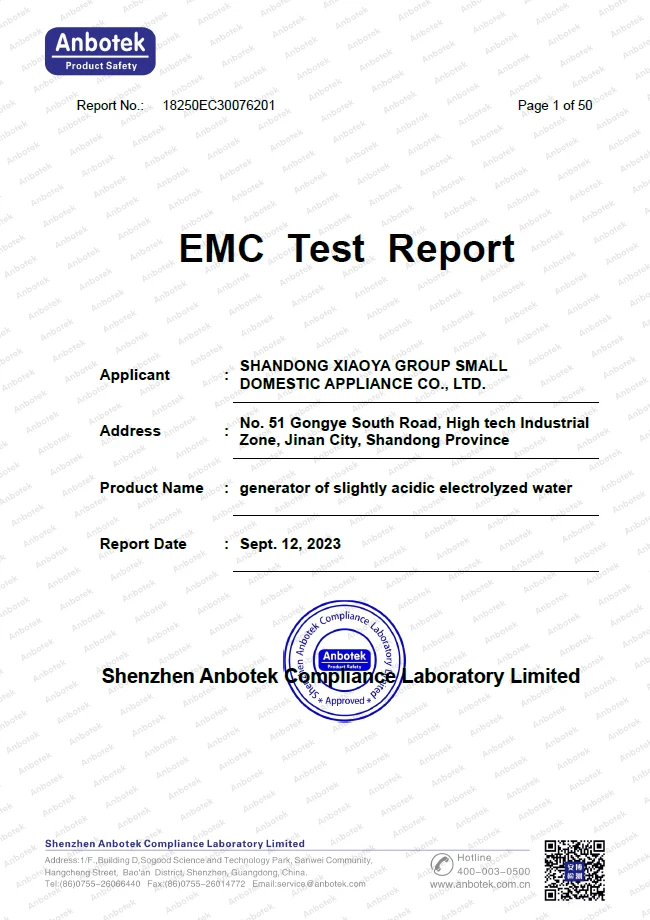
Material reviewConfirm the local requirements and the evidence needed for your hygiene task. Occupied-space fogging and direct human use are not established by this equipment overview.
Testing & validationShare the facility type, country, intended tasks, daily solution demand and existing water supply. Unknowns can be discussed with Xiaoya Group.
Discuss My Facility