


Childcare & preschool
Plan adult-only equipment access and staff collection. Separate ordinary surfaces from toys, feeding items and changing areas when defining the procedure.
Start with: items, staff access and storage.
Connect generation, staff collection and building delivery with the way your campus operates.
The equipment decision starts with tasks, collection points and the people responsible for them.
Plan adult-only equipment access and staff collection. Separate ordinary surfaces from toys, feeding items and changing areas when defining the procedure.
Start with: items, staff access and storage.Align production and collection with the custodial team’s work windows. Identify which areas need solution and when staff can access them.
Start with: cleaning shifts and collection peaks.Map teaching buildings, residences and separate cleaning teams. Distance and delivery time matter as much as the total daily volume.
Start with: buildings, routes and ownership.Compare these planning options against your daily routine. They are supply concepts, not standard equipment packages.
One controlled staff collection point
Consider whenMost demand is close to an accessible service room.
Check firstCollection queues, work windows and controlled access.
A managed container-delivery route
Consider whenAn existing staff route can serve several buildings.
Check firstHandling time, suitable containers, holding conditions and checks at use.
Separate equipment for distinct operating areas
Consider whenBuildings are distant or their work schedules differ.
Check firstAdditional site supplies, operators, maintenance and equipment cost.
Agree the procedure and responsibilities first. The sequence below illustrates supply organisation, not a disinfection protocol.

Identify tasks, planned volume and available generation time. Confirm equipment readiness and the agreed output checks.
Use suitable identified containers. Record the relevant production or collection time, destination and person responsible.
Check the solution at the required use point. Follow the specified surface, method, contact conditions and work-area access rules.
Resolve out-of-spec solution, unused stock and equipment issues using the site’s agreed procedure and backup supply plan.
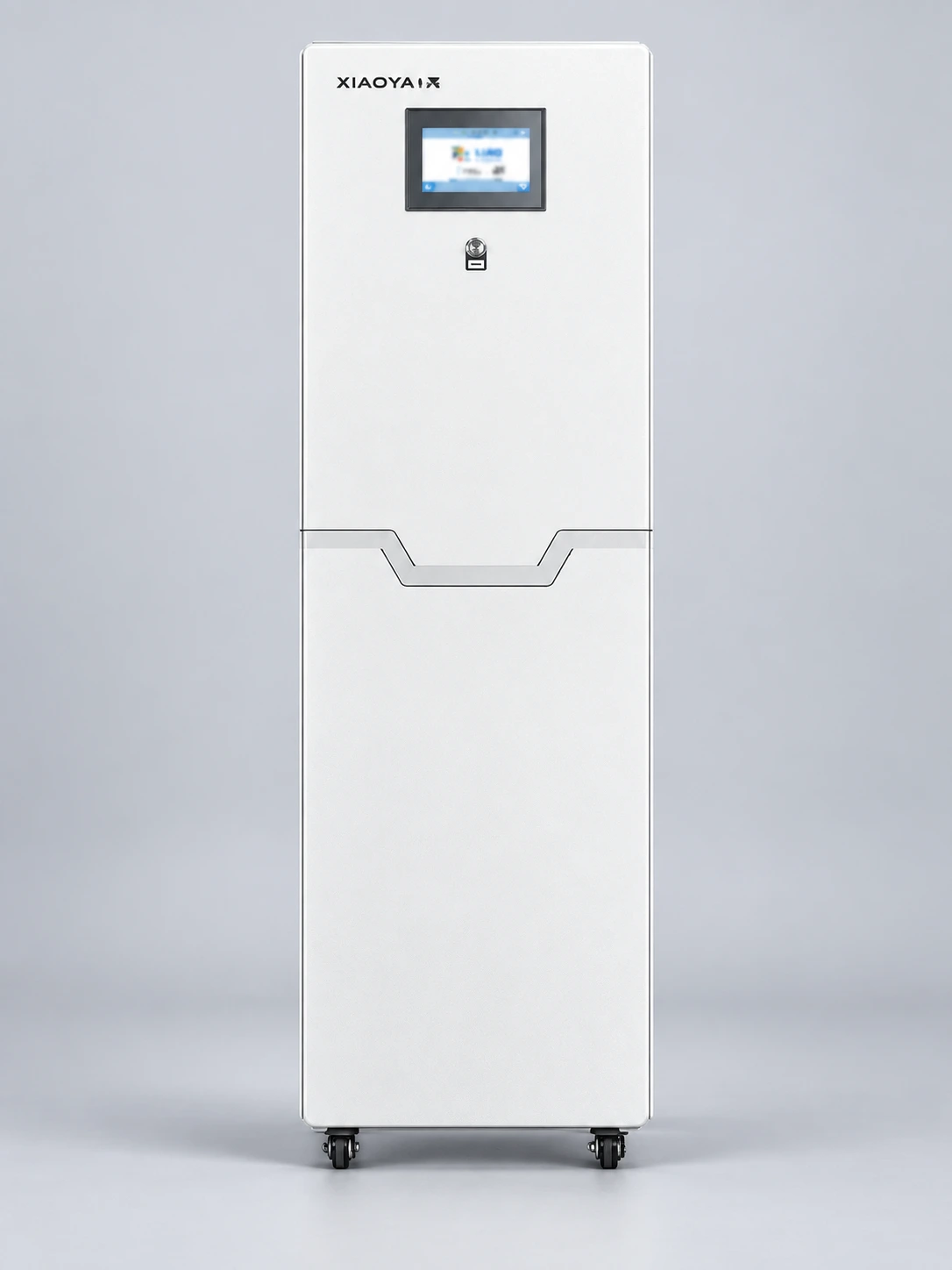
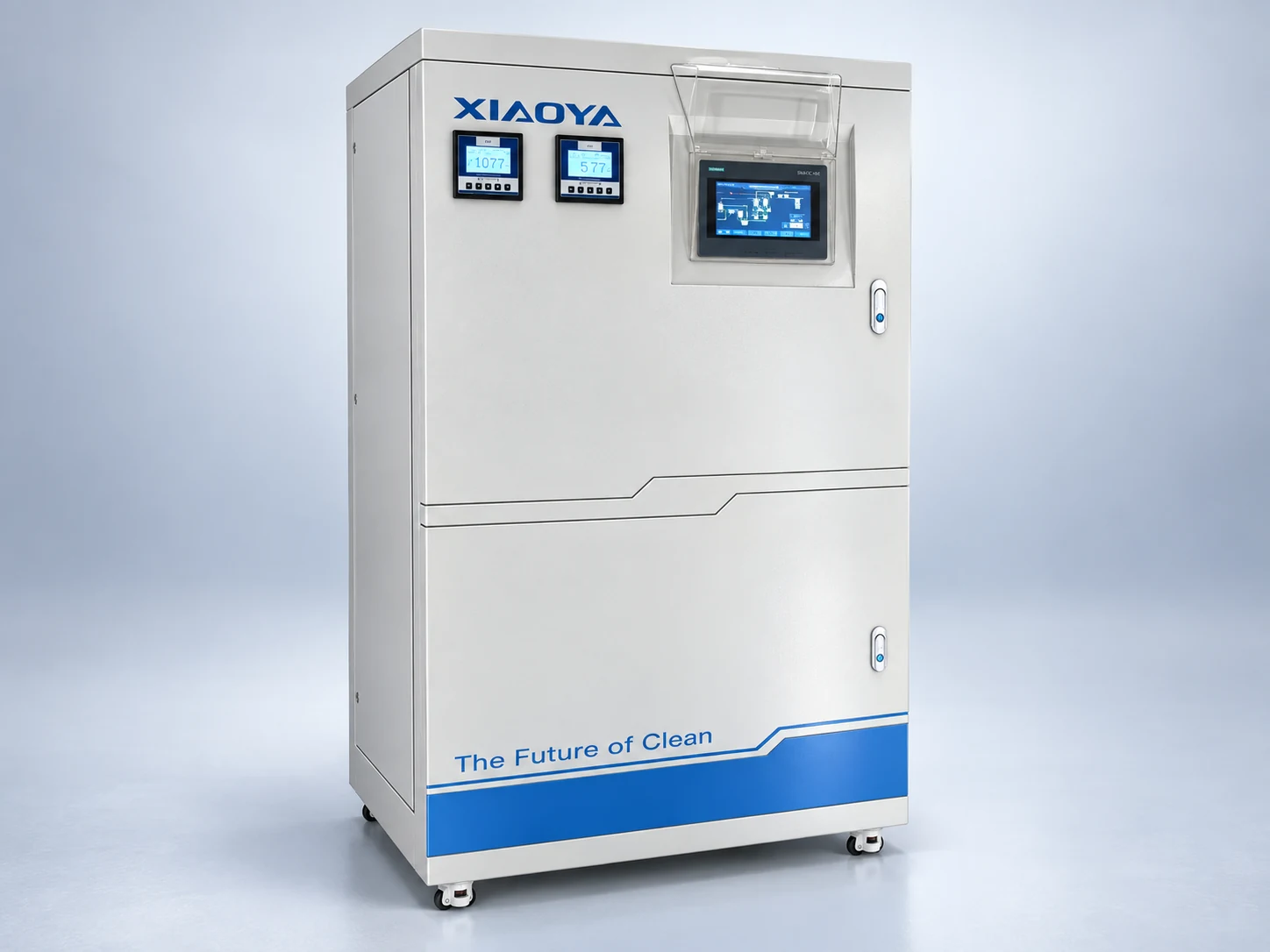
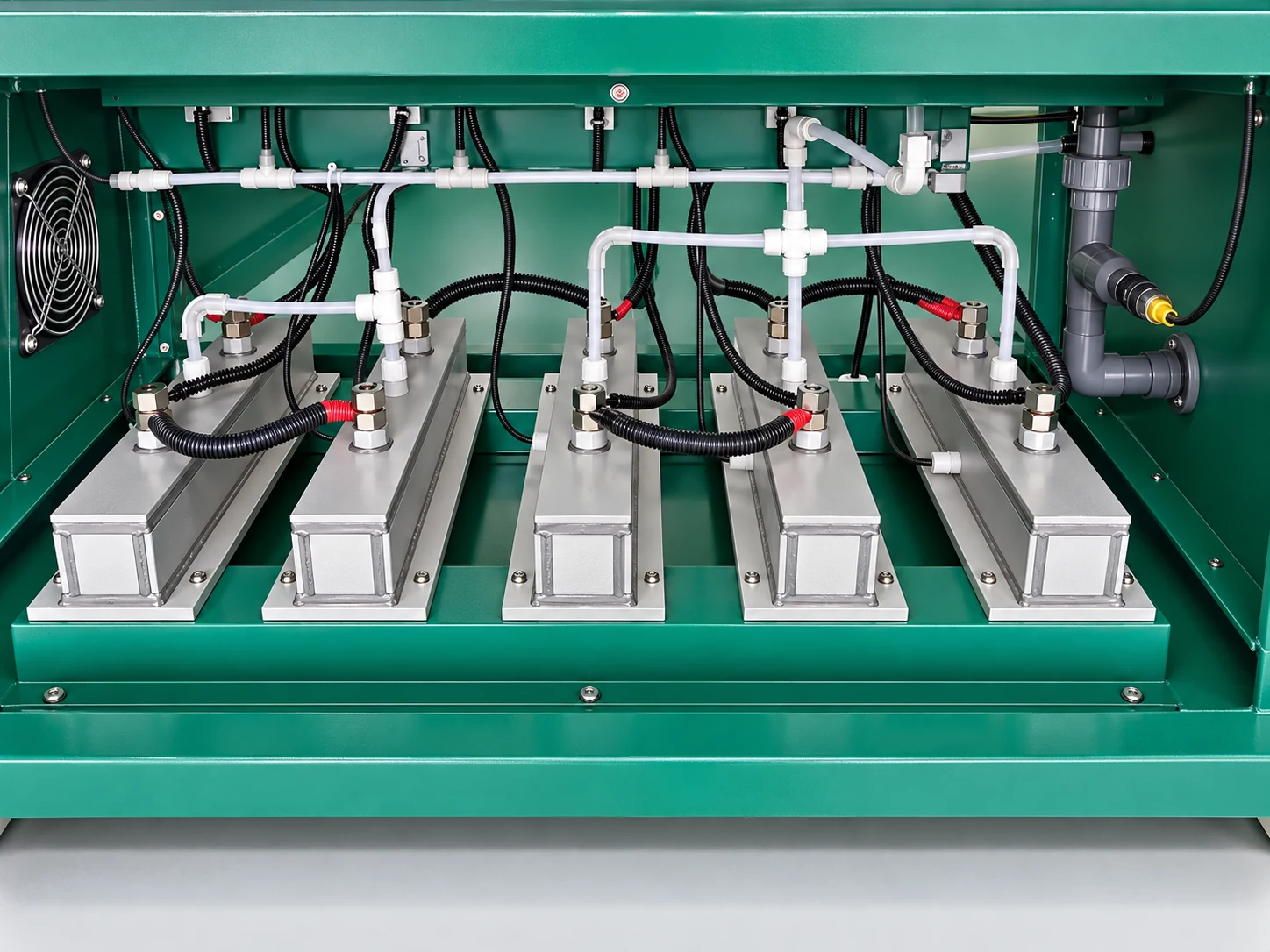
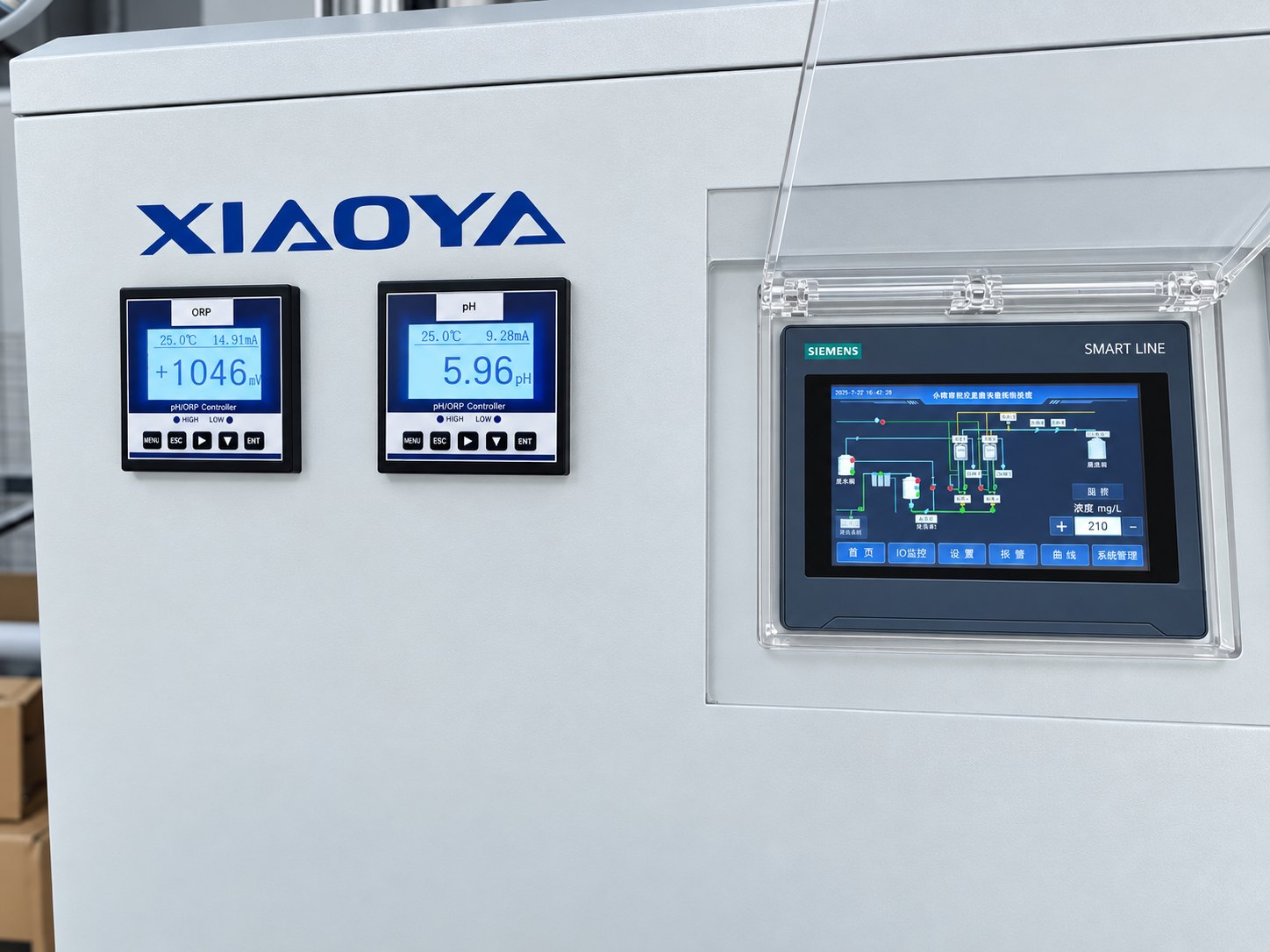
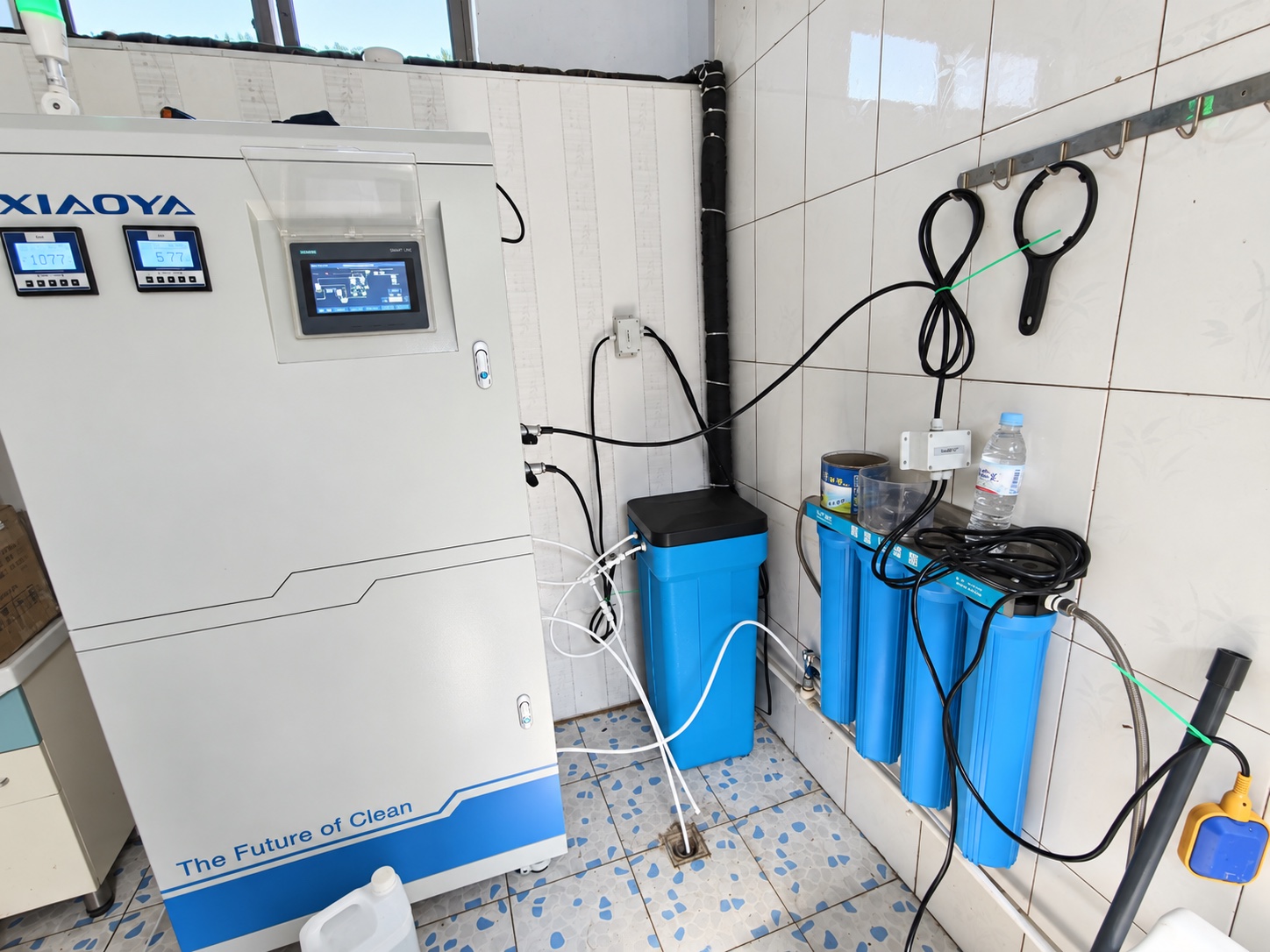
We have recorded the installation of the HCL system AQ-P100-4G in a kindergarten in Dongping, China. This on-site deployment demonstrated the practical application of our equipment in educational settings. This case can be used as a reference for layout planning and operational settings。 AQ-P300

Student numbers provide context. They do not, by themselves, determine the litres required or the right generator.
Estimate solution use by task, operating days, peak collection volume and the available production window.
Identify collection points, delivery routes, holding conditions and time before use.
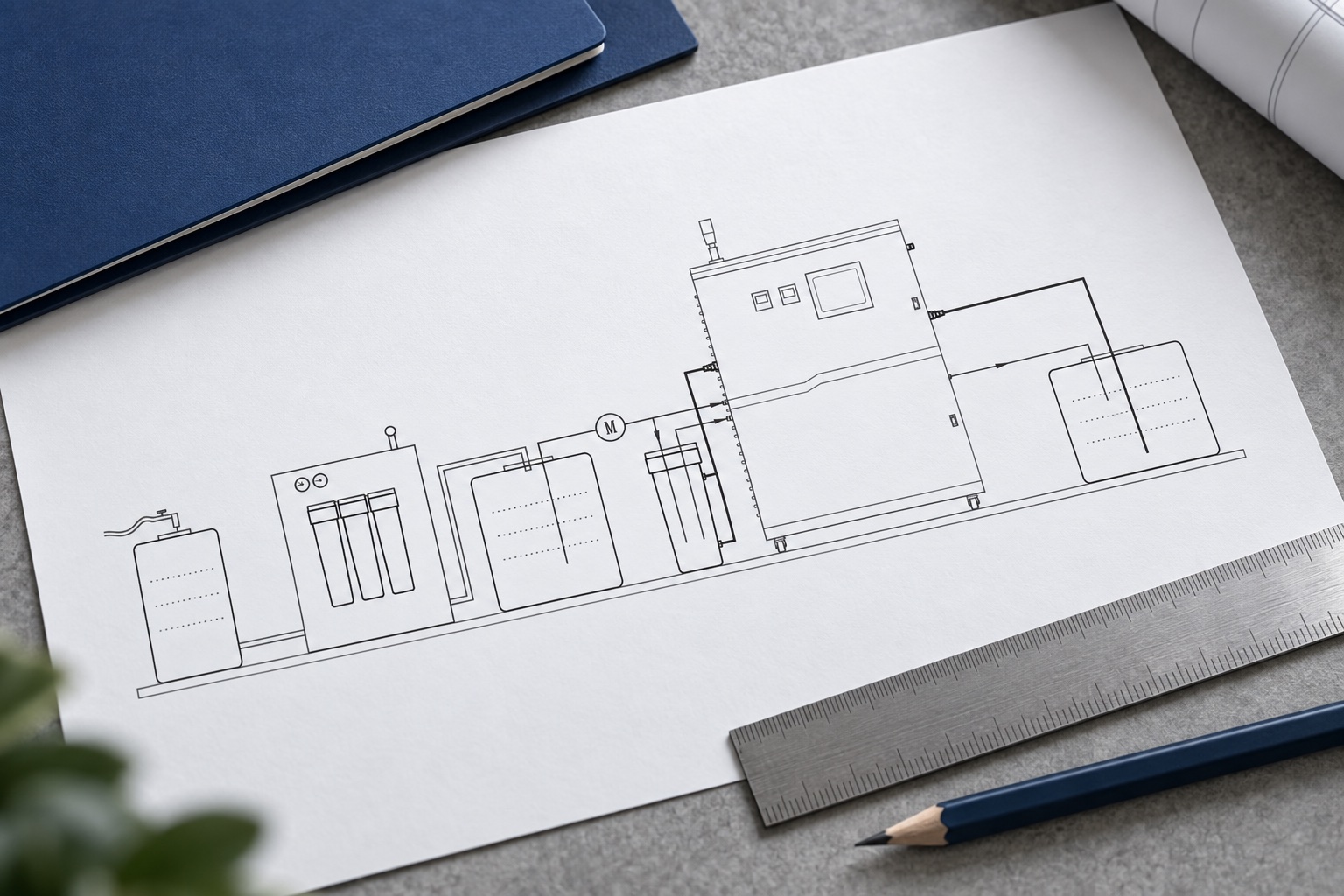
Confirm water, electrical supply, feed handling, a suitable equipment area and the team maintaining it.
AQ-P100-4G and AQ-P300 configurations can be considered where their output and installation format fit. Salt-fed equipment remains an option when its preparation and water requirements suit the site.
Resolve the operating questions that influence the purchase.
Compare actual solution consumption with equipment, site preparation, staff time and maintenance. Intermittent or low demand may make a ready-to-use supply simpler. Use your own costs in the TCO review.
Agree model-specific shutdown, restart and output checks with Xiaoya. Include feed and solution handling, planned service and a backup supply route in the operating plan. See maintenance planning.
Potentially, but assess transport time, containers, staff routes, holding conditions and checks at the point of use. Total output alone does not settle the distribution design.
Each needs its own material and use review. Do not transfer an ordinary hard-surface procedure to mouth-contact items, screens or food-contact equipment. See material compatibility and kitchen & catering applications.
Staff manage solution production and campus sanitation. Schedule classroom disinfection when students are outside the room, such as during physical education, and follow the school’s application and re-entry procedures.
Share your country, facility type, building layout, estimated solution demand and available site services. If you do not yet know the volume, describe the tasks and work schedule.