


Utensils & tableware
Evaluate the sanitation stage within the existing washing procedure, including any required final rinse.
CENTRAL KITCHENS · CATERING · INSTITUTIONAL FOODSERVICE
Plan a controlled supply for recurring sanitation tasks, with clear dispensing, staff procedures and checks at the point of use.
Discuss your kitchen requirements
MATCH SUPPLY TO RECURRING TASKS
Map the tasks your team repeats each day. Define the cleaning step, surface, use directions and rinse requirements for each one.
Evaluate the sanitation stage within the existing washing procedure, including any required final rinse.
List preparation surfaces and reusable containers, with a defined application method and contact conditions.
Keep non-food-contact tasks distinct, with suitable equipment, labeling and operating procedures.
MAKE THE ROUTINE CLEAR
Plan an understandable routine for every shift. Equipment selection and operator procedures should be developed together.
Prepare solution under the agreed equipment conditions.
Confirm release criteria and the required concentration.
Use controlled containers with a defined purpose and date.
Follow the approved cleaning and sanitation procedure.
Log checks and manage solution turnover and deviations.
Planning sequence only. Concentration, contact time, storage limits and rinse requirements follow the exact use and validated site procedure.
START WITH THE ACTUAL CONSUMPTION
Recurring demand can justify a closer equipment review. For very low consumption, compare on-site generation with an appropriate ready-to-use supply.
Xiaoya Group HOCl Selection Form ↗Kitchen locations, daily volume, peak use, filling frequency and operating days.
Current procurement, dilution, handling, storage, testing and staff training.
Equipment, feed, water, power, maintenance, testing and labor against actual consumption. Build a total-cost comparison.
A useful comparison starts with your invoices and use records. Savings and payback depend on the site; no fixed return period is assumed.
FIT THE EQUIPMENT TO THE SPACE
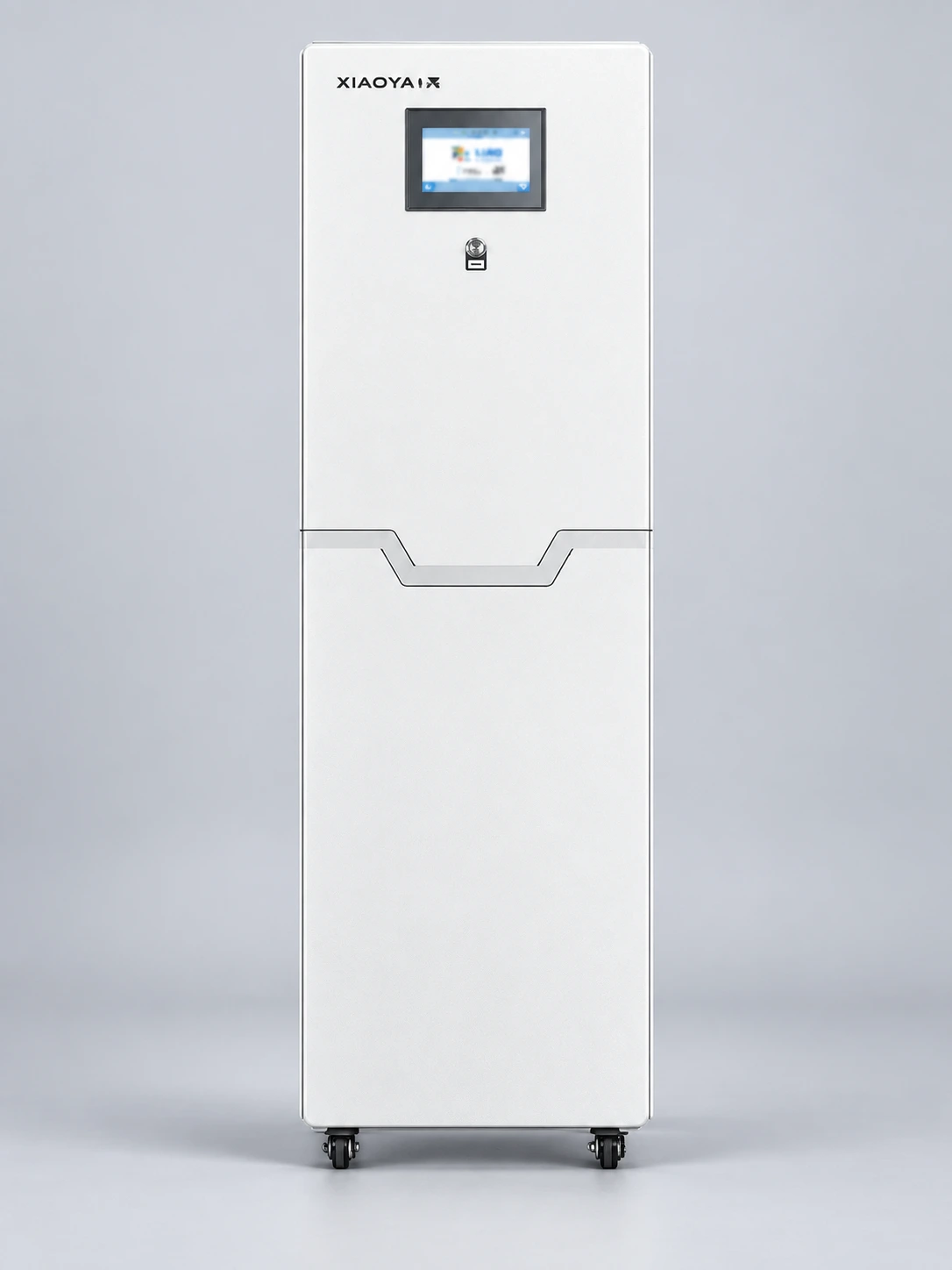
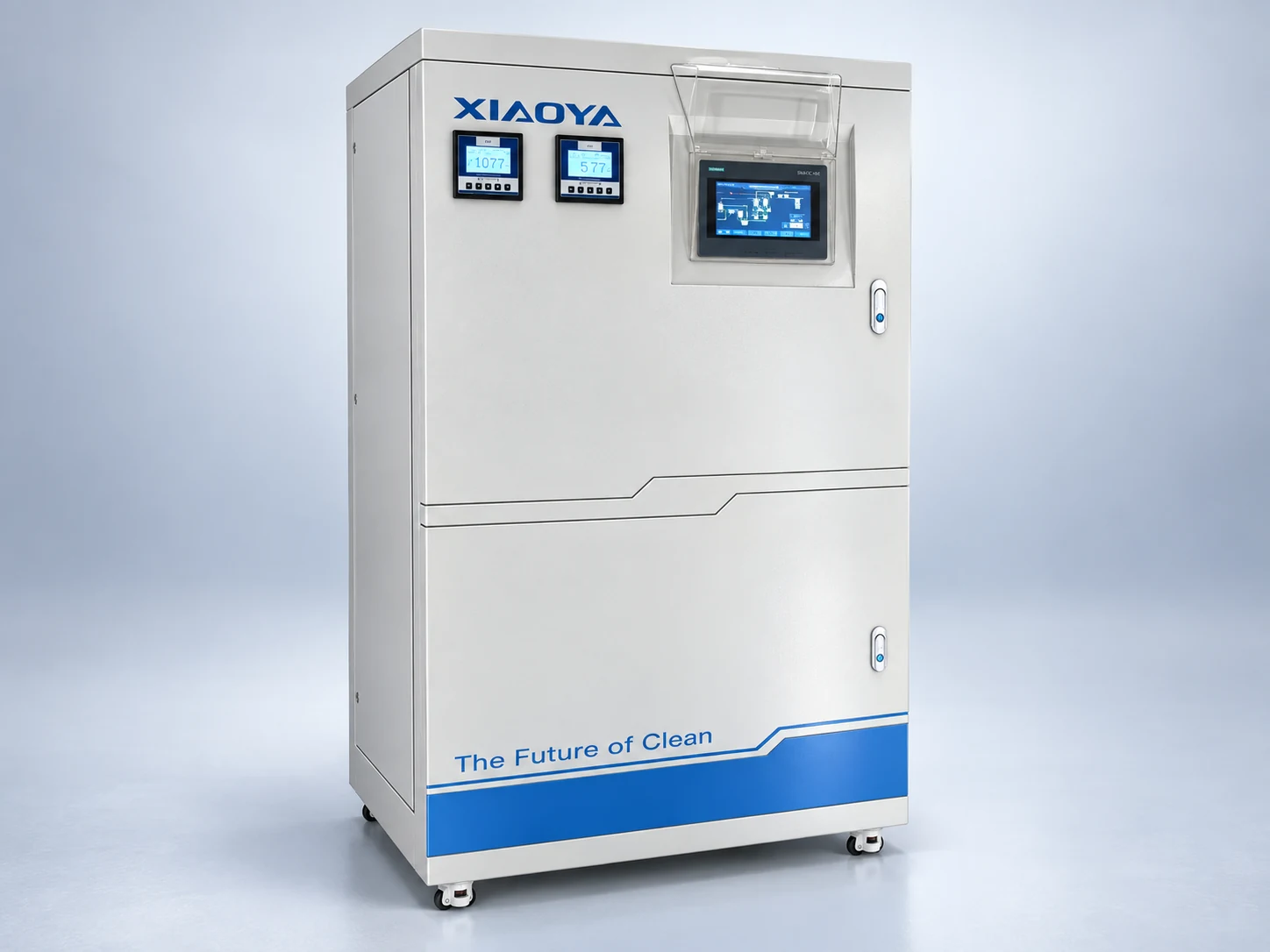
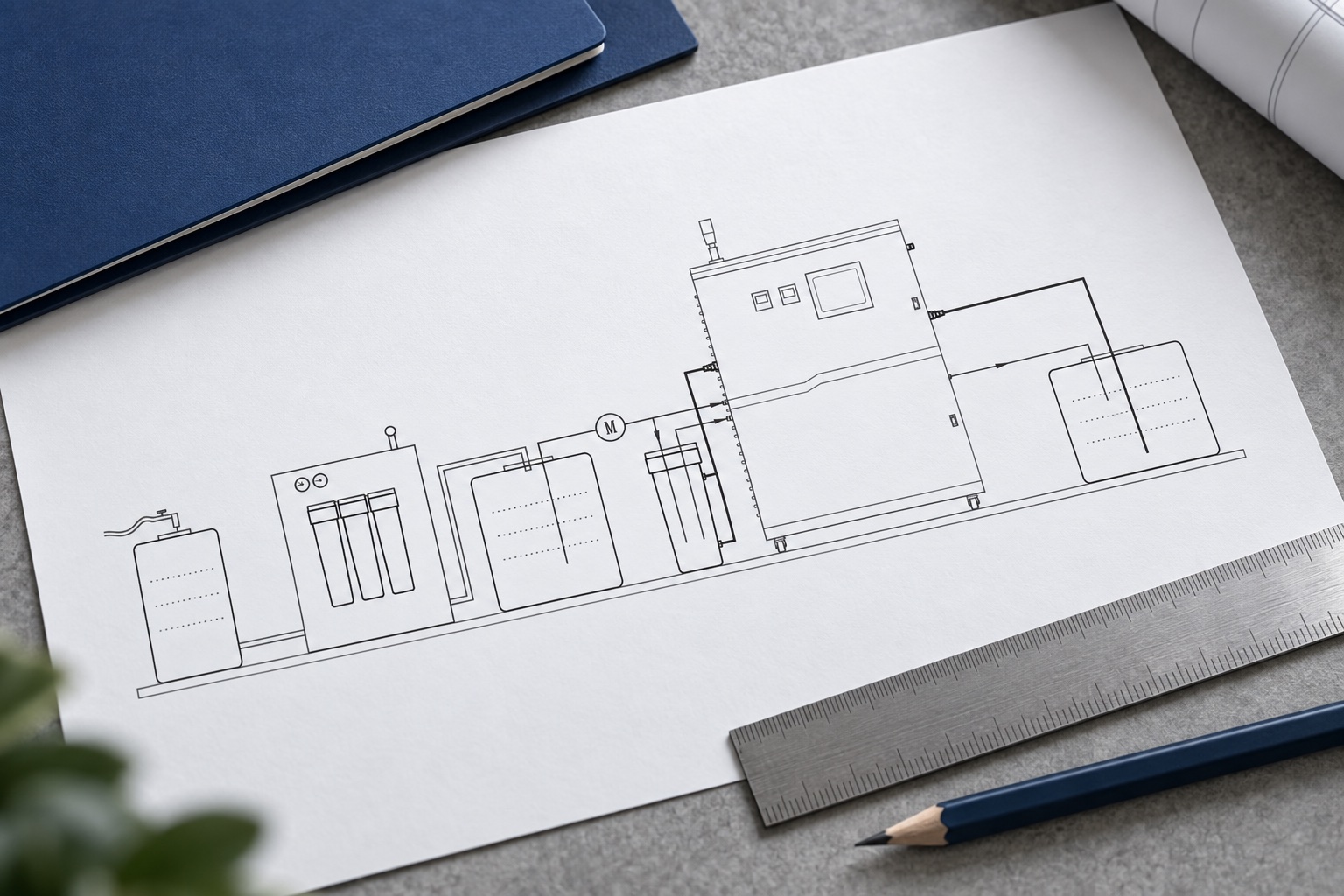
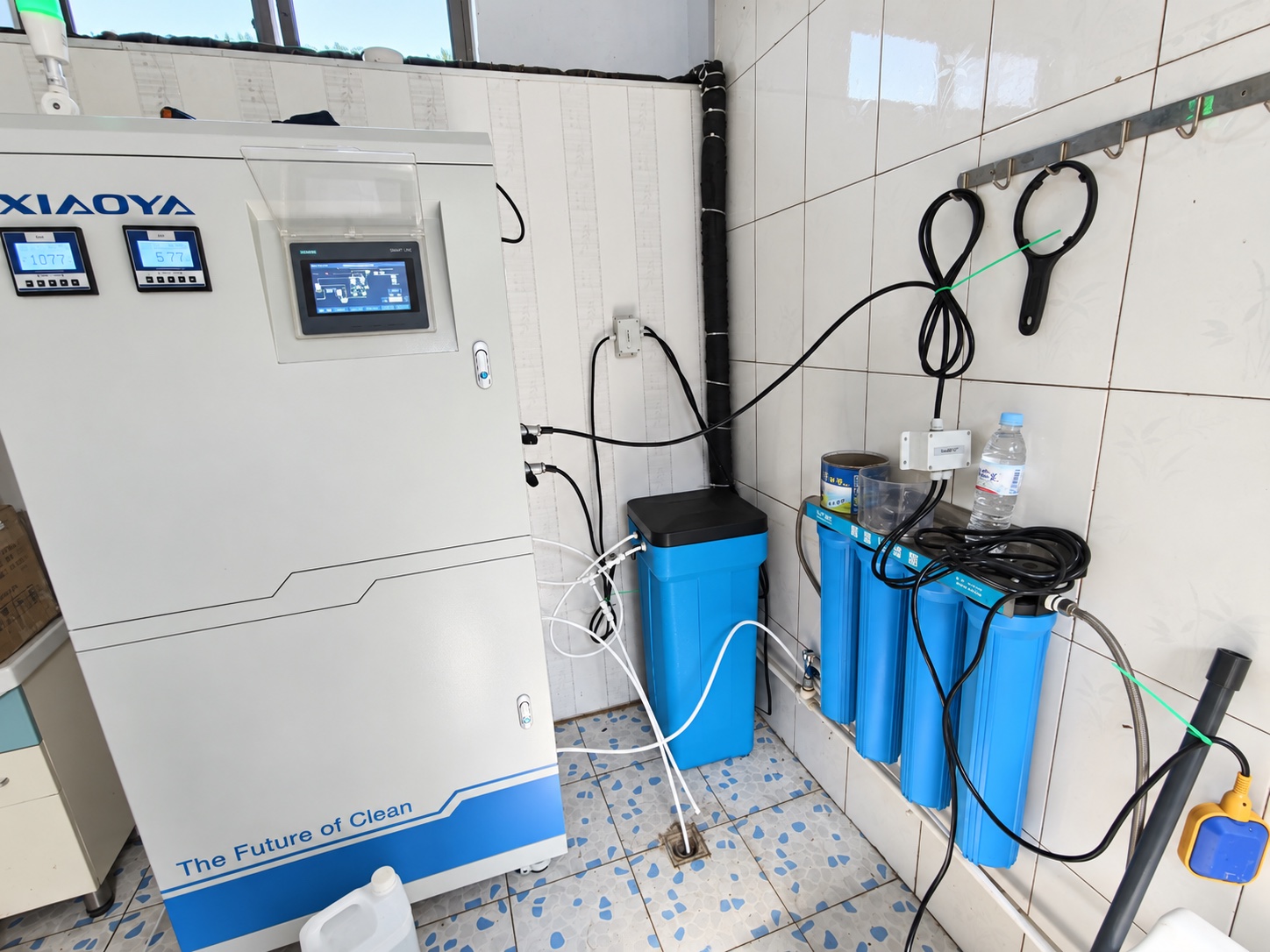
Review utilities, staff access and maintenance before selecting a generator or storage arrangement.
Source-water analysis & pressure
Power supply
Drainage & service clearance
Project-defined water preparation and any buffer storage
→Container filling, labeling and use-point checks
CONSISTENT USE ACROSS SHIFTS
Clear dispensing rules, training and checks help staff use the correct solution for the intended task.
Cover dispensing, labeling, cleaning prerequisites, contact conditions, rinsing and corrective actions.
Define where, when and how concentration is checked, with clear responsibility for releasing solution and recording results.
Set appropriate storage conditions, containers and use limits. Avoid assuming generated solution can be held indefinitely.
Supplying multiple sites requires a separate assessment of transport, stability, handling and applicable requirements.
YOUR CENTRAL KITCHEN OR CATERING PROJECT
Start with the number of kitchens, main tasks, estimated daily use, shifts and destination country.
Request a kitchen proposalThe generator requires an initial investment, while ongoing electricity and material costs are relatively low. Xiaoya can calculate a project-specific payback estimate using your consumption and current supply costs. Customer estimates may be around 1 to 1.5 years, depending on operating conditions.
No, HOCl cannot replace your dishwasher or thermal process. The dishwasher provides mechanical cleaning to remove soil and organic residues, while thermal processing delivers high-level microbial kill. HOCl is a post-cleaning disinfectant. It works after physical cleaning, to reduce residual microbes.
No, a final rinse is not required. HOCl breaks down into water and salt after use and leaves no harmful residues. Surfaces can simply air-dry after adequate contact time. If your site has strict internal food safety protocols or concerns about taste/salt deposits, a final rinse may be optional.
Possibly, but review each site and any transport or storage arrangement, including stability, handling and verification.