


Tank or flume contact
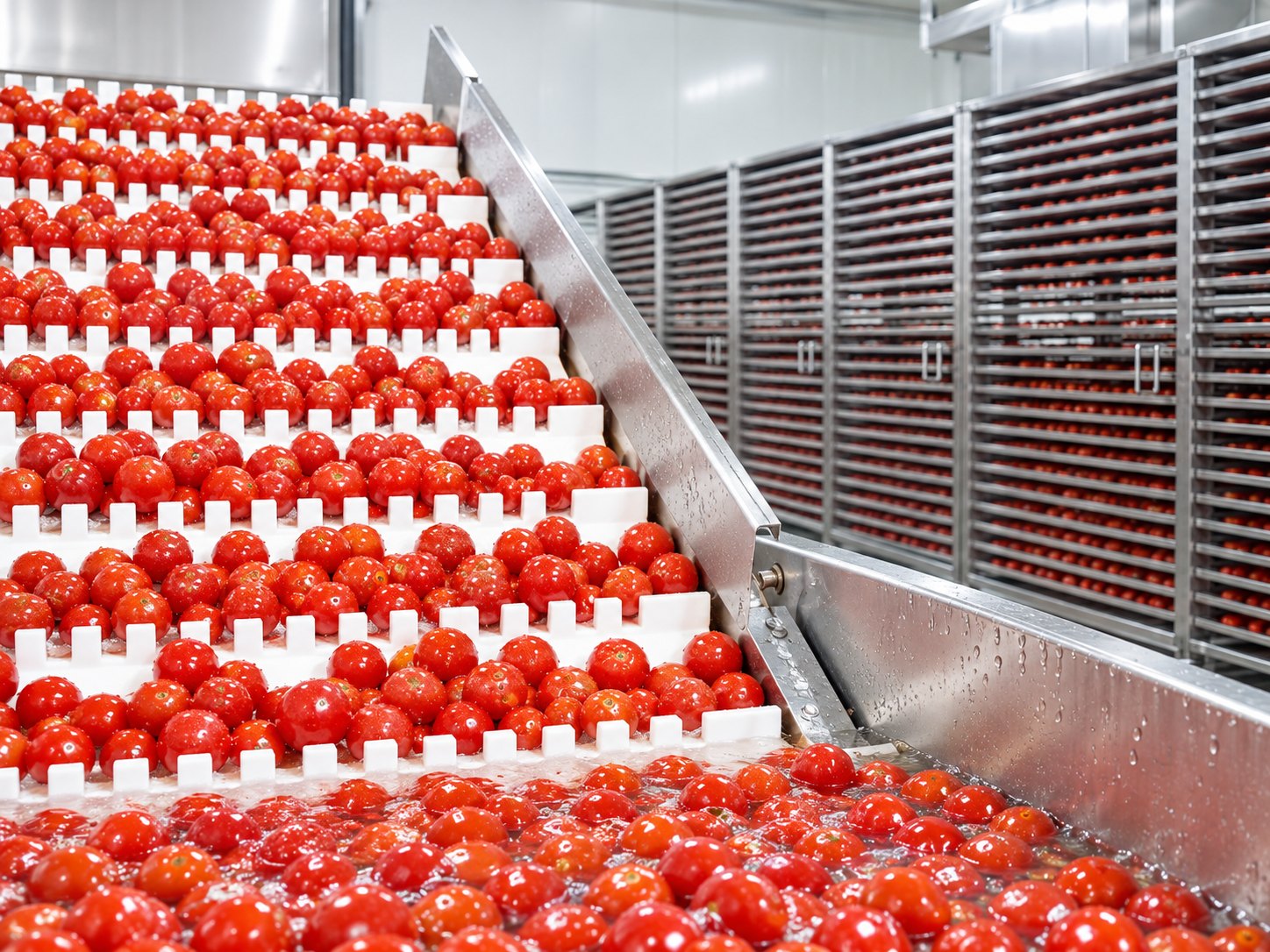
Review tank volume, produce movement, contact duration and how water is replenished.

FOR PRODUCE PROCESSORS & PACKHOUSES
Evaluate hypochlorous acid generation for fruit and vegetable washing, with the supply matched to your process, water circuit and point-of-use requirements.
Discuss your wash line
START WITH THE CONTACT METHOD
Review how your line brings water into contact with the produce. Tank or flume contact and spray contact each need a process-specific assessment.
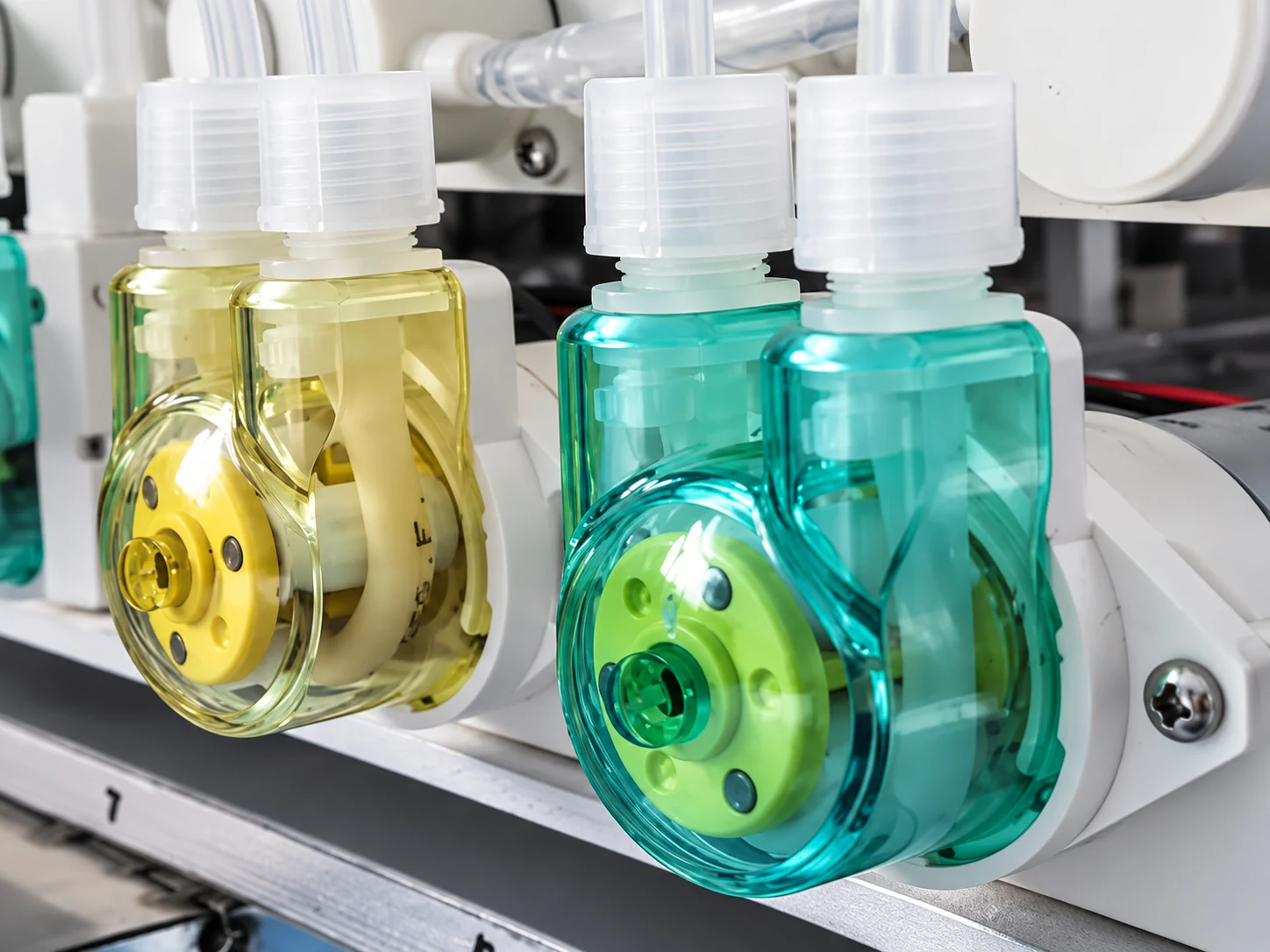
Review tank volume, produce movement, contact duration and how water is replenished.
Review nozzle demand, coverage, exposure time and the solution delivered at the spray bar.
PLACE GENERATION IN THE PROCESS
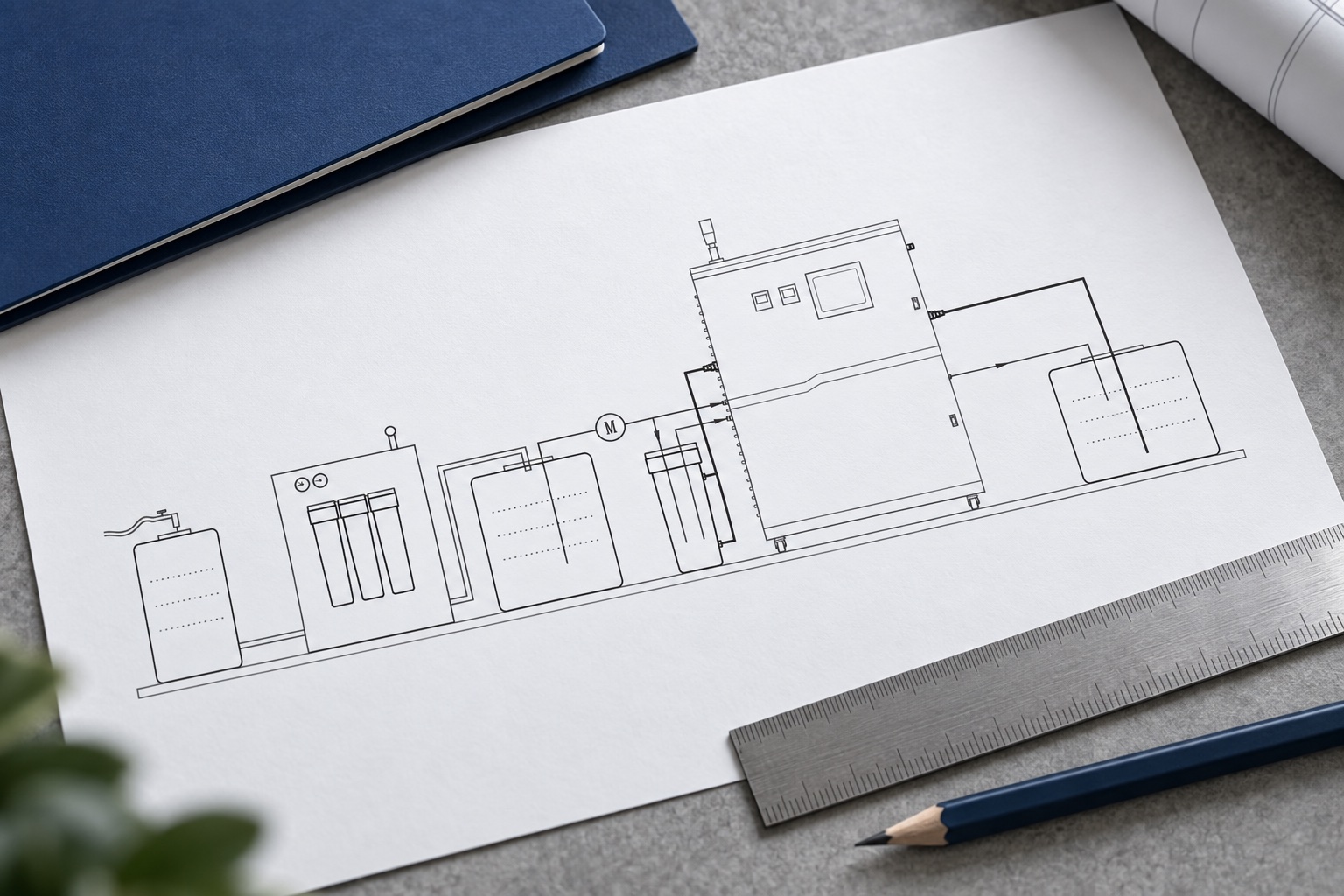
Define where the generated solution enters the process and where it is measured. The following is a planning diagram, not an installation drawing.
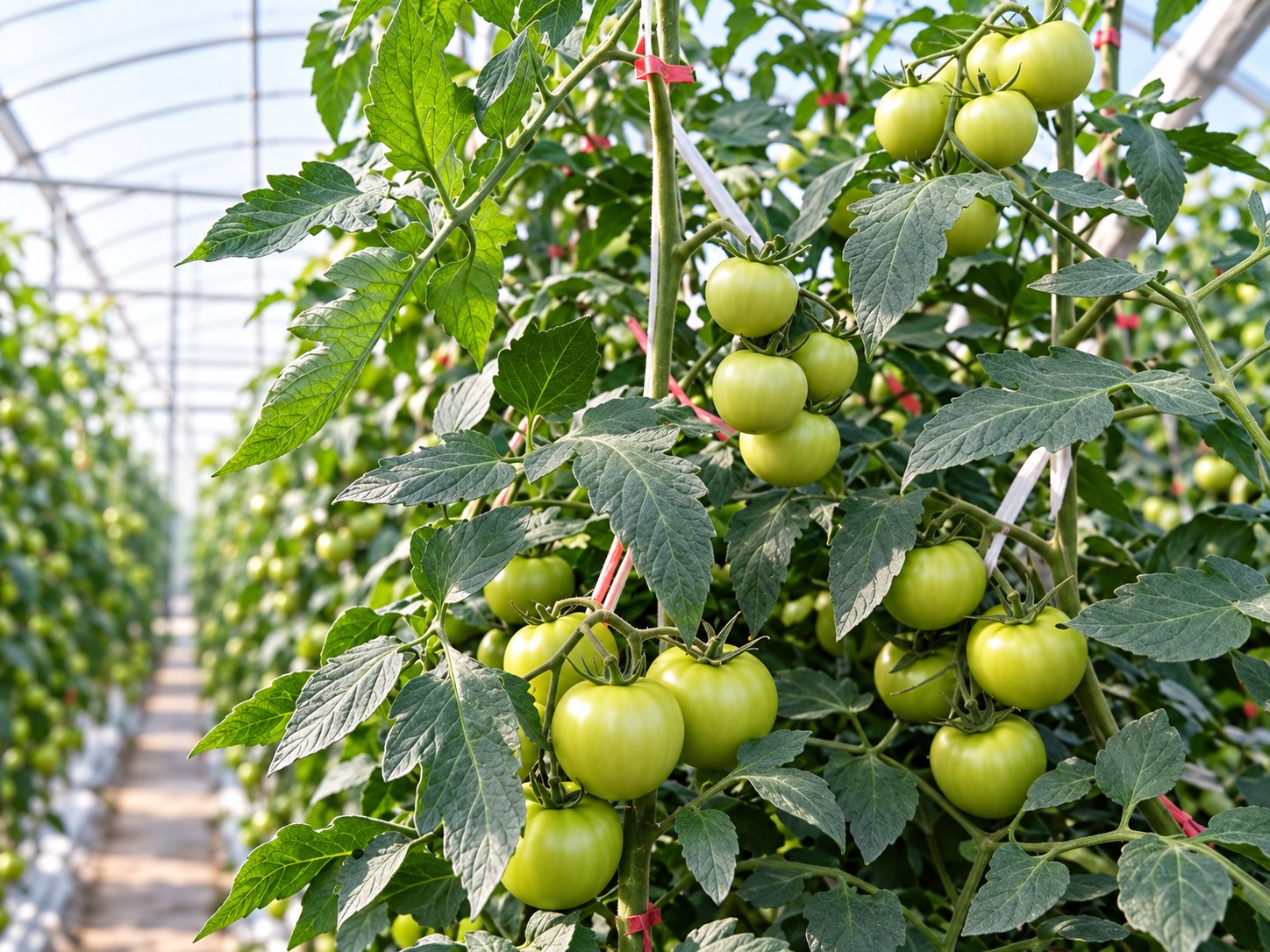
Crop, condition and incoming load
Tank / flume or spray contact
Verify at the point of useDrain, rinse or further processing as required
Storage, pumps, dosing, instruments and controls are specified by project. Direct-food use must match the destination-market requirements and validated plant process.
TWO DIFFERENT WATER BALANCES
A wash tank and a spray line can use different water circuits. Establish the actual flow paths before sizing generation.
Start with the required flow and run time at the treatment point. Review solution concentration, any dilution and simultaneous lines.
Review initial fill, make-up, losses and changing treatment demand. Recirculation flow alone does not determine generator output.
Keep three quantities separate: produce throughput, water circulation flow and required generated-solution flow.
TURN YOUR PROCESS INTO AN EQUIPMENT BRIEF
Tonnes of produce per hour are useful context. Water demand, solution quality and the operating schedule determine the generation requirement.
Xiaoya Group HOCl Selection Form ↗SELECT THE GENERATOR AND ITS INTERFACES
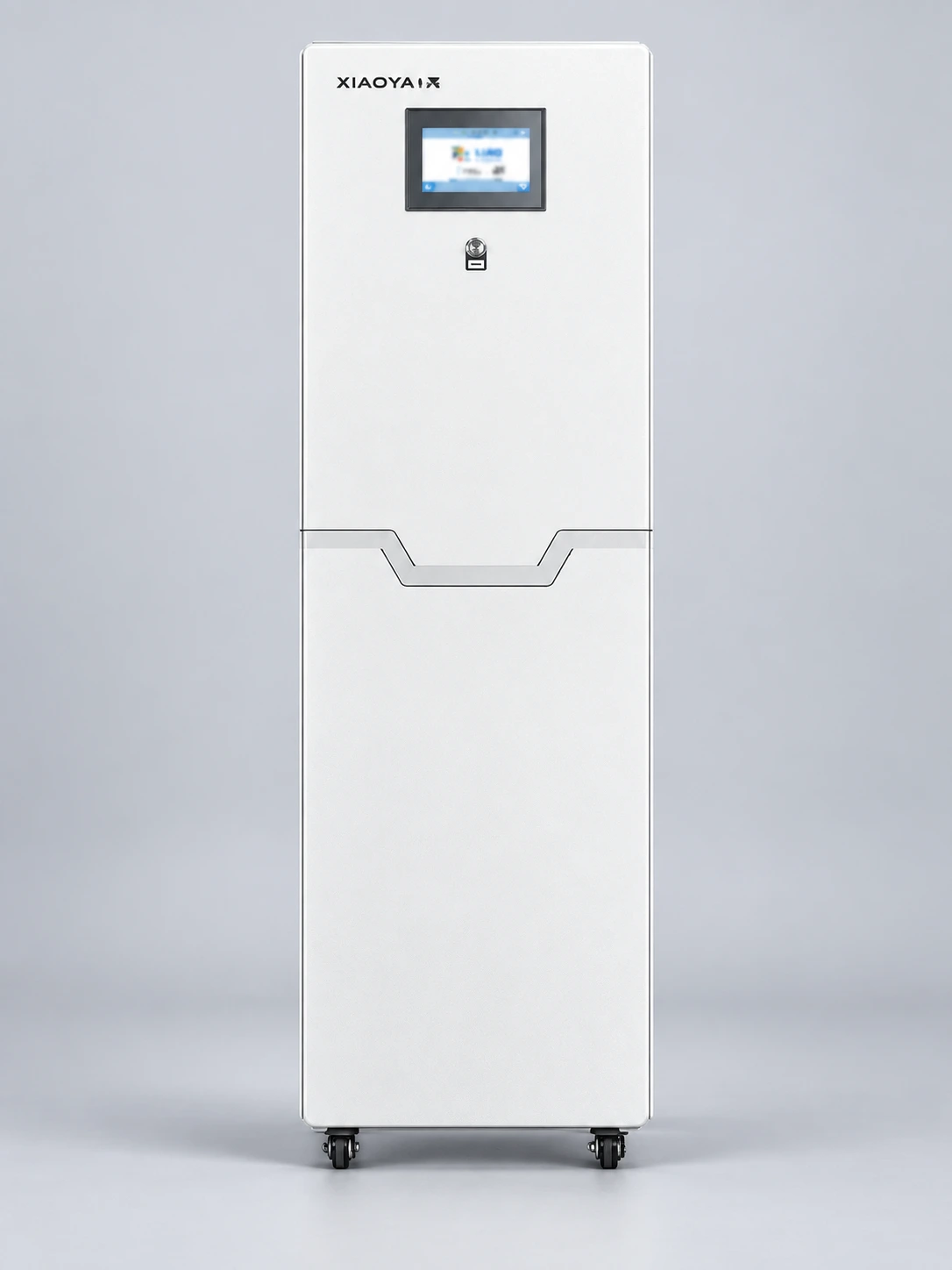
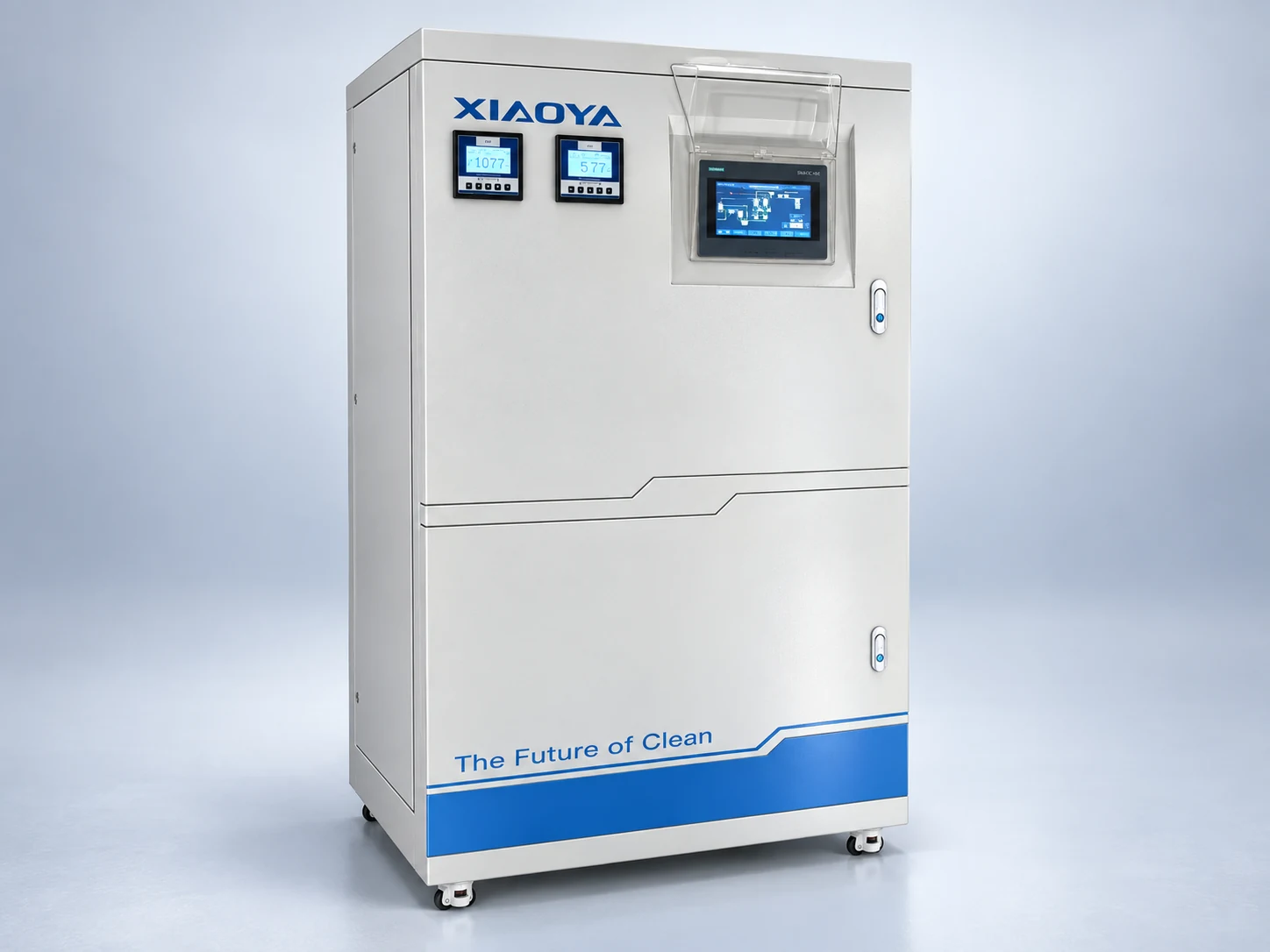
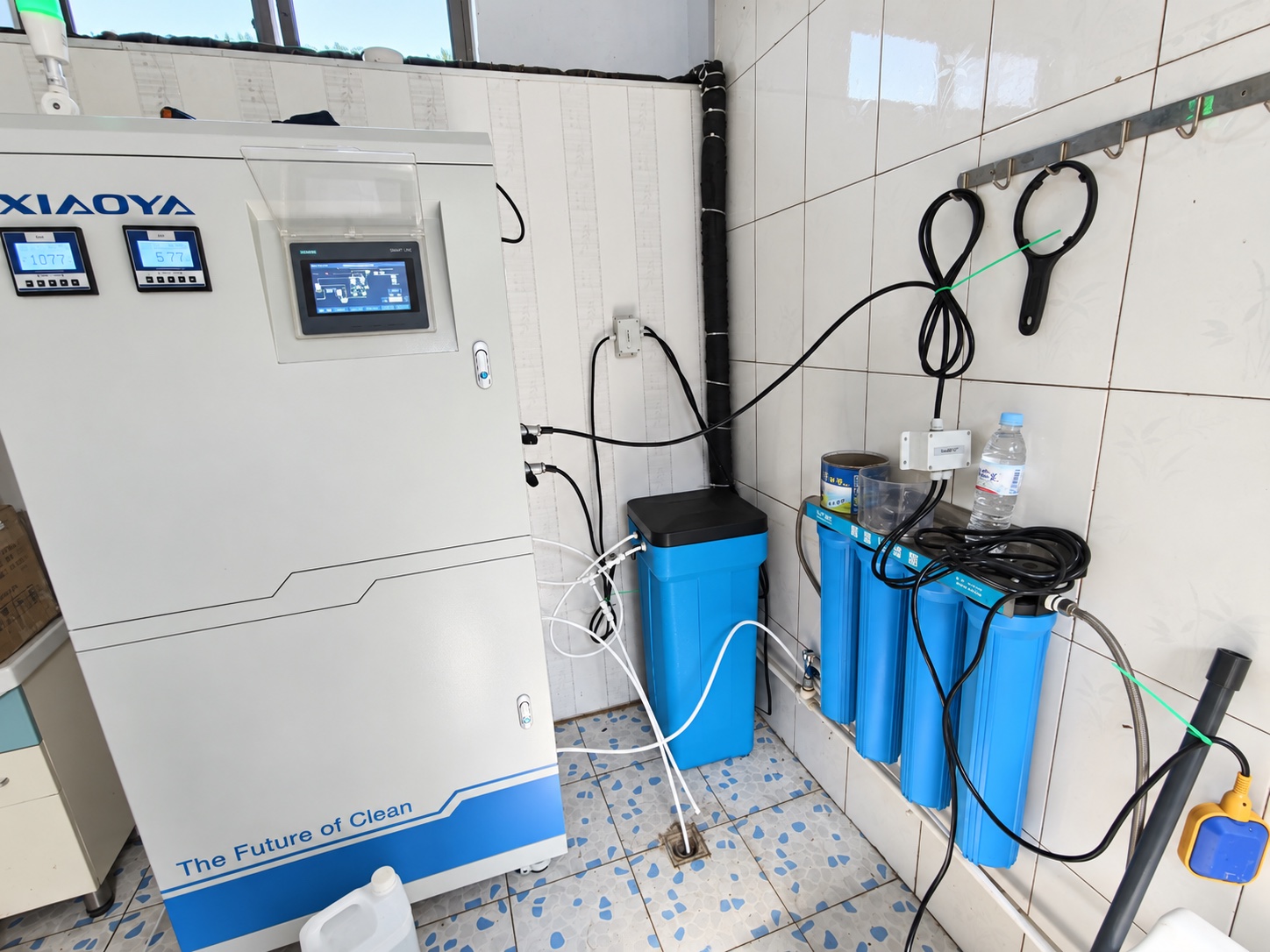
Evaluate HCl-fed and salt-fed generation against water, feed handling and required output conditions. Final model selection follows the process review.
VERIFY UNDER REAL OPERATING CONDITIONS
Incoming produce and water conditions change. Establish acceptable conditions and a response to deviations as part of the plant’s validation plan.
Planning equipment sanitation instead?Identify the commodity, process objective, destination market and applicable food-use requirements.
Measure generated solution and actual wash-step conditions, including representative high-load operation.
Define chemical and microbiological checks, product-quality observations and corrective actions. Review test and validation requirements.
Reassess after changes to crop, water source, process or operating load.
YOUR PRODUCE-WASHING PROJECT
Share your crop, wash method, approximate demand and destination. Xiaoya can review the equipment and integration requirements with you.
Request a wash-line proposalThis can be evaluated from peak simultaneous demand, distribution, any buffer and independent use-point controls.
We can customize your hypochlorous acid generator according to your overall working conditions
No such assumption should be made. Review water quality, organic load, make-up, losses and the discharge or replacement strategy.
We can state no-rinse only if it complies with the local biocide & food contact regulations of your target market.
Hypochlorous acid is a food-contact safe sanitizer, but “no rinse” is a regulated claim. Some markets require a rinse step after disinfection for dairy / food processing surfaces, even for HOCl. We need to check your local rules before adding this statement.