

Fixed sanitation stations
Hose stations or fixed application points, with appropriate pressure and use-point checks.

ON-SITE GENERATION · FOOD PLANT HYGIENE
Bring on-site generation into your plant’s sanitation routine. Plan the supply around your workstations, cleaning windows and use-point requirements.
Discuss your sanitation stationsMAP THE WORK, THEN THE EQUIPMENT
Start with a surface inventory. Separate equipment and utensil sanitation from direct treatment of food.

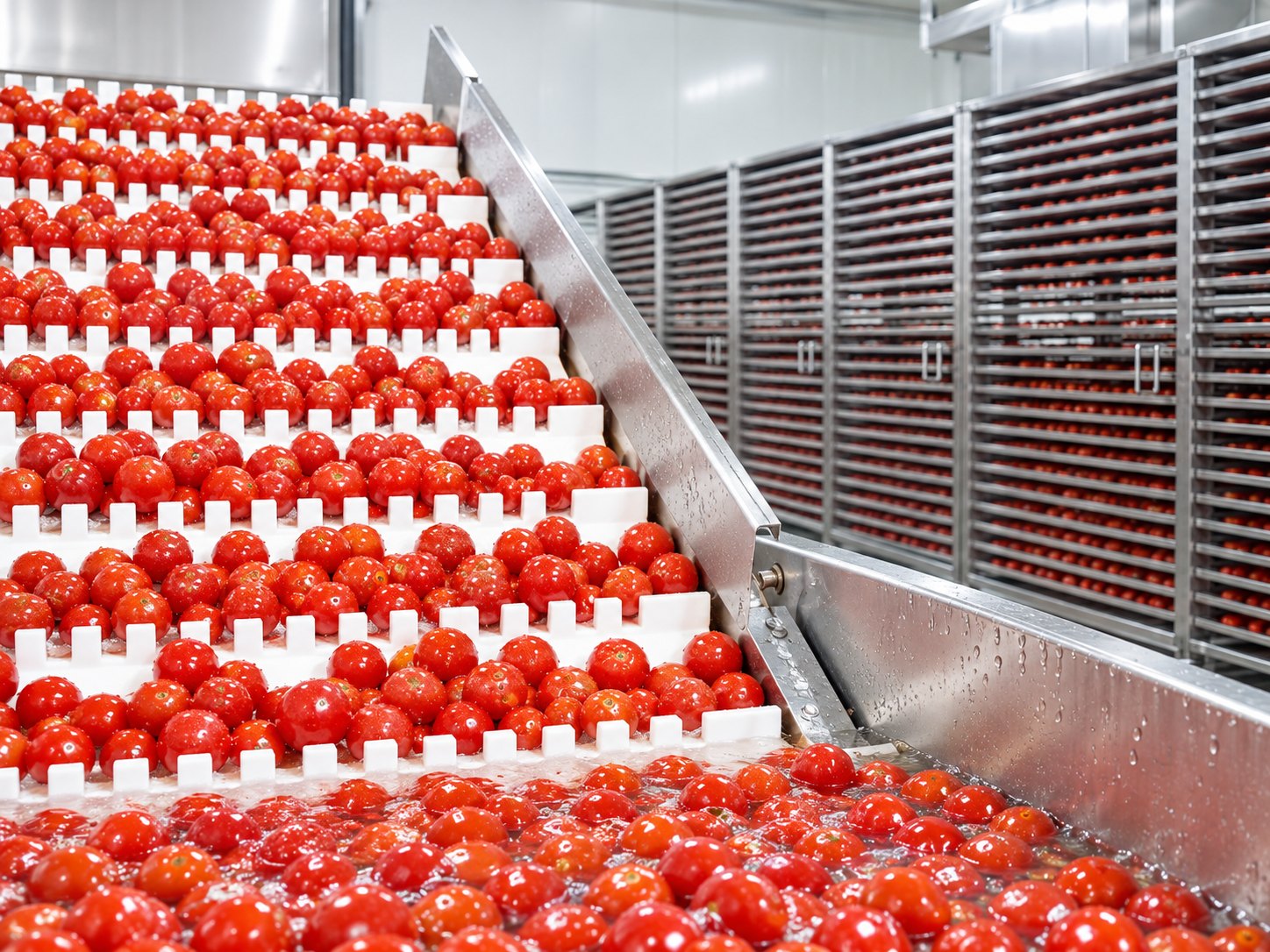
Worktops · Conveyor belts · Food-contact crates · Removable utensils
FIT INTO THE EXISTING PROCEDURE
HOCl does not replace removing fats, proteins or physical soil. Confirm the sequence against your plant’s approved procedure.
Complete the required physical cleaning and detergent step.
Rinse as specified and keep cleaning chemicals separate from the sanitizer supply.
Meet the specified use-point concentration, coverage and wet-contact conditions.
Complete any required final rinse, inspection and verification before production.
FROM THE GENERATOR TO THE STATION
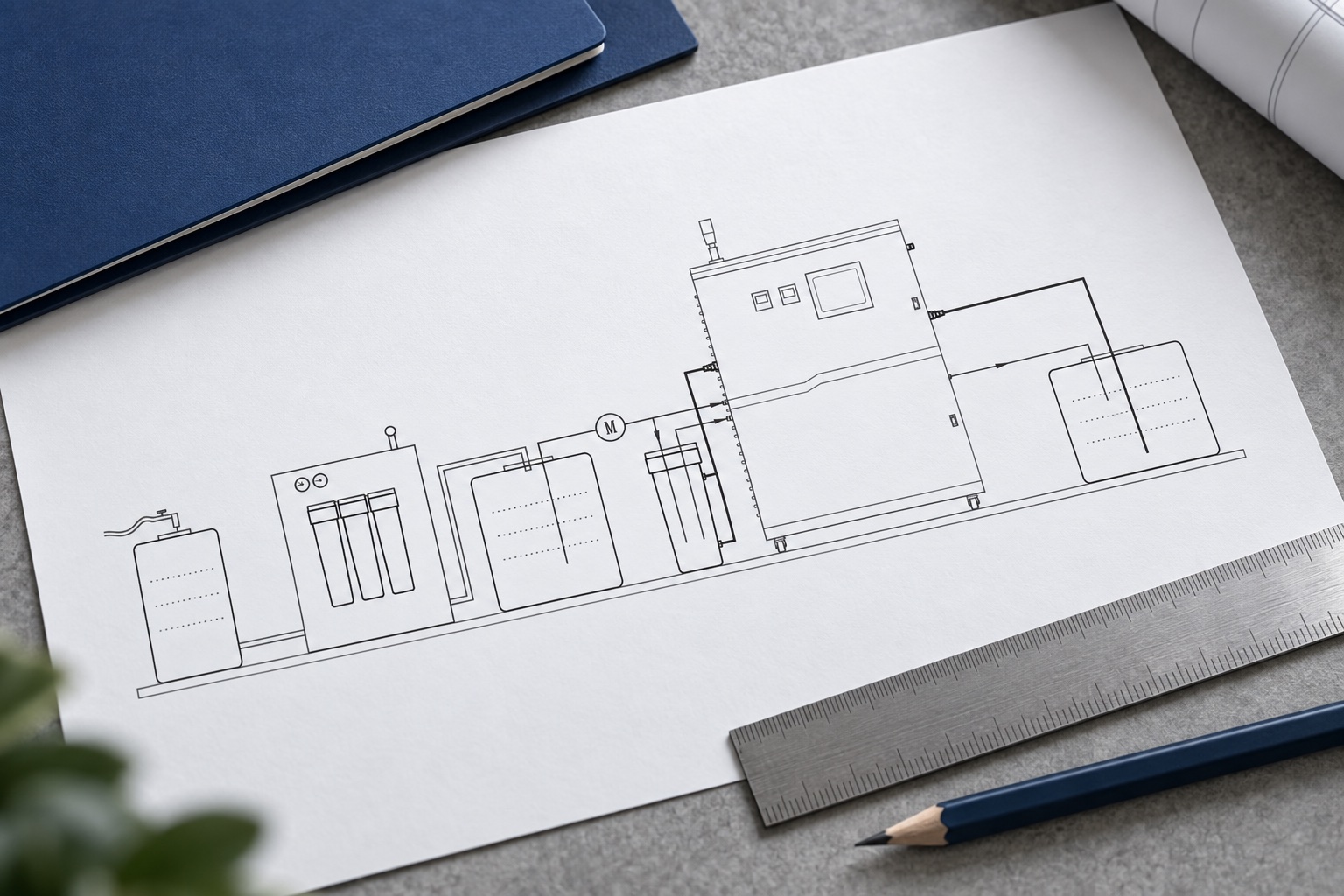
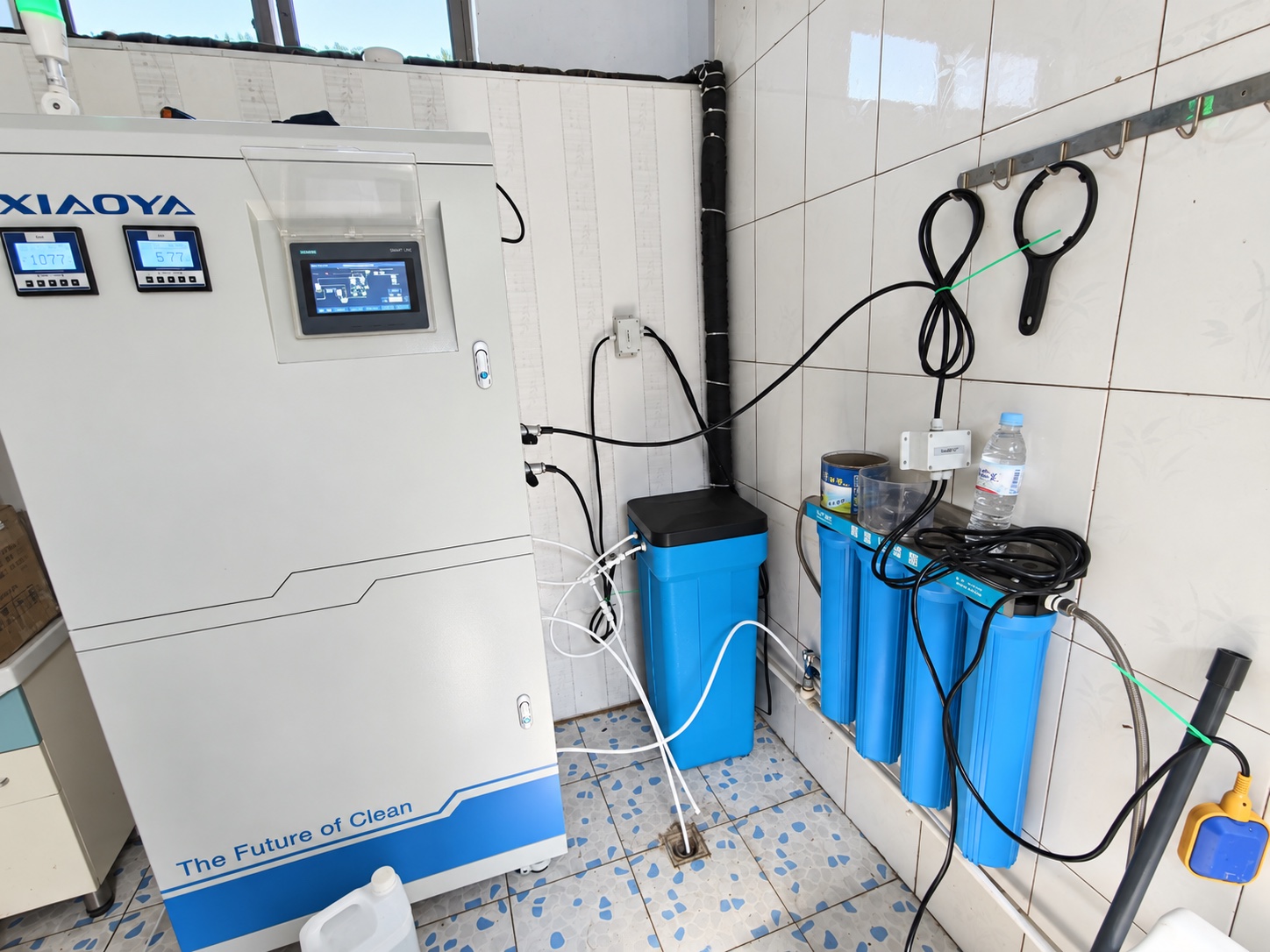
Review the points of use before specifying pumps, storage or distribution. The final proposal defines which components are supplied.
Hose stations or fixed application points, with appropriate pressure and use-point checks.
Controlled filling, clear labeling, solution-age limits and concentration verification.
Review hydraulics, cleaning sequence, materials and controls before incorporating HOCl.
SIZE TO THE SANITATION WINDOW
Daily volume alone does not describe a cleanup peak. Share your station list and operating window so generation and any buffer can be evaluated together.
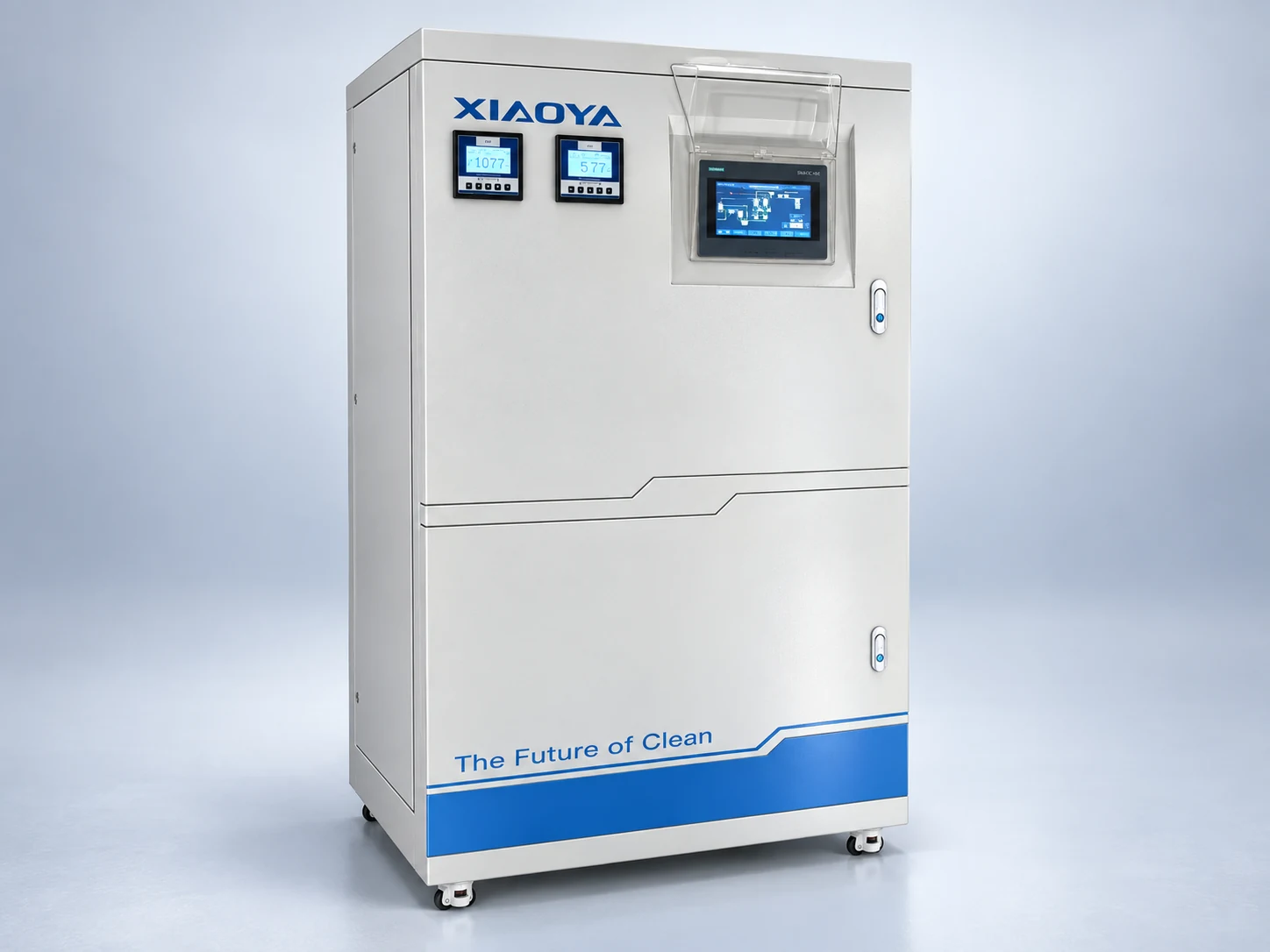
Use the generator sizing guide ↗XIAOYA GENERATOR OPTIONS
Both HCl-fed and salt-fed generators can be evaluated. The application name alone is not enough to select a model.
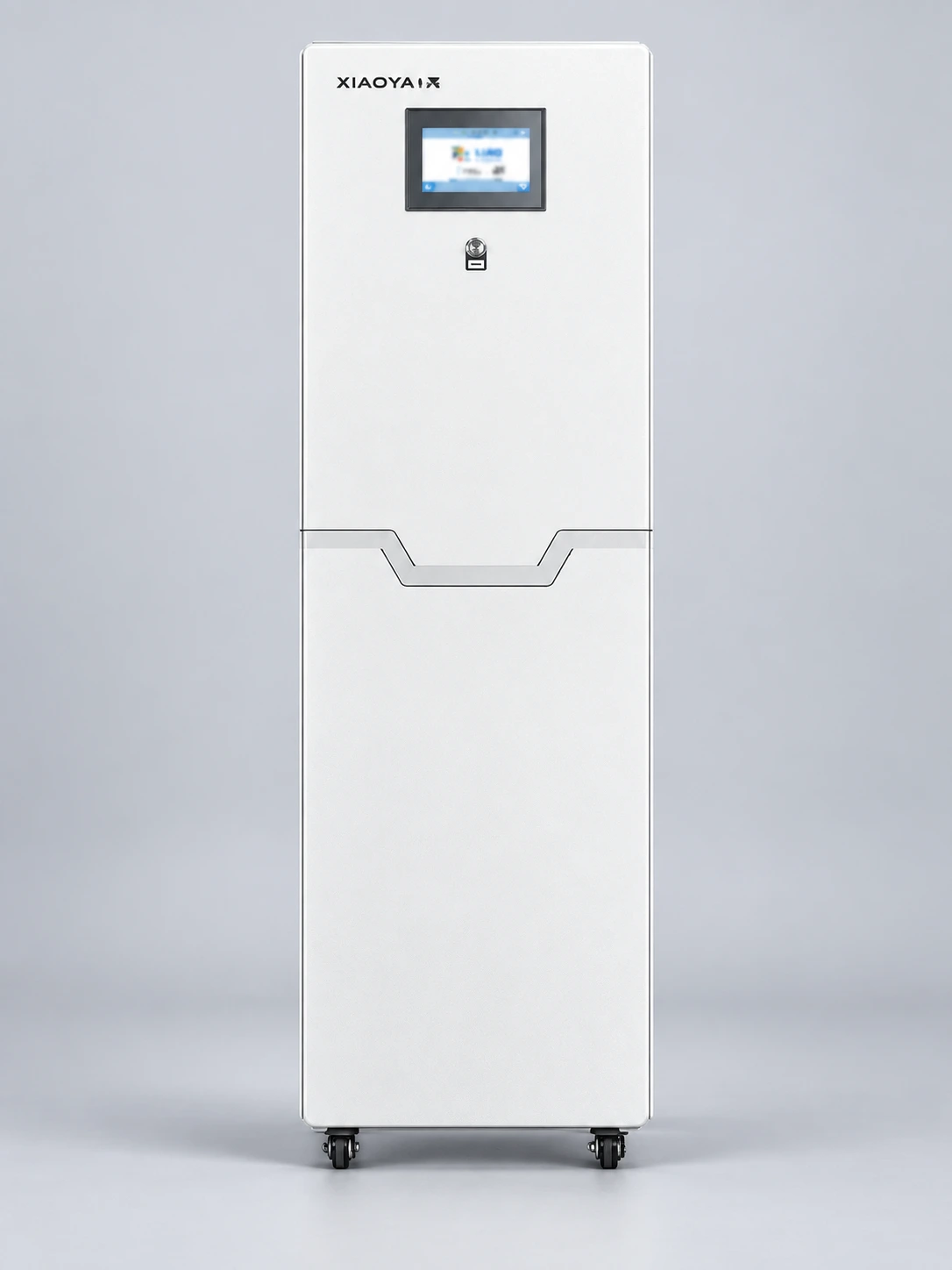 HCl-fed generatorsReview available models, output and feed requirements.
 Salt-fed generatorsReview salt feed, water preparation and configurations.
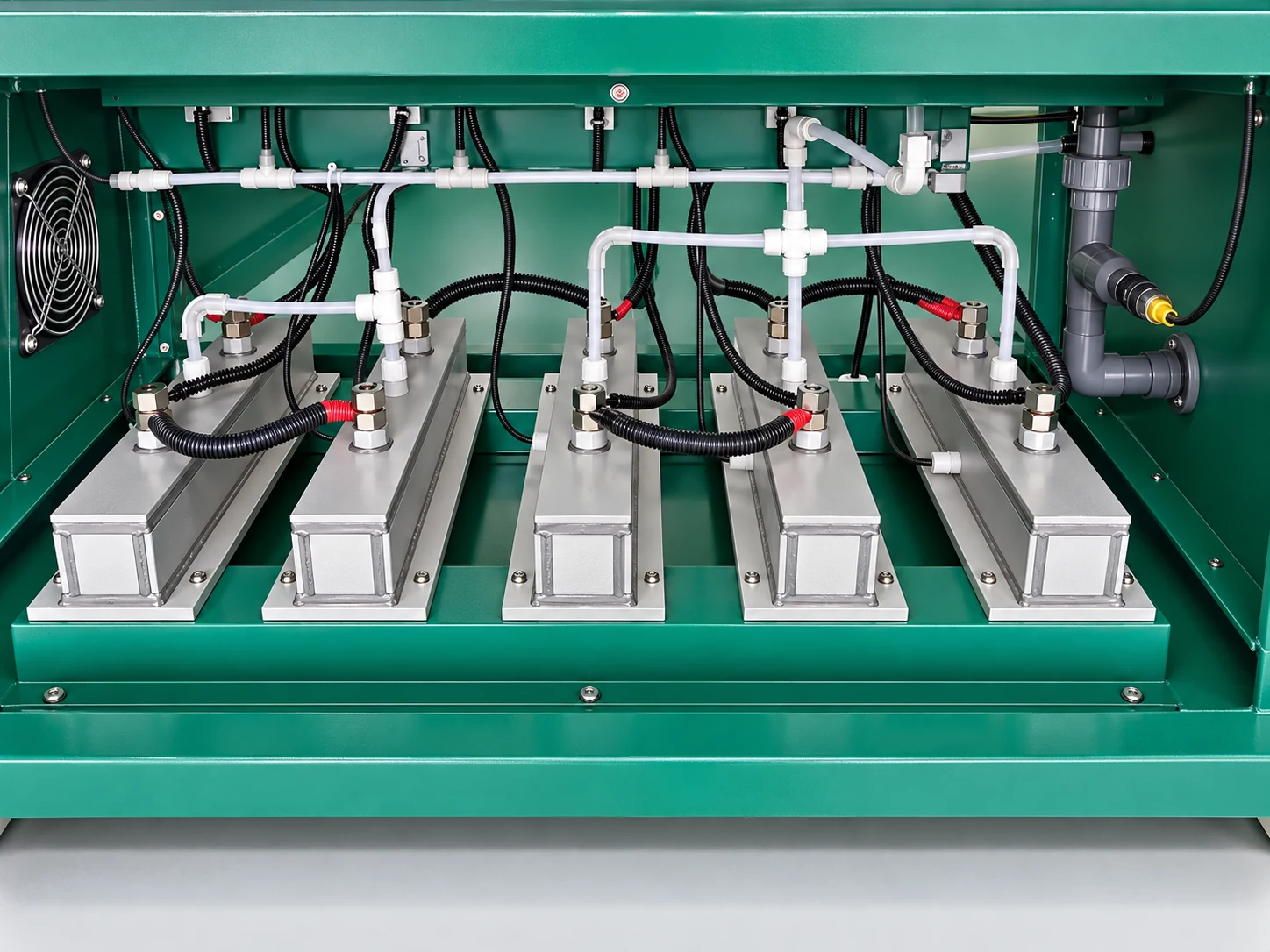
Request a scope covering the generator, water preparation, storage, distribution, commissioning and training. Identify what Xiaoya supplies and what your site provides.
About Xiaoya GroupCHECK THE PROCESS WHERE IT HAPPENS
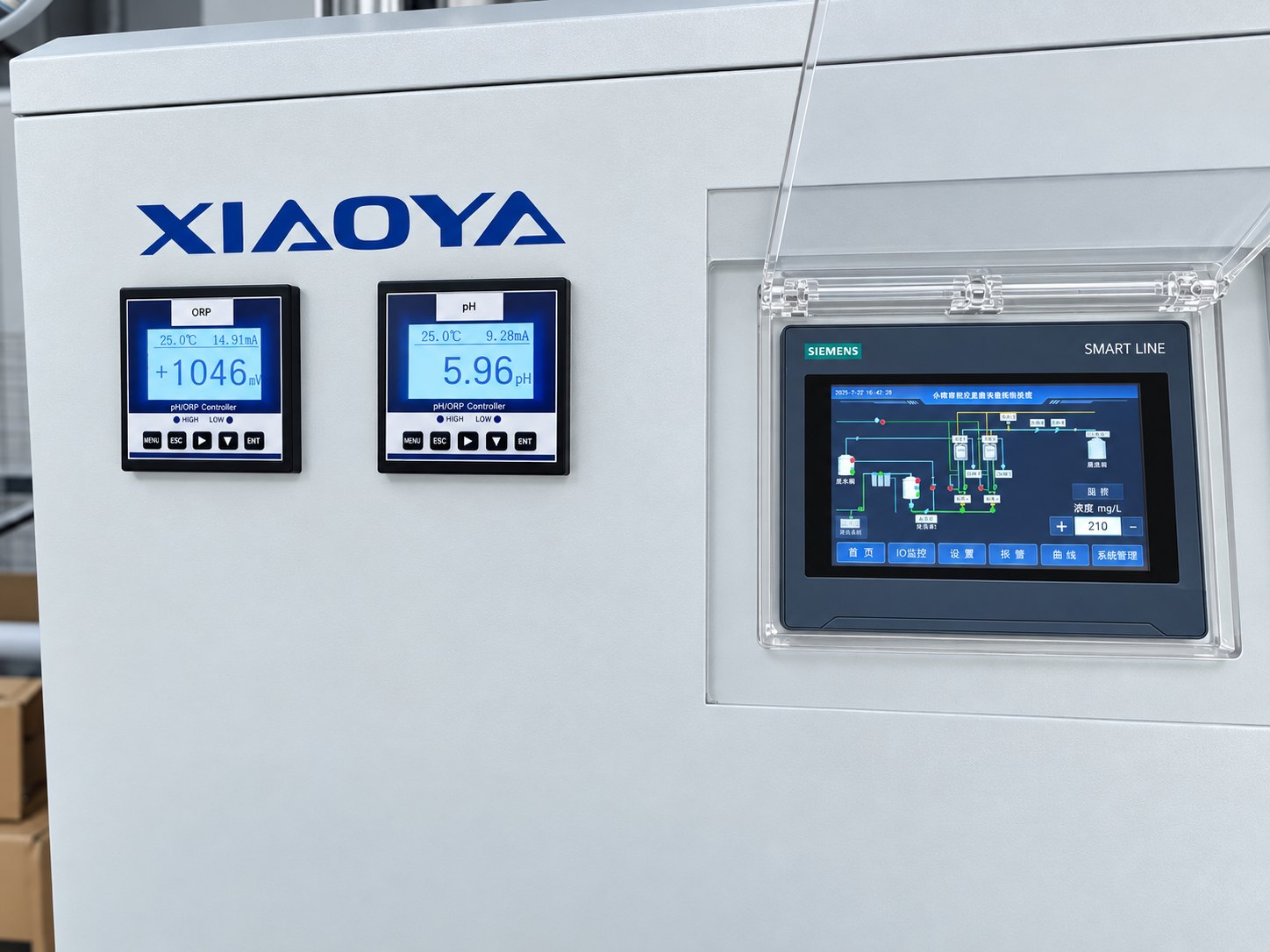
Generator outlet checks are part of the picture. Confirm the solution and application conditions at the actual point of use.
Xiaoya Group HOCl Selection Form ↗Inspect cleanliness and confirm the use-point FAC/pH against your procedure.
Check coverage, wet-contact conditions and material compatibility. Review material compatibility.
Apply the plant’s inspection and microbiological verification plan. Where ATP testing is used, it serves as a process indicator and does not replace microbiological testing.
Log time, location, operator, use-point result, deviations and corrective actions. Plan the verification records.
START WITH YOUR STATION LIST
Tell us what you clean, how many stations operate together and where the equipment will be installed.
Request a sanitation proposalWe cannot assume full replacement of the entire CIP workflow. HOCl can be used as a validated sanitation step within the cycle. Soil removal, chemical dosing sequence, hydraulic performance, material compatibility and process controls all require independent assessment
Follow the applicable use instructions and your validated site procedure. Final rinse requirements cannot be determined by the HOCl generator alone.
Material compatibility testing must be performed for each surface and exposure condition, including seals and repeated wet contact. Do not assume universal corrosion resistance, as compatibility depends on material, concentration and contact duration.
A controlled filling procedure can be evaluated, including suitable containers, labeling, solution age and concentration checks.