



Ready-to-use supply
Add the solution dispensed to each task over a day. Record when the largest users operate together.
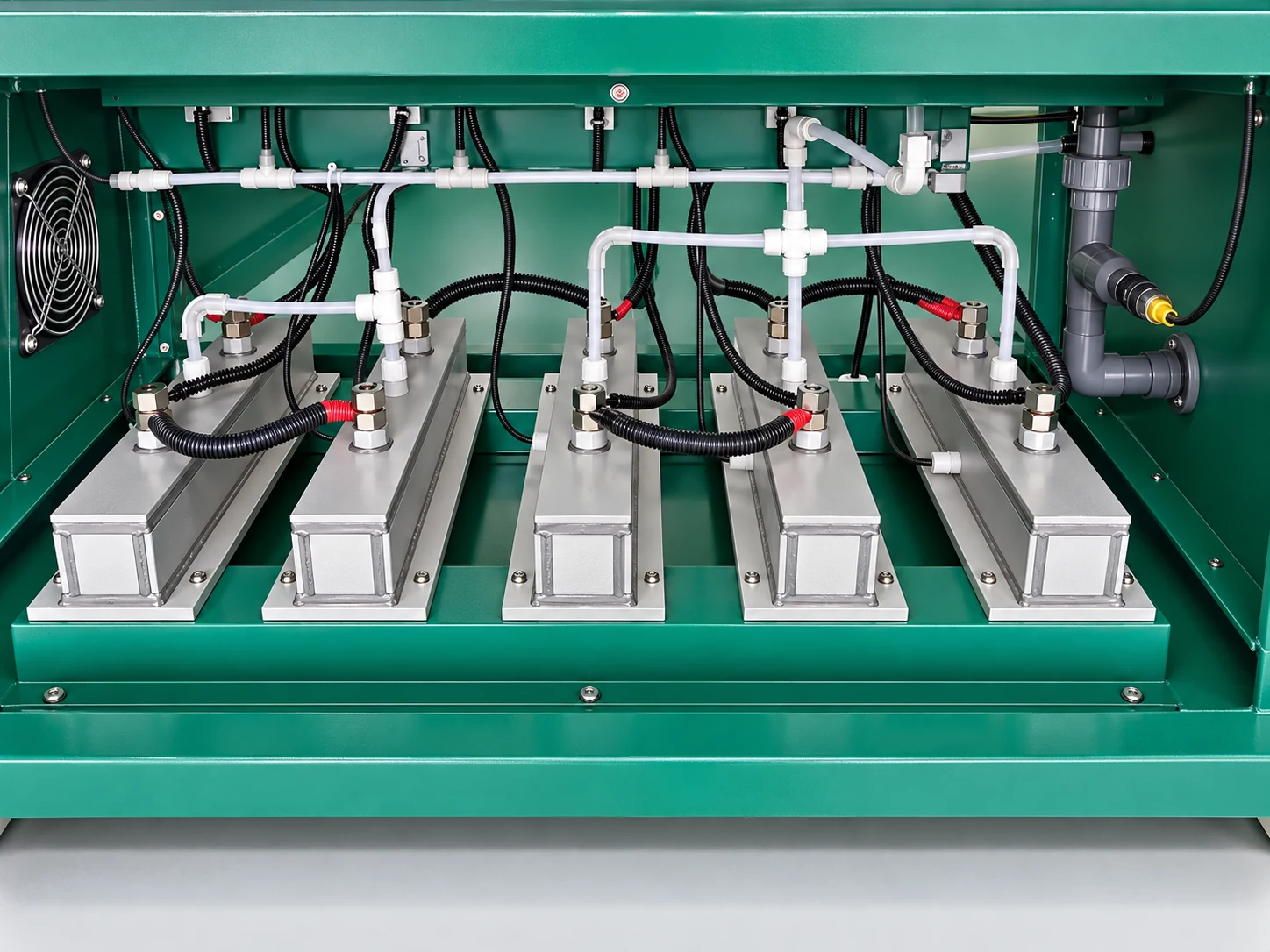
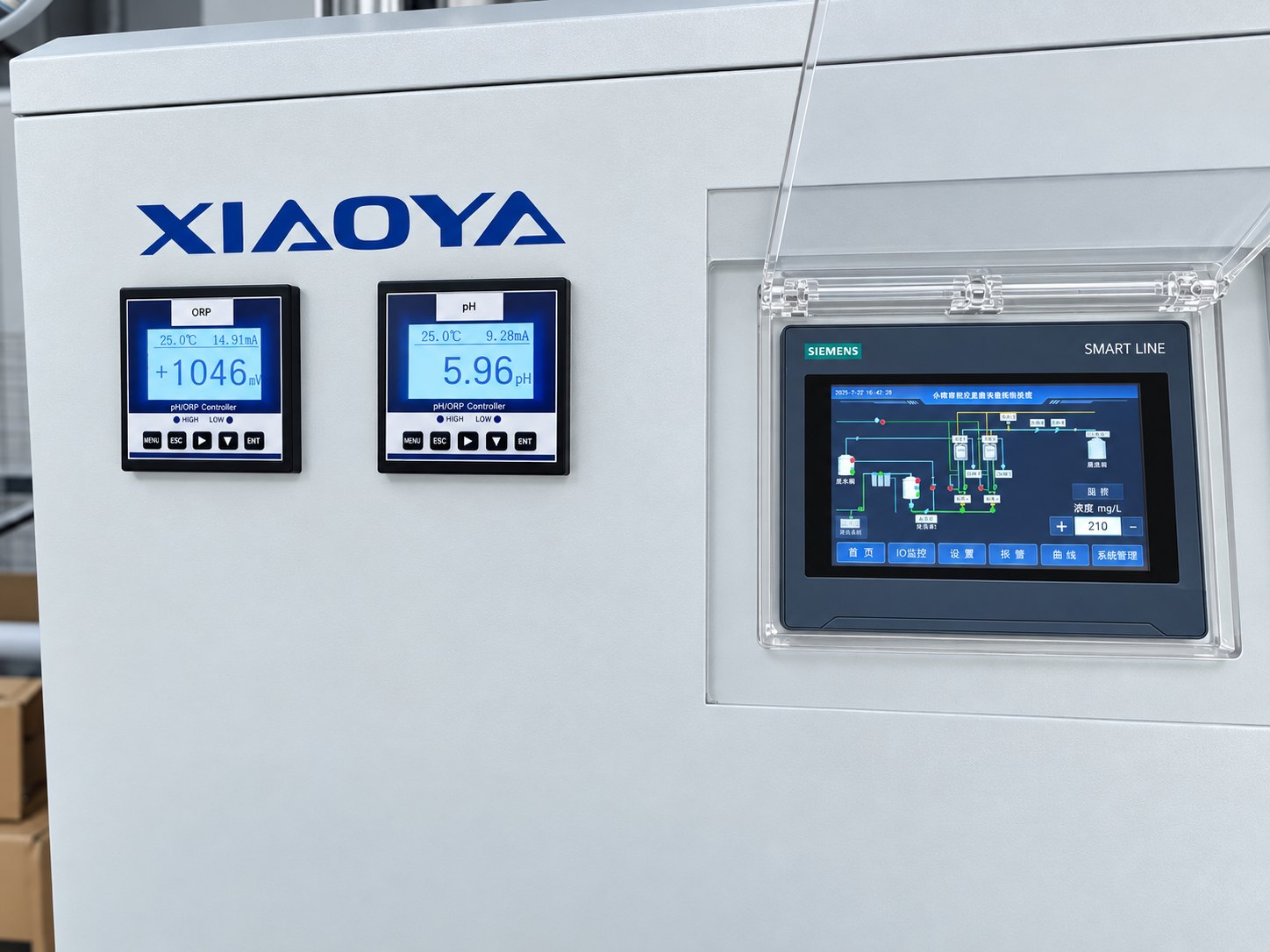
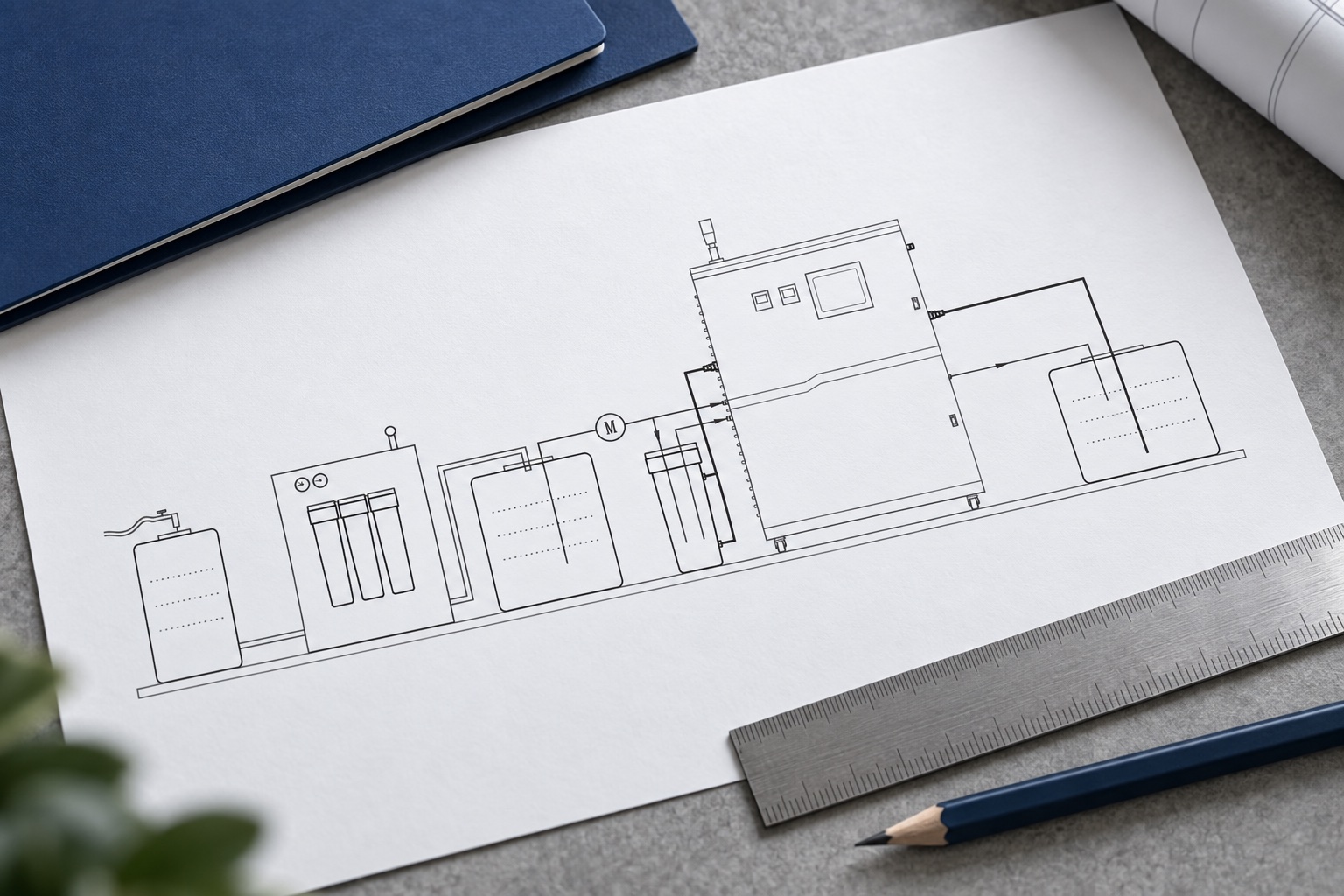
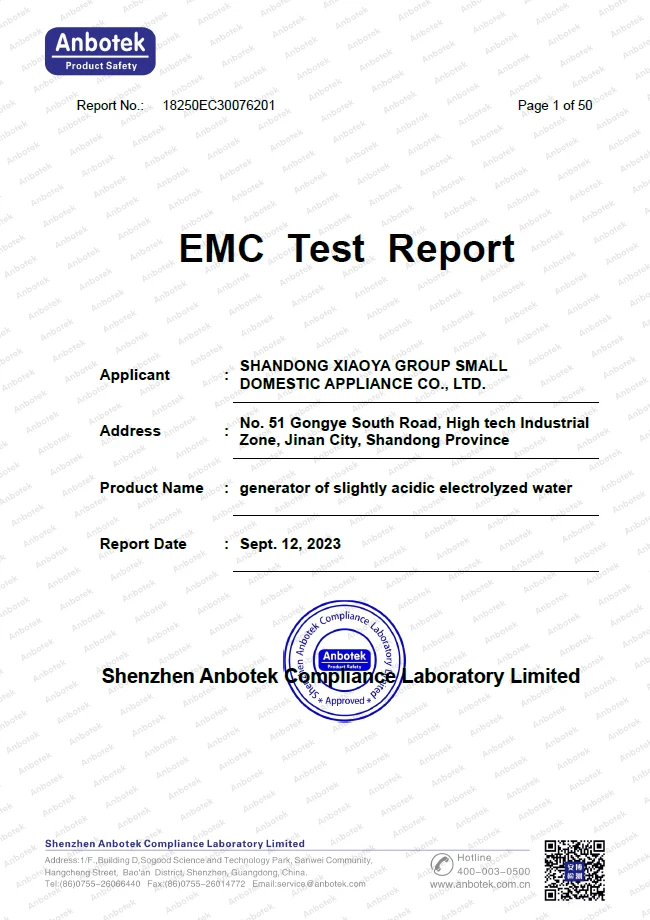
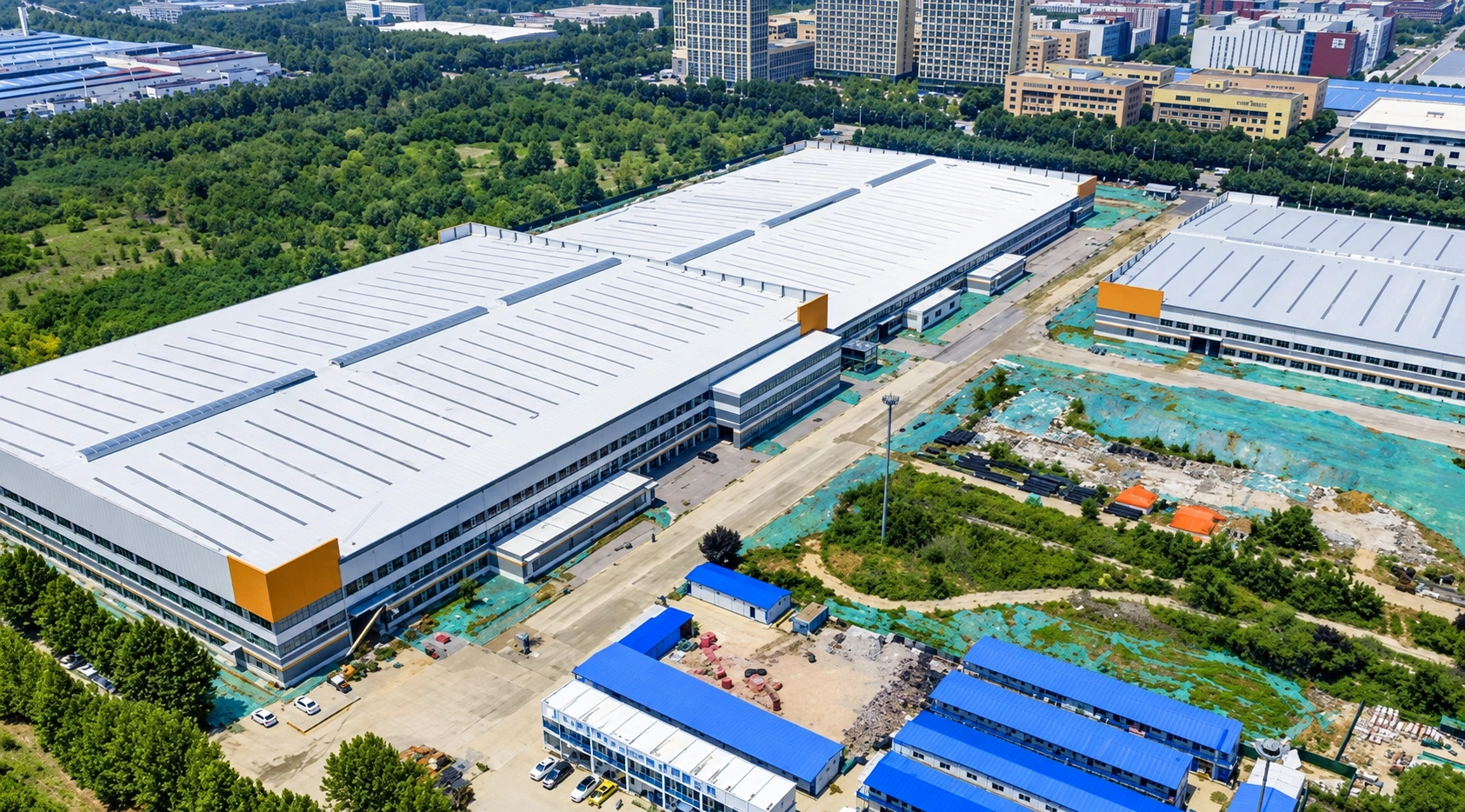
Explore our manufacturing footprint
About Xiaoya ↗XIAOYA · CAPACITY PLANNING
Start with your demand. Translate daily solution use into a production rate. Then check the peak, the storage arrangement and the concentration required at the generator outlet.
Calculate your baseline ↗Daily volumesets the average production requirement.
Peak demandtests direct supply or available buffer.
01 / DEFINE THE VOLUME
Use litres of generated solution at one agreed outlet concentration throughout this worksheet. Add simultaneous users and repeated batches without counting the same volume twice.
Add the solution dispensed to each task over a day. Record when the largest users operate together.
Convert use-point demand to generator-outlet volume first. In an ideal no-loss dilution, Vgenerated = Vuse × Cuse ÷ Cgenerated, with both FAC concentrations on the same basis and negligible FAC in the dilution water.
Total process-water flow is not generated-solution demand. Target residual alone does not establish the dose: chlorine demand, contact conditions and the delivery system need separate assessment.
02 / DAILY CAPACITY + PEAK CHECK
Available production hours mean hours delivering acceptable solution. Exclude planned shutdowns, cleaning and startup output that does not meet the agreed specification.
YOUR PLANNING RESULT
At 300 L/h, production alone does not meet a 600 L/h peak. At least 450 L of usable solution must be available at the start of this event.
Assumes uninterrupted production at the calculated rate throughout the peak and no delivery losses. This is one event’s volume deficit, not a specified tank size.
03 / CHECK THE SUPPLY ARRANGEMENT
Without a usable buffer, the generator and delivery system must meet simultaneous peak demand at the required outlet specification. A daily average of 300 L/h cannot directly cover a 600 L/h withdrawal.
A buffer can cover short demand peaks if acceptable solution is already available. Check the full sequence of filling and withdrawal, including the first use of the day and repeated peaks.
For each time interval: ending inventory = starting inventory + acceptable production − withdrawal. Inventory must stay above the usable minimum and below the permitted working level.
Review integrated supply arrangements ↗WORKED EXAMPLE · NOT AN EQUIPMENT RATING
Include minimum operating level, level-control settings, headspace and the actual refill schedule. Pumps and pipework still need to deliver the peak flow.
Check holding time, light, temperature, materials and FAC at the delivery point. No universal shelf life or storage loss factor is assumed here.
Review output quality & storage ↗04 / COMPARE THE SAME OPERATING POINT
Use the generator outlet flow and FAC measured or specified at the same operating point. Multiplying a model’s highest flow by its separately listed highest concentration does not establish a guaranteed output.
L/h × mg/L ÷ 1,000 = g/h of available chlorine, expressed as Cl₂ equivalent. This is not pure HOCl molecular mass and does not determine pH, disinfection performance or application suitability.
The salt-fed 100 L/h configuration sheet lists 500 mg/L concentration and 100 L/h solution output. On that stated basis, the arithmetic is 50 g/h as Cl₂ equivalent.
05 / MATCH THE REQUIREMENT TO EQUIPMENT
Use the calculated duty as a starting point. Xiaoya’s proposal should identify the selected configuration and the conditions under which the required output is available.
Specify solution flow, FAC basis and pH together, with feed-water conditions and the acceptance sampling method.
Agree startup handling, cleaning, maintenance, expected usable hours and the response to an interruption. Do not add an unexplained universal percentage margin.
Compare HCl-fed and salt-fed configurations against local feed availability, water treatment, utilities and the agreed equipment scope.
Confirm storage, pumps, simultaneous users, controls and use-point measurements. The generator outlet rating alone does not size the distribution system.
DISCUSS YOUR CAPACITY REQUIREMENT
Share daily generated-solution demand, concentration, production hours, peak flow and duration. Include your application, country, water source and any existing tank or delivery equipment.
Discuss generator sizing ↗