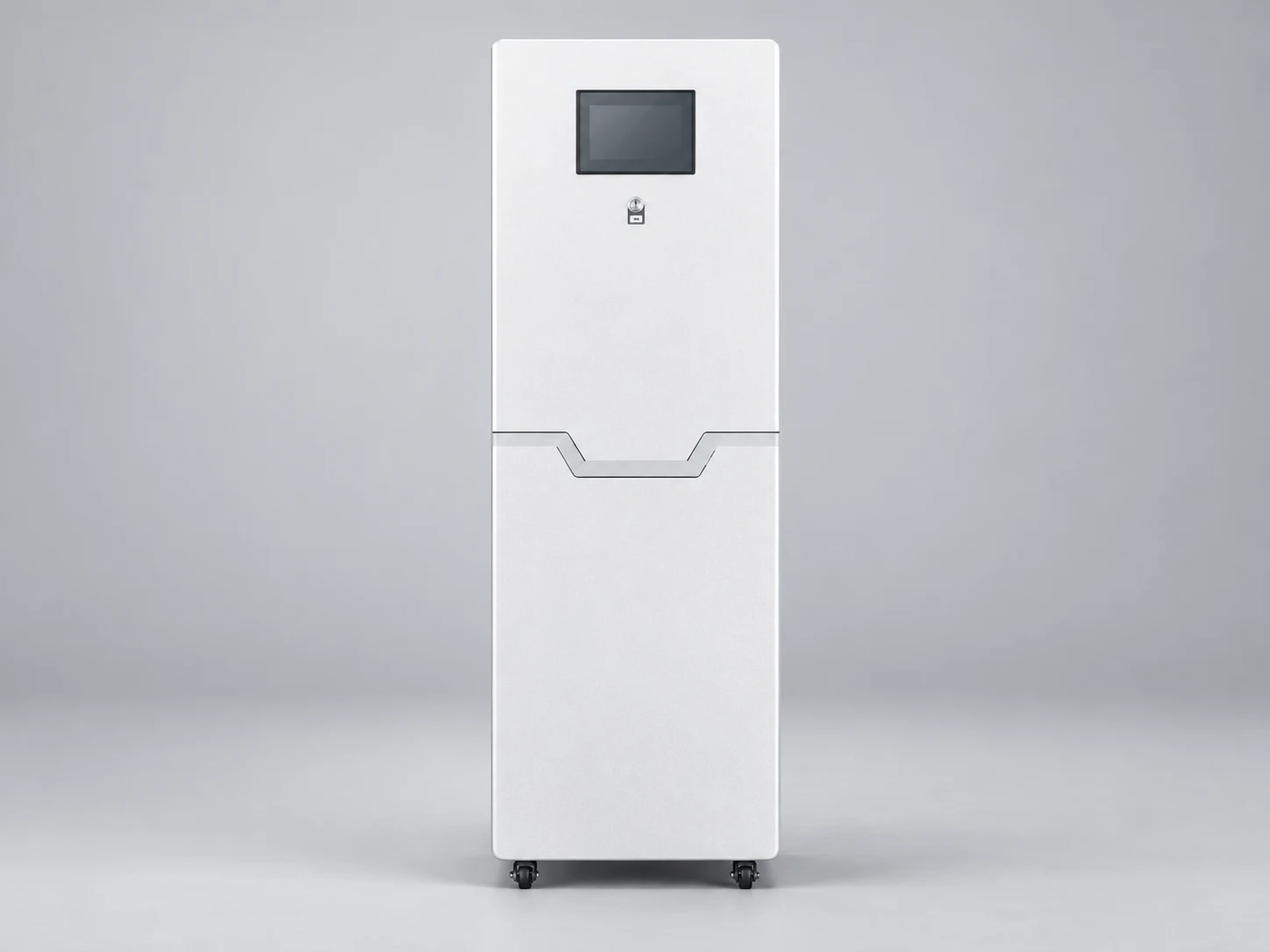
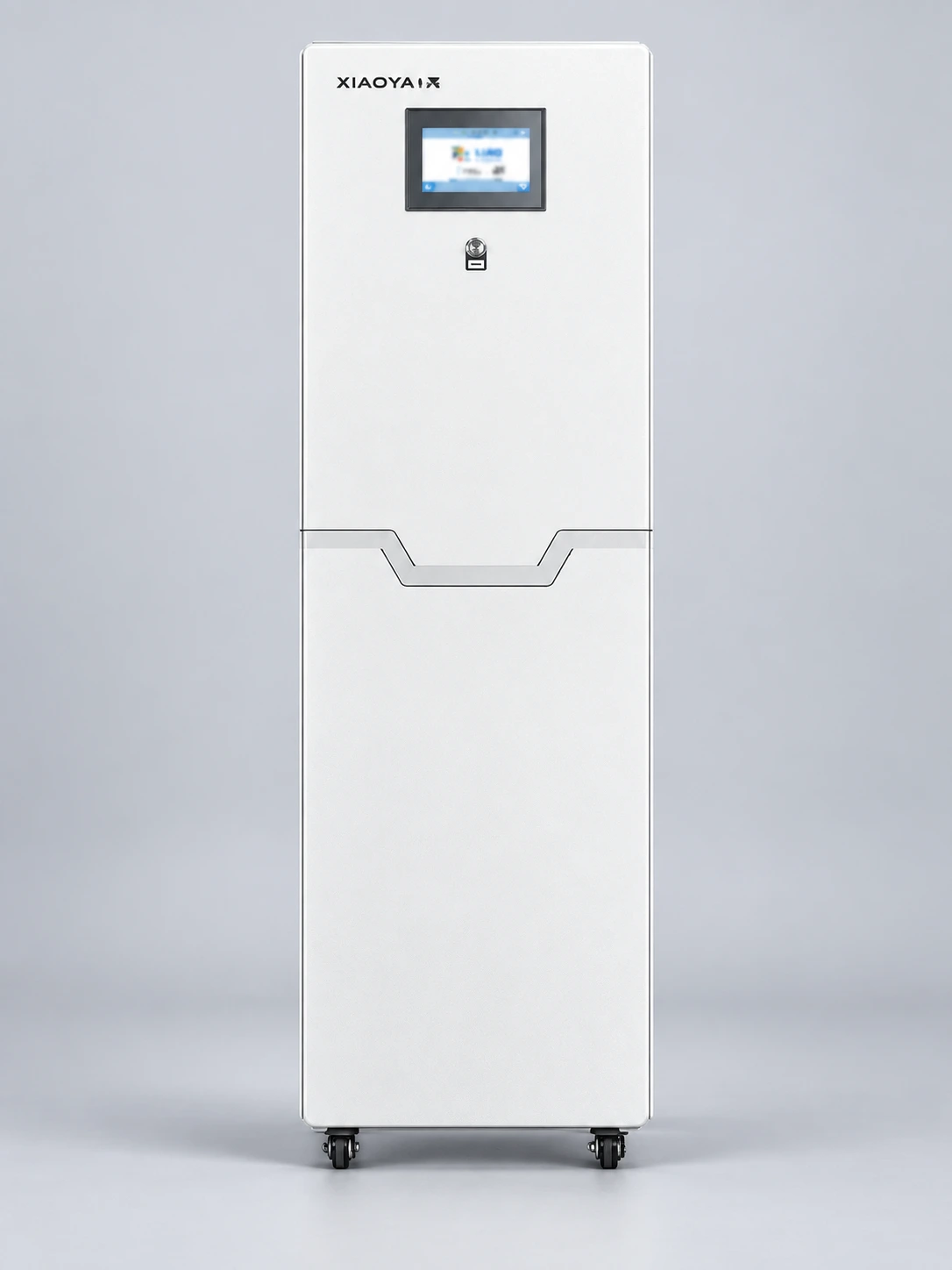
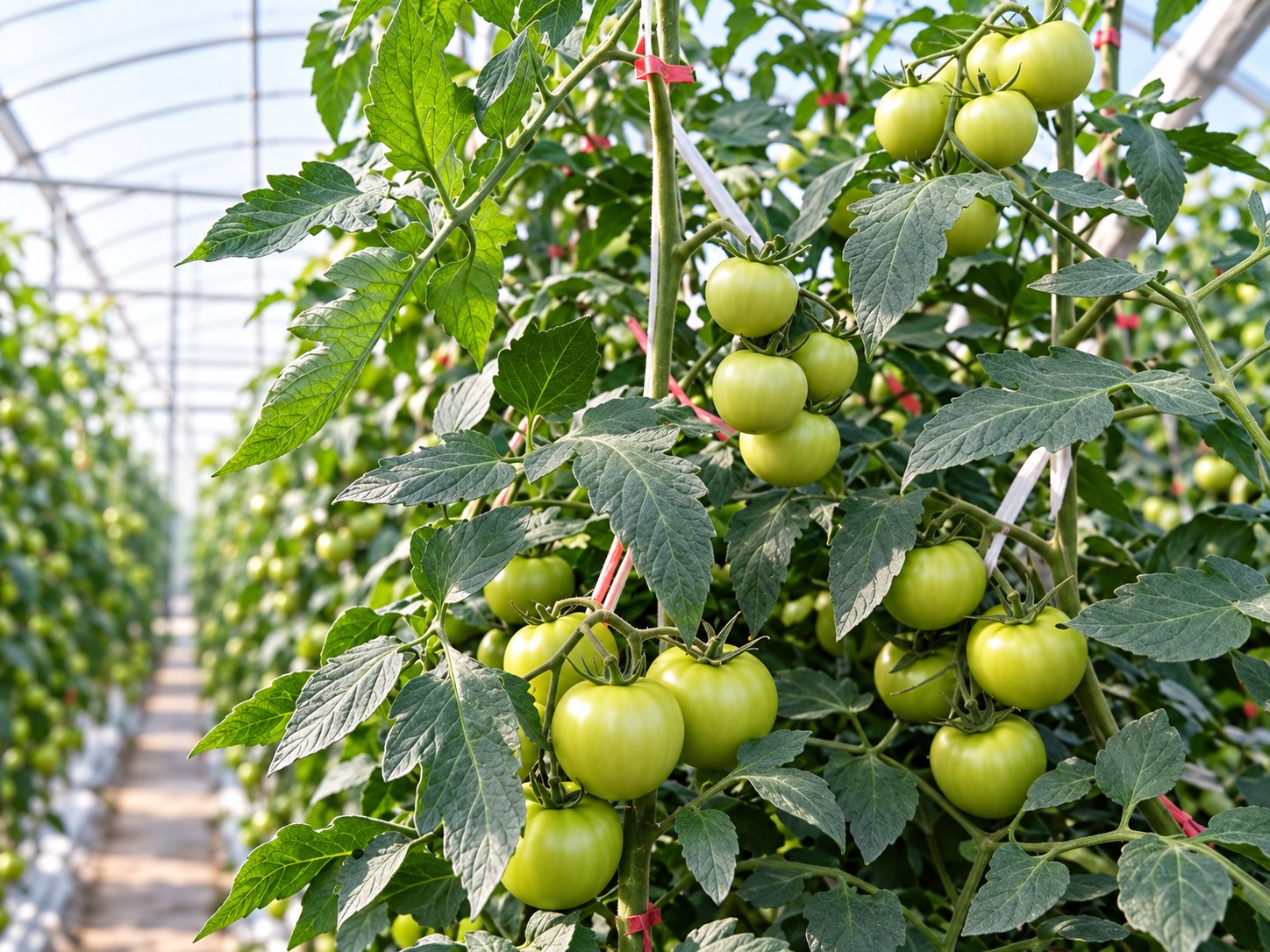


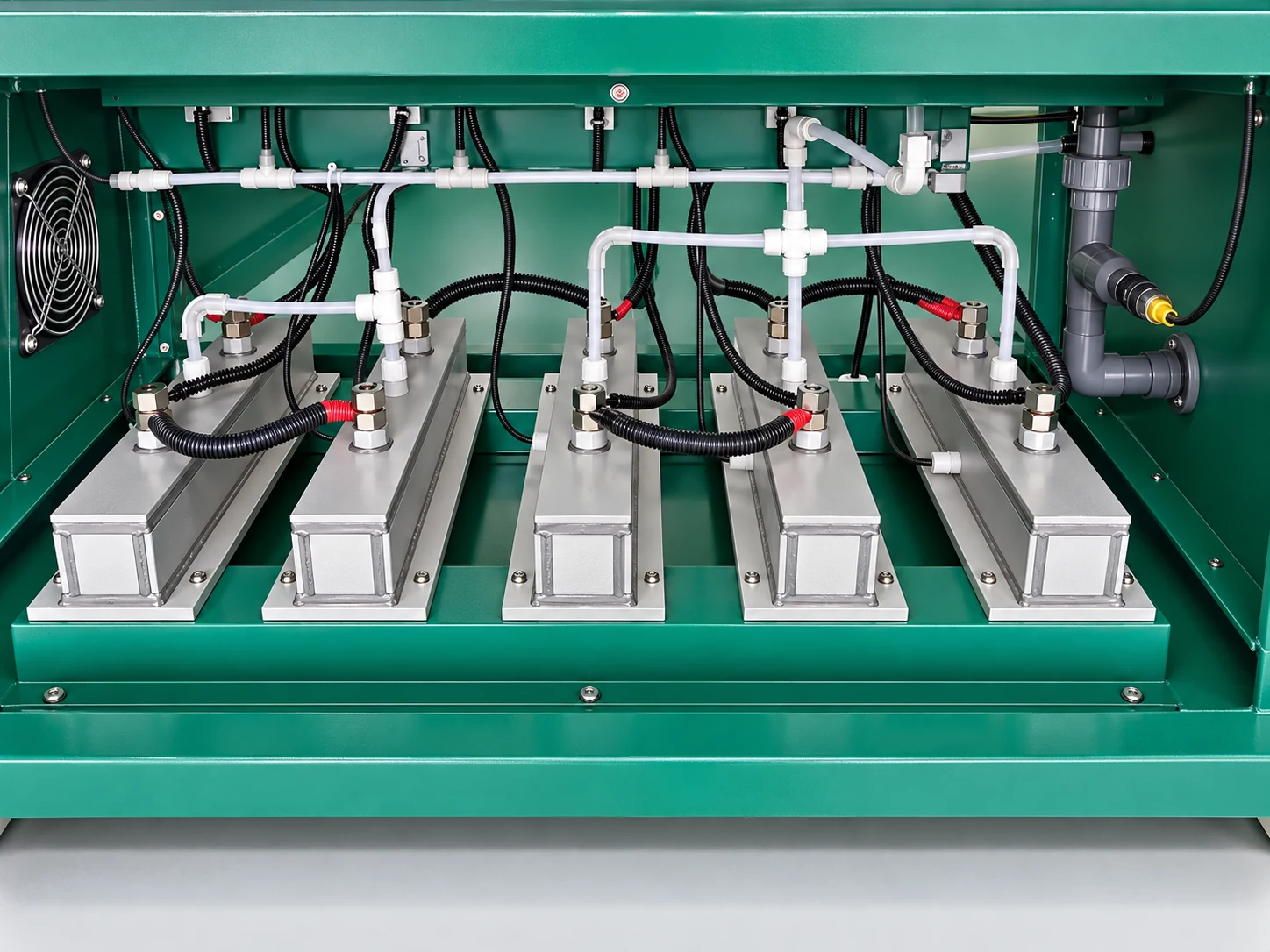
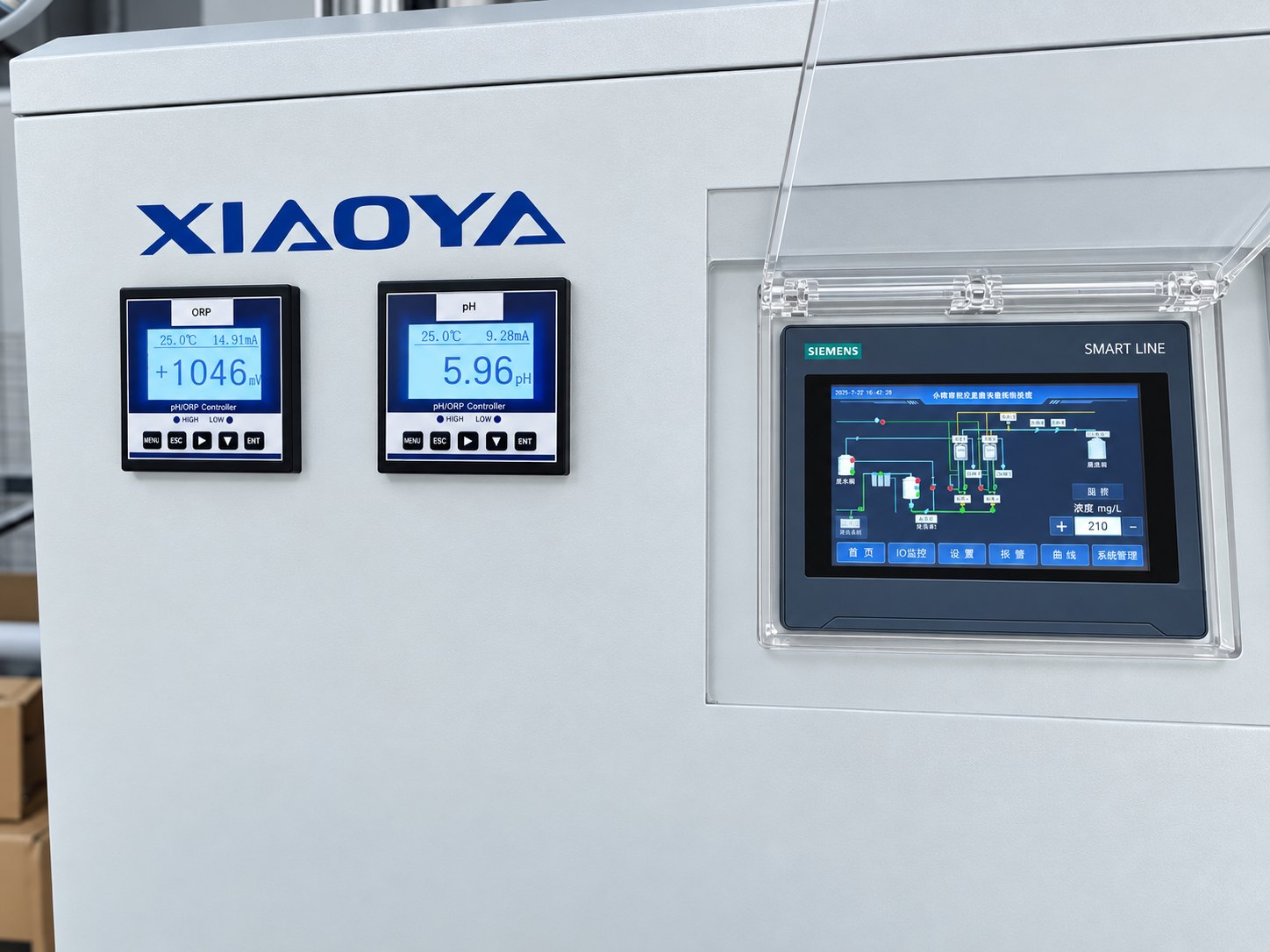
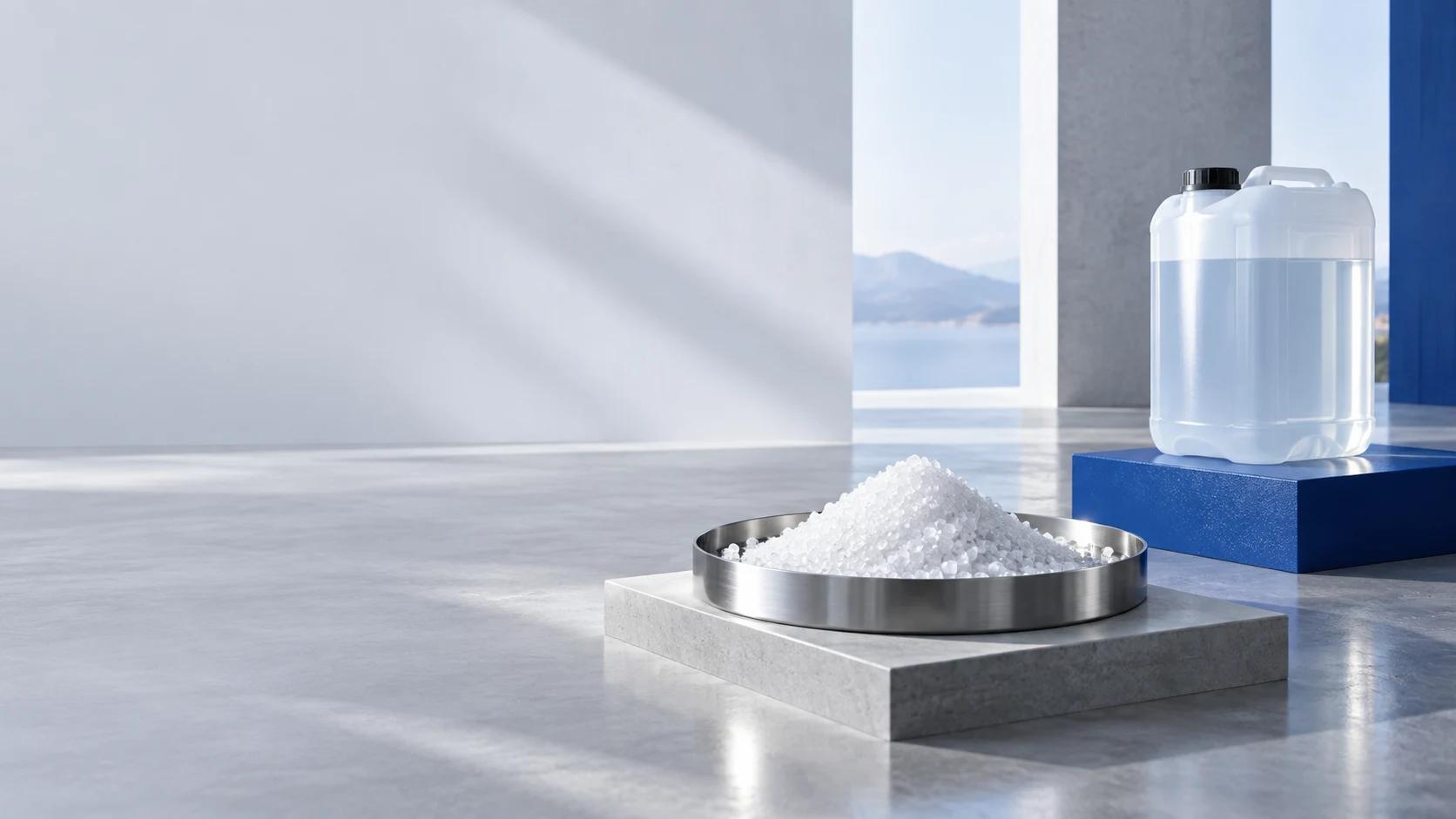
Conceptual studio illustration of separate salt and liquid feed options
XIAOYA TECHNOLOGY

HOCl generation
methods.

Compare salt-fed and hydrochloric-acid-fed systems for your site, supply chain and output requirements.

Read a method
in four parts.

Read the feed, cell design, output streams and operating mode together.

Feed
Which chemicals enter the system?
Cell design
How are the electrode compartments arranged and separated?
Output streams
What leaves the system, including product, other liquid streams and gas outlets?
Operation
How does generation follow your demand and storage plan?

Two feed routes.
Different preparations.

Both routes are offered in Xiaoya’s range. Start with the inputs your site can source and manage.

Salt-fed generation

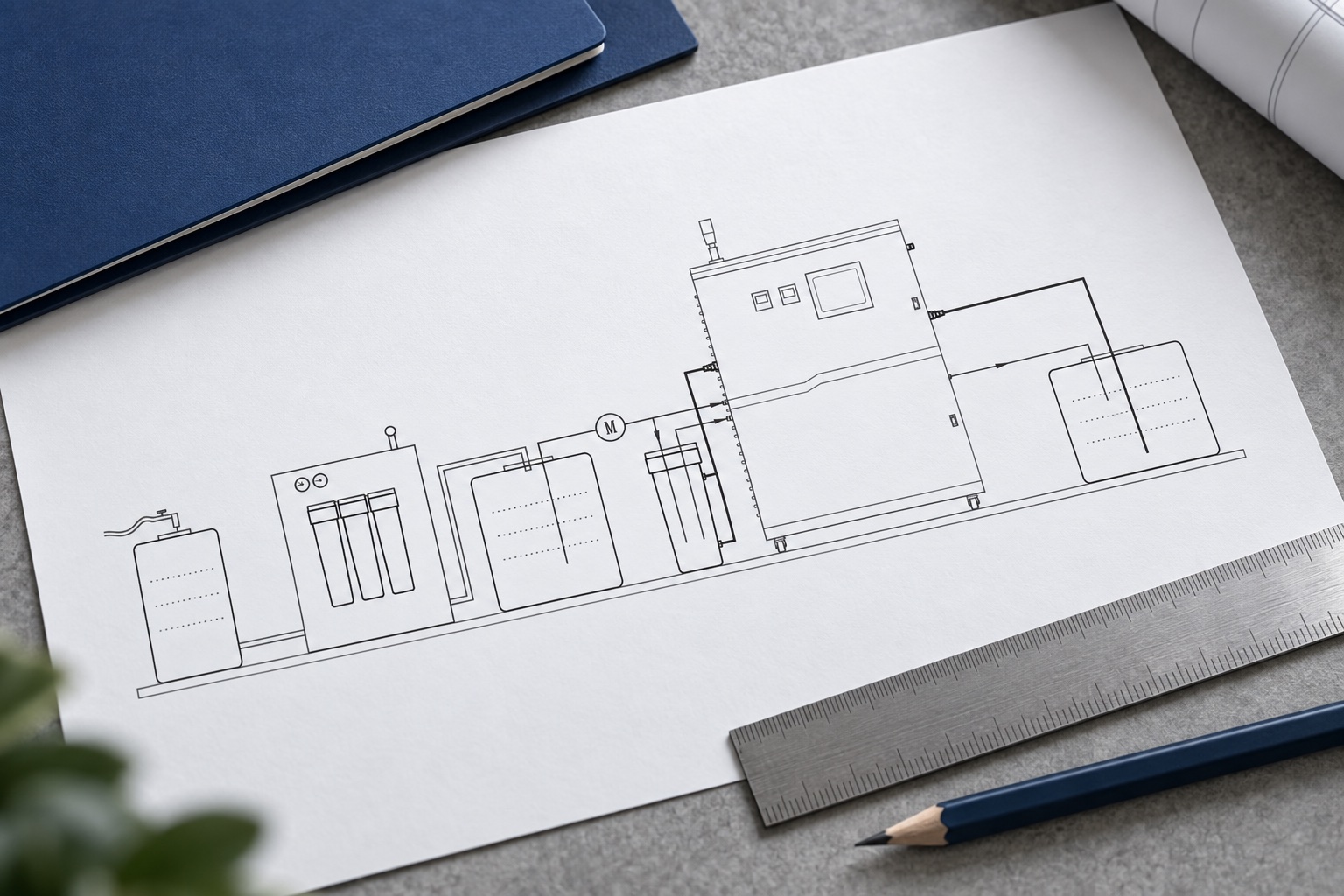
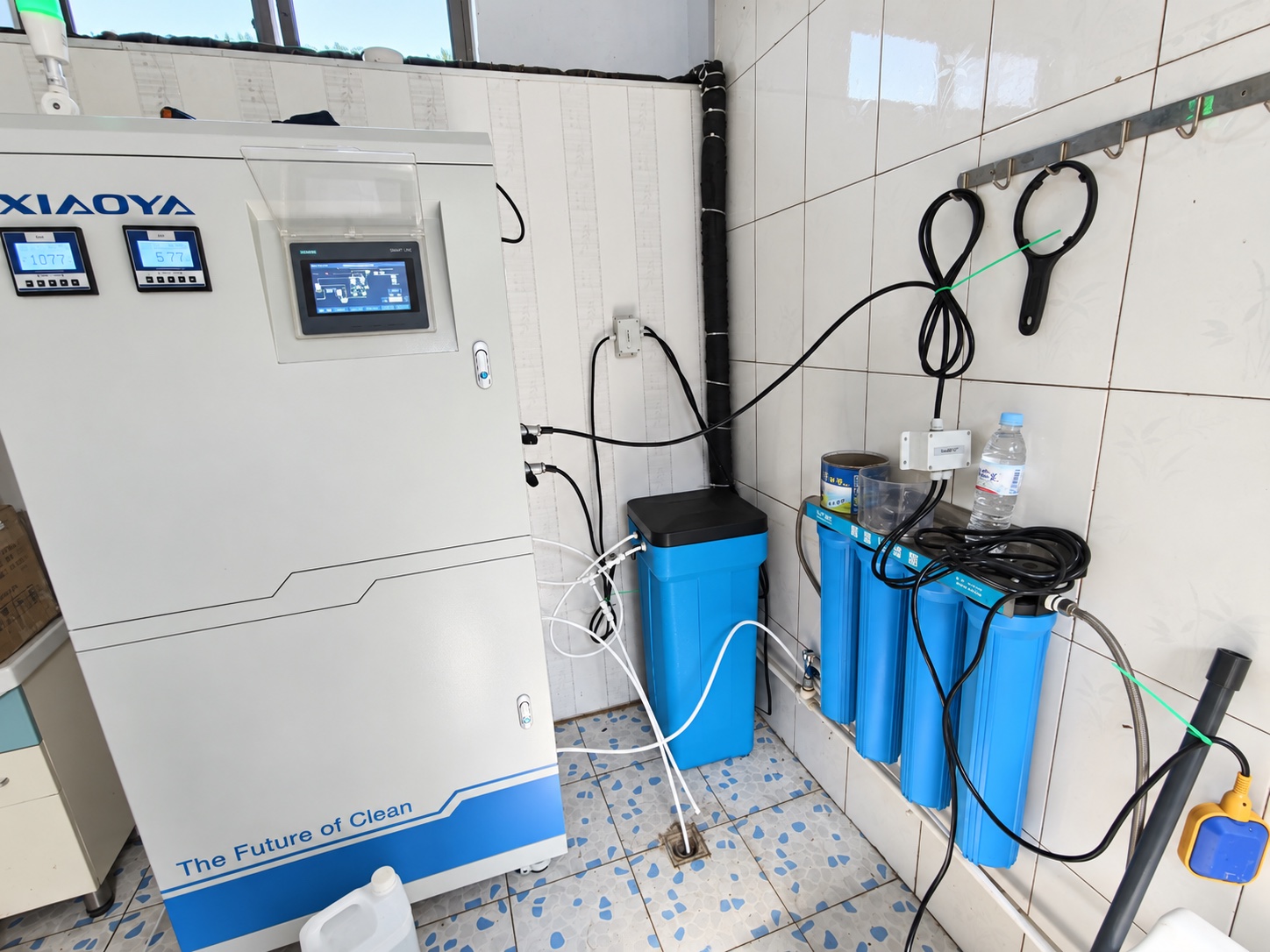
A sodium-chloride feed route with water preparation and salt-solution handling. The documented XY-AEOW 100L configuration lists a 60 L brine tank and a separate 500 L/h water-purification system.
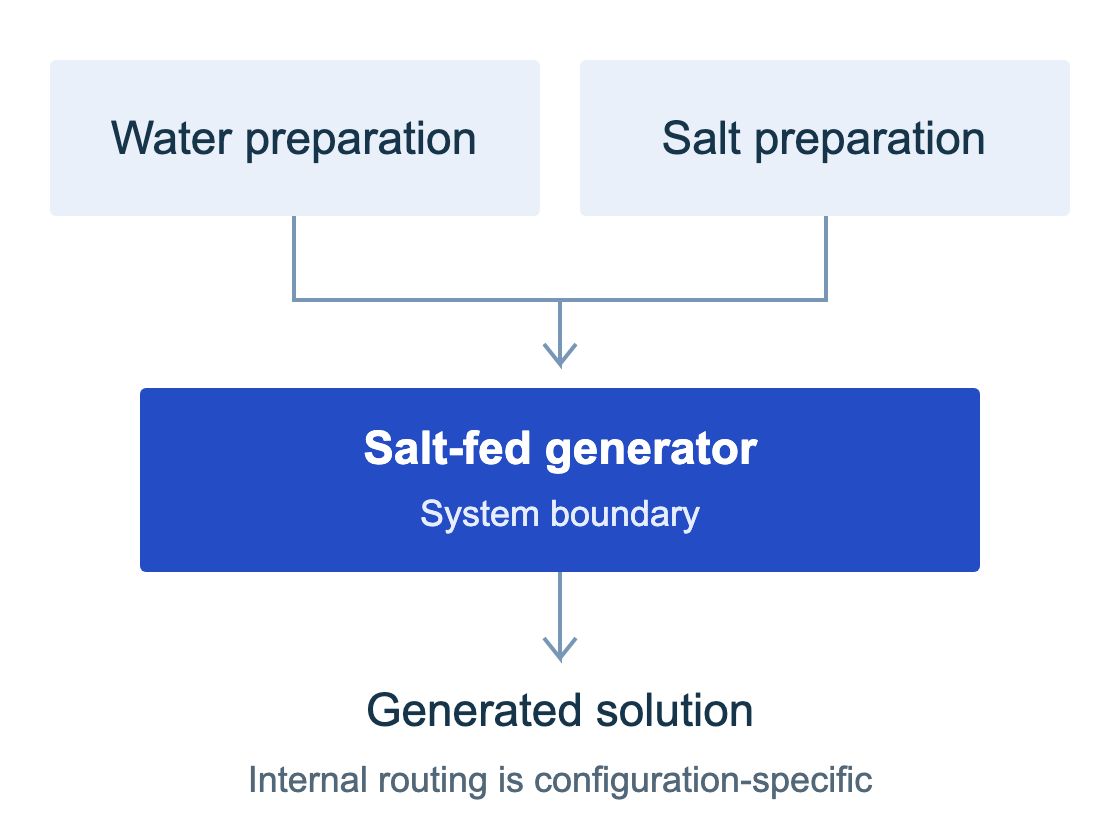
Water preparation and salt preparation feed the salt-fed generator, which supplies generated solution.

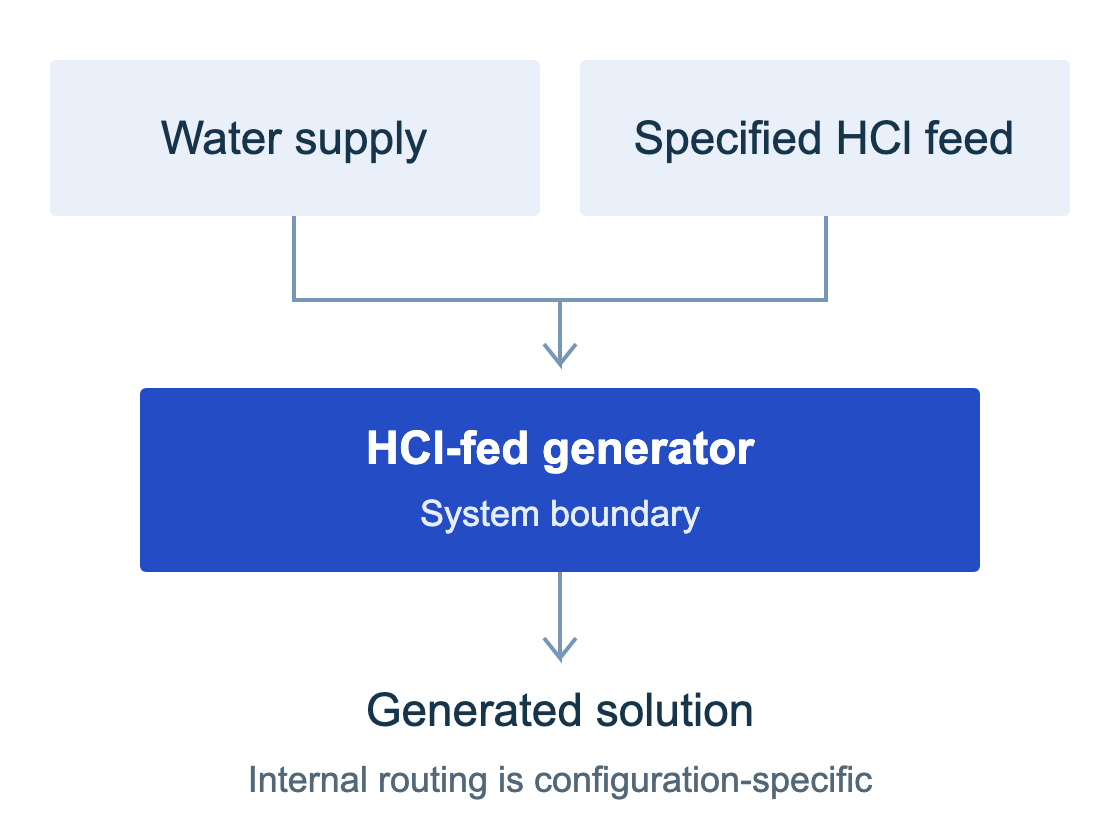
HCl-fed equipment uses the specified hydrochloric-acid feed with a suitable water supply. Salt-fed equipment requires purified water and prepared salt feed. Each route has different feed and water-quality requirements.
Hydrochloric-acid-fed generation

Confirm the specified HCl feed grade and concentration, local availability, and the handling arrangements for the proposed Xiaoya equipment.

Water supply and specified HCl feed enter the HCl-fed generator system, which supplies generated solution.

Feed and water connections depend on the selected model.

Compare on
a common basis.

Start with feed preparation. Then compare both proposed systems at the same output and operating conditions.

Practical differences between the feed routes
DecisionSalt-fed routeHCl-fed route
Feed supplySource sodium chloride to the specified grade and plan salt-solution preparation.Source HCl to the specified grade and concentration; confirm local supply and handling requirements.
Water preparationPure water is specified in the supplied Xiaoya salt-fed documentation. Confirm the treatment scope in the quotation.Submit source-water conditions for the proposed model. Do not assume water treatment is unnecessary.
Feed equipment & spaceInclude salt preparation and any supplied water-treatment equipment in the layout.Include the specified feed container, dosing arrangement and chemical-handling space in the layout.

Give both proposals
the same requirements.

Output
Generated-solution flow, target FAC and pH, sampling point and stated tolerances.
Duty & supply
Daily demand, peak use, operating hours, storage and delivery requirements.
Site interfaces
Water and electrical supply; all liquid outlets, gas outlets and required site provisions.
Maintenance & cost
Feed, water, energy, cleaning, replacement parts and labour at the same output conditions and local prices.

Ongoing raw-material costs are low. Xiaoya can estimate payback using your actual demand, local prices and existing disinfectant costs; customer estimates may be around 1 to 1.5 years.

Explore the corresponding
Xiaoya range.

Continue from a feed route to the equipment and supply scope.

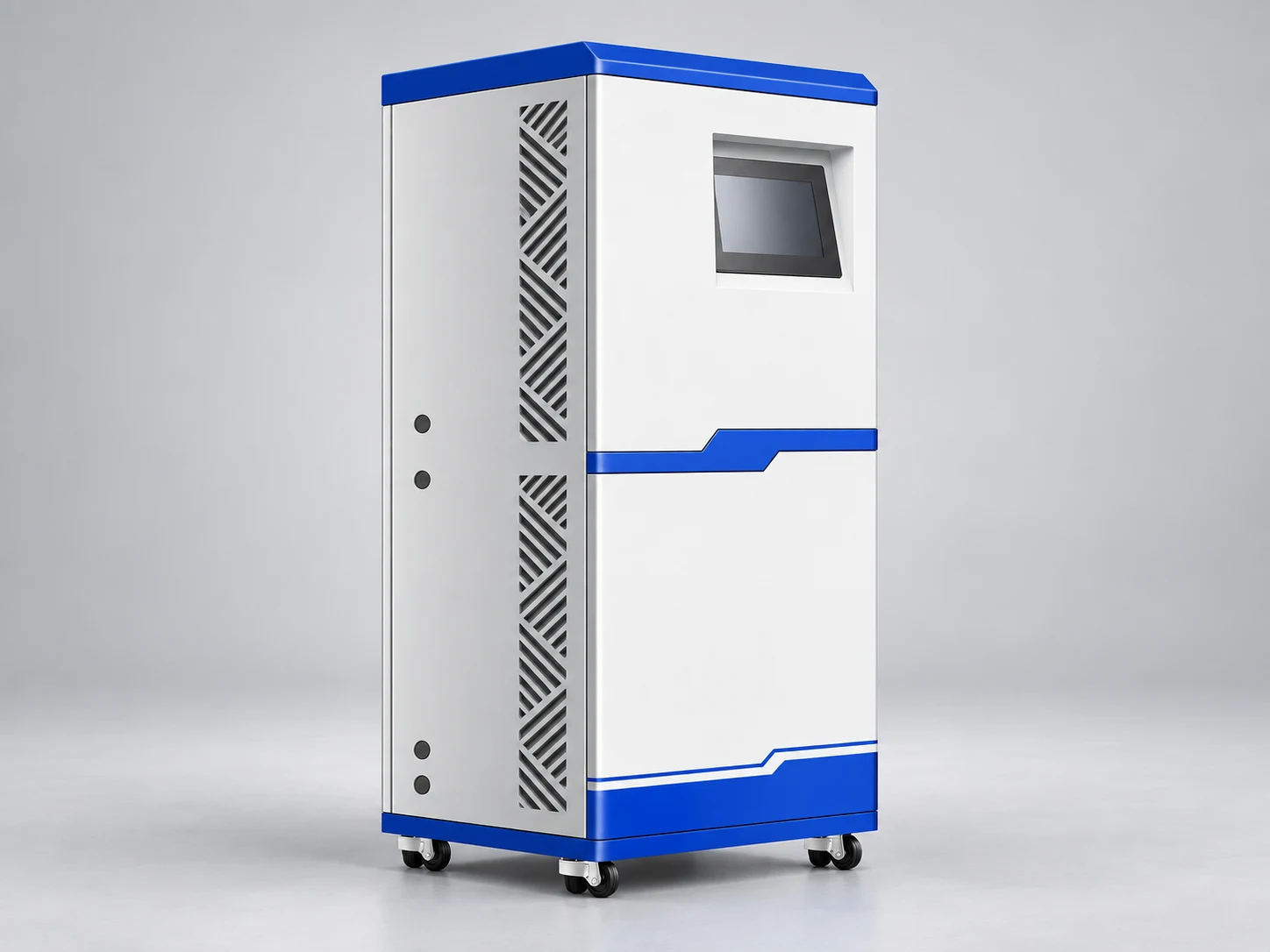
Reference-based AI visualization of the Xiaoya 100 L/h salt-fed cabinet

Salt-fed HOCl generators

Review documented configurations and discuss water preparation and the supply scope for your site.

Explore salt-fed generators
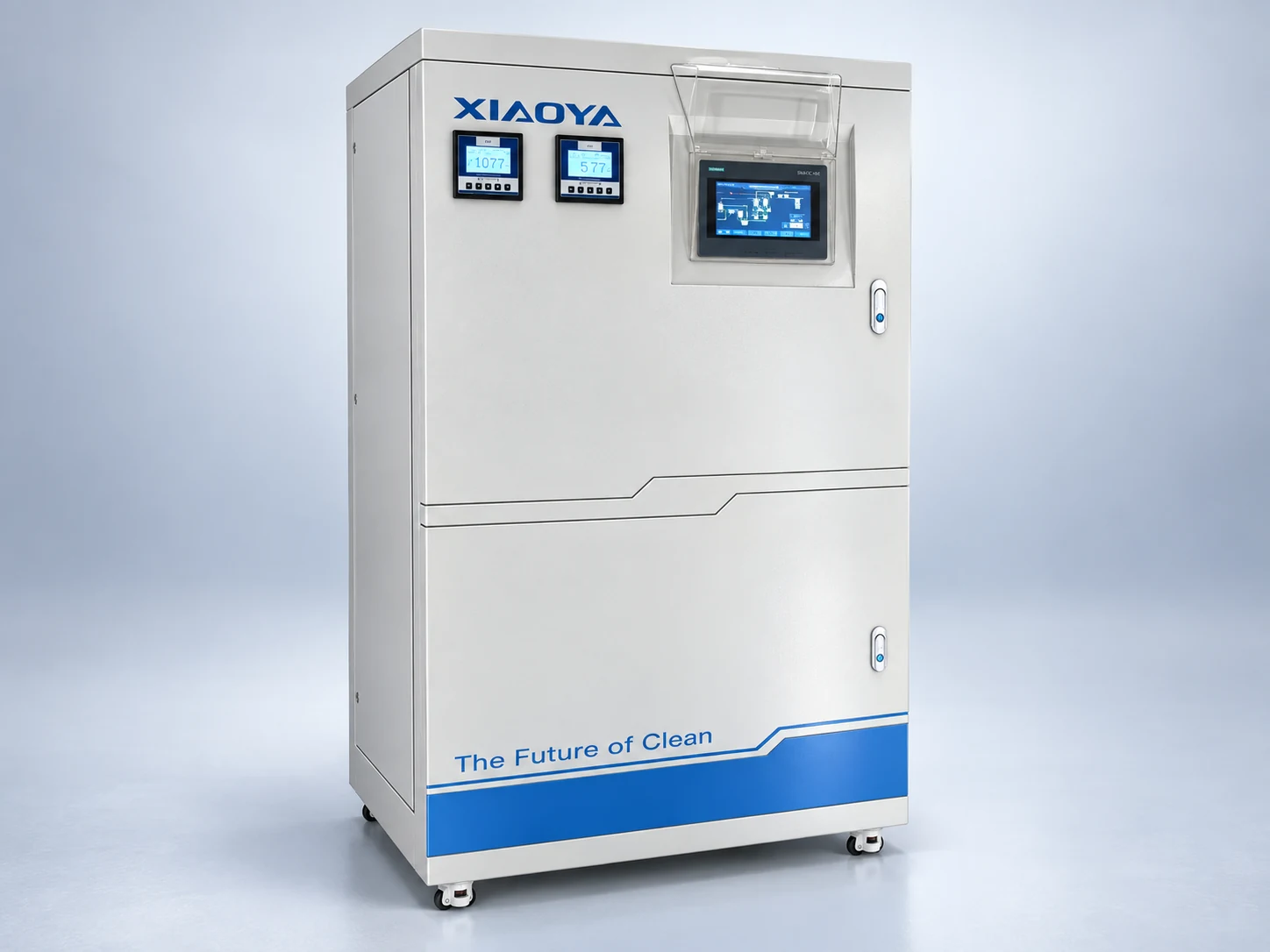
Reference-based AI visualization of the Xiaoya AQ-P300-A HCl-fed cabinet

HCl-fed HOCl generators

Explore the range and discuss the model, feed requirements and output conditions relevant to your project.

Explore HCl-fed generators

Questions that change
the comparison.

Measurement guide Testing & validation
Does salt-fed mean sodium hypochlorite generation?

Not necessarily. The feed alone does not define the output. Review the cell design, measured output chemistry and intended product specification.

Does a membrane determine which system is better?

A separator influences ion transport and stream separation. Its presence alone does not establish output quality, service life or suitability for your site.

Are two systems equivalent if their pH and FAC match?

Those readings are part of the comparison. Also review feed specifications, output streams, duty, maintenance and the test conditions behind the figures.

Start with your site.
Compare the right systems.

Tell Xiaoya where the system will operate, what solution you need, and which feed supplies are available locally.

Discuss My Feed Options

Useful details for the discussion

  • Destination and application
  • Solution flow, FAC and daily demand
  • Source water and available utilities
  • Local feed supply and handling arrangements