


Dosing & tubing
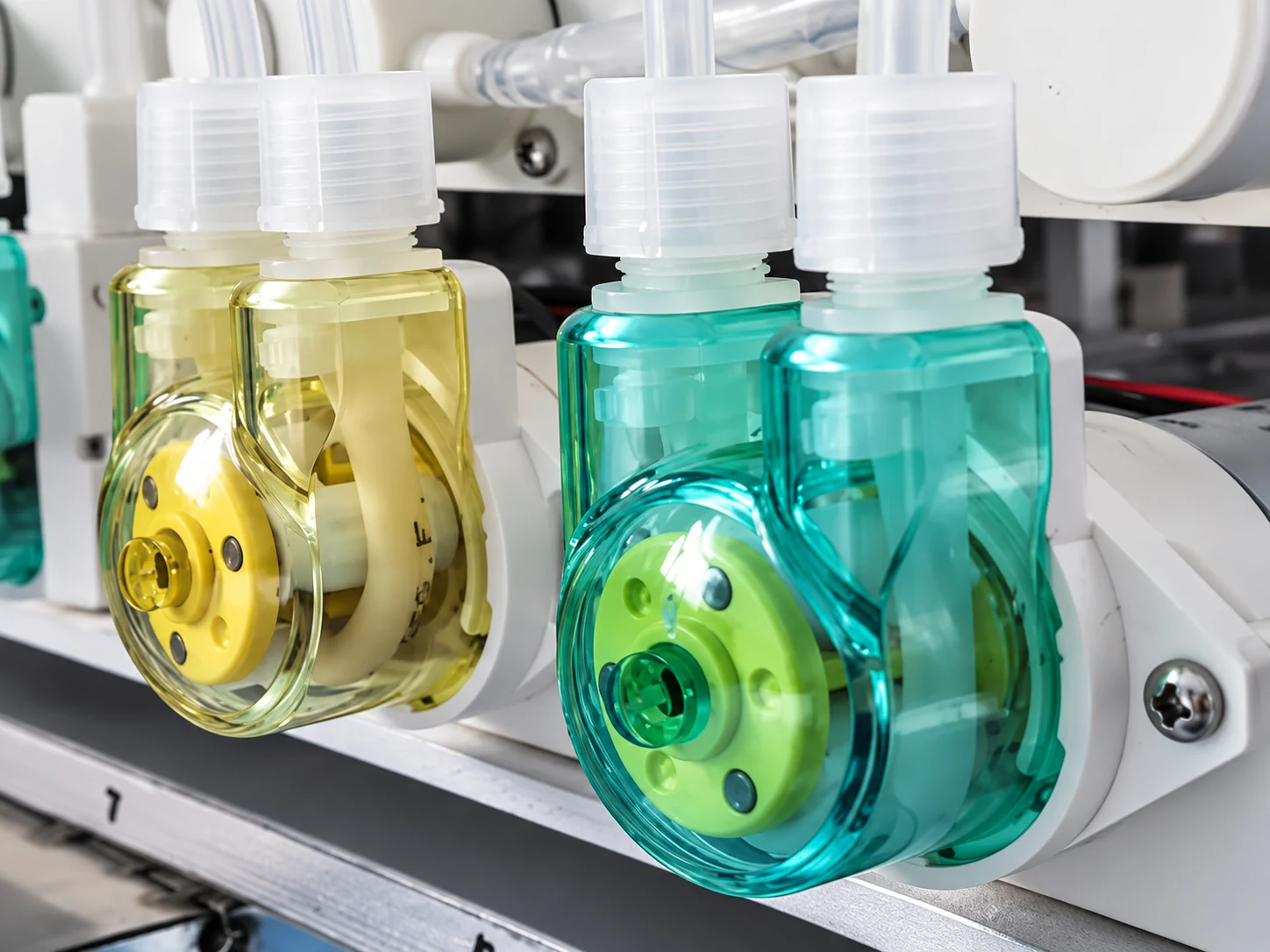
Match the pump model, tubing specification and connections. Similar-looking parts may have different functions.

Discuss maintenance and suitable replacement parts with Xiaoya, starting with your equipment and operating needs.
Maintenance scope depends on the model, installed configuration and operating conditions. Start with the systems fitted to your equipment.

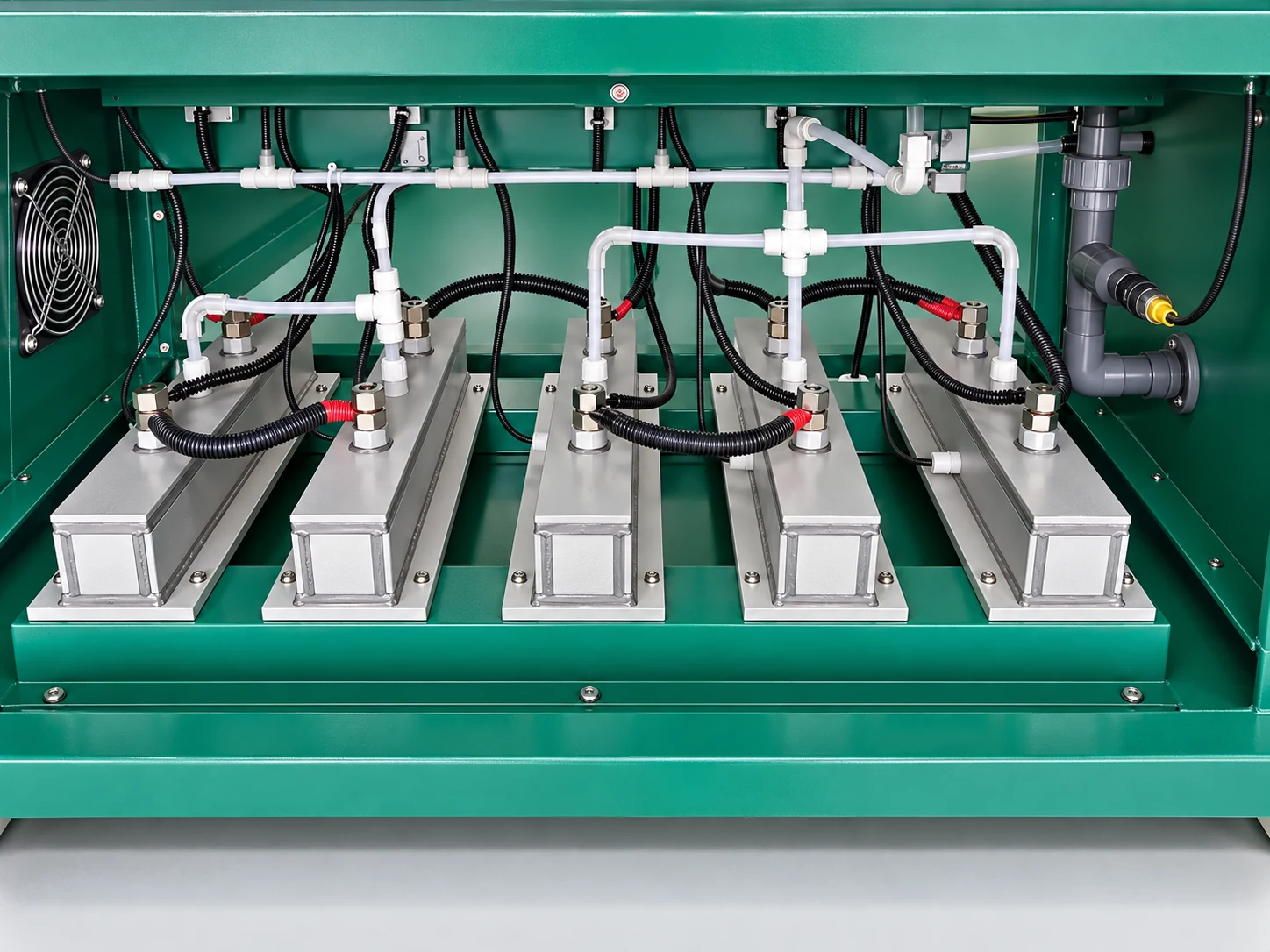
Review electrolyzer design and service-life factors, then confirm the approved cleaning procedure and replacement scope for your cell. HCl-fed and salt-fed equipment require their own maintenance guidance.
Match the pump model, tubing specification and connections. Similar-looking parts may have different functions.
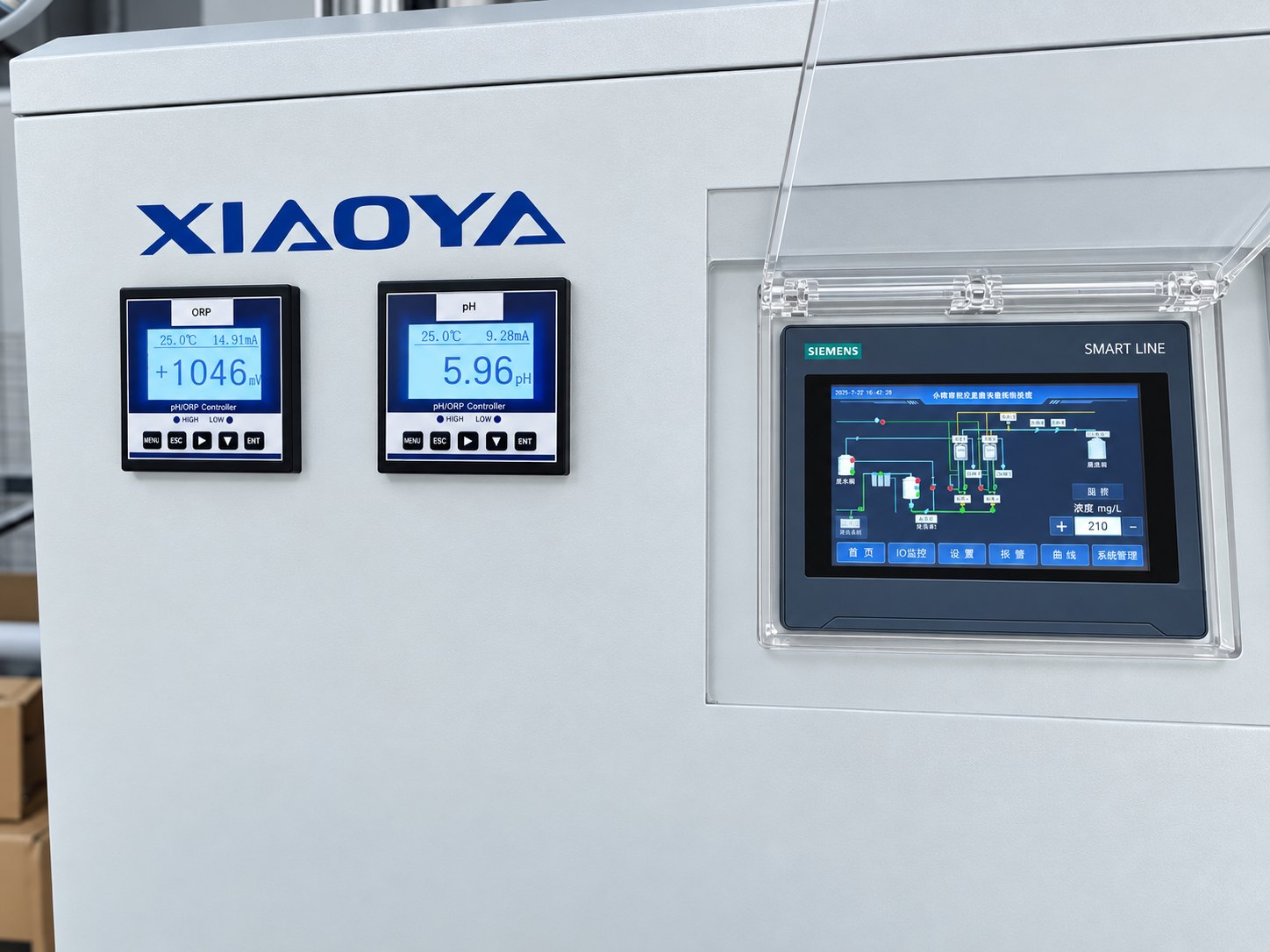
Review pH, ORP, conductivity and other instruments as fitted. Confirm calibration or verification needs after replacement.
.
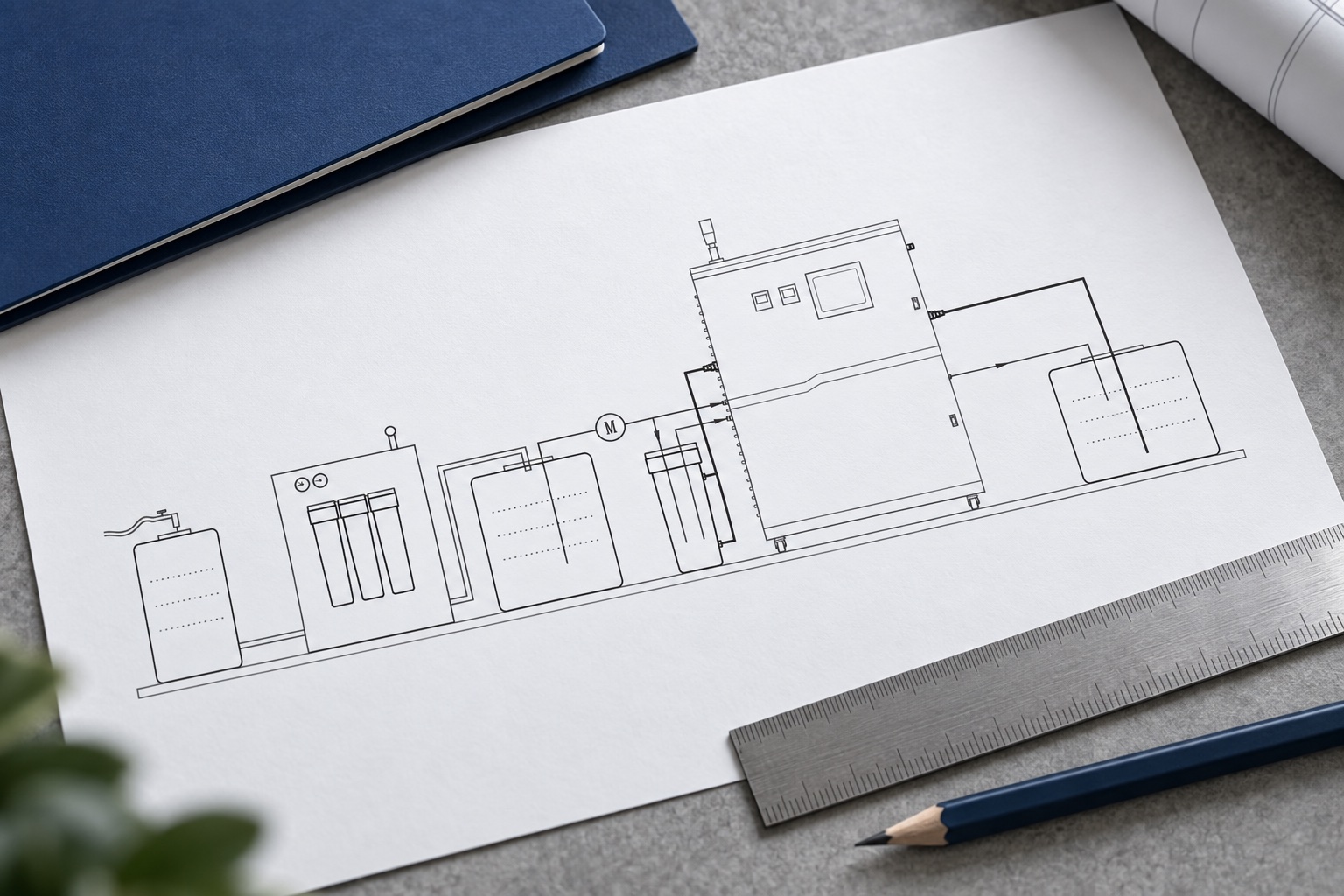
Confirm who maintains the inlet-water treatment, tanks and associated components.
Check the material, connection size and function before identifying a replacement.
Share the display and equipment details before discussing electrical or control-system service.
Discuss the maintenance features available on your model—and how they should be used at your site.
Xiaoya HOCl equipment features forward-cycle cleaning and reverse flushing. Check which functions are available on your model, and follow its instructions for cleaning agents, settings and cleaning intervals.
Salt-fed product material describes a modular cell structure and replaceable components. Confirm what can be serviced separately on your installed configuration and who should perform the work.
Replacing a component may require calibration and operating checks. Discuss the appropriate verification before returning the system to normal use.
Separate the agreed supply list from additional spare planning and replacement needs for an existing system.
Confirm the spare parts listed in your order.
Discuss a paid plan for your operating needs.
Start with the equipment and part identity.
Tell us which equipment you are planning for.
Discuss my spare parts planHave these photos ready when you contact Xiaoya. A model name alone may not identify the installed components.
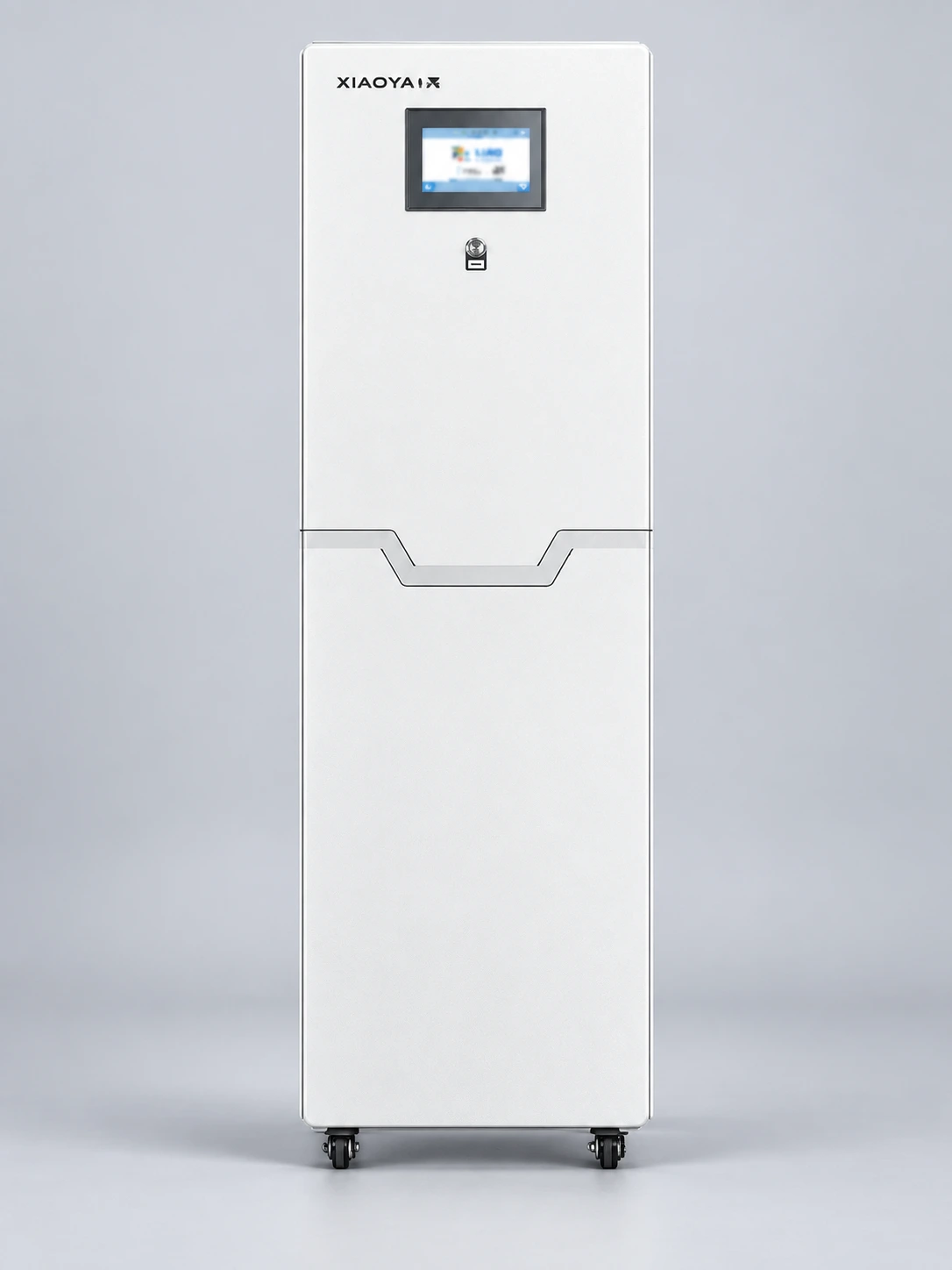
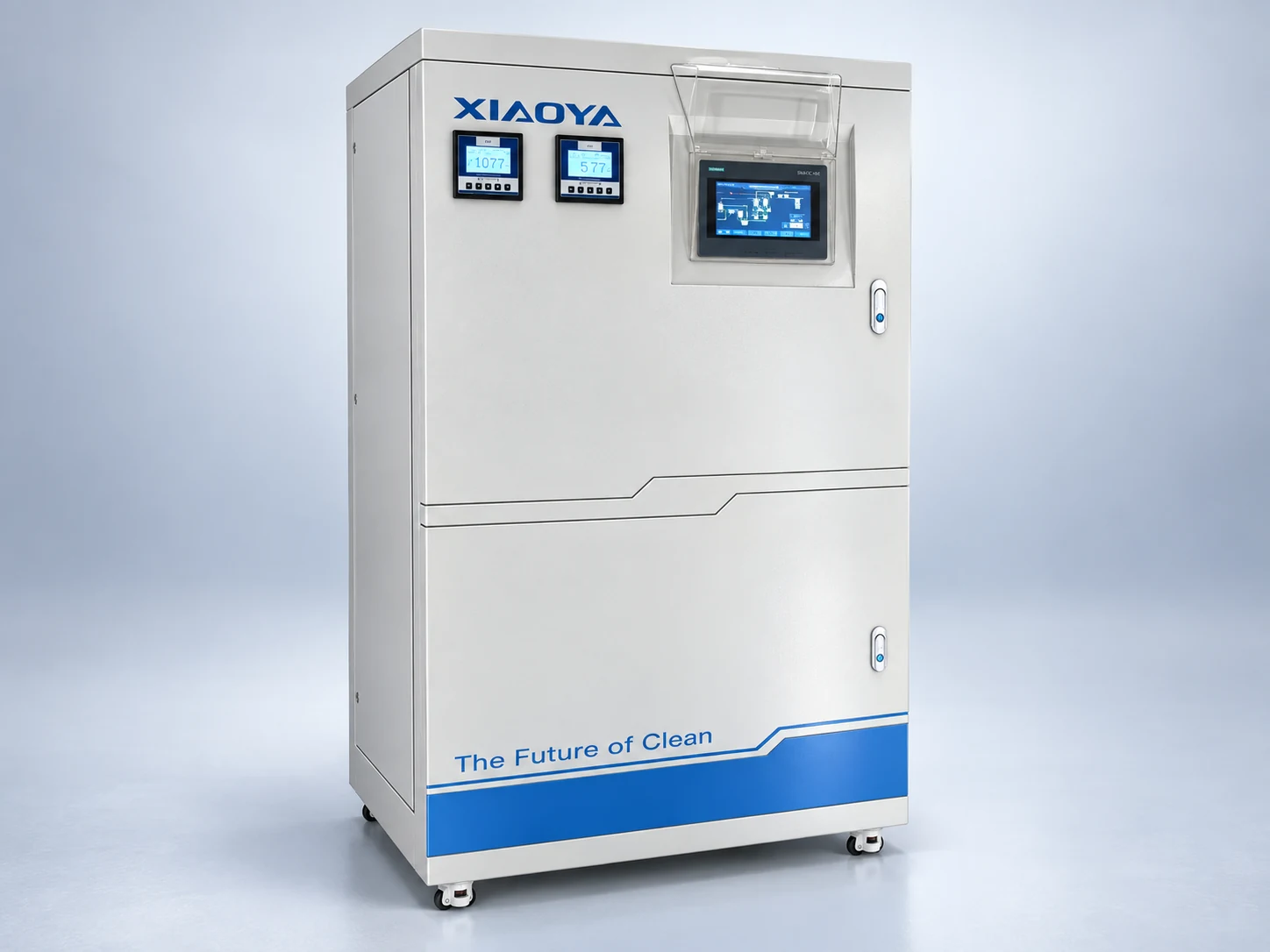
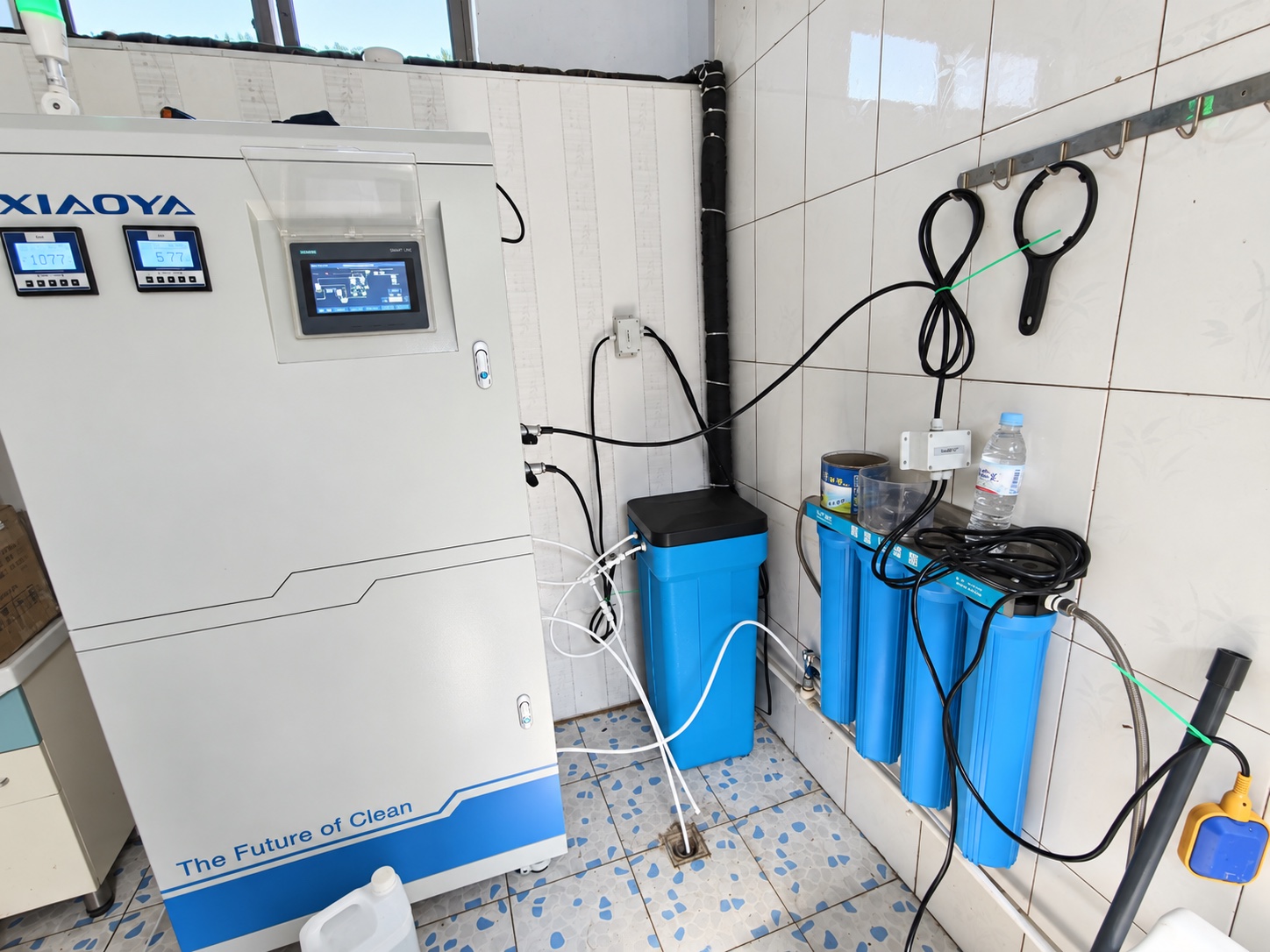
Show the equipment and a readable model/serial label. If the label is missing, explain what information you have.
Include the component label and its installed position. Photograph accessible details without dismantling equipment.
Capture the full display and any alarm message. Keep the original code or wording visible.
Describe the symptom, when it started and any recent maintenance or settings changes.
Use the equipment history to narrow down the next service action.
Model and component markings help match the installed parts and connections.
Note when the symptom began and any recent servicing, feed-water or settings changes.
Identify the required part, applicable instructions and person carrying out the work.
Record the work and relevant calibration and output checks before routine operation resumes.
Maintenance and parts should be matched to the equipment—not a generic promise.
Use guidance for your specific model, water quality and operating conditions. A published cell-life figure is not a universal cleaning interval or a replacement schedule.
Do not assume interchangeability. Confirm the installed configuration, component specification, connections and any relevant revision before ordering.
Supplied spares follow the agreed order list. Additional planning, including a two-year planning request, is discussed and quoted for the equipment and operating needs.
This depends on the part, task and local capability. Confirm the required instructions and competence with Xiaoya; control-system and electrical work may need specialist personnel.
Remote data access requires the appropriate module and connectivity. Confirm the available support method for your installed equipment.
Share the model, maintenance goal or part details in the dedicated service request.
Prepare a service request