


Facilities & reusable equipment
Start with the surface, material, soil load and existing cleaning procedure. Define contact conditions, any required rinse and staff access.
Room surfacesBins & cratesTransport equipment
Review surface sanitation

PACKHOUSES · COLD STORAGE · POST-HARVEST
Plan on-site generation for the hygiene points between packing and dispatch, with controlled supply and use-point checks.
Identify the surfaces, containers and transport equipment involved at each handover. Match each task to a defined sanitation procedure.
Reusable bins, crates and packing-area surfaces.
Plan around cleaning and return cycles.Handling surfaces and shared transfer equipment.
Define the hygiene-zone boundaries.Room surfaces within a scheduled hygiene program.
Account for access and operating conditions.Reusable transport containers and loading equipment.
Coordinate treatment with dispatch timing.Candidate sanitation points only. HOCl hygiene measures complement the operation's temperature controls; they do not replace refrigeration.
A facility-hygiene requirement and a direct-product treatment need different evidence and operating conditions.
Start with the surface, material, soil load and existing cleaning procedure. Define contact conditions, any required rinse and staff access.
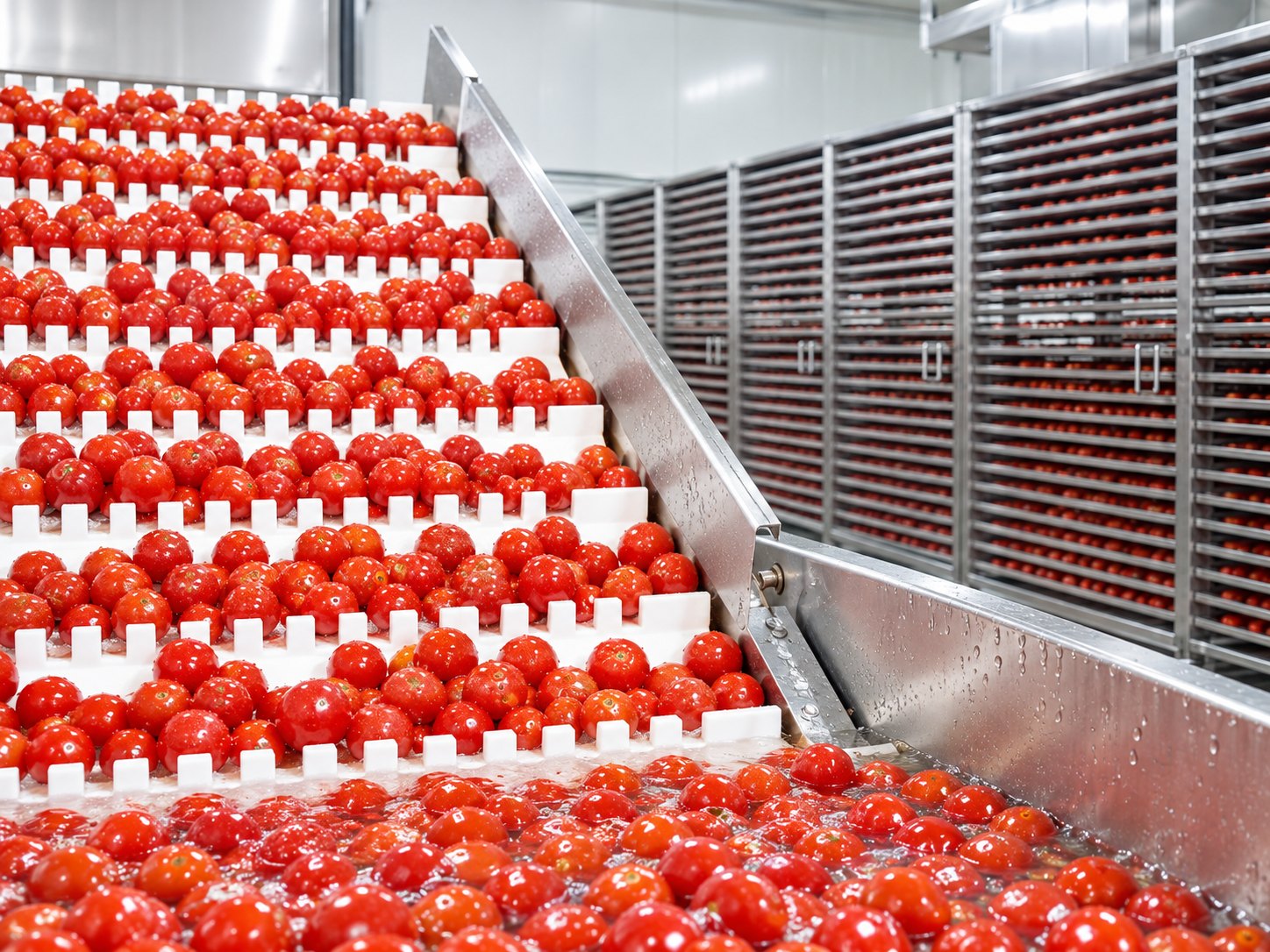
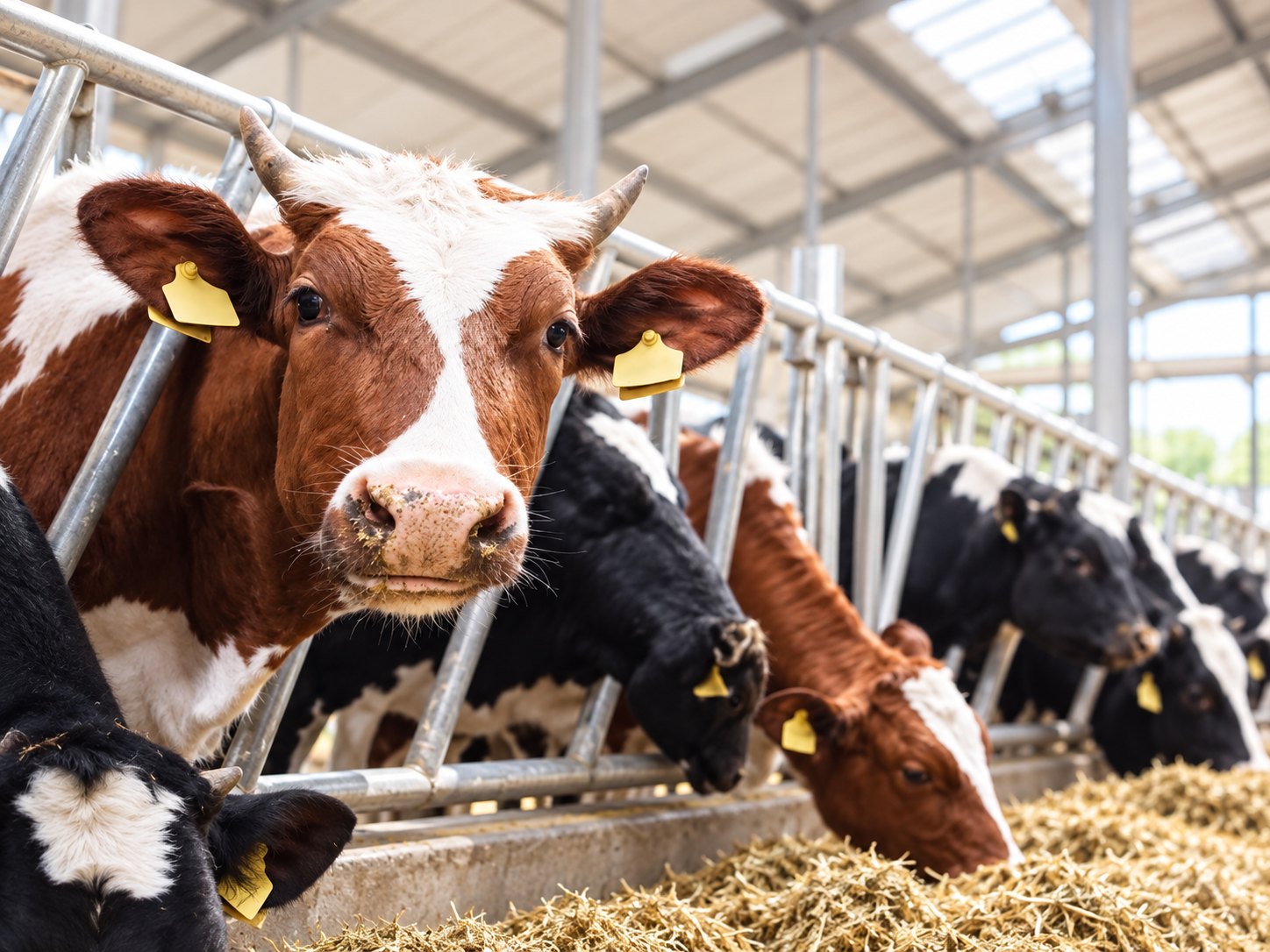
Define the commodity, variety, treatment method and destination market. Review product quality, microbiology and applicable use requirements before selecting conditions.
Direct washing, misting or ice-related applications each need a process-specific assessment. Suitability for one use does not establish suitability for another.
Explore fruit & vegetable washingFROM GENERATOR TO USE POINT
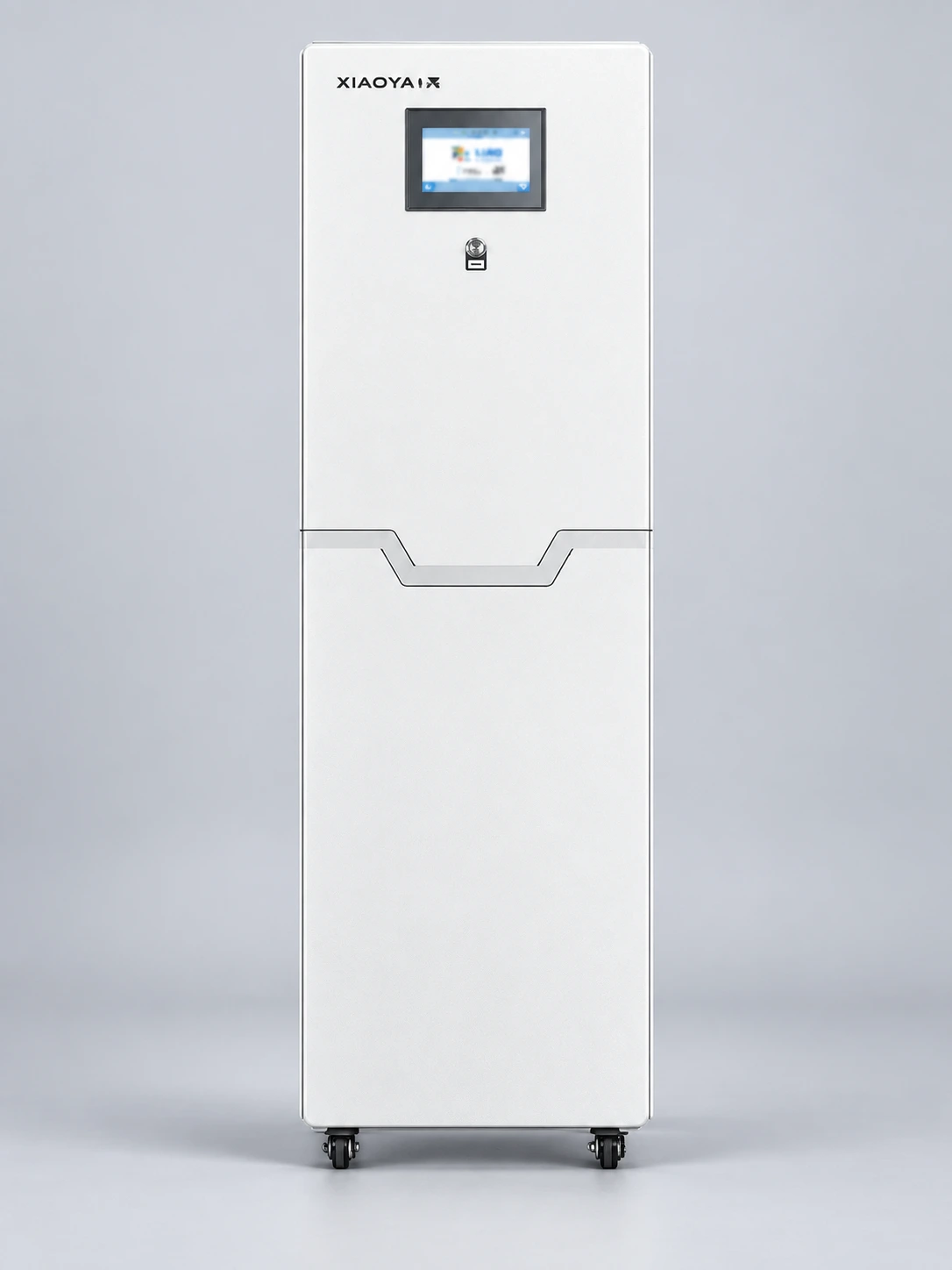
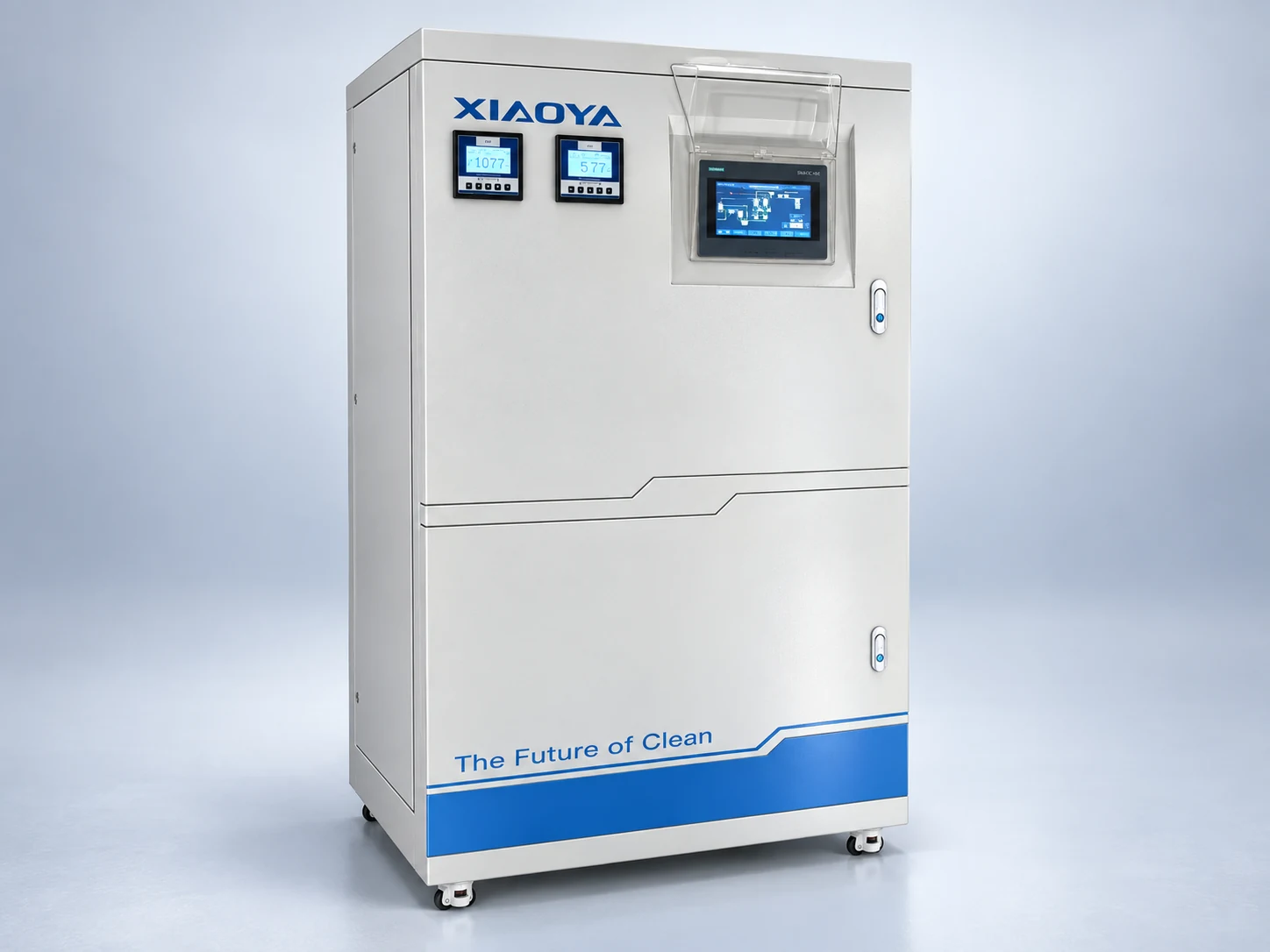
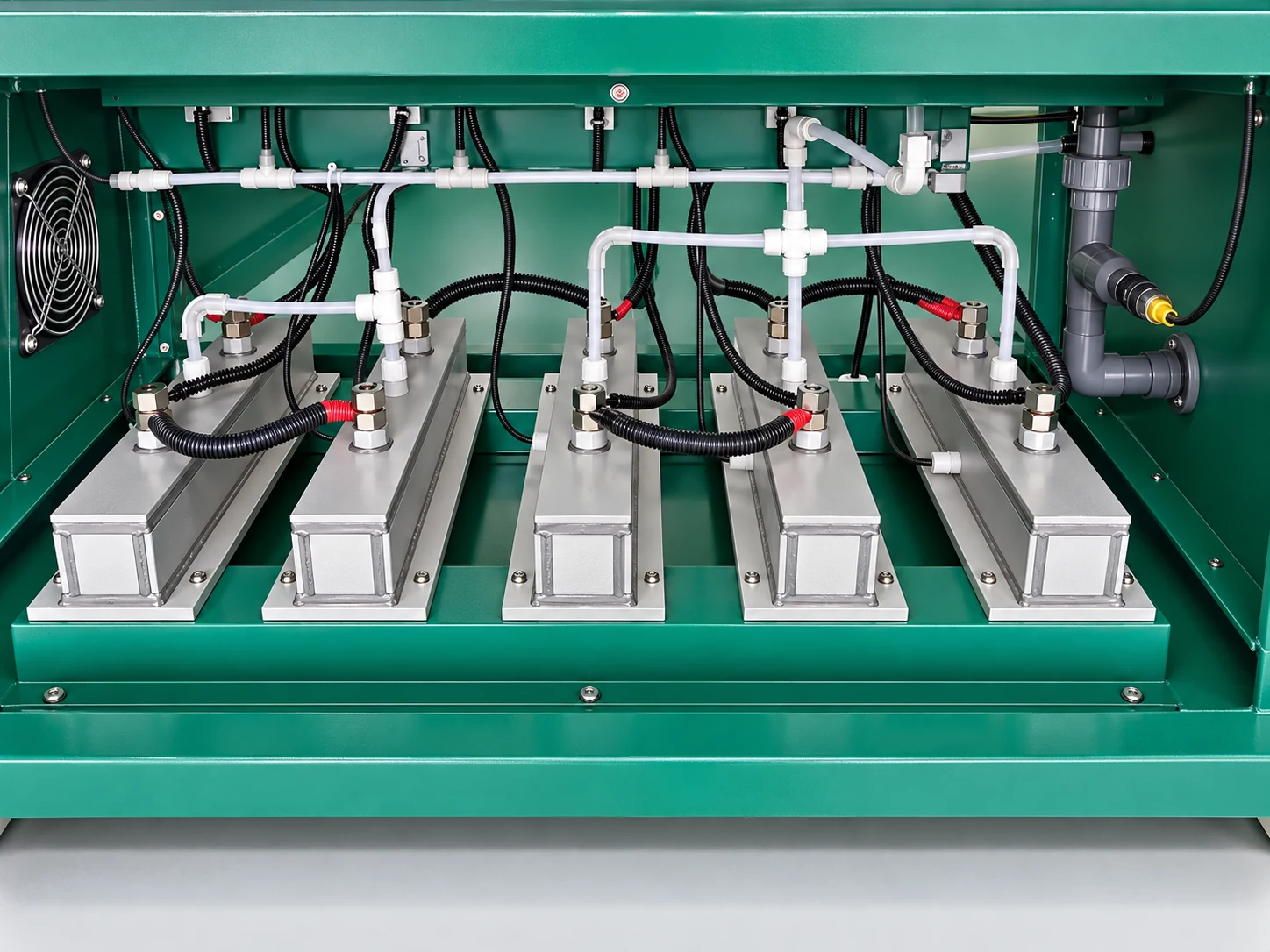
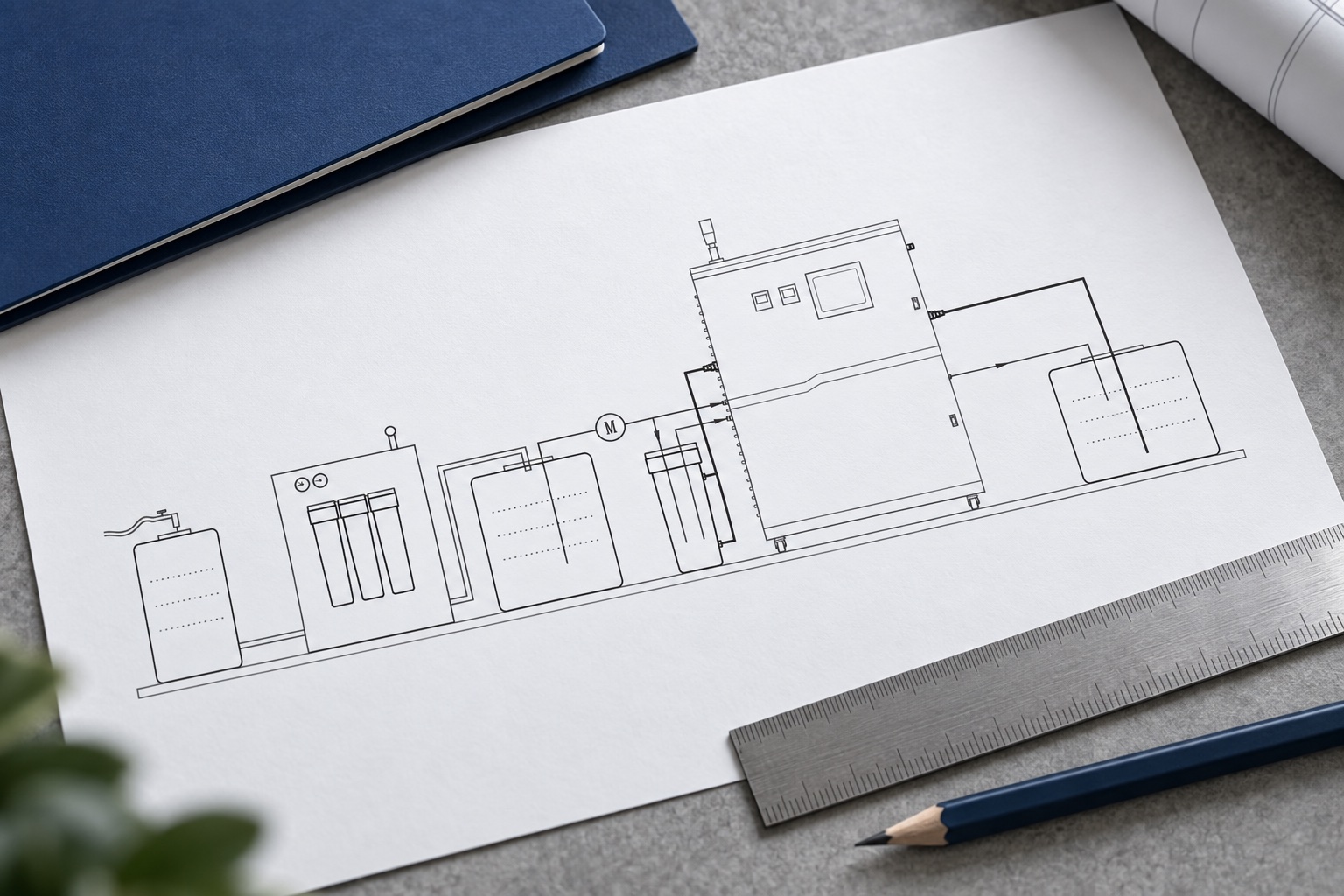
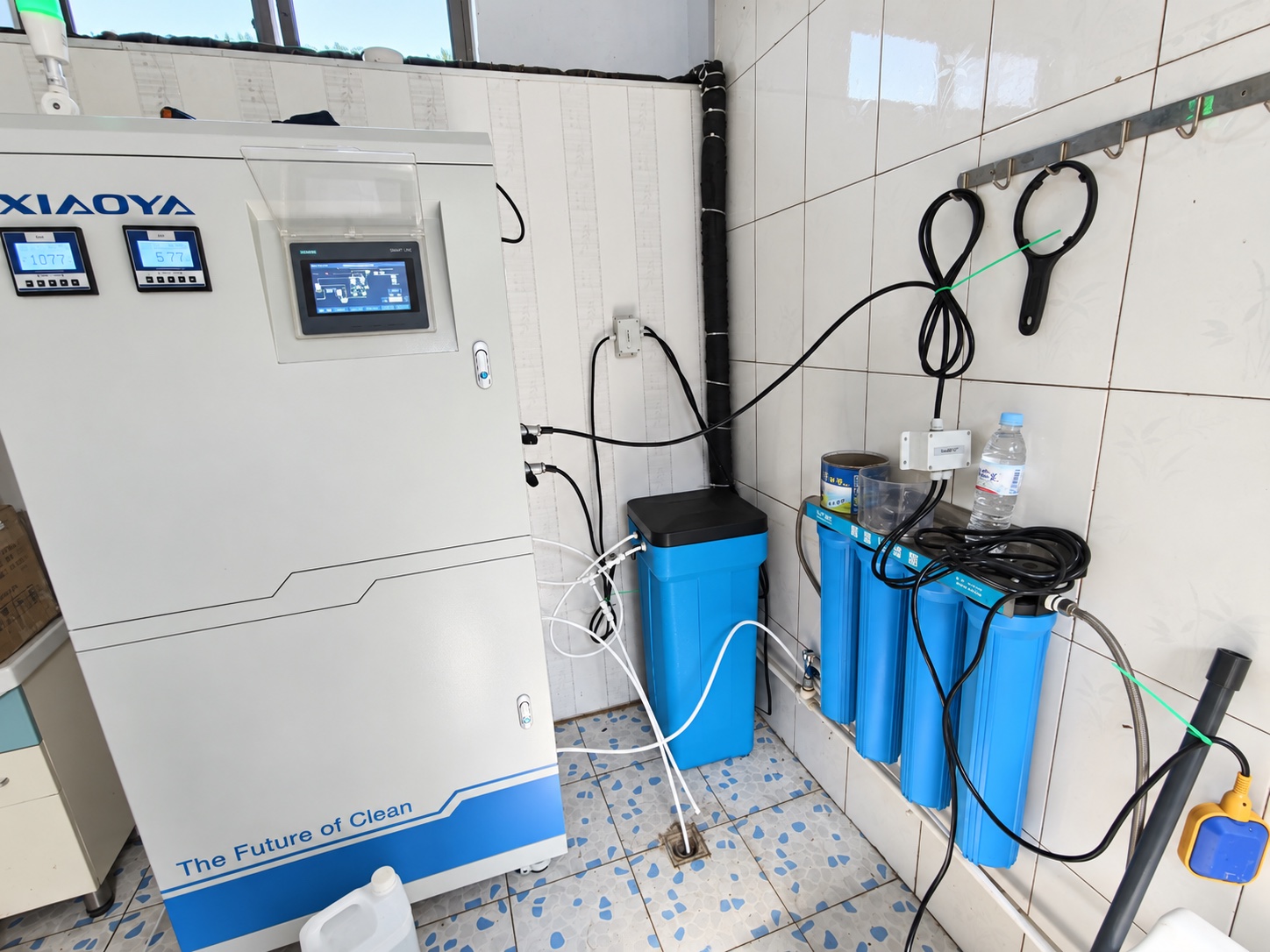
Locate generation with the actual demand in mind. Review storage time, temperature and distribution before defining the equipment scope.
Water preparation, feed and utilities matched to the proposed model.
Define capacity, solution turnover, temperature and release criteria.
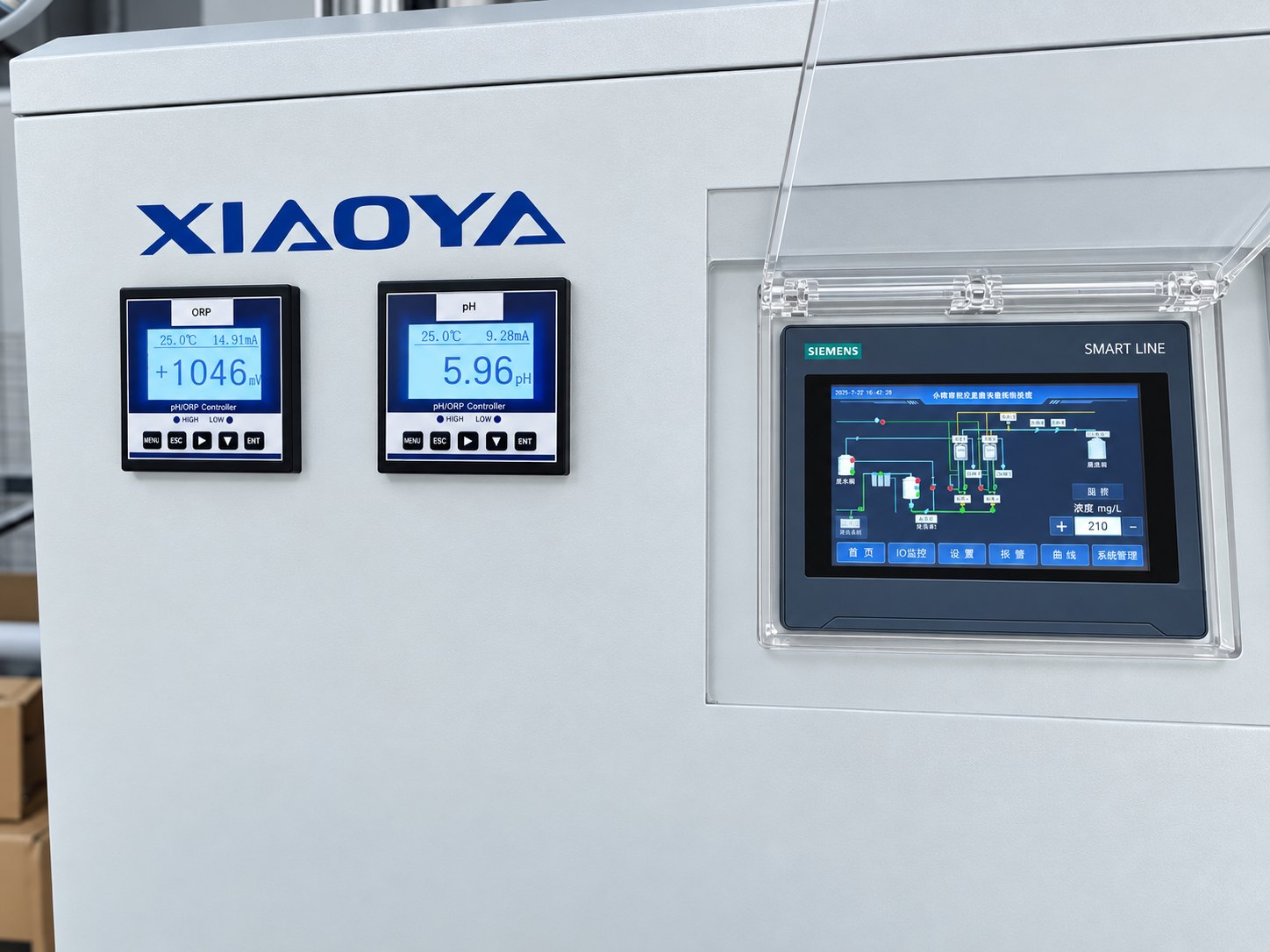
Define free available chlorine (FAC), pH and other required checks at use points, with sampling, records and action for out-of-spec solution.

Agree measurable acceptance criteria for the actual commodity and handling conditions before planning a wider rollout.
Record the commodity, treatment conditions, storage temperature and study duration.
Use defined methods for microbial results and relevant quality measures, including appearance and texture.
Evaluate contact, rinse and residue requirements where applicable, then confirm performance at commercial scale.
Any shelf-life claim needs a matching study. Results for one commodity or process cannot simply be transferred to another. Review application-validation evidence.
Share the treatment task, daily and peak use, water quality and operating schedule. Xiaoya can then review the generator and system scope.
Commodity, variety, destination market, intended contact and treatment method.
Daily and peak volume, simultaneous use points, temperature and operating hours.
Water analysis, utilities, layout, control interfaces and acceptance criteria.
Include a process flow and available site information. Final model selection follows the project review.
Xiaoya Group HOCl Selection Form ↗Review generator sizingPLAN WITH XIAOYA GROUP
Share your commodity, intended use, destination country and estimated demand. Xiaoya is your contact for equipment and after-sales planning.
Request a cold-chain proposalIt may be possible. Review peak and simultaneous demand, distances, solution age and separate use requirements before agreeing storage or distribution.
No. Start with the commodity, hygiene task, operating schedule and approximate use. Available water analysis and layout information help identify the next engineering questions.
Ask for records relevant to the proposed model and use: output conditions, test method, acceptance criteria and the application validation plan. A general brochure does not establish the outcome for your process.
Agree equipment, optional water preparation and storage, distribution interfaces, monitoring, documentation, commissioning, training and after-sales responsibilities.