


Equipment & utensils
Conveyors, cutting tables, handling tools and reusable containers.
Review surface sanitation
ON-SITE HOCl GENERATION
Plan sanitation supply around your hygiene zones, operating conditions and cleanup windows.
Discuss your processing plantSTART WITH WHAT YOU TREAT
Identify the treatment object and the process stage. Equipment sanitation, environmental hygiene and direct-product treatment need distinct assessments.
Conveyors, cutting tables, handling tools and reusable containers.
Review surface sanitationWorking areas and other designated surfaces, with controls around exposed product.
Map the area, method and operating window.Review the species, process, market requirements and validation before defining a direct-food use.
Equipment hygiene does not establish food-treatment suitability.Application categories, not a factory floor plan. Final hygiene zones follow your facility’s process and risk assessment.
BUILD THE BRIEF AROUND THE PROCESS
A cutting-room surface, a poultry-handling tool and a seafood wash step raise different questions. Describe the treatment object and existing procedure before specifying a solution.
List cutting tables, knives, conveyors and containers. Identify how fat and protein soils are removed, when equipment becomes available for sanitation, and which surfaces contact exposed product.
State the processing step, tools and handling surfaces involved. Mark which lines stop together and whether sanitation must finish before the next batch or shift. Any carcass or product treatment needs its own review.
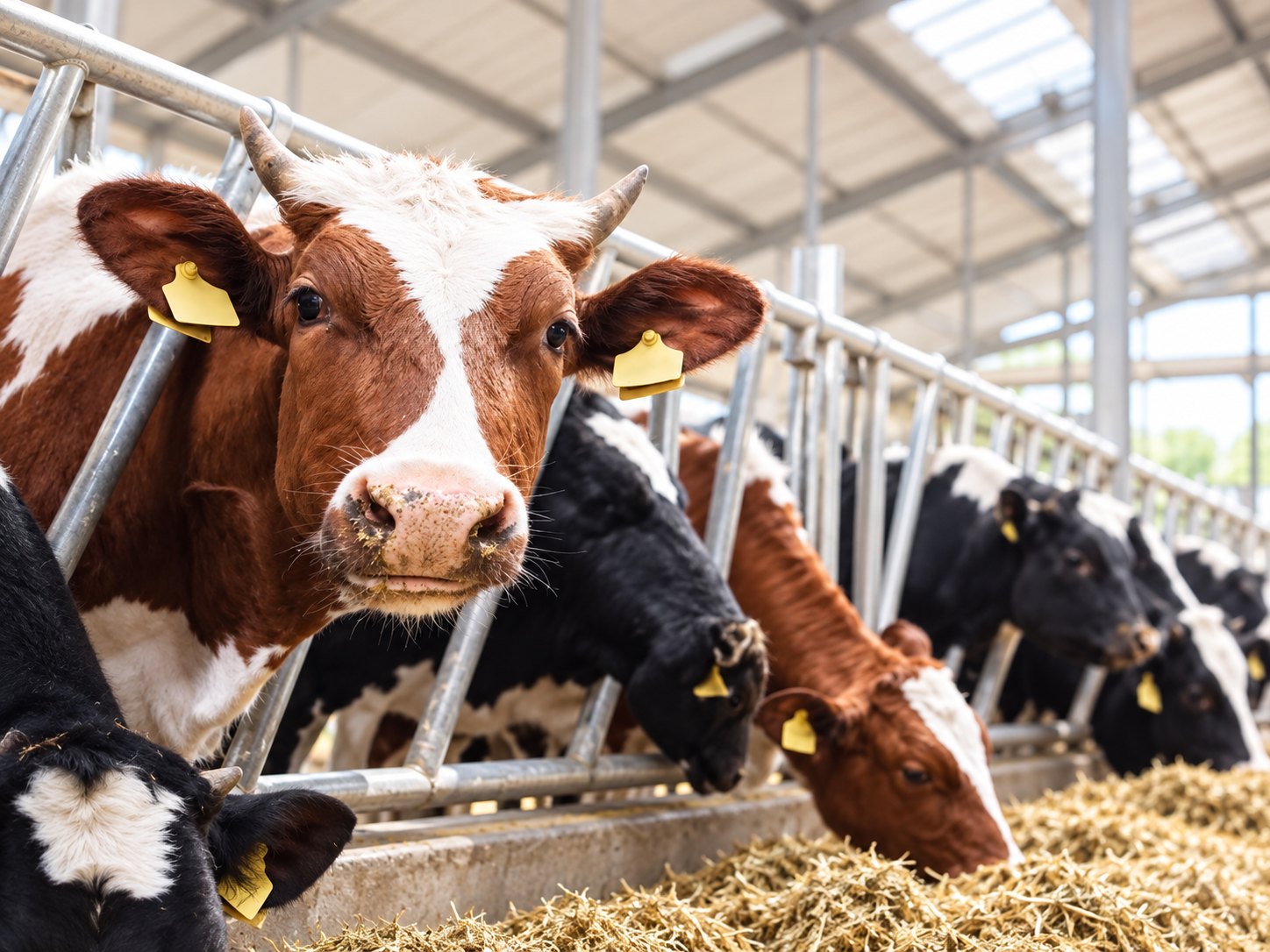
Identify the species and whether the task concerns containers, equipment, process water or the product itself. For a proposed product-contact step, provide temperature, contact method, rinse sequence and quality criteria. Keep live-animal and aquaculture uses outside this processing brief.
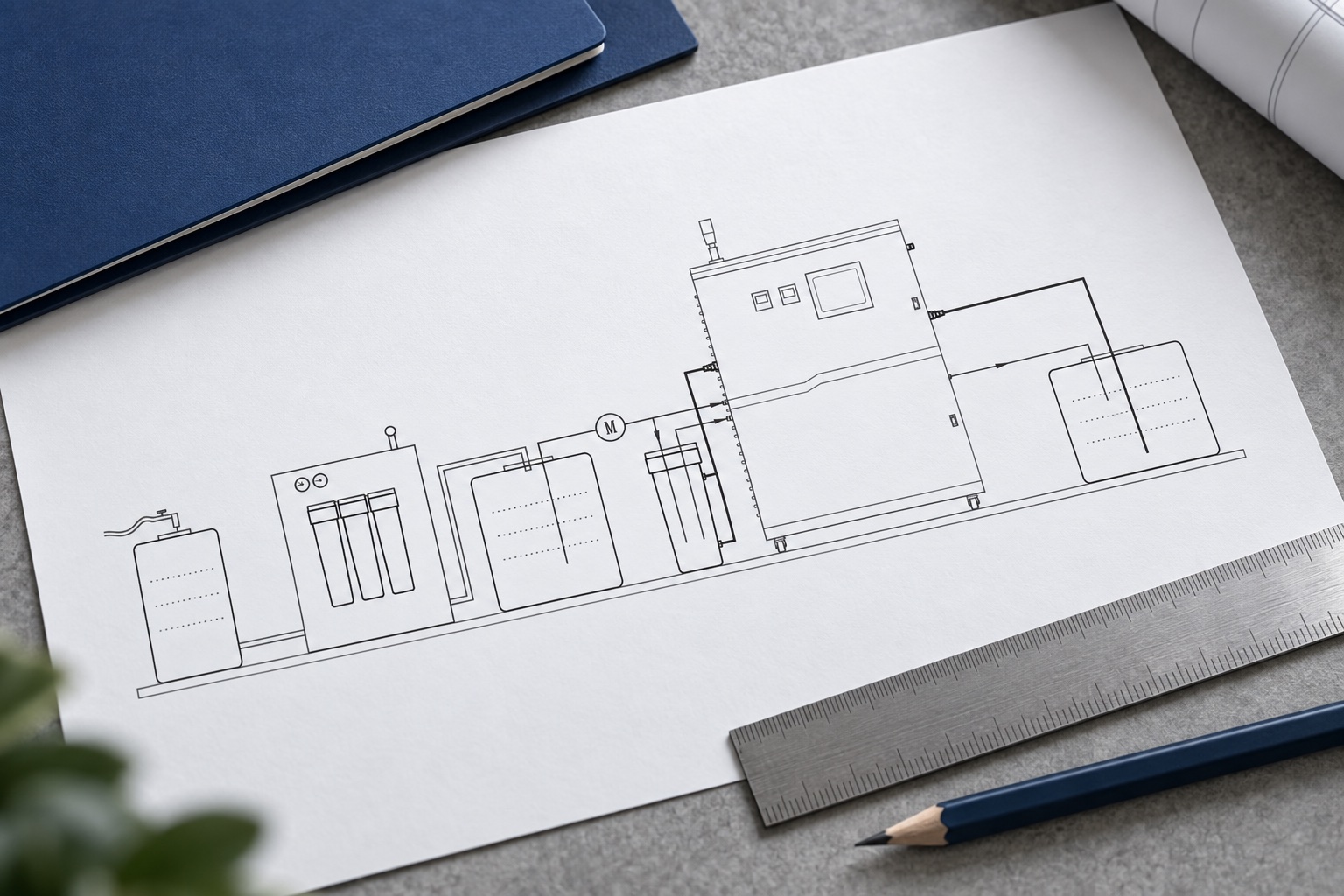
GENERATION → DISTRIBUTION → USE-POINT CHECKS
A project may need separate supply arrangements by hygiene zone. Agree the hydraulic separation, controls and responsibilities in the proposal.
TO THE DEFINED USE POINTS →
Specify flow, application method and cleanup window.
Define zone boundaries and avoid incorrect cross-connections.
Only within the agreed food-use and process requirements.
PLAN THE WINDOW, NOT JUST THE DAILY TOTAL
List the operating windows and simultaneous demand. Size any generation and buffer around the agreed conditions at the point of use.
Record HOCl application flow separately from detergent, rinse-water and recirculation flows. Count only tasks that actually use the generated solution; compare simultaneous demand with generation and any usable buffer.
Open the sizing guideXIAOYA EQUIPMENT & SYSTEM SCOPE
Use the same station list, sanitation window and required solution conditions when comparing HCl-fed and salt-fed proposals.
Meet Xiaoya GroupExplore model and feed requirements.
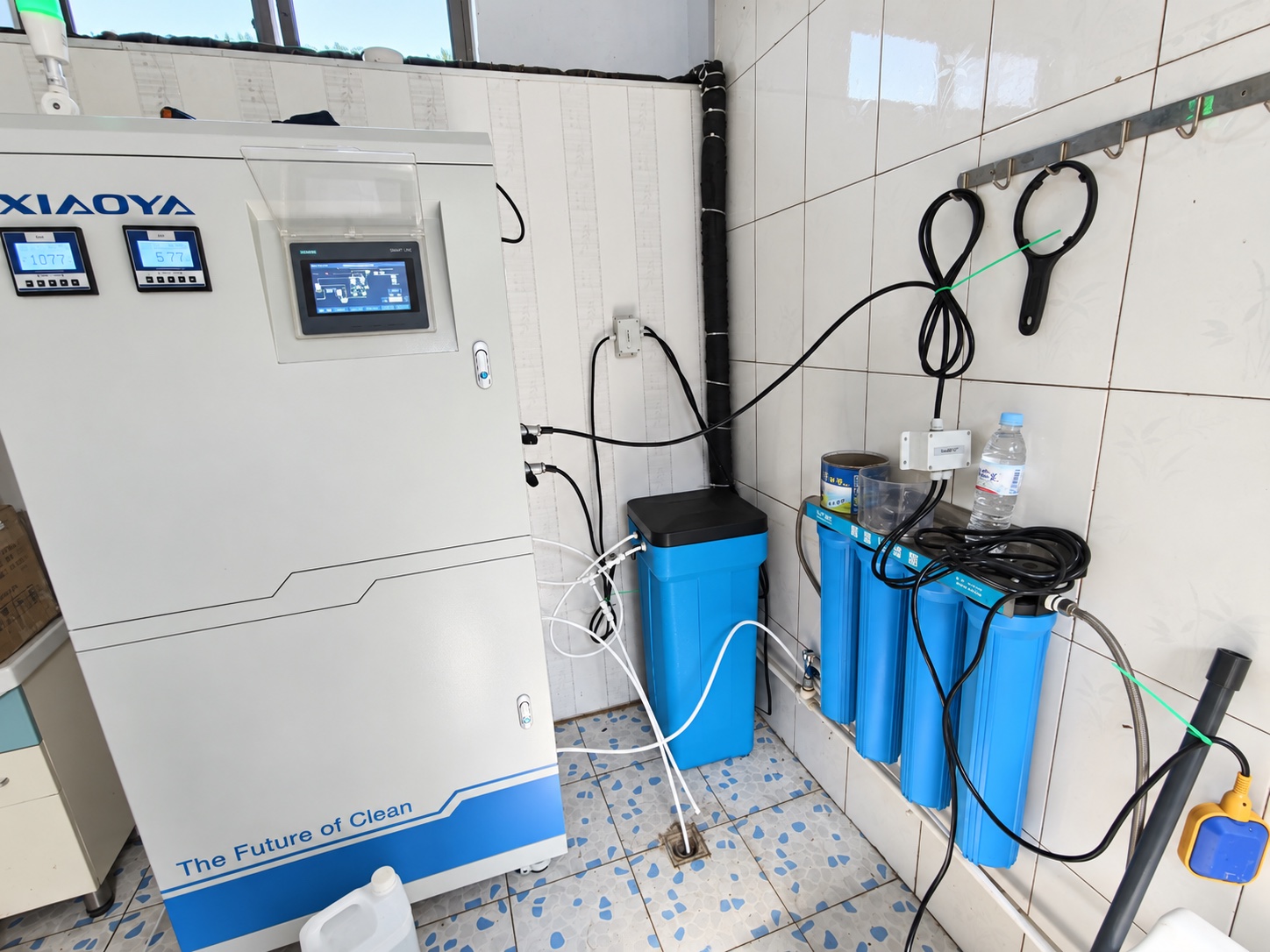
Review water preparation and configurations.
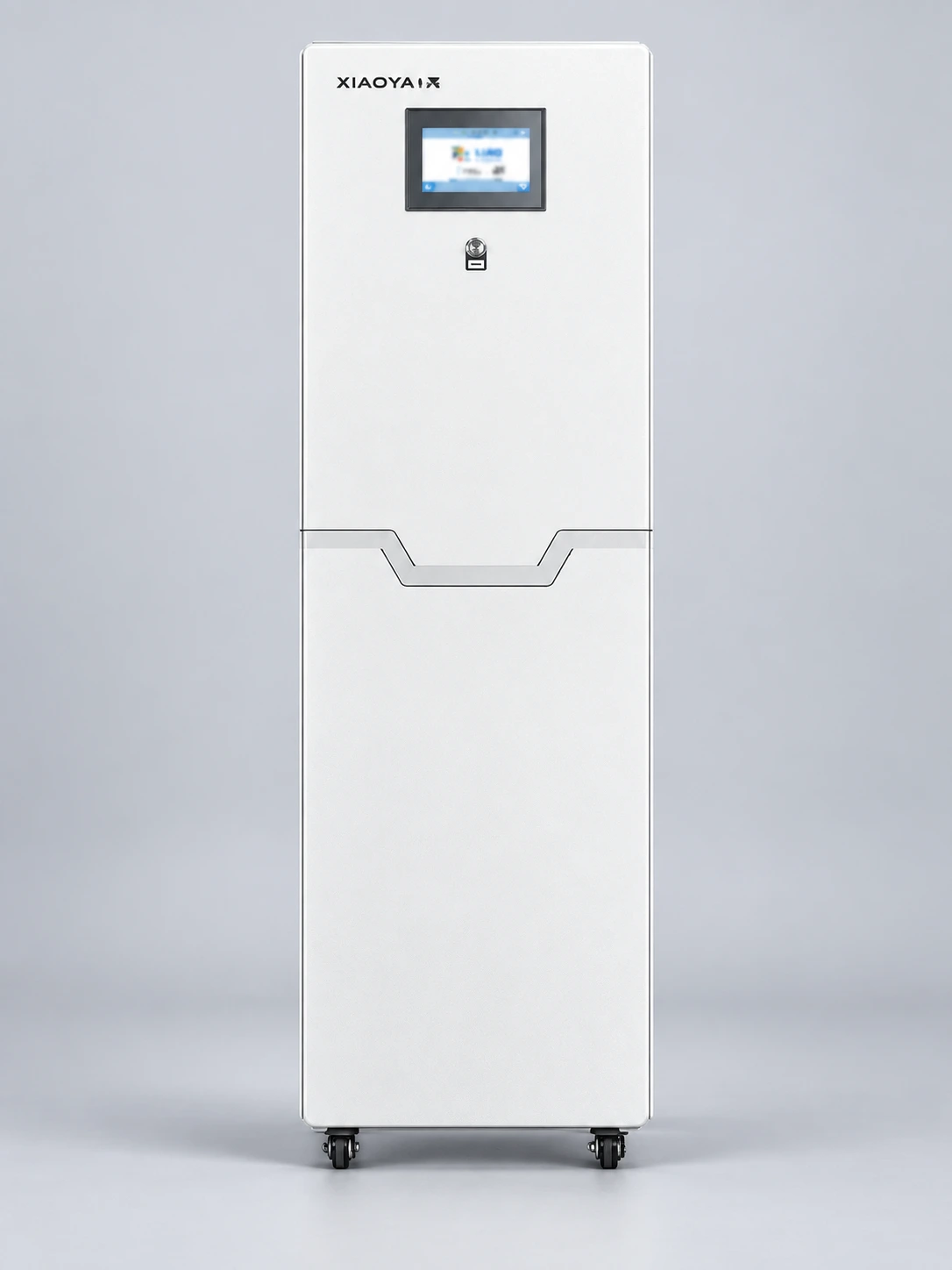
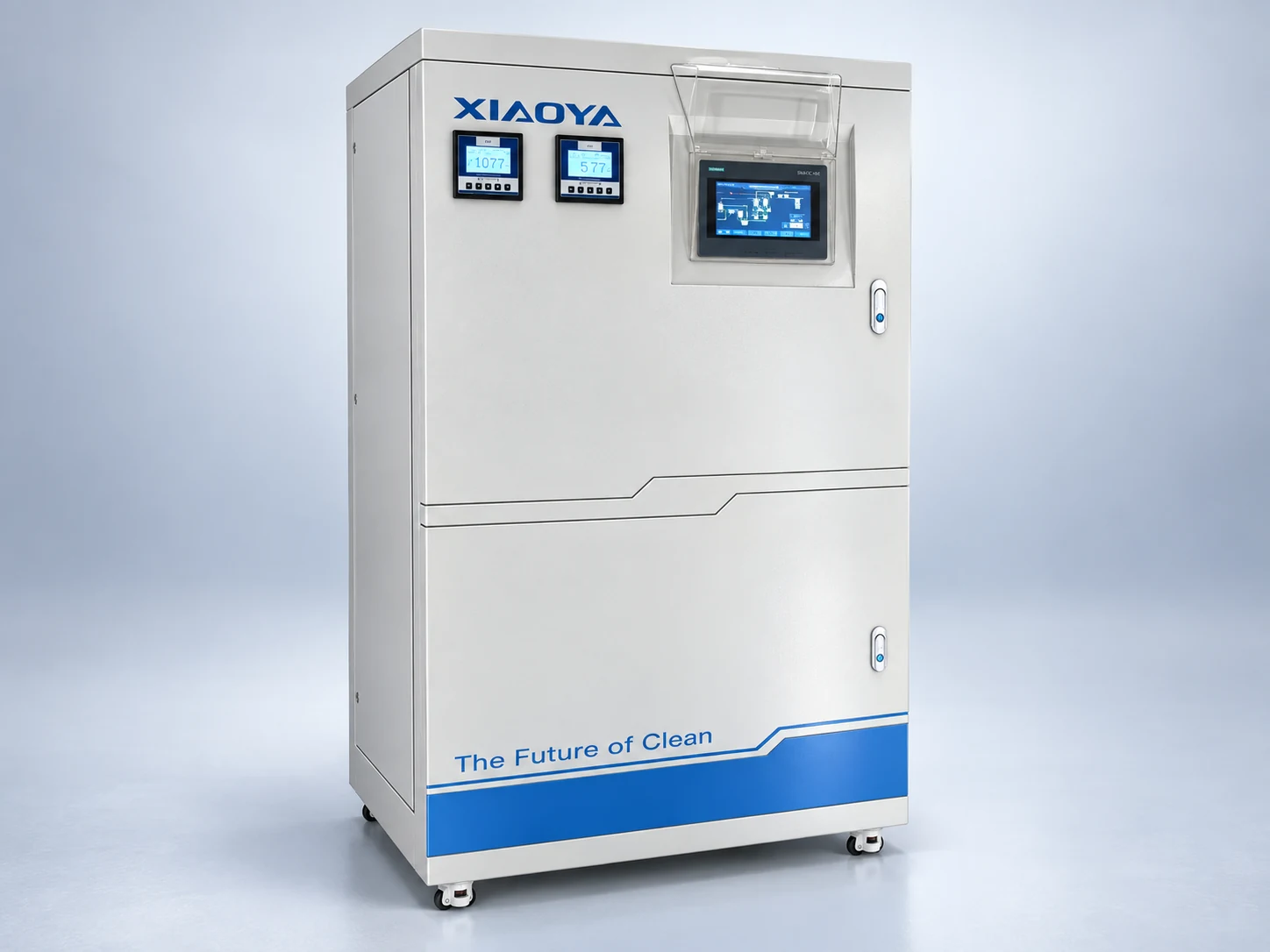
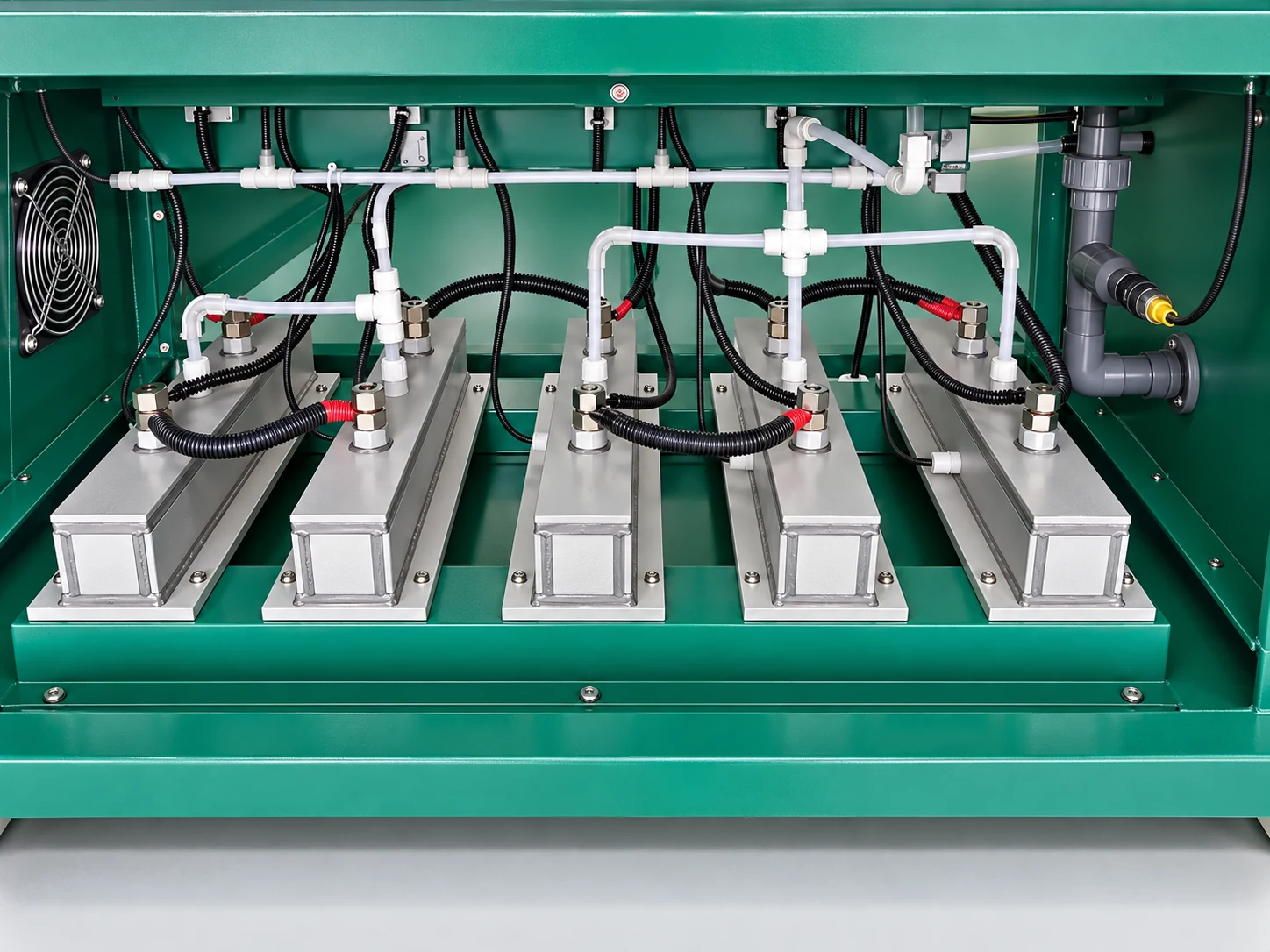
Specify the generator and each distribution interface separately. Review the supply layout above and agree the equipment list with Xiaoya.
EVIDENCE THAT MATCHES YOUR PROCESS
Agree the acceptance method for the actual product, use point, load and materials. Define the response when results fall outside the approved conditions.
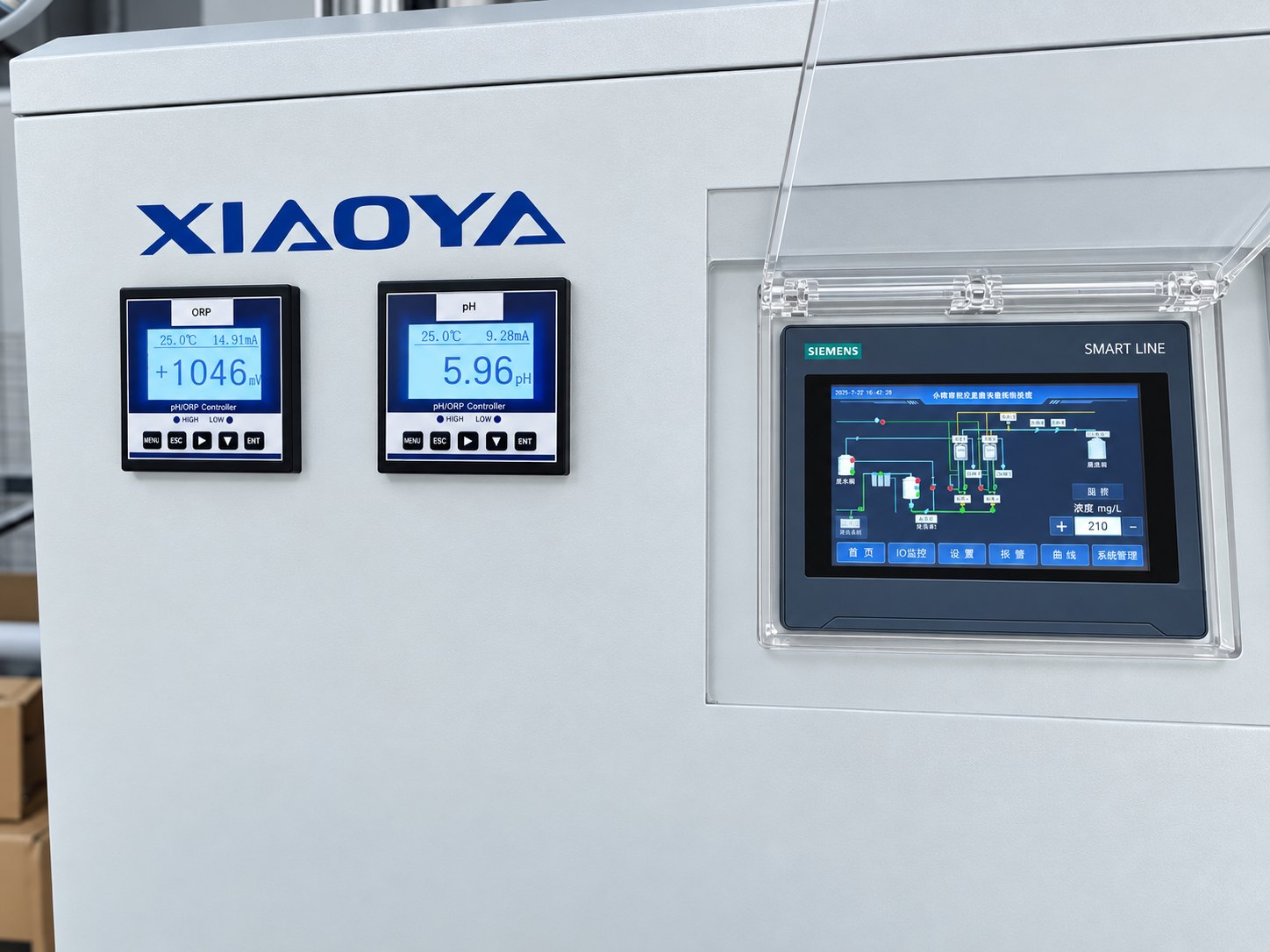
Xiaoya Group HOCl Selection Form ↗Review use-point FAC/pH and demand under representative soil load and temperature.
Verify cleaning, contact conditions and the facility’s microbiological acceptance plan. Review testing and acceptance evidence.
Assess compatibility for the actual concentration, exposure and repeated use.
Capture results, operator actions, deviations and corrective measures.
YOUR MEAT, POULTRY OR SEAFOOD PROJECT
Share the product, treatment points, cleaning schedule, approximate demand and destination country.
Request a plant proposalNo. Soil removal and cleaning remain separate requirements. Evaluate sanitation under the actual surface and process conditions.
We need to understand your operating conditions first. Review segregation, hydraulics, cross-connection prevention and use-point controls for the actual uses.
No universal setting is established by the industry label. Confirm the exact product, step, market requirements and validated conditions.
Model data, output conditions, materials, scope of supply and the proposed validation plan for each use. Final rinse requirements also depend on the exact application.