


Empty housing
Define the cleared house, selected surfaces, cleaning prerequisites and the available treatment window.
Identify: house, task and release criteria.
Map the tasks, collection points and busy periods before choosing the generator. Build the supply plan around your farm’s working boundaries.
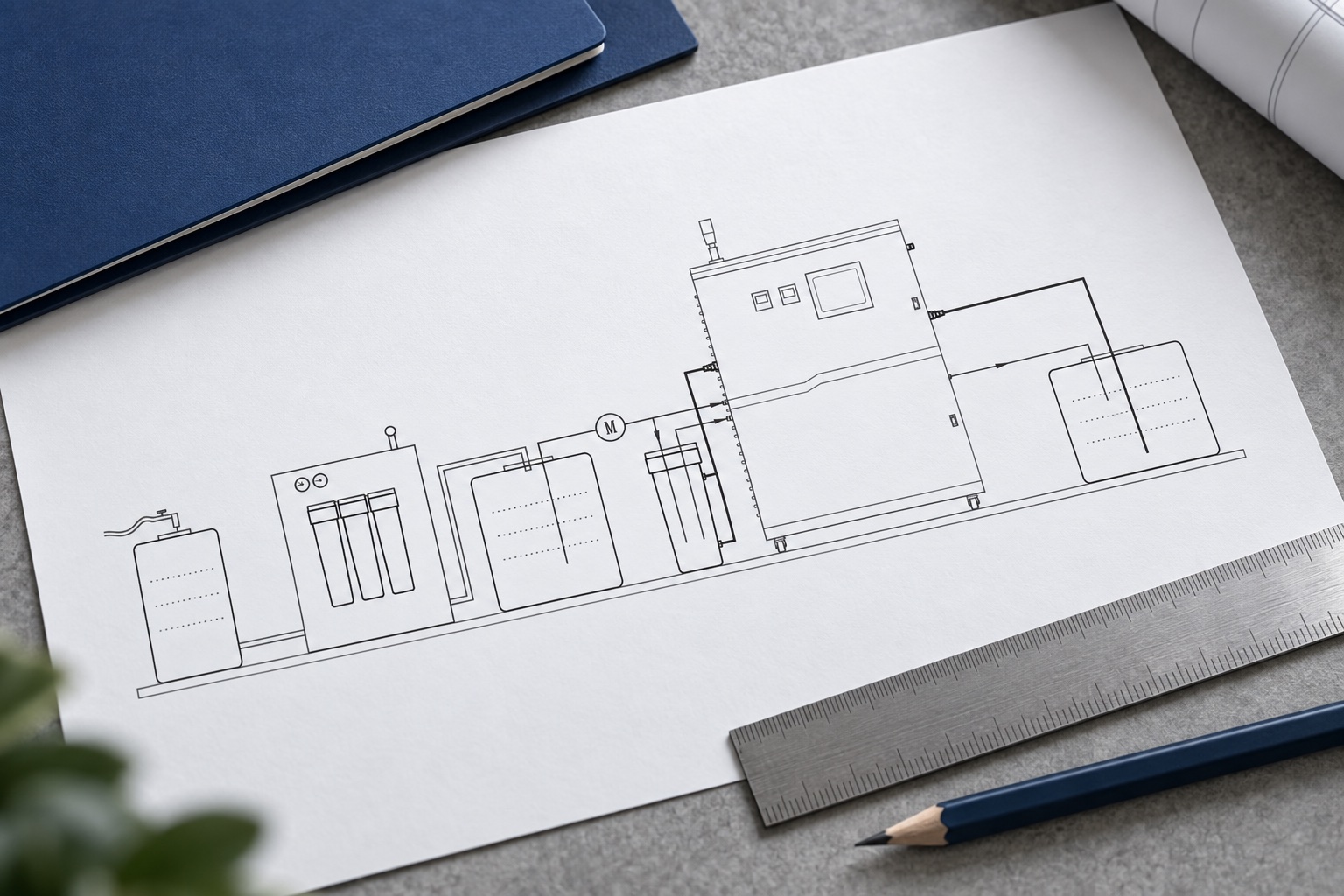
Specify each intended use and its operating requirements. The following diagram helps plan the system for your farm.
Confirm output, any holding, collection arrangements and responsibility.
Define the cleared house, selected surfaces, cleaning prerequisites and the available treatment window.
Identify: house, task and release criteria.Separate the items to be treated from other farm equipment. Review materials and the collection method.
Identify: items, method and work area.Define the selected vehicle or surface task, pre-cleaning requirements and movement boundaries.
Identify: route, task and responsible team.Your site plan defines clean/dirty boundaries, access and drainage. Shared supply does not mean shared containers or unrestricted movement between zones.

Before calculating litres, agree what the next turnaround actually includes.
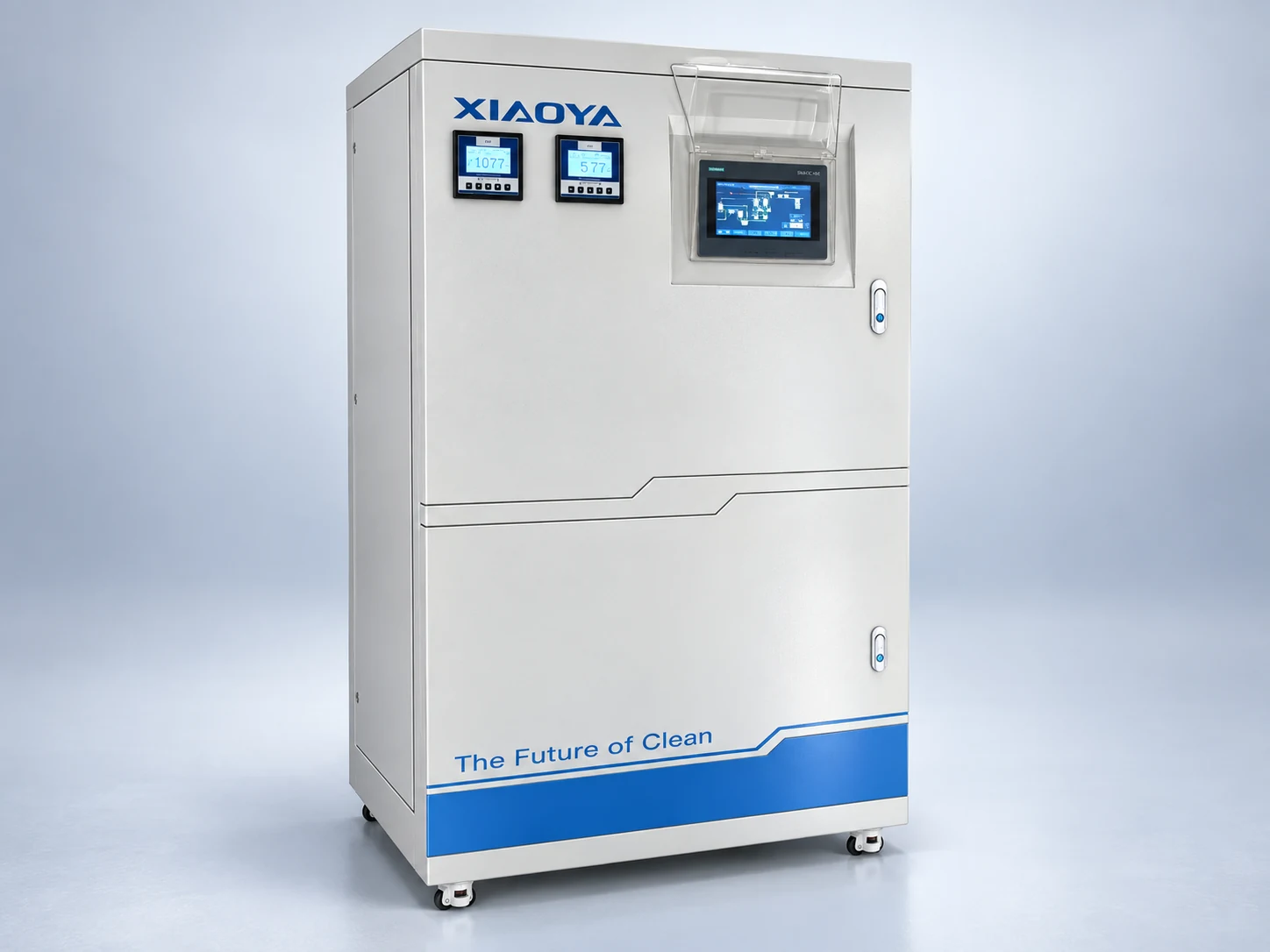
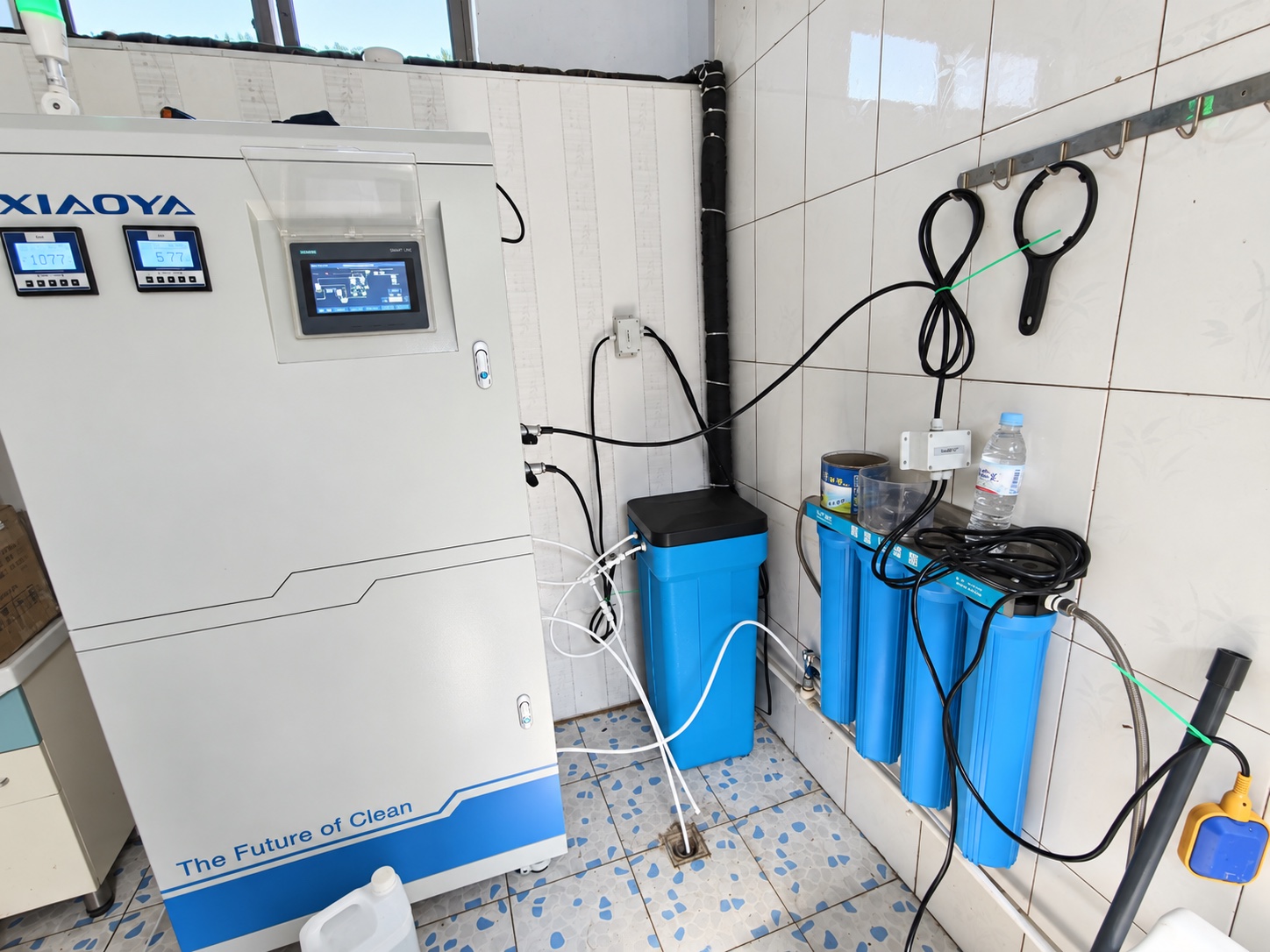
A 2025 project installation by Xiaoya at a swine farm in Jieyang, Guangdong is documented. The accompanying video displays the equipment, storage tank and adjacent service area.
The record describes several farm tasks, including facility cleaning and vehicle hygiene. Use it to discuss equipment positioning, access and supply arrangements for your own site.
Discuss a similar supply requirementRecord task volumes and their timing. Pig numbers and total wash-water consumption are not substitutes for actual HOCl solution requirements.
Separate cleaning water from the HOCl task volume. Delivery and refilling move the same solution; they do not create an additional consumption line.
Compare overlapping demand with the confirmed production rate, available run time and any suitable buffer storage.
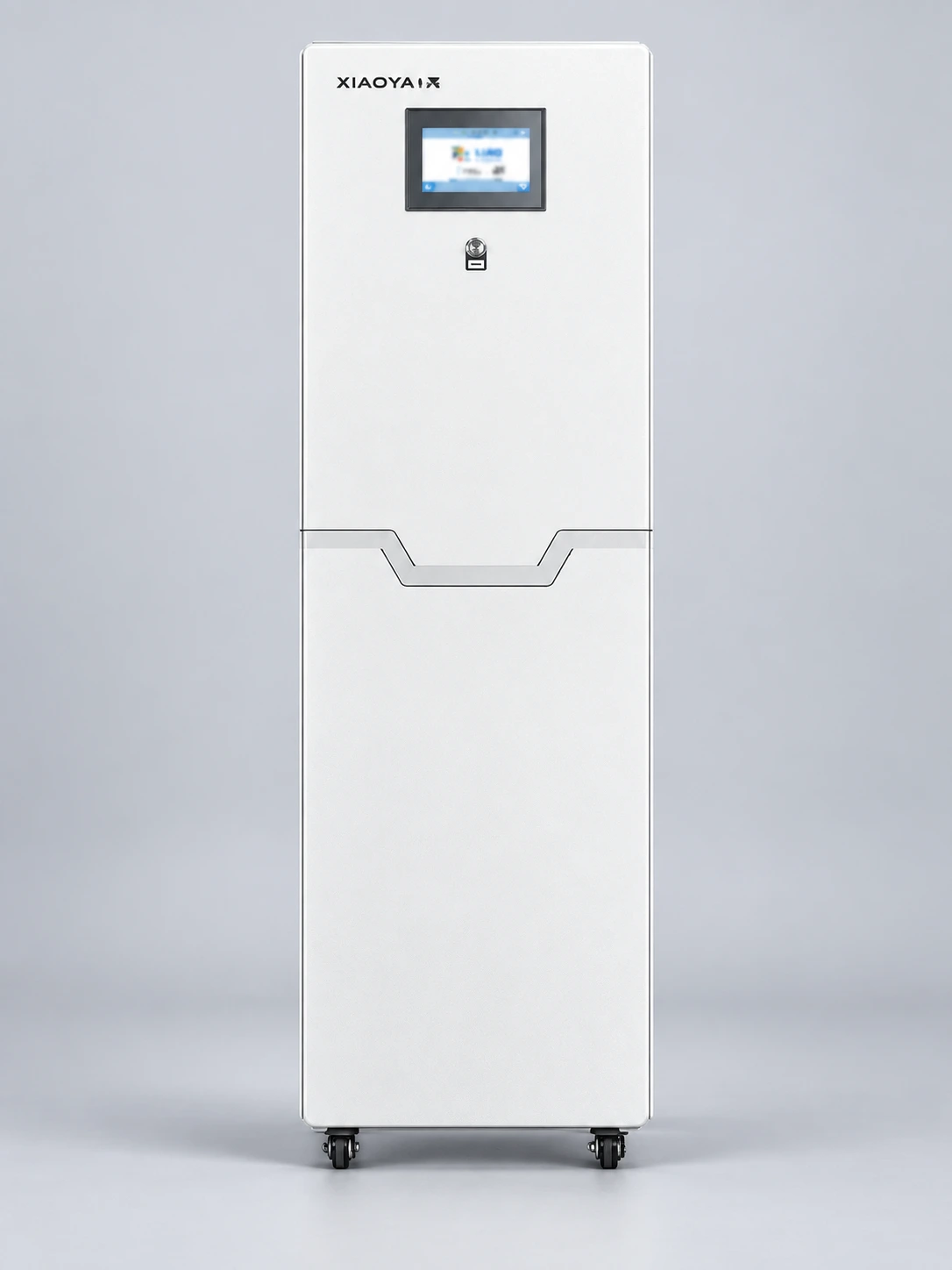
Compare HCl-fed and salt-fed equipment against the same output requirement, available feed and site conditions.
Confirm the required flow and concentration together, source-water preparation, electrical supply and feed arrangements.
HCl-fed range Salt-fed rangeDefine any holding tanks, pumps, pipework and collection equipment, including customer-supplied items and site works.
Integrated system scopeAgree testing, startup guidance, routine maintenance, spare parts and the response to interrupted supply.
Installation planningThese requirements are distinct from empty-house surfaces and equipment hygiene. Define the objective before discussing a treatment arrangement.
Review production stage, source water, flow profile, line condition and concurrent water additives. Confirm the intended-use requirements and veterinary operating plan.
Bring: water information, flow records and the existing programme.Generator feed-water requirementsIdentify the target problem, air stream, contact arrangement and proposed performance check. Surface solution supply alone does not demonstrate odor removal or emission compliance.
Bring: source location, airflow information and a defined target.Describe the separate taskPossibly, where operating points, peak demand, distribution and access rules can be reconciled. A shared generator does not make the procedures interchangeable. Review each use point before defining the system.
No suitability for those uses is established here. This page is a supply-planning discussion for specified farm tasks, not an occupied-pen or direct-human-use protocol.
Use your own task volumes, current purchase costs, labour, site works and maintenance to compare options. See the cost and TCO guide; no fixed savings percentage is promised.
Share your country, production stage, intended tasks, houses and busy periods. Add known solution volumes, water and power conditions, and any equipment already on site.
Discuss My Swine Project